
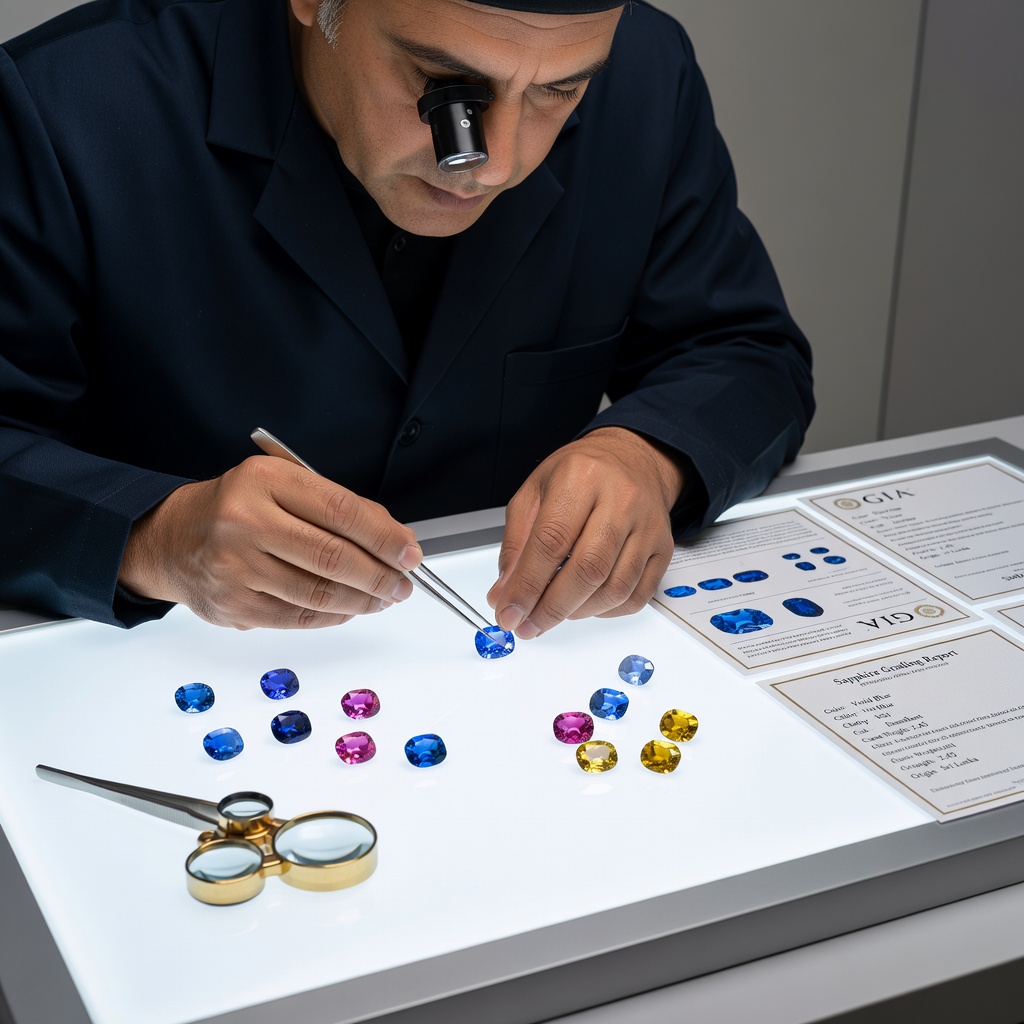
Introduction to Sapphire Pricing
Navigating the world of precious gemstones can feel overwhelming when you encounter price tags ranging from $25 to over $10,000 per carat for seemingly similar blue stones. This dramatic price variation in the sapphire market stems from a complex interplay of geological factors, treatments, origins, and quality characteristics that extend far beyond simple carat weight. Understanding these nuances is essential whether you are seeking an engagement ring centerpiece, building a jewelry collection, or diversifying your investment portfolio with tangible assets. This comprehensive Sapphire Price Guide demystifies the pricing structure by breaking down exactly what drives sapphire cost per carat and how you can identify exceptional value in a marketplace filled with variables.
Unlike diamonds, which follow relatively standardized pricing matrices, sapphires require a more nuanced approach to valuation that considers unique attributes like origin prestige and color saturation. The journey from rough crystal to polished gemstone involves numerous decisions that impact final pricing, from mining location to enhancement treatments that can alter value by thousands of dollars. By mastering the fundamentals outlined in this guide, you will develop the confidence to compare stones across different vendors, recognize when a premium is justified, and avoid common pitfalls that trap uninformed buyers. Whether your budget is $500 or $50,000, understanding the true determinants of sapphire value ensures your purchase aligns with both your aesthetic preferences and financial expectations.
The Four Pillars of Sapphire Value
While carat weight provides a starting point for sapphire valuation, professional gemologists evaluate these precious stones using four distinct quality pillars that collectively determine market price. Understanding how these factors interact helps explain why two sapphires of identical size might differ in price by factors of ten or even one hundred. The interplay between color, clarity, cut, and carat creates a complex valuation matrix where compromises in one area might be offset by excellence in another, depending on your intended use for the stone.
Color Saturation and Hue
Color reigns supreme as the most critical factor in sapphire quality grades, often accounting for up to 60% of a stone's total value in the eyes of experienced dealers. The most prized blue sapphires display a vivid, saturated "royal blue" or "cornflower blue" hue with medium to medium-dark tone, avoiding the washed-out appearance of pale stones or the overly dark "inky" look that obscures brilliance. Fancy colored sapphires—including pink, yellow, and the rare padparadscha variety—follow similar saturation rules, with intense, pure colors commanding significant premiums over muted or grayish alternatives. When evaluating sapphire cost per carat, remember that a smaller stone with exceptional color will consistently outperform a larger stone with mediocre hue, making color the non-negotiable starting point for quality assessment.
Clarity Expectations and Inclusions
Unlike diamonds, where clarity standards demand eye-clean appearance, sapphires naturally contain inclusions that gemologists accept as evidence of authentic geological formation. These internal characteristics, known as "silk" in the trade, can actually enhance value when they create the coveted star effect in asteriated stones or prove the gem has not undergone heat treatment. Eye-clean sapphires—those without visible inclusions to the naked eye—command premium pricing, yet slightly included stones (SI clarity) offer 20-40% cost savings without compromising beauty when set in jewelry. The key distinction lies in avoiding heavily included stones with surface-reaching fractures that compromise durability, as these structural weaknesses can lead to chipping or require stabilization treatments that dramatically reduce value.
Cut Quality and Brilliance
A master cutter transforms rough sapphire crystals into brilliant gems by optimizing proportions to maximize color saturation while minimizing visible inclusions. Unlike diamonds that prioritize fire and brilliance through precise mathematical proportions, sapphire cutting emphasizes color retention, often resulting in deeper pavilions and heavier stones that would be considered "poorly cut" in diamond terminology. Well-executed cuts can mask slight color zoning by orienting the table to display the most uniform color face-up, effectively increasing the stone's apparent quality and justifying higher sapphire cost per carat. Poor cutting, conversely, creates "windows" where light escapes through the bottom, resulting in lifeless, washed-out appearance that no amount of carat weight can compensate for in terms of beauty or value.
Carat Weight and Exponential Pricing
Sapphire pricing follows an exponential rather than linear progression, meaning that a three-carat stone of equal quality costs significantly more than three times the price of a one-carat specimen. This "multiplier effect" intensifies dramatically above the two-carat threshold, where supply constraints meet increasing demand for statement jewelry pieces and investment-grade assets. Large, clean sapphires over five carats with exceptional color become exponentially rarer in nature, driving prices to $10,000+ per carat for fine quality stones that might command only $2,000 per carat in smaller sizes. Smart buyers often target "swoon weights" just under critical thresholds—such as 1.9 carats instead of 2.0—to capture substantial size while avoiding the psychological and financial premiums attached to round-number milestones.
Color Variations and Their Price Impact
The spectrum of sapphire colors extends far beyond the traditional blue associated with royalty, encompassing every hue except red (which defines rubies) and creating distinct market tiers with vastly different pricing structures. While blue sapphire pricing dominates the commercial market, savvy collectors recognize that fancy color sapphires offer both aesthetic diversity and investment opportunities that sometimes outperform traditional blues. The rarity of certain color combinations, combined with cultural preferences and fashion trends, creates a dynamic marketplace where a pink sapphire might cost triple the price of a comparable blue stone, while yellow varieties provide accessible entry points for budget-conscious buyers.
Premium Blue Sapphires and Kashmir Cachet
Kashmir blue sapphires represent the absolute pinnacle of the market, with exceptional specimens commanding $5,000 to $10,000+ per carat due to their legendary "velvet blue" color caused by specific trace elements and microscopic inclusions. These stones, mined briefly in the late 19th century from a remote Himalayan location, possess a distinctive milky appearance and intense saturation that modern laboratories cannot replicate, making them the ultimate trophy for collectors. Burmese blue sapphires from the Mogok Valley offer the closest alternative, displaying rich, saturated royal blue hues that command $2,000-5,000 per carat for fine quality, untreated examples. When evaluating blue sapphire pricing, remember that the specific hue—whether cornflower, royal, or navy—significantly impacts value more than generic "blue" classification suggests.
The Rarity of Padparadscha and Fancy Colors
Padparadscha sapphires, displaying the delicate pink-orange hue reminiscent of a tropical sunset, rank among the rarest and most expensive colored gemstones, with prices ranging from $8,000 to $30,000 per carat for certified, untreated specimens. These Sri Lankan treasures derive their name from the Sinhalese word for lotus blossom and command premiums that often exceed fine blue sapphires due to extreme scarcity and growing collector demand. Pink sapphires have emerged as strong market performers in recent years, with vivid "hot pink" stones from Madagascar and Burma appreciating faster than traditional blues, particularly in sizes over two carats. Yellow and green sapphires provide excellent value propositions at $100-500 per carat, offering the durability and prestige of corundum without the premium attached to blue or pink varieties, making them ideal for fashion jewelry and artistic designs.
Color Uniformity and Zoning
Uniform color distribution significantly increases sapphire value compared to stones displaying visible "zoning" where bands of lighter and darker color create uneven appearance. Expert cutters minimize zoning by orienting the stone to show the most consistent color through the table, but this technique has limits when faced with heavily zoned rough material. Stones with "windows"—areas of washed-out color where light passes through without returning—suffer dramatic price reductions of 30-50% compared to evenly saturated specimens. When examining sapphires, tilt the stone under various lighting conditions to detect subtle color shifts; the most valuable gems maintain their vivid hue from all angles without dead spots or banding that detract from visual impact.
Origin Matters: Geographic Price Premiums
Provenance significantly influences sapphire investment value, with certain mining locations commanding substantial premiums based on historical significance, geological uniqueness, and market perception rather than purely objective quality metrics. The mystique surrounding specific origins creates distinct market tiers where identical-looking stones from different locations might vary in price by 300% or more, particularly in the investment-grade sector. Understanding these geographic premiums helps buyers make informed decisions about whether origin prestige justifies the additional cost or if excellent alternatives from lesser-known sources provide better value for jewelry purposes.
Kashmir and Burmese Premium Markets
Kashmir sapphires occupy a unique position in the collector market, commanding 200-400% premiums over comparable quality stones from other origins due to their historical significance and the legendary "velvet" optical effect caused by microscopic rutile inclusions. These stones, effectively extinct in terms of new supply since the 1880s, appear almost exclusively at major auction houses where they consistently break price records, with exceptional examples selling for $200,000+ per carat. Burmese sapphires from the Mogok Stone Tract command 50-100% premiums over Sri Lankan or African stones, justified by their typically superior saturation and the "royal blue" color profile historically associated with imperial courts. For serious collectors focused on sapphire investment value, these origins represent the blue-chip standard, though the premiums reflect scarcity and provenance as much as intrinsic beauty.
Sri Lankan Value and Consistency
Ceylon sapphires from Sri Lanka offer exceptional value in the current market, providing consistent quality across all color varieties at price points typically 30-50% lower than Burmese equivalents. The island's alluvial deposits yield stones with excellent clarity and the lighter, brighter "cornflower blue" tone preferred by modern jewelry designers and younger consumers. Sri Lankan mines also produce the majority of padparadscha sapphires and fine pink varieties, making the region essential for fancy color collectors seeking authenticated origin. For buyers prioritizing beauty over investment pedigree, Ceylon stones provide the optimal balance of quality, size availability, and reasonable sapphire cost per carat, particularly in the 1-3 carat range popular for engagement rings.
Emerging Sources and Ethical Alternatives
Montana sapphires from the United States and Australian stones from New South Wales provide ethically sourced alternatives with distinctive color profiles that appeal to environmentally conscious consumers. Montana's Yogo Gulch produces rare "cornflower blue" stones free from the typical greenish secondary hues found in other Montana deposits, though sizes rarely exceed one carat, creating scarcity-driven pricing for larger specimens. Australian sapphires, particularly those from the Inverell district, offer deep blue to green-blue colors at 20-30% discounts compared to Asian origins, with the added benefit of strict environmental and labor regulations. These western sources appeal to buyers prioritizing traceability and ethical mining practices, though they generally lack the investment prestige and appreciation potential of historic Asian origins in current sapphire market trends.
Treatments and Their Effect on Price
Enhancement treatments fundamentally alter sapphire pricing structures, with disclosure requirements and market acceptance varying dramatically between different modification techniques. While some treatments represent standard industry practice that improves appearance without significantly compromising value, others constitute deceptive practices that can reduce a stone's worth by 90% or more. Understanding the distinction between acceptable heat treatment and problematic enhancements like beryllium diffusion or fracture filling protects buyers from overpaying for compromised stones while helping them make informed decisions about the trade-offs between beauty, durability, and investment potential.
Standard Heat Treatment
Heat treatment, practiced for over 2,000 years, remains the most common and accepted enhancement in the sapphire trade, improving color saturation and clarity by dissolving rutile silk inclusions at high temperatures. This permanent, stable treatment reduces sapphire cost per carat by 30-50% compared to unheated equivalents, making fine color accessible to buyers who cannot afford the steep premiums attached to untreated stones. Reputable dealers always disclose heat treatment, and major laboratories like GIA and AGL clearly state this status on certificates, allowing buyers to factor the treatment into their valuation calculations. For jewelry purposes, heated sapphires offer excellent value and durability, though they lack the investment appreciation potential and rarity premium commanded by certified unheated stones.
Beryllium Diffusion and Fracture Filling
Beryllium diffusion, which involves heating stones with beryllium to alter color throughout the entire gem or just the surface layer, dramatically reduces value and should always be disclosed by sellers. This treatment can convert pale or colorless corundum into vivid yellows, oranges, or padparadscha colors that mimic natural fancy sapphires, sometimes commanding prices far exceeding their true worth to unsuspecting buyers. Even more problematic, fracture filling with lead glass or cobalt-infused glasses can improve apparent clarity in heavily included stones by 80-90% while creating durability issues, as these fillers can be damaged by heat, cleaning chemicals, or even daily wear. Always require sapphire certification specifically stating "no indications of heating" or "unheated" for investment purchases, and avoid beryllium-treated or fracture-filled stones entirely unless priced as costume jewelry.
Disclosure Requirements and Certification
Professional ethics and legal requirements mandate full disclosure of sapphire treatments, though enforcement varies significantly between jurisdictions and market channels. The Federal Trade Commission (FTC) guidelines require sellers to disclose any treatment that is not permanent, requires special care, or significantly affects value—criteria that clearly apply to beryllium diffusion and fracture filling but exempt standard heat treatment. When evaluating sapphire investment value, insist on certificates from respected laboratories like GIA, AGL, or Gübelin that use advanced spectroscopy to detect subtle treatments invisible to standard gemological equipment. Be particularly wary of "natural color" claims without certification, as this term legally applies to heated stones but misleadingly implies untreated status to uninformed consumers.
Natural vs. Synthetic Sapphire Pricing
The dichotomy between natural and laboratory-created sapphires creates distinct market segments with radically different pricing structures, value propositions, and appropriate use cases. While both materials share identical chemical compositions and physical properties—making them indistinguishable without magnification—their values diverge based on rarity, geological significance, and investment potential. Understanding these distinctions helps buyers allocate their budgets appropriately between synthetic stones for fashion jewelry and natural specimens for heirloom pieces or portfolio diversification.
Natural Sapphire Market Entry Points
Natural sapphires begin around $100 per carat for commercial-quality stones with visible inclusions, windowing, or pale color, providing accessible entry points for buyers seeking authentic gemstones on limited budgets. Fine quality natural sapphires with good color and clarity typically range from $800-2,500 per carat, while exceptional, untreated specimens from prestigious origins command $5,000-10,000+ per carat depending on size and provenance. The natural sapphire market operates on scarcity principles, with prices appreciating based on mining depletion, particularly for untreated stones from exhausted Kashmir mines or politically restricted Burmese sources. For buyers viewing sapphires as stores of value or heirloom assets, natural stones represent the only viable option, as they alone possess the rarity and historical significance that drive long-term appreciation.
Laboratory-Created Value Proposition
Lab-created sapphires, grown using flame fusion or hydrothermal processes, retail for $20-50 per carat while offering chemical and optical properties identical to their natural counterparts. These synthetic stones provide excellent options for costume jewelry, industrial applications, or fashion pieces where durability matters but investment value does not, allowing buyers to acquire large, flawless stones for minimal cost. However, synthetic sapphires possess zero resale value and no investment appreciation potential, functioning as consumable luxury goods rather than tangible assets. When considering natural vs synthetic sapphire options, evaluate your primary goal: if seeking beauty alone on a budget, synthetics suffice; if building generational wealth or collecting rare natural treasures, only natural stones suffice regardless of the higher initial sapphire cost per carat.
Identification and Authentication
Distinguishing natural from synthetic sapphires requires magnification and gemological training, as visual appearance alone cannot reliably separate the materials. Natural stones typically display straight, angular growth lines, natural crystal inclusions, and "feathers" or "fingers" that differ from the curved growth patterns, gas bubbles, or unnaturally perfect clarity characteristic of laboratory creations. Professional gemologists use refractive index readings, spectroscopy, and inclusion analysis to make definitive determinations, with certification providing essential documentation for natural stones. When purchasing sapphires priced above $500, always obtain independent verification of natural origin, as undisclosed synthetics represent one of the most common frauds in the colored gemstone market, particularly in online transactions and tourist destinations.
Certification and Authentication Costs
Professional documentation transforms sapphire transactions from speculative gambles into informed investments by providing independent verification of quality, origin, and treatment status. While certification adds $100-300 to initial purchase costs, this investment protects against overpayment and fraud while establishing provenance essential for resale or insurance purposes. Understanding the hierarchy of laboratory credibility and the specific information provided by different certificate types helps buyers allocate their documentation budgets effectively across various price tiers and intended uses.
Premier Laboratory Standards
The Gemological Institute of America (GIA), American Gemological Laboratories (AGL), and Swiss Gübelin Laboratory represent the gold standard for sapphire certification, providing detailed reports that significantly enhance sapphire investment value and marketability. These institutions employ advanced spectroscopic analysis to detect treatments, origin determination techniques using trace element chemistry, and rigorous grading standards that command universal respect in the international market. GIA reports typically cost $100-200 for standard sapphires, while AGL's prestigious "Classic" reports with origin and treatment analysis range $200-300 depending on stone size and service speed. For stones valued over $1,000 or weighing more than one carat, professional certification pays for itself by preventing costly misidentification and providing negotiating leverage with insurance companies and future buyers.
In-House vs. Independent Appraisals
Jewelry store appraisals provided "in-house" at the point of purchase serve primarily for insurance replacement purposes rather than objective market valuation, often inflating values by 100-200% to justify high retail markups. These documents lack the credibility of independent laboratory reports and may contain biased assessments of color grade or treatment status favorable to the seller's inventory. For accurate verification of sapphire quality grades and fair market value, engage certified gemologists (CGA or ISA credentials) who have no financial interest in the transaction, paying $75-150 for unbiased assessments. Independent appraisals prove particularly valuable when purchasing from estate sales, auctions, or international dealers where provenance documentation may be lacking or questionable.
Verification and Fraud Prevention
The proliferation of sophisticated counterfeiting extends to certificates themselves, with fake GIA or AGL documents accompanying treated or synthetic stones sold as natural, untreated specimens. Protect yourself by verifying certificate numbers directly through the laboratory's online database or customer service department before finalizing purchases, ensuring the report matches the stone's description and photograph. Beware of certificates from unknown "labs" with impressive-sounding names but no accreditation, as these often represent marketing tools designed to lend false credibility to inferior merchandise. When building a collection focused on sapphire investment value, maintain organized records of all certificates, purchase receipts, and appraisal updates, as complete documentation can increase resale values by 10-20% compared to undocumented stones of equal quality.
Current Market Trends and Investment Potential
The sapphire market has demonstrated remarkable resilience and growth, with fine untreated stones appreciating steadily even during economic downturns that depressed other luxury asset categories. Post-pandemic consumer behavior shifts have intensified demand for colored gemstones, driving sapphire market trends toward higher prices and increased competition for investment-grade specimens. Understanding these dynamics helps collectors time their entries into the market and identify which categories offer the strongest appreciation potential versus those facing price volatility or oversupply concerns.
Historical Performance and Appreciation Rates
Untreated Kashmir and Burmese sapphires have delivered consistent 8-12% annual appreciation over the past two decades, outperforming many traditional investments while providing tangible enjoyment as wearable assets. This growth accelerated following the 2020 pandemic, with auction results showing 15-20% price increases across all quality tiers as consumers redirected travel and entertainment budgets toward heirloom-quality jewelry. Investment-grade sapphires—defined as untreated stones over three carats with exceptional color and clarity—have shown particular strength, with prices for fine Burmese blues increasing 200% between 2010 and 2023. Unlike stocks or bonds, these physical assets carry no counterparty risk and provide portfolio diversification that remains uncorrelated with traditional financial markets, though they require specialized knowledge and longer holding periods to realize gains.
Shifting Demand Patterns
Fancy color sapphires, particularly pink and padparadscha varieties, have outperformed traditional blue stones in recent markets, driven by fashion trends and declining supplies from historic mines. Millennial and Gen Z buyers show increasing preference for unique, non-traditional colors, creating price pressure on peach, lavender, and teal sapphires that previously traded at discounts to blues. The engagement ring market has embraced sapphires as diamond alternatives, with blue sapphire pricing for bridal jewelry increasing 25% since 2019 as couples seek distinctive, meaningful stones with historical romance associations. Simultaneously, the influx of African sapphires from Madagascar and Tanzania has stabilized entry-level pricing for commercial qualities, creating a bifurcated market where fine, untreated stones appreciate while heated commercial goods face pricing pressure from abundant supply.
Investment Criteria and Risk Management
Successful sapphire investment requires adherence to strict criteria: minimum three-carat weight, unheated status with laboratory certification, exceptional color saturation (vivid to intense), and eye-clean clarity without treatments. Stones meeting these standards represent less than 1% of annual production, creating the scarcity that drives long-term appreciation and liquidity among high-net-worth collectors. However, gemstones should never constitute more than 5-10% of a diversified investment portfolio, as they lack income generation, require secure storage, and face liquidity challenges compared to publicly traded assets. Focus on "trophy" characteristics—rare origin, large size, exceptional color—rather than commercial qualities, as the high-end market shows the most consistent demand and price stability across economic cycles.
Where to Buy: Price Comparison by Channel
The distribution channel significantly impacts blue sapphire pricing, with markups varying from 30% to 300% above wholesale costs depending on the retail environment and service levels provided. Understanding these structural price differences allows buyers to optimize their purchasing strategy based on their expertise level, risk tolerance, and the specific type of sapphire sought. From the personalized service of high-end jewelers to the bargain-hunting potential of gem shows, each channel offers distinct advantages and potential pitfalls that informed buyers can navigate effectively.
Traditional Retail and Boutique Jewelers
Brick-and-mortar jewelry stores typically mark up sapphires 100-200% over their acquisition costs, covering extensive overhead including inventory carrying costs, staff training, and generous return policies that provide consumer protection. While these premiums seem steep, they purchase personalized service, immediate availability, and the security of established business reputations that stand behind their merchandise. High-end boutiques specializing in colored stones often employ graduate gemologists who can provide detailed education and curated selections, justifying higher prices for buyers prioritizing convenience and expertise over absolute lowest cost. For purchases under $5,000 where education and after-sale service matter, retail jewelers offer reasonable value, though buyers should negotiate aggressively and request independent certification rather than accepting in-house appraisals at face value.
Online Specialized Dealers
Internet-based gemstone dealers offer 30-50% savings compared to retail stores by eliminating physical showroom overhead while providing detailed photography, videos, and laboratory certification that facilitates remote purchasing decisions. Established online dealers like those specializing in Sri Lankan or Burmese goods maintain direct relationships with cutting houses overseas, passing along supply chain efficiencies to consumers seeking specific sapphire quality grades. However, online purchasing requires comfort with evaluating stones through digital media and understanding return policies, as color representation varies between monitors and inclusion visibility differs in still images versus actual inspection. For buyers with some gemological knowledge or those seeking specific, certified stones with known treatment status, online channels provide the optimal balance of selection, pricing, and documented authenticity.
Auction Houses and Gem Shows
Major auction houses like Christie's and Sotheby's provide access to rare, investment-grade sapphires with impeccable provenance, though buyers pay 15-25% buyer's premiums atop hammer prices, and competition can drive final costs above retail levels for trophy stones. These venues suit collectors seeking Kashmir or exceptional Burmese sapphires over five carats, as the auction environment creates price discovery for unique items lacking standard pricing matrices. Gem shows, such as the Tucson Gem and Mineral Show, offer direct negotiation opportunities with cutters and rough dealers, potentially yielding 40-60% savings for knowledgeable buyers who can assess quality without laboratory support. However, gem shows require significant expertise to navigate, as temporary vendors may lack accountability, and "bargains" often represent treated or misrepresented goods targeting uninformed tourists.
Expert Buying Tips for Maximum Value
Maximizing value in the sapphire market requires strategic prioritization of quality factors and disciplined purchasing practices that protect against common industry pitfalls. By applying professional buying strategies adapted for consumer use, you can acquire stones that outperform their price points while building collections that maintain liquidity and appreciation potential. These guidelines synthesize decades of trade wisdom into actionable steps applicable across all budget levels and purchasing channels.
Prioritize Color Above All Else
When working within budget constraints, always sacrifice carat weight rather than color quality, as a smaller, vividly saturated stone outperforms a larger, dull specimen in both beauty and value retention. A 1-carat sapphire with intense "royal blue" color will command higher prices and generate more admiration than a 2-carat stone with washed-out or grayish undertones that suggest inferior quality. Apply this principle when viewing stones under various lighting conditions—natural daylight, incandescent, and LED—to ensure the color remains vivid across environments, avoiding stones that appear dead or black in certain lights. Remember that sapphire cost per carat escalates dramatically with color quality, making the "sweet spot" often found in slightly smaller stones with exceptional hue rather than marginal goods in larger sizes.
Budget Planning and Dealer Relationships
Establish your maximum budget before viewing stones to avoid emotional overspending, then partner with reputable dealers who understand your parameters and can curate appropriate options rather than showing inventory outside your range. Build relationships with specialists who focus specifically on sapphires rather than general jewelers, as dedicated dealers possess deeper inventory and nuanced understanding of origin, treatment, and quality variations. Request to see multiple stones within your budget simultaneously to compare color, cut, and clarity directly, as side-by-side comparison reveals subtle differences invisible when viewing stones separately. A trustworthy dealer will welcome these comparisons and provide education without pressure, recognizing that informed clients become long-term collectors rather than one-time transaction victims.
Certification and Return Protections
Never purchase sapphires valued over $1,000 without independent laboratory certification stating treatment status, origin (when determinable), and quality characteristics, as verbal assurances provide no recourse if problems emerge later. Insist on unconditional return policies allowing at least 7-10 days for independent verification by your own appraiser, particularly for untreated stones where treatment detection requires sophisticated equipment unavailable to consumers. For online purchases, verify that the dealer is a member of professional organizations like the American Gem Trade Association (AGTA), which enforces strict ethical standards regarding disclosure and representation. Document all communications regarding treatment status and origin, as these records provide essential protection if subsequent testing reveals discrepancies between represented and actual characteristics.
Strategic Clarity Compromises
Consider purchasing slightly included stones (SI clarity) to save 20-40% over eye-clean alternatives, provided the inclusions do not break the surface or significantly impact transparency when viewed face-up. Many inclusions, particularly "silk" rutile needles, actually prove the stone is natural and unheated, adding authentication value that justifies their presence in investment contexts. Position inclusions near the girdle or pavilion where prongs or mounting metal can mask them, rather than accepting centered inclusions directly under the table that create visible distractions. This strategy proves particularly effective for stones between 1-2 carats intended for jewelry, where minor inclusions invisible to the naked eye allow acquisition of superior color and cut within limited budgets.
Frequently Asked Questions
How much does a sapphire cost per carat on average?
Commercial-grade blue sapphires typically cost $100-400 per carat, while fine quality stones range from $800-2,500 per carat. Top-tier, untreated Kashmir or Burmese sapphires can command $5,000-10,000+ per carat. Fancy colors like padparadscha can exceed $15,000 per carat for exceptional specimens.
What is the most expensive type of sapphire?
Kashmir blue sapphires with the coveted 'cornflower blue' color are the most expensive, with auction prices reaching $200,000+ per carat for exceptional stones. Padparadscha sapphires (pink-orange) are the rarest fancy color and can fetch $8,000-30,000 per carat depending on quality.
Are treated sapphires worth buying?
Heat-treated sapphires are worth buying for jewelry purposes as they offer 30-50% cost savings while providing excellent beauty. However, they have limited investment potential. Avoid beryllium-treated or fracture-filled stones as they are significantly less valuable and less durable.
How can I verify if a sapphire price is fair?
Compare similar stones across multiple reputable dealers, checking color, clarity, carat, and certification. Use the 4Cs framework from this guide to assess quality. A certified independent appraisal ($75-150) can verify if the price aligns with market value, especially for purchases over $2,000.
Do synthetic sapphires have any resale value?
Lab-created sapphires have minimal resale value, typically retailing for $20-50 per carat new and holding almost no secondary market value. They are chemically identical to natural stones but lack rarity and investment potential, making them suitable only for budget-conscious jewelry buyers.
What size sapphire should I buy for an engagement ring?
For engagement rings, 1-2 carats offers the best balance of presence and value, costing $500-3,000 for good quality. Two carats provides substantial finger coverage. Consider 0.75-1 carat for tighter budgets ($300-1,200) or go larger if investment potential is a priority.
Does sapphire origin really affect the price that much?
Yes, origin significantly impacts price. Kashmir sapphires command 200-400% premiums, Burmese stones 50-100% premiums, while Sri Lankan sapphires offer excellent value at standard pricing. Origin matters most for investment-grade stones; for jewelry, prioritize beauty over geographic source.
Is now a good time to invest in sapphires?
The sapphire market has shown consistent 8-12% annual growth for fine, untreated stones. Post-pandemic demand has strengthened prices by 15-20% since 2020. Investment-grade stones (3+ carats, top color, untreated, certified) remain strong portfolio diversifiers, though gems should never exceed 5-10% of investment assets.


