
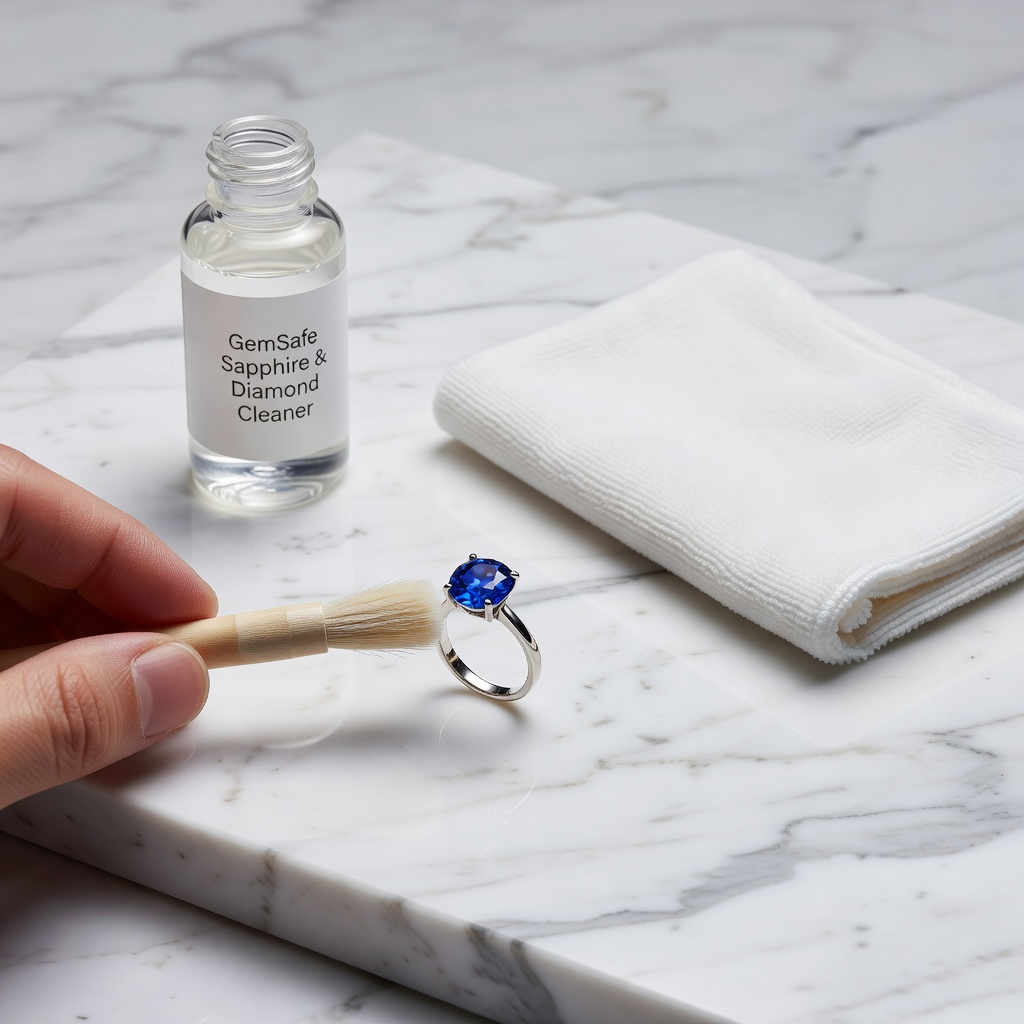
Understanding Your Sapphire's Durability
When investing in precious gemstone care, understanding the inherent strength of your sapphire provides the foundation for proper maintenance protocols. Sapphires rank an impressive 9 on the Mohs hardness scale, making them the second hardest natural substance after diamonds and significantly more durable than most other colored gemstones. This exceptional hardness means sapphires resist scratching from daily encounters with dust and debris, allowing them to maintain their brilliant luster through years of regular wear. However, this durability primarily applies to the stone itself, as the metal settings and prongs holding your sapphire remain vulnerable to damage and wear over time.
Modern jewelry markets offer both treated and untreated sapphires, and recognizing which category your stone falls into determines your specific cleaning approach. Heat-treated stones, which represent the majority of sapphires available today, undergo a permanent enhancement process that generally remains stable during routine cleaning procedures. Untreated natural sapphires command premium prices and require slightly different considerations, particularly regarding exposure to extreme temperature changes during professional cleaning. Fracture-filled or diffusion-treated sapphires demand the most cautious approach, as these treatments can be compromised by aggressive cleaning methods or ultrasonic vibrations that untreated stones easily withstand.
Daily Care Essentials for Sapphire Jewelry
Implementing consistent sapphire ring maintenance habits protects your investment from unnecessary damage while preserving its showroom shine. Always remove sapphire rings before engaging in household chores, gym workouts, or swimming sessions, as these activities expose your jewelry to harsh chemicals, impact risks, and potential loss in water. Chlorinated pool water and saltwater can erode metal settings over time, while weightlifting and contact sports create opportunities for your stone to chip against hard surfaces or become loose in its mounting. Gardening presents particular risks, as soil and grit can scratch metal bands and work their way beneath the stone, causing it to loosen gradually.
Your personal care routine significantly impacts sapphire care and cleaning requirements, making the sequence of application crucial for longevity. Apply lotions, perfumes, hairsprays, and cosmetics before putting on your sapphire jewelry, allowing these products to dry completely before adorning yourself with precious pieces. These substances create a cumulative film of oils and chemicals that dull the stone's brilliance and potentially degrade certain setting materials over time. Additionally, make it a weekly habit to inspect prongs and settings using a simple magnifying glass or jeweler's loupe, checking for bent prongs, worn metal, or any indication that the stone has become loose in its mounting.
Safe Home Cleaning Methods That Work
Effective cleaning sapphire gemstones at home requires minimal supplies and careful attention to technique, providing professional-quality results without the associated costs. Create a gentle cleaning solution using warm water and mild dish soap, avoiding formulations that contain heavy moisturizers, antibacterial agents, or citrus extracts that might leave residue or react with metal settings. Submerge your sapphire jewelry completely and allow it to soak for ten to fifteen minutes, which loosens accumulated oils, dust, and cosmetic residue that daily wear deposits on the surface and beneath the setting.
For deeper cleaning sessions, particularly when addressing stubborn buildup, prepare a solution of one part ammonia to six parts water, ensuring adequate ventilation during the process. Using a soft-bristled toothbrush reserved exclusively for jewelry cleaning, gently brush the stone and setting, paying particular attention to the underside of the gemstone where oils accumulate and obstruct light reflection. Rinse thoroughly under warm running water, ensuring the drain is closed or covered with a mesh strainer to prevent accidental loss, then pat dry using a lint-free microfiber cloth that won't leave fibers caught in the setting. This method effectively restores sparkle to sapphire jewelry cleaning routines without risking damage to the stone or mounting.
Professional-Grade Home Solutions
While commercial jewelry cleaners exist, many contain harsh chemicals unnecessary for sapphire maintenance and potentially harmful to delicate settings. Instead, consider investing in a jewelry cleaning steam device designed for home use, which provides safe, high-pressure cleaning for untreated, high-quality stones. Alternatively, specialized jewelry polishing cloths impregnated with cleaning compounds offer excellent maintenance between deep cleaning sessions, removing fingerprints and light oils while adding a protective layer to metal components.
What to Avoid: Common Cleaning Mistakes
Even experienced jewelry owners sometimes compromise their precious gemstone care through well-intentioned but harmful cleaning practices that permanently damage sapphires and their settings. Never expose sapphire jewelry to harsh chemicals including bleach, chlorine, acetone, or alcohol-based solutions, as these substances can pit or discolor metal settings and potentially damage certain treatment processes applied to the stone itself. Swimming pools, hot tubs, and cleaning products containing these chemicals should be strictly avoided while wearing sapphire pieces, as prolonged exposure weakens the structural integrity of prongs and can cause microscopic damage to the gemstone's surface.
Abrasive materials present another significant threat to sapphire care and cleaning efficacy, despite persistent myths about household remedies. Avoid using toothpaste, baking soda, or powdered cleaners, as these substances contain abrasive particles that scratch metal settings and can create microscopic grooves on the sapphire's surface that trap future dirt and oils. Similarly, resist the temptation to use paper towels, tissues, or rough cloths for drying, as these materials can scratch both the stone and precious metal components. Skip ultrasonic cleaners unless you are absolutely certain your sapphire is untreated and free from significant inclusions, as the intense vibrations can loosen settings and cause fracture-filled stones to develop internal cracks or lose their treatment entirely.
Professional Cleaning and Maintenance Schedule
While diligent home care forms the foundation of sapphire ring maintenance, professional intervention remains essential for preserving both beauty and security over decades of wear. Schedule comprehensive inspection and cleaning with a qualified jeweler every six to twelve months, depending on how frequently you wear the piece and the complexity of its setting. During these appointments, professionals utilize steam cleaners and professional-grade solutions that remove buildup impossible to address with home methods, while simultaneously examining the structural integrity of prongs, clasps, and mountings that secure your valuable gemstone.
Professional jewelers possess the expertise to identify early warning signs of wear that untrained eyes might miss, such as hairline cracks in prongs or microscopic loosening of the stone within its setting. Prong re-tipping, tightening of loose stones, and setting reinforcement during these maintenance visits extend jewelry lifespan significantly, preventing the devastating loss of a center stone due to preventable metal fatigue. For pieces worn daily, such as engagement rings, consider more frequent check-ups every four to six months, particularly if the setting features intricate designs or multiple accent stones that require additional security measures.
Proper Storage Solutions to Prevent Damage
Implementing strategic sapphire storage tips protects your jewelry when not in use, preventing scratches, tarnish, and accidental damage that occurs during improper storage. Store each sapphire piece separately in soft cloth pouches or a jewelry box featuring individual compartments with fabric-lined dividers that prevent pieces from contacting each other. This separation proves particularly important because sapphires, despite their hardness, can scratch other gemstones and precious metals, while harder stones like diamonds can actually damage sapphire surfaces or scratch the metal settings holding them.
Environmental factors significantly impact the longevity of both gemstones and their mountings, requiring thoughtful storage conditions. Include anti-tarnish strips in your storage boxes to protect metal settings from oxidation, particularly for pieces featuring silver or white gold components that are prone to tarnishing. Store your jewelry in a cool, dry place away from direct sunlight, which can fade certain treatments or cause thermal expansion that stresses settings over time. For valuable collections, consider a home safe or safety deposit box for pieces worn infrequently, ensuring they remain protected from both environmental damage and potential theft while maintaining proper insurance documentation.
Special Considerations for Different Sapphire Types
Not all sapphires respond identically to cleaning sapphire gemstones procedures, as variations in treatment, origin, and structural characteristics demand tailored approaches. Padparadscha sapphires, prized for their rare pink-orange hue, often receive specific treatments that make them more delicate than their blue counterparts, requiring gentler cleaning methods and avoidance of ultrasonic or steam cleaning. These stones often contain different trace elements and may have undergone unique enhancement processes that react poorly to aggressive cleaning agents or rapid temperature changes.
Star sapphires present unique challenges due to their distinctive optical phenomenon created by rutile inclusions aligned within the crystal structure. These surface-reaching inclusions require extra protection during cleaning sapphire gemstones sessions, as harsh brushing or chemicals can damage the delicate surface integrity that creates the star effect. Vintage and antique sapphire pieces demand particularly cautious handling, as older settings may use softer metals or weakened prongs that cannot withstand modern cleaning techniques. Estate jewelry often features intricate filigree work or closed-back settings that trap moisture, requiring specialized drying techniques and professional assessment before any home cleaning attempts.
Restoring Dull or Dirty Sapphires
Even with diligent care, sapphires occasionally lose their characteristic brilliance due to cumulative buildup that routine maintenance fails to address completely. The accumulation of body oils, hand lotions, and environmental pollutants creates a stubborn film that significantly reduces light transmission through the stone, making even high-quality sapphires appear lifeless and gray. When home cleaning methods fail to restore the stone's fire and brilliance, professional polishing can revitalize the surface without removing significant material, utilizing specialized compounds and techniques that safely remove microscopic layers of buildup while maintaining the stone's original dimensions and cut precision.
Some sapphires, particularly those with surface-reaching fractures or specific color enhancements, receive oil or resin treatments that improve their appearance and stability. These treatments require periodic reapplication by gemstone specialists who understand the specific needs of treated stones within the context of precious gemstone care. If your sapphire suddenly appears dull despite proper cleaning, examine it under magnification for fine scratches on the surface, which can occur from contact with harder materials or improper cleaning tools. Professional re-polishing removes these surface defects, though the process should be undertaken conservatively to preserve the stone's weight and value.
Insurance and Appraisal Documentation
Maintaining current insurance and appraisal documentation represents a critical yet often overlooked aspect of comprehensive sapphire ring maintenance and financial protection. Regular cleaning and professional maintenance preserve your sapphire's condition, ensuring accurate insurance valuations that reflect the stone's true market value rather than depreciated estimates based on neglected appearance. Photograph your sapphire jewelry every two to three years, preferably immediately following professional cleaning when the stone exhibits maximum brilliance, creating visual documentation that proves invaluable should you need to file a loss or damage claim.
Update formal appraisals biennially or whenever significant market fluctuations affect colored gemstone pricing, as sapphire values can vary considerably based on origin, treatment status, and current fashion trends. Clean pieces photograph significantly better for insurance claims and police reports if loss occurs, as dirt and film obscure identifying characteristics that help verify ownership and specifications. Store digital copies of appraisals, receipts, and photographs in secure cloud storage separate from physical documentation, ensuring accessibility even if your home suffers disaster or theft. Proper documentation combined with meticulous maintenance often results in lower insurance premiums and faster claim processing when necessary.
Myths vs. Facts About Sapphire Care
Separating folklore from facts ensures effective sapphire care and cleaning while preventing the unintentional damage that misinformation causes. One persistent myth suggests that sapphires never require professional care due to their exceptional hardness, but the fact remains that while the stone itself resists scratching, the metal settings inevitably weaken over time through normal wear, thermal expansion, and metal fatigue. Another dangerous misconception promotes toothpaste as a safe cleaner for all jewelry, when in reality, the abrasive compounds in toothpaste scratch metal settings and can create permanent surface damage on gemstones, including sapphires, that requires professional re-polishing to correct.
Many owners believe that all sapphires can safely withstand steam cleaning or ultrasonic baths, but the fact is that treated stones, particularly those with fracture-filling or color diffusion treatments, may suffer catastrophic damage from these methods. Additionally, the myth that sapphires are indestructible leads some owners to wear them during activities that risk impact damage; while the stone resists scratching, it can chip or shatter if struck with sufficient force along cleavage planes. Understanding that sapphire durability refers primarily to scratch resistance rather than impact resistance helps owners make informed decisions about when to remove their jewelry for safety.
Frequently Asked Questions About Sapphire Care and Cleaning
Can I clean my sapphire ring with soap and water at home?
Yes, mild dish soap and warm water are safe for most sapphires. Soak for 10-15 minutes, gently brush with a soft toothbrush, rinse thoroughly, and pat dry with a lint-free cloth. Avoid harsh soaps containing moisturizers or chemicals.
How often should I clean my sapphire jewelry?
Clean sapphire jewelry at home every 2-4 weeks with regular wear. Schedule professional cleaning and inspection every 6-12 months to check settings and maintain optimal brilliance. Pieces worn daily may need more frequent care.
Will sapphires scratch or chip easily during normal wear?
Sapphires are extremely durable (9/10 on Mohs scale) and resist scratching well, but they can chip if struck hard against a solid surface. The gemstone itself is tough, but the setting and edges are vulnerable to damage from impacts.
Are ultrasonic cleaners safe for sapphire jewelry?
Generally yes for untreated, high-quality sapphires, but avoid them for fracture-filled, heavily included, or heat-treated stones. The vibrations can loosen settings and damage treated stones. When in doubt, use gentler cleaning methods.
What chemicals should I avoid when cleaning sapphires?
Never expose sapphires to bleach, chlorine, acetone, or ammonia-based cleaners in high concentrations. These can damage both the stone and metal settings. Also avoid abrasive cleaners like toothpaste or baking soda that can scratch the metal.
Is hand sanitizer safe for sapphire rings?
Occasional contact with hand sanitizer won't damage the sapphire, but repeated exposure can dull the stone's surface and potentially weaken certain setting glues. It's best to remove rings before applying sanitizer or wait until it's fully absorbed.
How should I store sapphire jewelry when not wearing it?
Store each piece separately in soft cloth pouches or a jewelry box with individual compartments. Keep sapphires away from harder stones like diamonds that could scratch them, and place anti-tarnish strips nearby to protect metal settings.
Can I wear my sapphire jewelry every day?
Yes, sapphires are excellent for daily wear due to their hardness and durability. However, remove them during heavy manual work, sports, swimming, or when using harsh chemicals. Regular cleaning and annual professional checks keep them secure.


