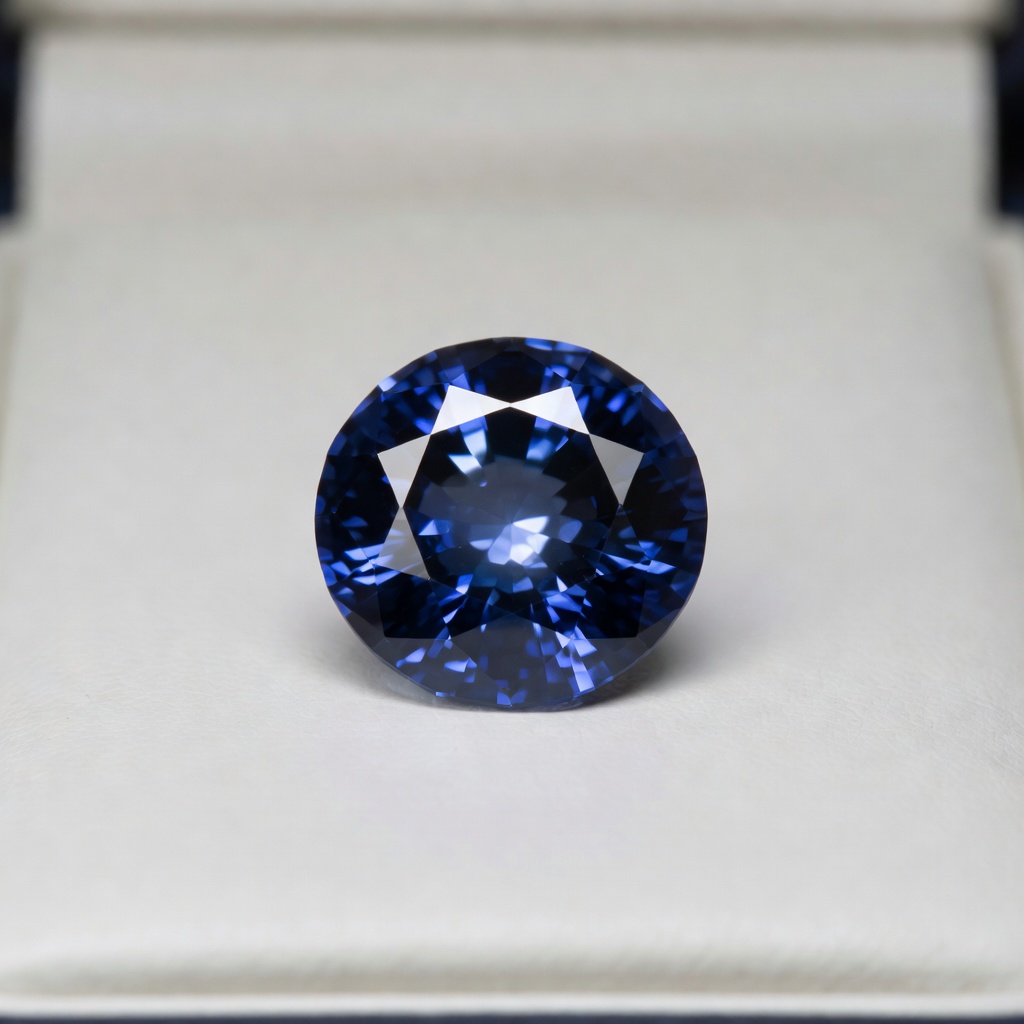
Why Sapphires Are the Smart Buyer's Choice
When selecting a gemstone for fine jewelry or engagement rings, discerning buyers increasingly turn to sapphires as their preferred choice. Ranking an impressive 9 on the Mohs hardness scale, these corundum gems stand second only to diamonds in durability, making them ideal for daily wear in rings and bracelets that withstand decades of use. Unlike many other colored gemstones that require delicate handling, a high-quality natural sapphire resists scratching and chipping, ensuring your investment maintains its brilliance through generations of active lifestyles.
The value proposition of sapphires becomes immediately apparent when comparing them to diamonds of similar visual impact and size. A one-carat natural sapphire with exceptional color often costs significantly less than a comparable diamond, allowing buyers to either save substantially or allocate their budget toward larger, more impressive stones without compromising on prestige. This exceptional value extends beyond the initial purchase, as fine sapphires have historically appreciated in value, particularly those with documented origins from prestigious mining regions like Kashmir, Burma, or Sri Lanka.
Rich cultural symbolism further elevates sapphires beyond mere decorative appeal. These gems have adorned royalty for centuries, with Princess Diana's iconic blue sapphire engagement ring—now worn by Kate Middleton—cementing their status as symbols of wisdom, loyalty, and nobility. Beyond the traditional blue associated with September birthstones, sapphires occur in a spectacular rainbow of colors including vivid pink, sunny yellow, and the rare pink-orange padparadscha, offering personalized options for buyers seeking something truly unique in their sapphire buying guide research.
The Four Cs of Sapphire Quality
Understanding gemstone grading fundamentals proves essential when navigating the complex world of sapphire investment and acquisition. While diamonds follow a strict Four Cs framework, sapphire color grading requires nuanced interpretation, with color alone accounting for approximately 70% of a stone's total value. Unlike diamonds where colorlessness reigns supreme, sapphires derive their worth from the intensity, purity, and distribution of their hue, making color assessment the primary skill every buyer must develop.
Clarity expectations differ dramatically between diamonds and sapphires, requiring buyers to adjust their standards accordingly. Natural sapphires typically contain inclusions such as silk, rutile needles, or fingerprint patterns that prove not only acceptable but often desirable indicators of authenticity. Rather than seeking flawless clarity, experienced collectors look for stones where inclusions do not significantly impact transparency or durability, understanding that completely inclusion-free natural sapphires are exceedingly rare and usually command astronomical prices.
The cut of a sapphire demands careful consideration because it directly influences both brilliance and color display, affecting how light travels through the crystal structure. Precision cutting matters more than specific shape, with well-proportioned stones featuring appropriate depth percentages that maximize color saturation while minimizing windowing effects—those see-through areas that diminish a gem's visual impact. Regarding carat weight, the sapphire market exhibits exponential pricing jumps, particularly for fine qualities exceeding two carats, where each additional millimeter of diameter can multiply value rather than merely adding to it incrementally.
Decoding Sapphire Color: What to Look For
Mastering sapphire color grading represents the most critical skill in any comprehensive sapphire buying guide, as subtle variations dramatically impact both beauty and value. Royal blue and cornflower blue varieties consistently command premium prices in the marketplace, with the iconic "cornflower" designation referring specifically to a vivid, slightly violetish-blue reminiscent of the Himalayan poppy. These coveted hues originate primarily from Kashmir and Burma (Myanmar), though exceptional specimens from Sri Lanka and Madagascar also achieve top-tier status when displaying these elite color profiles.
When evaluating tone—the relative lightness or darkness of a gemstone—aim for stones falling within the medium to medium-dark range, specifically between 75-85% on the grading scale. Stones lighter than this range appear washed out or "windowy," lacking the depth that makes sapphires captivating, while those exceeding 85% tone appear inky or blackish in indoor lighting, obscuring the vibrant color that makes these gems desirable. The ideal sapphire maintains its color intensity across various lighting conditions, from natural daylight to incandescent indoor environments.
Saturation refers to the purity and intensity of color, with the most valuable stones displaying vivid saturation without gray or brown masks that dull their appearance. Examine potential purchases under different lighting sources, as some stones with heavy saturation may appear nearly black in low light, while others maintain their vibrant hue. Avoid stones that exhibit color zoning—uneven color distribution that creates patchy or banded appearances—as these variations significantly detract from both aesthetic appeal and long-term investment potential.
Clarity, Cut, and Carat Explained
Developing realistic clarity expectations forms a cornerstone of natural sapphire acquisition, as these geological treasures formed under intense heat and pressure over millions of years. Acceptable inclusions include silk (fine rutile needles that create a velvety appearance), fingerprint inclusions, and gentle color zoning that confirms a stone's natural origin rather than synthetic manufacture. These characteristics serve as fingerprints of authenticity, helping gemologists distinguish between earth-mined specimens and laboratory creations.
However, certain clarity characteristics warrant immediate rejection regardless of how attractive the color appears. Surface-reaching fractures pose significant durability risks, potentially causing the stone to chip or crack during setting or daily wear. Large, distracting inclusions positioned centrally under the table facet diminish brilliance and create "dead" spots where light fails to return to the eye. When examining loose stones, tilt them under magnification to ensure inclusions remain unobtrusive and do not create transparency issues that compromise the gem's lively appearance.
The relationship between carat weight and price follows a steep exponential curve in the sapphire market, creating distinct pricing tiers that savvy investors must understand. While a fine one-carat blue sapphire might retail between $800 and $3,500, the same quality stone weighing three carats could command $15,000 to $30,000, reflecting the extreme rarity of large, clean crystals. When building a sapphire investment portfolio, consider acquiring several smaller, exceptional stones rather than compromising quality for size, as fine two-carat specimens often appreciate more reliably than mediocre five-carat stones.
Treatment Disclosure: Heat Treated vs. Untreated
Navigating sapphire treatments requires understanding industry standards while recognizing how various enhancement methods impact value and durability. Heat treatment represents standard, accepted practice within the gemstone trade, with approximately 95% of all sapphires on the market having undergone this permanent, stable enhancement process. This ancient technique, dating back thousands of years, involves heating stones to temperatures between 800-1800 degrees Celsius to dissolve rutile silk and improve both color clarity and uniformity without introducing foreign substances.
Untreated sapphires command significant premiums in the marketplace, typically selling for 30-50% more than their heat-treated counterparts of equivalent visual quality. Collectors and investors prize these unenhanced specimens for their rarity and natural state, with documented untreated stones from prestigious origins representing the pinnacle of sapphire investment. When purchasing high-value specimens, always request specific treatment disclosure in writing, as Federal Trade Commission guidelines require sellers to inform buyers of any treatments that significantly affect value.
Beware of more invasive treatments that dramatically reduce both value and durability. Beryllium diffusion involves adding chemical elements during heating to alter color throughout the stone or just at the surface, creating artificial colors that barely penetrate the surface. Fracture filling involves injecting substances like glass or resin into surface-reaching cracks to improve apparent clarity. Both treatments require explicit disclosure and significantly diminish a stone's worth, often causing structural instability that makes the gem unsuitable for engagement rings or daily wear jewelry.
Certification and Lab Reports You Can Trust
Insisting on independent sapphire certification provides the only reliable safeguard against misrepresentation, treatment concealment, and synthetic substitution in today's complex market. The Gemological Institute of America (GIA), American Gem Society (AGS), and Gubelin Gem Lab represent the gold standard for gemstone documentation, with these institutions maintaining rigorous testing protocols and advanced spectroscopic equipment. Reports from these laboratories provide definitive statements regarding origin, treatment status, and color quality that hold international recognition among insurers, auction houses, and subsequent buyers.
When reviewing certification documents, verify that the report specifies geographic origin when determinable, as Kashmir, Burma, and Ceylon origins significantly impact valuation. The certificate should explicitly state whether the stone shows indications of heating or remains untreated, using standardized terminology that leaves no room for interpretation. Additionally, look for color quality designations such as "Royal Blue" or "Cornflower Blue" from premium labs like Gubelin or SSEF, as these trade color terms carry substantial weight in the investment community and indicate exceptional specimens.
Maintain healthy skepticism regarding certificates issued by unknown laboratories or in-house appraisals provided by the selling jeweler. Some unscrupulous dealers utilize certificates from "paper mills" that consistently overgrade color, clarity, and treatment status to justify inflated prices. Always cross-reference the certificate number with the laboratory's online database to verify authenticity, and consider obtaining a second opinion from an independent GIA Graduate Gemologist before finalizing purchases exceeding significant investment thresholds.
Natural vs. Lab-Created Sapphires
The distinction between natural sapphire and lab-created sapphire centers on origin and rarity rather than chemical composition or physical properties. Laboratory-grown sapphires possess identical crystal structures, hardness, and optical characteristics to their earth-mined counterparts, as they are created using the same aluminum oxide composition under controlled conditions. Modern techniques including flame fusion and hydrothermal growth produce stones that challenge even experienced gemologists without advanced spectroscopic analysis, making professional certification essential for verifying natural origin.
The price differential between these categories remains substantial, with lab-created sapphires typically costing 80-90% less than natural stones of equivalent size and visual quality. This dramatic cost reduction makes laboratory stones attractive for fashion jewelry, temporary pieces, or buyers prioritizing size and perfection over investment potential. For example, a flawless five-carat blue lab sapphire might retail for $500, while a comparable natural stone with minor inclusions could command $25,000 or more, reflecting the scarcity premium attached to geological rarity.
From an investment perspective, natural sapphires maintain distinct advantages over synthetic alternatives, appreciating steadily over decades while lab-created stones experience minimal secondary market demand. Natural stones carry the mystique of geological time, unique formation histories, and potential provenance from legendary mines, factors that resonate with collectors and institutional investors. However, for couples selecting sapphire engagement rings on limited budgets, lab-created options offer ethical, conflict-free alternatives with perfect clarity and color, provided both parties understand and accept the lack of long-term value retention.
Budgeting and Pricing Strategies
Developing a realistic budget requires understanding current market pricing tiers while prioritizing characteristics that maximize both beauty and sapphire investment potential. Quality one-carat blue sapphires typically range from $800 for commercial-grade heated stones to $3,500 for fine, vivid specimens with excellent clarity and precision cutting. For exceptional untreated stones from Kashmir or Burma, prices can escalate to $10,000 or more per carat, while fancy colors like padparadscha command premiums exceeding $50,000 per carat for fine qualities.
When allocating limited resources, adhere to the golden rule of colored gemstone buying: prioritize color first, then size, then clarity. A smaller stone with vivid, saturated royal blue color outperforms a larger, washed-out specimen in both visual impact and value retention. Consider alternative colors such as pink, yellow, or purple sapphires, which often provide exceptional value compared to blue varieties while offering distinctive, personalized aesthetics for sapphire engagement rings and statement pieces.
Beyond the stone itself, comprehensive budgeting must account for setting costs, which vary dramatically depending on metal choice and design complexity. Platinum settings for solitaire rings typically add $800 to $1,500 to the total investment, while intricate halo designs featuring diamond accents might increase costs by $2,000 to $5,000. Additionally, factor annual insurance premiums into your long-term cost analysis, with specialized jewelry insurance typically costing 1-2% of the appraised value yearly, ensuring protection against loss, theft, or damage for high-value acquisitions.
Where to Buy: Retailers, Online, and Auctions
Selecting the right venue for purchasing natural sapphire specimens significantly impacts selection quality, pricing transparency, and long-term satisfaction. Established brick-and-mortar jewelers employing GIA Graduate Gemologists on staff offer distinct advantages, providing immediate visual comparison between multiple stones, expert guidance on setting compatibility, and established reputations for ethical sourcing. These professionals can demonstrate how different lighting conditions affect sapphire appearance and provide immediate access to repair, resizing, and maintenance services.
Reputable online vendors have democratized access to sapphire buying guide resources, offering extensive inventories with high-resolution photography, 360-degree video, and detailed specifications impossible to maintain in physical showrooms. When purchasing online, prioritize vendors offering no-questions-asked return policies spanning at least 30 days, allowing time for independent appraisal and evaluation. Look for companies providing GIA or AGS certification with every stone rather than generic "appraisal certificates," and verify customer reviews specifically mentioning accuracy of color representation and treatment disclosure.
For investment-grade untreated stones or rare collector pieces, established auction houses like Sotheby's, Christie's, and Bonhams provide access to documented, museum-quality specimens with provenance histories. These venues frequently feature Kashmir sapphires, untreated Burmese stones, and exceptional padparadschas that rarely appear in retail markets. Regardless of venue, remain vigilant for red flags including pushy sales tactics, reluctance to provide independent certification, "too good to be true" pricing significantly below market rates, or vague answers regarding treatment history and geographic origin.
Caring for Your Sapphire Investment
Proper maintenance ensures your sapphire engagement rings and fine jewelry retain their brilliance and value across generations. Clean your sapphires regularly using warm water mixed with mild dish soap and a soft-bristled toothbrush, gently scrubbing the underside of the stone where oils and lotions accumulate to restore maximum light return. While ultrasonic cleaners remain generally safe for untreated and heat-treated sapphires, avoid these devices for stones with fracture fillings or significant surface-reaching inclusions, as vibrations may exacerbate existing weaknesses.
Storage practices prevent damage to both your sapphires and other jewelry pieces in your collection. Despite their impressive hardness, sapphires can scratch softer gemstones including emeralds, opals, and pearls, necessitating individual storage in soft pouches or compartmentalized jewelry boxes. Store sapphire pieces away from direct sunlight and extreme temperature fluctuations, though these stones resist environmental factors better than many colored gems, making them suitable for daily wear with appropriate care.
Professional maintenance every five to ten years preserves both aesthetics and structural integrity. During these service intervals, jewelers should check prong security, polish away surface scratches that accumulate on the crown facets, and re-rhodium plate white gold mountings if applicable. For high-value sapphire investment pieces exceeding $10,000, secure specialized jewelry insurance through carriers like Chubb or Jewelers Mutual rather than standard homeowners policies, ensuring coverage includes mysterious disappearance, international travel, and replacement with stones of equivalent quality rather than just cash value settlements.
Frequently Asked Questions
What Is the Most Important Factor When Buying a Sapphire?
Color is the most critical factor in sapphire quality and value, accounting for up to 70% of a stone's price. Prioritize vivid, well-saturated blue with medium to medium-dark tone (75-85%) and minimal gray or dark masks for maximum beauty and investment potential. When examining stones, always evaluate them under various lighting conditions including natural daylight and incandescent bulbs, as some sapphires appear vibrant in jewelry store spotlights but fade to dull gray in home environments. Remember that slight inclusions are acceptable if they do not detract from the face-up color display, whereas perfect clarity with poor color yields a stone with minimal value and visual appeal.
Are Lab-Created Sapphires Worth Buying?
Lab-created sapphires are excellent budget options, costing 80-90% less than natural stones while offering perfect color and clarity. However, they lack rarity and investment value, making them unsuitable for those seeking heirloom pieces or portfolio diversification. For engagement rings or meaningful jewelry intended to appreciate over decades, natural sapphires are preferred due to their geological uniqueness and established secondary markets. Lab stones work exceptionally well for fashion jewelry, travel pieces where loss concerns exist, or artistic designs requiring large, flawless stones without six-figure price tags.
How Can I Tell if a Sapphire Is Real?
Always request a certificate from reputable labs like GIA or AGS when authenticity concerns arise. Quick observational checks include examining the stone under 10x magnification for natural inclusions such as silk, fingerprint patterns, or color zoning, which indicate natural origin, whereas synthetic stones often appear too perfect with curved growth lines or metallic flux inclusions. Real sapphires exhibit high hardness (9 on Mohs scale) and will scratch materials like glass or steel, though professional gemological testing using spectroscopy and refractive index measurement provides the only definitive verification method for conclusive identification.
What Certifications Should I Look for When Buying a Sapphire?
Look for certificates from GIA (Gemological Institute of America), AGS (American Gem Society), Gubelin, or SSEF (Swiss Gemmological Institute). These laboratories provide detailed reports on origin, color quality, and treatments using standardized terminology recognized internationally by insurers and auction houses. Premium reports from Gubelin or SSEF often include specific color designations like "Royal Blue" or "Cornflower Blue" that significantly impact valuation. Avoid seller-issued or unknown lab certificates as they may overgrade stones, and always verify certificate numbers through the laboratory's online verification system before completing purchases.
Why Are Some Sapphires So Much Cheaper Than Others?
Low prices often indicate heavy treatments such as beryllium diffusion, fracture filling, or lattice diffusion that artificially enhance color while compromising durability and value. Synthetic lab-created origin, poor color saturation, excessive darkness or lightness, and lack of independent certification also explain dramatic price disparities. Untreated, vivid blue sapphires with excellent clarity from prestigious origins command premium prices reflecting their rarity and desirability. If a deal seems too good to be true, it likely involves inferior material, undisclosed treatments, or synthetic stones masquerading as natural gems, necessitating professional verification before purchase.
What Is the Best Sapphire Color for Engagement Rings?
Royal blue and cornflower blue are most popular for engagement rings, offering classic appeal and strong resale value that aligns with traditional expectations. Padparadscha sapphires, displaying rare pink-orange hues, provide unique alternatives for distinctive personalities, though their subtle color requires careful setting selection to enhance rather than dilute their delicate beauty. When selecting color, consider your partner's skin tone and personal style preferences—cooler skin tones often complement vivid royal blues while warmer complexions harmonize with pink, peach, or yellow varieties. Some modern couples prefer deeper midnight blues for dramatic contrast with white diamonds, while others gravitate toward lighter pastel shades for feminine, ethereal aesthetics.
Do Sapphires Hold Their Value Over Time?
High-quality untreated sapphires from reputable sources appreciate 5-10% annually and hold value well, particularly those exceeding two carats with documented Kashmir, Burmese, or Ceylon origins. Treated commercial-grade stones have minimal investment value and typically depreciate similar to consumer goods, while lab-created stones retain virtually no secondary market value. Fancy colored sapphires including padparadscha, vivid pink, and exceptional yellows show strongest long-term appreciation potential due to extreme rarity. To maximize value retention, retain all original documentation, purchase only stones with established pedigree, and avoid trends in favor of classic, saturated colors that maintain enduring appeal across generations.
Are Treated Sapphires Less Valuable Than Untreated Ones?
Yes, significantly. Untreated sapphires command 30-50% premiums over heat-treated stones of equivalent visual appearance, reflecting their natural rarity and desirability among collectors. Standard heat treatment is acceptable and stable, representing industry standard practice that does not require special care or disclosure beyond documentation, but treatments like beryllium diffusion or fracture filling dramatically reduce value and durability. Always ensure treatment disclosure is clearly stated on certification, as undisclosed treatments constitute fraud and invalidate insurance coverage. For investment purposes, prioritize untreated stones with specific documentation of their natural state, while accepting heat treatment for personal jewelry where budget constraints exist and long-term appreciation remains secondary to immediate beauty.