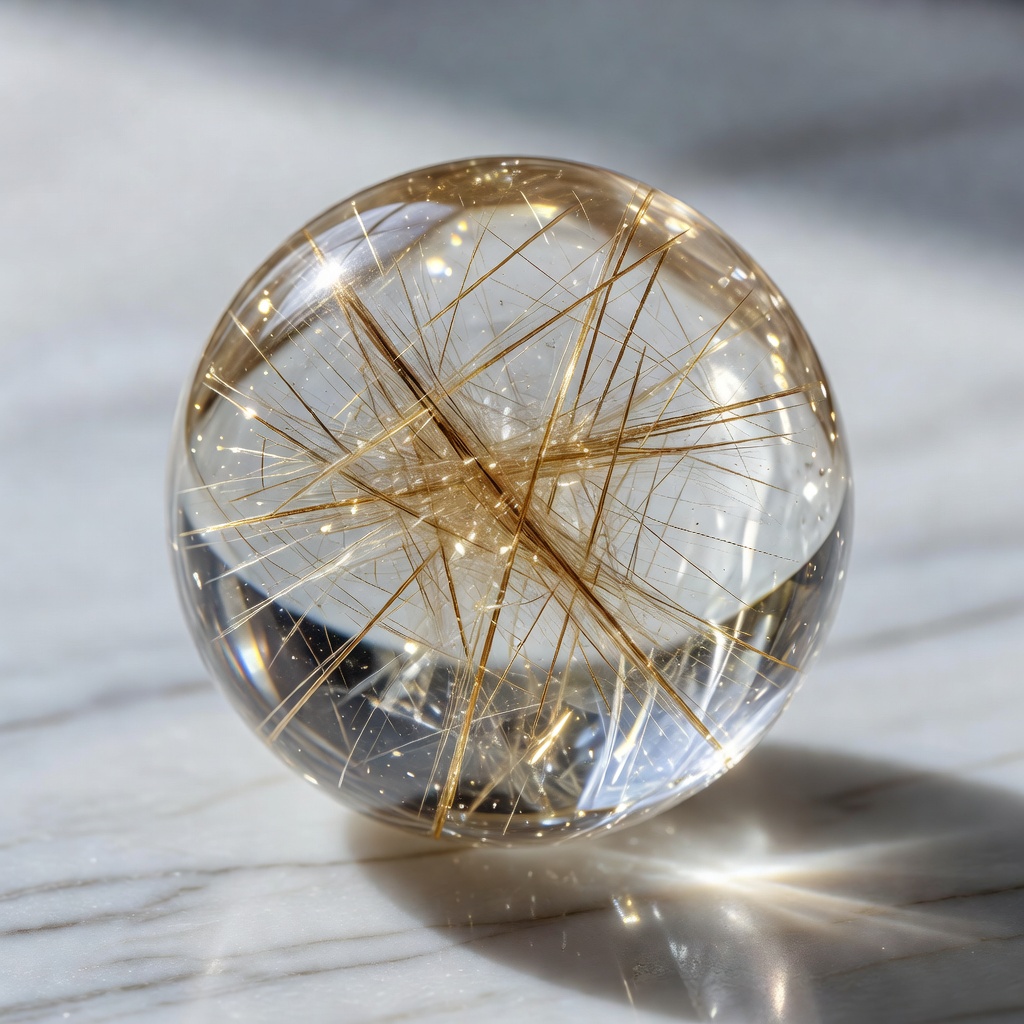
What Is Rutilated Quartz? Understanding the Basics
Rutilated quartz represents one of nature's most striking mineral combinations, featuring transparent to translucent quartz crystals intricately threaded with needle-like inclusions of rutile. These metallic-looking strands, composed primarily of titanium dioxide, create captivating patterns that resemble captured lightning, golden hair, or celestial pathways frozen within the stone. The rutilated quartz meaning extends far beyond its visual appeal, as crystal enthusiasts and spiritual practitioners have treasured this gemstone for millennia due to its unique energetic signature and aesthetic complexity.
Historically, this remarkable stone earned the poetic nickname Venus Hair Stone or "Flèches d'amour" (arrows of love) during Roman times. Ancient civilizations believed these golden threads were actually the hair of Venus, the goddess of love and beauty, crystallized within the earth as a gift to humanity. This mythological connection persists today, influencing how modern crystal healers work with the stone for matters of the heart, attraction, and divine feminine energy. The romantic associations have made it a popular choice for engagement rings and anniversary gifts, symbolizing eternal bonds that remain beautiful even when interwoven with imperfections.
Understanding the difference between natural and synthetic formations proves essential for collectors and practitioners alike. Natural rutilated quartz forms over millions of years as rutile crystals grow simultaneously within quartz cavities, creating three-dimensional networks that shift and change when viewed from different angles. Synthetic versions, while chemically similar, often display telltale signs such as unnaturally uniform patterns, surface-level needles that lack depth, or perfectly parallel arrangements that rarely occur in nature. Authentic specimens showcase organic randomness in their rutile distributions, with needles penetrating deeply into the quartz matrix at various angles.
Geological Formation and Mining Locations
The formation of rutilated quartz requires specific geological conditions that combine high pressure, temperature, and mineral-rich hydrothermal fluids deep within the Earth's crust. The process begins when silica-rich solutions deposit quartz crystals in cavities and fissures of host rocks, while simultaneously, titanium rutile quartz formations develop as titanium dioxide crystallizes within these growing quartz structures. This simultaneous growth creates the distinctive needle-like inclusions, with the rutile often aligning along the crystallographic axes of the quartz, though environmental factors can cause random orientations that produce starburst or scattered patterns.
Primary mining sources for quality specimens span several continents, with Brazil standing as the world's leading producer of fine golden rutilated quartz. The Minas Gerais region particularly yields exceptional pieces featuring dense, hair-like rutile formations that command premium prices in the global market. Madagascar contributes significant quantities of uniquely patterned specimens, often displaying thicker, more robust rutile needles with distinctive reddish-gold hues. India produces notable quantities of clear quartz with delicate silver and copper-colored rutile, while Australia's Harts Range delivers specimens with particularly striking star-pattern formations created by radiating needle clusters.
The relationship between rutile composition and resulting needle colors offers fascinating insights into the stone's chemistry. While pure titanium dioxide creates silver or gray needles, iron oxide coatings on the rutile crystals produce the coveted golden and yellow variations most commonly associated with high-quality specimens. Hematite inclusions can create reddish or copper tones, while manganese may contribute to rare pinkish or purple-tinged rutile. These color variations not only affect the stone's aesthetic value but also influence its metaphysical associations, with different colored rutile believed to resonate with specific energetic frequencies and healing applications.
Physical Properties and Visual Characteristics
From a mineralogical perspective, rutilated quartz properties combine the durability of quartz with the unique optical effects of rutile inclusions. The host quartz maintains a Mohs hardness rating of 7, making it suitable for various jewelry applications while resisting scratches from daily wear. Specific gravity measurements typically range between 2.65 and 2.70, slightly higher than pure quartz due to the density of titanium dioxide inclusions. These physical characteristics ensure that well-crafted rutilated quartz jewelry retains its beauty for generations when properly cared for.
The visual impact of these stones depends largely on the density, direction, and pattern of rutile inclusions within the transparent quartz matrix. High-quality specimens display a three-dimensional quality where needles appear to float at various depths, creating depth and movement when the stone is rotated under light. Master cutters often orient these stones specifically to maximize the visibility of rutile patterns, sometimes cutting cabochons to display star formations or faceting transparent areas to enhance brilliance while preserving needle visibility. The metallic luster of rutile contrasts beautifully with the vitreous shine of quartz, creating a chatoyant or silky appearance in certain lighting conditions.
Collectors recognize several distinct types of rutilated quartz based on inclusion patterns and densities. Star rutile formations feature needles radiating from a central point, creating asterism effects similar to star sapphires. Scattered or dispersed patterns show random needle orientations throughout the quartz, resembling captured starfields. Dense cluster formations pack numerous needles into specific zones, creating opaque sections that contrast with clear quartz areas. Each pattern type appeals to different aesthetic preferences and metaphysical applications, with star formations particularly prized for meditation and manifestation work due to their concentrated energy focal points.
Color Varieties and Rare Formations
Golden rutile quartz stands as the most recognized and commercially available variety, characterized by warm yellow to deep amber needle inclusions that seem to glow from within the crystal. These golden threads result from iron oxide coatings on the titanium dioxide crystals, with the intensity of color depending on the concentration and oxidation state of the iron present. Brazilian specimens often exhibit particularly rich, saturated gold tones that appear almost metallic, while Madagascar sources frequently produce softer, honey-colored rutile that creates gentler visual effects.
Black rutilated quartz requires careful identification, as it shares visual similarities with tourmalinated quartz, another quartz variety featuring black needle inclusions. True black rutile occurs when the titanium dioxide crystals contain significant iron or niobium content, creating dark, sometimes iridescent needles that provide dramatic contrast against clear or smoky quartz. Unlike tourmaline needles, which tend to be thicker and more opaque with a matte finish, black rutile maintains the characteristic metallic luster and thinner diameter typical of all rutile formations. Advanced identification often requires magnification to observe the crystal structure and luster differences.
Beyond the common golden and occasional black varieties, rare rutilated quartz specimens display silver, copper, red, and even blue-green rutile colors caused by various mineral inclusions and environmental factors during formation. Silver rutile, essentially pure titanium dioxide without iron coatings, appears in specimens from certain Indian and Australian deposits, creating ethereal, moonlight-like effects. Copper-colored rutile suggests the presence of hematite or copper minerals during crystallization, while extremely rare red rutile indicates specific oxidation states of iron that create ruby-like needle colors. These unusual varieties command significant premiums in the collector market and are often featured in high-end jewelry pieces or kept as mineralogical specimens.
Metaphysical Properties and Spiritual Meaning
The rutilated quartz meaning in metaphysical circles centers on its reputation as an "illuminator for the soul," believed to bring light to dark places within the psyche and accelerate spiritual evolution. Practitioners view the rutile needles as pathways for divine energy, creating channels through which higher vibrations can flow into the physical realm. This stone is thought to facilitate connection with angelic realms and spirit guides, with the golden threads serving as literal representations of celestial communication lines. Many meditation practitioners use rutilated quartz to enhance visualization abilities and receive clearer intuitive guidance during contemplative practices.
As an amplification stone, rutilated quartz intensifies not only the user's thoughts and intentions but also the energies of other crystals in its vicinity. This property makes it invaluable for crystal grids and healing layouts where enhanced energetic flow is desired. The stone is believed to accelerate manifestation processes by clarifying intentions and broadcasting them more powerfully into the universe. Unlike clear quartz, which amplifies indiscriminately, the rutile inclusions are thought to add a filtering or directing quality, ensuring that amplified energies remain focused and purposeful rather than scattered.
Spiritual growth applications include past-life regression work, where the stone is said to help access cellular memories and karmic patterns stored in the subconscious. The needle-like inclusions are metaphorically interpreted as threads connecting different lifetimes or dimensions, allowing practitioners to trace energetic patterns across time. Energy workers often employ rutilated quartz during chakra alignment sessions to identify and release energy blockages, using the stone's penetrating quality to reach deep-seated emotional or spiritual stagnation. Its association with both earth and fire elements grounds spiritual experiences while maintaining the transformative energy necessary for genuine growth.
Healing Properties and Wellness Benefits
Among the many rutilated quartz benefits cited in crystal healing traditions, respiratory system support ranks prominently, with practitioners recommending the stone for conditions affecting the lungs, bronchial tubes, and sinuses. The needle-like inclusions are thought to energetically stimulate the respiratory tract, potentially aiding in the clearing of mucus and supporting cellular regeneration of lung tissue. While these claims lack scientific validation, some holistic practitioners incorporate rutilated quartz into wellness protocols for asthma, chronic coughs, and recovery from respiratory infections, typically placing the stone on the chest during rest periods or meditation.
Mental health applications represent another significant aspect of rutilated quartz healing properties, with the stone traditionally used to alleviate depression, anxiety, and phobias. The golden light reflected by the rutile needles is believed to counteract darkness and negative thought patterns, providing an energetic boost during periods of low motivation or emotional fatigue. Crystal therapists often recommend wearing rutilated quartz jewelry during challenging transitions or stressful periods, suggesting that its energizing properties help combat the lethargy associated with depression while its grounding quartz base prevents the scattered energy sometimes triggered by anxiety.
Physical vitality and electromagnetic field cleansing round out the wellness applications associated with this stone. Users report increased energy levels and reduced fatigue when carrying rutilated quartz regularly, attributing these effects to the stone's ability to balance the body's energy meridians and clear stagnant electromagnetic buildup from electronic devices. Some practitioners place rutilated quartz near computers and WiFi routers to mitigate EMF exposure, while others sleep with small specimens under their pillows to promote cellular regeneration during rest. The stone's piezoelectric properties, common to all quartz varieties, may contribute to its reputation for stimulating the body's natural electrical systems and promoting overall energetic balance.
Chakra Alignment and Energy Work Applications
Rutilated quartz chakra associations primarily focus on the solar plexus and crown chakras, creating a unique energetic bridge between personal power and spiritual connection. The golden rutile resonates strongly with the solar plexus chakra, located at the upper abdomen, where it is believed to enhance confidence, willpower, and digestive energy. Simultaneously, the clear quartz component activates the crown chakra at the top of the head, facilitating spiritual downloads and higher consciousness expansion. This dual activation creates a column of energy that aligns the entire chakra system, making rutilated quartz particularly effective for full-body energetic clearing.
In crystal healing sessions, practitioners employ specific techniques to maximize the stone's chakra-aligning potential. For solar plexus work, therapists place the stone directly on the stomach area while guiding clients through empowerment visualizations, using the rutile needles as focal points for directing personal power. Crown chakra applications involve placing the stone slightly above the head or holding it during meditation to create a "cosmic antenna" effect. Advanced practitioners use multiple rutilated quartz points arranged in circular patterns around the body to create vortexes of energy that clear blockages and accelerate healing processes.
Synergistic combinations enhance crystal healing with rutilated quartz when paired with complementary stones. Clear quartz amplifies rutilated quartz's inherent properties, creating a powerhouse combination for intention setting and manifestation grids. Citrine, another solar plexus stone, combines with golden rutilated quartz to create abundant energy flows particularly suited for business success and creative endeavors. Amethyst provides a calming counterbalance to rutilated quartz's intense energy, creating a harmonious blend for spiritual protection and psychic development. Selenite works exceptionally well for cleansing rutilated quartz between healing sessions, maintaining the stone's optimal vibrational frequency.
Practical Uses in Daily Life and Jewelry
Incorporating rutilated quartz jewelry into daily wear provides continuous energetic support while showcasing the stone's natural beauty. Rings featuring rutilated quartz offer constant hand chakra stimulation and serve as tactile reminders of personal intentions throughout the day. Pendants worn near the heart or solar plexus areas maximize the stone's impact on emotional and personal power centers, making them ideal for individuals seeking confidence in professional or social situations. Bracelets allow the stone's energy to flow through the radial pulse points, potentially enhancing circulation and energetic distribution throughout the body.
Meditation techniques utilizing rutilated quartz vary from simple holding practices to advanced scrying and manifestation rituals. For scrying, practitioners gaze into clear sections of the stone, allowing the mind to interpret patterns formed by the rutile needles as symbolic messages or guidance. Manifestation practices involve programming the stone with specific intentions by visualizing desired outcomes while holding the crystal, then placing it in sunlight to "activate" the rutile's amplifying properties. Past-life regression sessions benefit from placing rutilated quartz on the third eye or holding it in the dominant hand while exploring subconscious memories, as the needle patterns are believed to represent lifelines or karmic threads.
Strategic placement in home and office environments leverages the stone's purported EMF protection and atmospheric cleansing abilities. Placing specimens near electronic workstations, routers, or smart meters may help mitigate electromagnetic stress, while positioning them in entryways is thought to filter negative energies from entering the space. In Feng Shui applications, rutilated quartz belongs in the Wealth and Prosperity corner (southeast) to attract abundance, or the Fame and Reputation area (south) to enhance personal visibility and recognition. Office environments benefit from desk placement to maintain mental clarity during complex tasks and to shield against competitive or negative energies from coworkers.
Cleansing, Charging, and Maintenance Care
Understanding how to cleanse rutilated quartz properly ensures the stone maintains its energetic integrity and physical beauty over time. The safest cleaning method involves lukewarm water and mild soap, using a soft brush to gently remove accumulated oils or debris from surface crevices where rutile meets quartz. Ultrasonic cleaners and steam cleaning devices should be avoided, as the vibrations and heat can potentially loosen rutile inclusions or create fractures along inclusion lines where the two minerals meet. After washing, pat the stone dry with a soft cloth rather than air-drying to prevent water spots on the quartz surface.
Charging techniques restore the stone's energetic potency after intensive healing work or prolonged use. Moonlight exposure, particularly during full moons, provides gentle yet effective charging that aligns with the stone's connection to celestial energies. Placing rutilated quartz on selenite charging plates or within geodes of clear quartz amplifies its natural vibrations while simultaneously cleansing accumulated negative energies. Intention setting during charging rituals involves holding the stone while visualizing white or golden light filling the rutile needles, programming the crystal for specific purposes such as protection, abundance, or healing.
Proper storage protects both the physical and energetic qualities of rutilated quartz care protocols. Individual storage in soft cloth pouches prevents scratching from harder stones like diamonds or sapphires, while keeping specimens away from direct sunlight for extended periods prevents potential fading of heat-sensitive inclusions. Energetic contamination is avoided by storing rutilated quartz separately from stones associated with heavy grounding or protection work, such as black tourmaline or obsidian, which might overwhelm its subtle vibrations. Creating a dedicated crystal storage space with natural elements like wood or cotton helps maintain the stone's connection to earth energies while keeping it readily accessible for daily use.
Buying Guide: Quality Assessment and Value
When looking to buy rutilated quartz, understanding grading criteria helps ensure investment in genuine, high-quality specimens. The clarity of the host quartz significantly impacts value, with transparent to slightly translucent materials commanding higher prices than cloudy or heavily included base rock. Rutile density matters greatly; sparse, scattered needles create different aesthetic and energetic effects than dense, concentrated formations, with neither necessarily superior—preference depends on intended use. Pattern aesthetics including star formations, parallel alignments, or dense hair-like clusters influence both beauty and metaphysical potency, with star patterns and dense golden fields typically fetching premium prices.
Price ranges vary dramatically based on size, quality, and rarity factors. Small tumbled stones suitable for carrying in pockets typically cost between $10 and $30, while palm stones and spheres range from $40 to $150 depending on rutile density. High-grade specimens featuring star patterns or rare silver and copper rutile can command $500 or more, with exceptional museum-quality pieces reaching into the thousands. Jewelry settings significantly affect pricing, with simple silver pendants starting around $50 and fine gold settings with exceptional stones reaching $300 to $1,000 or higher.
Authentic rutilated quartz identification requires careful observation of natural characteristics that distinguish genuine specimens from manufactured fakes or artificially enhanced stones. Real rutile needles display three-dimensional depth, appearing to penetrate the quartz at various angles and depths, while fake inclusions often look painted on the surface or trapped between glued crystal layers. Under magnification, authentic rutile shows metallic luster and natural variations in thickness, whereas synthetic versions may display uniform widths or artificial color saturation. Reputable dealers provide provenance information and are willing to demonstrate the stone's natural characteristics under magnification or different lighting conditions.
Frequently Asked Questions
What is rutilated quartz good for?
Rutilated quartz is prized for amplifying energy, accelerating manifestation, and providing spiritual protection. It's believed to enhance mental clarity, boost creativity, and strengthen the immune system while filtering negative energy from the environment.
How rare is rutilated quartz?
While clear quartz is abundant, high-quality rutilated quartz with dense, well-formed golden rutile needles is considered moderately rare. Specimens with star patterns or rare silver/copper rutile are significantly more valuable and harder to find than standard golden varieties.
Can rutilated quartz go in water?
Yes, rutilated quartz can be briefly rinsed in clean water for cleansing, but prolonged soaking is not recommended. The Mohs hardness of 7 makes it relatively safe, but sudden temperature changes or salt water can potentially damage the stone's surface or loosen inclusions over time.
What is the difference between rutilated quartz and tourmalinated quartz?
Rutilated quartz contains needle-like inclusions of rutile (titanium dioxide), typically appearing golden, silver, or copper-colored. Tourmalinated quartz contains black tourmaline (schorl) needles. Rutile needles are usually thinner, more metallic, and golden, while tourmaline is thicker, opaque black, and often thicker in diameter.
How can you tell if rutilated quartz is real?
Authentic rutilated quartz shows natural variations in needle thickness, random distribution patterns, and three-dimensional depth when viewed from different angles. Fake specimens often have uniform, surface-level patterns that look painted or too perfectly arranged. Real rutile also has a distinct metallic luster under magnification.
Which zodiac signs benefit most from rutilated quartz?
While beneficial for all signs, rutilated quartz particularly resonates with Gemini (enhancing communication and mental clarity), Taurus (grounding while stimulating creativity), and Leo (amplifying natural leadership qualities and confidence). It's also considered a powerful stone for Sagittarius seeking spiritual expansion.
How much does rutilated quartz cost?
Prices range from $10-$30 for small tumbled stones to $500+ for high-grade specimens with dense, star-patterned rutile. Jewelry pieces typically cost $50-$300 depending on metal setting and stone quality. Exceptional museum-grade pieces with rare red or silver rutile can command prices in the thousands.
Can you sleep with rutilated quartz?
While some people find it enhances lucid dreaming and astral travel, rutilated quartz is generally too energizing for restful sleep and may cause insomnia or vivid dreams that disrupt rest. It's better suited for morning meditation or workplace energy rather than bedroom environments.