
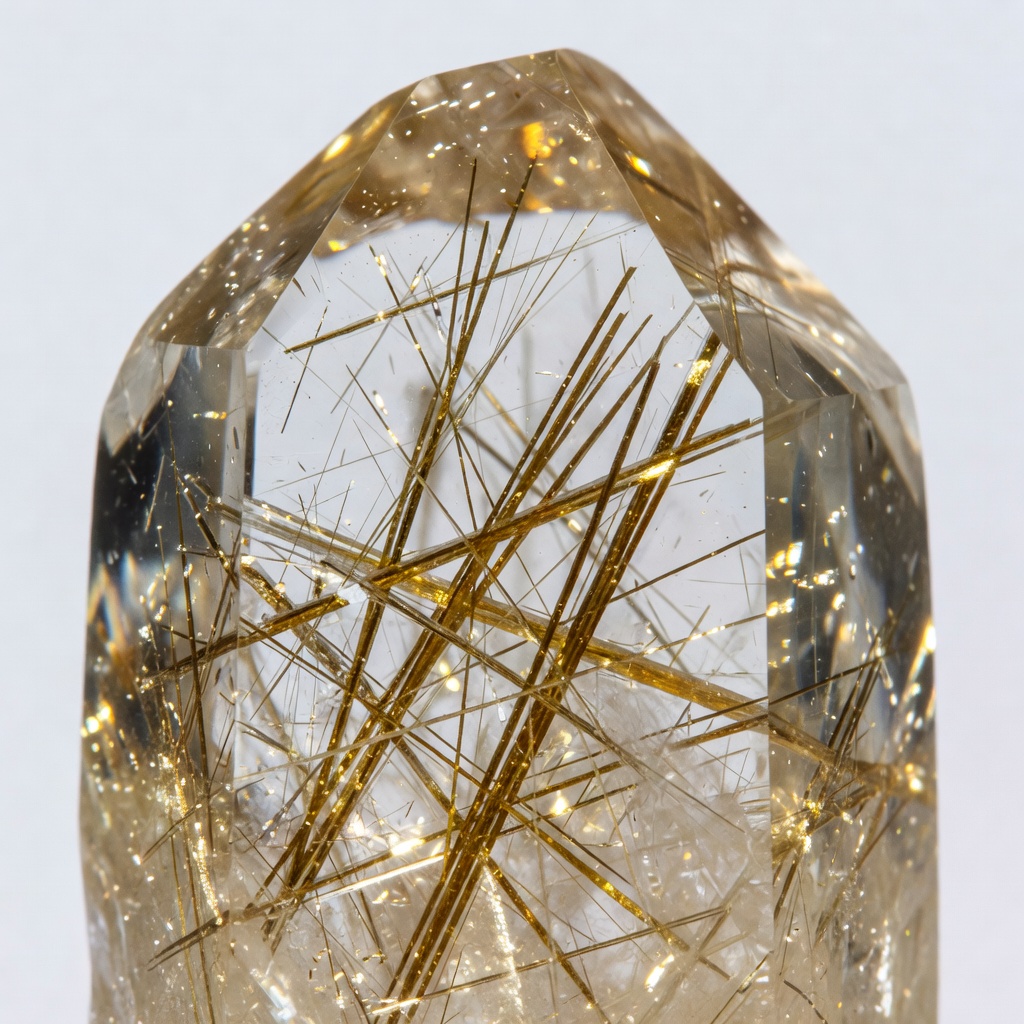
What Is Rutilated Quartz? A Complete Overview
Rutilated quartz represents one of nature's most captivating geological phenomena, occurring when needle-like inclusions of rutile (titanium dioxide) become suspended within transparent to translucent quartz crystals. Unlike flaws that diminish a gemstone's value, these distinctive golden, silver, or black threads transform ordinary quartz into extraordinary specimens prized by collectors, jewelers, and energy workers alike. The resulting appearance resembles captured starlight or frozen lightning, creating visual depth that changes as light moves through the crystal. When examining rutilated quartz properties and information, one discovers a unique intersection of geological wonder and aesthetic beauty that has fascinated humanity for millennia.
Visually, these stones present an otherworldly display where microscopic rutile crystals align in patterns ranging from dense, parallel clusters to scattered, random orientations. The color variations depend entirely on the mineral composition of the inclusions, with titanium dioxide producing the coveted golden threads, while iron-rich minerals create darker, more mysterious appearances. Ancient civilizations, including the Greeks and Romans, treasured these stones as "Venus' hair stone" or "Cupid's darts," believing the captured needles represented divine messages frozen in time. Modern gemologists distinguish between natural formations, where rutile grew simultaneously with the host quartz, and treated specimens that may have dyed inclusions or artificial laser-etching designed to mimic natural patterns.
Physical and Chemical Properties
Understanding the rutile in quartz formation requires examining the distinct physical characteristics that make this gemstone both beautiful and practical for everyday use. Rutilated quartz maintains a Mohs hardness rating of 7, providing sufficient durability for jewelry while remaining softer than sapphires or diamonds. This hardness level means the stone resists scratching from everyday dust and debris, though it requires protection from harder materials and sharp impacts that could fracture the crystal structure. The chemical composition consists primarily of silicon dioxide (SiO₂) forming the transparent host crystal, with titanium dioxide (TiO₂) creating the distinctive rutile needles that define this variety.
The optical properties of rutilated quartz create fascinating visual effects that gemologists study under magnification. With a refractive index ranging from 1.544 to 1.553 and specific gravity between 2.65 and 2.91, these stones exhibit double refraction that can make the rutile needles appear to float at different depths within the crystal. Color variations emerge directly from rutile concentration and orientation, with dense concentrations creating star-like patterns known as asterism in rare specimens. When light enters the crystal, it reflects off the titanium dioxide needles, creating a chatoyant or silky luster that enhances the stone's dimensional quality and visual intrigue.
Geological Formation Process
The creation of rutilated quartz demands specific hydrothermal conditions that occur deep within the earth's crust over millions of years. Superheated, mineral-rich water solutions carrying dissolved silica and titanium dioxide must cool gradually within rock cavities, allowing quartz crystals to grow while simultaneously trapping rutile needles within their structure. This rutile quartz formation process typically occurs in pegmatite deposits and alpine-type fissures where temperature and pressure remain stable enough for both minerals to crystallize together. The timeline spans geological epochs, with some specimens requiring 10 to 100 million years to reach their final form.
Primary geographic sources for quality specimens include the Minas Gerais region of Brazil, which produces the world's finest golden rutilated quartz with exceptional clarity and dense rutile patterns. Madagascar yields significant quantities of both golden and black varieties, often featuring unique star formations highly sought by collectors. Kazakhstan, Austria, and select locations in the United States, particularly North Carolina and Colorado, contribute additional specimens with distinct regional characteristics. During formation, rutile needles become trapped when the growing quartz crystal envelops them, preserving their orientation exactly as they existed in the hydrothermal solution, resulting in the three-dimensional networks visible when viewing authentic specimens.
Types and Color Varieties
The diverse palette of rutilated quartz offers options for every aesthetic preference, with each color variety carrying distinct visual and energetic signatures. Golden rutilated quartz remains the most recognized variety, featuring brassy-yellow to copper-colored titanium dioxide needles that create the appearance of captured sunlight within crystal clear or smoky quartz hosts. These specimens often command premium prices when the rutile forms dense, parallel arrangements that maximize light reflection and visual impact. Collectors particularly value stones where the golden needles form geometric patterns or starbursts radiating from a central point.
Black rutilated quartz and silver varieties contain hematite-goethite inclusions rather than pure titanium dioxide, creating dramatic dark needles that contrast sharply against clear or milky quartz backgrounds. These specimens offer a more mysterious, grounding aesthetic popular in contemporary jewelry design. Rare red and copper-colored variations occur when iron oxides tint the rutile crystals during formation, resulting in warm, earthy tones that appeal to collectors seeking unique specimens. Star rutilated quartz represents a collector-grade formation where rutile aligns in three specific directions, creating a six-rayed star effect visible under direct lighting, similar to star sapphires but with distinct needle-like inclusions defining the pattern.
Metaphysical Properties and Spiritual Meanings
Practitioners of crystal healing recognize rutilated quartz as a powerful "illuminator stone" that combines the energy amplification properties of clear quartz with the grounding, focusing attributes of rutile. The golden rutilated quartz meaning centers on manifestation and spiritual growth, with the golden threads believed to act as pathways for intention, helping bridge the gap between thought and physical reality. Ancient texts describe this stone as capable of illuminating the soul, bringing light to dark corners of the psyche, and accelerating personal evolution. Many meditation practitioners hold these crystals during visualization exercises, believing the rutile needles help direct energy flow with precision and clarity.
The rutilated quartz chakra association spans the entire energetic system, though particular emphasis falls on the crown chakra for spiritual connection and the solar plexus for personal power and manifestation. Unlike single-chakra stones, rutilated quartz is believed to create energetic pathways connecting multiple chakras simultaneously, facilitating holistic healing and alignment. When used in grid work or altars, practitioners position these stones to amplify the properties of surrounding crystals while adding protective, grounding energy through the rutile component. The stone's reputation for accelerating spiritual growth makes it popular among those undergoing major life transitions or seeking to break through energetic blockages.
Healing Benefits and Energy Work
The rutilated quartz healing properties extend across physical, emotional, and mental dimensions, making this stone a versatile tool in holistic wellness practices. Physically, practitioners use these crystals to support respiratory health, believing the needle-like inclusions resonate with lung tissue and bronchial passages. Some crystal therapists place rutilated quartz on the thymus gland or immune system points during sessions, working with the stone's reputed ability to boost cellular regeneration and fight fatigue. While scientific evidence remains limited, many users report enhanced vitality and reduced respiratory issues when working with these stones regularly.
Emotionally, rutilated quartz serves as an energetic cleanser, helping release depression, anxiety, and past traumas stored in the auric field. The combination of quartz amplification and rutile grounding creates a stabilizing effect that helps individuals process difficult emotions without becoming overwhelmed. Mental clarity represents another significant benefit, with students and professionals using these stones during decision-making processes or creative projects. In Reiki and crystal therapy sessions, practitioners often place rutilated quartz at the feet or hands to anchor energy while simultaneously clearing blockages, creating a circuit that promotes deep healing and energetic balance.
How to Identify Authentic Rutilated Quartz
Rutilated quartz identification requires careful examination of inclusion patterns, as the market contains numerous imitations including glass-filled specimens, dyed quartz, and laser-etched fakes. Authentic rutile needles display three-dimensional depth, varying thickness along their length, and random orientations that differ under magnification. Natural inclusions often show slight imperfections, branching patterns, or terminations where the crystal growth stopped, while synthetic versions tend toward uniform, surface-level patterns that lack dimensional depth. When viewed under a jeweler's loupe at 10x magnification, genuine rutile exhibits a metallic luster and may show stress fractures where the needles expanded differently than the host quartz during cooling.
Common fake types include glass imitations containing painted or etched surface lines that lack the internal depth of genuine inclusions. Some dealers treat clear quartz by injecting dyes into surface cracks to simulate rutile, though these fade under sunlight or chemical exposure. Authentic rutilated quartz can be verified through professional gemological testing, including refractive index measurements and spectroscopic analysis that identifies titanium dioxide content. Trusted certification sources include the Gemological Institute of America (GIA) and American Gem Trade Association (AGTA) laboratories, which provide detailed reports confirming natural origin and any treatments. When purchasing investment-grade specimens, always request documentation verifying the stone's natural formation and geographic origin.
Rutilated Quartz in Jewelry and Design
Contemporary jewelry designers increasingly favor rutilated quartz for its unique ability to combine organic texture with crystalline clarity, creating pieces where no two stones appear identical. Protective settings such as bezels and partial bezels work best for rutilated quartz jewelry, securing the stone while allowing light to penetrate and illuminate the rutile inclusions from multiple angles. Prong settings can also showcase these stones effectively, though they require careful design to protect the edges where the quartz might chip. Rutilated quartz rings remain popular statement pieces, though they require protective settings and mindful wearing to prevent damage to the crystal.
Metal pairings significantly impact the visual presentation, with yellow gold enhancing the warmth of golden rutile varieties while white gold or platinum provides striking contrast against black or silver rutilated specimens. Rose gold offers a contemporary middle ground that complements both warm and cool needle colors. For daily wear, pendants and earrings prove safer than rings, as they avoid the hard impacts and abrasive contact that hands typically encounter. Current market trends show increased demand for raw, unpolished rutilated quartz in bohemian and artisan jewelry, while high-end designers incorporate precision-cut cabochons into minimalist settings that highlight the stone's natural artistry.
Care and Maintenance Guide
Proper rutilated quartz jewelry care ensures these unique gemstones maintain their beauty across generations, requiring gentler handling than harder stones like diamonds or rubies. Safe cleaning involves using mild, phosphate-free soap diluted in lukewarm water, applied with a soft-bristled brush to remove accumulated oils and debris from the surface and any setting crevices. After washing, rinse thoroughly under running water and pat dry with a lint-free microfiber cloth to prevent water spots. Avoid ultrasonic cleaners and steam cleaning devices, as the vibrations and heat can potentially loosen settings or stress the internal inclusions.
Storage recommendations include keeping rutilated quartz pieces in individual soft pouches or lined jewelry boxes, separated from harder gemstones that could scratch the surface. Prolonged exposure to direct sunlight may fade or alter the appearance of some rutile varieties, particularly those with iron-based inclusions, so store pieces away from windowsills or display cases with strong lighting. Harsh chemicals including chlorine, bleach, and ammonia can damage both the quartz and any metal settings, so remove jewelry before swimming, cleaning, or applying beauty products. Professional maintenance should occur annually for frequently worn pieces, allowing jewelers to check settings, polish surfaces, and address any chips or scratches before they worsen.
Buying Guide and Investment Value
When seeking to buy rutilated quartz, understanding quality factors helps distinguish between commercial specimens and investment-grade stones. Primary considerations include clarity of the host quartz, density and pattern of rutile inclusions, color saturation, and quality of cut. The finest specimens feature transparent to nearly-transparent quartz with dense, well-distributed golden needles that create dynamic visual effects. Rutilated quartz price ranges vary dramatically, from $10-50 for small, commercial-grade cabochons with sparse inclusions, to $500-2000+ for exceptional specimens with rare star patterns, vivid color saturation, and large carat weights.
Reputable dealers include established gemstone wholesalers, museum-quality mineral dealers, and online marketplaces offering buyer protection such as Etsy with verified seller ratings or specialized crystal retailers with certification capabilities. When evaluating potential purchases, ask specific questions about treatment history, geographic origin, and whether the stone has undergone any heating or dyeing processes. Brazilian specimens from Minas Gerais typically command higher prices due to their exceptional clarity and rutile density. For investment purposes, seek unheated, untreated specimens with unique visual characteristics such as star formations or unusual color combinations, as these rare varieties appreciate more consistently than standard commercial grades.
Frequently Asked Questions
What is rutilated quartz good for?
Rutilated quartz is prized for energy amplification, spiritual growth, and emotional healing. It's used in meditation, chakra balancing, and manifestation practices while also making unique jewelry pieces.
How can you tell if rutilated quartz is real?
Authentic rutilated quartz shows natural, three-dimensional rutile needles under magnification that vary in thickness and direction. Fake specimens often have uniform, surface-level patterns or bubbles. Professional gemological testing provides definitive verification.
What is the difference between golden and black rutilated quartz?
Golden rutilated quartz contains titanium dioxide needles, while black or silver varieties contain hematite-goethite inclusions. Both share the same formation process but offer different visual aesthetics and slightly different metaphysical associations.
Can you wear rutilated quartz every day?
Yes, with proper care. With a Mohs hardness of 7, it's durable enough for daily wear but should be protected from hard impacts and harsh chemicals. Pendants and earrings are safer for everyday use than rings.
How do you cleanse and charge rutilated quartz?
Cleanse using moonlight, smudging, or sound therapy. Avoid prolonged sunlight exposure which can fade rutile. Charge by placing on clear quartz clusters or using visualization techniques. Water cleansing is safe but brief.
Is rutilated quartz expensive?
Prices vary widely from $10-50 for small commercial pieces to $500+ for high-quality specimens with dense, golden needles. Collector-grade stones with unique patterns can command premium prices.
Which chakra is rutilated quartz associated with?
Rutilated quartz resonates with all chakras but especially the crown chakra (spiritual connection) and solar plexus (personal power). The golden variety specifically activates the third eye and crown, while black rutilated quartz grounds root chakra energy.
Where is rutilated quartz found?
Major sources include Brazil (largest producer), Madagascar, Kazakhstan, Austria, and the United States. Brazilian specimens, particularly from Minas Gerais, are considered the finest quality with exceptional rutile clarity.


