Introduction to Rutilated Quartz Care
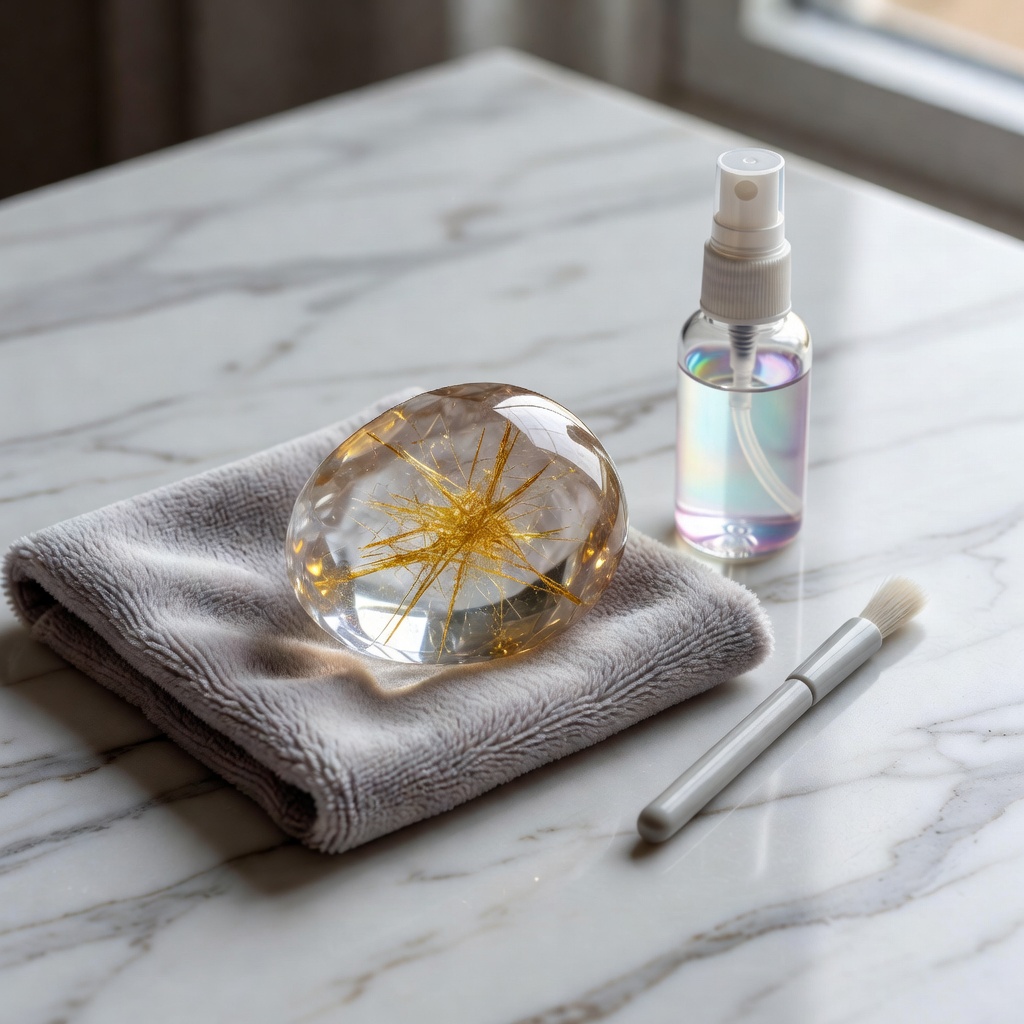
Rutilated quartz, often called Venus' hair stone, captivates collectors and jewelry enthusiasts with its striking golden, silver, or copper-colored rutile needles suspended within transparent quartz crystals. These delicate titanium dioxide inclusions create unique patterns that make each piece one-of-a-kind, but they also require specific care protocols to maintain both the stone's physical integrity and its metaphysical properties believed by many to enhance energy flow. Unlike solid gemstones, rutilated quartz presents unique challenges because the rutile needles can create internal stress points and the quartz itself may contain natural fissures that extend to the surface. This comprehensive guide to Rutilated Quartz Care and Cleaning will equip you with professional-grade techniques to preserve your specimens for generations while ensuring your jewelry maintains its brilliant luster through daily wear.
Understanding Your Rutilated Quartz Properties
Before implementing any maintenance routine, understanding the fundamental physical characteristics of rutilated quartz ensures you treat this gemstone with appropriate caution and respect. With a Mohs hardness rating of 7.0, rutilated quartz sits at the threshold of durability suitable for jewelry, meaning it resists scratching from common materials like steel but remains vulnerable to harder substances such as topaz, corundum, and diamond jewelry stored nearby. The presence of rutile inclusions, while visually stunning, creates potential weak points within the crystal structure where fractures may originate or propagate under stress, making rutile inclusions preservation a critical consideration when wearing or cleaning these stones. Natural fissures appear as internal reflections or planar features visible under magnification, whereas fresh damage typically presents as sharp, surface-reaching cracks with irregular edges that catch on fabric—when you notice the latter, immediate professional assessment prevents further deterioration or stone loss.
Daily Maintenance Best Practices
Implementing consistent daily habits forms the foundation of effective rutilated quartz maintenance tips that prevent cumulative damage and maintain optical clarity. Always handle your rutilated quartz jewelry by the metal settings or edges rather than the stone surface itself, as skin oils transfer readily to the quartz and can attract dust particles that create microscopic scratches over time. Before storing your pieces each evening, conduct a brief visual inspection using a jeweler's loupe or bright light to check for loose prongs, shifted stones, or newly developed surface scratches that might indicate the setting requires tightening. Remove rutilated quartz rings before washing hands with antibacterial soap, engaging in sports activities, or performing household cleaning tasks, as these situations expose the stone to chemical residues, sudden impacts, or thermal shocks that compromise the integrity of both the quartz and its distinctive rutile patterns.
Safe Cleaning Methods for Rutilated Quartz
When your rutilated quartz requires more than routine wiping, following proper rutilated quartz cleaning methods ensures thorough purification without risking damage to the stone's internal structure. Begin by filling a clean bowl with lukewarm water—not hot or cold—and adding two drops of mild, phosphate-free dish soap such as Dawn or Seventh Generation, avoiding antibacterial varieties or those containing moisturizers that leave residue on the crystal surface. Submerge your jewelry for five to ten minutes to loosen accumulated oils and debris, then use a soft-bristled baby toothbrush or makeup brush to gently scrub along the rutile needle patterns and around setting crevices where grime accumulates, applying minimal pressure to prevent dislodging loose stones or stressing inclusions. Rinse thoroughly under lukewarm running water, ensuring soap doesn't dry on the surface, then pat dry immediately using a lint-free microfiber cloth or chamois leather, followed by air drying on a clean towel to prevent water spots that could etch the quartz surface over time.
What to Avoid: Common Cleaning Mistakes
Understanding what not to do proves equally important as knowing proper techniques when learning how to clean rutilated quartz safely for long-term preservation. Never expose rutilated quartz to harsh household chemicals including bleach, ammonia, acetone, or alcohol-based cleaners, as these substances can dissolve or etch the titanium dioxide rutile inclusions and potentially cloud the quartz host material, permanently diminishing the stone's characteristic clarity and brilliance. Ultrasonic cleaners, while popular for diamonds and sapphires, create high-frequency vibrations that can cause existing fractures to expand suddenly or loosen rutile needles within the quartz matrix, potentially turning a stable inclusion into a structural weakness that compromises the entire stone. Rutilated quartz water safety also requires avoiding temperature extremes; never use boiling water for cleaning or move the stone rapidly from hot to cold environments, as thermal shock can cause the quartz and rutile to expand and contract at different rates, creating new fractures or widening existing ones.
Proper Storage and Display Solutions
Proper rutilated quartz storage guide protocols protect your investment when pieces aren't being worn or displayed, preventing scratches from harder gemstones and environmental damage from humidity fluctuations. Store each rutilated quartz piece individually in soft cloth pouches, acid-free tissue paper, or dedicated compartments within a fabric-lined jewelry box, ensuring the stone never contacts other jewelry items that could scratch the surface or snag on prongs. Maintain environmental conditions between 40-60% relative humidity at stable room temperatures between 65-75°F (18-24°C), using silica gel packets in storage containers to absorb excess moisture that could seep into microscopic fractures and cause internal degradation over months or years. When displaying rutilated quartz specimens or jewelry, position items away from direct sunlight streaming through windows and avoid placement near heating vents or air conditioning units, as UV exposure can fade golden rutile needles while temperature fluctuations stress the crystal lattice.
Specialized Care for Rutilated Quartz Jewelry
Different jewelry types require specific rutilated quartz jewelry care approaches based on their exposure levels and setting styles during daily activities. For rings, which suffer the most impact exposure, inspect prongs monthly using a loupe to ensure they remain tight against the stone's girdle, and remove the piece during manual tasks like gardening, weightlifting, or cooking to prevent direct blows that could cleave the quartz along rutile inclusion planes. Necklaces and bracelets require attention to chain integrity; check clasps weekly for signs of metal fatigue and ensure the bail or connection point shows no wear that could cause the pendant to drop, while storing these items flat to prevent chain tangling that might torque the setting. Establish a professional inspection schedule every six months for frequently worn rutilated quartz pieces, particularly rings, allowing a qualified jeweler to check for loose stones, worn prongs, and microscopic damage invisible to the naked eye.
Professional Cleaning and Repair Services
Recognizing when home care proves insufficient ensures you seek professional rutilated quartz maintenance tips before minor issues escalate into irreversible damage. Consult a professional gemologist or jeweler immediately if you notice the stone has become loose in its setting, if rutile needles appear to have shifted or cracked, if deep scratches mar the table facet, or if the stone exhibits new cloudiness that doesn't resolve with cleaning, as these symptoms indicate structural compromise requiring expert intervention. Professional cleaning services typically involve steam cleaning under controlled pressure, polishing with specialized compounds that respect the stone's hardness, and microscopic inspection for developing fractures, with costs ranging from $30-$75 depending on piece complexity and local market rates. When selecting a professional, verify they possess specific experience with included gemstones rather than just diamonds, asking about their protocol for handling stones with internal features and confirming they carry insurance covering gemstone damage during service.
Long-Term Preservation Strategies
Developing systematic long-term strategies ensures your rutilated quartz collection maintains its value and beauty across decades of ownership and potential generational transfer. Implement an annual deep cleaning schedule for collection pieces that aren't worn regularly, involving professional inspection and thorough documentation of any changes in rutile pattern clarity or stone condition to track slow degradation that might indicate environmental factors requiring adjustment. For valuable specimens or heirloom jewelry, maintain detailed documentation including photographs, certificates of authenticity, and appraisals updated every three to five years, while ensuring your insurance policy specifically covers included gemstones and understands that rutile inclusions preservation affects valuation differently than solid stones. Regarding aesthetic maintenance, consult with a master gem cutter before considering re-polishing to remove surface scratches, as aggressive polishing can alter the stone's proportions and potentially expose new rutile inclusions to the surface, whereas accepting minor surface character often preserves the stone's structural integrity and historical value better than perfecting its cosmetic appearance.
Frequently Asked Questions
Can Rutilated Quartz Go in Water?
Yes, brief exposure to clean water is safe for rutilated quartz. However, avoid prolonged soaking and always dry thoroughly, as water can seep into natural fractures and weaken the stone over time. Never use hot water or saltwater, which can damage rutile inclusions.
How Often Should I Clean My Rutilated Quartz Jewelry?
Clean frequently worn pieces like rings weekly to remove oils and dirt. Necklaces and earrings can be cleaned bi-weekly. For display specimens, monthly dusting and quarterly deep cleaning is sufficient. Always clean after exposure to sweat, lotions, or chemicals.
Can I Use Ultrasonic Cleaners on Rutilated Quartz?
No, ultrasonic cleaners are not recommended. The vibrations can cause existing fractures to expand and may loosen rutile needles within the quartz. The safe alternative is gentle hand cleaning with mild soap, water, and a soft brush.
What's the Best Soap for Cleaning Rutilated Quartz?
Use a mild, phosphate-free dish soap like Dawn or a gentle jewelry cleaner specifically formulated for quartz. Avoid harsh detergents, antibacterial soaps, or anything containing ammonia, bleach, or alcohol that could etch the surface.
Can Sunlight Damage Rutilated Quartz?
While quartz itself is stable, prolonged direct sunlight can fade the golden rutile needles over time and cause thermal stress. Store away from windows and avoid leaving pieces in hot cars. Brief wear in sunlight is fine, but display specimens should be kept in indirect light.
How Do I Remove Stubborn Dirt from Rutilated Quartz?
Soak in lukewarm soapy water for 10-15 minutes, then gently scrub with a soft-bristled toothbrush along the rutile needle patterns. For persistent grime, repeat the process or use a wooden toothpick for careful dislodging. Never use metal tools or abrasive materials.
Is It Safe to Wear Rutilated Quartz Every Day?
Yes, with a hardness of 7, rutilated quartz is durable enough for daily wear, but avoid during activities that risk impact (gym work, gardening). Rings need more frequent checks than pendants. Choose protective settings like bezels for active lifestyles.
How Should I Store Rutilated Quartz Long-Term?
Wrap each piece individually in a soft cloth or place in a fabric-lined compartment. Store in a cool, dry place away from direct sunlight and temperature fluctuations. Add silica gel packets to storage boxes to control humidity and prevent condensation damage.