Introduction to Rutilated Quartz
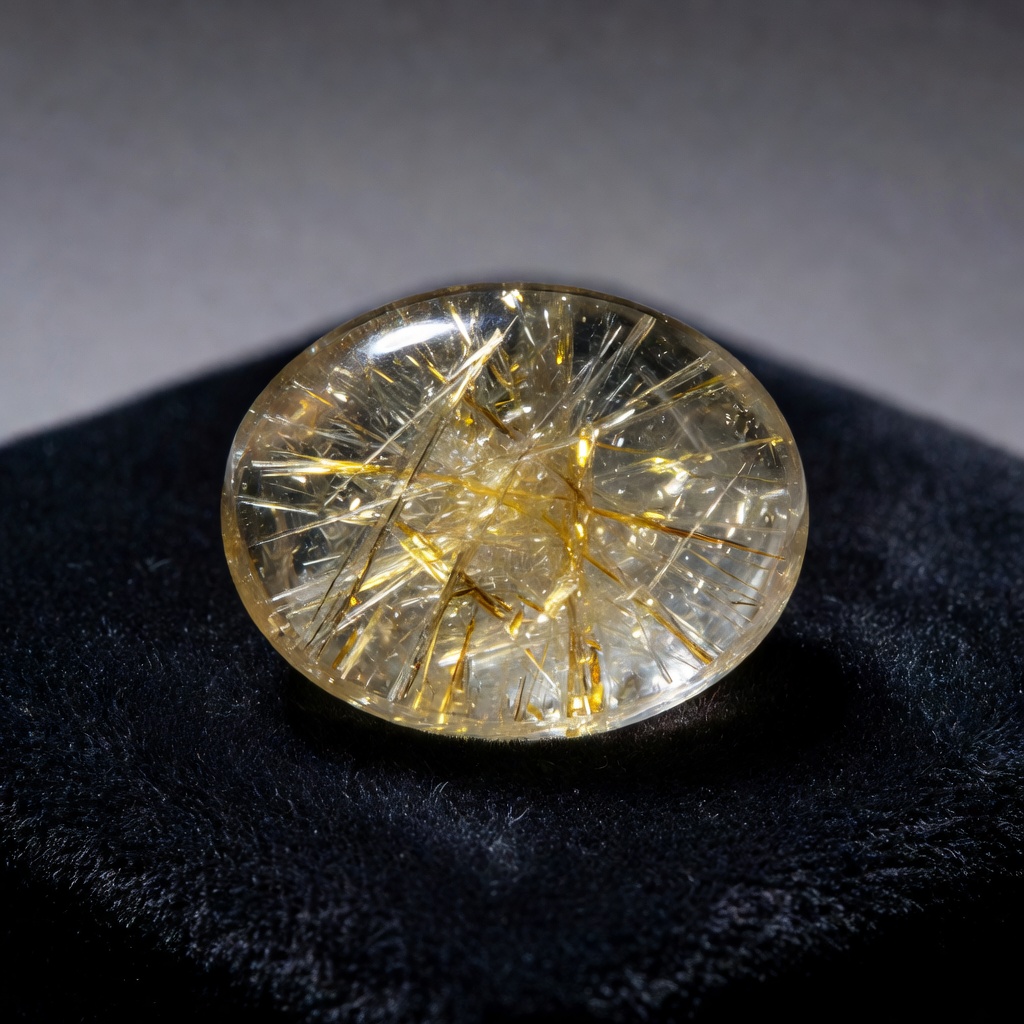
Rutilated quartz represents one of nature's most striking examples of beauty through imperfection, consisting of clear or smoky quartz crystal hosting intricate networks of rutile needle inclusions. These remarkable formations occur when titanium dioxide crystallizes within quartz cavities during geological formation, creating golden, silver, or copper-colored threads that appear suspended like celestial lightning within the gemstone. Historically treasured as Venus hair stone by ancient civilizations including the Greeks and Romans, these gems were believed to contain captured strands of the goddess of love's golden tresses, imbuing them with mystical significance and protective properties. Today, this captivating natural included quartz has experienced a renaissance in contemporary fine jewelry markets, appealing to collectors and designers who appreciate each stone's unique fingerprint of intersecting crystalline structures.
The growing popularity of golden rutile quartz stems from its versatility across both metaphysical healing practices and high-end jewelry design. Unlike traditional gemstones that derive value from flawless clarity, rutilated quartz celebrates its internal landscape, with collectors specifically seeking dramatic needle patterns that create miniature landscapes within each specimen. Modern lapidaries have developed specialized cutting techniques that maximize the visibility of these rutile formations, transforming what was once considered mineralogical debris into the primary aesthetic feature. Whether fashioned into statement pendants, architectural cocktail rings, or meditation crystals, rutilated quartz offers an accessible entry point into collectible gemstones while maintaining the durability required for daily wear.
Understanding Quality Grading Standards
Evaluating rutilated quartz quality factors requires shifting perspective from traditional gemological standards that prioritize flawlessness to criteria that celebrate artistic inclusion patterns. The density of rutile needles significantly impacts visual appeal, with specimens displaying dense, well-distributed networks commanding higher valuations than those with sparse, scattered inclusions. Premium examples often feature "landscape" patterns where needles intersect at dramatic angles, creating three-dimensional depth effects, or "star" formations where rutile radiates from central points. When assessing distribution patterns, look for symmetrical arrangements that enhance the stone's overall composition rather than chaotic clusters that appear muddy or disjointed.
The clarity and color of the host quartz crystal serve as the canvas for these natural artworks, with water-clear or lightly smoked varieties providing optimal contrast against golden or silver rutile. Highly transparent quartz allows light to penetrate and illuminate the needle structures from multiple angles, creating dynamic visual effects as the stone moves. Cut quality dramatically influences how these internal features present themselves, with skilled gem cutters orienting the rough material to ensure rutile needles appear to float parallel to the table facet or emerge perpendicularly for maximum dimensional impact. Cabochon cuts particularly excel at showcasing rutile needle patterns, while faceted styles require expert orientation to prevent needles from appearing as mere dark lines rather than luminous threads.
Color Variations and Rutile Types
While golden rutile quartz remains the most recognized variety, the spectrum of rutile colors extends far beyond traditional honey and bronze tones into rare and exotic territories. Silver rutilated quartz features gray or platinum-colored titanium dioxide needles, often containing traces of iron or other minerals that create cooler, contemporary aesthetic appeal suitable for white gold and platinum settings. Copper-colored rutile presents warm, reddish-brown tones that complement vintage-inspired jewelry designs, while black rutile (technically tourmalinated quartz when containing schorl, though sometimes misidentified) offers dramatic monochromatic contrast against clear quartz hosts. Exceptionally rare specimens may display green rutile caused by chromium traces or reddish needles resulting from iron oxide inclusions, commanding significant premiums due to their scarcity in the marketplace.
The interaction between Venus hair stone rutile colors and host quartz tints creates infinite variations in overall gem appearance. Smoky quartz bases deepen the perceived color of golden rutile to rich amber or cognac tones, while milky or cloudy quartz can diffuse light to create soft, glowing effects around needle clusters. Amethyst or citrine hosts containing rutile create bi-colored specimens prized by collectors for their dual-color phenomena. When selecting natural included quartz, consider how the combination of host clarity and rutile color will complement your intended jewelry design or collection focus, as certain pairings photograph differently than they appear in person under natural lighting conditions.
Rare Varieties and Collector Specimens
Advanced collectors specifically seek sagenitic quartz, where rutile needles form precise geometric patterns resembling written characters or skeletal structures. These formations occur when multiple mineral growth phases intersect, creating complex three-dimensional matrices visible only in properly oriented cabochons. Some specimens from Madagascar display unique "fire" effects where copper-colored rutile intersects with hematite plates, creating metallic flashes unlike standard golden varieties. When evaluating these specialty pieces, examine the specimen under magnification to ensure needles maintain consistent color saturation throughout their length rather than showing artificial surface coatings or dye concentrations at fracture points.
Pricing Factors and Market Value
Understanding rutilated quartz price per carat requires navigating a broad valuation spectrum ranging from affordable commercial material to investment-grade collector specimens. Entry-level stones suitable for fashion jewelry typically command $10 to $50 per carat, featuring moderate needle visibility in standard cuts with acceptable clarity. Mid-range specimens with dense, artistic rutile patterns and excellent transparency generally fall between $100 and $300 per carat, representing the sweet spot for serious jewelry enthusiasts seeking distinctive center stones. Museum-quality examples featuring rare formations, exceptional clarity, or unique color combinations can exceed $1,000 per carat, particularly when sourced from depleted historic mines.
Geographic origin significantly influences market valuation, with Brazilian material from Minas Gerais traditionally commanding premiums due to its reputation for water-clear quartz hosts and rich golden rutile. Madagascar produces notable quantities of silver and copper-colored varieties, often priced competitively against Brazilian golden types but gaining appreciation among contemporary designers seeking cooler color palettes. When budgeting for purchases, collectors must balance size against clarity, as larger specimens often display more complex inclusion patterns but may compromise transparency or show internal fracturing around dense rutile clusters. Consider purchasing slightly smaller stones with exceptional needle density rather than larger examples with sparse inclusions, as the visual impact of concentrated rutile patterns generally outweighs carat weight considerations in this distinctive gemstone category.
Market Trends and Investment Potential
Recent auction results indicate growing appreciation for rutilated quartz among gem investors, particularly for untreated specimens over 20 carats with documented Brazilian provenance. Designer collaborations featuring rutilated quartz in high-fashion contexts have elevated consumer awareness, driving demand for exceptional pieces that might have previously been overlooked by traditional jewelry markets. When assessing investment potential, prioritize stones with unique "storytelling" patterns—specimens where rutile formations resemble recognizable shapes or landscapes— as these command stronger resale values among art-oriented collectors compared to standard needle distributions.
Authenticity and Common Treatments
Identifying genuine rutilated quartz identification challenges has become increasingly important as treatment technologies advance and synthetic production methods improve. Natural rutile needles display characteristic growth patterns including tapering terminations, slight curvature following quartz crystalline structures, and occasional interruptions where growth paused and resumed. Conversely, synthetic or implanted needles often appear too perfect—uniformly thick, artificially straight, or showing mechanical precision lacking in natural formations. Laboratory-grown quartz with introduced titanium dioxide represents a particular concern, as these specimens possess genuine quartz and rutile chemically but lack the geological history and value of natural specimens.
Heat treatment and dye enhancement techniques present additional complications for buyers seeking untreated material. Some commercial material undergoes heating to lighten smoky quartz hosts or intensify rutile coloration, while dye injection along fractures can artificially enhance needle visibility in otherwise pale specimens. Advanced treatments involve fracture-filling with metallic substances or epoxy resins containing glitter particles to simulate dense rutile patterns in low-quality quartz. When examining potential purchases, inspect the stone under magnification with fiber-optic lighting to identify dye concentrations in fractures, and request that sellers specifically confirm "no heat, no dye" status in writing for investment-grade pieces.
Testing Methods for Verification
Reputable gemological laboratories employ spectroscopic analysis to distinguish natural rutile from synthetic alternatives, examining the crystalline structure and trace element composition. Simple field observations can also prove revealing: natural rutile often shows slight zoning or color variation along the needle length, while artificial inclusions typically maintain uniform appearance. The "flash effect" test involves rotating the stone under strong light; natural rutile creates subtle, shifting reflections, whereas metallic implants or glass fillings may produce harsh, mirror-like flashes inconsistent with titanium dioxide properties.
Best Sources and Dealers
Navigating where to buy rutilated quartz requires understanding the distinct advantages offered by different acquisition channels, from digital marketplaces to international gem shows. Established online gemstone platforms like GemSelect, Rio Grande, and specialized eBay dealers with extensive positive feedback provide convenient access to photographed inventory with return policies, though buyers should request video documentation showing stone rotation to properly assess rutile patterns. High-end auction houses occasionally feature exceptional estate pieces or rough material suitable for custom cutting, representing opportunities to acquire historically significant specimens with provenance documentation.
Tucson Gem and Mineral Show and similar international exhibitions offer unparalleled opportunities to examine hundreds of specimens simultaneously, comparing needle patterns, colors, and clarities across diverse price points while building relationships with direct importers from Brazilian and Madagascar mining operations. Wholesale purchasing through these channels typically requires business licenses but provides access to rough material and cutting services unavailable to retail consumers. When evaluating dealers, prioritize those who specialize specifically in included quartz varieties rather than general gemstone resellers, as specialists possess the expertise to properly orient cuts and identify treatment issues that generalists might overlook.
Red Flags in Vendor Selection
Avoid dealers who cannot provide specific origin information or who claim all rutilated quartz comes from a single geographic source, as this indicates limited inventory knowledge. Be wary of prices significantly below market rates for claimed quality grades, as these often indicate glass imitations, dyed material, or quartz with artificially implanted fibers. Reputable sellers should willingly provide magnification photos showing rutile terminations and should have clear policies regarding treatment disclosure. Establishing relationships with cutters who work directly with rough material often yields better value than purchasing finished goods through multiple markup layers, particularly for custom jewelry projects requiring specific needle orientations.
Certification and Documentation
Determining when rutilated quartz certification proves necessary depends largely on investment level and intended use, with laboratory reports from GIA (Gemological Institute of America), AGS (American Gem Society), or respected independent laboratories providing essential verification for purchases exceeding $500. These documents should specifically confirm natural origin, identify any heat treatment or dye applications, and verify that visible inclusions constitute genuine rutile rather than artificial fibers or metallic implants. For collector-grade specimens, reports should include photomicrographs documenting characteristic inclusion patterns, serving as identification fingerprints that verify the stone's identity if later questioned.
Essential certificate information includes the host quartz variety (rock crystal, smoky, or amethyst), rutile color description, clarity grade relative to inclusion visibility, and treatment status (heated, dyed, or untreated). Be alert for documentation red flags such as vague terminology like "natural-style inclusions" rather than "natural rutile," or certificates that describe color as "enhanced" without specifying dye treatment. Some laboratories now offer origin reports verifying Brazilian or Madagascar sourcing, though these require advanced spectroscopic analysis and command premium fees. For commercial-grade jewelry pieces under $200, detailed seller invoices with explicit treatment disclosures may suffice, though certification adds resale value and insurance documentation benefits.
Insurance and Appraisal Considerations
When insuring significant rutilated quartz pieces, ensure appraisals specifically describe the stone's unique characteristics—needle density, pattern type, and color—rather than using generic "quartz" descriptions that undervalue the material. Photographic documentation showing the stone's distinctive inclusion patterns proves invaluable for recovery purposes should the item be lost or stolen, as these patterns serve as better identification markers than weight or dimensions alone. Update appraisals every three to five years to reflect market appreciation, particularly for rare varieties like red or green rutile that have seen significant price increases in recent collecting cycles.
Jewelry Applications and Setting Recommendations
Selecting appropriate rutilated quartz jewelry settings requires balancing aesthetic display with protective considerations, as the included nature of these stones creates specific structural vulnerabilities distinct from solid gemstones. Bezel settings offer superior protection for rutilated quartz rings and bracelets, surrounding the girdle with metal to prevent impact fractures that might propagate along rutile needle planes. Halo designs incorporating diamond or sapphire accents frame the central stone while providing additional edge protection, particularly effective for cabochon cuts where the domed surface benefits from raised metal borders. For pendant designs, protective baskets with proper bearing points prevent stress concentration on areas with dense rutile clusters that might weaken the quartz structure.
Metal selection significantly impacts the overall presentation of golden rutile quartz, with yellow and rose gold enhancing warm needle tones while creating cohesive color stories that blend rather than contrast with the inclusions. White gold and platinum settings provide striking contrast against golden rutile, making the needles appear to float within the metal framework, though these cooler metals may slightly subdue the warmth of copper-colored varieties. Sterling silver offers affordable contemporary appeal for large statement pieces, though the metal's softness requires more frequent maintenance to prevent prong loosening that could compromise stone security. When designing rings intended for daily wear, consider low-profile settings that minimize exposure to knocking and bumping, as the 7 Mohs hardness of quartz provides scratch resistance but not impact durability.
Design Considerations by Jewelry Type
Earrings and pendants represent ideal applications for rutilated quartz, as these pieces experience less mechanical stress than rings while providing excellent platforms for displaying needle patterns against light backgrounds. For engagement or commitment rings, consider rutilated quartz as accent stones or within protective gypsy settings rather than prominent solitaire arrangements, preserving the stone while incorporating its unique character. Cocktail rings featuring large cabochons should incorporate substantial gallery work or under-bezels that protect the pavilion point, as this vulnerable area often contains dense rutile intersections that could serve as fracture initiation points if struck against hard surfaces.
Care and Maintenance Guidelines
Proper rutilated quartz care begins with understanding the material's specific vulnerabilities despite its respectable 7 Mohs hardness rating. Clean your rutilated quartz jewelry using only mild soap and lukewarm water with a soft-bristled brush, gently working around setting prongs to remove accumulated debris without applying pressure to the stone itself. Never subject these gems to ultrasonic cleaners or steam cleaning systems, as the vibrational energy can cause existing fractures around rutile inclusions to propagate or loosen treatments like fracture-filling resins. Ammonia-based cleaners and harsh chemicals may attack any dye treatments or oil enhancements sometimes used on lower-quality material, causing permanent color shifts or clouding.
Storage protocols require separating rutilated quartz from harder gemstones like diamonds, sapphires, and rubies that could scratch the quartz surface or catch on protruding rutile needles near the surface. Store pieces individually in soft cloth pouches or lined jewelry boxes, avoiding plastic bags that might trap moisture against metal settings. When traveling, carry rutilated quartz in rigid cases with padded compartments, as the combination of quartz brittleness and rutile structural planes makes these stones particularly susceptible to cleavage fractures from impacts. Remove rutilated quartz rings before gardening, rock climbing, weightlifting, or household cleaning to prevent both physical damage and chemical exposure.
Long-term Preservation Strategies
Periodic professional inspection ensures that setting prongs maintain proper tension around rutilated quartz, as the stone's unique appearance can mask loose mounts that risk loss. Avoid exposing these gems to extreme temperature fluctuations that might stress the differential expansion between quartz and rutile crystals, potentially causing internal cracking. For museum-quality specimens or loose stones in collections, maintain stable humidity levels between 40-60% and store away from direct sunlight that might fade any dye treatments or alter the color of heat-sensitive host quartz over decades of exposure.
Making Your Final Purchase Decision
Successful rutilated quartz purchasing tips ultimately center on aligning personal aesthetic preferences with realistic investment expectations, recognizing that these stones prioritize artistic character over traditional gemological perfection. Before finalizing transactions, conduct a thorough inspection using the "window test"—holding the stone against printed text to verify transparency and check for double refraction that might indicate glass imitations. Examine the specimen under various lighting conditions including natural daylight, incandescent, and LED sources to ensure the rutile patterns remain visually appealing across different environments rather than disappearing under certain wavelengths.
Develop a final checklist including verification of treatment status, confirmation of return policies allowing adequate examination time (minimum 7-10 days), and documentation of the stone's specific characteristics including weight, dimensions, and notable inclusion features. Verify that the seller provides satisfaction guarantees covering undisclosed treatments or authenticity issues, with clear procedures for dispute resolution. For significant investments, consider having the stone independently verified by a gemologist before the return period expires, particularly when purchasing from new or unfamiliar sources. Remember that the perfect rutilated quartz stone combines personal visual appeal with structural integrity, offering a unique natural artwork that reflects both geological history and individual taste.
Building a Collection Strategy
Collectors should diversify acquisitions across different rutile colors, host quartz varieties, and geographic origins to build comprehensive collections that showcase the material's range. Start with quality commercial-grade pieces to learn personal preferences regarding needle density and pattern types before investing in premium specimens. Document each acquisition with purchase receipts, certificates, and personal photographs noting specific features that attracted you to the stone, creating provenance records that enhance future resale or insurance claims while preserving the story behind each unique piece.
Frequently Asked Questions
What makes rutilated quartz valuable compared to regular quartz?
Rutilated quartz derives value from the rarity and aesthetic appeal of its golden rutile needle inclusions. Unlike clear quartz, the unique patterns created by titanium dioxide crystals make each stone one-of-a-kind, with dense, well-distributed needles commanding premium prices.
How much should I expect to pay for quality rutilated quartz?
Commercial-grade rutilated quartz typically ranges from $10 to $50 per carat, while fine specimens with dense, artistic needle patterns can command $100 to $500 per carat. Exceptional museum-quality pieces with rare formations may exceed $1,000 per carat.
Can rutilated quartz be faked or synthesized in laboratories?
Yes, synthetic versions exist where quartz is grown with implanted titanium dioxide needles, or natural quartz is fracture-filled with metallic substances. Always purchase from reputable dealers and request laboratory certification for expensive specimens to ensure authenticity.
Is rutilated quartz durable enough for everyday engagement rings?
While quartz ranks 7 on the Mohs hardness scale, the included rutile needles can create structural weaknesses. Rutilated quartz is best suited for protective settings like bezels in rings, or safer in pendants and earrings. Avoid harsh impacts and remove before rigorous activities.
What is the difference between golden and silver rutilated quartz?
Golden rutilated quartz contains titanium dioxide needles appearing gold or bronze, while silver rutilated quartz features gray or silver-colored rutile, often containing iron or other mineral traces. Golden varieties are more common and traditionally desirable, though silver types offer contemporary appeal.
Do I need a certificate when buying rutilated quartz?
Certificates from GIA or AGS laboratories are recommended for purchases over $500 or investment-grade specimens. Documentation confirms natural origin, identifies any treatments, and verifies that needles are genuine rutile rather than artificial inclusions or dyed fractures.
Which cuts best display the rutile needle patterns?
Cabochon cuts beautifully showcase needle patterns and star effects, while flat tablets and freeforms maximize visible surface area. Faceted cuts can enhance brilliance but may interrupt needle visibility. Domed cabochons between 10-20mm often display the most dramatic rutile landscapes.
Where does the finest rutilated quartz originate?
Brazil produces the majority of high-quality golden rutilated quartz, particularly from Minas Gerais. Madagascar supplies notable silver and copper-colored varieties. Other sources include Australia, Norway, and the United States, though Brazilian material typically sets the standard for clarity and needle density.