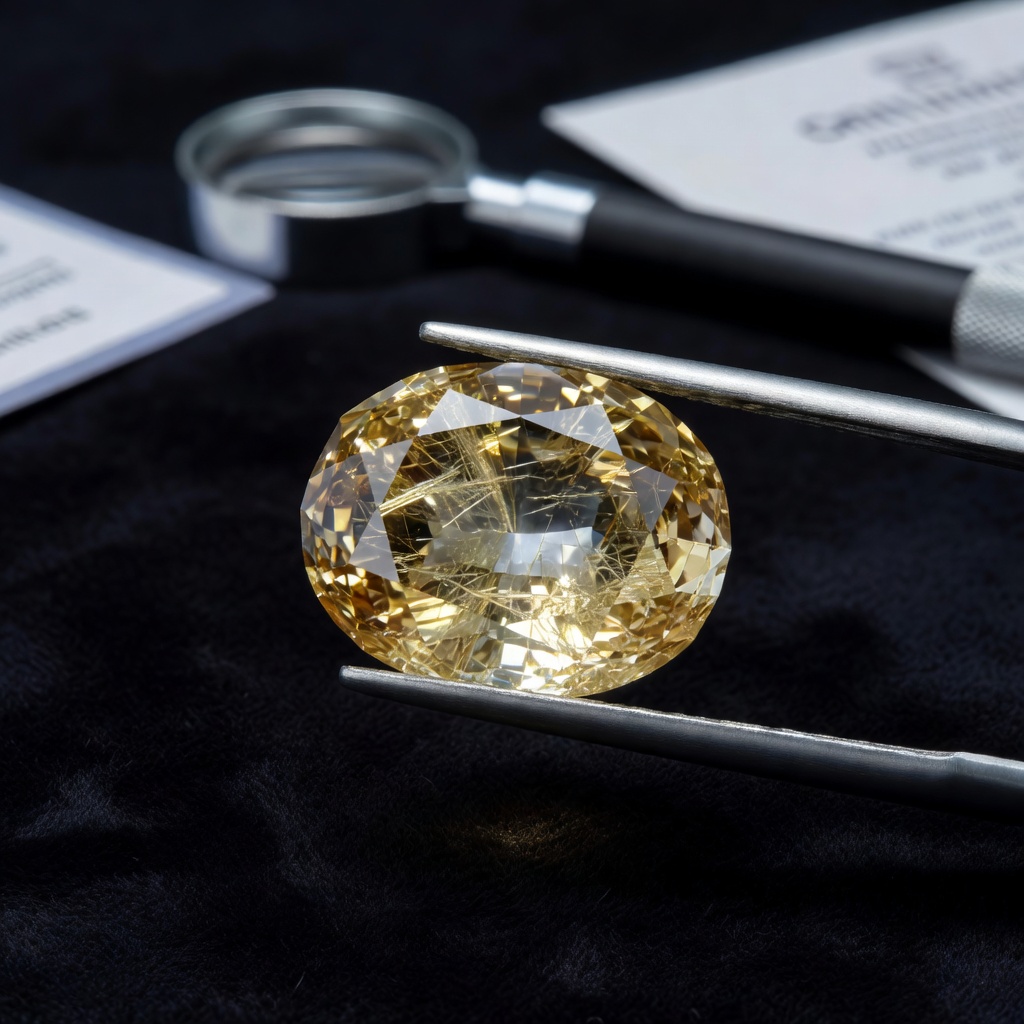
Introduction to Rutilated Quartz: The Venus Hair Stone
Rutilated quartz represents one of nature's most captivating geological phenomena, where clear or smoky quartz hosts needle-like crystals of rutile titanium dioxide. These striking inclusions create intricate golden, silver, or copper patterns suspended within the crystalline matrix, transforming ordinary quartz into extraordinary gemstone specimens. Unlike most gems where clarity commands premium prices, rutilated quartz derives its value precisely from these internal characteristics, making every piece a unique work of natural art that cannot be replicated.
Historical texts reveal that ancient civilizations treasured this material long before modern gemology defined it, referring to it as the Venus Hair Stone or Cupid's Darts due to the delicate, hair-like appearance of the rutile needles. Roman naturalist Pliny the Elder documented these stones as containing "captured rays of sunlight," while Renaissance collectors believed the golden threads represented the hair of Venus herself frozen within crystal. This romantic nomenclature continues to influence marketing in contemporary fine jewelry, where designers leverage the stone's mythological associations to create pieces symbolizing love, connection, and divine beauty.
Current market dynamics show unprecedented demand for high-quality specimens across multiple sectors. Crystal healing practitioners value rutilated quartz for its purported ability to amplify energy and facilitate spiritual growth, driving significant retail volume in metaphysical markets. Simultaneously, luxury jewelry houses increasingly feature golden rutilated quartz in haute couture collections, appreciating the material's ability to offer organic, one-of-a-kind aesthetics while maintaining the durability required for wearable art. This dual market appeal has established rutilated quartz as a staple in both accessible fashion jewelry and serious gemological collections.
Understanding Rutile Inclusions and Quality Markers
The aesthetic and monetary value of rutilated quartz hinges entirely upon the characteristics of its rutile inclusions, requiring buyers to develop keen observation skills when evaluating potential purchases. Rutile crystallizes in the tetragonal system, naturally forming as slender prismatic crystals that appear as needles, hairs, or striations within the host quartz. Quality assessment begins with pattern recognition: straight, parallel needles often create dramatic geometric effects, while dense clusters resembling starbursts or fireworks command particular attention from collectors seeking specimen-grade material.
Optimal density and distribution represent critical value factors that separate commercial-grade material from investment-quality stones. The most desirable specimens display rutile concentrations covering approximately 30-60% of the visible surface area, creating sufficient visual impact without obscuring the quartz's transparency. Sparse, scattered needles typically indicate lower value unless they form rare configurations such as six-rayed stars or sweeping parallel alignments that cutters can orient to maximize optical effects. Conversely, overly dense inclusions that render the stone opaque generally reduce desirability unless the pattern creates exceptional pictorial imagery resembling landscapes or abstract art.
The interplay between quartz clarity and rutile visibility requires careful balancing when selecting fine specimens. Crystal-clear host material allows maximum light transmission through the rutile needles, causing them to glow with internal fire, particularly in golden rutilated quartz varieties. However, slightly included quartz with minor healing fractures or veil inclusions can sometimes enhance the stone's character by providing contrast that makes rutile patterns more discernible. Professional buyers often examine stones under varied lighting conditions—natural daylight, incandescent, and LED—to assess how different environments reveal or obscure the intricate internal architecture.
Color Variations and Their Impact on Value
While golden hues dominate commercial markets, understanding the full spectrum of rutile coloration proves essential for making informed purchasing decisions. Golden rutilated quartz owes its warm yellow to coppery-orange tones to iron content within the titanium dioxide structure, creating the appearance most associated with "Venus Hair" specimens. This variety consistently commands the highest per-carat prices in mainstream jewelry markets due to its association with luxury aesthetics and its ability to complement yellow gold settings. The intensity of the golden color significantly affects valuation, with saturated, rich tones outperforming pale, washed-out yellows by factors of three to five in equivalent quality material.
Silver and gray rutile varieties contain pure titanium dioxide without significant iron contamination, presenting cooler, metallic appearances that appeal to contemporary design sensibilities. Though historically less popular than golden types, silver rutilated quartz has experienced renewed interest among minimalist jewelry designers and architectural aesthetic collectors. Rare copper-red rutile, resulting from specific oxidation states during formation, represents a niche collector's market where exceptional specimens can exceed golden varieties in per-carat pricing due to extreme scarcity. Black rutile, often composed of ilmenite or other titanium minerals rather than pure rutile, creates dramatic contrast against clear quartz but generally occupies lower price tiers unless forming unusual geometric patterns.
The color of the host quartz dramatically influences the overall visual presentation and market positioning of finished pieces. Clear, rock-crystal quartz provides the classic backdrop that maximizes rutile visibility and light performance, particularly desirable for faceted gems where optical brilliance matters. Smoky quartz backgrounds, ranging from light gray to deep chocolate brown, create moody, sophisticated appearances that mask minor rutile imperfections while emphasizing silver or copper-colored inclusions. When evaluating rutilated quartz price differentials, consider that smoky varieties typically trade at 20-30% discounts compared to clear quartz equivalents, unless the combination creates exceptionally artistic patterns resembling autumn landscapes or storm clouds.
Evaluating Clarity, Cut, and Carat Weight
Transparency assessment in buying rutilated quartz requires modified criteria compared to other gem materials, as the relationship between clarity and value follows unique parameters. While heavily clouded or fractured quartz detracts from desirability, minor inclusions such as negative crystals, healing fractures, or veils often prove acceptable if they do not interfere with rutile visibility. Professional gemologists evaluate transparency by examining how background objects appear through the stone when viewed perpendicular to the table facet. Specimens allowing sharp reading of text placed beneath them qualify as "crystal clear" and command premiums, while those permitting only blurred light transmission fall into commercial grades.
Cutting style selection significantly impacts the presentation of rutile patterns and requires collaboration between rough buyers and master cutters. Cabochon cuts—smooth, domed surfaces without facets—prove ideal for star-pattern rutile or dense, landscape-like inclusions, preventing light refraction from obscuring the internal scenery. Faceted cuts, including brilliant, step, and Portuguese styles, maximize light return and sparkle in material with sparse, parallel needles, creating dazzling displays as movement causes the needles to flash. Mixed cuts featuring faceted crowns with flat bases occasionally appear in designer pieces, offering compromise solutions that balance brilliance with inclusion visibility. When commissioning custom pieces, request pre-cutting consultation to orient the rough so that primary rutile patterns align parallel to the table facet for maximum visual impact.
Size considerations in rutilated quartz value factors follow non-linear scaling laws that surprise many novice collectors. While standard gem pricing often escalates exponentially with carat weight, rutilated quartz exhibits more complex relationships due to availability patterns. Specimens under five carats remain relatively abundant, keeping per-carat prices moderate and accessible for fashion jewelry applications. However, clean material exceeding twenty carats with well-distributed rutile becomes genuinely scarce, causing dramatic price escalations for museum-quality pieces. Collectors seeking investment-grade material should target the 10-30 carat range for optimal liquidity, as these sizes accommodate both substantial jewelry designs and display specimen collections while remaining tradable in secondary markets.
Authenticity Testing: Genuine vs Fake Rutilated Quartz
The increasing popularity of rutilated quartz has precipitated a corresponding surge in synthetic imitations and enhanced natural material, necessitating vigilant authentication protocols. Glass imitations represent the most common deception, manufactured by embedding metallic needles or hair-like filaments into molten glass cooled to simulate crystalline structure. These fakes typically display perfect needle uniformity, absence of natural growth zoning, and occasionally visible gas bubbles trapped during the manufacturing process. More sophisticated counterfeits involve low-quality quartz subjected to artificial dyeing or the implantation of synthetic rutile needles through fracture-filling techniques, creating composites that challenge casual observation.
Conducting reliable genuine vs fake rutilated quartz identification requires minimal equipment and careful observation under magnification. Examine suspected stones under 10x loupe or microscope magnification to identify natural characteristics: authentic rutile needles terminate in sharp, crystalline points rather than blunt or melted ends, display variations in thickness along their length, and may show kinking or bending where growth obstacles occurred. Natural inclusions often feature "halo" effects or stress fractures around the needles where differential expansion between quartz and rutile created microscopic cracks during cooling. Temperature testing provides additional confirmation—genuine quartz conducts heat slowly, feeling cool to the touch initially and warming gradually, whereas glass imitations adjust rapidly to skin temperature.
Warning signs of artificially treated material include unnaturally vivid colors suggesting dye introduction, needles that appear to float within filled fractures rather than integrated into the crystal matrix, and perfectly parallel alignment suggesting mechanical insertion rather than natural crystallographic growth. Dyed stones may show color concentrations in surface-reaching fractures or uneven distribution under magnification. When investing in significant specimens, insist upon gemological certification from recognized laboratories such as GIA, AGL, or GRS, which can detect treatments through advanced spectroscopy and microscopy. Reputable dealers should provide explicit disclosure of any enhancements, as untreated natural material commands substantial premiums in the collector market.
Pricing Guide and Market Value Ranges
Understanding rutilated quartz price structures requires navigating a three-tiered market hierarchy that separates commercial jewelry grades from fine collectible specimens. Commercial-grade material, characterized by sparse rutile distribution, cloudy host quartz, or poor cutting, typically trades between $10-50 per carat in retail environments. These pieces suit fashion jewelry and casual wear but lack the visual impact or rarity factors that drive appreciation. Mid-tier fine jewelry grades featuring good clarity, distinct golden needles, and professional cutting command $50-200 per carat, representing the sweet spot for durable investment pieces that balance beauty with liquidity.
Premium pricing factors that escalate values into the $200-500+ per carat range include exceptional pattern recognition—specimens displaying "angel hair" formations with dense, parallel golden needles; star patterns with six-rayed symmetry; or landscape scenes resembling natural vistas. Large clean crystals exceeding 50 carats with artistic rutile distribution qualify as collector specimens and may achieve prices comparable to fine sapphire or spinel per carat. Origin provenance increasingly influences valuation, with Brazilian material from Bahia and Minas Gerais commanding premiums over Madagascan or Indian sources due to historical associations with superior color saturation.
Market channel selection significantly impacts acquisition costs and requires strategic planning for serious collectors. Wholesale gem shows such as Tucson, Denver, and Bangkok offer 30-50% savings compared to retail jewelry stores, though buyers must possess sufficient expertise to evaluate material without consumer protections. Online marketplaces provide accessibility but introduce risks regarding color accuracy and treatment disclosure—prioritize vendors offering detailed video documentation under multiple lighting conditions and unconditional return privileges. Auction houses represent the primary venue for museum-grade specimens, where provenance documentation and historical significance can multiply base material values by factors of ten or more, particularly for stones with documented ownership by notable collectors or inclusion in significant exhibitions.
Choosing Settings and Jewelry Applications
Metal selection for rutilated quartz jewelry significantly influences the overall aesthetic impact and requires careful consideration of rutile coloration. Yellow gold alloys, particularly 18-karat compositions, harmonize magnificently with golden rutilated quartz, amplifying the warm tones through complementary color reflection while providing traditional luxury associations. White gold and platinum settings suit silver or gray rutile varieties, creating cohesive monochromatic appearances that emphasize contemporary design elements. Rose gold has emerged as a versatile intermediary, softening the contrast between golden rutile and metal while adding romantic, vintage character to finished pieces.
Setting architecture must balance display optimization with physical protection, given rutilated quartz's unique structural considerations. Bezel settings, where metal encircles the gemstone's perimeter, provide superior protection against edge chipping—a particular concern given that rutile inclusions can create cleavage planes within the quartz matrix. Partial bezel or tension settings allow increased light penetration from the sides, enhancing the glowing effect of backlit rutile needles while maintaining security. Prong settings, while maximizing light return and face-up appearance, require careful engineering with protective V-shaped prongs at the corners to prevent snagging and impact damage.
Jewelry type selection should account for wear patterns and exposure risks to preserve investment value. Pendants and earrings represent ideal applications, protecting stones from the impact risks associated with ring wear while positioning the gems to catch light and display rutile patterns effectively. Ring designs require additional protective elements: consider low-profile settings that recess the stone below the metal plane, sturdy shank constructions that prevent torque transfer to the gemstone, and possibly protective "butterfly" backs for solitaire designs. Bracelets present the highest risk profile due to constant wrist contact with hard surfaces; if selecting rutilated quartz for bracelets, choose cabochon cuts in robust bezel settings rather than exposed faceted stones.
Care, Cleaning, and Maintenance Essentials
Proper rutilated quartz care protocols extend the lifespan and preserve the optical qualities of these unique gemstones across generations. Cleaning should employ only lukewarm water—never hot, as thermal shock can exploit the differential expansion rates between quartz and rutile inclusions, potentially causing internal fractures. Use mild dish soap or specialized gem cleaner diluted according to manufacturer specifications, applying soft-bristled brushes (baby toothbrushes work excellently) to gently dislodge accumulated debris from setting crevices without scratching the surface. Ultrasonic cleaners present significant risks for rutilated quartz; while the quartz itself withstands ultrasonic vibrations, the vibration can cause existing fractures to propagate along rutile planes, potentially cleaving the stone.
Storage practices must prevent scratching and chemical exposure that could dull the polish or damage settings. Individual soft cloth pouches or compartmentalized jewelry boxes prevent contact with harder materials such as diamonds, sapphires, or other quartz varieties that could abrade the surface. Avoid storing rutilated quartz in direct sunlight for extended periods, as prolonged UV exposure can potentially fade certain treated varieties or affect the adhesives used in some assembled doublets. When traveling, carry pieces in rigid, padded containers that prevent compression damage to prongs or bezel walls.
Professional maintenance schedules should include annual inspections by qualified jewelers who can assess prong wear, setting integrity, and the structural stability of the stone itself. These examinations use magnification to identify developing fractures around rutile inclusions or setting wear that could lead to stone loss. Re-polishing services can restore surface luster to cabochon specimens that have developed fine scratches from regular wear, though faceted stones rarely require re-polishing if properly cared for. Document all professional services and maintain updated appraisals every three to five years for insurance purposes, particularly as market values for fine specimens continue appreciating.
Investment Potential and Collecting Strategies
The rutilated quartz investment landscape has evolved significantly as collectors recognize the material's scarcity factors and aesthetic permanence. Market analysis indicates consistent annual appreciation of 8-15% for fine specimens over the past decade, outpacing inflation and many traditional investment vehicles while offering tangible enjoyment value. Unlike stocks or bonds, investment-grade rutilated quartz provides portfolio diversification into hard assets with zero correlation to financial markets, serving as inflation hedges and stores of value during economic volatility. The finite nature of high-quality deposits—particularly as Brazilian mining faces increasing environmental regulations—suggests continued supply constriction supporting long-term value growth.
Investment-grade specimens display specific characteristics that distinguish them from decorative commercial material: exceptional clarity allowing light transmission through dense rutile patterns, unique aesthetic configurations that cannot be replicated, sizes exceeding 20 carats in clean material, and documented provenance from depleted or limited-yield mines. Collectors should prioritize "picture stones" where rutile formations create recognizable imagery—landscapes, celestial phenomena, or abstract art compositions—as these command premiums in the speculative art market crossover. Certification from major gemological laboratories becomes essential for investment pieces, providing documentation of natural origin, absence of treatments, and precise quality parameters that facilitate future resale.
Building a diversified collection requires strategic acquisition across multiple categories rather than concentrating in single varieties. Establish a foundation with classic golden rutilated quartz in various sizes and cutting styles, then expand into rare color variants such as copper-red or exceptional silver specimens. Consider geographical diversification by acquiring representative pieces from Brazilian, Madagascan, and Pakistani deposits, each displaying distinct rutile morphologies. Document your collection meticulously with high-resolution photography, provenance records, and gemological reports, maintaining these assets in climate-controlled environments with security appropriate to their accumulated value. As the market matures, specialized rutilated quartz auctions and dealer networks provide liquidity channels for divestment, though the finest specimens often appreciate most dramatically when held for decade-long periods.
Frequently Asked Questions
What is rutilated quartz and why is it considered valuable?
Rutilated quartz is clear or smoky quartz containing needle-like inclusions of rutile titanium dioxide. It's valuable because each piece is unique—the golden, silver, or copper-colored 'needles' create one-of-a-kind patterns. High-quality specimens with dense, well-distributed rutile in clean quartz are particularly prized by collectors and jewelry designers.
How can I tell if my rutilated quartz is real or fake?
Examine the stone under 10x magnification: genuine rutile inclusions have natural irregularities, sharp terminations, and may show growth zoning. Fakes often have perfectly uniform needles, visible bubbles (in glass imitations), or dyed fractures. Real rutilated quartz feels cool to the touch and has specific gravity of 2.6-2.7.
What color rutile is most valuable in quartz?
Golden-yellow rutile is typically the most valuable and sought-after, especially when set against clear quartz. However, rare copper-red or intense silver rutile can command higher prices among collectors. The key is the contrast between the rutile color and host quartz, along with the aesthetic appeal of the needle pattern.
How much should I expect to pay for quality rutilated quartz?
Commercial-grade rutilated quartz can cost $10-50 per carat, while fine jewelry grade ranges from $50-200 per carat. Exceptional collector specimens with rare patterns or large sizes can exceed $500 per carat. Prices vary significantly based on clarity, rutile density, color intensity, and cut quality.
Is rutilated quartz durable enough for daily wear rings?
With a hardness of 7 on the Mohs scale, rutilated quartz is reasonably durable but requires protective settings for daily ring wear. The rutile inclusions can create cleavage planes, making the stone susceptible to breaking if knocked. Pendants and earrings are safer options, while rings should have bezel or protective prong settings.
What is the difference between golden and silver rutilated quartz?
Golden rutilated quartz contains titanium dioxide with iron content, creating yellow to copper needles, while silver rutilated quartz has pure titanium dioxide appearing gray or silver. Golden is more common and popular in jewelry, while silver is rarer and often preferred for modern, minimalist designs. Both have identical hardness and care requirements.
Can rutilated quartz be treated or enhanced?
Yes, treatments exist but should be disclosed. Some stones are heat-treated to darken smoky quartz backgrounds for better contrast. Rarely, needles may be artificially introduced into glass or low-quality quartz. Natural, untreated stones command higher prices. Always request gemological certification for expensive specimens.
Where is the best place to buy authentic rutilated quartz?
Purchase from reputable gem dealers, established jewelry stores with gemologists, or specialized mineral shows. Online marketplaces should offer detailed photos, return policies, and certification for high-value pieces. Brazilian and Madagascan mines produce the finest specimens, so provenance documentation adds value and authenticity assurance.