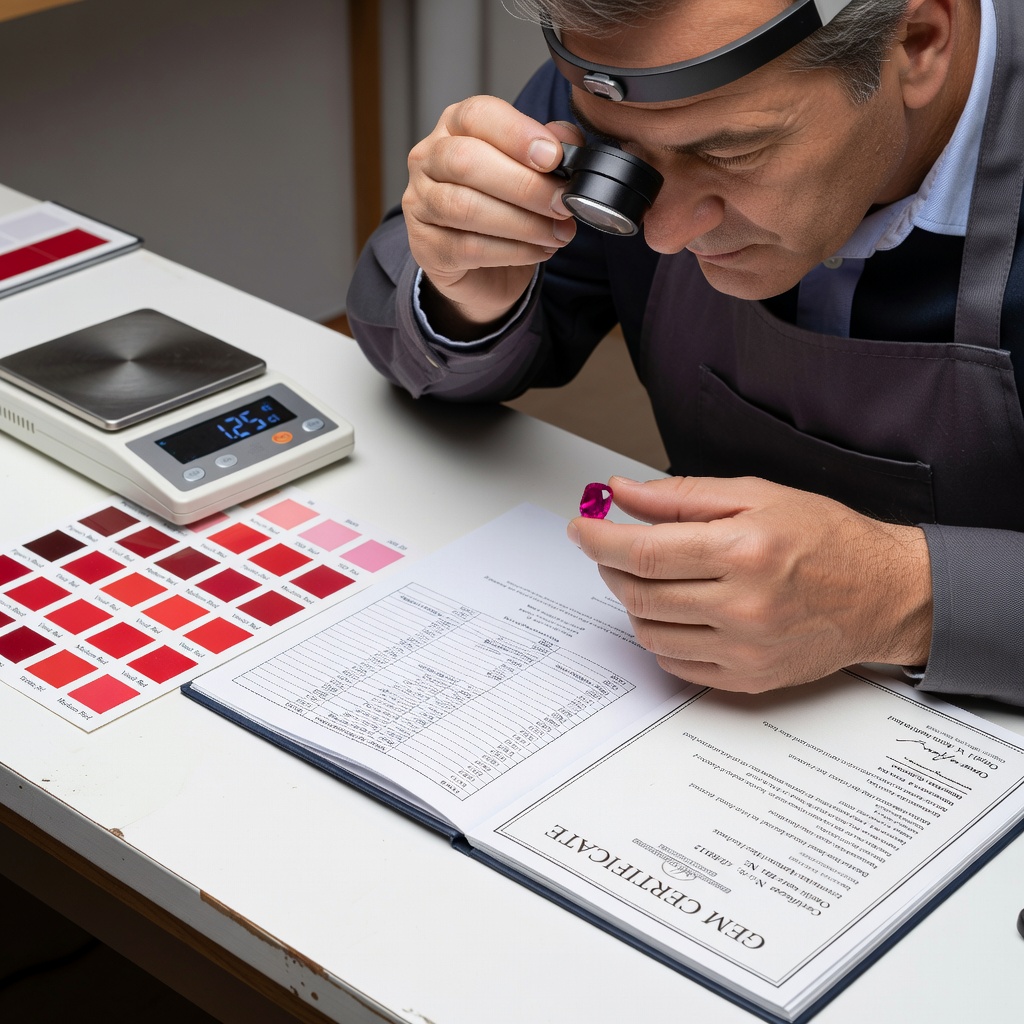
Introduction: Why A Ruby Price Guide Matters
A reliable Ruby Price Guide helps you make confident decisions whether you’re purchasing your first ruby ring, upgrading a collection, or preparing a stone for resale. Ruby pricing can feel inconsistent because two stones that look “similar” at a glance may differ dramatically in color quality, clarity characteristics, treatments, and origin—each of which can shift value by thousands per carat. This guide is designed to explain the real-world drivers behind ruby prices per carat, so you can compare listings intelligently and avoid paying for hidden compromises.
Ruby values also fluctuate with market conditions, including supply constraints at major mines, changes in consumer demand, and headline auction results that reset expectations for top-quality stones. In some years, strong luxury demand pushes fine ruby prices higher; in other periods, availability of treated or lower-grade material can soften pricing for commercial stones. By the end of this guide, you’ll understand the major levers of ruby pricing—color, carat weight, clarity, cut, origin, and treatment—and how to use them in a practical buying or selling checklist.
How Rubies Are Priced: The Fundamentals
Most rubies are priced using a per-carat model, but the final number is rarely as simple as “weight times a fixed rate.” Dealers apply premiums for exceptional color, desirable origin, strong cutting, and reputable documentation, while discounts appear for visible inclusions, poor brilliance, heavy treatments, or weak color. That’s why two 1.00 ct rubies can sell at radically different prices: the per-carat rate is essentially a reflection of ruby valuation factors, not just size.
Supply and demand heavily influence market pricing, especially in higher quality categories where available inventory is limited. When a major auction sells a vivid, well-documented ruby for a record figure, it often raises the perceived ceiling for comparable stones—particularly those with strong lab reports and prestigious origins. In everyday retail, dealer reputation and after-sale policies matter too: a trusted seller who offers transparent grading details, a return window, and a recognized certificate may price higher, but that premium often buys you lower risk and better resale potential.
If you’re comparing stones, it helps to think in terms of a “working ruby price chart” rather than one fixed number. A price chart is best used as a set of ranges that you adjust up or down based on observable quality and verified documentation. Practical tip: when you see a ruby offered well below typical market range, assume there is a reason—treatment, synthetic origin, weak color, poor cutting, or questionable grading—until proven otherwise.
The Four Cs For Rubies (Color, Clarity, Cut, Carat)
Color: Hue, Saturation, Tone, And The “Pigeon Blood” Premium
Color is usually the single biggest driver of ruby value, and it’s the cornerstone of any discussion of ruby color and clarity. The ideal ruby color is a vivid red with strong saturation and a balanced tone—not too dark (which can look maroon or brownish) and not too light (which can drift toward pink sapphire territory). The market often prizes “pigeon blood” as a trade term for intensely saturated red with a pleasing tone, though definitions can vary by lab and region.
A practical buying example: if you’re choosing between a slightly larger ruby with a darker tone and a slightly smaller ruby with brighter, more vivid red, the smaller stone can cost more per carat and often looks more “alive” in normal lighting. Tip for shoppers: examine the ruby in multiple light environments—indoor warm light, indirect daylight, and shaded outdoor light—because some stones appear vibrant only under certain conditions. If a seller provides videos, ask for at least one clip in neutral daylight and one in typical indoor lighting.
Clarity: Typical Inclusions And How They Affect Price
Rubies commonly contain inclusions such as “silk” (fine rutile needles), crystals, fingerprints, and healed fissures. Unlike diamonds, rubies are not expected to be inclusion-free; in fact, certain inclusion patterns can help confirm natural origin. However, clarity still matters in ruby valuation because inclusions can reduce transparency, lower brilliance, and create durability risks.
From a pricing standpoint, inclusions that are obvious to the naked eye, reach the surface, or cause haziness typically reduce value. Practical tip: ask whether inclusions are “eye-clean” from 15–20 cm (6–8 inches) in normal viewing, and request a magnified photo. If the ruby is intended for daily wear, avoid stones with surface-reaching fractures near corners or edges, because those areas can be vulnerable in rings.
Cut And Carat: Why Proportions And Weight Change Per-Carat Pricing
Cut quality affects how a ruby handles light, which influences perceived color and brightness. A well-cut ruby can appear more vivid and lively, while a shallow or overly deep stone may look windowed (a see-through area) or dark in the center. Even if two rubies have similar color grades, the better cut often commands a higher price because it maximizes beauty and reduces “hidden” weight that doesn’t improve face-up appearance.
Carat weight strongly impacts ruby prices per carat because fine-quality large rubies are exponentially rarer than small ones. This leads to non-linear pricing: a 2.00 ct ruby is not simply “twice the price” of a 1.00 ct ruby of similar quality—it can be far more per carat. Tip: compare face-up millimeter size in addition to carat weight, especially if you suspect the cut carries excess depth that inflates carats without improving appearance.
Origin And Treatments: How They Impact Value
The origin of rubies can influence pricing because certain sources have strong reputations and limited high-grade supply. Burmese (Myanmar) rubies have historically commanded premiums, especially when color and fluorescence align with top market preferences. Mozambique has become a major supplier of fine rubies in recent decades, producing stones that can rival Burmese material in beauty, while Thailand and Madagascar also contribute a range of qualities and colors.
Treatments are a major factor in pricing because they affect rarity, stability, and buyer confidence. Standard heat treatment is common and often accepted in the trade when properly disclosed; it can improve color and clarity and typically results in a lower price than an equivalent untreated ruby. More invasive processes—such as fracture filling with glass—can dramatically reduce value and durability, and may require special care, affecting both everyday wear and resale.
Labs often disclose both origin opinion and treatment evidence on certificates, which is why documentation can change a stone’s market position overnight. Practical tip: if you’re comparing two similar rubies, prioritize the one with clearer, more reputable disclosure. If the report states “no indications of heating” (or equivalent wording), that can add a meaningful premium in higher quality categories, provided color and transparency are strong.
Natural Vs Lab-Created Rubies: Price And Use-Case Differences
The choice between natural vs lab-created rubies is one of the simplest ways to control budget. Lab-created rubies can have excellent clarity and vibrant color at a fraction of the cost, making them appealing for fashion jewelry or larger statement pieces. However, lab-created stones are valued differently in the market and typically do not appreciate like rare natural, minimally treated rubies can.
A practical example: if you want a 3–5 ct bright red center stone for an occasional-wear cocktail ring, lab-created can deliver the look with minimal cost and fewer worries about inclusions. If your goal is long-term value retention, collectors generally favor natural rubies with strong color, reputable certification, and limited treatment. Tip: ensure the seller clearly labels lab-created material and provides documentation of the growth method when available.
Ruby Price Chart: Typical Ranges By Carat & Color
A ruby price chart is best viewed as a starting point, not a guarantee. Ranges vary with treatments, transparency, origin, and certification strength, so use the figures below to orient yourself and then adjust based on verified details. The most dramatic jumps typically occur when a ruby crosses “magic size thresholds” (1 ct, 2 ct, 5 ct) while maintaining fine color and good transparency.
Typical Ruby Prices Per Carat By Quality Tier (USD, Approximate)
Commercial Grade (Often Heavily Included, Weaker Color, Commonly Heated): Under $200 to $1,500 per carat is common in many retail contexts, depending on appearance and cut. These stones may show noticeable inclusions, pinkish or purplish modifiers, or darker tone that reduces vibrancy. Practical tip: in this tier, prioritize a lively face-up look and a fair return policy, because grading descriptions can vary.
Fine Grade (Strong Red, Better Transparency, Usually Heated Or Sometimes Unheated): Roughly $2,000 to $15,000+ per carat is a frequent market band, heavily dependent on color and clarity. At this level, differences in saturation and tone become expensive; a vivid red can leap ahead of a slightly dull red even if the stone is smaller. Tip: insist on a reputable lab report, because pricing becomes more sensitive to treatment and origin claims.
Collector/Exceptional Grade (Vivid Red, High Transparency, Strong Origin Reputation, Often Unheated): $15,000 to $100,000+ per carat is possible for truly rare stones, and auction-level examples can exceed these ranges. These rubies are scarce, especially above 2 carats with top color and minimal inclusions. Practical tip: at this tier, a second opinion from an independent gemologist can be worth the cost before you commit.
How Price Jumps At 1 Ct, 2 Ct, And 5 Ct
Rubies often show steep per-carat increases when size rises without sacrificing color and transparency. A vivid 0.90 ct ruby may be priced attractively compared with a visually similar 1.05 ct stone because demand concentrates around “one carat and up.” Similarly, a fine 1.80 ct ruby might represent better value than a 2.05 ct ruby of similar quality if the 2 ct threshold triggers a premium.
At 5 carats, the supply of fine natural rubies becomes extremely thin, and the market can behave more like art pricing than commodity pricing. One practical strategy is to consider “just under” milestone weights—0.95 ct, 1.90 ct, 4.80 ct—where the face-up size remains impressive but the per-carat premium may be less intense. Always compare millimeter dimensions, as cutting can change how large a ruby appears on the finger.
Valuation Methods: Appraisals, Certificates And Market Comparisons
For serious purchases or sales, ruby valuation is strongest when you combine three inputs: an independent appraisal, a reputable lab certificate, and market comparisons from recent transactions. An appraisal is especially useful for insurance scheduling and for a structured quality description that includes measurements, estimated weight, observed inclusions, and setting details if mounted. Practical tip: ensure the appraiser is independent (not the seller) and has experience with colored stones, not just diamonds.
Certificates from respected labs such as GIA, SSEF, and AGL can materially impact pricing because they confirm authenticity and disclose treatment evidence, and they may provide an origin opinion. This matters because origin and treatment are two of the easiest points for misinformation in casual listings. Tip: match the certificate number to the stone and verify the report on the lab’s website when possible, especially for high-value purchases.
Market comparisons are the reality check against overpaying or underpricing. Use a mix of sources: dealer listings (retail asking prices), auction results (often closer to true market for exceptional stones), and recent sales comps where available. A practical approach is to build a mini spreadsheet of 8–12 comparable rubies with similar carat weight, color description, treatment status, and certification, then estimate a reasonable range rather than chasing a single “perfect” number.
How To Buy A Ruby: Practical Tips To Get The Best Price
When buying rubies, focus first on verifying what the stone actually is: natural or lab-created, treated or untreated, and whether any origin claim is documented. A strong buyer checklist includes a reputable lab report, clear photos and videos in multiple lighting conditions, a written return policy, and transparent seller disclosures. This reduces the chance of surprises like undisclosed filling, misrepresented origin, or a stone that looks great under showroom lights but dull in everyday settings.
Negotiation is often possible, especially for loose stones or higher-ticket items, but it works best when you negotiate with specifics rather than vague requests. Practical example: you can ask for a better price based on a comparable stone’s per-carat rate, request a complimentary upgrade (such as expedited certification verification, resizing, or setting adjustment), or negotiate a partial refund if an independent appraiser identifies a meaningful discrepancy. Tip: if a seller refuses to provide basic documentation or pressures you to skip third-party verification, treat that as a pricing red flag rather than a bargaining opportunity.
Comparing natural vs lab-created rubies can also be a smart price strategy. If your priority is size and visual impact, lab-created stones offer a predictable way to get a larger, clean-looking ruby. If your priority is long-term value and collectability, allocate budget toward natural stones with strong color, good transparency, and reputable paperwork, even if that means choosing a slightly smaller carat weight.
Investing In Rubies Vs Jewelry Use
Buying a ruby for investment is different from buying a ruby for daily enjoyment, even though the same stone can serve both goals. Investment-focused buyers typically prioritize rarity markers: vivid red color, strong transparency, desirable origin, minimal treatment (especially unheated when confirmed), and respected certification. For jewelry use, you might accept more inclusions or standard heat treatment if the ruby looks beautiful and fits your lifestyle budget.
Liquidity matters in investment thinking: the easiest stones to resell are those that are well-documented and fall into widely recognized “sweet spots” of demand, such as 1–3 carat fine natural rubies with reputable lab reports. Resale channels include specialty dealers, auction houses, and private transactions, each with different fees and timelines. Practical tip: keep all original paperwork, invoices, and photos, because a complete provenance file can reduce buyer hesitation and strengthen your negotiating position.
Settings influence both value perception and appraisal outcomes. A high-quality setting can enhance presentation, but very personalized designs may limit the pool of buyers if you plan to resell. Practical example: classic solitaire or halo styles in durable metals (platinum, 18k gold) tend to be easier to resell than highly customized or fragile mounts. If investment is a priority, consider purchasing the ruby loose first, then setting it in a design that is attractive but not overly niche.
Care, Maintenance And Recognizing Fakes
Proper care protects both beauty and value, especially for stones with treatments. Clean rubies using warm water, mild soap, and a soft brush, then rinse and dry with a lint-free cloth; this is a safe baseline method for most stones. Avoid harsh chemicals and be cautious with ultrasonic or steam cleaners, particularly if the ruby may have fractures or filling, because aggressive cleaning can worsen existing weaknesses.
Recognizing potential fakes or heavily treated stones requires attention to visual cues and documentation. Red flags include unusually low prices for large, vivid stones, inconsistent descriptions, no lab report, or certificates from unknown labs that don’t clearly disclose treatment. Practical signs can include “flash effects” in filled fractures, overly perfect clarity in a very large “natural” ruby offered cheaply, or a glassy look that doesn’t match typical ruby luster.
When in doubt, consult a qualified gemologist or send the ruby to a respected lab for verification. This is particularly important when purchasing online, inheriting stones without records, or dealing with high-value transactions. Tip: if you’re evaluating ruby color and clarity in person, use a 10x loupe and look for natural inclusion patterns; however, remember that only proper testing can reliably confirm certain treatments and distinguish some synthetics from natural stones.
Conclusion: Using The Ruby Price Guide To Make Smart Choices
This Ruby Price Guide comes down to a few repeatable pricing drivers: exceptional color commands the strongest premiums, larger sizes increase ruby prices per carat non-linearly, and clarity/transparency can either elevate a ruby into a higher tier or hold it back. Origin and treatment status can change pricing dramatically, especially when supported by a reputable lab certificate. If you remember one principle, it’s that ruby pricing is a quality-and-rarity equation—not a simple weight calculation.
Before you buy or sell, use a final checklist: confirm whether the ruby is natural or lab-created, verify treatments, review a trusted lab report, compare against a realistic ruby price chart range, and benchmark several comparable stones. For sellers, consider an independent appraisal and professional photography to present the ruby accurately and reduce buyer uncertainty. For buyers, prioritize return policies and transparent disclosures so you can validate the stone’s real-world appearance and paperwork.
For ongoing market awareness, monitor major auction results, reputable dealer inventories, and lab education resources from organizations like GIA, SSEF, and AGL. These sources help you track shifts in demand and pricing expectations for different origins and quality tiers. With solid documentation and a disciplined comparison process, you can use ruby valuation principles to avoid costly mistakes and choose a ruby that fits your budget, purpose, and long-term goals.
FAQ
What Determines The Price Of A Ruby?
Price is driven by color (hue, saturation, tone), carat weight, clarity, cut quality, origin, and any treatments; certification and market demand also significantly affect value. In practice, vivid color and high transparency tend to create the biggest premiums, especially when paired with reputable documentation. A well-cut ruby with strong lab disclosure is typically easier to price accurately and resell.
How Much Do Rubies Cost Per Carat?
Prices vary widely: commercial rubies can be under a few hundred USD per carat, fine natural rubies often range from several thousand to tens of thousands per carat, and exceptional stones can exceed that—color and origin cause the largest differences. Treatments and transparency can move a stone up or down within those ranges significantly. Always compare similarly documented stones (same treatment status and similar lab credibility) to avoid misleading comparisons.
Are Lab-Created Rubies A Good Alternative?
Lab-created rubies offer similar optical properties at a fraction of the cost; they’re a good option for budget-conscious buyers but are valued differently than natural, untreated stones for investment purposes. They can be especially practical when you want a larger look, high clarity, or a durable everyday piece without the premium attached to rarity. The key is clear disclosure and accurate labeling so you know what you’re paying for.
How Important Is A Lab Certificate For A Ruby?
Very important—reputable lab certificates (GIA, SSEF, AGL) confirm origin, treatments and authenticity, which directly influence price and resale value. In higher price brackets, a respected certificate can be the difference between a stone that sells quickly and one that faces buyer skepticism. It also helps you compare stones more fairly across sellers.
Do Rubies From Burma Cost More?
Yes—historically Burmese (Myanmar) rubies, especially “pigeon blood” reds, command premiums due to rarity and market reputation, though high-quality rubies from Mozambique and other sources can also be expensive. The premium is strongest when the ruby also has excellent transparency and limited treatment. Documentation matters because origin claims without a reputable report usually won’t achieve the same pricing.
How Can I Tell If A Ruby Has Been Treated?
Treatments like heat or fracture filling are often disclosed on certificates; visible clues can include unusual surface flash or filled fractures, but lab testing is the reliable method to detect treatments. If the price seems too low for the apparent size and color, treatment is a common explanation. For meaningful purchases, rely on reputable lab disclosure rather than visual inspection alone.
When Should I Get An Appraisal For My Ruby?
Get an independent appraisal when buying high-value rubies, before insurance coverage, or when planning to sell—choose a certified gemologist or appraiser with ruby experience. An appraisal helps document condition, mounting details, and replacement cost context for insurance. For resale planning, combine the appraisal with current market comparisons to set realistic expectations.