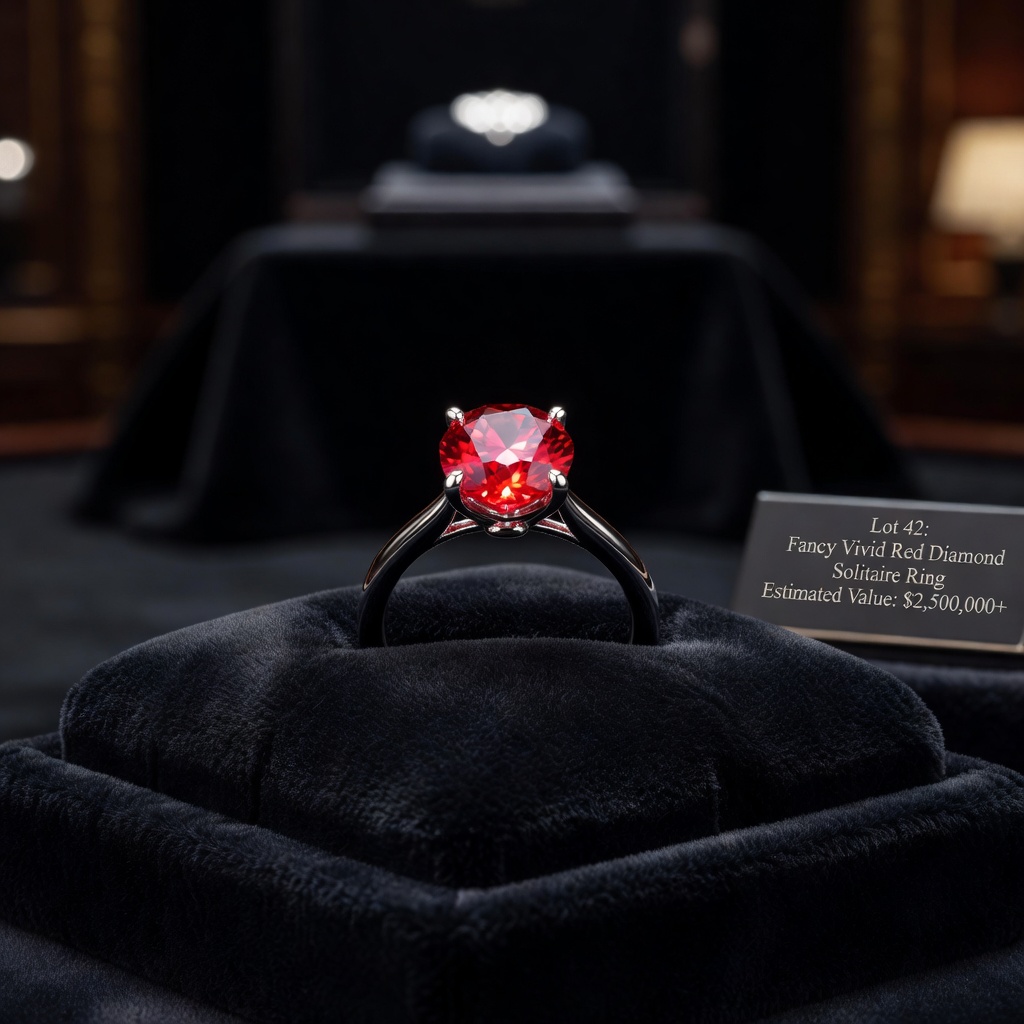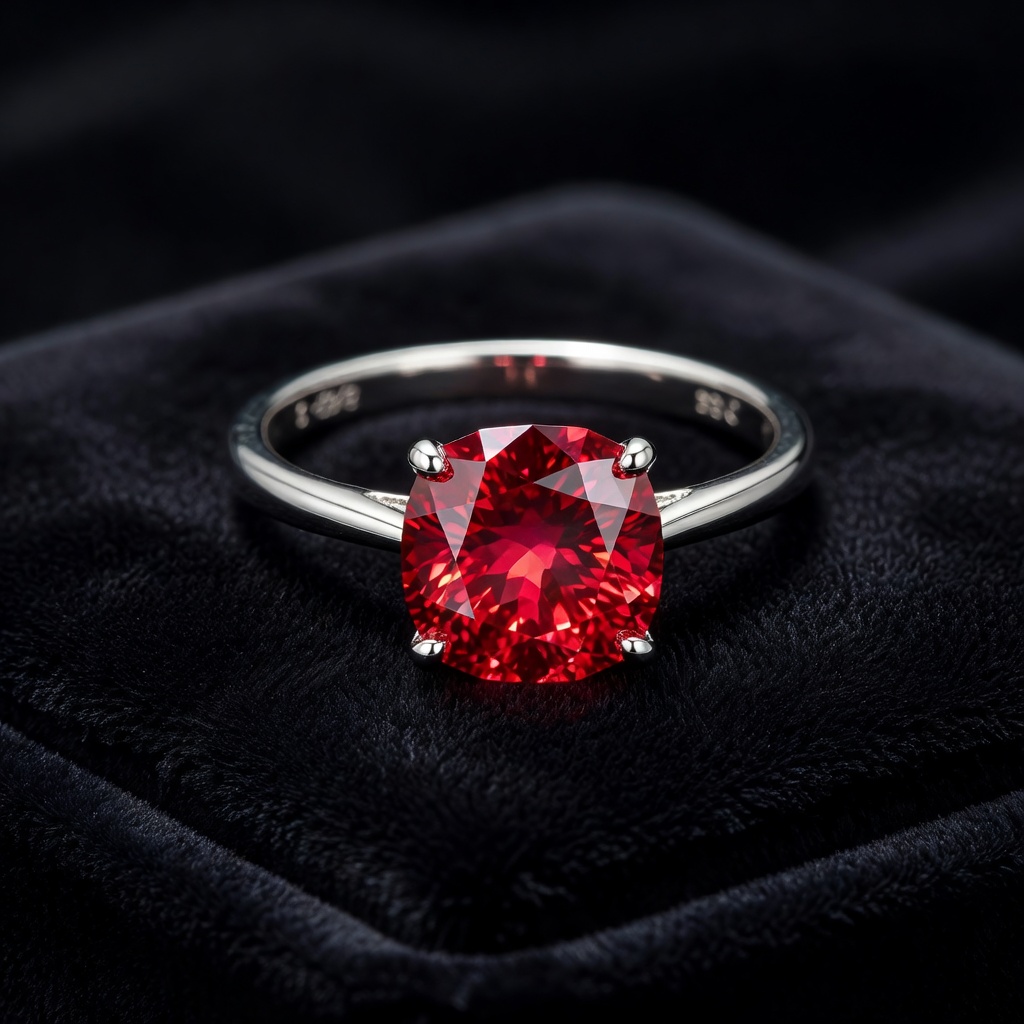
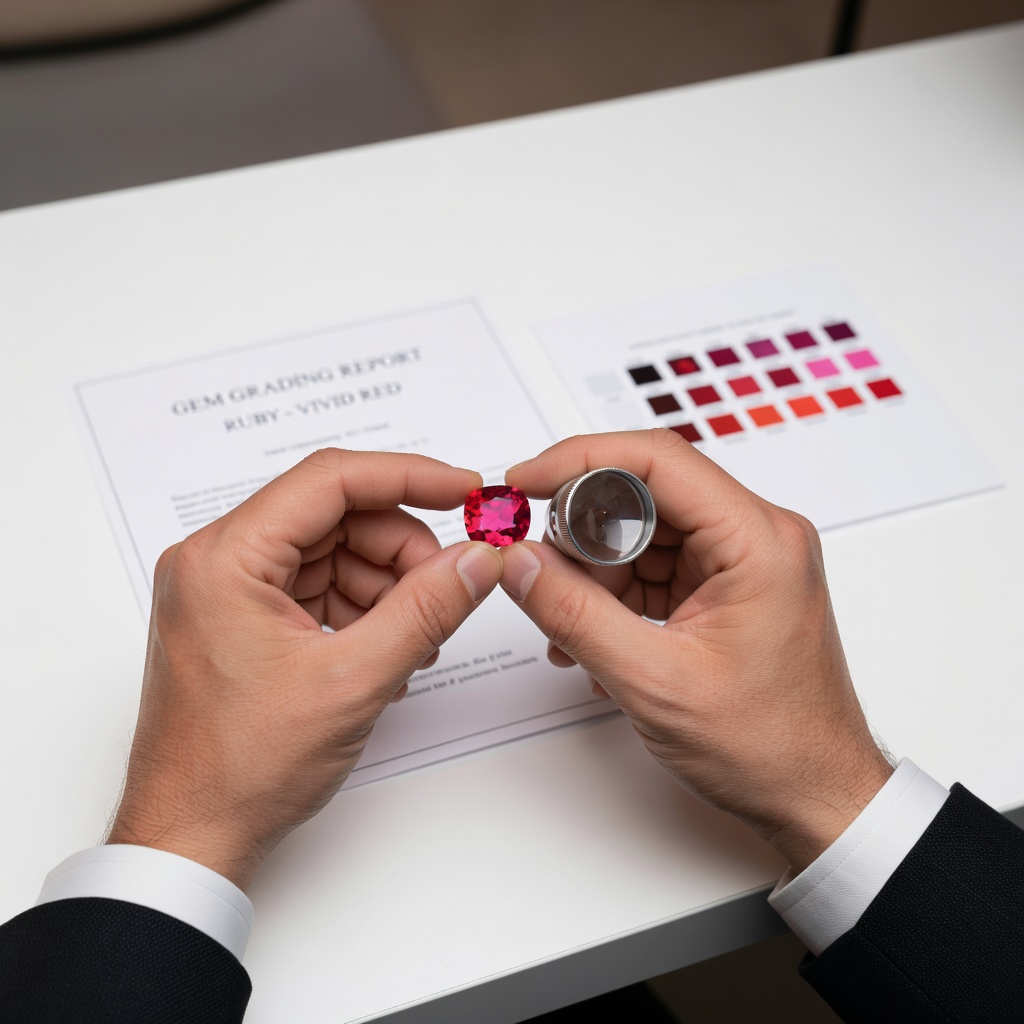
Introduction: Why A Ruby Buying Guide Matters
Rubies have been prized for centuries because they combine genuine rarity with a color that instantly signals luxury and romance. Fine rubies—especially those with vivid, pure red color—are collectible not only for jewelry lovers, but also for buyers who appreciate gems as portable, long-term stores of value. However, buying rubies is also one of the easiest places to make expensive mistakes, because treatments, color quality, and documentation can dramatically change what a ruby is worth.
This Ruby Buying Guide is designed to prevent the most common problems: overpaying for heavily treated stones, trusting vague descriptions like “AAA ruby” with no lab report, or prioritizing carat weight over color and cut. You’ll learn how ruby grading works in practice, which ruby treatments matter most, how to compare natural vs synthetic ruby options, and why ruby certification is often the difference between confidence and regret. By the end, you’ll have a clear step-by-step process: evaluate the 4 Cs, verify treatments and authenticity, confirm documentation, compare pricing, and choose a ruby suited to your jewelry and lifestyle.
Understanding Ruby Basics: Mineral, Color, And Sources
A ruby is the red variety of the mineral corundum (aluminum oxide). The red color comes primarily from chromium; the more appealing and saturated the red, the more desirable the gem tends to be. If corundum is any other color (like blue), it’s classified as sapphire, which is why accurate color evaluation is foundational in any Ruby Buying Guide.
Origin can affect value because certain locations have a long history of producing high-quality stones with sought-after color and character. Myanmar (Burma) is famous for exceptional reds; Mozambique has become a major source for strong color and good sizes; Thailand historically produced darker rubies and remains an important trading hub; Sri Lanka is known for lighter, sometimes pinkish reds. A practical example: two rubies with similar appearance may price very differently if one has a top-tier origin stated on a credible lab report, because collectors and resellers often pay a premium for proven provenance.
Color range matters more than many first-time buyers expect. The market often prizes vivid, “pigeon blood” style reds—generally meaning a strong red hue with high saturation and an appealing tone that isn’t too dark or too pink. A useful tip when buying rubies online: ask for videos in neutral lighting and request a comparison photo beside a known color reference (or a standardized white/gray card), because overly warm lighting can make average stones appear more vivid than they are.
The 4 Cs For Rubies: Color, Clarity, Cut, Carat
Color: Hue, Tone, Saturation, And The “Pigeon Blood” Benchmark
Color is usually the biggest driver of value, and any ruby color guide starts with three components: hue (the basic red, or red with hints of purple/pink/orange), tone (how light or dark it is), and saturation (how intense and vivid the color appears). Highly valued rubies typically show a strong red hue with vivid saturation and a tone that stays rich without becoming inky or brownish. “Pigeon blood” is a trade term used for a top color range, but it is not universal and can be misused—so treat it as a description that should be backed by a reputable lab’s color observations, not a marketing label.
A practical buying tip is to view the ruby in multiple light sources because rubies can look different in daylight, office LED lighting, and warm indoor bulbs. For example, a ruby that looks bright red under warm showroom lights may show a slightly purplish or darker tone in daylight, which could affect how often you’ll love wearing it. If you’re purchasing remotely, request a short video moving the stone under neutral light, and confirm whether the seller has applied color-enhancing photography or filters.
Clarity: Inclusions, “Silk,” And When Clarity Affects Price
Ruby clarity is important, but rubies are not judged like diamonds. Natural rubies commonly contain inclusions such as rutile “silk,” tiny crystals, fingerprints, or healed fractures, and some inclusions are expected even in expensive stones. What matters is whether inclusions reduce transparency, cause a dull appearance, or create durability concerns, especially in rings that get daily wear.
As a rule, inclusions that are not obvious to the naked eye and do not significantly cloud the stone are usually acceptable, especially if the color is excellent. For instance, a ruby with vivid color and minor internal silk can be more valuable than a cleaner ruby with weaker or darker color. A practical approach when buying rubies is to ask for both 10x magnified images and a “normal viewing distance” photo, so you can judge whether clarity issues will bother you day-to-day.
Cut And Carat: Brilliance, Shape, And Price-Per-Carat Behavior
Cut is often overlooked in ruby grading, yet it directly influences sparkle, color performance, and how large the stone appears. A well-cut ruby balances brightness and color, while a poorly cut ruby may show “windowing” (a see-through area), dark extinction, or uneven color zoning. For example, an oval ruby that looks large in carat weight can appear less impressive if it’s too deep (hiding weight) or too shallow (windowing), making it a weaker value than a slightly smaller but better cut stone.
Carat weight affects price non-linearly: ruby value per carat typically rises at key size thresholds (such as 1.00 ct, 2.00 ct, 3.00 ct), especially for high-quality color and good transparency. A practical strategy is to consider “just under” milestone weights—like 0.90–0.99 ct—where you may get a similar face-up size for less money. When comparing options, always evaluate the millimeter dimensions, not only carat weight, because spread (how large it looks) varies significantly by cut.
Treatments And Enhancements: What Buyers Must Know
Ruby treatments are common, and they aren’t automatically “bad,” but they must be disclosed because they affect value, durability, and resale potential. The most widely accepted treatment is heat treatment, which can improve color and clarity by dissolving some inclusions or enhancing the stone’s appearance. Heat-treated rubies can still be valuable—many fine rubies on the market are heated—but the price should reflect the treatment status and overall quality.
More significant enhancements include fracture filling (often with glass) and diffusion treatment. Fracture-filled rubies may look dramatically clearer and redder, but the filling can be less durable and may be vulnerable to heat, chemicals, and certain cleaning methods. Diffusion can add or intensify color near the surface, which may impact long-term appearance if the stone is re-cut or abraded; this is especially important for buyers planning custom setting work.
To protect yourself when buying rubies, ask direct questions: “Is it heated?” “Is there any glass filling or flux healing?” “Has it been diffusion treated?” and “Do you have a lab report stating treatment status?” As a practical example, if a seller offers an unusually vivid ruby at a surprisingly low price, the most common explanation is treatment level—so treat “too good to be true” as a cue to verify treatments through ruby certification rather than relying on sales assurances.
Natural Vs Synthetic And Imitation Rubies
Understanding natural vs synthetic ruby is essential because these categories can look similar but differ greatly in rarity and long-term value. Natural rubies are mined from the earth and typically have natural inclusions and growth features. Synthetic (lab-grown) rubies are real corundum with the same chemical composition as natural ruby, created in a laboratory; they can be visually clean and vibrant, but their market value and resale dynamics are different. Imitation rubies (such as red glass, garnet, or composite stones) only mimic the look and are not ruby mineralogically.
Synthetic rubies can be a smart choice for buyers who prioritize budget, consistent appearance, or ethical sourcing clarity. For example, a lab-grown ruby can offer a bold red look in a larger size for fashion jewelry or statement earrings without the cost of a comparable natural stone. The trade-off is that synthetic stones typically do not appreciate like rare natural rubies, and they should be priced accordingly with clear disclosure to avoid future confusion in resale or insurance documentation.
Verification should never rely on guesswork. Practical options include obtaining a reputable lab report, using a professional jeweler’s appraisal, and having the stone examined by a gemologist who can identify growth patterns and inclusions consistent with natural or lab-grown material. If you’re buying online, prioritize sellers who provide ruby certification details upfront and who allow inspection periods or returns so you can independently confirm authenticity after delivery.
Certification And Documentation: Reports That Matter
Ruby certification is one of the most powerful tools a buyer can use to reduce risk, especially for higher-value purchases. Respected gem labs such as GIA, AGL, SSEF, and other well-regarded regional laboratories provide reports that document identity (natural ruby vs synthetic), evaluate treatments, and record measurements and other observations. While no document can replace learning basic ruby grading concepts, a credible report creates transparency and helps you compare stones on more equal footing.
A strong ruby certificate typically includes: the stone’s identity, carat weight and dimensions, shape/cutting style, color observations, treatment determination (such as “heated” or “no indications of heating”), and sometimes an opinion on geographic origin. If origin is stated, it should be clearly presented as a lab conclusion and not a seller claim; origin determination can be complex and sometimes inconclusive. A practical tip is to verify the report number on the lab’s website when possible and confirm the report photo matches your stone (especially for higher-value rubies).
Certification can also influence resale value and insurance outcomes. For example, a well-documented natural ruby with a respected lab report is easier to insure accurately, easier to sell through reputable channels, and generally easier to price because buyers trust standardized disclosure. If you plan an heirloom purchase or an engagement ring ruby, treat documentation as part of the product—not an optional add-on—because it protects both your investment and your peace of mind.
Evaluating Value: Price, Negotiation, And Appraisals
Ruby value per carat is driven by a combination of color quality, transparency/clarity, cut, size, origin (when credibly established), and treatment status. The price-per-carat can jump dramatically for rubies with vivid, top-tier color and strong transparency, especially above 1 carat and at larger sizes. Conversely, heavily treated stones may be priced far lower even when they look striking in photos, which is why you must compare “like with like” in treatment and certification.
When comparing offers, request consistent information: carat weight, millimeter dimensions, treatment disclosure, lab report details, and clear photos/videos in neutral lighting. A practical negotiation tip is to focus on objective points—such as missing certification, unclear treatment language, or an average cut that reduces brilliance—rather than trying to bargain without justification. If a seller’s price seems inflated, ask what specifically supports it: exceptional color grade, rare size, origin determination, or an unusually fine level of transparency for the category.
An independent appraisal is most useful when the purchase is significant, when documentation is limited, or when you need insurance coverage. Ideally, choose an appraiser who does not sell gemstones, so you’re getting a neutral evaluation of identity, condition, and fair market considerations. For example, after purchasing a ruby ring, an appraisal can document whether the stone shows signs of fracture filling and whether the setting adequately protects the gem—information you can use to confirm you paid an appropriate price and to set correct insurance limits.
Choosing A Ruby For Different Jewelry Types
Different jewelry types put different demands on a ruby, and the right choice depends on wear frequency, exposure, and setting style. Rings—especially engagement rings—see the most impact and abrasion, so prioritize durability-friendly characteristics like good transparency without major fractures, a protective setting, and treatment choices that won’t be vulnerable to routine wear. Necklaces and earrings face less daily impact, so you can sometimes prioritize size or a more delicate cut while still maintaining good overall quality.
There are always trade-offs between color, size, and treatment. A practical budgeting example: if you want a ruby with strong red color in a limited budget, you might choose a slightly smaller stone with better color rather than a larger stone with weak saturation. Alternatively, for fashion jewelry where maximum size matters, a well-disclosed heat-treated ruby or a lab-grown ruby can deliver bold visual impact while keeping costs controlled.
As a guideline, consider these fit-for-purpose recommendations. For an engagement ring, choose a natural ruby with excellent color, a cut that avoids windowing, and ruby clarity that doesn’t show prominent surface-reaching fractures; pair it with a bezel or halo setting for protection. For heirloom pieces, prioritize top color, strong documentation (ruby certification), and conservative treatment profiles to support long-term value. For fashion jewelry, you can be more flexible—focus on a pleasing ruby color guide match for your style and choose a setting that complements the stone’s tone and shape.
Where To Buy And How To Protect Your Purchase
Where you buy matters as much as what you buy. Traditional jewelry retailers offer convenience, service, and often strong warranty support, but pricing may be higher due to overhead. Specialized dealers can provide better selection and deeper expertise in ruby grading, especially for fine stones, while auction houses may offer rare opportunities but require experience in evaluating condition, provenance, and buyer’s premiums. Online platforms can be excellent for selection and pricing transparency, but they demand stricter attention to ruby certification, return policies, and the quality of photos and videos.
Protect your purchase with clear policies and secure logistics. Always confirm the return window (and whether it includes a full refund), request insured shipping with adult signature, and keep all documentation, receipts, and report numbers organized. A practical example: if you’re buying a certified ruby online, schedule an independent verification during the return period so you can confirm identity and treatment disclosures before your option to return expires.
Care and maintenance preserve both beauty and value. Clean rubies using warm water, mild soap, and a soft brush; avoid harsh chemicals and be cautious with ultrasonic cleaners if the stone has fracture filling or any treatment that could be affected by vibration or heat. Store ruby jewelry separately to prevent it from scratching softer gemstones, and have a jeweler inspect prongs and settings at least once a year for frequently worn pieces. This simple maintenance routine can prevent costly repairs and protect the ruby’s appearance for decades.
Frequently Asked Questions
What Is The Most Important Factor When Buying A Ruby?
Color is typically the single most important factor—rich, vivid red with strong saturation commands the highest value. After color, clarity, cut, and carat follow in importance depending on the buyer's priorities. In practice, many buyers get better results by choosing the best color they can afford and then balancing clarity and size within that budget.
How Can I Tell If A Ruby Is Treated?
Ask for a lab report from a reputable gem lab (GIA, AGL, SSEF). Visual clues like unusually vivid color or glassy fractures can indicate treatment, but lab certification is the reliable way to confirm. If the seller cannot clearly disclose treatment status, consider it a risk factor and adjust your budget or buying decision accordingly.
Are Synthetic Rubies A Good Alternative?
Synthetic rubies can be a cost-effective and ethically clear alternative with similar appearance and durability. However, they have different resale value and should be clearly disclosed as lab-grown. They can be ideal for fashion jewelry or larger statement designs where you want the look without the natural rarity premium.
Do Ruby Certifications Guarantee Origin And Quality?
Certifications from respected labs provide reliable information about treatments and many aspects of quality. Origin determination is possible but sometimes inconclusive; lab reports improve transparency and resale value. The most useful certificates clearly state treatment findings and document measurable details so you can compare stones fairly.
How Much Does A High-Quality Ruby Cost Per Carat?
Prices vary widely—good commercial rubies start at a few hundred dollars per carat, while top-quality “pigeon blood” rubies from premium origins can reach tens or hundreds of thousands per carat. Certification, size, and provenance drive price. Because pricing is highly sensitive to color and treatment level, compare only stones with similar lab-documented treatment status and similar visible performance.
What Questions Should I Ask A Seller Before Buying A Ruby?
Ask about treatments, certification lab and report number, origin (if known), return policy, insurance options, and whether the ruby has been previously set or altered. Also request clear photos and videos in neutral lighting and confirm the stone’s measurements in millimeters. These questions make it easier to compare offers and reduce surprises after purchase.
How Should I Care For My Ruby Jewelry?
Clean rubies with warm soapy water and a soft brush, avoid harsh chemicals and ultrasonic cleaners if the stone has been fracture-filled, store separately to prevent scratching, and get periodic professional inspections. If the ruby is in a ring, have prongs checked regularly to reduce the risk of loss. Good care preserves brilliance and helps maintain long-term value.