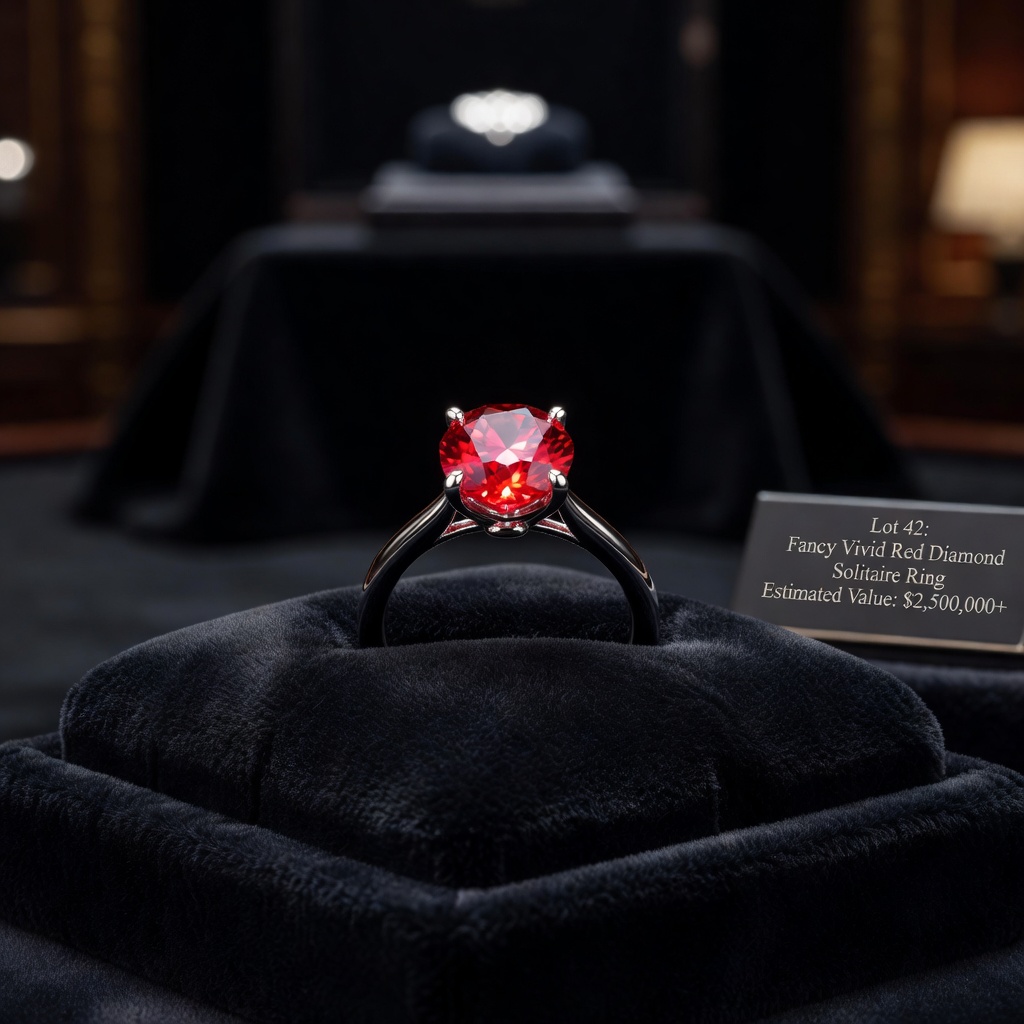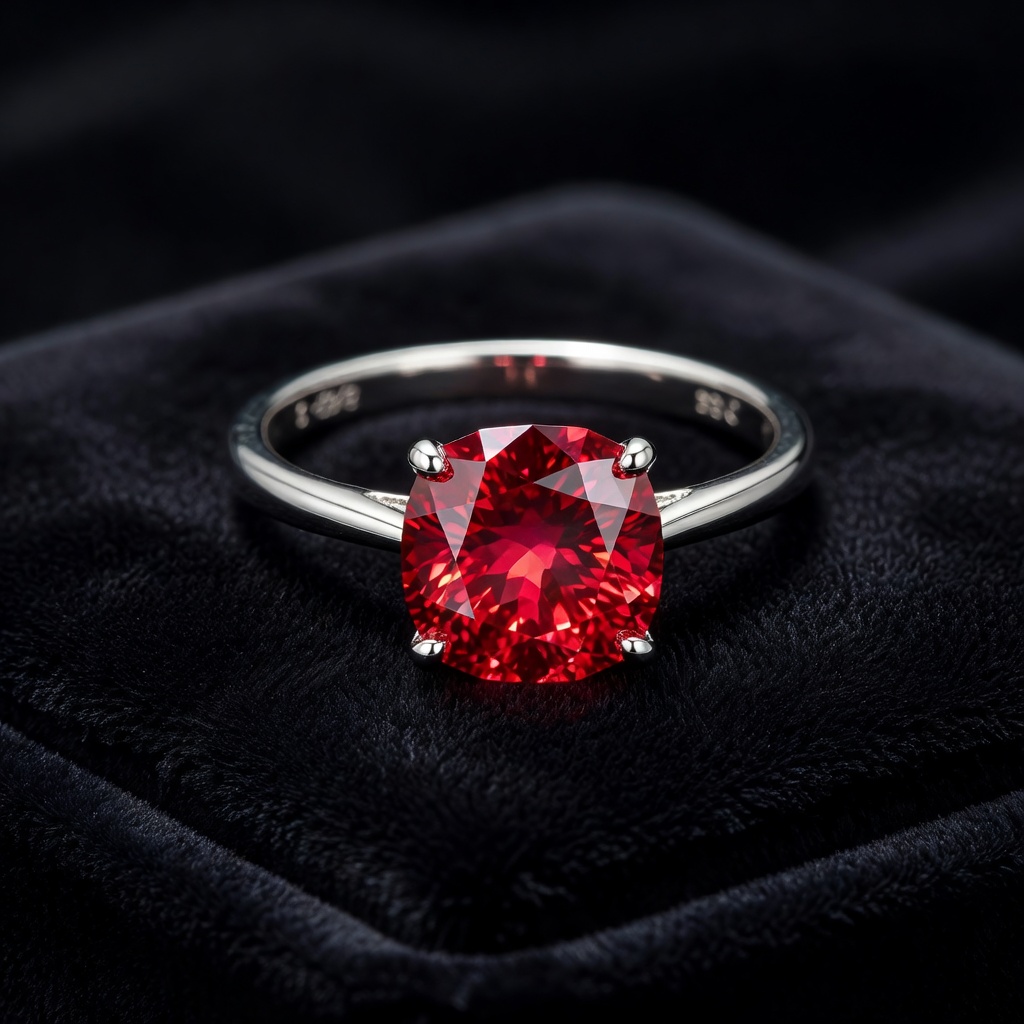
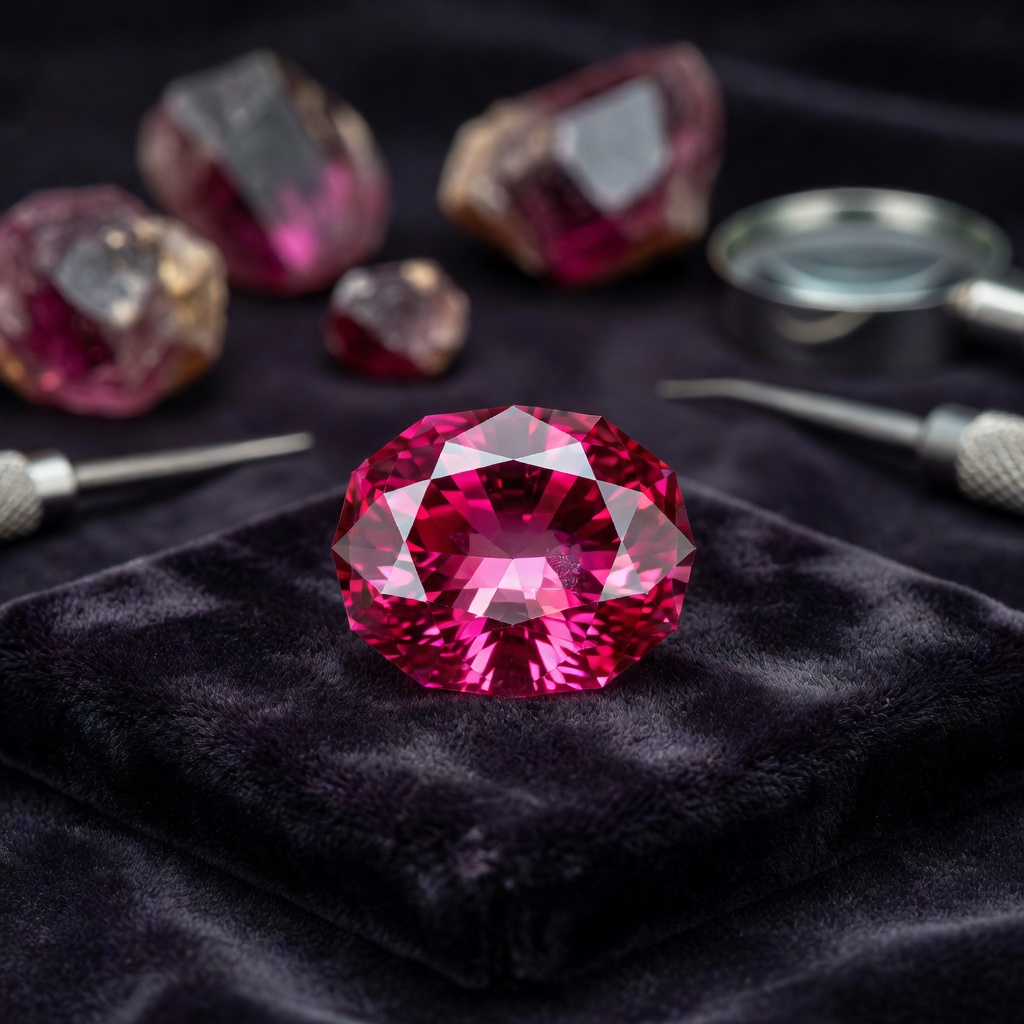
Introduction: What Is Rubellite?
Rubellite represents one of the most coveted and valuable varieties of the tourmaline family, distinguished by its captivating red to pink coloration that rivals the beauty of fine rubies and pink sapphires. As a specific variety of elbaite tourmaline, rubellite derives its name from the Latin word "rubellus," meaning reddish, which perfectly describes the gemstone's characteristic warm hues that range from deep raspberry to vivid crimson. Unlike other pink tourmalines that may appear washed out or brownish under certain lighting conditions, genuine rubellite tourmaline maintains its intense color saturation across various light sources, a property that significantly contributes to its premium positioning in the gemstone market. Understanding comprehensive rubellite properties and information becomes essential for collectors, jewelry designers, and investors seeking to distinguish this exceptional gemstone from its more common counterparts.
The historical significance of rubellite dates back centuries, with notable deposits discovered in ancient mining regions that supplied royal courts and noble families across Europe and Asia. During the Victorian era, rubellite gained particular favor among aristocracy who prized the stone for its romantic associations and remarkable durability compared to other red gemstones. Today, gemologists classify rubellite specifically by its chemical composition and optical properties rather than merely its color, establishing strict criteria that separate true rubellite from standard pink tourmaline. This distinction matters significantly in the marketplace, where fine rubellite specimens can command prices ten to twenty times higher than comparable pink tourmaline, particularly when the stones exhibit the highly desirable "pigeon blood" red saturation reminiscent of Burmese rubies.
Physical and Chemical Properties
Understanding the fundamental physical and chemical characteristics of rubellite provides essential knowledge for proper identification and appreciation of this complex borosilicate mineral. Chemically, rubellite belongs to the elbaite species within the tourmaline group, featuring a complex crystal structure composed of boron aluminum silicate with significant traces of lithium, manganese, and occasionally cesium that contribute to its distinctive coloration. The presence of manganese serves as the primary chromophore responsible for the pink to red hues, while lithium content affects the stone's optical properties and overall stability. These trace elements differentiate pink tourmaline properties from other tourmaline varieties, creating the specific absorption spectra that gemologists use for positive identification in laboratory settings.
Regarding durability and wearability, rubellite hardness registers between 7 and 7.5 on the Mohs scale, positioning it as a moderately hard gemstone suitable for various jewelry applications including rings, pendants, and earrings. However, this hardness rating also indicates that rubellite requires protection from harder materials such as diamonds, sapphires, and topaz to prevent surface scratching during storage or wear. The gemstone crystallizes in the trigonal crystal system, typically forming long, prismatic crystals with distinctive vertical striations along the crystal faces, a habit that presents both opportunities and challenges for lapidaries seeking to maximize color and brilliance in the finished gem. Gemological testing reveals a refractive index range of 1.624 to 1.644 and a specific gravity of approximately 3.06, measurements that serve as critical diagnostic tools for red tourmaline identification and for distinguishing natural rubellite from simulants or synthetic counterparts.
Color Variations and Quality Factors
The aesthetic appeal and commercial value of rubellite depend primarily upon three interrelated quality factors: color saturation, clarity, and cut precision, with color representing the most significant value determinant. Premium rubellite specimens display a vivid, saturated red to slightly purplish-red hue often described as "raspberry" or "cranberry" red, avoiding the brownish or orangey overtones that diminish both beauty and value in lesser stones. The most valuable examples exhibit intense color saturation combined with medium to medium-dark tone levels, creating a lively, vibrant appearance that maintains its brilliance even in dim lighting conditions. Stones that appear too light risk being classified as pink tourmaline rather than true rubellite, while overly dark specimens may appear blackish or "closed," reducing their transparency and visual appeal.
Clarity considerations in rubellite evaluation acknowledge that completely eye-clean specimens represent exceptional rarities, as the geological conditions forming these gems typically result in some internal characteristics. Market positioning distinguishes between lightly included stones that remain eye-clean at normal viewing distances versus moderately to heavily included material that may display visible feathers, fractures, or crystal inclusions. Investment-grade rubellite typically requires at least eye-clean clarity, though collectors sometimes accept minor inclusions in exceptionally colored specimens exceeding five carats. Cut quality significantly impacts how rubellite displays its color and brilliance, with skilled lapidaries orienting the table perpendicular to the crystal's length to minimize the effects of pleochroism—the phenomenon where the stone shows different colors when viewed from different angles. Oval, cushion, and emerald cuts remain popular choices for rubellite, as these shapes often optimize color saturation while maximizing weight retention from the original rough crystal.
Rubellite vs Pink Tourmaline: Critical Differences
The distinction between rubellite and pink tourmaline extends beyond mere semantics, representing significant differences in chemical composition, optical behavior, and market valuation that every prospective buyer must understand. The most reliable field test for distinguishing these varieties involves observing the stone's color stability under different lighting conditions: genuine rubellite maintains its vivid pink-red saturation under incandescent light, whereas standard pink tourmaline typically appears noticeably browner, duller, or grayer when moved from daylight to incandescent illumination. This optical stability results from specific trace element combinations and absorption spectra unique to rubellite, particularly the manganese and lithium ratios within the crystal lattice. When conducting rubellite vs pink tourmaline comparisons, gemologists utilize spectroscopic analysis to identify distinct absorption bands that confirm the stone's classification and validate its premium status.
Market classification standards established by major gemological laboratories require specific color thresholds and stability criteria before certifying a stone as rubellite rather than pink tourmaline, with price differentials often ranging from 300% to 1000% depending on quality factors. Unfortunately, the gemstone trade commonly experiences mislabeling issues where dealers market vivid pink tourmalines as rubellite to command higher prices, particularly in markets with less rigorous consumer protection standards. Chemical trace element variations provide definitive identification methods, as rubellite typically contains higher lithium and manganese concentrations compared to pale pink tourmaline varieties. Advanced testing using energy-dispersive X-ray spectroscopy (EDXRF) can quantify these differences, though experienced gemologists often rely on the incandescent light test combined with refractive index measurements for preliminary rubellite identification in field or retail settings.
Global Sources and Mining Locations
The geological occurrence of high-quality rubellite spans several continents, with each mining region producing material characterized by distinctive quality parameters, color profiles, and crystal habits that influence market preferences and valuations. Brazil maintains its historical position as the primary source of exceptional rubellite, particularly the legendary deposits in Minas Gerais and the famous Paraíba region, where pegmatite formations yield crystals renowned for their intense saturation and exceptional clarity. Brazilian rubellite typically commands the highest premiums in international markets due to the region's reputation for producing stones with the coveted pure red to slightly purplish-red coloration without undesirable brown modifiers. The mining operations in these regions range from small-scale artisanal excavations to larger commercial ventures, with sustainable mining practices increasingly implemented to address environmental concerns and ensure long-term viability of these finite resources.
African deposits have emerged as significant contributors to the rubellite supply chain, with Nigeria, Mozambique, and Madagascar producing substantial quantities of material that often rivals Brazilian quality while typically offering more accessible price points. Nigerian rubellite sources particularly excel in producing large, clean crystals suitable for significant carat-weight jewelry pieces, while Mozambican material frequently displays exceptional transparency and vibrant color saturation. Afghanistan and Pakistan's Himalayan deposits yield rubellite with unique material qualities, including distinctive inclusions and color zoning patterns that appeal to certain collectors and metaphysical practitioners. When evaluating rubellite mining locations, ethical sourcing considerations have become increasingly important, with responsible buyers seeking stones extracted under fair labor practices with minimal environmental impact, often verified through blockchain traceability or direct relationships with mining cooperatives.
Value, Pricing and Investment Potential
The commercial valuation of rubellite follows complex market dynamics that reward exceptional color, clarity, and size while penalizing treatments, poor cutting, and origin from less prestigious sources. Current rubellite price per carat ranges span from approximately $200 for commercial-quality material with moderate inclusions and lighter saturation to over $2,000 for exceptional specimens exceeding three carats with vivid, untreated color and eye-clean clarity. Investment-grade rubellite must satisfy stringent criteria including complete absence of heat treatment or irradiation, vivid red color saturation without brown or orange secondary hues, high clarity grades, and significant carat weights typically exceeding five carats for serious collector consideration. These untreated, museum-quality specimens appreciate consistently, with auction records demonstrating annual value increases of 15-20% for top-tier material over the past decade.
Market trends indicate increasing scarcity of fine rubellite as traditional mines deplete their accessible reserves and environmental regulations restrict new extraction operations, creating a supply constraint that supports long-term price appreciation. However, several factors can significantly depreciate rubellite gemstone value, including evidence of heat treatment to improve color, excessive inclusions that compromise durability or transparency, and poor cutting proportions that result in windowing or extinction. The treatment disclosure requirements mandated by major gemological laboratories help protect consumers, but untreated natural rubellite commands premiums of 30-50% above comparable treated material. Serious investors should focus on acquiring certified stones from reputable dealers, maintaining documentation of origin and treatment status, and selecting classic cuts that maximize the stone's natural beauty while ensuring broad market appeal for future resale.
Metaphysical Properties and Healing Lore
Beyond its aesthetic and investment merits, rubellite holds significant importance in crystal healing traditions and metaphysical practices, where practitioners attribute powerful energetic properties to this vibrant pink-red gemstone. Central to rubellite healing properties is the stone's association with the heart chakra, where it supposedly facilitates emotional healing, promotes self-love, and encourages the release of suppressed feelings or past traumas that block personal growth. Crystal therapists often recommend rubellite for individuals seeking to strengthen existing relationships or attract new love, believing that the stone's vibration resonates with unconditional love and compassion while providing energetic protection against emotional manipulation or negative attachments. The intense red-pink coloration connects rubellite to the root chakra as well, creating a unique energetic bridge between physical vitality and emotional wellness that distinguishes it from other heart-centered stones.
Historical use of rubellite in various cultural healing traditions spans centuries, with Victorian crystal practitioners prescribing the stone for nervous conditions and heart palpitations, while modern metaphysical practitioners utilize it for meditation practices focused on passion, creativity, and life force activation. Wearing recommendations typically suggest placing rubellite directly over the heart center during meditation or wearing it as a pendant to maintain continuous energetic contact with the thymus and heart areas. Some practitioners combine rubellite with rose quartz or rhodonite to create synergistic healing grids designed to repair emotional wounds and foster forgiveness. While these rubellite meaning associations lack scientific validation, they contribute significantly to the stone's market demand among holistic wellness communities and collectors interested in the cultural heritage of gemstone lore.
Proper Care, Cleaning and Maintenance
Maintaining the beauty and integrity of rubellite jewelry requires understanding the stone's specific vulnerabilities and implementing appropriate care protocols that prevent damage while preserving optical quality. The safest and most effective method for cleaning rubellite involves using warm soapy water—prepared with mild dish soap—and a soft-bristled toothbrush to gently remove accumulated oils, cosmetics, and environmental residues from the stone's surface and setting. This manual cleaning approach eliminates the risks associated with ultrasonic cleaners, which can exacerbate existing fractures or inclusions through vibrational stress, potentially causing structural damage to the gemstone. Steam cleaning should also be avoided due to rubellite's sensitivity to sudden temperature changes, which may induce thermal shock resulting in internal fracturing or color alteration in treated stones.
Storage recommendations emphasize keeping rubellite pieces separate from harder gemstones such as diamonds, rubies, and sapphires that could scratch the tourmaline's surface during contact, ideally utilizing individual soft cloth pouches or compartmentalized jewelry boxes with fabric lining. Heat sensitivity represents a particular concern for rubellite care and maintenance, as prolonged exposure to high temperatures—such as those encountered during jewelry repair soldering or sauna use—can alter the stone's color or cause internal damage to its crystal structure. Professional inspection schedules should occur annually for frequently worn rubellite rings, allowing jewelers to check prong security, examine for loose stones, and assess whether the setting continues to provide adequate protection against impact. When engaging in activities involving harsh chemicals, gardening, or sports, removing rubellite jewelry prevents both physical damage and exposure to acids or abrasive materials that could etch the stone's surface.
Buying Guide: Authentication and Certification
Navigating the rubellite marketplace requires vigilance and knowledge to ensure authentic purchases, as the significant price differentials between rubellite and common pink tourmaline incentivize misrepresentation in less regulated trading environments. Prospective buyers should prioritize stones accompanied by certification from recognized gemological laboratories such as the Gemological Institute of America (GIA), American Gemological Laboratories (AGL), or International Gemological Institute (IGI), which provide definitive documentation of the stone's natural origin, color grade, and treatment status. These reports specifically address whether the material qualifies as rubellite versus pink tourmaline based on standardized color stability testing, offering crucial protection for buyers making substantial investments. When buying rubellite, insist on full disclosure of any treatments, as heat treatment and irradiation—while common enhancement methods—significantly impact valuation and require different care considerations than untreated material.
Common treatments to detect include low-temperature heating to reduce brown overtones, irradiation to intensify pink coloration, and fracture filling with oils or resins to improve apparent clarity. Distinguishing natural rubellite from synthetic lab-grown equivalents requires advanced gemological testing, as modern hydrothermal and flux-growth methods can produce convincing simulants that mimic natural inclusions and optical properties. Red flags when purchasing online include prices significantly below market rates, vague descriptions using terms like "pink rubellite" (which contradicts proper nomenclature), and sellers unwilling to provide independent laboratory certification. Reputable dealer selection criteria should include membership in professional organizations such as the American Gem Trade Association (AGTA), established business histories with verifiable references, and clear return policies that allow for independent verification of rubellite certification claims before finalizing purchases.
Conclusion: Is Rubellite Right for You?
Determining whether rubellite represents an appropriate acquisition depends upon evaluating your specific needs regarding aesthetic preferences, budget parameters, intended use, and appreciation for fine gemstones with distinct character and rarity. For those seeking engagement ring alternatives to traditional diamonds or sapphires, rubellite offers compelling advantages including unique coloration, moderate durability suitable for protected settings, and the romantic symbolism associated with its heart-centered energy and vivid red-pink hues. Collectors and investors find rubellite particularly attractive due to the geological rarity of fine specimens, the increasing difficulty of sourcing untreated material, and the stone's established track record of value appreciation in the colored gemstone market. The ideal rubellite candidate appreciates subtle distinctions in color saturation, understands the importance of professional certification, and values the organic beauty of natural inclusions that testify to the gem's geological origins.
Before finalizing any purchase, prospective buyers should complete a final checklist that includes verifying laboratory certification for natural, untreated origin; examining the stone under various lighting conditions to confirm color stability; assessing clarity and cut quality relative to the asking price; and ensuring the setting provides adequate protection for the stone's 7-7.5 hardness level. For those seeking further gemological education, resources including the Gemological Institute of America's distance learning programs, the Gemological Association of Great Britain (Gem-A) courses, and specialized texts on tourmaline mineralogy provide comprehensive rubellite properties and information. Whether acquired for personal adornment, investment diversification, or metaphysical practice, fine rubellite stands as one of nature's most captivating red gemstones, offering beauty and rarity that reward informed, discerning collectors who appreciate its unique position within the tourmaline family.
Frequently Asked Questions
What is the difference between rubellite and pink tourmaline?
While both are pink to red tourmalines, rubellite maintains its color intensity under different lighting conditions (incandescent vs. daylight), whereas pink tourmaline typically appears browner or duller under incandescent light. Rubellite also contains different trace elements and commands significantly higher prices due to its rarity and vivid saturation.
How can I tell if my rubellite is real or fake?
Genuine rubellite exhibits strong pleochroism (showing different colors when viewed from different angles), has a specific gravity of approximately 3.06, and refractive index between 1.624-1.644. Synthetic versions lack natural inclusions and show uniform color. Always request certification from recognized labs like GIA or AGL for verification.
What gives rubellite its distinctive red-pink color?
Rubellite's color comes from manganese and lithium trace elements within the tourmaline crystal structure. The specific combination and concentration of these elements, along with natural irradiation over millions of years, create the gem's characteristic vivid pink to red hues that distinguish it from other tourmaline varieties.
Is rubellite durable enough for daily wear in rings?
With a hardness of 7 to 7.5 on the Mohs scale, rubellite is moderately durable but requires protection from hard knocks and scratches. While suitable for rings, protective settings (bezels or halos) are recommended for daily wear. It's softer than sapphire or diamond but harder than opal or pearl.
Does rubellite change color in different lighting?
Unlike many pink tourmalines that appear brownish under incandescent light, high-quality rubellite maintains its vivid pink-red color under various lighting conditions. However, some stones may show subtle shifts between pinkish-red and purplish-red tones depending on the light source, which is a natural characteristic rather than a defect.
Where does the finest quality rubellite come from?
Brazil, specifically the Minas Gerais region, historically produces the finest rubellite with the most saturated colors. However, recent discoveries in Nigeria and Mozambique have yielded exceptional material. Brazilian rubellites typically command premium prices due to their historical reputation and often superior clarity.
How should I clean and care for rubellite jewelry?
Clean rubellite using warm soapy water and a soft toothbrush, avoiding ultrasonic and steam cleaners which can damage the stone. Store separately from harder gemstones to prevent scratching, and avoid exposure to harsh chemicals, acids, or sudden temperature changes that could cause thermal shock or color alteration.
Are treated rubellites worth less than untreated stones?
Yes, untreated rubellites command significantly higher prices (often 30-50% more) than heated or irradiated stones. Heat treatment and irradiation are common practices to enhance color, but natural, untreated vivid red rubellites are rare collector's items. Always disclose treatments when selling and verify through certification when buying.