What Is Rubellite and Why Special Care Matters
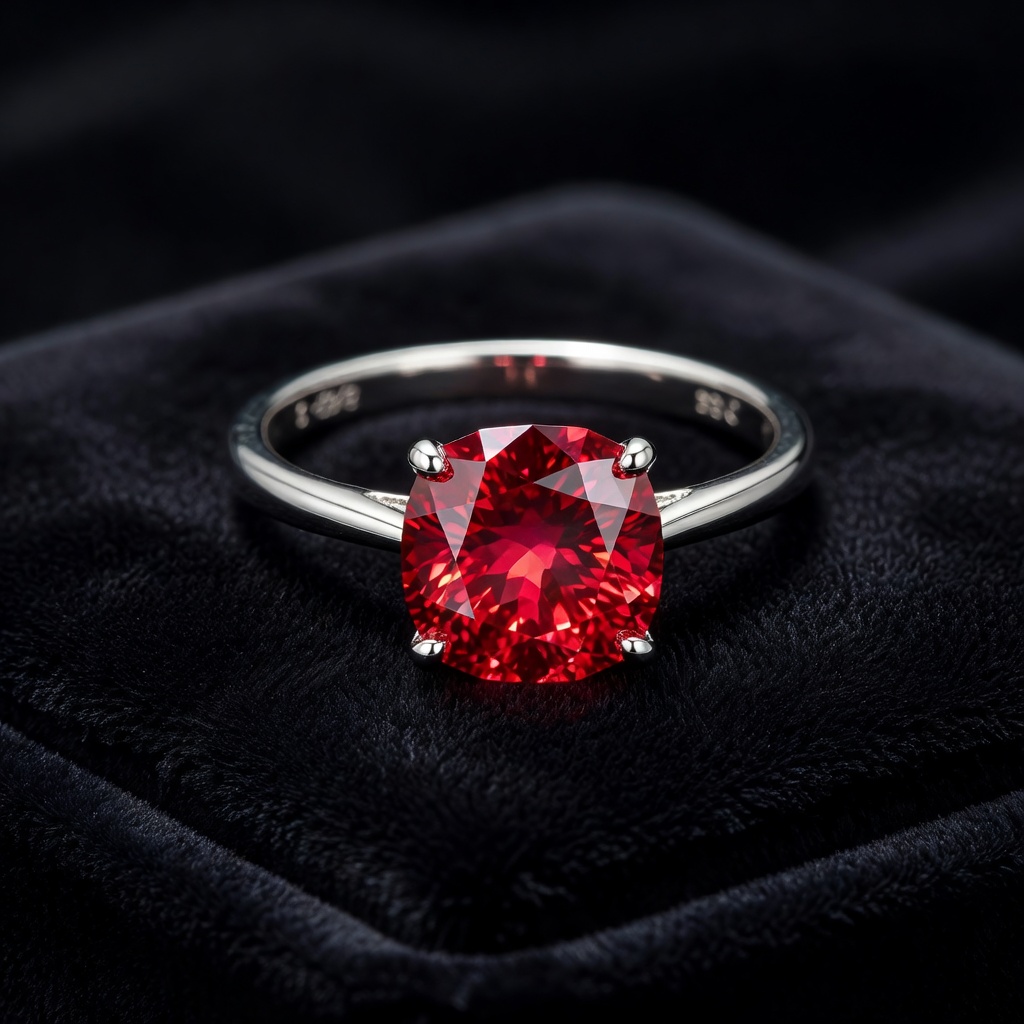
Rubellite stands as one of the most coveted varieties in the tourmaline family, distinguished by its mesmerizing range from deep crimson to delicate pink hues that distinguish it from common red tourmaline. Unlike standard red tourmaline which can appear brownish or orangey under different lighting conditions, true rubellite maintains its vibrant red-pink coloration under both natural daylight and artificial incandescent lighting, a characteristic known as color constancy. This remarkable gemstone, which serves as an October birthstone alongside opal, requires specific attention to maintain its optical properties because its crystalline structure contains complex lithium aluminum borosilicate formations that respond sensitively to environmental factors.
Understanding rubellite properties begins with recognizing its position on the Mohs hardness scale, where it registers between 7 and 7.5. While this hardness rating suggests reasonable durability for daily wear, it falls significantly short of harder gemstones like diamonds or sapphires, creating specific vulnerabilities that necessitate careful handling. The stone exhibits distinct pleochroism, meaning it displays different colors when viewed from different angles—typically showing pinkish-red when viewed perpendicular to the crystal's length and orangey or brownish tones when viewed parallel to it. This optical phenomenon, while beautiful, indicates internal structural variations that can create planes of weakness within the crystal lattice.
Proper pink tourmaline care becomes essential because rubellite's color intensity derives from trace manganese and sometimes lithium elements within its structure, which can be affected by prolonged heat exposure or intense ultraviolet light. Unlike diamonds that remain chemically inert under most conditions, rubellite can experience color fading or structural stress when subjected to rapid temperature changes or harsh cleaning chemicals. Implementing consistent Rubellite Care and Cleaning protocols ensures that your investment retains not only its monetary value but also its emotional significance, preserving the stone's clarity and saturation for future generations to appreciate.
Understanding Rubellite Durability and Vulnerabilities
Before establishing a maintenance routine, comprehending the specific physical limitations of rubellite helps prevent accidental damage during everyday activities. While rubellite hardness suggests adequate resistance to scratching from dust particles (which typically register around 7 on the Mohs scale), the gemstone possesses perfect cleavage in one direction, creating natural planes where the crystal can split under impact pressure. This characteristic makes rubellite particularly susceptible to chipping along girdle edges or pointed corners, especially in emerald cuts or pear shapes where vulnerable points remain exposed. Understanding these structural vulnerabilities allows owners to make informed decisions about when to remove their jewelry and how to handle it safely.
Tourmaline durability concerns extend beyond physical impact to include significant thermal sensitivity that surprises many gemstone enthusiasts. Rapid temperature fluctuations, such as moving from a heated indoor environment into freezing winter air or exposure to hot water followed by cold rinsing, can create thermal shock within the crystal structure. This stress manifests as internal fractures or "crazing" on the surface, permanently damaging the stone's clarity and potentially reducing its value by hundreds or thousands of dollars depending on the carat weight. Additionally, rubellite contains natural inclusions and "trichites" (thread-like cavities) that can expand or contract differently than the host crystal when temperatures change abruptly, creating internal pressure points.
When comparing rubellite hardness to other popular jewelry stones, the differences become stark and instructive for proper care protocols. While diamonds rank at 10 Mohs and sapphires at 9, rubellite's 7-7.5 rating places it in a category where household dust (containing quartz particles at 7 Mohs) can actually scratch the surface over time. More concerning is rubellite's interaction with harder gemstones; storing a rubellite ring alongside a diamond tennis bracelet virtually guarantees scratching and abrasion damage. Furthermore, prolonged exposure to direct sunlight or UV radiation can cause color bleaching in some rubellite specimens, particularly those with lighter pink tones, gradually transforming a vivid raspberry red into a pale, washed-out pink that diminishes both aesthetic appeal and resale value.
Daily Rubellite Care and Maintenance Routine
Establishing a consistent daily rubellite maintenance protocol prevents cumulative damage that occurs gradually through seemingly harmless activities. Each morning, before applying skincare products or cosmetics, put on your rubellite jewelry last to minimize contact with chemical agents found in lotions, perfumes, and hairsprays. These products often contain alcohols, acids, and silicones that can create a film on the gemstone surface, dulling its brilliance and potentially etching the polish over months of repeated exposure. Consider keeping a designated jewelry dish in your bathroom or bedroom specifically for rubellite pieces, creating a visual reminder to remove them before showering or beginning your beauty routine.
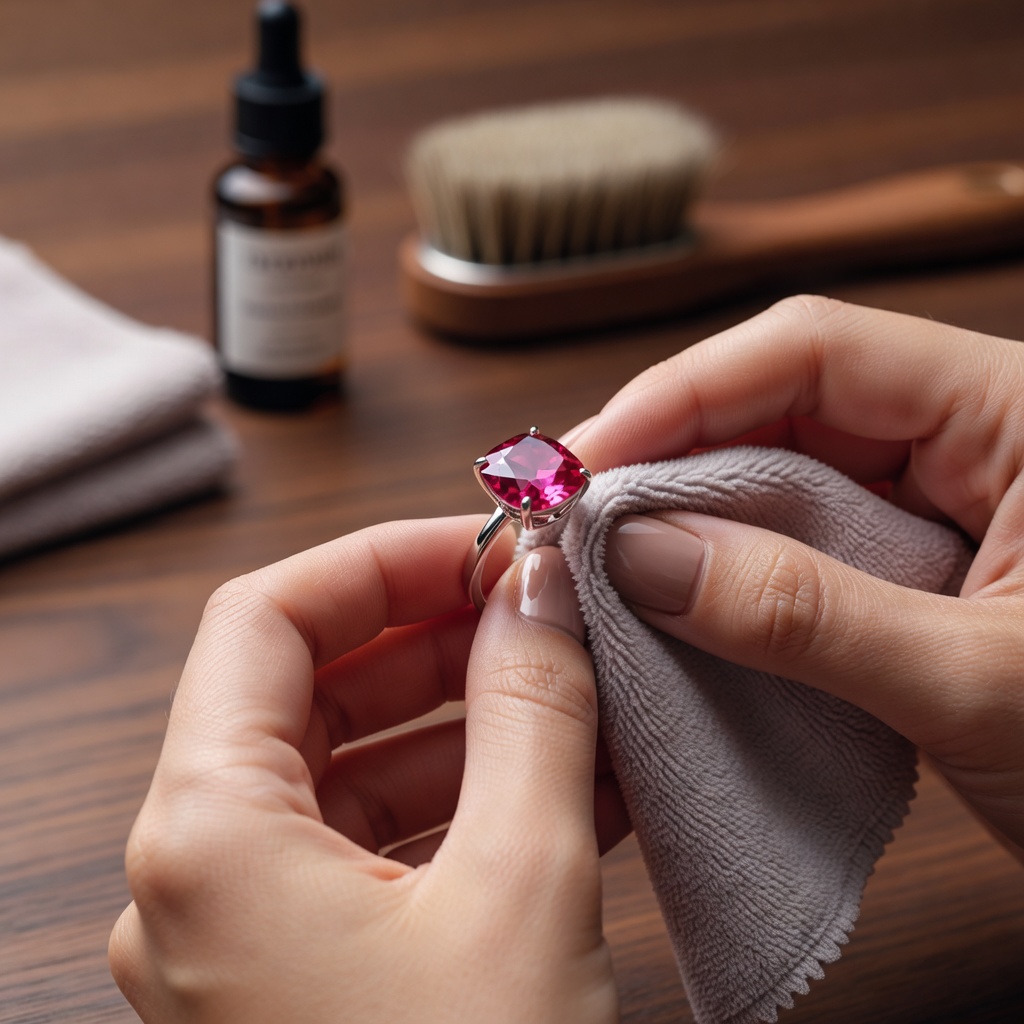
Implementing a gemstone care routine involves more than just removal during risky activities; it requires proactive inspection and cleaning habits. After each wearing, gently wipe your rubellite jewelry with a soft, lint-free microfiber cloth to remove skin oils, perspiration, and environmental pollutants that accumulate throughout the day. Pay particular attention to the underside of the stone (the pavilion), where body oils and soap residue tend to collect, blocking light return and making the gem appear lifeless. For pieces worn frequently, such as engagement rings or daily earrings, conduct a weekly inspection using a 10x jeweler's loupe to examine prong integrity, looking for signs of lifting, bending, or wear that could indicate impending stone loss.
Physical activity presents specific risks that necessitate removal protocols for pink tourmaline maintenance. Always remove rubellite rings before weightlifting, rock climbing, or gardening, as the stone can strike hard surfaces or experience pressure against metal bars that exceeds its cleavage tolerance. Swimming presents dual hazards: chlorinated pool water can damage metal settings while cold water causes finger contraction, increasing the risk of ring slippage and loss. Similarly, household chores involving abrasive cleaners or scrubbing motions can scratch the gemstone or loosen settings through vibration and torque. By treating rubellite jewelry as a precious accessory reserved for appropriate occasions rather than a 24/7 wear item, you significantly extend its pristine condition and reduce the frequency of required professional interventions.
Safe Rubellite Cleaning Methods at Home
Learning how to clean rubellite at home properly protects your investment while maintaining the stone's optical performance between professional services. Begin by preparing a cleaning solution using warm water (not hot, to avoid thermal shock) mixed with a few drops of mild dish detergent free from moisturizers, antibacterials, or harsh degreasers. Place your rubellite jewelry in the solution for 15-20 minutes to loosen accumulated oils and debris, particularly effective for pieces worn daily that develop buildup under the setting. Avoid using extremely hot water even if dealing with stubborn residue, as the temperature differential between the water and room air can stress internal fractures within the tourmaline structure.
After soaking, utilize rubellite cleaning methods that involve gentle mechanical action using a soft-bristled toothbrush reserved exclusively for jewelry cleaning. Hold the piece securely and brush gently around the prongs and under the stone where grime accumulates, using light pressure to avoid bending delicate metalwork. For intricate vintage settings or pieces with pave diamonds surrounding the center rubellite, consider using a soft cosmetic brush or camel hair artist brush to reach crevices without risking snagging or prong damage. Never use abrasive scrubbing pads, steel wool, or baking soda pastes, as these can scratch the rubellite surface and dull the polish, creating permanent microscopic abrasions that collect dirt and diminish brilliance.
Understanding which tourmaline jewelry cleaning techniques to avoid proves equally important as knowing proper methods. Ultrasonic cleaners, while effective for diamonds and sapphires, create high-frequency vibrations that can exacerbate existing fractures in rubellite or loosen settings by shaking microscopic debris between the stone and metal mounting. Similarly, steam cleaning devices expose the gemstone to extreme heat and pressure that can cause thermal shock or damage oil treatments sometimes used to improve clarity in rubellite specimens. After cleaning, rinse the jewelry thoroughly under lukewarm running water, ensuring the drain is covered or closed, then pat dry with a soft, non-abrasive cloth. Allow the piece to air dry completely on a clean towel before storing to prevent moisture trapping that could lead to metal tarnishing or bacterial growth in storage containers.
Professional Rubellite Cleaning and Inspection
While home maintenance forms the foundation of Rubellite Care and Cleaning, professional services provide essential deep cleaning and structural assessments that preserve long-term integrity. Schedule visits with a qualified jeweler every 6 to 12 months for comprehensive inspection and professional gemstone cleaning, with higher frequencies recommended for daily-wear pieces or vintage items with worn settings. During these appointments, jewelers utilize specialized equipment including steam cleaners with controlled temperature settings, high-pressure air systems, and ultrasonic baths specifically calibrated for softer stones when appropriate. Professional cleaning removes hardened residues that home methods cannot address, particularly oxidation on metal settings and compacted debris in intricate gallery work or under bezels.
The distinction between professional and home care extends beyond equipment to expertise in identifying potential problems before they result in stone loss. Experienced jewelers examine rubellite settings for "wobble" or movement indicating loose prongs, check for chips or abrasions on girdle edges that might worsen without attention, and assess whether the stone requires repolishing to restore luster. However, communicate explicitly with your jeweler about rubellite polishing services limitations; while minor surface scratches can often be buffed out, aggressive polishing removes microscopic layers of material that can alter the stone's proportions and weight. Ensure the jeweler understands that steam cleaning should be performed with caution and that high-heat polishing wheels must never contact the gemstone directly, as excessive heat can cause internal damage or color changes.
When selecting a jeweler for professional gemstone cleaning, choose establishments with colored stone expertise rather than those specializing exclusively in diamonds, as tourmaline requires different handling protocols. Request that they check for "oil" or resin treatments common in rubellite, which might be affected by certain cleaning solvents. Professional prong tightening, often included in maintenance visits, prevents the catastrophic loss of center stones that occurs when worn prongs finally release their grip. Additionally, jewelers can apply fresh rhodium plating to white gold settings during these visits, restoring the bright white finish that enhances rubellite's pink-red coloration while simultaneously checking for metal fatigue or thinning that could indicate impending setting failure.
Proper Storage Techniques for Rubellite Jewelry
Implementing a comprehensive rubellite storage guide prevents the majority of accidental damage that occurs when jewelry rests unused. Individual soft cloth pouches made from untreated cotton or velvet provide the ideal microenvironment for rubellite pieces, preventing scratches from contact with other jewelry items while allowing air circulation to prevent moisture buildup. For larger collections, invest in padded jewelry boxes with dedicated compartments or dividers that keep each piece physically separated. Never toss rubellite jewelry into a communal jewelry dish or drawer where it can rattle against metal chains, diamond earrings, or watches, as harder materials will inevitably scratch the tourmaline surface during drawer opening and closing vibrations.
Strategic organization within your jewelry storage tips protocol involves understanding Mohs hardness relationships; store rubellite (7-7.5) well away from diamonds (10), rubies and sapphires (9), and even quartz (7) which can scratch similarly hard materials. Consider organizing storage boxes by hardness tiers, keeping soft stones like rubellite, opal, and pearl in separate sections from harder gems. For ring storage specifically, use slot-style organizers that prevent rings from touching each other, or individual ring boxes for particularly valuable pieces. Necklace storage requires hanging mechanisms or flat laying in individual envelopes to prevent chain tangling that might cause forceful pulling or dropping during untangling attempts.
Environmental controls within storage areas significantly impact pink tourmaline maintenance over decades. Maintain stable humidity levels between 40-50% to prevent metal tarnishing in silver settings or oxidation in gold mountings, using silica gel packets or humidifiers/dehumidifiers as regional climate demands. Store jewelry boxes in interior closets away from exterior walls where temperature fluctuations occur, and absolutely avoid bathroom storage where shower steam creates humidity spikes. Most critically for rubellite, ensure storage areas remain dark or dimly lit, as prolonged exposure to sunlight streaming through bedroom windows can cause gradual color fading. Consider using opaque jewelry boxes or storing pieces in drawers rather than open display stands to protect against both light damage and dust accumulation that requires frequent cleaning.
Chemicals and Environmental Factors to Avoid
Protecting rubellite requires vigilance against common household substances that many jewelry owners mistakenly consider harmless. Harsh chemical cleaners containing bleach, ammonia, or chlorine compounds pose particular threats to rubellite protection, as these alkaline or acidic agents can etch the surface polish and damage metal alloys in settings. When performing household cleaning tasks involving bathroom disinfectants, kitchen degreasers, or laundry products, remove rubellite jewelry completely, as even brief contact followed by wiping can transfer chemicals to the stone surface. Similarly, avoid wearing rubellite when using hairspray, perfume, or sunscreen aerosols, as the propellants and alcohol bases in these products create cumulative film buildup that dulls the stone's luster.
Gemstone chemical safety extends to recreational water environments where chlorine and salt water create double jeopardy for tourmaline jewelry. Chlorinated pools and hot tubs expose rubellite to chemical reactions that can pit metal settings and potentially affect the stone surface, while the thermal shock of moving from hot tub to cool air stresses the crystal structure. Salt water from ocean swimming creates crystalline residue as it dries, potentially scratching the stone during subsequent cleaning if not properly rinsed. Additionally, sand at beaches contains microscopic quartz particles that register at 7 Mohs hardness, meaning vigorous beach activities can sandblast the rubellite surface with abrasive materials harder than the gem itself, creating permanent frosted areas on previously polished facets.
Temperature management represents a critical yet often overlooked aspect of rubellite protection. Saunas, steam rooms, and hot yoga studios create extreme heat exposure that can damage rubellite, particularly when followed immediately by cold outdoor air or plunge pools. This rapid thermal contraction and expansion exploits the cleavage planes within the crystal structure, potentially causing internal fractures visible as "feathers" under magnification. Similarly, wearing rubellite rings during winter activities exposes the stone to freezing temperatures that make the material more brittle and susceptible to impact damage. Even daily activities like washing hands with very hot water followed by cold rinsing can, over years, create cumulative stress. Always allow rubellite jewelry to acclimate gradually to temperature changes by removing pieces before entering extreme environments and allowing them to reach room temperature before cleaning or handling roughly.
Travel and Activity-Specific Protection Tips
Travel presents unique challenges for rubellite protection tips that require specialized preparation beyond standard storage protocols. Invest in dedicated travel jewelry cases featuring individual padded compartments with secure closures, avoiding simple fabric rolls that allow pieces to contact each other during baggage handling turbulence. Hard-shell cases with velvet-lined interiors provide superior protection against crushing forces while preventing tangles that might cause forceful pulling when untangling necklaces upon arrival. When flying, always carry rubellite jewelry in your hand luggage rather than checked baggage, eliminating risks associated with rough luggage handling, temperature fluctuations in cargo holds, and potential loss of entire suitcases containing irreplaceable heirlooms.
Specific activities demand removal protocols to prevent damage during moments of distraction. Travel jewelry care includes removing rubellite rings before airport security screenings to prevent catching on metal detectors or bins, storing them securely in your carry-on rather than loose in plastic trays where they might be knocked onto hard floors. During vacations, resist wearing rubellite while engaging in water sports, hiking, or sightseeing activities involving metal railings or stone walls that might scratch the gem. Gym workouts, particularly weightlifting or kettlebell exercises, create pressure points and impact risks; even yoga can pose threats if the stone contacts the floor during certain poses. Gardening presents obvious abrasion risks from soil and tools, while cooking exposes jewelry to thermal shock from ovens or steam and potential damage from knife handles or cast iron cookware.
Beach destinations require particular caution regarding sand exposure, as mentioned previously, but also consideration of sunscreen chemical interactions and loss risks in water. Hotel safes provide secure storage for valuable tourmaline jewelry cleaning maintenance items and the jewelry itself when engaging in high-risk activities, though ensure the safe is properly bolted to furniture to prevent entire safe removal. When photographing rubellite jewelry during travel for insurance or social media purposes, avoid prolonged direct sunlight exposure that might fade color, and never place stones on hot car dashboards or window sills where greenhouse effects create oven-like temperatures. Upon returning home, clean travel-worn pieces immediately to remove accumulated sunscreen, salt, or environmental pollutants before returning them to long-term storage.
Long-Term Preservation and Heirloom Maintenance
For those possessing vintage pieces or intending to pass rubellite jewelry through generations, rubellite preservation strategies focus on maintaining both structural integrity and documentation. Schedule annual professional inspections specifically designated as "heirloom maintenance checks," during which jewelers assess not only the stone and setting but also the overall wear patterns indicating how the piece ages. Vintage rubellite often features in period settings with prong styles or metal alloys no longer commonly used, requiring specialized knowledge for proper maintenance. During these inspections, discuss re-polishing options for surfaces that have dulled over decades of wear; while re-polishing removes microscopic material, skilled lapidaries can restore brilliance to scratched stones without significantly altering carat weight or proportions.
Documentation forms a crucial component of long-term gemstone care for valuable rubellite pieces. Maintain updated insurance appraisals every two to three years, as rubellite values fluctuate with mining yields and market demand for pink and red tourmaline. Photograph pieces under consistent lighting conditions to track color stability over time, creating visual records that help identify fading or damage early. Store certificates of authenticity, origin reports (particularly for prized Brazilian or African rubellite), and treatment disclosures in fireproof safes separate from the jewelry itself. For heirloom pieces, create written care instructions detailing the specific cleaning methods, storage locations, and professional jeweler relationships that have maintained the piece, ensuring future generations inherit knowledge alongside the gemstone.
Educational transmission ensures rubellite preservation across decades and centuries. When gifting rubellite heirlooms, include not just the jewelry but also a care guide explaining its specific vulnerabilities compared to harder stones like diamonds that recipients might own. Demonstrate proper cleaning techniques in person if possible, emphasizing the importance of avoiding ultrasonic cleaners and heat exposure. For extremely valuable specimens, consider establishing relationships with estate jewelers or conservation specialists who can maintain the piece across generations, creating continuity of care that prevents well-meaning but damaging cleaning attempts by inheritors unfamiliar with tourmaline's specific needs. By treating rubellite care as an ongoing stewardship rather than a one-time purchase consideration, you ensure these remarkable pink gems retain their beauty and value as true family treasures.
Frequently Asked Questions About Rubellite Care
Can I use an ultrasonic cleaner for my rubellite jewelry?
No, ultrasonic cleaners are not recommended for rubellite. While rubellite ranks 7-7.5 on the Mohs scale, the vibrations can loosen settings and exacerbate existing fractures or inclusions in the stone. Stick to gentle hand-cleaning with warm soapy water and a soft brush.
How often should I clean my rubellite gemstone?
Clean your rubellite jewelry every 2-4 weeks with mild soapy water if worn regularly. For pieces worn occasionally, cleaning every few months suffices. Always wipe with a soft cloth after each wear to remove oils and prevent buildup.
Does rubellite fade in sunlight?
Yes, prolonged exposure to direct sunlight or UV light can cause rubellite's vibrant red-pink color to fade over time. Store your jewelry in a dark jewelry box and avoid wearing it during extended sunbathing or under strong tanning lamps.
Can I shower or swim while wearing rubellite?
It's best to remove rubellite jewelry before showering or swimming. Chlorine, salt water, and harsh soaps can damage both the gemstone surface and metal settings. Additionally, cold water can cause fingers to shrink, increasing the risk of losing rings.
What is the safest way to store rubellite rings?
Store rubellite rings individually in soft cloth pouches or lined jewelry boxes, separated from harder gemstones like diamonds. Keep them away from direct sunlight, extreme temperatures, and humidity fluctuations to preserve color and prevent metal tarnishing.
Is rubellite harder than quartz?
Rubellite (7-7.5 Mohs) is slightly harder than standard quartz (7 Mohs), but both can scratch each other. However, rubellite is much softer than popular jewelry stones like sapphires (9) or diamonds (10), requiring more careful handling and storage.
Can I use vinegar or baking soda to clean rubellite?
Avoid vinegar, baking soda, or other acidic/abrasive household cleaners on rubellite. These can etch the surface and damage the polish. Always use only mild dish soap and warm water for safe, effective cleaning without chemical damage.
How do I know if my rubellite needs professional cleaning?
Seek professional help if you notice stubborn dirt under the setting, loose prongs, surface scratches dulling the shine, or if the stone appears cloudy despite home cleaning. Professional jewelers have specialized tools to clean without damaging the stone.