
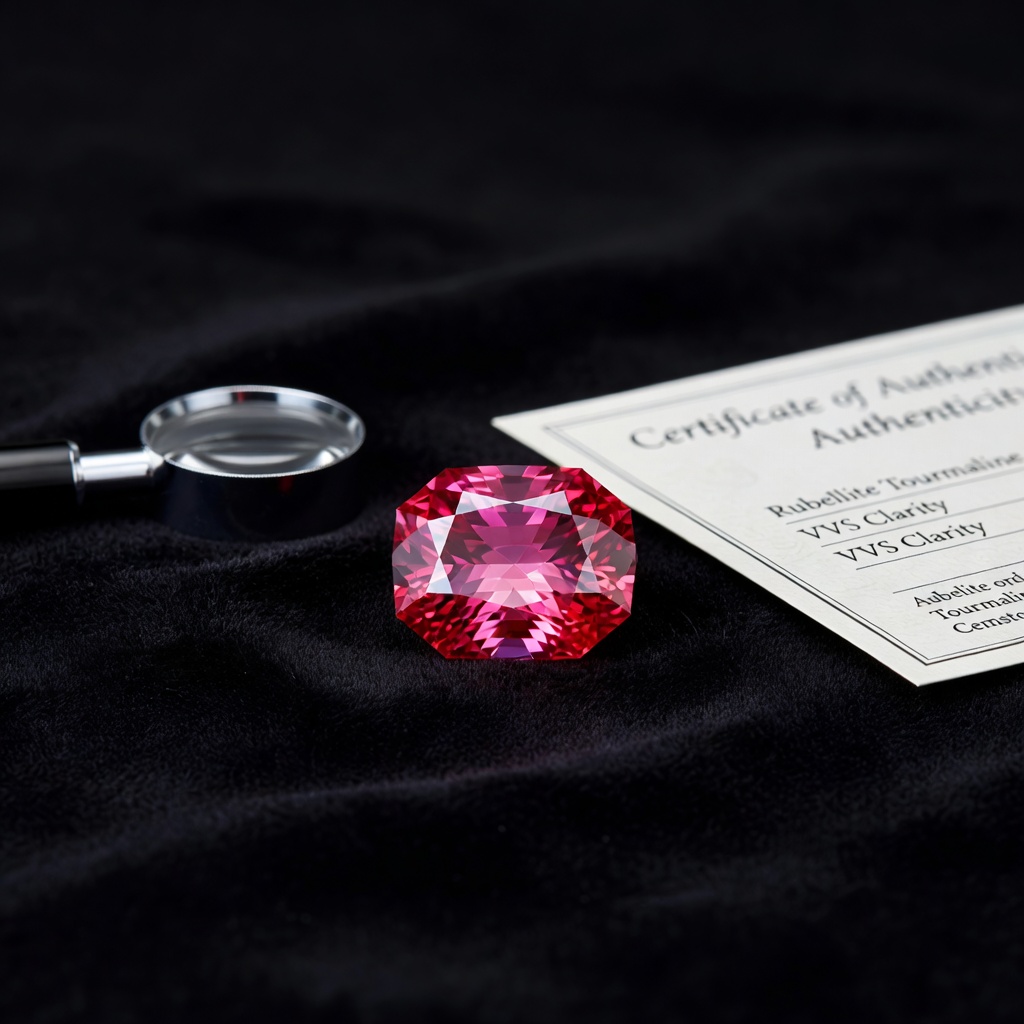
What Is Rubellite? Understanding Premium Pink Tourmaline
Rubellite represents the pinnacle of the tourmaline family, specifically designating the vividly saturated red to pink variety that commands premium prices in the colored gemstone market. Unlike its paler cousin pink tourmaline, true rubellite maintains its intense raspberry or cherry-red coloration under various lighting conditions, never fading to brown or gray when moved from daylight to incandescent illumination. This remarkable color stability distinguishes genuine rubellite from lesser pink tourmalines, which often appear washed out or muddy under artificial lighting. Discerning collectors recognize that while all rubellites are pink tourmalines, not all pink tourmalines qualify as rubellite.
Geologically, rubellite forms in lithium-rich pegmatite deposits under specific conditions of heat and pressure that allow manganese and lithium to create its characteristic red chromophores. Brazil remains the most prestigious source, particularly the Cruzeiro and Jonas mines in Minas Gerais, which have produced exceptional crystals for over a century. However, significant deposits also emerge from Nigeria's Oyo plateau and the rubellite-rich gravels of Mozambique's Alto Ligonha district. Each origin produces subtle color variations; Brazilian material typically displays purer red tones, while African sources often yield stones with slight purple or orange modifiers that affect valuation.
Color Grading: The Most Critical Value Factor
When evaluating rubellite color grades, industry experts prioritize stones displaying pure raspberry red to deep reddish-pink hues without the distracting brown or gray secondary tones that diminish value. The most desirable specimens exhibit what gemologists term "vivid" saturation, where the color appears strong and pure rather than diluted or masked by undertones. Stones that shift toward brownish-red or purplish-pink command significantly lower prices, sometimes 50-70% less than their pure red counterparts. Understanding these nuances helps buyers avoid overpaying for stones marketed as rubellite that actually represent lower-quality pink tourmaline.
The lighting test serves as the definitive authentication method for vivid pink tourmaline. Hold the stone under daylight or fluorescent lighting, then move it to incandescent or candlelight. True rubellite retains its red or pink coloration in both environments, while inferior pink tourmaline typically turns brownish, grayish, or salmon-colored under warm lighting. This phenomenon occurs because rubellite's specific chemical composition absorbs light differently than common pink tourmaline. When purchasing, always request to view stones under multiple light sources, and be wary of vendors who only display merchandise under specialized lighting designed to mask color deficiencies.
Evaluating Clarity, Cut, and Carat Weight
Rubellite clarity grades accommodate certain inclusions that would disqualify other gemstones, provided they remain subtle and do not significantly impact transparency or durability. Common natural characteristics include thin, hollow tubes oriented parallel to the crystal's length, fingerprint-like feathers, and two-phase inclusions containing both liquid and gas bubbles. These inclusions actually help gemologists identify natural versus synthetic material. However, avoid stones with surface-reaching fractures, large dark crystals, or clouds that create a milky appearance, as these flaws compromise both beauty and structural integrity.
Gemstone cut quality dramatically influences how rubellite displays its color and brilliance. Cushion and oval cuts prove most effective for maximizing color depth while minimizing windowing, a phenomenon where light passes directly through the stone's center rather than reflecting back to the viewer's eye. Emerald cuts work well for cleaner stones but require higher clarity grades to avoid emphasizing inclusions. Portuguese cuts and checkerboard patterns can enhance lighter-colored material by creating more facets to reflect light. When selecting cuts, examine the stone face-up to ensure even color distribution without dark centers or washed-out edges.
Size significantly impacts rubellite price per carat, with values increasing exponentially for stones exceeding three carats. While one-carat fine rubellites might range from $500 to $1,200 per carat, similar quality five-carat specimens can command $2,000 to $4,000 per carat due to extreme rarity. Large clean crystals suitable for cutting are uncommon, as tourmaline's hexagonal crystal structure typically yields elongated rough that limits finished stone sizes. For investment purposes, prioritize stones between three to ten carats with exceptional color, as these represent the optimal balance between rarity and market liquidity.
Natural, Treated, and Synthetic Identification
Understanding the distinction between natural vs synthetic rubellite requires familiarity with common treatments and laboratory manufacturing techniques. Heat treatment represents the most prevalent enhancement, with temperatures between 400-600°C used to reduce brownish tones and intensify pink or red colors. While heated stones are acceptable if properly disclosed and priced accordingly, untreated specimens command 20-40% premiums among collectors. More problematic are fracture-filled stones where glass or resin has been injected into surface-reaching cracks to improve apparent clarity; these require special care and should be avoided for daily-wear jewelry.
Synthetic rubellite, though less common than synthetic corundum or spinel, does exist and requires careful identification. Laboratory-grown material typically shows curved growth patterns visible under magnification, along with flux inclusions that differ from natural feathers or tubes. Advanced testing using spectroscopy reveals distinct absorption patterns between natural and created stones. When examining potential purchases, look for the subtle complexity of natural inclusions rather than the overly perfect clarity or strange internal features characteristic of synthetic material. Reputable dealers will always disclose treatment status and provide documentation distinguishing natural from laboratory-grown stones.
Understanding Rubellite Pricing and Value Factors
Current rubellite price per carat structures reflect a wide spectrum based on quality tiers, with commercial-grade material starting around $200-$400 per carat for small, lightly included stones with decent color. Mid-range specimens featuring good saturation and minimal visible inclusions typically fall between $600-$1,200 per carat, while fine collector-quality stones with vivid red color, high clarity, and expert cutting can exceed $2,000 per carat. Exceptional Brazilian material over five carats with no treatment history occasionally reaches $3,000-$5,000 per carat at auction, particularly when accompanied by premium laboratory certifications.
Origin significantly influences gemstone investment potential and market perception. Brazilian rubellites historically command the highest premiums due to their reputation for pure red colors and centuries of mining heritage. African material from Nigeria and Mozambique, while often displaying excellent color, typically trades at 10-30% discounts unless specifically certified as "Mozambique Ruby Red" or similar premium designations. When considering rubellite as an investment alternative to rubies or pink sapphires, note that while rubellite offers better size availability and lower entry prices, it lacks the liquidity and standardized grading of corundum varieties. Focus on acquiring untreated, certified stones with exceptional color as these best retain value over time.
Certification and Documentation Essentials
Insisting on certified rubellite gemstones from recognized laboratories protects buyers from misrepresentation and ensures accurate valuation. The Gemological Institute of America (GIA), American Gemological Laboratories (AGL), and GemResearch Swisslab (GRS) represent the gold standard for tourmaline documentation. A proper report should explicitly state "Natural Tourmaline, Variety Rubellite" rather than generic "Pink Tourmaline," specify any treatments including heat or clarity enhancement, and ideally provide color quality comments such as "Vivid Red" or "Raspberry Pink." For high-value purchases, origin determination adds significant premium potential, particularly for classic Brazilian localities.
When reviewing GIA certification or other laboratory reports, scrutinize the treatment disclosure section carefully. Phrases like "indications of heating" or "clarity enhancement: minor" affect value and require pricing adjustments. Red flags in documentation include reports from unknown laboratories with generic templates, missing treatment information, or vague color descriptions. Be particularly cautious of certificates that use trade names like "Crimson Pink" without standardized color grading terminology. For stones over two carats or costing over $1,000, consider obtaining a second opinion from an independent gemologist who can verify that the stone matches the certificate and assess cutting quality factors not covered in standard reports.
Choosing Durable Settings and Jewelry Applications
With a Mohs hardness of 7 to 7.5, rubellite offers moderate durability suitable for various jewelry applications, though its perfect cleavage in one direction requires thoughtful setting selection to prevent damage. Protective bezel settings provide the best security for rubellite engagement rings, wrapping the gem's edges in metal to shield against impacts that could cause chipping along cleavage planes. Halo settings offer additional protection while enhancing the stone's apparent size and color intensity. For pendants and earrings where impact risk decreases, prong settings maximize light entry and brilliance, though six-prong configurations provide superior security to four-prong styles.
Metal selection significantly impacts the visual presentation of rubellite jewelry. Rose gold naturally complements and intensifies pink tones, creating a harmonious, warm appearance particularly flattering for stones with slight purple modifiers. White gold or platinum provides striking contrast that makes vivid red rubellites appear even more saturated, though these cooler metals may slightly emphasize any brown undertones present in the stone. Yellow gold offers a classic combination that works well with African material often displaying orange-pink hues. When commissioning custom pieces, consider low-profile designs that sit close to the finger for rings, reducing the likelihood of the stone striking hard surfaces during daily wear.
Maintenance, Care, and Long-term Preservation
Proper rubellite care requires avoiding common jewelry cleaning methods that could damage the stone's internal structure. Never subject rubellite to ultrasonic cleaners or steam cleaning, as the vibrations and heat can expand liquid-filled inclusions, causing internal fractures or complete stone breakage. Instead, clean your gemstone using only mild dish soap, warm (not hot) water, and a soft-bristled toothbrush to gently remove accumulated oils and debris. Rinse thoroughly and pat dry with a lint-free cloth, inspecting settings periodically to ensure prongs remain tight and the stone secure.
Storage practices significantly impact gemstone maintenance and longevity. Always store rubellite pieces separately from harder gemstones like diamonds, sapphires, or rubies that could scratch the tourmaline's surface. Use individual soft cloth pouches or compartmentalized jewelry boxes to prevent contact with other pieces. Avoid exposing rubellite to sudden temperature changes, such as wearing rings while washing hands with very hot water after being in cold air, as thermal shock can stress the crystal structure. Remove rubellite jewelry before engaging in sports, housecleaning, or gardening activities where impacts against hard surfaces could chip the stone. Annual professional inspections ensure settings remain secure and allow jewelers to clean areas inaccessible at home.
Trusted Sources: Where to Buy Authentic Rubellite
Navigating where to buy rubellite requires different strategies depending on your budget and expertise level. Established colored stone dealers such as Pala International, Gem Stone King, or specialized retailers like Gary Bowersox offer curated inventories with guaranteed authenticity and return policies. These specialists typically provide detailed photographs, videos under various lighting conditions, and comprehensive certifications. For investment-grade specimens over $10,000, consider prestigious auction houses like Sotheby's or Christie's, where provenance and quality undergo rigorous vetting, though buyer's premiums add 15-25% to hammer prices.
When you buy rubellite online, prioritize vendors offering high-resolution photography, 360-degree video, and explicit return policies allowing inspection periods of at least seven days. Request additional images showing the stone on a white background and against skin tones to evaluate true color. Gemstone dealers at major shows like the Tucson Gem and Mineral Show or Hong Kong Jewellery & Gem Fair provide opportunities for direct comparison of multiple stones under consistent lighting, allowing you to train your eye to recognize quality differences. Regardless of source, verify that sellers are members of professional organizations like the American Gem Trade Association (AGTA), which requires ethical disclosure practices and accurate representation of treatments.
Frequently Asked Questions
How can I tell if a rubellite is natural or synthetic?
Natural rubellites typically contain characteristic inclusions like thin tubes or feathers visible under magnification, while synthetic stones often show curved growth patterns or are inclusion-free. Always request certification from reputable labs like GIA or AGL, and examine the stone under different lighting conditions, as natural rubellites maintain their color in incandescent and daylight.
What is the average price per carat for quality rubellite?
Commercial-quality rubellite typically ranges from $200-$500 per carat, while fine specimens with vivid saturation and minimal inclusions command $800-$2,000+ per carat. Stones exceeding 5 carats with exceptional color can fetch significantly higher prices due to rarity. Brazilian origins generally command premiums over African sources.
Is rubellite durable enough for daily wear in an engagement ring?
With a Mohs hardness of 7-7.5, rubellite is moderately durable but requires protective settings for daily wear. Choose bezel or halo settings that shield the edges and avoid wearing during rigorous activities. While softer than sapphires or diamonds, rubellite can last generations with proper care and occasional professional maintenance.
What color should I look for when buying rubellite?
Seek vivid raspberry red to deep pinkish-red stones without brown or gray secondary tones. The most valuable rubellites display strong saturation under both incandescent and daylight conditions. Avoid stones that appear brownish or purplish, as these indicate lower quality. The color should be evenly distributed without zoning or windowing.
Do rubellites require special care compared to other gemstones?
Yes, avoid ultrasonic cleaners and steam cleaning due to potential liquid inclusions that could expand and crack the stone. Clean only with mild soap, warm water, and a soft brush. Store rubellites separately from harder gems like diamonds or sapphires to prevent scratching, and avoid sudden temperature changes that might stress the crystal structure.
Are treated rubellites worth buying?
Heat-treated rubellites are acceptable if properly disclosed and priced accordingly, though untreated stones hold better long-term value. Avoid fracture-filled stones treated with glass or resin, as these are less durable and require special care. Always verify treatment status through independent certification before purchasing, as undisclosed treatments significantly affect value.
What certifications should I demand when purchasing rubellite?
Insist on reports from recognized laboratories like GIA (Gemological Institute of America), AGL (American Gemological Laboratories), or GRS (GemResearch Swisslab). The certificate should confirm the stone is natural tourmaline, specify any treatments, and ideally comment on color quality. For high-value purchases, origin reports can add premium value, particularly for Brazilian stones.
How does rubellite differ from pink sapphire or morganite?
Rubellite (tourmaline) displays more complex color with violet or brown undertones compared to pink sapphire's pure pink or orange-pink hues, and possesses different crystal structure and optical properties. Morganite (beryl) is typically lighter, peachy-pink, softer (7.5-8 Mohs), and less saturated. Rubellite generally shows stronger pleochroism (color change from different angles) than either alternative.


