Why Rose Quartz Care and Cleaning Matters
Proper Rose Quartz Care and Cleaning represents an essential practice for anyone who cherishes this beautiful pink crystal, whether displayed as home décor, worn as jewelry, or used in meditation practices. Regular maintenance preserves the stone's natural beauty and luster, preventing the dull, cloudy appearance that develops when oils from skin contact, dust particles, and environmental pollutants accumulate on the surface. Without consistent attention, even the most vibrant rose quartz specimens can lose their characteristic translucency and soft glow, diminishing their aesthetic appeal and energetic presence in your space.
Beyond physical appearance, consistent cleaning routines maintain the crystal's energetic healing properties and vibration, which many practitioners believe can become muddled or heavy with extended use. When you wear rose quartz close to your body or use it during energy work, it absorbs emotional frequencies and environmental energies that require periodic clearing to restore optimal function. By implementing proper care protocols, you prevent physical damage and extend your crystal's lifespan significantly, ensuring that your investment remains beautiful and effective for decades rather than deteriorating prematurely due to neglect or improper handling techniques.
Understanding Your Rose Quartz: Properties and Sensitivity
Before diving into specific maintenance routines, understanding your stone's fundamental characteristics helps you make informed decisions about appropriate care methods. Rose quartz properties include a Mohs hardness rating of 7, which places it in the moderately durable category suitable for jewelry and handling, though this hardness varies slightly depending on the stone's specific mineral composition and formation conditions. This rating means rose quartz resists scratching from everyday materials but remains vulnerable to harder substances like diamonds, sapphires, and even household dust containing silica particles that can create microscopic abrasions over time.
Many collectors wonder specifically about water safety, asking can rose quartz go in water without sustaining damage. The answer is generally yes for brief cleaning purposes, as the stone's non-porous nature prevents water absorption that plagues softer minerals like selenite or malachite. However, color stability presents a significant concern, as prolonged exposure to direct sunlight and heat can fade the delicate pink hues derived from trace amounts of titanium, iron, or manganese within the crystal structure. Additionally, thermal shock sensitivity poses a genuine risk, meaning sudden temperature changes—such as moving from hot sunlight to cold water—can cause internal fractures or surface cracking that permanently compromise the stone's integrity.
Daily Rose Quartz Maintenance: Simple Protective Habits
Incorporating rose quartz maintenance tips into your daily routine requires minimal time investment while providing maximum protection against cumulative damage. Always handle your crystals with clean, dry hands to avoid transferring skin oils, lotions, or natural acids that can etch the surface over months of contact. When wearing rose quartz jewelry, put it on last after applying makeup, hairspray, and perfume, as these cosmetic products often contain alcohols and chemicals that can dull the polish and create buildup in intricate settings or carved details.
Implement quick dusting methods using soft microfiber cloths specifically designated for your crystal collection, gently wiping surfaces every few days to remove airborne particles before they settle into microscopic crevices. For display pieces, choose safe locations away from direct sunlight and heat sources like radiators, windowsills, or kitchen appliances that generate thermal fluctuations. Consider placing a small piece of felt or silk beneath standalone crystals to prevent scratching against hard surfaces, and rotate jewelry pieces regularly to ensure even wear patterns rather than subjecting one item to constant friction and environmental exposure.
How to Clean Rose Quartz: Safe and Effective Methods
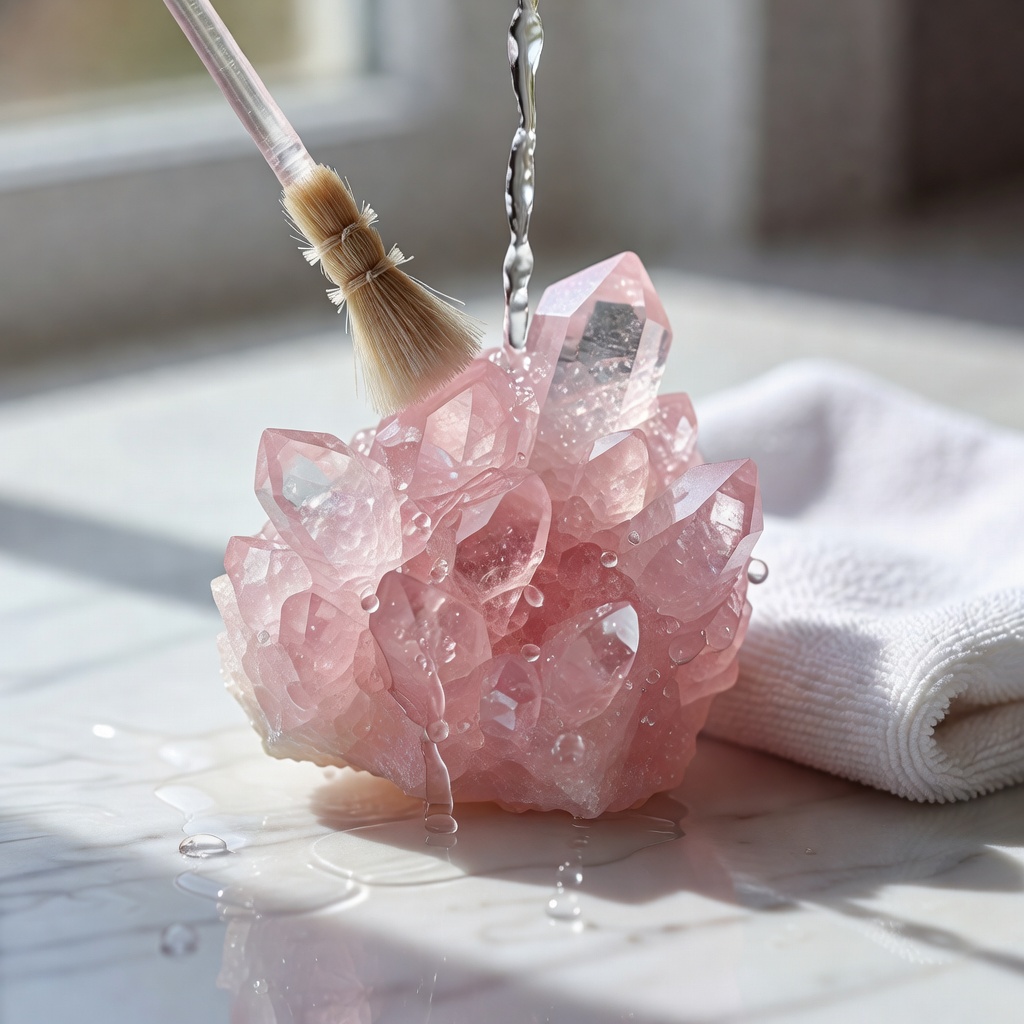
When learning how to clean rose quartz effectively, simplicity remains your greatest ally, as this mineral responds beautifully to gentle treatment without requiring aggressive intervention. Begin your cleaning routine by preparing a basin of lukewarm water—never hot or ice-cold—and adding a few drops of mild pH-neutral soap such as castile soap or unscented dish detergent. Submerge your rose quartz briefly, limiting soaking time to five minutes maximum to prevent any potential water penetration into microscopic fissures, then use your fingers to gently dislodge surface grime.
For intricate carvings, spheres with natural pits, or jewelry settings where dirt accumulates, employ soft brush techniques using a clean, soft-bristled toothbrush dedicated solely to crystal care. Work gently in circular motions around crevices and carved details, applying minimal pressure to avoid scratching the surface or loosening settings on mounted pieces. Following scrubbing, implement proper rinsing protocols under lukewarm running water to remove all soap residue, which can create filmy buildup if left to dry naturally. Pat the stone immediately with a lint-free microfiber towel and allow it to air-dry completely on a clean cloth before storage or wear, ensuring no water spots form that might require additional polishing later.
Deep Cleaning Methods for Heavily Soiled Rose Quartz
Sometimes standard washing proves insufficient for specimens recovered from estate sales, outdoor digs, or pieces neglected for extended periods, requiring more intensive rose quartz cleaning methods to restore their original brilliance. Identifying when deep cleaning becomes necessary involves examining the stone for stubborn grime in etched patterns, mineral deposits from hard water exposure, or accumulated wax from previous energetic cleansing attempts that have dulled the surface. Unlike routine maintenance, deep cleaning addresses embedded contaminants rather than superficial dust, though you should always attempt gentle methods before progressing to more intensive techniques.
For mineral deposit removal, utilize distilled water rather than tap water to avoid introducing new calcium or lime buildup while removing existing deposits. Soak the crystal for ten minutes in distilled water mixed with mild soap, then employ gentle toothbrush scrubbing techniques specifically targeting stubborn grime using the softest brush available—baby toothbrushes work excellently for this purpose. If encountering particularly resistant deposits, create a paste using baking soda and distilled water applied sparingly with circular motions, then rinse thoroughly to prevent alkaline residue from affecting the stone's surface chemistry. Always conclude deep cleaning sessions with a final rinse in distilled water and immediate drying to prevent any residual moisture from creating new spots.
Charging and Energizing After Physical Cleaning
Physical cleaning removes environmental debris, but charging rose quartz restores the energetic frequency that many believe makes this crystal particularly effective for heart chakra work and emotional healing. The full moonlight charging method represents the gold standard for optimal energy restoration, as lunar energy aligns perfectly with rose quartz's receptive, yin qualities without risking the color degradation associated with solar charging. Place your cleaned crystals on a windowsill or outdoor surface where moonlight touches them directly during the full moon phase, leaving them overnight to absorb the subtle vibrational frequencies that practitioners believe clear stagnant energy and amplify the stone's natural loving resonance.
When moonlight proves unavailable, alternative charging methods include placing rose quartz on selenite slabs or clear quartz clusters, which naturally transmute and amplify energy without requiring external light sources. These crystal combinations create a gentle charging field that gradually restores vitality over twenty-four hours while protecting against electromagnetic interference from household devices. While brief sun exposure under thirty minutes generally proves safe for energetic purposes, avoiding prolonged sunlight exposure remains crucial to prevent the pink coloration from fading to a washed-out, pale version of its former beauty. For jewelry worn daily, consider weekly charging sessions rather than waiting for monthly lunar cycles to maintain consistent energetic potency.
Common Rose Quartz Care Mistakes to Avoid
Even well-meaning collectors inadvertently compromise their specimens by ignoring critical rose quartz maintenance tips that prevent irreversible damage. Never use harsh chemicals, acids, or ultrasonic cleaners on these crystals, as the intense vibrations from ultrasonic machines can exploit microscopic inclusions and create internal fractures that spread throughout the stone. Similarly, household cleaners containing bleach, ammonia, or vinegar can etch the surface and penetrate micro-fissures, causing chemical reactions that permanently alter the stone's appearance and structural integrity over time.
Avoid extreme temperature changes that cause cracking by never transferring rose quartz directly from hot environments to cold water or vice versa. This thermal shock creates stress fractures that may not appear immediately but worsen with subsequent temperature fluctuations until visible cracks emerge. Additionally, don't expose crystals to prolonged direct sunlight for energetic purposes, as the heat buildup can exceed safe thresholds even during winter months when UV intensity remains surprisingly strong. Store crystals away from bathroom steam and kitchen heat sources, and never attempt to speed-dry wet rose quartz using hair dryers or ovens, as rapid moisture evaporation creates internal pressure that can shatter the stone.
Storing Rose Quartz: Best Practices for Protection
Proper storage techniques prove equally important as cleaning methods when practicing comprehensive Rose Quartz Care and Cleaning. Wrapping individual pieces in soft cloth or padded pouch materials prevents scratches from contact with harder surfaces or other crystals in your collection. Natural fibers like silk, cotton, or velvet work beautifully, though ensure any dyed fabrics are colorfast to prevent staining light-colored specimens. For jewelry, consider anti-tarnish strips within storage containers to protect metal settings without exposing the stone to harsh chemical treatments.
Separating rose quartz from harder gemstones in storage containers remains essential, as casual contact with diamonds, rubies, or sapphires can scratch the surface despite its respectable hardness rating. Maintain ideal environmental conditions by storing in temperature-stable locations with moderate humidity between forty and sixty percent, avoiding damp basements that promote mold growth or attics subject to extreme heat. Display cases with UV-filtering glass offer excellent protection while allowing visual enjoyment, though rotating displayed pieces monthly ensures even light exposure and gives you opportunities to inspect for developing damage requiring attention.
Energetic Cleansing vs. Physical Cleaning: Key Differences
Understanding the distinction between these two maintenance categories elevates your rose quartz maintenance tips from basic care to holistic stewardship. Physical cleaning removes dirt, oils, and environmental particulates that accumulate through handling and display, restoring optical clarity and tactile smoothness to the crystal's surface. This mechanical process requires water, soap, and physical agitation to achieve results, focusing entirely on the material condition of the stone rather than its metaphysical properties.
Energetic cleansing, conversely, addresses the subtle energy fields that practitioners believe can become congested with emotional residue or environmental negativity, requiring completely different methods than physical washing. Smudging with sage, palo santo, or sweetgrass creates smoke that traditionally purifies energetic imprints without touching the physical surface, while sound vibration methods using singing bowls, tuning forks, or bells break up stagnant frequencies through acoustic resonance. Creating a balanced care schedule involves physical cleaning every two to four weeks depending on usage, combined with energetic cleansing after intense healing sessions or monthly maintenance, ensuring your rose quartz remains both physically pristine and energetically vibrant for optimal metaphysical work.
Final Expert Tips for Lifelong Rose Quartz Beauty
Mastery of Rose Quartz Care and Cleaning ultimately depends on developing intuitive awareness alongside technical knowledge. Establishing a regular monthly care routine prevents the accumulation of damage that requires professional intervention, setting calendar reminders to inspect your collection for subtle changes in luster or developing surface scratches. Document your crystals' appearance through photographs when acquired, creating visual benchmarks that help you identify slow changes like color fading or clouding that might indicate environmental problems requiring correction.
Trust your intuition when the crystal needs attention, as many experienced collectors report subtle sensations of heaviness or visual dullness that precede obvious physical soiling. If a piece feels energetically "tired" despite physical cleanliness, prioritize charging rose quartz through your preferred method rather than increasing physical scrubbing that could cause unnecessary wear. Finally, recognize signs of damage requiring professional restoration, including deep scratches that home polishing cannot address, loose settings in jewelry, or internal fractures that compromise structural integrity. Professional lapidaries can sometimes repolish damaged surfaces or recut compromised stones into new shapes, preserving your investment when DIY methods prove insufficient.
Frequently Asked Questions
Can rose quartz go in water?
Yes, rose quartz can safely go in water for short periods. With a Mohs hardness of 7, it's water-safe for cleaning. However, avoid prolonged soaking and never use hot water, as extreme temperatures can cause cracks. Always dry thoroughly after cleaning.
How often should I clean my rose quartz crystal?
Clean rose quartz physically every 2-4 weeks with regular use, or when visibly dirty. For energetic cleansing, monthly or after intense healing sessions is recommended. Trust your intuition—if the stone feels heavy or dull, it's time for care.
Can I use salt water to clean rose quartz?
It's not recommended. While brief exposure won't immediately damage rose quartz, salt can leave residue in micro-fractures and potentially cause deterioration over time. Stick to fresh lukewarm water and mild soap for safest cleaning results.
Does rose quartz fade in sunlight?
Yes, prolonged direct sunlight can fade rose quartz's delicate pink color. To preserve its natural beauty, avoid leaving it in sun for extended periods. Brief sun exposure (under 30 minutes) for charging is generally safe, but moonlight is preferred.
Can I clean rose quartz with harsh chemicals?
Never use harsh chemicals, acids, or household cleaners on rose quartz. These can damage the surface, dull the polish, and penetrate microscopic fractures. Always use mild, pH-neutral soap and avoid ultrasonic cleaners, which can cause internal damage.
How do I store rose quartz properly?
Store rose quartz wrapped in a soft microfiber cloth or in a padded pouch. Keep it separate from harder gemstones (like diamonds or sapphires) that could scratch it. Store in a cool, dry place away from direct sunlight and extreme temperature fluctuations.
What's the difference between cleaning and cleansing rose quartz?
Cleaning refers to physically removing dirt and oils from the surface. Cleansing is an energetic practice to clear accumulated negative energy. Clean with water and soap; cleanse with methods like moonlight, smudging with sage, or sound vibrations.
Can I use a toothbrush to clean rose quartz?
Yes, a soft-bristled toothbrush is excellent for cleaning rose quartz, especially for reaching crevices and carved details. Use gentle pressure with lukewarm water and mild soap. Avoid stiff brushes that could scratch the surface.