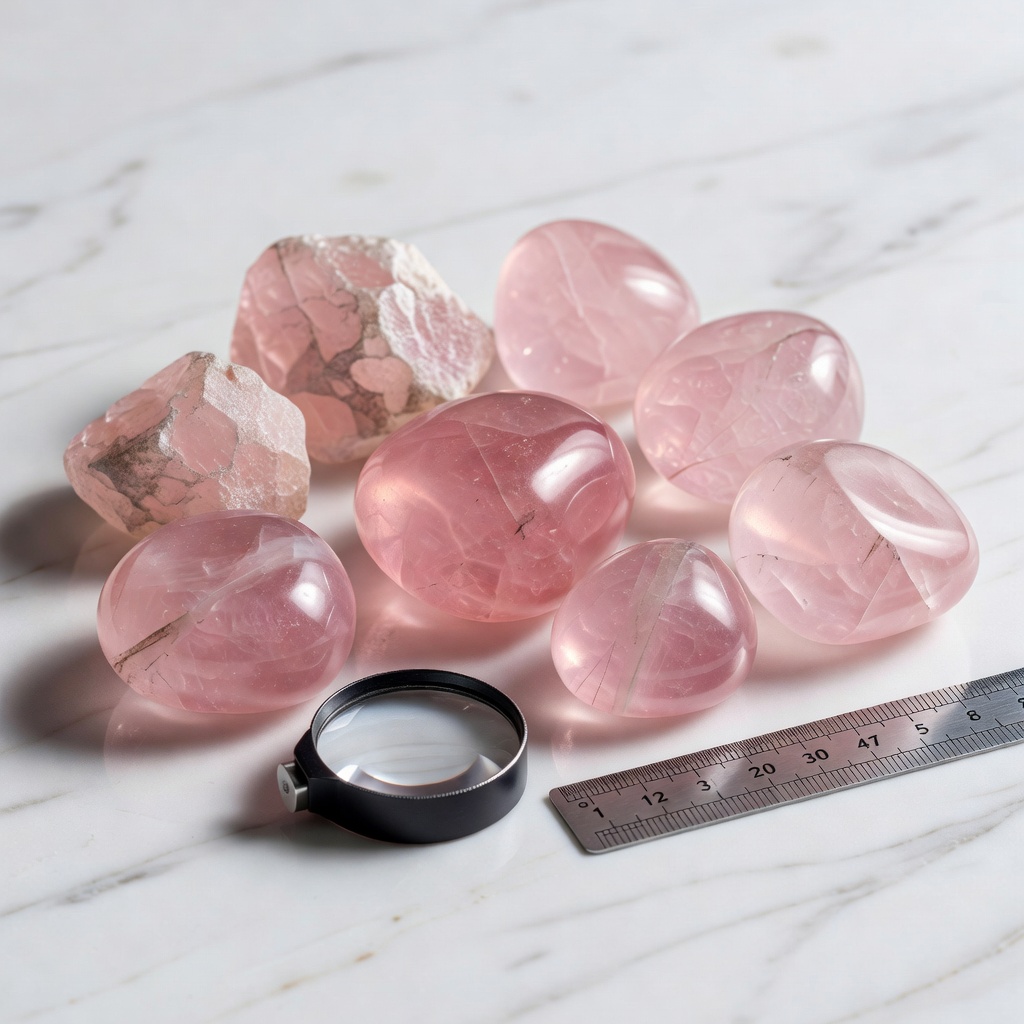
What Is Rose Quartz? Essential Overview
Rose quartz stands as one of the most beloved and recognizable members of the quartz family, distinguished by its delicate pink to rose-red hues that captivate collectors and jewelry enthusiasts worldwide. This genuine rose quartz forms through the slow crystallization of silicon dioxide in pegmatite deposits, where trace amounts of titanium, iron, or manganese create the characteristic pink coloration that defines this gemstone. Unlike many other colored gemstones that derive their hues from distinct chemical compositions, rose quartz owes its gentle appearance to microscopic mineral inclusions and structural defects that scatter light in unique ways.
The world's most significant deposits of high-quality rose quartz emerge from Brazil's Minas Gerais region, Madagascar's mineral-rich pegmatites, and the Black Hills of South Dakota in the United States, each location producing stones with slightly distinct color characteristics and clarity profiles. Brazilian material often exhibits deeper pink saturation suitable for fine jewelry, while Madagascar yields exceptional star rose quartz specimens displaying asterism, and South Dakota produces the historically significant "Mount Rushmore" variety prized by American collectors. Understanding these geographical distinctions helps buyers appreciate why certain specimens command premium prices while others remain accessible for beginners.
The enduring popularity of rose quartz stems from its remarkable combination of affordability, versatility across jewelry and decorative applications, and the powerful rose quartz meaning associated with love and emotional healing that spans centuries of human civilization. When distinguishing rose quartz from similar pink gemstones like pink sapphire, morganite, or pink tourmaline, examine the stone's opacity and price point—rose quartz typically presents a milky, translucent appearance rather than the vitreous transparency of corundum, and remains significantly more affordable than its beryl or tourmaline counterparts despite sharing similar color palettes.
Key Quality Factors to Evaluate Before Buying
Understanding rose quartz quality factors empowers buyers to make informed decisions that align with their aesthetic preferences and budget constraints. The color spectrum ranges from nearly white pale pink to intense rose-red, with deeper saturation generally indicating higher value, though personal preference should ultimately guide your selection. Exceptional specimens display a pure pink hue without brownish or grayish undertones, while the most prized transparent varieties showcase a vivid, uniform color that remains consistent under various lighting conditions.
Clarity represents a crucial differentiator in the rose quartz market, separating commercial-grade opaque material from collector-quality transparent stones. Milky or opaque rose quartz, characterized by microscopic rutile inclusions that create a soft, velvety appearance, dominates the bead and cabochon markets and appeals to those seeking the stone's metaphysical properties. Conversely, transparent to translucent specimens suitable for faceting remain relatively rare and command significantly higher per-carat prices, particularly when they exceed ten carats without visible inclusions.
Cut quality dramatically impacts both the visual appeal and market value of rose quartz, with faceted gemstones requiring exceptional material due to the wastage involved in the cutting process. Cabochons represent the most common cutting style, showcasing the stone's color and any star or cat's eye phenomena while minimizing the visibility of internal characteristics. Raw specimens appeal to crystal healing practitioners and collectors who value natural formations, while tumbled stones offer smooth, pocket-friendly options for everyday carry.
Size considerations follow predictable patterns where larger clean stones become exponentially rarer and more valuable, particularly in transparent qualities. While commercial-grade rose quartz remains affordable even in substantial sizes, investment-grade transparent specimens over twenty carats can command prices rivaling semi-precious gems like amethyst or citrine. When evaluating carat weight, consider your intended use—smaller stones excel in delicate jewelry settings while substantial specimens serve better as display pieces or meditation tools.
Rose Quartz Price Guide: What to Expect
Navigating the rose quartz price guide requires understanding the broad spectrum of quality tiers available in today's market. Commercial-grade material typically ranges from $2 to $10 per carat, offering beautiful pale pink hues suitable for beaded jewelry, wire wrapping, and introductory crystal collections. Mid-grade specimens with better clarity and more saturated color fall between $10 and $30 per carat, representing excellent value for serious jewelry pieces and dedicated healing practitioners.
Premium rose quartz commanding $50 or more per carat exhibits exceptional characteristics including deep, uniform color, high transparency, and expert cutting that maximizes light return. These investment-grade pieces often originate from specific mines known for superior material and may include documentation of their provenance. When allocating your budget, distinguish between purchasing for jewelry wearability, where cut and durability matter most, versus collecting specimens for display or metaphysical use, where size and natural formation take precedence.
Price variations between raw stones, tumbled pieces, and fine jewelry settings reflect both material quality and labor costs. Rough rose quartz purchased directly from miners or at gem shows offers the best per-carat value, typically ranging from $0.50 to $5 per gram depending on color intensity. Tumbled stones undergo additional processing that adds $2 to $15 per piece, while fine jewelry settings incorporate precious metals and craftsmanship that can multiply the base stone value by tenfold or more. Savvy buyers often purchase loose stones from reputable dealers and commission custom settings to optimize both quality and value.
How to Identify Authentic Rose Quartz
Distinguishing genuine rose quartz from imitations and treatments requires careful observation and simple testing techniques that any buyer can master. Natural rose quartz exhibits characteristic internal features including color zoning, tiny fissures, and mineral inclusions that appear as wispy veils or crystalline structures under magnification. These imperfections actually authenticate the stone, as perfectly uniform color and clarity often indicate manufactured glass or synthetic corundum rather than natural material.
Conducting at-home verification tests provides additional confidence in your purchase. The hardness scratch test offers immediate results: genuine rose quartz ranks 7 on the Mohs hardness scale, meaning it will resist scratching from a steel knife or nail (hardness 5-6) but can scratch glass or lower-hardness minerals. Temperature conductivity presents another reliable indicator—natural quartz feels distinctly cool to the touch initially and warms slowly in your hand, whereas glass imitations adjust to room temperature more rapidly.
Common fakes include dyed clear quartz, which displays color concentrations in fractures under magnification, and glass imitations that may contain air bubbles or swirl marks from manufacturing processes. Synthetic pink corundum, marketed deceptively as "lab-created rose quartz," actually constitutes sapphire with entirely different chemical and physical properties. When investing significant sums or purchasing for collection purposes, request documentation from recognized laboratories such as GIA (Gemological Institute of America) or AGS (American Gem Society), particularly for transparent faceted stones where treatments significantly impact value.
Best Places to Purchase Quality Rose Quartz
Securing authentic, fairly priced rose quartz necessitates identifying reputable sources while recognizing warning signs that indicate questionable merchandise. Established online marketplaces like Etsy offer excellent variety when you filter for verified sellers with extensive positive reviews and clear return policies. Specialized gem dealers who focus specifically on quartz minerals typically provide superior expertise, detailed photography, and ethical sourcing information that general jewelry retailers cannot match.
Physical retail options include local crystal shops where you can examine specimens firsthand, regional gem and mineral shows that connect buyers directly with miners and cutters, and jewelry stores employing certified gemologists who can verify authenticity. Building relationships with trusted dealers yields long-term benefits including first access to new inventory, fair pricing for repeat customers, and educational guidance that helps refine your collecting criteria over time.
Certain red flags should immediately disqualify sellers from consideration. Unrealistically low prices often indicate dyed material, glass, or misrepresented lower-grade stones. Vague origin descriptions such as "from various sources" rather than specific localities suggest the seller lacks transparency about the supply chain. Absence of return policies or authenticity guarantees indicates the merchant cannot stand behind their merchandise. When following this rose quartz buying guide, prioritize vendors who willingly discuss treatments, provide detailed photographs showing natural inclusions, and offer reasonable inspection periods for online purchases.
Rose Quartz Jewelry Buying Specifics
Selecting rose quartz for jewelry requires careful consideration of durability factors and design elements that maximize both beauty and longevity. With a hardness of 7 on the Mohs scale, rose quartz resists scratching from daily wear but remains vulnerable to chipping and cleavage fractures upon sharp impact. Protective settings become essential for rings and bracelets exposed to frequent contact—bezel settings that encircle the stone's perimeter offer superior protection compared to prong settings, while halo designs provide additional buffering against accidental strikes.
Metal pairings significantly influence the overall aesthetic impact of rose quartz jewelry. Rose gold creates a harmonious monochromatic effect that enhances the stone's warm pink undertones, while sterling silver provides striking contrast that makes lighter pink varieties pop visually. Yellow gold offers a classic, vintage-inspired appearance that complements deeper rose specimens particularly well. Consider your skin tone and existing jewelry collection when selecting metal types to ensure versatile wearability.
Current market trends favor both minimalist designs showcasing single large cabochons and bohemian-inspired pieces featuring raw, uncut crystals in organic settings. For everyday wear, select stones between 5-10 carats that provide presence without excessive weight, while statement pieces may feature specimens exceeding 20 carats in pendant or brooch formats. When choosing rings, consider size-to-finger ratios—larger stones suit broader fingers and higher carat weights balance better on index or middle fingers rather than slender pinky fingers. Necklace proportions should place the stone at the collarbone for optimal light exposure, while earrings benefit from lighter specimens under 15 carats each to prevent stretching.
Metaphysical Properties and Purchase Intentions
The rose quartz meaning as the "Stone of Universal Love" drives significant purchasing decisions beyond purely aesthetic considerations, with buyers seeking specific energetic qualities for emotional healing and spiritual practices. Associated primarily with the heart chakra, this crystal purportedly encourages compassion, self-love, and emotional healing, making it a popular gift for individuals navigating grief, relationship transitions, or self-care journeys. Understanding these metaphysical associations helps buyers select appropriate forms and qualities that align with their intended spiritual applications.
Different physical configurations serve distinct metaphysical purposes, influencing your selection criteria. Palm stones measuring approximately 2-3 inches fit comfortably in the hand during meditation, providing a tactile focal point for mindfulness practices. Spheres radiate energy equally in all directions, making them ideal for altar work or energy healing sessions, while raw clusters and points direct energy in specific patterns suitable for crystal grids and space clearing. Tumbled pocket stones offer portable comfort during stressful daily situations.
Your intended purpose should directly influence quality and size selections. Healing practitioners often prioritize size and natural formation over gemological perfection, selecting substantial raw chunks or spheres for treatment rooms. Jewelry wearers seeking constant energetic support might choose smaller, higher-clarity cabochons set in durable designs. Maintain responsible awareness that while many users report emotional benefits from rose quartz healing properties, these effects stem from placebo responses and relaxation techniques rather than scientifically verifiable mechanisms. Purchase decisions should balance spiritual intention with appreciation for the stone's natural beauty and geological significance.
Care and Maintenance Best Practices
Proper rose quartz care ensures your specimens maintain their beauty and energetic integrity across decades of ownership. Cleaning procedures depend largely on the stone's treatment history and setting materials, with lukewarm soapy water and a soft brush providing the safest universal method for most jewelry and specimens. Avoid harsh chemical cleaners, ultrasonic devices, and steam cleaning, as these can exacerbate existing fractures or loosen jewelry settings, particularly for stones with significant inclusions or glued components in doublet constructions.
Storage solutions require strategic planning to prevent damage from harder minerals. Despite its respectable hardness, rose quartz scratches when stored alongside diamonds, sapphires, rubies, or other quartz varieties. Maintain separate compartments in jewelry boxes or wrap individual pieces in soft cloth pouches. For raw specimens and crystal collections, display cases with individual foam supports prevent chipping while allowing energetic interaction without physical contact between stones.
Critical to long-term preservation is protection from prolonged ultraviolet exposure, which can gradually fade the manganese and titanium color centers responsible for rose quartz's pink hues. Display specimens away from direct sunlight and store jewelry in dark boxes when not worn. While brief outdoor wear poses minimal risk, months of sun exposure in display cases or windowsills will noticeably lighten deep pink varieties to pale, less valuable shades. Schedule annual professional inspections for fine jewelry to check prong integrity, setting security, and the accumulation of debris that might dull the stone's surface luster.
Common Buying Mistakes to Avoid
Even experienced collectors occasionally fall prey to pitfalls that compromise the value and authenticity of their rose quartz acquisitions. One prevalent error involves overpaying for treated or dyed stones marketed as natural, where inferior white quartz has been injected with pink dyes to mimic high-quality material. These treatments become apparent under magnification as color concentrations in surface-reaching fractures or unnatural uniformity that genuine stones rarely exhibit. Always inquire specifically about treatments and request written documentation for significant investments.
Ignoring clarity issues represents another costly mistake, as fractures and heavy inclusions not only affect aesthetic appeal but also compromise structural integrity for jewelry applications. Stones with surface-reaching cracks may split during setting or wear, while heavily included material lacks the translucent glow that defines quality rose quartz. When evaluating genuine rose quartz for purchase, hold specimens against bright light to assess internal characteristics and reject pieces with obvious structural weaknesses regardless of attractive exterior coloration.
Trusting unverified sellers without return policies or authenticity guarantees exposes buyers to financial risk and disappointment. Social media marketplaces and tourist traps frequently offer "bargain" specimens that prove to be glass, plastic, or heavily treated material upon professional examination. Similarly, purchasing the wrong size or type for your intended use—such as buying delicate faceted stones for rough handling in crystal healing grids, or selecting massive raw chunks for ring settings—results in impractical ownership experiences. Align your purchases strictly with your stated intentions, whether jewelry wear, collection display, or metaphysical application.
Final Checklist and Expert Recommendations
Completing your Rose Quartz Buying Guide journey requires systematic verification before finalizing any purchase. Begin by confirming seller reputation through verified reviews, professional memberships in gemological associations, and transparent business practices including physical addresses and customer service accessibility. Inspect quality by examining photographs for natural inclusions, requesting videos showing stones from multiple angles, and verifying that color representation appears accurate rather than artificially enhanced through editing.
Before committing to any transaction, ask three essential questions: What is the exact origin of this specimen? Has the stone undergone any treatments such as heating, dyeing, or fracture filling? Is certification available from recognized laboratories such as GIA or AGS for investment-grade pieces? These inquiries separate professional dealers from casual sellers and provide documentation crucial for insurance and future resale value.
Establish clear decision frameworks distinguishing between investment purchases requiring gemological perfection and personal use acquisitions prioritizing emotional resonance or aesthetic appeal. For beginners, reputable starter retailers include established crystal shops with physical locations, verified Etsy sellers with hundreds of positive reviews, and annual gem shows where you can examine material firsthand. Continue your education through resources like the Gemological Institute of America publications, mineralogical society memberships, and specialized quartz collecting forums where experienced collectors share sourcing information and quality assessments.
Frequently Asked Questions
How much does genuine rose quartz cost per carat?
Commercial quality rose quartz typically costs $2-$10 per carat. High-quality transparent stones with deep pink color can reach $30-$50+ per carat. Raw specimens and tumbled stones are priced by piece rather than weight, usually $5-$50 depending on size and quality.
What is the easiest way to tell if rose quartz is real?
Perform a simple scratch test using a steel knife (hardness 5-6). Real rose quartz ranks 7 on the Mohs scale and won't scratch. Also check for natural inclusions and color variations under magnification—glass fakes appear perfectly clear and uniform. Real rose quartz feels cool to the touch initially.
Which color of rose quartz is most valuable?
Deep, saturated pink to rose-red hues command the highest prices, especially in transparent specimens. However, extremely pale pink 'milky' quartz is also prized for its soft glow in jewelry. Avoid stones with brownish or grayish undertones, which indicate lower quality.
Can rose quartz be worn daily in rings or bracelets?
Rose quartz (hardness 7) is durable enough for daily wear but requires protective settings like bezels for rings. Avoid harsh impacts and store separately from harder gems like diamonds or sapphires. Bracelets are more prone to damage than pendants or earrings.
What are the proven healing properties of rose quartz?
Scientifically, rose quartz has no proven healing properties. However, many users report emotional comfort from its use in meditation and mindfulness practices. Any benefits likely stem from placebo effect and relaxation response. Purchase for beauty and personal meaning rather than medical claims.
Where should I avoid buying rose quartz?
Avoid tourist trap shops, mall kiosks with no return policy, social media sellers without verified reviews, and listings with 'too good to be true' prices. Be cautious of large marketplaces where individual sellers aren't vetted. Always prioritize sellers who disclose treatments and offer authenticity guarantees.
Does rose quartz fade in sunlight?
Yes, prolonged exposure to direct sunlight can cause rose quartz to gradually fade, especially deeper colored specimens. Store jewelry in a dark box and avoid displaying specimens in sunny windows. Brief outdoor wear is fine, but months of sun exposure will noticeably lighten the stone.
Should I buy raw or polished rose quartz?
Choose raw specimens for crystal healing grids, meditation, or collection display. Polished stones (cabochons or faceted) are better for jewelry and daily handling. Raw is typically cheaper per carat but may have rough edges. Polished reveals color and clarity better but costs more due to labor.