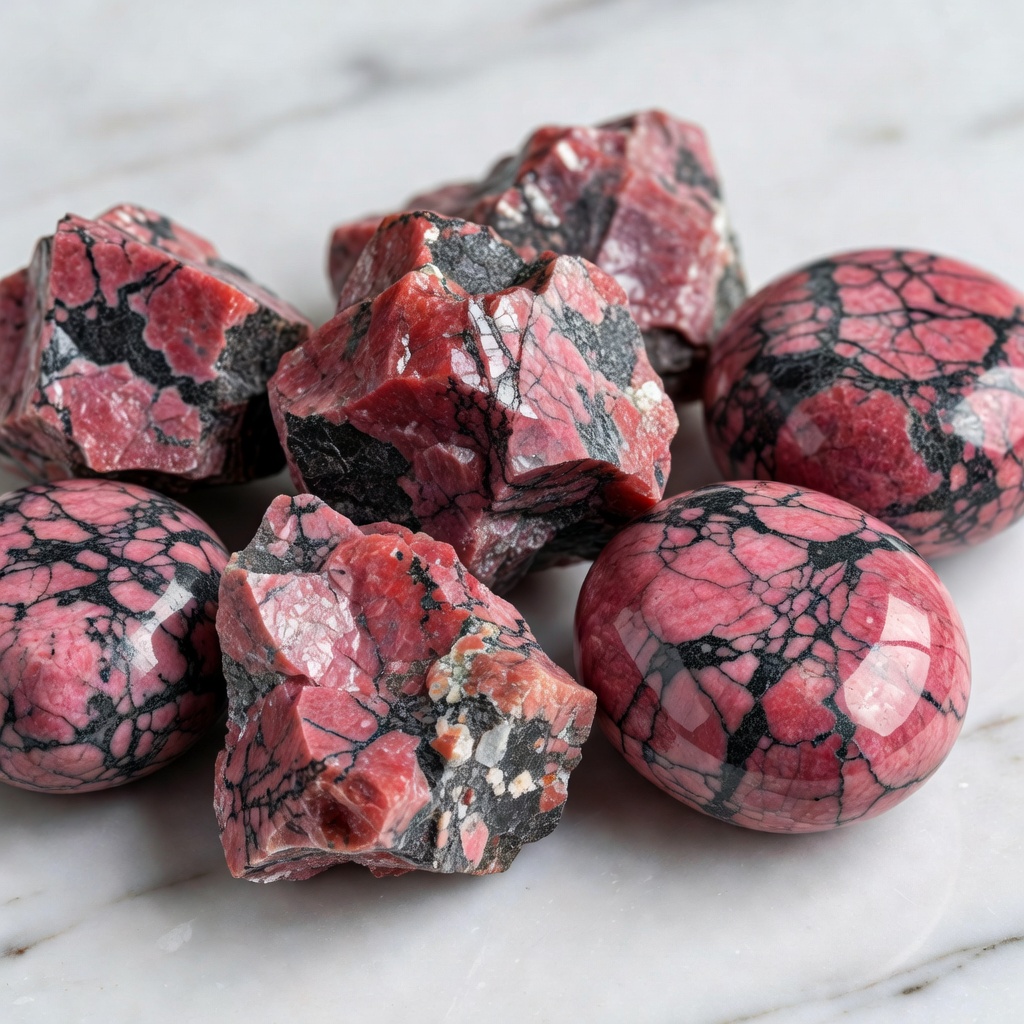
Introduction to Rhodonite: The Rescue Stone
Rhodonite stands as one of the most powerful stones in the crystal healing community, earning its nickname as the "Rescue Stone" through centuries of emotional restoration and heart-centered healing practices. The name itself derives from the Greek word rhodon, meaning rose, which perfectly captures the stone's characteristic pink to rose-red coloring that has captivated collectors and healers alike since ancient times. When exploring comprehensive Rhodonite Properties and Information, one discovers a mineral that bridges the gap between geological wonder and profound metaphysical significance, offering support during life's most challenging emotional transitions.
Historically, rhodonite held prestigious status in Russian aristocracy during the czarist era, where master craftsmen incorporated massive blocks of the stone into elaborate decorative items, jewelry, and architectural elements within imperial palaces. The Ural Mountains of Russia produced some of the finest specimens, which were carved into elaborate vases, tiles, and ornamental pieces that showcased the stone's distinctive black matrix patterns against vibrant pink backgrounds. This royal association established rhodonite as a stone of nobility and compassion long before modern crystal healing practices emerged, creating a legacy that continues to influence how we perceive this remarkable mineral today.
In contemporary metaphysical practices, rhodonite has experienced a resurgence as practitioners recognize its unique ability to stabilize emotions during crisis situations and support trauma recovery work. Unlike stones that merely promote love or happiness, rhodonite specifically targets the messy, uncomfortable work of processing pain, betrayal, and heartbreak while maintaining emotional equilibrium. Modern crystal therapists often recommend keeping this stone nearby during divorce proceedings, grief counseling, or any period requiring the integration of difficult emotional experiences into personal growth.
Geological Composition and Physical Characteristics
From a mineralogical perspective, rhodonite is classified as a manganese silicate with the chemical formula MnSiO₃, placing it within the pyroxenoid group of minerals that form in metamorphic environments rich in manganese deposits. The stone registers between 5.5 and 6.5 on the Mohs hardness scale, making it relatively soft compared to quartz or sapphire, which necessitates careful handling to prevent scratching or chipping during daily use. This moderate hardness allows skilled lapidaries to carve intricate designs and cabochons, though it also means that pink rhodonite stone specimens require protective settings when used in rings or bracelets that might encounter hard surfaces.
The most striking visual characteristic of rhodonite is its distinctive coloration, ranging from delicate pastel pink to deep rose-red, often interspersed with contrasting black veins, patches, or matrix patterns composed of manganese oxide. These black inclusions, while sometimes considered imperfections in other gemstones, actually serve as identifying markers for authentic rhodonite and contribute to its grounding energy in metaphysical applications. High-quality specimens display a vitreous to pearly luster when polished, with the pink portions sometimes exhibiting translucent to transparent qualities that allow light to penetrate the stone's surface, creating depth and visual interest in finished jewelry pieces.
Significant deposits of rhodonite occur across several continents, with notable sources including the Ural Mountains of Russia, the Harstigen mine in Sweden, Broken Hill in Australia, and the Conselheiro Lafaiete region of Brazil. Each locality produces stones with slightly different characteristics; Russian material often displays richer red tones with dramatic black veining, while Australian specimens might show more granular textures with subtle pink coloration. When purchasing specimens for collection or healing work, understanding these geographical variations helps collectors identify high-quality material and appreciate the unique energy signatures that different mining locations might impart to the crystal structure.
Rhodonite Crystal Meaning and Symbolism
Within the realm of crystal lore, the rhodonite crystal meaning centers profoundly on the concept of compassion—not merely the gentle kindness often associated with rose quartz, but the fierce, active compassion required to face one's shadow self and heal deep emotional wounds. Known specifically as the "Stone of Compassion," rhodonite teaches that true love includes the courage to acknowledge pain without becoming consumed by it, offering a stabilizing energy that prevents emotional overwhelm during difficult transformational periods. This distinction makes it particularly valuable for individuals who find themselves cycling through grief, anger, or resentment without reaching resolution or closure.
The symbolism of rhodonite extends deeply into the practice of self-love and forgiveness, addressing the often-overlooked reality that healing cannot occur while holding grudges against oneself or others. Crystal practitioners recommend working with this stone when processing feelings of guilt, shame, or regret, as its vibration encourages the recognition that mistakes and trauma do not define one's worth or capacity for love. Through meditation with rhodonite placed over the heart center, many users report experiencing breakthrough moments where rigid emotional armor begins to dissolve, allowing for the authentic acceptance of unconditional love both from within and from external sources.
Connection to heart energy represents the core spiritual teaching of rhodonite, emphasizing that emotional balance requires the integration of love with wisdom and boundaries. Unlike stones that promote love without discernment, rhodonite supports the development of compassionate boundaries—loving others deeply while maintaining the self-respect necessary to avoid toxic relationship patterns. This makes it an excellent companion for empaths and highly sensitive individuals who struggle with codependency, as it teaches that giving love to others must be balanced with receiving love and protecting one's own energetic wellbeing.
Metaphysical and Emotional Healing Properties
The rhodonite healing properties excel specifically in the domain of emotional trauma recovery, offering structured support for processing past experiences of betrayal, abandonment, or abuse without retraumatization. When held during therapy sessions or journaling exercises, the stone acts as an energetic anchor, preventing the dissociation or panic that often accompanies the exploration of painful memories while encouraging the release of stored emotional tension from the physical body. Many crystal healers create specific layouts placing rhodonite at the heart chakra and black tourmaline at the root to facilitate the safe processing of trauma while maintaining grounding and present-moment awareness.
Forgiveness work represents another primary application of rhodonite's energy, whether that involves forgiving others who have caused harm or extending compassion toward oneself for past mistakes or perceived failures. The stone does not encourage premature forgiveness that bypasses legitimate anger or grief; rather, it supports the natural progression through these emotions toward eventual release when the individual is truly ready. Practical applications include creating a forgiveness ritual where one writes the names of those needing forgiveness (including oneself) on paper, placing the rhodonite atop the paper for seven days, and performing a releasing ceremony to symbolize the liberation from resentment's heavy burden.
Communication during emotionally charged conversations benefits significantly from rhodonite's influence, as the stone clears the throat chakra while stabilizing the heart energy, enabling the expression of truth without hostility or defensive withdrawal. Couples therapists sometimes recommend that partners carry matching rhodonite stones during difficult discussions about relationship issues, as the mineral promotes the clear articulation of needs and feelings while discouraging the reactive patterns that typically escalate conflicts. Case studies in crystal healing literature document instances where individuals who previously avoided confrontation successfully navigated boundary-setting conversations with family members or employers after programming rhodonite with the specific intention of compassionate assertiveness.
Chakra Associations and Energy Work
Rhodonite chakra healing practices focus primarily on the Heart Chakra, or Anahata, the fourth energy center located at the center of the chest that governs love, relationships, and emotional processing. When this chakra becomes blocked through heartbreak, loss, or chronic stress, individuals may experience physical symptoms such as chest tightness, breathing difficulties, or immune system suppression, alongside emotional patterns of jealousy, isolation, or inability to trust. Placing rhodonite directly over the heart center during meditation or energy work helps dissolve these blockages by introducing the specific frequency of compassionate love that reopens the chakra to giving and receiving emotional energy without fear.
Beyond its primary heart connection, rhodonite maintains a secondary but crucial association with the Root Chakra (Muladhara), providing the grounding necessary to process high-vibration heart energy without becoming emotionally unbalanced or spacy. This dual chakra action creates a unique energetic circuit where emotional healing occurring at the heart level becomes integrated into the physical body and daily reality through the root's grounding influence. Energy workers often combine rhodonite with hematite or smoky quartz at the base of the spine while working with heart trauma, ensuring that as painful emotions surface and release, the individual remains connected to the stabilizing energies of the earth and present-moment safety.
Advanced crystal healing techniques utilize rhodonite to clear stagnant energy between the heart and solar plexus chakras, addressing the connection between emotional wounds and self-esteem issues or digestive disturbances. By moving the stone in clockwise circles between these energy centers during a session, practitioners report successfully releasing emotional armor that has manifested as chronic tension in the diaphragm or upper abdomen. Regular energy maintenance with rhodonite, performed weekly by placing the stone on the heart while visualizing pink light expanding through the chest, helps maintain energetic hygiene and prevents the accumulation of emotional debris that could eventually manifest as physical illness or relationship dysfunction.
Physical Healing Benefits and Traditional Uses
While primarily recognized for emotional applications, traditional healing systems have long employed rhodonite healing properties for specific physical complaints, particularly those involving the respiratory system and lung function. Folk medicine practitioners in Russia and Scandinavia historically created elixirs (using the indirect method to avoid toxicity) to support recovery from pneumonia, bronchitis, and other inflammatory conditions affecting the lungs and airways. Modern crystal healers recommend placing rhodonite on the chest during respiratory infections, believing that the stone's manganese content resonates with the body's cellular structure to support tissue repair and reduce inflammation in the mucous membranes.
Wound healing and tissue regeneration represent traditional applications that continue to find relevance in contemporary crystal therapy practices, with rhodonite sometimes used in layouts to support recovery from surgery, burns, or deep cuts. The stone is thought to stimulate the body's innate healing mechanisms, particularly when placed near affected areas or used in crystal grids designed to amplify regenerative energies. Some natural health practitioners incorporate rhodonite into massage therapy for scar tissue, gently rubbing the polished stone over healed wounds to break up adhesions while simultaneously addressing the emotional trauma often associated with physical injury.
Support for the immune system and detoxification processes has been noted in crystal healing literature, with rhodonite believed to assist the body in eliminating environmental toxins and metabolic waste products more efficiently. The stone's connection to manganese—a trace mineral essential for bone health and metabolic function—suggests a biochemical resonance that may explain traditional uses for arthritis, joint inflammation, and autoimmune conditions when used as a complementary therapy alongside conventional medical treatment. However, practitioners always emphasize that rhodonite should never replace professional medical care, but rather serve as a supportive energetic tool to enhance the body's natural healing capacity and reduce stress-related immune suppression.
Practical Applications: How to Use Rhodonite
Incorporating rhodonite emotional healing into daily life begins most effectively through jewelry worn close to the heart chakra, where the stone's energy field can continuously interact with the body's electromagnetic heart center. Pendants resting directly over the sternum prove particularly effective, as they maintain constant contact with the heart chakra while allowing the stone to rise and fall with the breath, creating a meditative rhythm throughout the day. For those processing acute grief or relationship trauma, wearing rhodonite as a pendant during waking hours and placing it under the pillow at night creates a 24-hour healing field that supports the subconscious processing of emotional material during sleep.
Meditation practices with rhodonite should focus specifically on emotional release and the cultivation of compassion, utilizing techniques such as the "heart armor removal" visualization where practitioners imagine the stone dissolving protective barriers constructed around the heart due to past pain. A specific protocol involves lying supine with rhodonite placed on the chest, placing both hands over the stone, and breathing deeply while mentally repeating affirmations such as "I am safe to love" or "I release what no longer serves my highest good." Advanced practitioners might combine this with EFT (Emotional Freedom Technique) tapping, holding the rhodonite in the non-dominant hand while tapping through the meridian points to release traumatic imprints stored in the body's energy system.
Environmental placement of rhodonite creates harmonious energetic fields within homes and offices, particularly in areas where conflict resolution or emotional processing needs to occur. Placing a bowl of tumbled rhodonite stones on a dining table or conference room table encourages compassionate communication and prevents disagreements from escalating into personal attacks. In the bedroom, positioning rhodonite on a nightstand or under the mattress promotes healing from relationship wounds and supports the manifestation of healthy partnerships, while in therapy offices or counseling spaces, the stone creates a container of safety that allows clients to access vulnerable emotions without fear of judgment.
Cleansing, Charging, and Crystal Care
Proper maintenance of rhodonite requires understanding its specific vulnerabilities due to manganese content and relatively soft composition, making knowledge of appropriate Rhodonite Properties and Information regarding care essential for preserving both appearance and energetic potency. Safe cleansing methods include smudging with white sage, palo santo, or sweetgrass smoke, which clears accumulated negative energies without exposing the stone to moisture that might affect its surface polish. Alternatively, placing rhodonite on a selenite charging plate or within a bowl of tumbled hematite overnight provides gentle energetic cleansing while physically protecting the stone from environmental contaminants.
Water exposure presents particular risks for rhodonite despite its non-porous nature, as prolonged soaking can cause the manganese content to oxidize further, potentially altering the stone's coloration or creating surface pitting over time. While brief rinsing under running water for a few seconds won't immediately damage high-quality specimens, extended baths, saltwater soaks, or wearing rhodonite while swimming should be strictly avoided to prevent degradation. If the stone requires physical cleaning due to skin oils or dust, using a slightly damp soft cloth followed by immediate drying with a microfiber towel maintains the polish without risking water damage to the crystal structure.
Charging rhodonite works most effectively under moonlight, particularly during the full moon when lunar energies support emotional healing and intuitive development, aligning perfectly with the stone's primary functions. Burying rhodonite in the earth for 24 hours during the waning moon phase also proves effective for grounding and resetting its energy, though practitioners should mark the burial spot carefully and place the stone in a cloth bag to prevent soil from scratching the surface. Storage requires separation from harder crystals such as quartz or diamonds, ideally in individual soft pouches or wrapped in silk, to prevent the softer rhodonite from being scratched by harder minerals that might share a jewelry box or medicine bag.
Rhodonite vs. Rhodochrosite: Key Differences
Distinguishing between rhodonite vs rhodochrosite requires careful observation of visual characteristics, as both manganese-based stones share pink coloration that often confuses collectors and novice crystal enthusiasts. Rhodonite typically presents with darker pink to red base colors dramatically contrasted by black manganese oxide veining, matrix patterns, or dendritic inclusions that create a distinctive graphic quality resembling brushstrokes or lightning bolts across the stone's surface. In contrast, rhodochrosite displays lighter pink to raspberry hues with characteristic white or cream banding, often forming in stalactitic or botryoidal (grape-like) formations that create concentric circles when cut and polished, lacking the sharp black contrasting lines typical of rhodonite.
Chemical composition differences, while subtle, account for the distinct energetic signatures of these sister stones despite both containing significant manganese content. Rhodonite is a manganese silicate (MnSiO₃), forming under metamorphic conditions that create its massive, granular structure, while rhodochrosite is a manganese carbonate (MnCO₃), forming in hydrothermal veins and sedimentary environments that allow for the development of its characteristic banding patterns. These geological distinctions result in rhodonite being slightly harder (5.5-6.5 Mohs) compared to rhodochrosite (3.5-4.0 Mohs), making rhodonite more suitable for jewelry that might receive daily wear while rhodochrosite requires more protective settings.
Complementary uses in crystal healing practices often involve combining both stones to address different aspects of heart healing, with rhodonite handling the difficult work of trauma processing and forgiveness while rhodochrosite emphasizes joyful self-love and the reclamation of childlike enthusiasm for life. Crystal therapists might recommend rhodonite for the initial stages of heartbreak recovery or abuse processing, then transition to rhodochrosite as the individual moves into the reconstruction phase of building new relationships and self-identity. When used together in grids or body layouts, the darker grounding energy of rhodonite balances the high-vibration, sometimes overwhelming heart energy of rhodochrosite, creating a comprehensive healing environment that addresses both the shadow and light aspects of emotional work.
Choosing and Buying Authentic Rhodonite
Identifying genuine pink rhodonite stone specimens requires attention to the characteristic black veining patterns that serve as the primary diagnostic feature distinguishing authentic material from imitations or similarly colored stones. Authentic rhodonite will display manganese oxide inclusions that appear as black lines, patches, or spiderweb-like matrix patterns against the pink background, with the pink portions showing a vitreous luster when polished and sometimes slight translucency at the edges. Buyers should be wary of specimens showing perfectly uniform color without any black patterning, as these may be dyed agate, pink jasper, or glass imitations lacking the natural variation and mineral inclusions of true rhodonite.
Common imitations in the marketplace include dyed howlite or magnesite, which can be identified by their overly saturated pink color and lack of the specific gravity or cold feel of genuine rhodonite, as well as composite stones made from crushed rhodonite mixed with resin that lack the natural crystalline structure and energy of solid specimens. Price ranges vary significantly based on quality and origin, with common tumbled stones available for $3-10 depending on size, while high-quality Russian material with dramatic black matrix patterns might command $50-200 for display specimens or cabochons suitable for fine jewelry. When investing in larger pieces or jewelry settings, purchasing from reputable mineral dealers who can provide provenance information or from established metaphysical shops with gemological knowledge ensures authenticity.
Trusted sources for quality rhodonite include mineral shows where specimens can be handled and examined personally, established online crystal retailers with transparent sourcing practices, and specialized lapidary artists who work directly with rough material from known localities such as Russia, Australia, or Brazil. When selecting stones specifically for healing work, many practitioners recommend choosing pieces that resonate personally, often feeling a subtle warmth or heart-opening sensation when holding genuine high-vibration rhodonite, though beginners should educate themselves on the visual characteristics first to avoid purchasing dyed or synthetic material. For jewelry purposes, examine settings carefully to ensure they protect the stone's edges and surface, as the 5.5-6.5 hardness makes rhodonite vulnerable to chipping if subjected to hard impacts or abrasive materials.
Frequently Asked Questions
What are the main rhodonite properties and information beginners should know?
Rhodonite is a manganese silicate mineral known for its distinctive pink and black coloring. It's primarily associated with emotional healing, compassion, and heart chakra activation. Beginners should know it's relatively soft (5.5-6.5 Mohs), should avoid prolonged water exposure, and works best when worn close to the heart or used during meditation for emotional balance.
How does rhodonite differ from rhodochrosite?
While both are manganese-based pink stones, rhodonite typically displays black manganese oxide veining or matrix patterns with a darker pink to red color, whereas rhodochrosite shows white banding with lighter pink to raspberry hues. Rhodonite focuses more on practical emotional healing and forgiveness, while rhodochrosite emphasizes self-love and joy.
Can rhodonite go in water?
It's not recommended to soak rhodonite in water for extended periods. While brief rinsing won't immediately damage it, prolonged water exposure can affect the stone's polish and potentially cause the manganese content to oxidize further. Clean rhodonite using dry methods like soft cloth wiping, smudging with sage, or placing it on a selenite charging plate.
Which chakra is rhodonite associated with?
Rhodonite is primarily associated with the Heart Chakra (Anahata), making it excellent for emotional healing, relationship issues, and cultivating compassion. It also has grounding properties that connect to the Root Chakra, helping to stabilize emotions after releasing trauma or negative patterns.
What zodiac signs benefit most from rhodonite?
Rhodonite particularly benefits Taurus for emotional stability and relationship harmony, and Gemini for balancing dual emotions. However, it's also excellent for Scorpio (transformation and forgiveness), Leo (heart-centered leadership), and anyone experiencing emotional trauma regardless of zodiac sign.
How do I cleanse and charge my rhodonite crystal?
Cleanse rhodonite by smudging with sage or palo santo, placing it on a selenite slab, or using sound vibrations from singing bowls. Charge it under moonlight (especially full moon) or by burying it in earth briefly. Avoid salt water and harsh sunlight, which can damage the stone's surface and color over time.
Is rhodonite safe to wear daily?
Yes, rhodonite is safe for daily wear as jewelry, particularly as pendants near the heart chakra. However, due to its 5.5-6.5 hardness rating, protect it from hard impacts, harsh chemicals, and extreme temperature changes. Remove rhodonite rings or bracelets before heavy physical work or swimming to prevent scratches or damage.
What are the emotional healing benefits of rhodonite?
Rhodonite excels at healing emotional wounds, particularly those involving betrayal, abandonment, or heartbreak. It promotes forgiveness (both self and others), reduces anxiety and panic attacks, encourages unselfish self-love, and helps clear emotional baggage that prevents moving forward in relationships or personal growth.