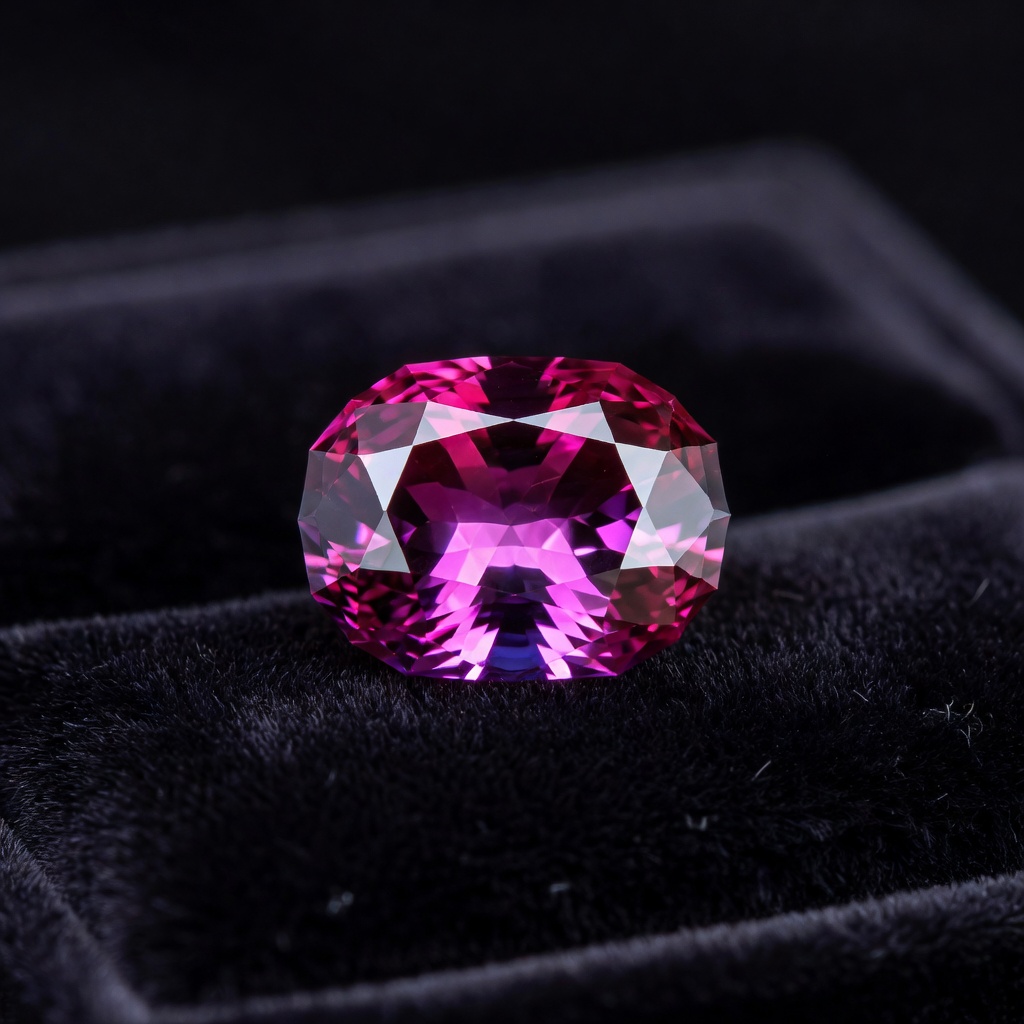
Introduction to Rhodolite Garnet
Rhodolite garnet stands as one of the most coveted varieties within the diverse garnet family, distinguished by its remarkable hybrid composition that bridges the gap between pyrope and almandine species. This exquisite pink garnet gemstone was first discovered in the rugged mountains of North Carolina during the 1890s, specifically within the Cowee Creek deposits of Macon County, where miners initially mistook the vibrant stones for rubies due to their intense coloration. The name "rhodolite" derives from the Greek word rhodon, meaning rose-like, perfectly capturing the stone's distinctive pinkish-red to purple-red hue that distinguishes it from the deeper, blood-red almandine garnets commonly found in antique jewelry.
Positioned uniquely within the garnet family tree, rhodolite represents a solid solution series rather than a standalone species, containing approximately two parts pyrope to one part almandine. This specific chemical marriage results in the stone's signature raspberry coloration that has captivated gem enthusiasts and collectors for over a century. When exploring rhodolite garnet properties and information, it becomes evident that this gemstone offers an exceptional balance of beauty, durability, and affordability that rivals more expensive pink gemstones like pink sapphires or rubies, making it an increasingly popular choice for modern jewelry designers and discerning collectors alike.
Chemical Composition and Physical Properties
Understanding the fundamental rhodolite garnet hardness and chemical structure reveals why this gemstone has become a favorite among lapidaries and jewelry artisans worldwide. Rhodolite constitutes a hybrid mixture of pyrope and almandine garnet species, typically maintaining a ratio of approximately two parts magnesium-rich pyrope to one part iron-rich almandine, which creates its characteristic chemical formula of Mg₃Al₂Si₃O₁₂ with varying iron substitutions. This specific compositional balance not only generates the stone's coveted purple-pink coloration but also contributes to its impressive durability and optical properties that distinguish it from other garnet varieties.
On the Mohs hardness scale, rhodolite garnet registers between 7.0 and 7.5, placing it among the more durable gemstones suitable for daily wear while requiring slightly more care than corundum varieties like sapphires or rubies. The stone crystallizes within the isometric crystal system, developing a cubic structure that typically forms as dodecahedrons or trapezohedrons, allowing cutters to achieve exceptional brilliance and light return when properly faceted. Gemological testing reveals a refractive index ranging from 1.740 to 1.770, contributing to the stone's high luster and fire, while the specific gravity typically falls between 3.79 and 3.85, providing gemologists with key diagnostic parameters for identification. These purple garnet properties combine to create a gemstone that balances beauty with practicality, offering sufficient hardness for jewelry applications while maintaining the delicate color nuances that make each stone unique.
Color Variations and Visual Characteristics
The visual allure of rhodolite garnet centers on its signature color spectrum that spans from delicate light pink through vibrant raspberry to deep grape-purple tones, establishing it as the premier pink garnet gemstone in the commercial market. Unlike its pyrope cousins that tend toward brownish-red or orange-red hues, rhodolite maintains a purer pink to purple-red coloration that rarely exhibits the muddy undertones common in other red garnets. This distinctive coloration results from trace element variations within the crystal lattice, where manganese and iron content ratios determine whether the stone appears more pink, purple, or red, with the most valuable specimens displaying a vivid raspberry color that seems to glow from within.
One fascinating phenomenon observed in high-quality rhodolite specimens involves subtle color shifting under different lighting conditions, where stones may appear more pink under incandescent lighting while showing deeper purple tones in natural daylight. Gemstone clarity standards for rhodolite typically allow for minor inclusions that do not significantly impact transparency, though eye-clean stones command premium prices in the marketplace. Cutters must carefully orient rough crystals to maximize color display, often choosing oval, cushion, or round brilliant cuts that enhance the stone's natural depth while minimizing windowing or extinction. The rhodolite garnet meaning in gemological circles often emphasizes this interplay between color purity and brilliance, as the stone represents the perfect marriage of pyrope's clarity potential with almandine's rich color saturation.
Global Sources and Mining Locations
The geographical journey of rhodolite garnet spans multiple continents, with each mining region imparting subtle characteristics to the stones extracted from its soil. North Carolina's Cowee Creek Valley retains its historical significance as the type locality where rhodolite was first identified, though commercial mining in this region has diminished significantly since the early twentieth century. Today, East Africa dominates the global supply, with Tanzania's Umba Valley and Madagascar's alluvial deposits producing the majority of fine-quality material available to the jewelry trade, often yielding stones with exceptional clarity and the highly prized raspberry coloration that collectors seek.
Sri Lanka contributes significant quantities through its traditional alluvial mining operations, where stream gravels yield rhodolite with distinctive purplish tones and excellent transparency characteristic of the island's gem deposits. Brazil and India maintain active mining operations, with Brazilian material often showing slightly lighter pink tones while Indian deposits occasionally produce larger crystals suitable for statement jewelry pieces. Modern ethical sourcing initiatives have transformed how these rhodolite garnet sources operate, with many mines now implementing fair trade practices and environmental rehabilitation programs to ensure sustainable extraction. Buyers increasingly request documentation proving responsible mining practices, particularly when purchasing East African material, where community-based mining cooperatives have established traceability systems that benefit local artisans while providing the market with verified natural stones.
Distinguishing Rhodolite from Other Garnets
Accurate identification of rhodolite requires understanding the subtle distinctions that separate it from chemically similar garnet species, particularly when examining the differences in rhodolite vs pyrope garnet composition and appearance. While both stones share magnesium-rich chemistries, pyrope typically contains higher magnesium content and displays deeper red to brownish-red colors, whereas rhodolite's elevated almandine component introduces the purple and pink tones absent in pure pyrope. Visual separation from deep red almandine garnets proves relatively straightforward for experienced gemologists, as rhodolite never achieves the dark, blood-red coloration characteristic of high-iron almandine, instead maintaining a lighter, more vibrant appearance even in deeply saturated specimens.
Comparison with green tsavorite and orange spessartine garnets presents obvious color distinctions, though spectroscopic identification methods provide definitive chemical confirmation through absorption spectrum analysis. Rhodolite displays distinctive absorption bands in the yellow-green and blue-violet regions that differ from other garnet species, allowing laboratory technicians to confirm variety even in small melee stones. Perhaps most crucial for consumers is avoiding confusion with pink tourmaline or spinel, as these stones may appear visually similar but differ significantly in hardness, specific gravity, and refractive index. These purple garnet properties require careful testing using refractometers and specific gravity measurements, as untreated rhodolite maintains distinct gemological constants that separate it from look-alike materials, ensuring that buyers receive authentic natural garnets rather than simulants or misidentified stones.
Market Value and Pricing Factors
Evaluating rhodolite garnet value requires understanding the complex interplay between color, clarity, cut, and carat weight that determines market pricing for this desirable pink gemstone. Color intensity serves as the primary value determinant, with stones displaying vivid raspberry or grape-purple hues commanding significantly higher prices than those showing brownish or grayish undertones. Current market analysis indicates that commercial-quality rhodolite typically ranges from $50 to $150 per carat, while fine specimens with exceptional color saturation and clarity can fetch $200 to $400 per carat, with museum-quality stones occasionally exceeding these ranges at specialty auctions.
The impact of size on rarity and value follows an exponential curve, as clean crystals over five carats become increasingly scarce, causing per-carat prices to jump substantially for larger stones. Treatment disclosures remain essential in the marketplace, as natural, untreated rhodolite commands premium prices compared to stones that have undergone fracture filling or color enhancement, though heat treatment remains relatively uncommon for this variety. Investment potential continues growing as consumers recognize rhodolite's durability and beauty relative to its price point, with market trends showing increased demand for ethically sourced East African material. Collectors building portfolios should focus on acquiring stones with distinctive cutting styles or exceptional color purity, as these attributes tend to appreciate steadily compared to commercial-grade material, establishing rhodolite as an accessible entry point for gemstone investment while maintaining the aesthetic qualities of far more expensive precious stones.
Metaphysical Properties and Symbolism
Beyond its physical beauty, the rhodolite garnet meaning encompasses a rich tapestry of metaphysical associations that have evolved through centuries of spiritual practice and crystal healing traditions. Practitioners associate this pink garnet gemstone with profound emotional healing and compassion, believing that its gentle pink vibrations resonate specifically with the heart chakra to promote forgiveness, self-love, and emotional balance. Unlike the grounding, protective energy attributed to red garnets, rhodolite carries a softer, more nurturing frequency that supports individuals processing grief, heartbreak, or emotional trauma, making it a favored stone for meditation practices focused on relationship healing.
Heart chakra activation represents one of the primary applications for rhodolite in crystal healing layouts, where practitioners place the stone over the heart center to clear blockages and enhance the flow of loving energy throughout the subtle body. The stone's purported ability to enhance creativity and passionate energy makes it popular among artists, writers, and performers seeking to channel emotional experiences into creative expression without becoming overwhelmed by intensity. Historical records indicate that Victorian spiritualists prized rhodolite for dream work and astral travel protection, while modern crystal healing applications emphasize its use in recovery programs and therapy settings to rebuild self-esteem and trust. When researching rhodolite garnet properties and information from a metaphysical perspective, one discovers consistent themes of warmth, emotional integration, and the courage to love again that distinguish this variety from other protective or grounding garnet types.
Jewelry Design and Durability
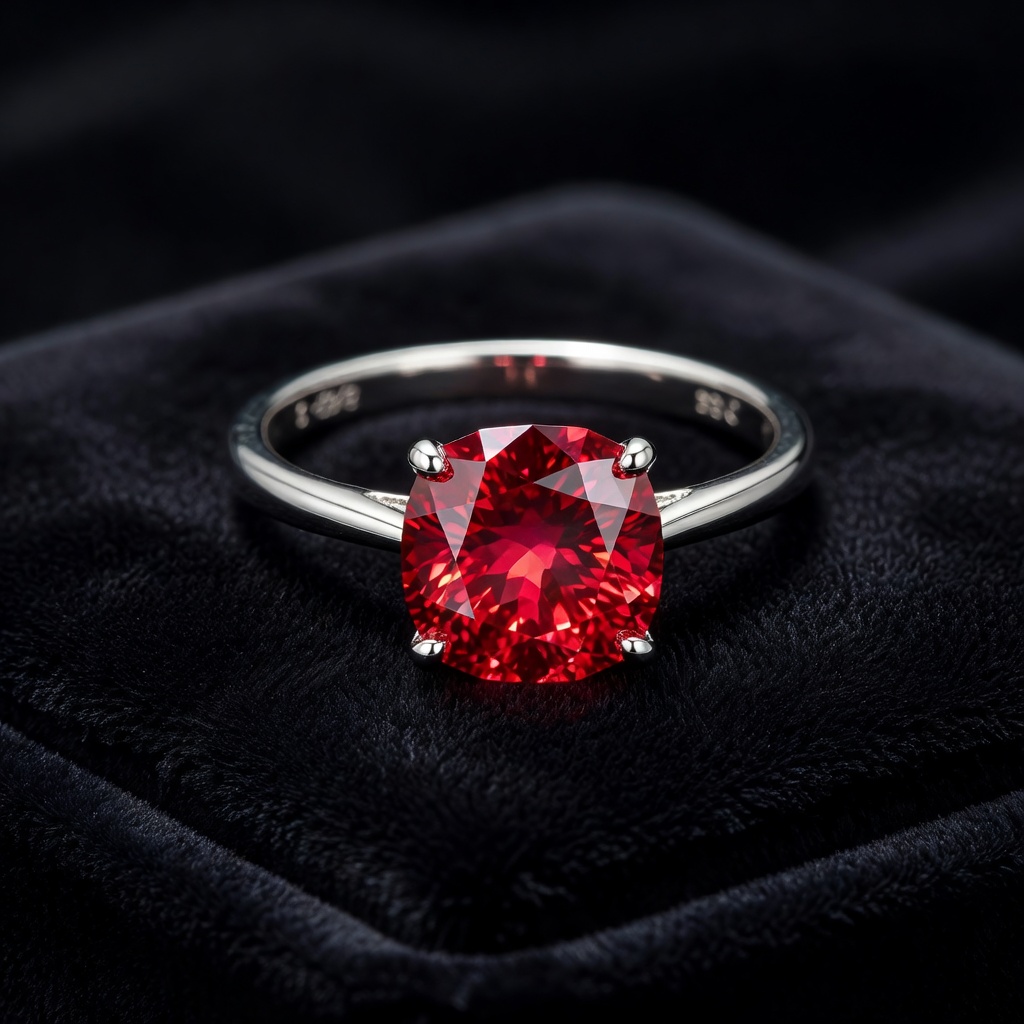
The practical application of rhodolite in fine jewelry design leverages its impressive rhodolite garnet hardness rating of 7 to 7.5, making it suitable for rings, pendants, earrings, and bracelets that withstand daily wear with proper care. Designers particularly favor this gemstone for engagement ring alternatives and statement pieces, as its durability resists scratching and abrasion better than softer stones like opal or pearl, though it requires protective settings to prevent chipping from hard impacts. The stone's excellent clarity and lack of cleavage planes allow cutters to create brilliant faceted designs without the risk of splitting during the cutting process, expanding the range of possible shapes from traditional rounds and ovals to more delicate marquise or pear cuts.
Resistance to daily wear makes rhodolite an excellent choice for jewelry intended for regular use, though designers often recommend bezel or halo settings for active wearers to provide additional protection for the stone's edges. Popular cutting styles emphasize the gem's depth of color, with cushion cuts and antique-inspired shapes particularly enhancing the stone's romantic appearance. Metal pairing recommendations typically include white gold or platinum to accentuate the purple tones, while rose gold settings create a harmonious monochromatic effect that emphasizes the stone's pink components. When selecting settings, jewelers must balance aesthetic preferences with practical protection, choosing v-prongs for pointed shapes while utilizing full bezels for cabochon cuts or specimens with slight inclusions near the surface. Understanding these durability characteristics ensures that rhodolite garnet hardness translates into generations of wearable beauty rather than vulnerability to damage.
Care, Cleaning, and Maintenance
Maintaining the brilliance of this pink garnet gemstone requires understanding proper care protocols that preserve both its surface luster and internal clarity over decades of ownership. Safe cleaning methods involve using warm water mixed with mild dish soap and a soft-bristled brush, gently scrubbing the stone to remove accumulated oils, lotions, and environmental debris without risking damage to the surface or setting. While rhodolite generally tolerates ultrasonic cleaning devices due to its lack of cleavage, owners should avoid this method if the stone contains visible fractures or liquid inclusions that might expand under vibration, opting instead for manual cleaning to ensure safety.
Storage recommendations emphasize keeping rhodolite jewelry separate from harder gemstones like diamonds, sapphires, or rubies that could scratch the garnet's surface during contact, ideally utilizing individual cloth pouches or compartmentalized jewelry boxes. Protection from harsh chemicals remains essential, as exposure to chlorine bleach, hydrofluoric acid, or abrasive cleaning powders can etch the surface or damage the setting, necessitating removal before swimming, cleaning, or applying beauty products. Extreme heat exposure should also be avoided, as sudden temperature changes can cause thermal shock in included stones. Professional inspection schedules should occur annually for frequently worn pieces, allowing jewelers to check for loose prongs, worn settings, or accumulated damage that might compromise the stone's security, ensuring that your rhodolite maintains its captivating appearance throughout years of enjoyment.
Buying Guide and Authentication
Navigating the marketplace for authentic rhodolite requires vigilance and knowledge of essential certification standards that protect consumers from misrepresented or treated stones. Essential certification and lab reports should originate from respected gemological laboratories such as GIA, AGS, or GRS, specifically requesting documentation that confirms natural origin, identifies any treatments, and verifies the stone's garnet variety as rhodolite rather than pyrope or almandine. Red flags indicating synthetic or treated stones include unnaturally perfect clarity in large specimens, prices significantly below market value for claimed quality grades, or vendors unable to provide specific origin information or laboratory documentation.
Questions to ask vendors before purchasing should address treatment history, sourcing ethics, return policies, and whether the stone has undergone any fracture filling or color enhancement that might affect long-term durability. Budget allocation strategies suggest allocating funds toward color quality over carat weight for maximum visual impact, as a smaller, vividly colored stone typically appears more impressive than a larger, muddy specimen. When considering rhodolite garnet value, collectors must decide between building a diverse collection featuring various cuts and origins versus investing in single statement pieces of exceptional quality, with many experts recommending a balanced approach that includes both investment-grade specimens and wearable jewelry pieces. Always examine stones under multiple lighting conditions before purchasing, as rhodolite's color can shift subtly between natural and artificial light, ensuring that your selection maintains its appeal across various environments and settings.
Frequently Asked Questions
What makes rhodolite garnet different from regular red garnet?
Rhodolite is a specific variety of garnet that contains a mixture of pyrope and almandine in approximately a 2:1 ratio, resulting in its distinctive pink to purple-red color rather than the deep red of traditional almandine garnets.
Is rhodolite garnet valuable and expensive?
Rhodolite garnet offers excellent value, typically ranging from $50 to $400 per carat depending on color intensity and clarity. Fine specimens with vivid raspberry coloring can command higher prices, though they remain more affordable than rubies or pink sapphires of similar appearance.
What is the hardness of rhodolite garnet on the Mohs scale?
Rhodolite garnet ranks 7 to 7.5 on the Mohs hardness scale, making it durable enough for everyday jewelry wear including rings and bracelets, though care should be taken to avoid hard impacts that could chip the stone.
Can rhodolite garnet be worn every day?
Yes, with a hardness of 7-7.5, rhodolite garnet is suitable for daily wear in all types of jewelry. However, like all gemstones, it should be removed during heavy physical activities, exposure to harsh chemicals, or extreme temperature changes to maintain its brilliance.
What colors does rhodolite garnet come in?
Rhodolite garnet displays colors ranging from light pinkish-red to deep purple-red, with the most prized stones showing a vivid raspberry or grape color. Unlike other garnets, rhodolite never appears brownish and typically lacks the orange undertones seen in pyrope garnets.
Where is rhodolite garnet mined?
Major sources include Tanzania, Madagascar, Sri Lanka, Brazil, and India, with North Carolina (USA) being the original discovery location. East African deposits currently produce the majority of fine quality material available on the market today.
Does rhodolite garnet have any healing or metaphysical properties?
Crystal healers associate rhodolite with emotional healing, compassion, and self-confidence. It is believed to stimulate the heart chakra, enhance creativity, promote passionate energy, and help heal emotional wounds related to love and relationships.
How do I clean and care for rhodolite garnet jewelry?
Clean rhodolite garnet using warm water, mild dish soap, and a soft brush. Avoid harsh chemicals and ultrasonic cleaners if the stone has fractures. Store separately from harder gemstones like diamonds or sapphires to prevent scratching, and remove before swimming or cleaning.