Introduction to Rhodolite Garnet Value
Rhodolite garnet represents one of the most coveted varieties in the garnet family, distinguished chemically as a hybrid intermediate between pyrope and almandine species with a characteristic rose-to-violet coloration. Unlike the common deep red almandine garnets found in abundance throughout the jewelry market, rhodolite exhibits a unique chemical composition typically containing magnesium-aluminum silicates in ratios that produce its signature raspberry and purple hues. This distinctive color profile has elevated rhodolite from a collector's curiosity to a mainstream favorite in fine jewelry design over the past three decades, particularly as consumers increasingly seek alternatives to traditional red gemstones.
The historical significance of rhodolite traces back to its discovery in North Carolina during the late nineteenth century, though modern commercial mining focuses primarily on Tanzania's Umba Valley and select Sri Lankan deposits. Victorian-era jewelry occasionally featured these pinkish gems, but the stone remained relatively obscure until the 1970s when Tanzanian mining operations revealed exceptional raspberry-colored crystals that transformed market perceptions. Today, this Rhodolite Garnet Price Guide reflects the gemstone's established position as a mid-to-high tier colored stone, positioned attractively between common red garnets and premium varieties like tsavorite or demantoid.
Price variability within the rhodolite market remains substantial, driven primarily by the broad spectrum of acceptable color ranges from pale rose pink to deep purplish-red. Stones exhibiting the ideal raspberry tone—neither too purple nor too orange—command significant premiums over material showing brownish or grayish secondary hues. When comparing rhodolite versus pyrope garnet prices, consumers should expect to pay approximately three to four times more per carat for fine rhodolite, reflecting both its superior aesthetic appeal and more limited geological availability. Understanding these valuation nuances becomes essential for both casual buyers seeking beautiful jewelry and serious collectors evaluating raspberry garnet value in the secondary market.
Current Market Prices Per Carat (2024)
The current garnet pricing landscape for rhodolite reflects a stratified market where quality indicators create dramatic value differentials across seemingly similar stones. Commercial quality material, typically featuring lighter saturation, visible inclusions, or inferior cutting, trades between twenty and eighty dollars per carat in wholesale channels. These entry-level stones often originate from high-volume Sri Lankan deposits or represent lower-grade Tanzanian material, providing accessible options for fashion jewelry and silver mountings. Retail consumers encountering rhodolite garnet value per carat below fifteen dollars should exercise caution, as such pricing frequently indicates glass imitations, synthetic corundum, or heavily treated stones lacking disclosure.
Fine quality rhodolite ranges between one hundred and four hundred dollars per carat, representing stones with vivid raspberry coloration, eye-clean clarity, and precision cutting that maximizes brilliance. Within this tier, color saturation becomes the primary price driver, with stones exhibiting the coveted pure pink-purple balance commanding the upper end of the range. Gemologists and appraisers note that current garnet prices in this category have increased approximately fifteen percent over the past five years, reflecting both inflationary pressures and diminishing yields from established Tanzanian mines. A two-carat oval brilliant rhodolite with excellent raspberry color and VS clarity might retail for six hundred dollars, while an equivalent stone with slightly grayish undertones could command only two hundred fifty dollars.
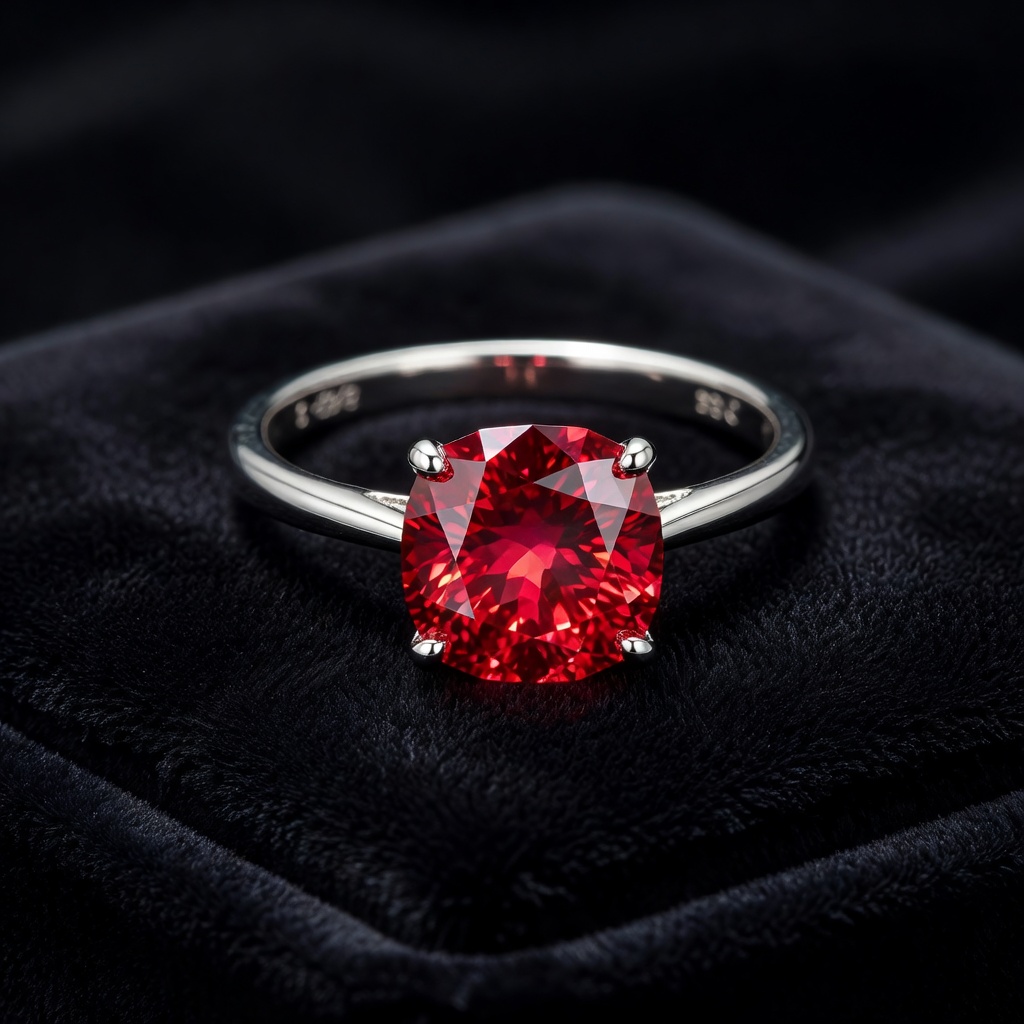
Premium specimens exceeding five carats with exceptional color and clarity regularly achieve five hundred dollars or more per carat, particularly when accompanied by reputable gemological certification. These collector-grade stones represent less than two percent of total production, creating genuine scarcity in the investment-grade market. Price differences between loose stones and mounted jewelry settings remain significant, with finished pieces typically incorporating forty to one hundred percent markups above loose stone values depending on metal type and designer provenance. A three-carat rhodolite set in a simple gold solitaire might retail for fifteen hundred dollars, while the identical loose stone purchased directly from a specialized dealer could cost eight hundred dollars, illustrating the importance of understanding market channels when assessing rhodolite garnet value per carat.
The 4Cs of Rhodolite Valuation
Color Dominance and Hue Premiums
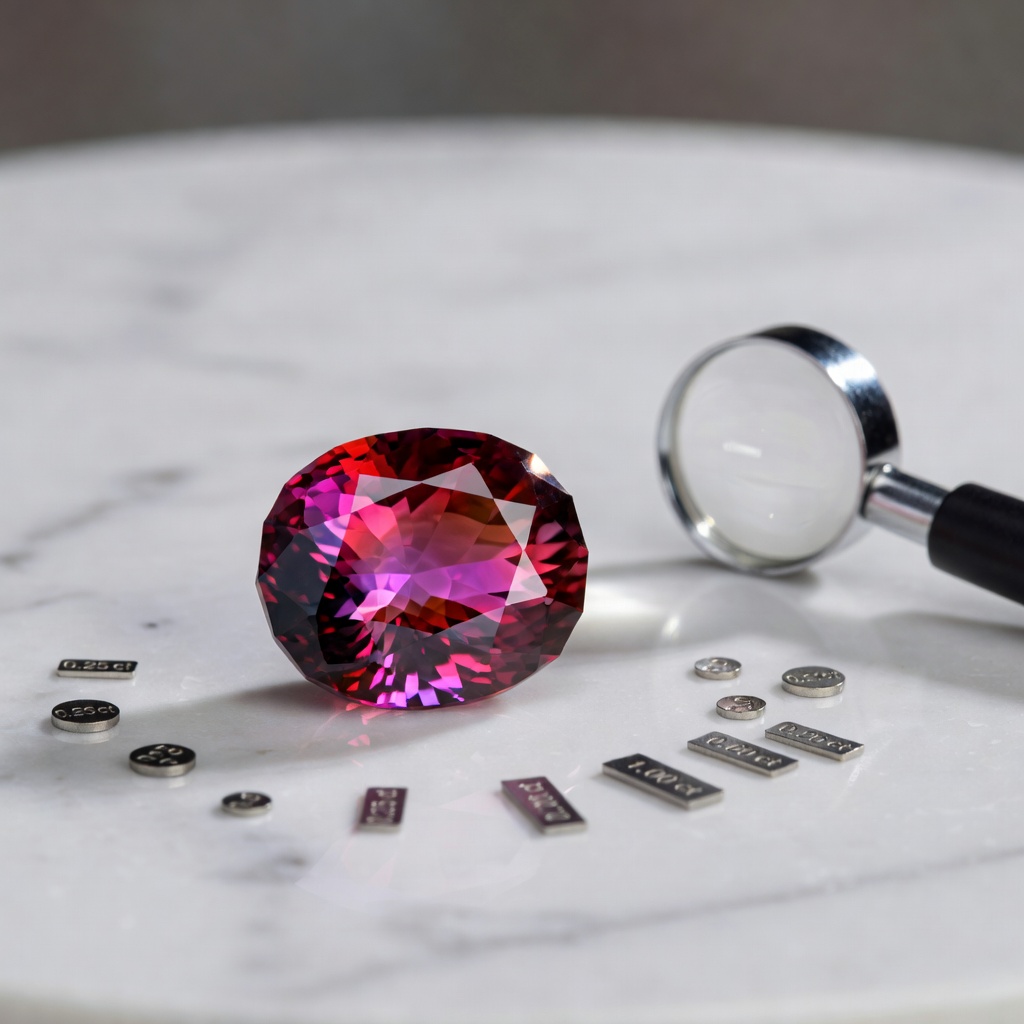
Among all gemstone pricing factors affecting rhodolite, color unquestionably reigns supreme in determining commercial value, accounting for approximately sixty percent of a stone's final price assessment. The ideal rhodolite exhibits a medium-dark tone with vivid saturation in the raspberry-red to purplish-pink range, avoiding the brownish or orangey secondary hues that plague lower-quality material. Professional gemologists evaluate color using standardized lighting conditions, noting that rhodolite quality grades separate dramatically based on whether the primary hue leans toward pure pink, purple, or the highly desirable intermediate raspberry shade. Stones achieving the perfect balance between red and purple components without darkening to the point of opacity command premiums of fifty to one hundred percent over similarly clarified stones with less desirable coloration.
Clarity Standards and Visual Purity
Clarity assessment in rhodolite follows standards similar to those applied to tourmaline or spinel, with eye-clean specimens representing the benchmark for fine quality. Most natural rhodolite contains characteristic needle-like inclusions or small crystal bodies, though these rarely affect durability when confined to the stone's interior. Eye-clean stones—those showing no visible inclusions to the unaided eye at six inches—command full market value, while included material suitable for cabochon cutting or bead production trades at seventy to eighty percent discounts. Heavily included transparent material may undergo fracture filling treatments, significantly impacting natural rhodolite garnet price premiums and requiring specific disclosure under jewelry industry ethics codes.
Cut Quality and Brilliance Optimization
The cutting quality profoundly influences how rhodolite interacts with light, affecting both aesthetic appeal and value retention in the secondary market. Unlike diamonds with standardized cut grades, colored gemstones including rhodolite receive subjective assessments based on symmetry, proportions, and polish quality. Precision-cut stones maximize the material's moderate refractive index (1.740-1.760) to produce optimal brilliance and scintillation, while native-cut or commercially mass-produced stones often exhibit windowing, extinction, or poor symmetry that reduces value by twenty to forty percent. Custom-cut rhodolite from renowned lapidaries such as Roger Dery or John Dyer can command additional premiums of thirty to fifty percent above standard commercial cutting due to exceptional optical performance and artistic faceting designs.
Carat Weight and Size Premiums
While rhodolite occurs in larger crystals than many rare gemstones, significant price escalations occur at specific carat thresholds, particularly above three carats where fine material becomes genuinely scarce. Standard commercial rhodolite frequently appears in one to two carat sizes, making stones exceeding five carats with fine color genuinely rare and highly sought after by collectors. The price curve demonstrates exponential rather than linear growth, meaning a five-carat fine rhodolite might cost five times more per carat than a one-carat stone of equivalent quality rather than simply five times the total price. This phenomenon reflects both the mathematical rarity of large clean crystals and increased demand from collectors seeking substantial center stones for statement jewelry pieces.
Color Grading and Price Tiers
Raspberry Red vs. Purplish Tones
The color spectrum within rhodolite creates distinct market tiers, with pure raspberry-red specimens representing the pinnacle of desirability and purple garnet prices reflecting secondary preference in most markets. Raspberry rhodolite displays a balanced mixture of red and purple components with minimal brown or gray modifiers, creating a vivid, electric appearance particularly flattering to various skin tones. Stones leaning heavily toward purple without sufficient red component trade at twenty to thirty percent discounts, though recent fashion trends have increased appreciation for plum-colored specimens among avant-garde jewelry designers. When evaluating pink garnet color value, buyers should observe stones under multiple lighting conditions, as some purplish rhodolites appear muddy or gray under incandescent illumination despite looking vibrant in daylight.
Saturation Levels and Value Multipliers
Saturation—the intensity or purity of color without dilution by gray or brown—serves as a critical differentiator in rhodolite valuation, creating value multipliers between three and four times for vivid versus light-toned material. Light, pastel pink rhodolite suitable for delicate jewelry designs typically commands modest prices between thirty and sixty dollars per carat, providing accessible entry points for younger consumers or those seeking subtle color accents. Conversely, stones exhibiting strong saturation with pure hue components achieve premium status, particularly when combined with medium-dark tones that prevent the "washed out" appearance associated with lighter material. Gemological laboratories may describe exceptional saturation using terms like "vivid" or "strong" on certificates, directly correlating with higher appraised values and stronger resale potential.
Tone Preferences and Light Performance
Tone—the relative lightness or darkness of color—requires careful balancing in rhodolite to maximize both face-up appearance and brilliance retention. Stones that are too light appear washed out and lack the depth associated with fine garnets, while overly dark stones suffer from light absorption that creates dead or "extinct" areas within the faceting pattern. The ideal tone value for rhodolite falls between sixty and seventy-five percent on the GIA tone scale, allowing sufficient light return while maintaining rich color perception. Medium-dark tones not only enhance the visual impact of the raspberry color but also mask minor inclusions that might otherwise require clarity deductions, effectively providing value protection for slightly included material.
Color Zoning and Uniformity Standards
Natural color zoning—variations in color intensity or hue across different areas of the crystal—presents significant challenges in rhodolite valuation, with uniformly colored stones commanding substantial premiums over zoned material. Skilled cutters orient rough crystals to minimize visible zoning in the face-up position, though some material exhibits such pronounced color banding that only small, deep pavilion cuts can achieve acceptable uniformity. Stones showing noticeable color patches or banding when viewed through the crown may trade at fifty to seventy percent discounts, though creative cutters sometimes utilize zoning for bi-color or parti-colored effects that appeal to niche collectors. When purchasing larger rhodolite specimens, buyers should examine the stone face-up, table-down, and through the side to detect any zoning that might affect long-term satisfaction or resale value.
Origin Impact on Cost and Desirability
Tanzanian Umba Valley Premium Sources
Tanzanian rhodolite value reaches its zenith in material extracted from the Umba Valley region, where geological conditions produce the intensely saturated raspberry colors most prized in international markets. The Umba Valley deposits, discovered in the 1970s and still producing limited quantities today, yield rhodolite with distinctive manganese and iron ratios that create pure pink-purple hues rarely replicated elsewhere. Stones from this locality typically command fifteen to twenty-five percent premiums over Sri Lankan material of equivalent quality, with documented Umba Valley provenance adding collector interest for investment-grade specimens. Mining operations in Tanzania face increasing regulatory complexity and sporadic production interruptions, creating supply constraints that support strong Tanzanian rhodolite prices in the wholesale market.
Sri Lankan and Secondary Deposits
Sri Lankan rhodolite deposits, primarily located in the alluvial gravels of Ratnapura and Elahera, typically produce lighter pink to rose-colored material with softer saturation than Tanzanian counterparts. While exceptional Sri Lankan stones occasionally match Umba Valley quality, the general production tends toward pastel shades suitable for delicate jewelry styles and spring-color fashion trends. These stones trade at moderate price points, generally falling within the commercial to lower-fine quality ranges, though they offer excellent value for consumers prioritizing size and clarity over intense color. Other minor deposits in Madagascar, Brazil, and India contribute small quantities to the market, though production volumes remain insufficient to significantly impact overall pricing structures or established origin premiums.
North American and Rare Localities
North Carolina's Cowee Valley holds historical significance as the type locality for rhodolite, named after the Greek "rhodon" meaning rose-like, though modern production remains extremely limited and primarily yields specimens under one carat. Stones from these historic American deposits carry particular appeal for domestic collectors and those interested in gemstone provenance, occasionally achieving premiums above Tanzanian material due to extreme rarity rather than superior quality. Other North American occurrences in Arizona and Canada produce sporadic crystals, though commercial mining has never achieved significant scale. The scarcity of documented North American rhodolite creates niche collecting opportunities, with well-documented specimens from defunct mines occasionally appearing at specialty auctions commanding prices disproportionate to their gemological characteristics.
Origin Documentation and Certification
Origin determination for rhodolite relies increasingly on advanced spectroscopic analysis and inclusion studies, as visual distinction between Tanzanian and Sri Lankan material challenges even experienced gemologists. Reputable laboratories including GIA, AGL, and Gubelin now offer origin reports for significant rhodolite specimens, documenting geographical source based on trace element chemistry and microscopic inclusion patterns. While origin certification adds cost—typically one hundred to three hundred dollars per stone—such documentation proves essential for investment-grade material over five carats or when premium pricing reflects specific locality claims. Buyers should verify that origin designations appear on recognized laboratory certificates rather than relying solely on dealer representations, particularly when Tanzanian rhodolite prices reflect claimed Umba Valley provenance.
Treatment Considerations and Pricing Impact
Common Enhancement Techniques
The rhodolite garnet market accepts certain treatments as standard practice while rejecting others, creating important distinctions in natural rhodolite garnet price differentials that informed consumers must understand. Heat treatment represents the most common enhancement, occasionally applied to lighten overly dark stones or improve clarity by reducing the visibility of certain inclusions, though rhodolite generally requires less thermal modification than rubies or sapphires. Fracture filling using glass or polymer resins occasionally appears in heavily included material, significantly compromising durability and value despite temporarily improving apparent clarity. Surface diffusion treatments remain rare in rhodolite due to chemical complexities, though the market occasionally encounters irradiated material artificially inducing purple colors that fade upon exposure to sunlight or heat.
Natural vs. Treated Value Differentials
Untreated natural rhodolite garnets consistently command twenty to forty percent premiums over heat-treated counterparts in the certified specimen market, reflecting collector preference for geological authenticity. This valuation gap widens significantly for investment-grade stones over three carats, where untreated status becomes a prerequisite for serious collector interest and institutional acquisition. The treated vs untreated garnet price disparity remains particularly pronounced in raspberry-colored material, as natural vivid saturation indicates exceptional geological formation conditions rather than artificial enhancement. Commercial jewelry chains typically stock heat-treated material without disclosure, as the treatment remains permanent and stable for jewelry use, though such stones carry diminished resale value compared to certified natural specimens.
Certification and Disclosure Requirements
Professional gemological certification from GIA, AGS, or AGL provides essential verification of treatment status, with major laboratories explicitly stating "no indications of heating" or "heated" on their reports. The Federal Trade Commission mandates disclosure of treatments affecting durability, such as fracture filling, while heat treatment disclosure remains ethically required by organizations like the American Gem Trade Association even when not legally mandated. Consumers should expect to pay premiums of fifty to one hundred fifty dollars for certification on stones under three carats, with costs scaling upward for larger specimens requiring detailed analysis. When evaluating natural rhodolite garnet price quotes, buyers should verify that untreated claims appear on reputable laboratory documentation rather than relying solely on verbal assurances or seller guarantees.
Professional Detection Methods
Detecting treatments in rhodolite requires specialized equipment including spectrometers, microscopes, and advanced imaging systems available only to professional gemologists and major laboratories. Heat-treated stones may show melted crystal inclusions, altered tension cracks, or subtle changes in absorption spectra detectable through spectroscopic analysis, though these indicators often prove invisible to consumers. Fracture-filled stones display characteristic flash effects—iridescent reflections within filled cavities—visible under magnification with darkfield illumination. Consumers seeking untreated material should purchase only from dealers providing third-party certification, particularly for significant investments, and should be wary of prices suggesting fine quality untreated material when market rates for such stones run significantly higher.
Buying Strategies: Retail vs. Wholesale Markets
Online Marketplaces and Risk Mitigation
Online platforms offer significant advantages for those seeking to buy rhodolite garnet at competitive prices, though successful purchases require careful vendor vetting and risk mitigation strategies. Established colored stone dealers with physical showrooms and GIA-certified gemologists on staff typically offer prices thirty to fifty percent below brick-and-mortar retail while providing return policies essential for evaluating color under personal lighting conditions. Auction sites and peer-to-peer marketplaces present opportunities for bargains but carry substantial risks of misrepresentation, particularly regarding treatment status and synthetic or simulant substitution. When purchasing online, buyers should prioritize vendors offering thirty-day return windows, detailed photographs under multiple lighting conditions, and independent laboratory reports for stones exceeding five hundred dollars in value.
Brick-and-Mortar Pricing Realities
Traditional jewelry stores and mall retailers typically apply markup structures of forty to one hundred percent above wholesale costs, reflecting overhead expenses including inventory carrying costs, staff training, and physical premises maintenance. While these higher prices may seem prohibitive compared to wholesale garnet prices, brick-and-mortar purchases offer immediate physical examination, professional setting services, and established warranty programs that provide value for many consumers. National jewelry chains often stock rhodolite in standardized mountings with limited size ranges, typically offering stones between half a carat and two carats in commercial quality ranges. Independent jewelers may provide better value for fine quality rhodolite, particularly those specializing in colored gemstones rather than diamonds, though consumers should expect to pay premiums of sixty to eighty percent above online specialized dealers for equivalent material.
Auction Markets for Investment Grade
Major auction houses including Christie's, Sotheby's, and Bonhams occasionally feature exceptional rhodolite specimens over ten carats with outstanding color and provenance, creating unique acquisition opportunities for serious collectors. These venues provide access to stones rarely available through commercial channels, including historic pieces from famous mines or specimens with distinguished ownership histories. However, auction purchases require careful due diligence regarding reserve prices, buyer's premiums (typically twenty to twenty-five percent), and the potential for emotional bidding to exceed rational market values. Pre-auction estimates often reflect conservative valuations, though hammer prices for exceptional untreated Tanzanian rhodolite occasionally surprise market observers, particularly when competing collectors recognize rare quality characteristics.
Identifying Red Flags and Simulants
Unrealistically low prices represent the most significant red flag when evaluating rhodolite purchases, with offers below fifteen dollars per carat for apparent "fine quality" material almost certainly indicating glass imitations, synthetic corundum, or heavily treated stones lacking proper disclosure. Common simulants include glass filled with swirl marks or bubbles, synthetic cubic zirconia with excessive fire and dispersion, and dyed quartz or chalcedony lacking rhodolite's characteristic refractive index and specific gravity. Reputable dealers provide detailed specifications including refractive index readings, specific gravity measurements, and magnification photomicrographs showing natural inclusion patterns. When wholesale garnet prices seem too good to be true, consumers should request independent verification or walk away, as the colored gemstone market offers few genuine "bargains" among knowledgeable professional dealers.
Investment Potential and Market Trends
Comparative Stability in Colored Gemstones
Rhodolite garnet investment potential compares favorably to other mid-tier colored gemstones like pink tourmaline or spinel, offering moderate appreciation potential with lower volatility than speculative markets for newly discovered gem varieties. Unlike diamonds with controlled supply chains or emeralds with established historical premiums, rhodolite occupies a stable middle market position where quality improvements directly correlate with value retention. Fine untreated stones have demonstrated consistent annual appreciation rates of three to seven percent over the past two decades, outpacing inflation while avoiding the speculative bubbles occasionally affecting sapphire or ruby markets. When evaluating rhodolite garnet investment prospects, collectors should prioritize untreated specimens over three carats with documented Tanzanian origin, as these characteristics provide the strongest historical performance in secondary markets.
Supply Constraints and Future Projections
Geological limitations on rhodolite production, particularly from the diminishing Umba Valley deposits, suggest continued supply constraints supporting long-term value appreciation for fine material. Tanzanian mining operations face increasing depth requirements and regulatory complications, while alternative sources fail to replicate the coveted raspberry colors that drive premium pricing. Gemstone market trends indicate growing consumer preference for untreated, ethically sourced colored stones, positioning high-quality natural rhodolite advantageously against heavily treated or synthetically produced alternatives. Industry analysts project continued price increases of five to eight percent annually for fine untreated rhodolite over five carats, though commercial quality material may see more modest growth due to sustained production from secondary deposits.
Collector Demand Evolution
Contemporary collector preferences increasingly favor large-caliber untreated stones with exceptional color, shifting away from the smaller, commercial-grade material that dominated markets in previous decades. This evolution particularly benefits owners of fine Tanzanian rhodolite over three carats, as institutional and private collectors compete for increasingly scarce investment-grade specimens. The rise of gender-neutral jewelry design has expanded demand for purple-pink rhodolite beyond traditional feminine markets, creating new collector demographics interested in bold, distinctive center stones. Documentation of ethical mining practices and fair-trade certifications increasingly influences purchasing decisions among millennial and Generation Z collectors, potentially creating premiums for stones with verified responsible sourcing.
Resale Liquidity Considerations
Liquidity factors significantly impact rhodolite garnet investment strategies, as the secondary market for colored gemstones lacks the immediate convertibility of gold or blue-chip stocks. Fine untreated stones with laboratory certification from recognized dealers generally resell within thirty to ninety days at seventy to eighty percent of retail replacement value through specialized dealers or auction platforms. Commercial quality material or stones lacking certification face significantly reduced liquidity, often requiring consignment periods of six months or longer and achieving only forty to fifty percent of original purchase prices. Investors should view rhodolite as a long-term tangible asset requiring five to ten year holding periods for optimal appreciation rather than a short-term trading vehicle.
Care and Maintenance to Preserve Value
Durability Factors and Vulnerabilities
Rhodolite garnet care requires understanding the stone's physical properties, including hardness of 6.5 to 7.5 on the Mohs scale and sensitivity to thermal shock that distinguishes it from more durable sapphire or diamond jewelry. While sufficiently hard for daily wear in protective settings, rhodolite's brittle tenacity makes it susceptible to chipping along the girdle edges or cleavage planes when subjected to sharp impacts against hard surfaces. Thermal shock represents a particular vulnerability, as rapid temperature changes from steam cleaning, hot water exposure, or jeweler's torches can cause internal fracturing or surface cracking. Professional jewelers should always remove rhodolite stones before sizing or repairing rings, as the heat from soldering operations can permanently damage even high-quality specimens.
Professional Cleaning Protocols
Maintaining optimal brilliance requires appropriate cleaning methods that respect rhodolite's sensitivity while removing accumulated oils and debris from wear. Ultrasonic cleaning presents risks for included stones, as vibration can exacerbate existing fractures or loosen stones from their settings, though eye-clean material generally tolerates brief ultrasonic exposure when properly secured. Steam cleaning remains contraindicated due to thermal shock risks, particularly for stones with existing feather inclusions or those previously treated with fracture filling. Professional jewelers specializing in colored gemstones typically recommend gentle steam-free cleaning using ammonia-free solutions, soft brushes, and lint-free cloths for routine maintenance of valuable rhodolite pieces.
Storage and Protection Strategies
Proper storage prevents contact with harder gemstones that could scratch rhodolite's surface, potentially reducing clarity grades and diminishing market value. Individual soft pouches or compartmentalized jewelry boxes prevent rhodolite rings from contacting diamonds, sapphires, or rubies that would scratch the garnet's surface during drawer movement. Travel requires particular attention, as rhodolite earrings or pendants stored loose in luggage risk impact damage against metal objects or harder gemstones; dedicated travel cases with padded individual compartments provide essential protection. When storing rhodolite for extended periods, avoid exposure to direct sunlight in hot environments, as prolonged heat exposure can potentially affect color stability in some treated specimens.
Insurance and Appraisal Documentation
Maintaining current appraisals proves essential for insurance coverage and estate planning, particularly as rhodolite garnet value appreciation may render original purchase documents inadequate for replacement purposes. Professional appraisals should occur every three to five years for significant pieces, with updated documentation reflecting current market conditions and any changes in treatment disclosure standards. Insurance riders for colored gemstone jewelry require detailed descriptions including carat weight, dimensions, color grade, clarity characteristics, and treatment status as documented by reputable laboratories. Photographic documentation under standardized lighting conditions assists in recovery efforts should theft occur, while also providing provenance documentation that enhances resale value for investment-grade specimens.
Frequently Asked Questions About Rhodolite Garnet Pricing
How much does rhodolite garnet cost per carat?
Rhodolite garnet typically ranges from $20 to $400 per carat depending on quality. Commercial-grade stones with lighter color or visible inclusions cost $20-$80 per carat, while fine-quality specimens with vivid raspberry color and excellent clarity command $100-$400 per carat. Exceptional large stones exceeding 5 carats can reach $500+ per carat.
Is rhodolite garnet expensive compared to other garnet varieties?
Rhodolite sits in the mid-to-high range of garnet pricing. It is generally more expensive than common red almandine or pyrope garnets ($10-$50 per carat) but typically less costly than rare demantoid or tsavorite garnets ($500-$3,000+ per carat). Its price reflects its desirable pink-purple coloration and relative rarity compared to standard red garnets.
What color of rhodolite is most valuable?
The most valuable rhodolite color is a vivid raspberry-red to purplish-pink with medium-dark tone and strong saturation. Stones exhibiting pure pink hues without brown or orange secondary tones command the highest prices. The coveted 'raspberry' color—balanced between red and purple—typically brings 30-50% premiums over lighter pink or darker purple specimens.
Are treated rhodolite garnets worth less than natural ones?
Yes, untreated natural rhodolite garnets typically command 20-40% higher prices than treated stones, particularly in the collector market. While heat treatment is common and acceptable in commercial jewelry, untreated specimens with certification from GIA or AGL carry significant premiums. Fracture-filled or dyed stones should be avoided as they have minimal long-term value.
How can I tell if a rhodolite garnet is real or a simulant?
Authentic rhodolite garnets display specific gravity of 3.84-3.87 and refractive index of 1.740-1.760. Look for natural inclusions under magnification, as glass imitations appear too perfect. Professional gemological testing using refractometers or spectrometers provides definitive identification. Purchase only from reputable dealers providing certification for stones over $500.
Is rhodolite garnet a good investment for collectors?
Rhodolite offers moderate investment potential, particularly for high-quality untreated stones over 3 carats with exceptional color. While not appreciating as rapidly as rare sapphires or emeralds, fine rhodolite maintains stable value due to limited Tanzanian supply and growing demand for pink gemstones. Focus on certified, vividly colored specimens for optimal investment retention.
Where is the best place to buy rhodolite garnet for fair pricing?
The best sources include established online gemstone dealers specializing in colored stones, Tucson or Bangkok gem shows for wholesale pricing, and reputable local jewelers with GIA-certified gemologists. Avoid tourist traps and unverified online auctions. Expect to pay 40-60% less than retail mall prices when purchasing loose stones from specialized dealers with return policies.
Does rhodolite garnet require special care to maintain its value?
Rhodolite requires standard gemstone care due to its 6.5-7.5 Mohs hardness. Avoid ultrasonic cleaners if the stone has inclusions, and protect from sharp impacts that could chip the girdle. Clean with mild soap and warm water using a soft brush. Store separately from harder gems like diamonds or sapphires to prevent scratching, and have valuable pieces appraised every 3-5 years.