Understanding Rhodolite Garnet Properties and Durability
Rhodolite garnet represents one of the most coveted varieties in the garnet family, distinguished by its remarkable raspberry-red to purple-pink coloration that captures light with exceptional brilliance and fire. As a hybrid gemstone combining pyrope and almandine garnet species, rhodolite inherits superior optical properties while maintaining robust physical characteristics suitable for various jewelry applications. When considering Rhodolite Garnet Care and Cleaning, understanding these fundamental properties establishes the foundation for proper maintenance protocols that preserve both beauty and structural integrity.
On the Mohs scale garnet durability ranges significantly by variety, with rhodolite specifically ranking between 7 and 7.5, positioning it above quartz and making it appropriate for daily wear rings, pendants, and earrings. This hardness level provides substantial resistance to scratching from everyday encounters with dust and household surfaces, though it remains vulnerable to damage from harder gemstones such as diamonds, rubies, and sapphires. The absence of cleavage planes in rhodolite's isometric crystal structure further enhances its toughness, reducing the likelihood of splitting or cracking under normal pressure compared to stones with perfect cleavage like topaz or diamond.
The gemstone's distinct color saturation requires specific attention to environmental factors, as prolonged exposure to intense sunlight or high heat sources can potentially affect the stability of its rich hues over extended periods. Unlike some treated gemstones, natural rhodolite typically maintains excellent color stability, though fracture-filled or heated specimens may exhibit different care requirements. When selecting rhodolite for engagement rings or daily wear pieces, prioritize stones with minimal visible inclusions, as these natural characteristics can create weak points requiring gentler handling during cleaning and wear.
Daily Wear Precautions and Maintenance Guidelines
Implementing consistent Garnet gemstone maintenance routines begins with mindful removal practices before engaging in activities that expose the stone to physical stress or chemical contact. Always remove rhodolite jewelry before participating in sports, heavy lifting, gardening, or household chores where the stone might strike hard surfaces or experience torsional pressure against metal settings. Consider establishing a designated dish or tray near your kitchen sink and bathroom vanity specifically for temporary jewelry placement, creating a habitual reminder to remove pieces before washing dishes, applying cosmetics, or engaging in manual tasks.
Direct impact against granite countertops, metal door handles, or concrete surfaces poses the greatest risk for chipping rhodolite's facet junctions or girdle edges, even with its respectable hardness rating. During a recent case study involving a vintage rhodolite cocktail ring from the 1950s, gemologists observed significant facet abrasion after decades of wear where the owner frequently rested her hands on marble bar counters, demonstrating how cumulative micro-impacts gradually dull a stone's brilliance. To prevent similar damage, adopt the habit of rotating rings palm-inward when navigating crowded spaces or leaning against hard surfaces.
Weekly inspection of prongs and settings represents a critical yet often overlooked aspect of Rhodolite garnet hardness management, as secure mounting prevents loss and protects the stone from torque damage. Using a jeweler's loupe or strong magnifying glass, examine each prong for signs of bending, thinning, or lifting away from the stone's girdle, paying particular attention to the corners where prongs typically experience maximum stress. If you detect any movement when gently tapping the stone near your ear, or if the setting catches on clothing fibers more frequently than usual, discontinue wear immediately and consult a professional jeweler for tightening or retipping services.
Safe Home Cleaning Methods and Solutions
Mastering How to clean rhodolite garnet effectively at home requires minimal supplies yet yields professional-quality results when performed with proper technique and patience. Prepare a cleaning solution using warm—not hot—water mixed with a few drops of mild dish soap, avoiding detergents with moisturizers or antibacterial agents that may leave filmy residues on the stone's surface. Submerge the jewelry piece for approximately fifteen minutes to loosen accumulated oils, skin cells, and environmental debris, particularly focusing on the pavilion and culet area where dirt typically congregates and significantly reduces light return.
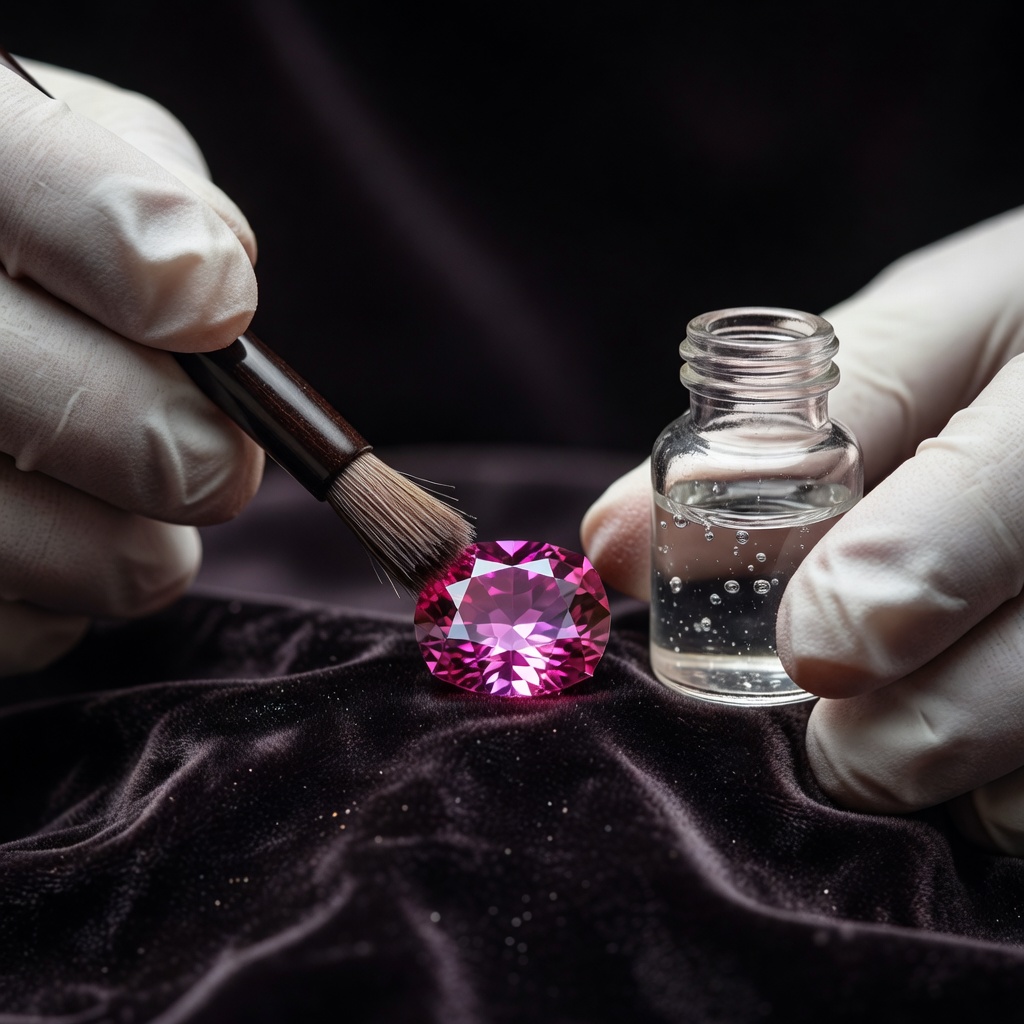
Utilize a soft-bristled toothbrush, preferably one designed specifically for jewelry with extra-fine bristles, to gently scrub the rhodolite's surface and the intricate areas beneath the stone where the setting meets the gem. Work in circular motions around the crown facets and carefully angle the brush to reach the pavilion through any open gallery work, taking care not to apply excessive pressure that might loosen the stone or scratch the metal setting. For antique pieces with worn prongs or intricate filigree, consider using a cosmetic brush or camel-hair artist's brush instead of toothbrushes to minimize mechanical stress on delicate components.
Rinsing requires thorough attention to detail, as soap residue left in hard-to-reach setting areas will attract future dirt and create a cloudy appearance that masks the rhodolite's natural brilliance. Hold the piece under a gentle stream of lukewarm running water, rotating it to ensure all soap flushes away from the back of the stone and from between prongs, using a tea strainer if necessary to prevent accidental loss down the drain. Immediately pat the jewelry dry using a lint-free microfiber cloth, followed by air-drying on a clean paper towel for thirty minutes before storage, ensuring no moisture remains trapped in the setting that could promote tarnish or metal corrosion.
Professional Cleaning Services and Inspection Protocols
While home maintenance forms the backbone of Rhodolite Garnet Care and Cleaning, annual professional interventions address issues beyond the scope of consumer-grade products and techniques. Certified jewelers possess high-pressure steam cleaners and ultrasonic baths calibrated specifically for gemstone safety, along with specialized polishing compounds that restore metal luster without abrading the rhodolite's surface. Schedule these comprehensive inspections every twelve months, or every six months for engagement rings and daily wear pieces, creating a calendar reminder to ensure consistency in your maintenance schedule.
Steam cleaning presents an effective restoration method for untreated rhodolite, utilizing high-temperature vapor to dissolve stubborn residues in microscopic surface pores and setting crevices that home cleaning cannot reach. However, this procedure demands professional temperature control and immediate drying, as rapid temperature fluctuations can induce thermal shock in stones with existing fractures or inclusions. During one documented restoration case, a jewelry technician successfully revived a heavily included rhodolite pendant by combining controlled steam cleaning with subsequent polishing, restoring 40% more brilliance than home methods achieved, though the process required careful monitoring of the stone's internal stress points.
Professional services extend beyond cleaning to include essential structural maintenance such as prong re-tipping, shank reinforcement, and setting tightening that secure the stone against future loss. Request that your jeweler examine the rhodolite for surface abrasions requiring re-polishing, a process involving gentle grinding with diamond-impregnated laps to remove microscopic scratches that accumulate over years of wear. Maintain detailed receipts from these visits, noting any observations about stone stability or recommended repairs, as these records support insurance claims and help track the gemstone's condition history over time.
Chemicals and Environmental Hazards to Avoid
Protecting rhodolite from chemical exposure represents a critical dimension of Garnet gemstone maintenance, as common household substances can etch, discolor, or destabilize both the gemstone and its mounting. Never expose rhodolite to hydrofluoric acid, which aggressively attacks silicate minerals and can permanently pit the stone's surface, or abrasive cleaning powders containing pumice or silica that scratch facets and reduce polish quality. Even brief contact with chlorine bleach, ammonia-based window cleaners, or hair spray containing alcohol can dull the stone's luster and weaken gold or platinum prongs through chemical reaction.
Swimming pools and hot tubs present particularly hazardous environments due to concentrated chlorine and bromine levels combined with temperature fluctuations that stress metal settings. One unfortunate incident involved a rhodolite anniversary ring that sustained permanent surface etching after the owner wore it during a spa day, where the combination of chlorinated water and high heat caused microscopic pitting across the table facet. Always remove rhodolite jewelry before applying sunscreen, perfume, or hairspray, allowing these products to dry completely on your skin before reinserting earrings or rings, as the alcohols and oils in cosmetics create tenacious films that require professional cleaning to remove entirely.
Extreme heat sources including stovetops, welding equipment, and saunas pose additional risks through thermal shock, which occurs when rapid temperature changes cause differential expansion between the gemstone and its metal setting. Sudden exposure to freezing temperatures followed by warm environments can also stress inclusions within the stone, potentially expanding existing feathers or fractures. When cooking or baking, remove rings to prevent exposure to oven heat and accidental impacts with cast iron cookware or ceramic dishes, storing them in a designated container away from the kitchen's variable temperatures and humidity levels.
Proper Storage Techniques for Longevity
Implementing strategic Rhodolite jewelry storage protocols prevents preventable damage during periods of non-wear, preserving both the gemstone's surface and the integrity of its setting. Always store rhodolite pieces separately from harder gemstones, particularly diamonds, rubies, sapphires, and moissanite, which will scratch rhodolite's surface if jostled together in a jewelry box or travel case. Invest in individual soft cloth pouches made from microfiber or anti-tarnish fabric, or utilize a jewelry box with fabric-lined compartments and padded dividers that prevent contact between pieces while allowing air circulation to prevent moisture accumulation.
For extensive collections, organize storage by hardness levels, keeping rhodolite garnet (7-7.5 Mohs) in compartments separate from both harder stones above 8 Mohs and softer stones below 6 Mohs that rhodolite itself might scratch. Consider adding silica gel packets to storage containers in humid climates, replacing them quarterly to prevent moisture-induced tarnishing of silver settings or oxidation of gold alloys that could stain the stone. When traveling, utilize hard-sided jewelry cases with foam inserts rather than soft rolls, as the rigid protection prevents crushing damage if luggage experiences impact during transit.
Light exposure management plays a subtle yet significant role in long-term color preservation, as prolonged direct sunlight through windows can theoretically affect certain garnet varieties over decades of exposure. Store rhodolite jewelry in drawers or opaque boxes rather than glass-topped displays that receive daily sun exposure, particularly for investment pieces or heirloom jewelry intended for generational transfer. For pieces worn infrequently, such as formal earrings or statement necklaces, consider storing them in acid-free tissue paper within sealed plastic bags to minimize oxidation of metal components while maintaining stable humidity levels.
Recognizing Signs of Damage and Wear
Developing observational skills for early damage detection enables timely intervention before minor issues escalate into catastrophic stone loss or irreparable fractures. Regularly examine your rhodolite under bright, diffused lighting for surface abrasions appearing as white streaks or dull patches on facet junctions, chips along the girdle edge, or pitting on the table that indicates exposure to harsh chemicals or hard impacts. Hold the stone at various angles to inspect the pavilion for "frozen" dirt or damage, as this lower portion experiences maximum contact with surfaces during wear and frequently shows the first signs of mechanical wear.
Auditory and tactile checks provide additional diagnostic tools for assessing setting integrity, particularly for rings subjected to daily mechanical stress. Gently tap the rhodolite near your ear, listening for rattling sounds that indicate a loose stone within its mounting, or run a fingernail gently across the stone's surface to feel for movement that shouldn't exist in a secure setting. In one diagnostic example, a wearer detected a faint clicking sound when twisting her ring, prompting immediate jeweler consultation that revealed a bent prong requiring only minor repair rather than the complete stone replacement that would have resulted from continued wear.
Monitor the stone's optical performance as an indicator of both surface condition and internal integrity, noting any persistent cloudiness, loss of brilliance, or changes in color saturation that don't resolve with thorough cleaning. While accumulated dirt typically causes temporary dullness, permanent cloudiness may indicate subsurface damage, internal fracture propagation, or deterioration of fracture-filling treatments in enhanced stones. If the rhodolite appears significantly darker or exhibits a "sleepy" appearance with reduced fire compared to purchase condition, consult a gemologist to evaluate potential internal damage or necessary repolishing services.
Ultrasonic and Steam Cleaning Considerations
Understanding Ultrasonic cleaning safety protocols proves essential for rhodolite owners seeking professional-grade cleanliness without compromising stone integrity. Untreated, natural rhodolite generally tolerates ultrasonic cleaning well due to its 7-7.5 Mohs hardness and lack of cleavage, allowing high-frequency sound waves to dislodge debris from intricate settings effectively. However, this method remains absolutely contraindicated for rhodolite exhibiting surface-reaching fractures, significant inclusions, or fracture-filling treatments such as glass or resin injection designed to improve apparent clarity.
The vibrations generated by ultrasonic cleaners can expand existing feathers or inclusions into active fractures, potentially causing catastrophic breakage in stones with internal stress points or previous damage. Always disclose any known treatments or observed inclusions to your jeweler before consenting to ultrasonic cleaning, and request alternative steam or manual cleaning methods if the stone's treatment history remains uncertain. When purchasing vintage or antique rhodolite jewelry, assume the stone may contain untreated inclusions or age-related stress fractures, opting for gentle hand cleaning until a gemologist can verify structural integrity.
For routine maintenance between professional services, prioritize gentle hand cleaning over mechanical methods, as the marginal cleanliness advantage of ultrasonic treatment rarely justifies the risk for jewelry worn regularly. If you own multiple rhodolite pieces, establish a cleaning hierarchy where untreated, inclusion-free specimens receive ultrasonic treatment while those with visible feathers or unknown histories receive manual care. This conservative approach aligns with best practices for Rhodolite garnet hardness management, acknowledging that while the material itself resists scratching, internal characteristics may create vulnerabilities that hardness ratings alone cannot predict.
Long-term Preservation and Value Maintenance
Establishing systematic documentation and care schedules ensures your rhodolite jewelry maintains both sentimental and monetary value across decades of ownership. Maintain detailed records including original purchase receipts, gemological certificates noting treatments or enhancements, and dates of professional cleanings and appraisals, storing these documents separately from the jewelry itself in a fireproof safe or secure digital archive. Update insurance appraisals every two to three years, as rhodolite market values fluctuate based on mining yields and color trend preferences, ensuring coverage reflects replacement costs rather than outdated purchase prices.
Develop a personalized maintenance calendar integrating weekly home inspections, bi-weekly gentle cleanings for daily wear pieces, and annual professional services that include both cleaning and structural assessment. Photograph your rhodolite jewelry annually under consistent lighting conditions to create a visual record of condition changes, prong wear progression, or stone movement that might indicate setting loosening. For investment-grade specimens exceeding five carats or displaying exceptional color, consider periodic consultation with a certified gemologist every three to five years to assess any market-relevant changes in treatment disclosure requirements or valuation standards.
Educate family members or heirs regarding proper How to clean rhodolite garnet techniques and storage requirements if pieces represent heirlooms intended for generational transfer, preventing well-intentioned but damaging cleaning attempts using improper methods. Consider establishing a "jewelry care kit" containing designated brushes, microfiber cloths, and mild soap specifically for your rhodolite collection, storing it conveniently to encourage regular maintenance rather than procrastination. By treating Rhodolite Garnet Care and Cleaning as an ongoing relationship rather than a reactive response to visible dirt, you preserve not only the stone's physical beauty but also its historical and emotional significance for future generations.
Frequently Asked Questions About Rhodolite Garnet Maintenance
Can I use an ultrasonic cleaner on my rhodolite garnet jewelry?
Untreated rhodolite garnet can generally withstand ultrasonic cleaning due to its 7-7.5 Mohs hardness and lack of cleavage planes. However, if your stone has fractures, inclusions, or has been fracture-filled, ultrasonic vibrations may cause damage. Always consult a professional jeweler if you're uncertain about treatments your stone may have received.
How often should I clean my rhodolite garnet ring?
For rings worn daily, clean your rhodolite garnet at home every two weeks using mild soap and warm water to remove skin oils and debris. Schedule professional cleaning and inspection every 6-12 months to check settings and restore optimal brilliance. Pieces worn occasionally may only need monthly home cleaning.
Is rhodolite garnet safe for everyday wear?
Yes, rhodolite garnet is durable enough for everyday wear with a hardness of 7-7.5 on the Mohs scale. However, you should remove it during activities involving hard impacts, harsh chemicals, or extreme temperature changes. While resistant to scratching from daily activities, it can chip if struck against hard surfaces.
What is the hardness of rhodolite garnet on the Mohs scale?
Rhodolite garnet typically ranks between 7 and 7.5 on the Mohs hardness scale. This makes it harder than quartz and suitable for jewelry that withstands daily wear, though it can still be scratched by harder gemstones like diamonds (10), rubies (9), and sapphires (9).
Can I use steam cleaning on rhodolite garnet?
Steam cleaning is generally safe for natural, untreated rhodolite garnet when performed by a professional jeweler who can control temperature and pressure. However, steam is not recommended for rhodolite that has been fracture-filled or treated, as the heat and pressure may damage treatments or exacerbate existing inclusions.
What household chemicals should I avoid with rhodolite garnet?
Avoid exposing rhodolite garnet to bleach, ammonia, chlorine (swimming pools), hydrofluoric acid, and abrasive cleaning powders. These chemicals can etch the surface, dull the polish, or damage the setting. Always remove rhodolite jewelry before cleaning with household chemicals or swimming in chlorinated water.
How should I store rhodolite garnet when not wearing it?
Store rhodolite garnet separately from harder gemstones to prevent scratching. Use individual soft cloth pouches, fabric-lined jewelry boxes, or compartments. Avoid tossing it into a jewelry box where it can contact diamonds or sapphires. Store away from direct sunlight and extreme temperatures to preserve color and integrity.
Why has my rhodolite garnet lost its sparkle?
Loss of sparkle usually results from accumulated dirt, oils, and soap residue on the back of the stone or facet junctions. This is common in rings worn daily. A thorough cleaning with warm soapy water and a soft brush typically restores brilliance. If sparkle doesn't return after cleaning, the stone may have surface abrasions requiring professional re-polishing.