What Is Rhodolite Garnet? Understanding the Basics
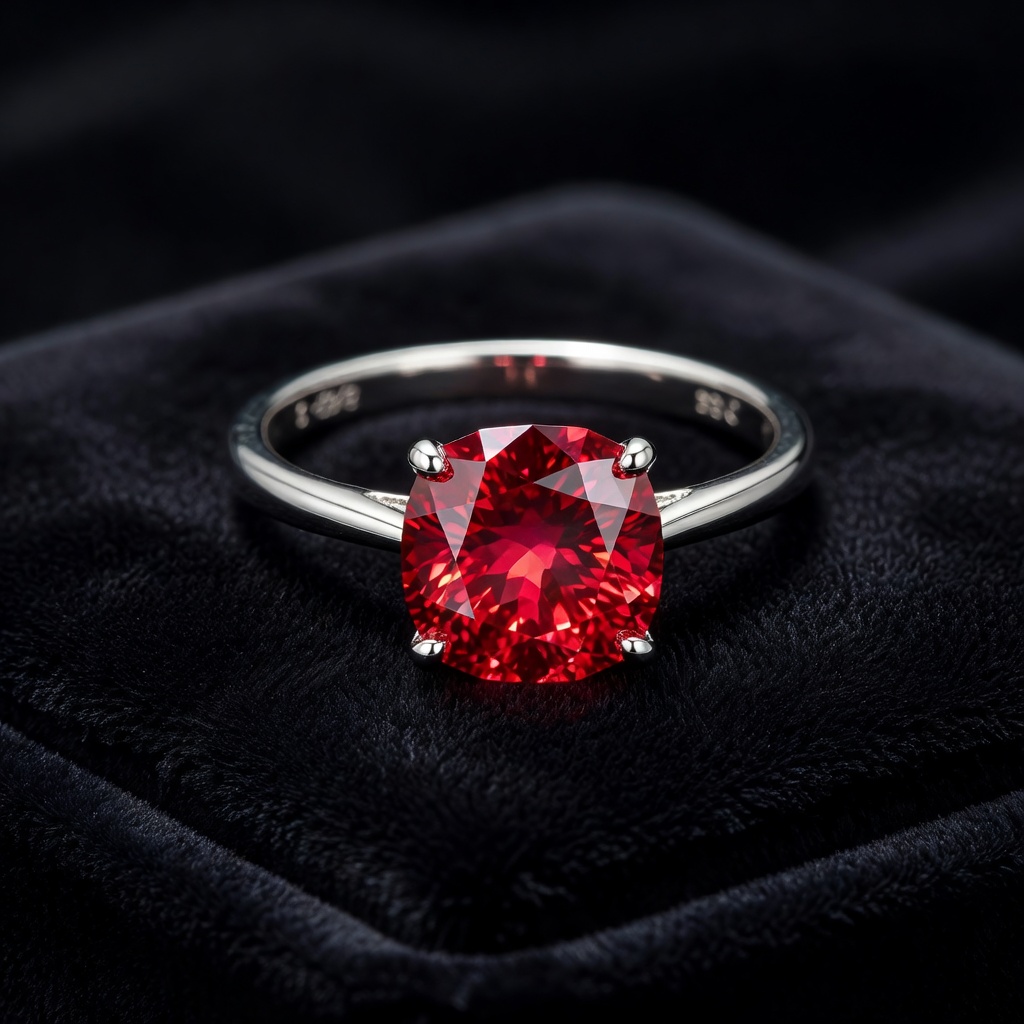
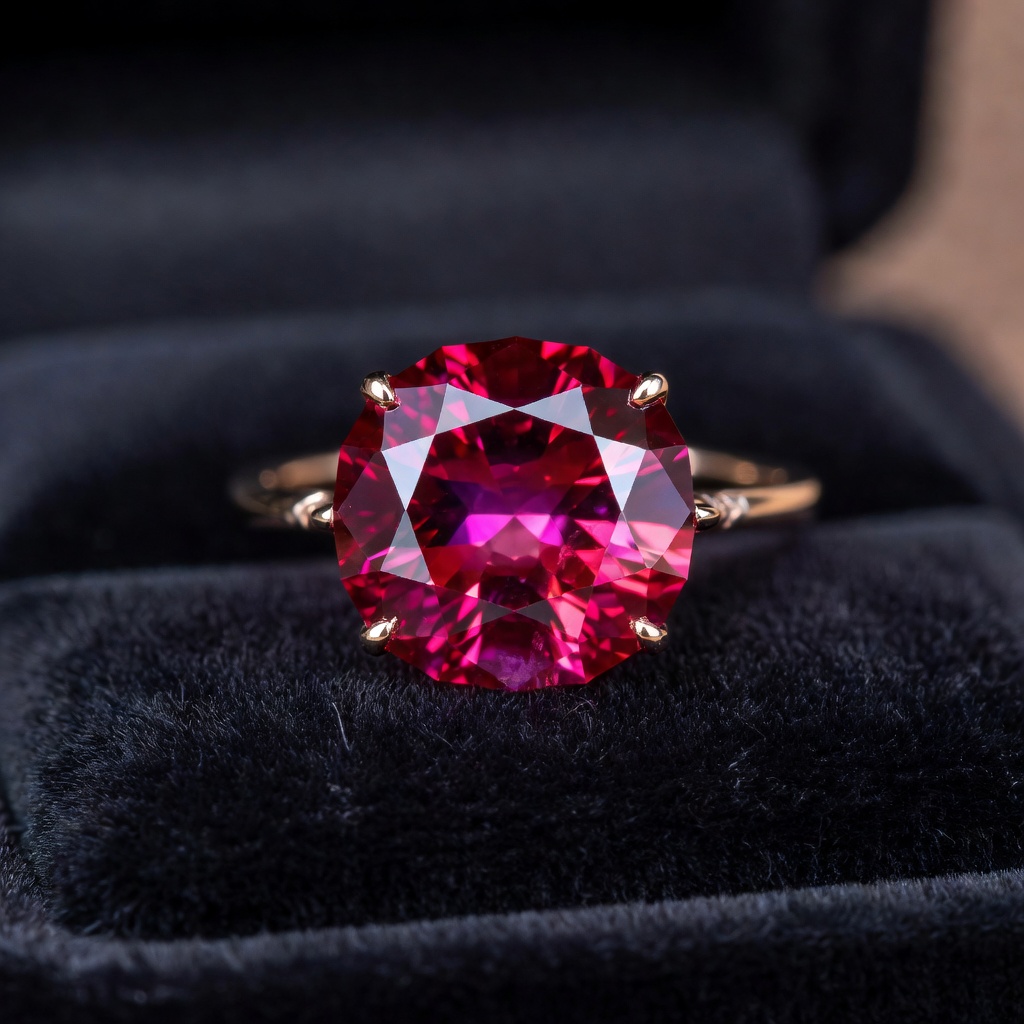
Rhodolite garnet stands as one of the most sought-after varieties in the garnet family, distinguished by its unique chemical composition as a hybrid between pyrope and almandine species. Unlike the deep, brownish-red tones characteristic of common almandine garnets, this gemstone captivates collectors with its distinctive raspberry to violet-red color palette that seems to glow from within. The name itself derives from the Greek word "rhodon," meaning rose-like, perfectly capturing the stone's romantic pinkish-red undertones that separate it from other garnet varieties. When shopping for fine jewelry, understanding these fundamental differences helps distinguish true rhodolite from other purple red garnet options that might appear similar to the untrained eye.
Geologically, rhodolite garnet formed millions of years ago under high-pressure, high-temperature conditions in metamorphic rocks across several continents. The variety was first discovered in North Carolina during the late 19th century, where miners initially mistook the vibrant stones for rubies due to their exceptional color saturation. Today, significant deposits exist in Sri Lanka, Tanzania, Brazil, and Madagascar, with each location producing stones exhibiting slightly different color characteristics based on trace element variations. The crystal structure of rhodolite contributes to its impressive durability and brilliance, making it an excellent choice for jewelry that withstands daily wear while maintaining its captivating raspberry garnet appearance.
Evaluating Color: The Most Critical Value Factor
Color serves as the primary determinant of value when selecting rhodolite garnet, with subtle variations dramatically affecting both beauty and market price. The most prized specimens display a vivid raspberry pink-red hue that balances warmth with sophistication, though collectors also highly value deep purple-red stones that appear almost imperial in their richness. When examining potential purchases, pay close attention to saturation levels—stones with vivid, intense color command premiums while those appearing washed out or overly dark significantly diminish in value. Understanding rhodolite garnet color grades requires recognizing that medium to medium-dark tones with strong saturation typically outperform extremely light or overly dark specimens in both beauty and investment potential.
Lighting conditions profoundly influence how purple red garnet appears to the observer, creating what gemologists call the "alexandrite effect" in some high-quality specimens. Under natural daylight, rhodolite typically presents a more pinkish-red or raspberry appearance, while incandescent lighting brings out deeper purple tones and enhances the stone's warm undertones. When evaluating stones, always request to view them under multiple light sources, including LED, fluorescent, and natural daylight, to ensure the color remains appealing across different environments. Regional variations also play crucial roles in color profiles: Sri Lankan material often exhibits lighter, more pinkish tones, while Tanzanian deposits frequently yield the highly coveted deep raspberry red that defines the finest commercial examples.
Clarity Standards and Inclusions to Watch For
Clarity assessment forms an essential component of any comprehensive rhodolite garnet buying guide, requiring careful examination beyond surface beauty. Unlike diamonds, rhodolite garnets typically contain characteristic inclusions that actually help gemologists identify their natural origin and distinguish them from synthetic counterparts. Common internal features include needle-like apatite crystals, zircon halos resembling tiny stress fractures around mineral grains, and occasionally rutile needles that create subtle silk-like textures within the stone. These natural fingerprints rarely impact durability when positioned away from the surface, but understanding their appearance helps buyers recognize natural rhodolite garnet versus potential imitations or heavily treated stones.
When evaluating rhodolite garnet clarity, aim for eye-clean stones where no inclusions are visible to the unaided eye from approximately six inches away. However, unlike diamonds where absolute clarity commands extreme premiums, rhodolite allows for slightly more tolerance—minor inclusions that don't affect transparency or durability are acceptable, particularly in stones over three carats where flawless material becomes exceptionally rare. Before finalizing any purchase, insist on examining the stone under 10x magnification using a jeweler's loupe to identify any surface-reaching fractures that could compromise setting security or long-term durability. Be particularly cautious of stones appearing suspiciously clean at low prices, as these may indicate glass imitations or heavily fracture-filled treatments that compromise the gem's structural integrity.
Cut Quality and Shape Considerations
The cut quality of rhodolite garnet significantly impacts how the stone interacts with light, ultimately determining its brilliance and color presentation in finished jewelry. Experienced lapidaries typically favor cushion and oval cuts for rhodolite because these shapes maximize color saturation while minimizing the windowing effect—where light passes directly through the stone rather than reflecting back to the eye. Poorly cut stones often display dark areas called extinction, creating "dead zones" that appear blackish and detract from the gem's inherent beauty. When applying essential garnet buying tips, prioritize stones with excellent symmetry and proportions over maximum carat weight, as a well-cut smaller stone invariably outperforms a larger poorly cut specimen in actual wearing conditions.
Cutters face constant decisions between carat weight retention and brilliance optimization, often leaving rhodolite with slightly deeper pavilions than other gemstones to enhance color intensity. For engagement rings, round and oval shapes prove most popular, offering classic appeal while distributing wear evenly across prong settings. Pendant designs accommodate fancy shapes such as pear or marquise more readily, allowing for dramatic drops that showcase the stone's rhodolite garnet cut precision. When examining potential purchases, tilt the stone under light to check for windowing—if you can clearly read text through the table when placed over printed material, the cut is too shallow and value diminishes accordingly.
Pricing Guide: Understanding Value Per Carat
Understanding current market pricing helps establish realistic budgets when shopping for this beautiful gemstone, with rhodolite garnet price per carat varying significantly based on quality parameters. Commercial grade material with lighter tones or visible inclusions typically ranges from $50 to $150 per carat, making it accessible for fashion jewelry and entry-level pieces. Fine quality stones exhibiting vivid raspberry color with eye-clean clarity command between $200 and $400 per carat, while exceptional specimens over five carats with untreated status and superior color can exceed $500 per carat. These premiums reflect the rarity of large, clean crystals that maintain the distinctive color saturation defining top-tier rhodolite garnet value.
Origin significantly influences pricing structures within the market, with Sri Lankan material traditionally commanding higher prices due to historical associations with fine color, though exceptional African material now competes at similar price points. Untreated stones consistently carry 20-30% premiums over heat-treated equivalents, particularly in larger sizes where natural color becomes increasingly scarce. When comparing against similarly colored alternatives, rhodolite typically offers better value than pink tourmaline or padparadscha sapphire while providing comparable beauty and superior durability to more delicate options like morganite. For investment considerations, focus on untreated stones over three carats with documentation of Sri Lankan or Tanzanian origin, as these retain value most consistently in the secondary market.
Treatments and Enhancements: What Buyers Must Know
The gem trade commonly employs heat treatment to enhance rhodolite garnet color, a practice buyers must understand when seeking natural rhodolite garnet. Low-temperature heating (typically below 600°C) can convert brownish tones to desirable raspberry hues, improving marketability without significantly compromising durability. While treated stones offer affordable beauty, they generally command lower prices and may show slight color instability if exposed to high temperatures during jewelry repair procedures. Reputable sellers always disclose treatments explicitly, and any refusal to confirm enhancement status should raise immediate concerns during the purchasing process.
Distinguishing treated from untreated material requires sophisticated laboratory equipment beyond the capabilities of most consumers, making certification essential for significant investments. Gemologists examine inclusion patterns, spectroscopic signatures, and chemical traces to identify heating history, with treated garnet identification focusing on altered crystal structures and modified inclusion appearances. For insurance and long-term value retention, untreated stones offer superior security, as treatment disclosure requirements continue tightening within the industry. Always request documentation from respected laboratories when purchasing stones over two carats or when paying premium prices, ensuring your investment maintains documented authenticity.
Setting Selection and Metal Pairing Recommendations
Selecting appropriate settings for rhodolite garnet requires balancing aesthetic preferences with practical durability considerations, given the stone's 7 to 7.5 Mohs hardness rating. While sufficiently hard for daily wear, rhodolite lacks the toughness of sapphire or diamond, making protective setting styles crucial for active lifestyles. Bezel settings offer superior protection by encircling the girdle with metal, preventing chips and scratches during physical activities, while prong settings maximize light exposure but require more frequent maintenance checks. When considering rhodolite garnet jewelry settings, halo designs provide both protection and enhanced visual size, surrounding the center stone with diamond accents that complement the garnet's warm tones.
Metal selection dramatically influences the final appearance of rhodolite vs pyrope garnet and other red gemstones in finished pieces. Rose gold creates harmonious warmth that enhances the raspberry tones, making the stone appear richer and more saturated through complementary color principles. White gold and platinum provide striking contrast that emphasizes the purple undertones in higher-quality material, creating sophisticated, modern aesthetics suitable for contemporary designs. Yellow gold offers traditional elegance that suits vintage-inspired settings, though it may slightly subdue the stone's pinkish elements. For multi-stone designs, pair rhodolite with diamonds, white sapphires, or colorless topaz to create balanced compositions, avoiding softer stones like opal or pearl that could scratch during contact.
Certification and Authentication Essentials
Acquiring proper documentation represents a non-negotiable step when investing in fine rhodolite garnet, protecting buyers from misrepresentation and synthetic substitutions. Reputable laboratories including GIA (Gemological Institute of America), AGL (American Gemological Laboratories), and GRS (GemResearch Swisslab) provide standardized reports confirming species identification, treatment status, and geographical origin when determinable. These rhodolite garnet certification documents specifically verify that the stone represents pyrope-almandine garnet rather than other varieties, crucial for establishing accurate valuation. When reviewing certificates, verify that the report explicitly states "natural" and includes specific treatment disclosures, as vague language may indicate undisclosed enhancements.
The challenge of garnet authentication has intensified as synthetic production techniques advance, making laboratory analysis increasingly important for stones over one carat. Advanced testing identifies synthetics through characteristic growth patterns, chemical signatures, and inclusion analysis invisible to standard gemological equipment. Origin determination, while challenging for garnets compared to sapphires or rubies, provides collectors with provenance documentation that affects long-term value, particularly for material from historically significant deposits like those in North Carolina. For estate pieces or undocumented stones, consider obtaining updated certification before purchasing, as this documentation proves essential for insurance coverage and future resale opportunities.
Where to Purchase: Dealer Selection and Red Flags
Choosing reputable sources when you buy rhodolite garnet online or in person requires due diligence and awareness of industry standards. Established brick-and-mortar jewelers offer the advantage of physical examination, allowing you to assess color under various lighting conditions before committing, while specialized online retailers often provide broader selections and competitive pricing through reduced overhead costs. When evaluating garnet dealers, prioritize businesses with established gemological credentials, membership in professional organizations like the American Gem Trade Association (AGTA), and transparent return policies allowing inspection periods of at least 10-14 days. Request detailed photographs and videos showing the stone under different lighting conditions when purchasing remotely, as static images often fail to capture the dynamic color properties that define fine rhodolite.
Several warning signs should prompt immediate caution during the purchasing process. Sellers who cannot or will not provide specific treatment information, refuse independent certification, or pressure for immediate decisions without inspection periods typically indicate questionable business practices. Be wary of prices significantly below market rates for claimed quality levels, as these often indicate glass imitations, assembled stones, or heavily treated material being sold as natural. Legitimate dealers welcome questions about sourcing ethics, mining practices, and stone history, providing detailed provenance when available. Always verify that return policies allow for independent appraisal during the inspection window, ensuring you can confirm the stone matches the seller's description before finalizing the transaction.
Care and Maintenance for Longevity
Proper maintenance ensures your rhodolite garnet jewelry retains its brilliance and structural integrity for generations, requiring specific care protocols distinct from harder gemstones like diamonds. For routine rhodolite garnet care, use only warm soapy water and soft-bristled brushes, gently cleaning around prongs and under the stone where dirt accumulates and diminishes sparkle. Avoid harsh chemical cleaners, ultrasonic devices, and steam cleaning systems, as these can exacerbate existing fractures or cause thermal shock in stones with internal inclusions. After cleaning, pat dry with lint-free cloths rather than rubbing, which can attract fibers to the setting and leave residue on the stone's surface.
Storage practices significantly impact long-term preservation, as rhodolite can scratch softer gemstones while suffering damage from harder materials like diamonds or sapphires. Store pieces individually in soft cloth pouches or lined jewelry boxes with separate compartments, preventing contact that causes abrasion to the surface. Schedule professional inspections every six to twelve months for frequently worn items, allowing jewelers to check for loose prongs, worn settings, or developing chips before they result in stone loss. When applying garnet cleaning knowledge to vintage pieces, exercise additional caution with older settings that may have weakened over time, opting for professional cleaning rather than home methods for antique or estate jewelry.
Frequently Asked Questions
What makes rhodolite garnet different from regular red garnet?
Rhodolite is a specific hybrid variety of pyrope-almandine garnet distinguished by its unique raspberry to violet-red color, whereas common red garnets (almandine) typically display darker, brownish-red tones. Rhodolite generally offers better clarity and brilliance due to its lighter tone and different chemical composition.
How much should I expect to pay for quality rhodolite garnet per carat?
Quality rhodolite garnet typically ranges from $50 to $200 per carat for commercial grades, while fine specimens with exceptional color and clarity can command $300 to $500+ per carat. Large stones over 5 carats with vivid raspberry color and no treatment command significant premiums.
Is rhodolite garnet durable enough for daily wear in an engagement ring?
Yes, with a hardness of 7 to 7.5 on the Mohs scale, rhodolite garnet is sufficiently durable for daily wear, though it requires protective settings to prevent chipping. It's harder than opal or pearl but softer than sapphire or diamond, making bezel or halo settings ideal for active lifestyles.
What is the most desirable color for rhodolite garnet?
The most valuable rhodolite garnets display a vivid raspberry red to purple-red hue with medium to medium-dark tone and strong saturation. Stones that show a distinct color shift between pinkish-red in daylight and purplish-red under incandescent light are particularly prized by collectors.
How can I tell if my rhodolite garnet is natural or treated?
While visual inspection can suggest treatments (unusually vivid colors may indicate heat treatment), definitive identification requires laboratory certification from reputable labs like GIA or AGL. Natural stones often contain characteristic inclusions like apatite crystals or zircon halos that help gemologists distinguish them from synthetics.
Does rhodolite garnet change color in different lighting?
Rhodolite garnet exhibits subtle color shifts depending on lighting conditions, typically appearing more pinkish-red in natural daylight and taking on deeper purple or raspberry tones under incandescent lighting. Unlike alexandrite, this is not a true color change but rather a modification in apparent hue due to the stone's absorption spectrum.
Which precious metals pair best with rhodolite garnet?
Rose gold and yellow gold beautifully complement rhodolite's warm raspberry tones, enhancing the stone's reddish qualities. White gold and platinum create striking contrast that emphasizes the gem's purple undertones. Silver is suitable for fashion pieces but less recommended for fine jewelry due to tarnishing concerns.
Are there synthetics or imitations I should watch out for when buying?
While synthetic rhodolite garnet is relatively uncommon, buyers should be cautious of glass imitations, doublets, or lower-grade garnets being sold as premium rhodolite. Red spinel, rubellite tourmaline, or even glass can be misrepresented. Always request certification for significant purchases and buy from established, reputable dealers.