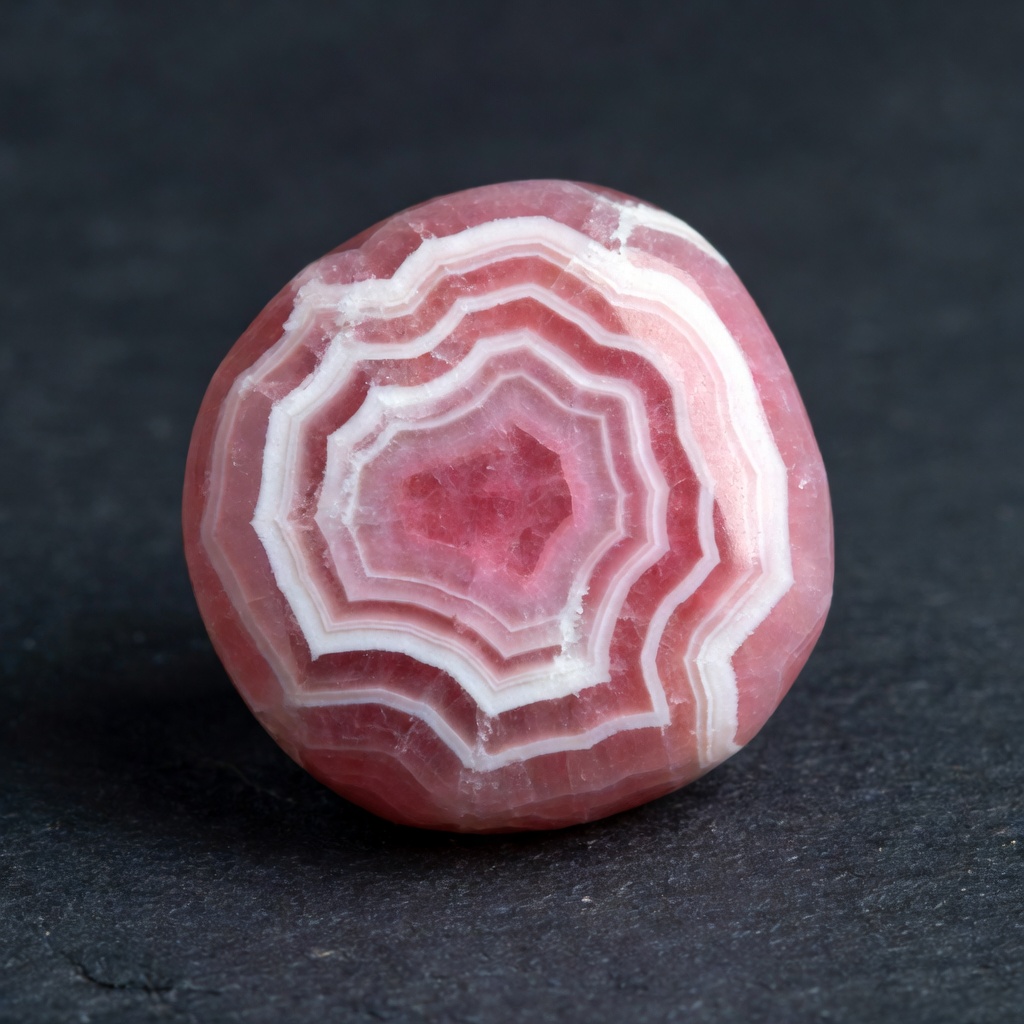
What Is Rhodochrosite? An Introduction to the Inca Rose
Rhodochrosite is a manganese carbonate mineral celebrated for its distinctive pink-to-red coloration that ranges from delicate rose to deep raspberry hues, making it one of the most visually striking gemstones in the mineral kingdom. Chemically classified as MnCO3, this captivating crystal has earned the moniker "Rosa del Inca" or "Inca Rose" due to its profound historical significance within ancient South American civilizations, where it was considered more precious than gold and silver in certain ceremonial contexts. The Inca Empire, which flourished in the Andes Mountains from the 13th to 16th centuries, believed that rhodochrosite represented the blood of their ancestral rulers turned to stone, using it extensively in sacred rituals and as offerings to the gods. Today, rhodochrosite occupies a unique position in both geological and metaphysical communities, serving simultaneously as a highly sought-after collector's mineral for its exceptional crystalline formations and as a powerful healing crystal prized by energy workers and spiritual practitioners worldwide. Understanding comprehensive Rhodochrosite Properties and Information reveals why this stone continues to captivate enthusiasts across diverse disciplines, from lapidary artists crafting intricate cabochons to holistic healers incorporating it into therapeutic practices.
Physical Characteristics and Geological Formation
The chemical composition of rhodochrosite consists of manganese carbonate (MnCO3), which crystallizes in the trigonal crystal system, typically forming in hydrothermal vein deposits associated with silver, lead, and copper mining operations. This pink rhodochrosite stone exhibits a relatively soft constitution, registering only 3.5 to 4 on the Mohs hardness scale, making it comparable to fluorite or calcite in terms of durability and requiring careful handling to prevent surface damage. Specific gravity measurements for rhodochrosite typically range between 3.3 and 3.7, which feels noticeably heavy when held in the hand compared to similarly sized stones of lesser density. The formation process occurs primarily within hydrothermal veins where manganese-rich solutions precipitate into carbonate minerals, often creating spectacular stalactitic formations in abandoned silver mines that showcase concentric banding patterns resembling tree rings or agate structures.
Crystalline Structure and Optical Properties
High-quality rhodochrosite specimens display perfect rhombohedral cleavage, meaning the crystal breaks along specific planes creating geometric shapes that reveal the mineral's internal atomic arrangement. When transparent to translucent, the stone exhibits a vitreous to pearly luster that enhances its depth and richness, particularly in gem-quality material from Colorado and Argentina. The distinctive coloration arises from manganese ions within the crystal lattice, with variations in hue depending on the presence of iron, calcium, or magnesium substitutions that create the spectrum from pale pink to intense cherry red.
Metaphysical Properties and Emotional Healing Benefits
Rhodochrosite healing properties center predominantly on heart chakra activation, creating a gentle yet powerful energetic field that encourages the release of suppressed emotions and the cultivation of profound self-acceptance. Practitioners working with trauma recovery often utilize this stone specifically for inner child work, as its nurturing vibration helps uncover and heal childhood wounds, abandonment issues, and emotional neglect that may have manifested as adult relationship patterns. The crystal demonstrates remarkable effectiveness in grief processing, providing comfort during periods of loss while simultaneously encouraging the healthy expression of sorrow rather than emotional numbing or suppression. For individuals struggling with codependency or poor boundary setting, rhodochrosite serves as an energetic teacher, helping establish healthy limits while maintaining compassion and empathy for others.
Emotional Balance and Relationship Healing
Regular meditation with rhodochrosite can facilitate breakthroughs in romantic relationships by dissolving resentment and encouraging forgiveness without requiring continued engagement with toxic dynamics. Therapists and energy healers often recommend placing the stone on the chest during breathing exercises to synchronize the heart's electromagnetic field with the crystal's vibrations, creating a measurable shift toward parasympathetic nervous system dominance. Many users report experiencing vivid dreams and enhanced emotional insight when sleeping with rhodochrosite under their pillow, suggesting the stone continues its healing work during the subconscious processing of daily experiences.
Spiritual Meaning and Symbolism
The rhodochrosite meaning encompasses profound spiritual concepts related to unconditional love, often described as the mineral embodiment of the divine feminine principle that nurtures creation without judgment or condition. In metaphysical traditions, this stone represents the integration of spiritual consciousness with physical existence, serving as a bridge between higher realms of awareness and earthly human experience. As a stone of transformation, rhodochrosite supports individuals navigating major life transitions—whether career changes, relocations, or spiritual awakenings—by infusing these processes with joy rather than fear. The crystal's association with playfulness and creative expression makes it particularly valuable for artists, musicians, and writers seeking to overcome blocks and reconnect with the spontaneous joy of creation.
Archetypal Connections and Sacred Geometry
Within the context of sacred geometry, the concentric banding patterns found in stalactitic rhodochrosite symbolize the layers of personal growth and evolution, reminding observers that transformation occurs gradually through accumulated experiences rather than sudden leaps. Many spiritual practitioners associate this stone with the archetype of the wounded healer, representing the alchemical process of converting personal pain into compassion and wisdom that benefits others. The Inca Rose designation connects rhodochrosite to ancestral wisdom and bloodline healing, making it a powerful tool for those working to release generational trauma or connect with indigenous spiritual traditions.
Types, Varieties, and Quality Grades
Rhodochrosite crystal benefits vary significantly depending on the specific formation type and quality grade, with the mineral occurring in several distinct varieties that serve different purposes in jewelry and healing applications. Stalactitic formations, characterized by their concentric banding patterns of pink, white, and occasionally gray layers, represent the most common variety found in metaphysical shops and originate primarily from Argentine mining operations. Transparent to translucent cherry-red material, often called "cherry rhodochrosite" or "redcap," commands premium prices in the gemstone market due to its suitability for faceting into brilliant cuts that maximize light reflection and color intensity. Massive banded material, while lacking the transparency of gem-grade specimens, provides excellent carving stock for ornamental objects, spheres, and cabochons that showcase the stone's characteristic swirling patterns.
Collector's Grade vs. Commercial Grade
Collector's grade rhodochrosite typically features intense, saturated color without brownish or grayish undertones, combined with high transparency that allows light penetration to at least several millimeters into the stone. Museum-quality specimens from the Sweet Home Mine in Colorado display distinctive scalenohedral crystal formations with deep red coloration and exceptional clarity, often fetching thousands of dollars per carat at mineral shows and auctions. Commercial grade material, though less visually striking, remains equally potent for healing applications, with many practitioners preferring the banded varieties specifically for grounding work and meditation due to their earthy, layered energy.
Global Sources and Notable Mining Locations
The finest specimens of Inca rose stone properties emerge from the Capillitas Mine in Catamarca Province, Argentina, which has produced the world's most abundant and visually striking stalactitic formations since its discovery in the 1930s. The Sweet Home Mine near Alma, Colorado, represents another legendary source, famous for producing rare transparent red crystal clusters that rank among the most valuable mineral specimens in existence, with some pieces selling for hundreds of thousands of dollars at auction. Peruvian deposits, particularly those in the Huancavelica region, continue the ancient tradition of rhodochrosite mining that dates back to pre-Columbian civilizations, yielding material with distinctive color zoning and crystalline structures. Additional significant deposits occur in the Kalahari Manganese Fields of South Africa, the Cavnic mining district in Romania, and various locations throughout Uruguay, each contributing unique characteristics to the global supply of this beloved mineral.
Mining Challenges and Ethical Considerations
Modern rhodochrosite mining often occurs as a secondary recovery operation within silver and copper mines, where the mineral forms in the oxidation zones of hydrothermal deposits, making its extraction dependent on other mining activities. The delicate nature of stalactitic formations requires careful hand-extraction techniques to preserve the banded structures intact, contributing to higher labor costs but ensuring minimal environmental disruption compared to large-scale industrial operations. Ethical sourcing has become increasingly important in the rhodochrosite market, with conscious consumers seeking specimens from small-scale Argentine operations that prioritize worker safety and environmental restoration of abandoned mining tunnels.
Practical Applications: How to Use Rhodochrosite Daily
Incorporating Rhodochrosite Properties and Information into daily wellness routines requires understanding the various methods for harnessing this stone's gentle yet persistent energy throughout regular activities. Wearing rhodochrosite as pendants or brooches positioned near the heart chakra provides continuous emotional support during challenging interpersonal interactions, with many users reporting increased patience and compassion when the stone remains in contact with the skin for extended periods. For those preferring rings or bracelets, setting the stone in protective bezel settings with hardened metals helps prevent damage to the relatively soft mineral while maintaining close energetic proximity to the body's meridian points. Meditation practitioners often place rhodochrosite directly over the heart center while lying in savasana position, visualizing pink light radiating outward to dissolve emotional blockages and create a protective field of loving energy.
Feng Shui and Home Placement
Within feng shui applications, placing rhodochrosite in the Kun gua (relationship corner) of the bedroom or living space—traditionally the far right corner from the entrance—supports harmonious partnerships and attracts loving energy into the home. Creating a crystal grid using rhodochrosite as the central stone, surrounded by rose quartz and green aventurine, amplifies intentions related to heart healing and emotional abundance throughout the living environment. Office workers may benefit from keeping a small rhodochrosite specimen on their desk to mitigate stress and encourage compassionate communication with colleagues, particularly during high-pressure meetings or conflict resolution scenarios.
Proper Care, Cleaning, and Maintenance
Rhodochrosite gemstone care requires particular attention due to the mineral's relative softness and chemical sensitivity, necessitating gentle handling practices that preserve both its physical beauty and energetic integrity. Cleaning should involve only lukewarm water and mild, phosphate-free soap applied with a soft microfiber cloth, avoiding ultrasonic cleaners, steam systems, or harsh chemical solvents that could damage the stone's surface or dissolve its carbonate composition. Storage solutions must include individual soft cloth pouches or compartmentalized jewelry boxes that prevent contact with harder stones like diamonds, sapphires, or quartz, which could scratch rhodochrosite's relatively soft surface during transportation or storage. Recharging the crystal's energetic properties works effectively through moonlight exposure during the full moon phase, placement on selenite charging plates for 24 hours, or burial in dry sea salt for brief periods not exceeding four hours to prevent moisture damage.
Protective Settings and Wear Considerations
When incorporating rhodochrosite into jewelry designs, selecting protective settings such as bezels or recessed mounts rather than prong settings helps shield the stone's edges from impact damage during daily wear. Avoiding exposure to household chemicals, perfumes, and hairsprays proves essential for maintaining the stone's luster, as acidic substances can etch the carbonate mineral surface over time. For energetic maintenance, monthly cleansing using sage smoke or sound bowl vibrations helps clear accumulated emotional debris that the stone may have absorbed during healing work, ensuring it remains vibrant and effective for continued use.
Buying Guide: Identifying Authentic Rhodochrosite
When investing in Rhodochrosite Properties and Information for your collection, distinguishing genuine specimens from dyed agate imitations or synthetic alternatives requires careful examination of specific diagnostic features. Natural rhodochrosite displays characteristic banding patterns with irregular, organic transitions between pink, white, and occasionally manganese-gray layers, whereas dyed imitations often show unnaturally uniform color saturation or bleeding along fracture lines. Authentic specimens feel cool to the touch initially and warm gradually when held, possess a specific gravity that feels heavier than glass imitations, and will scratch easily with a steel knife blade due to the 3.5-4 Mohs hardness. Price indicators correlate strongly with origin and quality, with Argentine banded material typically ranging from $5 to $50 per pound for rough specimens, while transparent Colorado red crystals may command $50 to $500 per carat depending on clarity and color intensity.
Certification and Dealer Selection
Reputable dealers should provide provenance information specifying the mine location and formation type, with established sellers often offering certificates of authenticity for high-value specimens exceeding $1,000. When purchasing online, request photographs under both natural and artificial lighting to assess color accuracy, and examine images for signs of dye concentration in cracks or porous areas that would indicate treatment. Building relationships with specialized mineral dealers who regularly attend Tucson Gem and Mineral Show or Denver Gem Show ensures access to ethically sourced, accurately represented specimens while supporting knowledgeable vendors who can provide detailed information about each piece's geological history and unique characteristics.
Frequently Asked Questions
What Are the Main Rhodochrosite Healing Properties?
Rhodochrosite is primarily known for emotional healing, particularly for heartbreak, trauma, and childhood wounds. It promotes self-love, compassion, and healthy boundaries while activating the heart chakra to release suppressed emotions.
How Can I Tell if My Rhodochrosite Is Real?
Genuine rhodochrosite displays natural banding in shades of pink, white, and sometimes gray, with a waxy to vitreous luster. It feels cool to the touch, has a specific gravity of 3.3-3.7, and will scratch easily (Mohs 3.5-4). Dyed imitations often have unnaturally uniform color.
What Chakra Is Rhodochrosite Associated With?
Rhodochrosite primarily resonates with the heart chakra (Anahata), though it also stimulates the solar plexus and root chakras. Its energy helps bridge the lower and upper chakras, facilitating emotional integration and spiritual growth.
Can Rhodochrosite Go in Water?
No, rhodochrosite should not be submerged in water for extended periods due to its relatively soft composition (3.5-4 on the Mohs scale) and potential reaction with acids. Brief rinsing is acceptable, but avoid salt water and prolonged soaking.
Where Does the Best Quality Rhodochrosite Come From?
The finest gem-quality rhodochrosite comes from the Capillitas Mine in Argentina, known for deep pink stalactitic specimens. The Sweet Home Mine in Colorado produces exceptional transparent red crystals highly prized by collectors.
What Is the Spiritual Meaning of Rhodochrosite?
Spiritually, rhodochrosite represents the 'Inca Rose' or condensation of love in mineral form. It symbolizes compassion, joy, and the integration of spiritual consciousness with physical existence, often called the 'stone of the compassionate heart.'
How Do I Cleanse and Charge My Rhodochrosite Stone?
Cleanse rhodochrosite using smoke from sage or palo santo, sound vibrations, or brief rinsing under lukewarm water. Charge it by placing it in moonlight overnight, on a selenite charging plate, or among tumbled quartz crystals.
Is Rhodochrosite Expensive Compared to Other Gemstones?
Common banded rhodochrosite is moderately affordable, while gem-quality transparent red specimens can be quite expensive, ranging from $50 to $500+ per carat depending on clarity and color intensity. Rare collector specimens command premium prices.