Rhodochrosite Price Guide: Understanding the Value of This Captivating Pink Gemstone
Rhodochrosite stands as one of the most sought-after collectible minerals in the gem market, captivating collectors and investors with its distinctive raspberry-pink to rose-red hues. Whether you are a seasoned gemologist seeking rare specimens or a jewelry enthusiast considering your first purchase, understanding the complex factors that determine rhodochrosite value per carat is essential for making informed decisions. This comprehensive guide examines the nuanced pricing structures, quality indicators, and market trends that define the current landscape of rhodochrosite commerce, providing you with actionable insights to navigate everything from commercial rough material to museum-grade rarities.
Understanding Rhodochrosite Value Factors
The valuation of rhodochrosite involves a sophisticated interplay of geological characteristics and aesthetic qualities that extend far beyond simple color preferences. When assessing rhodochrosite quality factors, professionals evaluate multiple elements that collectively determine whether a specimen commands premium prices or falls into commercial categories. Understanding these variables empowers buyers to recognize exceptional value opportunities and avoid overpaying for inferior material that lacks long-term appreciation potential.
The Role of Color Intensity and Saturation
Color represents the single most important determinant of rhodochrosite value, accounting for approximately sixty percent of a specimen's overall worth in most valuation models. The most desirable specimens display an intense raspberry-pink to cherry-red saturation that appears vibrant under various lighting conditions, whereas pale pink or brownish-tinged material commands significantly lower prices. Gemologists specifically seek stones exhibiting pure red tones without gray or brown modifiers, as these secondary hues indicate iron contamination or oxidation that diminishes both beauty and value. When evaluating rough material, experienced buyers often use natural daylight to assess true color saturation, as artificial lighting can mask undertones that become apparent in neutral viewing environments.
Transparency and Its Impact on Market Tiers
Transparency levels create distinct pricing tiers within the rhodochrosite market, ranging from opaque decorative material to translucent gem-grade crystals suitable for fine jewelry. Opaque rhodochrosite, while beautiful for lapidary work and carving, typically sells for fractions of the price commanded by transparent to translucent specimens that allow light penetration. Gem-quality transparent rhodochrosite remains exceptionally rare, as the mineral's chemistry typically produces banded or cloudy formations rather than clear crystals, making eye-clean stones over one carat particularly valuable. When examining transparency, hold specimens against a strong light source to evaluate how effectively illumination passes through the stone, noting that even slight translucency can double or triple value compared to completely opaque material.
Banding Patterns and Chatoyancy Effects
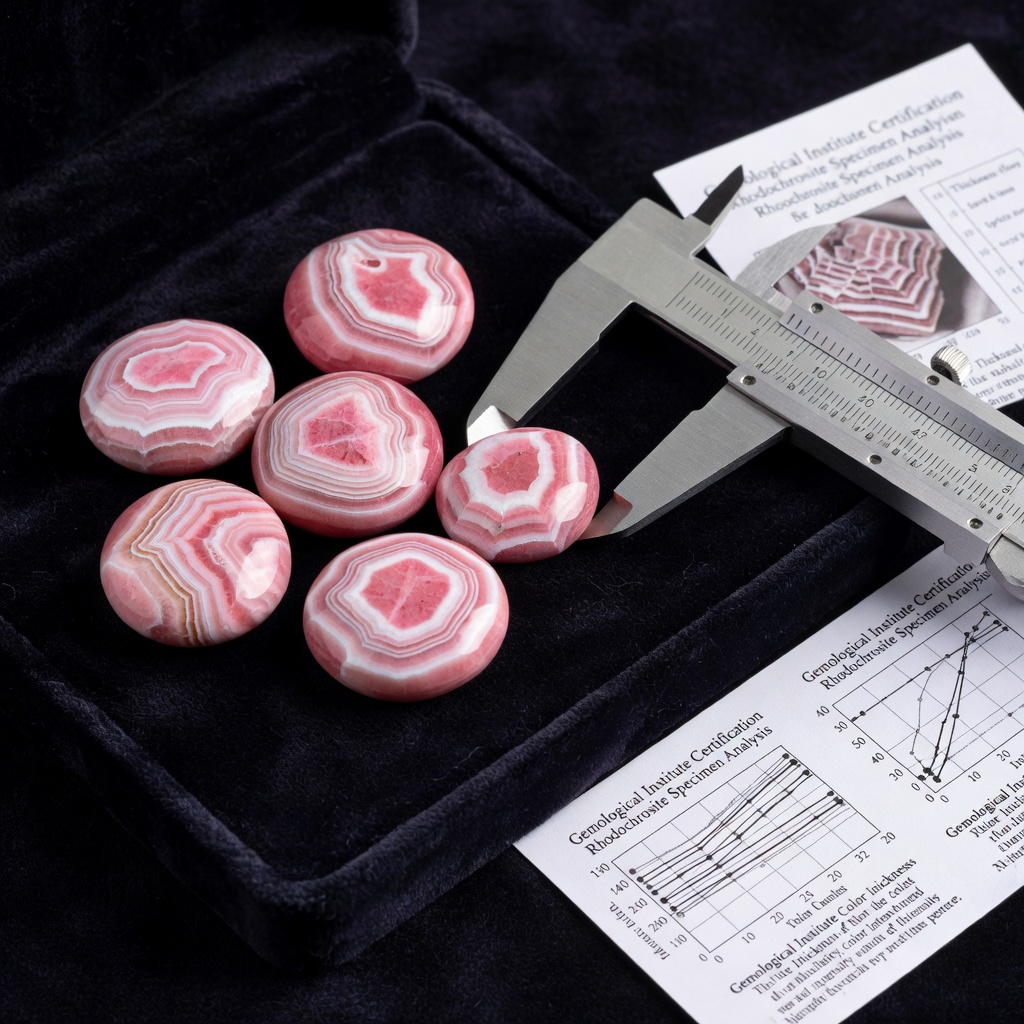
Concentric banding patterns, particularly visible in stalactite cross-sections, add significant premium value for collector specimens by showcasing the mineral's unique growth history and geological formation. The most prized banding displays alternating layers of translucent pink and white calcite or manganese carbonate, creating striking visual contrast that enhances display aesthetics. Some exceptional specimens exhibit chatoyancy, or the cat's-eye effect, caused by fibrous inclusions aligned parallel to the crystal structure, which creates a luminous band of reflected light across the stone's surface. These optical phenomena transform ordinary rough material into conversation pieces worthy of serious mineral collections, often commanding prices three to five times higher than uniformly colored massive rhodochrosite.
Crystal Formation Completeness vs. Massive Form
Complete crystal formations with defined terminations, sharp edges, and intact faces represent the pinnacle of rhodochrosite collecting, particularly when crystals exceed several centimeters in size without damage. Massive rhodochrosite, while suitable for cabochons and decorative objects, lacks the rarity and visual impact of distinct crystals that formed slowly in protected vugs or pockets within host rock. When evaluating crystal specimens, examine contact points where the mineral attached to surrounding matrix, as damage to these areas significantly reduces value even when the display face appears perfect. Complete crystals from classic localities often appreciate faster than massive material, making them preferred choices for investors focused on long-term rhodochrosite investment potential.
Current Price Ranges by Grade
Navigating the rhodochrosite market requires familiarity with established pricing tiers that separate commercial material from investment-grade specimens. Pink rhodochrosite grading standards vary somewhat between dealers, but certain benchmarks remain consistent across the industry, helping buyers understand whether quoted prices reflect fair market value or inflated retail markups. By recognizing these categories, you can budget appropriately for your collecting goals while avoiding the common pitfall of paying premium prices for industrial-grade material.
Commercial Grade Material
Commercial grade rhodochrosite typically sells for $0.50 to $3 per gram, representing material suitable for tumbling, cabochon cutting, or decorative lapidary projects rather than fine jewelry. This category includes opaque rough with pale coloration, fractured pieces unsuitable for faceting, and massive material lacking distinctive banding or crystal structure. While commercial grade specimens may display attractive pink hues, they generally contain inclusions, calcite veining, or structural weaknesses that prevent them from achieving higher valuations. Budget-conscious collectors often purchase commercial rough to create custom cabochons or beads, accepting lower material quality in exchange for affordable access to the mineral's characteristic color palette.
Fine Jewelry Grade Standards
Fine jewelry grade transparent rhodochrosite commands rhodochrosite value per carat pricing between $20 and $100, depending on color intensity, clarity, and cut quality. Stones in this category must exhibit at least partial transparency, allowing light to enter and reflect from the pavilion to create brilliance, with minimal visible inclusions to the unaided eye. Faceted rhodochrosite remains relatively uncommon due to the material's softness and cleavage tendencies, making well-cut stones particularly desirable for collectors who appreciate both rarity and craftsmanship. When purchasing jewelry-grade material, request certification confirming natural, untreated status, as this documentation protects your investment and ensures authenticity for future resale.
Museum-Quality Specimens
Exceptional museum-quality specimens with intense raspberry-red color, perfect crystal formation, and significant size can achieve valuations exceeding $500 per carat, with some important pieces selling for thousands of dollars per gram. These rarities typically feature large, undamaged crystals from prestigious localities like the Capillitas Mine, displaying aesthetic qualities that appeal to serious mineral collectors and institutions. Pricing at this level reflects not only geological rarity but also historical significance, provenance, and display impact that transcend standard gemological valuation metrics. Auction records for top-tier rhodochrosite continue climbing as supply constraints meet growing demand from Asian and Middle Eastern collectors entering the mineral market.
Understanding Wholesale vs. Retail Margins
The gemstone industry typically maintains retail markups of 100% to 300% above wholesale costs, meaning educated buyers can negotiate significant savings by purchasing directly at gem shows or establishing relationships with rough dealers. Wholesale pricing becomes accessible when purchasing parcels of rough material weighing several kilograms, though individual collectors rarely require such volume unless operating jewelry businesses. Retail jewelry stores often price finished rhodochrosite pieces based on perceived aesthetic value rather than strict material costs, resulting in widely variable pricing for similar quality stones. When evaluating retail offerings, compare prices against recent auction results and dealer pricing guides to ensure you pay fair market value rather than inflated boutique premiums.
The Argentina Premium: Origin Impact
Geographic origin profoundly influences rhodochrosite valuation, with material from specific localities commanding substantial premiums based on color characteristics, historical significance, and mining economics. Understanding these origin effects helps collectors prioritize acquisitions that offer the strongest combination of aesthetic beauty and investment security. The geological uniqueness of certain deposits creates distinctive visual signatures that experienced buyers immediately recognize and value accordingly.
The Capillitas Mine Legacy
Argentinian rhodochrosite price premiums reflect the extraordinary quality of material extracted from the Capillitas Mine in Catamarca Province, which has produced the world's finest specimens since Inca times. Capillitas material commands 40% to 60% premiums over rhodochrosite from Colorado, Peru, or other localities due to its distinctive deep raspberry-red coloration and exceptional crystal size. The mine's unique geochemistry produced rhodochrosite with higher manganese content and fewer impurities than competing sources, resulting in purer, more saturated color that remains stable over time. As the Capillitas operation nears depletion after centuries of intermittent production, remaining specimens continue appreciating rapidly, making early acquisition of quality pieces increasingly urgent for serious collectors.
Distinctive Coloration and Historical Significance
The deep red coloration unique to Argentine deposits derives from specific manganese oxidation states and trace element compositions unavailable in younger geological formations elsewhere. Historical significance adds intangible value, as Capillitas rhodochrosite was mined by Inca civilizations for ornamental purposes before Spanish colonization, creating a continuous cultural connection spanning millennia. Collectors prize specimens with documented provenance linking them to specific mining eras or famous collections, as this history adds narrative depth that enhances display value beyond mere mineralogical merit. When purchasing high-value Argentine specimens, request documentation establishing the specific mine and extraction period, as this provenance significantly impacts resale value and insurance valuations.
Secondary High-Value Sources
While Capillitas dominates the high-end market, Colorado's Sweet Home Mine represents a secondary high-value source producing exceptional stalactite specimens and rare crystals with distinctive cherry-red coloration. Sweet Home material occasionally rivals Argentine quality in specific categories, particularly for stalactite cross-sections displaying perfect concentric banding and gemmy transparency. Other notable sources include Romanian localities producing pale pink banded material and Peruvian mines yielding opaque massive rhodochrosite suitable for carvings and cabochons. When comparing origins, examine color purity and crystal integrity rather than relying solely on locality labels, as exceptional specimens from lesser-known sources sometimes outperform mediocre material from prestigious mines.
Stalactite vs. Massive Formations
The physical formation type dramatically impacts stalactite rhodochrosite value, creating distinct market segments for massive material versus the highly prized concretionary forms. Understanding these structural differences helps collectors identify specimens offering the best combination of visual impact and appreciation potential. The formation process itself creates characteristics that collectors specifically seek, making certain growth patterns more desirable than others regardless of absolute color quality.
Premium Pricing for Stalactite Cross-Sections
Cross-section stalactite slices typically price three to five times higher than massive material of equivalent weight, reflecting the rarity of perfect concentric growth patterns and the labor-intensive preparation required to reveal internal structure. These specimens formed as rhodochrosite precipitated from mineral-rich solutions dripping in caves, creating layered formations resembling tree rings that display spectacular patterns when cut perpendicular to the growth axis. Premium valuation requires visible concentric banding without fractures, chips, or calcite inclusions that disrupt the visual harmony of the pattern. Large display pieces exceeding ten centimeters in diameter with complete, unbroken edges command the highest prices, particularly when both faces are polished to reveal mirror-like surfaces that enhance the banding's three-dimensional appearance.
Rough vs. Polished Stalactite Strategies
Collectors face strategic decisions between purchasing rough stalactite specimens in their natural form versus investing in professionally polished cross-sections that reveal internal beauty. Rough stalactites retain geological authenticity and sometimes command premiums from purist collectors who prefer unaltered natural forms, though they require significant expertise to evaluate internal quality without cutting. Polished slices offer immediate visual gratification and established value, though they typically cost more per gram due to the risk of material loss during cutting and the labor involved in grinding and polishing. When purchasing rough stalactites, examine surface texture for indications of internal fractures or calcite veins that might compromise cutting yield, and factor potential cutting losses of 30% to 50% into your valuation calculations.
Cut, Carat Weight, and Clarity Considerations
The transformation of rough rhodochrosite into finished gemstones involves complex decisions that significantly impact final value and marketability. Pink rhodochrosite grading standards for cut stones differ substantially from those applied to mineral specimens, emphasizing optical performance and durability alongside color quality. Understanding these gemological factors helps buyers select stones that maximize beauty while minimizing the structural risks inherent to this relatively soft mineral.
Carat Weight Exponential Pricing
Rhodochrosite exhibits exponential price increases for stones exceeding five carats, reflecting the extreme rarity of large, clean crystals suitable for faceting or cabochon cutting. While one-carat stones might retail for $50 per carat, comparable five-carat specimens often command $200 per carat or more, with ten-carat stones reaching $500 per carat when exhibiting fine color and clarity. This pricing structure results from the scarcity of rough material large enough to yield such stones without inclusions or structural flaws that necessitate cutting smaller gems. When building a collection, prioritize fewer large stones over numerous small pieces, as the per-carat value appreciation historically favors significant carat weights in the rhodochrosite market.
Cutting Decisions and Value Retention
Cabochon cutting represents the safest and most common approach for rhodochrosite, preserving material weight while showcasing color and banding patterns without risking fracture during the faceting process. Faceted rhodochrosite, though rare and valuable, requires exceptional rough with minimal cleavage planes and demands premium pricing to justify the cutting risk and skilled labor involved. When evaluating cut stones, examine the girdle thickness and pavilion depth, as overly thin cutting creates windowing effects that reduce value by 30% to 50% by allowing light to pass through rather than reflecting back to the viewer. Well-cut cabochons should display symmetrical domes with uniform height, smooth surfaces free of scratches or polishing lines, and calibrated dimensions suitable for standard jewelry mountings.
Clarity Standards and Common Issues
Inclusion tolerance varies significantly between ornamental and gem-grade rhodochrosite, with collectors accepting minor inclusions in larger specimens while demanding eye-clean clarity for faceted stones under three carats. Common inclusions include manganese oxide dendrites, calcite veining, and fluid-filled cavities that appear as silvery reflective planes within the stone, none of which necessarily disqualify material from high-value categories if they do not affect durability. Windowing and extinction issues reduce value substantially, occurring when cutters orient stones improperly relative to the optical axis or create overly deep pavilions that trap light rather than returning it to the viewer. Before purchasing expensive cut stones, examine them under various lighting conditions, including diffused daylight and point-source lighting, to identify extinction zones that appear as dark patches within the table facet.
Treatments and Enhancements
The rhodochrosite market includes various treated materials that require careful identification to avoid paying natural-stone prices for enhanced or stabilized products. Rhodochrosite quality factors include authenticity verification, as treated stones typically lack the long-term stability and value retention of natural specimens. Understanding common enhancement techniques protects your investment and ensures you acquire genuinely natural material unless specifically seeking treated stones for budgetary reasons.
Common Treatments to Identify
Dye treatments represent the most common enhancement, with pale or whitish rhodochrosite sometimes soaked in pink or red dyes to simulate the appearance of high-grade Capillitas material. These treatments often concentrate in surface-reaching fractures or porous areas, creating uneven color distribution that appears blotchy under magnification or immersion in water. Stabilization processes involving epoxy resins or polymers prevent crumbling in fragile specimens, particularly common in rough material from depleted mines where natural integrity has degraded through weathering. While stabilization preserves otherwise unsalvageable specimens for display purposes, it significantly reduces value compared to naturally solid material and should always be disclosed by ethical dealers.
Ethical Disclosure Standards
Reputable gemstone dealers provide written documentation disclosing any treatments or enhancements, particularly for specimens valued over $500 where such information significantly impacts pricing. Heat treatment remains rare for rhodochrosite due to the mineral's sensitivity to thermal shock and the risk of carbonate decomposition at relatively low temperatures, though some experimental treatments may exist in the market. When purchasing high-value specimens, request laboratory certification from recognized institutions such as GIA, AGL, or GRS, which can detect polymer impregnation and dye treatments using infrared spectroscopy and other advanced techniques. Establish relationships with dealers who offer return periods allowing independent verification, as this policy demonstrates confidence in their material's natural status and protects buyers from misrepresentation.
Investment and Collectibility Trends
Beyond aesthetic appreciation, rhodochrosite offers tangible investment potential for collectors who understand market dynamics and acquisition strategies. Rhodochrosite investment potential has strengthened considerably over the past decade as supply constraints meet growing international demand from emerging luxury markets. Analyzing these trends helps collectors position their acquisitions for both personal enjoyment and financial appreciation.
Market Appreciation and Rarity Factors
Quality rhodochrosite has demonstrated market appreciation rates of 8% to 12% annually over the past decade, significantly outpacing inflation and many traditional investment vehicles during the same period. This growth reflects increasing rarity as the Capillitas Mine approaches exhaustion, with significant production declines over the past twenty years reducing the influx of new high-grade material onto the market. Auction records continue resetting for exceptional museum-grade pieces, with important stalactite specimens and large crystals from classic localities achieving prices unimaginable twenty years ago. As Asian and Middle Eastern collectors increasingly participate in the Western mineral market, competition for top-tier specimens intensifies, suggesting continued upward pressure on prices for material with impeccable provenance and aesthetics.
Building a Diversified Gem Portfolio
Serious collectors should diversify across different rhodochrosite categories, acquiring some combination of fine jewelry-grade faceted stones, display-quality crystals, and important stalactite specimens to balance liquidity with appreciation potential. Jewelry-grade material offers easier liquidation when necessary, while large display pieces provide the greatest appreciation potential but require longer holding periods and specialized buyers. Consider geographic diversification by acquiring select specimens from Colorado and other localities alongside Argentine material, as mining developments could suddenly increase supply from currently minor sources while Capillitas material becomes progressively scarcer. Maintain detailed documentation including purchase receipts, laboratory certificates, and provenance records, as this paperwork significantly enhances resale value and authentication confidence for future transactions.
Authentication and Buying Strategies
Successfully navigating the rhodochrosite market requires sophisticated authentication skills and strategic purchasing approaches that protect against common frauds and misrepresentations. This rhodochrosite price guide emphasizes the importance of verification, as the high values commanded by fine specimens incentivize dishonest practices ranging from origin misrepresentation to complete synthetics. Developing expertise in these areas ensures your collection maintains integrity and value over time.
Certification Requirements
Laboratory certification becomes essential for high-value purchases exceeding $1,000, providing independent verification of species identification, natural origin, and treatment status that protects against sophisticated imitations. For important specimens, request certificates that specifically note geographic origin, as this attribution significantly impacts value and requires specialized analytical techniques beyond standard gemological testing. Store certificates separately from specimens to prevent loss, and consider photographing important pieces alongside their documentation for insurance purposes. When selling certified specimens, the accompanying laboratory report transfers to the new owner, maintaining the chain of authenticity that supports premium pricing.
Red Flags and Dealer Selection
Synthetic rhodochrosite remains uncommon due to the material's complex chemistry and limited commercial demand, though dyed calcite, rhodonite, and plastic composites occasionally appear in the market targeting inexperienced buyers. Red flags include perfectly uniform color without natural banding, bubbles visible under magnification indicating plastic or glass, and prices significantly below market norms that suggest origin misrepresentation or treatment concealment. Reputable dealer networks develop through relationships established at major gem shows in Tucson, Denver, and Munich, where you can examine material personally and compare offerings from multiple sources before committing to significant purchases. Negotiation tactics differ between rough and finished stones, with rough material offering greater flexibility for price reduction based on cutting risk, while finished stones typically command firmer pricing based on established wholesale benchmarks.
Care and Value Preservation
Proper maintenance ensures your rhodochrosite collection retains both beauty and financial value over decades of ownership. Given the mineral's relatively soft nature and chemical sensitivity, specific care protocols prevent the fading, scratching, and structural damage that commonly degrade improperly stored specimens. Implementing these preservation strategies protects your rhodochrosite investment potential while allowing safe enjoyment of these beautiful pink minerals.
Storage and Cleaning Protocols
Store rhodochrosite specimens away from direct sunlight in stable environments with moderate humidity, as prolonged UV exposure can fade the manganese-based coloration while extreme dryness may cause crazing or surface cracking. Individual storage in soft cloth bags or acid-free tissue prevents scratching during handling, particularly important for faceted stones where even minor abrasions significantly reduce brilliance and value. Clean rhodochrosite using only warm water and mild soap with a soft brush, avoiding ultrasonic cleaners, steam systems, and chemical solvents including ammonia or acids that react with the carbonate composition. Given rhodochrosite's 3.5 to 4 Mohs hardness, reserve wearing of jewelry pieces for special occasions rather than daily wear, as contact with harder materials including dust particles inevitably causes surface wear over time.
Insurance and Documentation
Obtain professional appraisals every three to five years for significant specimens, as market values appreciate and insurance coverage must keep pace with replacement costs to provide adequate protection against loss or damage. Photograph each piece from multiple angles against neutral backgrounds, storing these images securely along with purchase documentation, laboratory certificates, and appraisal reports in both physical and digital formats. When displaying valuable specimens, use secure cases that prevent accidental contact while allowing viewing, and consider environmental monitoring devices that track humidity and temperature fluctuations that might affect delicate pieces. For traveling with rhodochrosite to shows or exhibitions, utilize custom foam padding and shock-resistant cases, as the mineral's perfect cleavage makes it vulnerable to fracture from impact or pressure.
Frequently Asked Questions
How much does rhodochrosite cost per carat?
Rhodochrosite prices range from $20-$100 per carat for fine jewelry-grade transparent stones, while commercial opaque material costs $0.50-$3 per gram. Exceptional museum-quality specimens with intense raspberry-red color can command $500+ per carat.
Why is Argentine rhodochrosite more expensive?
Argentine rhodochrosite from the Capillitas Mine commands premium prices due to its distinctive deep raspberry-red color, historical significance, and increasing rarity as the mine depletes. These specimens typically cost 40-60% more than material from other localities like Colorado or Peru.
What is the most valuable type of rhodochrosite?
Stalactite cross-sections showing perfect concentric banding from the Capillitas Mine are the most valuable, especially when displaying translucent red-pink layers without fractures. Single large crystals over 5 carats with gem transparency also command top prices.
Is rhodochrosite treated or enhanced?
While natural rhodochrosite is preferred, some commercial material undergoes dye treatments to enhance pink coloration or stabilization to prevent crumbling. High-value specimens should always come with laboratory certification confirming natural, untreated status.
Does rhodochrosite increase in value?
Quality rhodochrosite has appreciated 8-12% annually over the past decade, particularly fine Argentine material. As the Capillitas Mine nears exhaustion, investment-grade specimens showing exceptional color and crystal formation continue gaining value among collectors.
How can I tell if rhodochrosite is real?
Authentic rhodochrosite exhibits distinctive banding, a vitreous to pearly luster, and reacts to acid by effervescing due to manganese carbonate composition. Beware of imitations like dyed calcite or rhodonite; purchase only from reputable dealers with return policies and certification for expensive pieces.
What size rhodochrosite offers the best value?
Stones between 1-3 carats offer the best balance of wearability and affordability for jewelry, while 10+ gram display specimens provide collecting value. Avoid tiny melee stones under 0.5 carats as they rarely show the gem's characteristic beauty and carry higher per-carat processing costs.