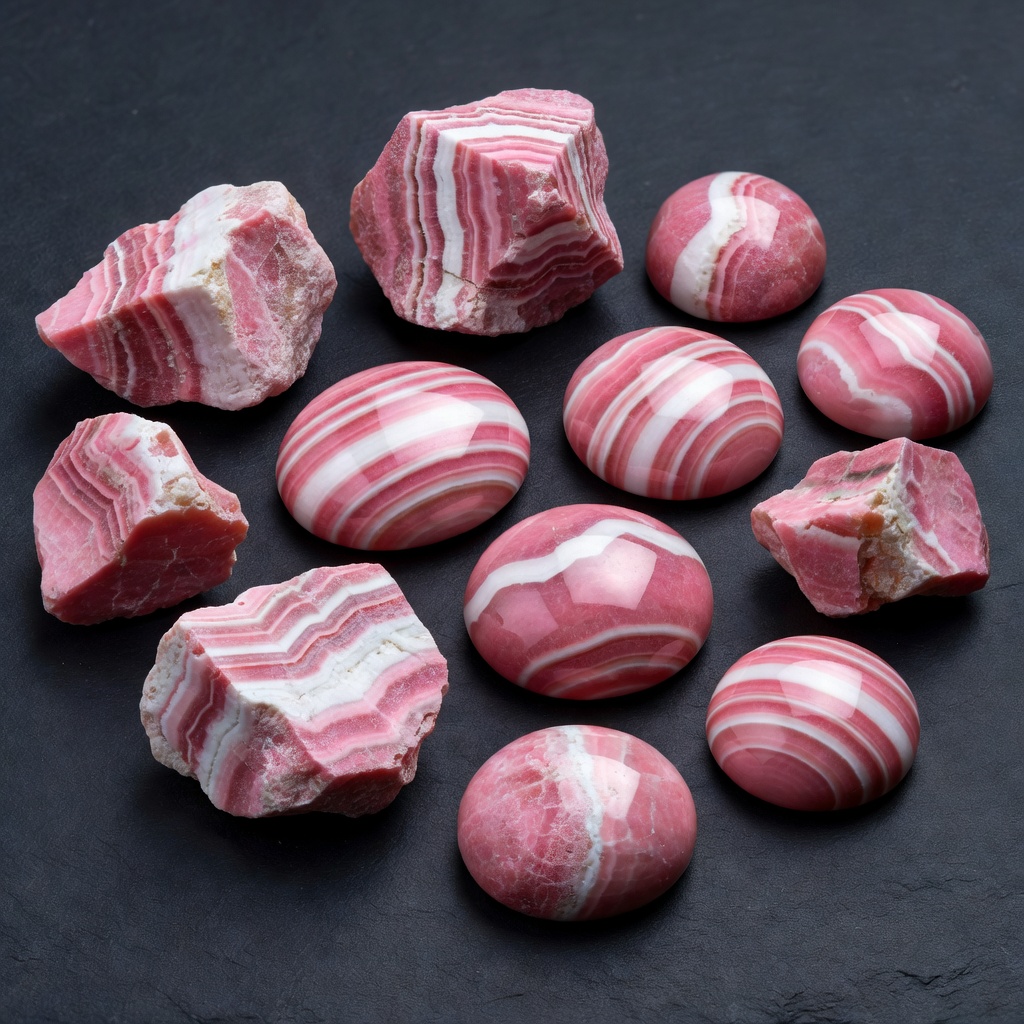
What is Rhodochrosite? Understanding the Inca Rose
The captivating pink gemstone known as the Inca Rose stone carries a rich cultural legacy that dates back to the ancient civilizations of South America. According to Argentinian legend, the Incas believed that rhodochrosite formed from the blood of their former rulers and the tears of their loved ones, crystallizing into the distinctive rose-red stone as a symbol of spiritual transformation and emotional healing. This romantic nomenclature has persisted for centuries, contributing significantly to rhodochrosite meaning in metaphysical circles where it represents selfless love, compassion, and the integration of spiritual awareness with emotional balance.
From a mineralogical perspective, rhodochrosite is a manganese carbonate with the chemical formula MnCO₃, crystallizing in the trigonal system to form distinctive rhombohedral crystals. Unlike many gemstones that derive their color from trace impurities, rhodochrosite's vivid pink to cherry-red hues result directly from the manganese content within its chemical structure, making it one of the few gems where the element responsible for color is a primary constituent. Collectors prize this gemstone not only for its rarity but also for its unique ability to display intense saturation levels that rival fine rubies, yet with a distinctive warmth and depth that distinguishes it from all other pink gemstones on the market.
Quality Factors: Evaluating Color and Clarity
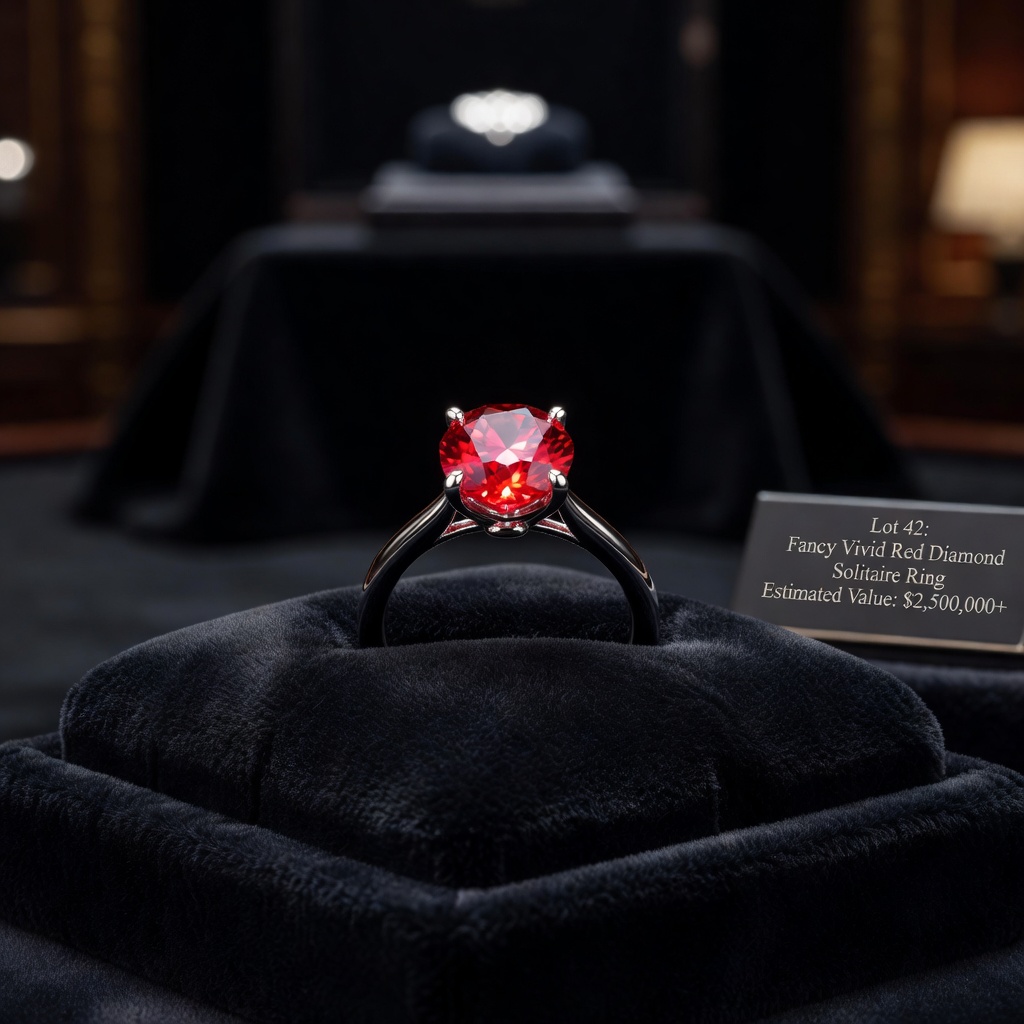
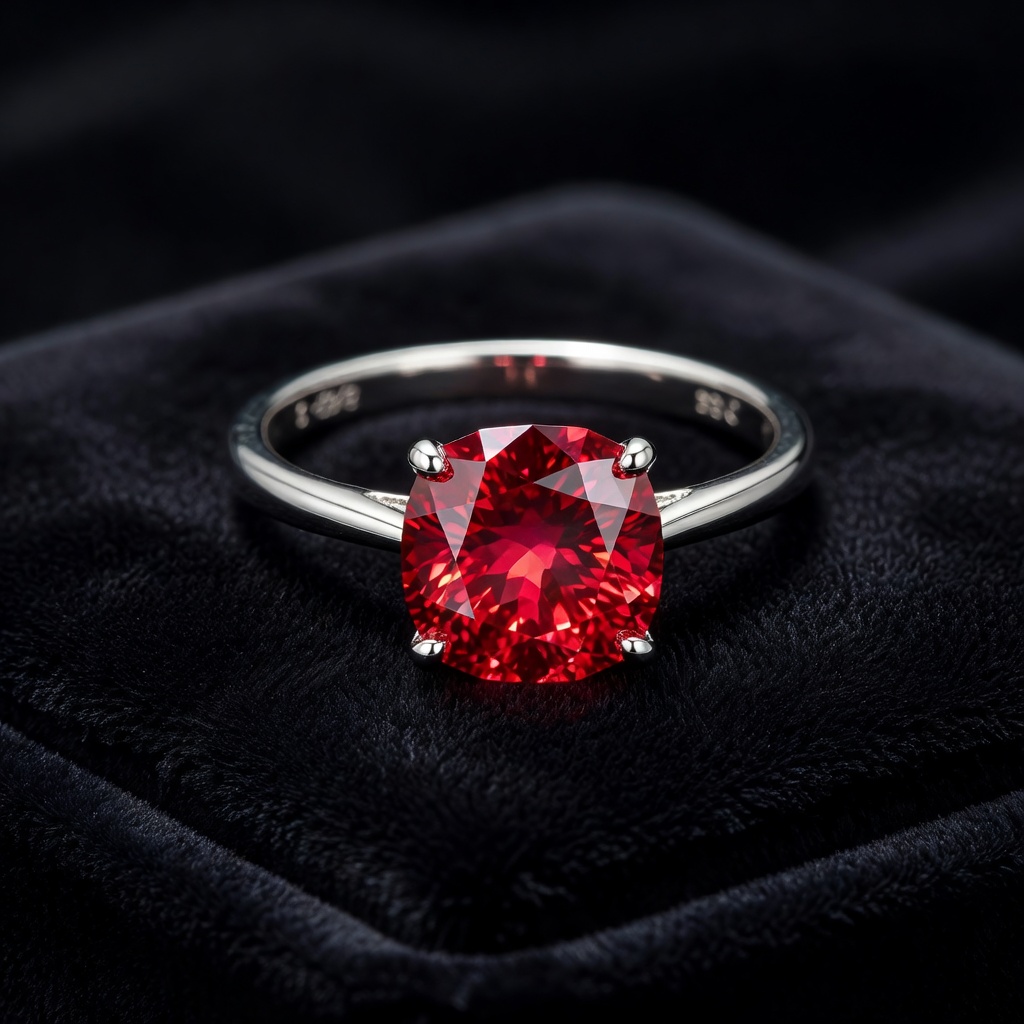
When assessing rhodochrosite gemstone quality, color reigns supreme as the most critical value determinant, with intense cherry-red specimens commanding exponentially higher prices than their paler counterparts. The most desirable cherry red rhodochrosite exhibits a saturated, vivid raspberry hue reminiscent of ripe strawberries, while commercial-grade material often appears as softer pink or salmon tones that lack the visual impact of premium specimens. Advanced collectors specifically seek stones that display a homogeneous color distribution without muddy brown undertones or grayish modifiers, as these subtle shifts dramatically impact both aesthetic appeal and investment potential.
Transparency represents the second major quality tier, ranging from completely opaque banded material suitable for cabochons to rare translucent crystals that can be faceted into brilliant gems. High-quality transparent rhodochrosite allows light to penetrate several millimeters into the stone, creating a glowing effect that enhances its romantic coloration, while opaque varieties rely entirely on surface luster to create visual interest. The surface quality also plays a crucial role in valuation, with specimens exhibiting a vitreous to pearly luster commanding premium prices compared to those with dull or chalky appearances that suggest porosity or internal fracturing.
Banded vs. Transparent Rhodochrosite Varieties
The gem world recognizes two distinct categories of banded rhodochrosite, each serving different purposes within the jewelry and mineral collecting communities. Rhodochrosite stalactite specimens from Argentina's Capillitas Mine display characteristic concentric banding patterns in alternating shades of pink and white, formed through slow mineral deposition within ancient cave systems over millions of years. These banded varieties, while typically opaque, create stunning lapidary material when cut perpendicular to the growth bands, revealing bull's-eye or target patterns that have become iconic in designer jewelry and high-end mineral collections.
Transparent rhodochrosite crystals, conversely, represent the pinnacle of gem-grade material, occurring as individual rhombohedrons or scalenohedral crystals that can be faceted into dazzling gemstones. Lapidary-grade banded material generally commands lower per-carat prices but offers greater durability for daily wear jewelry such as bracelets and rings, whereas specimen-grade transparent crystals often remain uncut to preserve their natural crystal habit and are valued primarily by serious mineral collectors. Understanding these distinctions helps buyers align their purchases with intended use, whether creating heirloom jewelry pieces or building a museum-quality mineral display.
Origins Matter: Argentine and Colorado Rhodochrosite
Geographic provenance significantly influences both the appearance and value of rhodochrosite specimens, with two primary localities dominating the market through distinctly different characteristics. Colorado rhodochrosite from the Sweet Home Mine near Alma represents the gold standard for gem-quality material, producing intensely saturated cherry-red crystals with exceptional transparency and clarity that command the highest prices in the marketplace. The Sweet Home Mine specimens are particularly prized for their rhombohedral crystal habit and deep color saturation that seems to glow from within, though the mine's depletion has made new material increasingly scarce and drove prices upward for existing collections.
Argentinian material from the Capillitas mine rhodochrosite deposits offers a different aesthetic, primarily producing the banded stalactitic formations that have defined the commercial market for decades. While Argentine rhodochrosite occasionally yields transparent crystals suitable for faceting, the region is renowned for massive banded material that displays the characteristic white and pink alternating layers. When purchasing, collectors should request specific documentation regarding the mine of origin, as this information significantly affects valuation, with documented Sweet Home Mine specimens often selling for three to five times the price of comparable-quality material from other localities.
Rhodochrosite Pricing Guide and Market Value
Understanding pink rhodochrosite value requires familiarity with a broad pricing spectrum that reflects the dramatic quality variations within this gemstone category. Commercial-grade opaque material typically ranges from $20 to $100 per carat depending on color intensity and pattern definition, while fine transparent rhodochrosite price per carat can escalate from $500 to over $2,000 for exceptional Colorado specimens exceeding five carats with vivid saturation. Banded stalactite slices are frequently priced by the piece rather than by weight, with exceptional display specimens featuring perfect concentric patterns and intense coloration reaching into the thousands of dollars at specialized mineral auctions.
Several factors command premium pricing beyond basic color and clarity, including crystal size, perfection of form, and documented provenance from depleted mines like Sweet Home. Current market trends in 2024 show increasing scarcity of high-quality transparent material, driving investment interest from collectors who recognize the finite supply of top-tier specimens. Buyers should expect to pay 20-30% premiums for stones accompanied by independent laboratory certification verifying natural origin and absence of treatment, as these documents provide essential assurance for significant purchases and facilitate future resale opportunities.
Identifying Treatments and Synthetic Stones
Authentic rhodochrosite identification has become increasingly important as market demand drives unscrupulous sellers to offer enhanced or imitation material to unsuspecting buyers. Common enhancement methods include dyeing of pale or white calcite to simulate rhodochrosite's pink color, stabilization of fragile banded material with epoxy resins to improve durability, and surface coating with colorless oils to temporarily enhance luster. Natural vs treated rhodochrosite distinctions often require laboratory analysis using advanced spectroscopic techniques that can detect artificial colorants or polymer impregnation not visible to the naked eye.
For high-value purchases, insist upon certification from recognized gemological laboratories such as GIA (Gemological Institute of America) or AGL (American Gemological Laboratories), which provide detailed reports confirming natural origin and disclosing any detectable treatments. Practical home tests include examining the stone under magnification for color concentrations in fractures (indicating dye) or testing specific gravity, as rhodochrosite's density of 3.45-3.60 distinguishes it from lighter plastic imitations or heavier substituted materials. When examining potential purchases, trust your instincts regarding price; if a deal seems too good to be true for supposedly fine material, the stone likely lacks authenticity or has undergone undisclosed enhancement.
Rhodochrosite vs. Rhodonite and Similar Gems
Distinguishing between rhodochrosite vs rhodonite represents a fundamental skill for any serious collector, as these manganese-rich minerals share visual similarities but differ significantly in composition, value, and identification characteristics. While both display pink coloration, rhodochrosite is manganese carbonate (MnCO₃) typically exhibiting white banding or zones, whereas rhodonite is manganese silicate featuring distinctive black manganese oxide veining that creates a striking contrast against the pink matrix. Pink gemstone identification tests provide definitive differentiation, particularly the streak test where rhodochrosite produces a white streak and rhodonite leaves a black streak on unglazed porcelain.
Beyond rhodonite, collectors must differentiate rhodochrosite from pink tourmaline and morganite, both of which are significantly harder (7-7.5 and 7.5-8 respectively on the Mohs scale) compared to rhodochrosite's 3.5-4 rating. Visual examination reveals that tourmaline typically occurs in elongated crystals with triangular cross-sections and displays pleochroism, while morganite (pink beryl) shows higher clarity and brilliance due to its superior hardness and refractive index. When examining loose stones, rhodochrosite's perfect rhombohedral cleavage creates distinct breakage patterns that differ from the conchoidal fracture of chalcedony imitations or the basal cleavage of tourmaline, providing additional confirmation of identity.
Where to Buy Rhodochrosite Safely
Navigating the marketplace requires diligence when seeking rhodochrosite jewelry buying tips that protect your investment and ensure authenticity. Established mineral dealers with decades of specialization in colored stones offer the safest avenue for significant purchases, particularly those who maintain membership in professional organizations such as the American Gem Trade Association (AGTA) or the Mineralogical Association. When you buy rhodochrosite online, verify that the seller provides high-resolution photographs from multiple angles, detailed descriptions including dimensions and weight, and a reasonable return policy that allows inspection by an independent appraiser within a specified timeframe.
Major gem shows such as the Tucson Gem and Mineral Show or the Denver Gem and Mineral Showcase provide excellent opportunities to examine material personally and establish relationships with reputable dealers, though buyers should resist high-pressure sales tactics common in these environments. Red flags indicating potential fraud include prices significantly below market rates, refusal to provide provenance documentation, vague descriptions regarding treatments, or sellers who cannot answer specific questions about the mine of origin. Always ask direct questions about enhancement history, request written guarantees of authenticity, and consider having expensive purchases verified by a certified gemologist before finalizing transactions.
Jewelry Settings and Wearability Considerations
Understanding rhodochrosite durability limitations is essential when designing or purchasing jewelry, as the gemstone's Mohs hardness of 3.5-4 places it among the softer materials used in ornamental pieces. This relative softness means that rhodochrosite jewelry settings must prioritize protection over display, with bezel settings strongly recommended over prong settings for rings to prevent edge chipping and surface scratching during daily activities. Pendants and earrings represent more practical applications for this delicate gemstone, as these locations experience less physical contact than finger rings that bump against desks, countertops, and other hard surfaces throughout the day.
When selecting metals, rose gold and silver both complement the pink tones of rhodochrosite beautifully, though the metal choice should consider the intended wear frequency; 14k or 18k gold provides better long-term security for stones than softer silver settings that may deform and loosen the gem. For those determined to wear rhodochrosite in rings, consider protective designs featuring halo settings or recessed mounts that elevate the stone above the wearing surface, and reserve such pieces for occasional wear rather than daily use. Jewelers experienced with soft stones can apply hardened resin coatings to the pavilion (bottom) of cabochons to improve scratch resistance, though this treatment should always be disclosed to future buyers.
Caring for Your Rhodochrosite Collection
Proper rhodochrosite care begins with understanding that this carbonate mineral reacts adversely to acids, heat, and mechanical shock, requiring gentle handling and specific environmental controls. Clean your specimens using only lukewarm water and a soft natural-bristle brush, avoiding ultrasonic cleaners, steam cleaning, and chemical jewelry dips that can etch the surface or dissolve filler materials used in stabilized pieces. After cleaning, pat stones dry with a soft microfiber cloth rather than rubbing, which could create microscopic scratches on the relatively soft surface, and allow pieces to air dry completely before storage to prevent moisture trapping that might affect metal settings.
Gemstone maintenance for rhodochrosite collections requires separate storage from harder materials such as diamonds, sapphires, or quartz that could scratch the pink surface if jostled together in a jewelry box. Store individual pieces in soft cloth pouches or compartmentalized boxes lined with acid-free tissue, keeping them away from direct sunlight and heat sources that could cause color fading over time. Remove rhodochrosite jewelry before engaging in household cleaning, swimming in chlorinated pools, or applying cosmetics and perfumes, as exposure to acids, bleach, and alcohol can permanently damage the stone's polish and compromise its structural integrity through chemical reaction with the manganese carbonate composition.
Frequently Asked Questions
How much should I expect to pay for quality rhodochrosite?
Commercial quality rhodochrosite typically ranges from $20-$100 per carat, while fine transparent material from Colorado can command $500-$2,000+ per carat. Banded specimens are often priced by piece rather than weight, with exceptional stalactite slices reaching thousands of dollars.
Is rhodochrosite durable enough for daily wear in rings?
With a Mohs hardness of only 3.5-4, rhodochrosite is relatively soft and susceptible to scratching. While suitable for occasional wear, it's better suited for pendants and earrings. If used in rings, protective bezel settings and gentle wear habits are essential to prevent damage.
How can I tell if my rhodochrosite is real or fake?
Authentic rhodochrosite shows perfect rhombohedral cleavage, a white streak (unlike rhodonite's black streak), and typically weighs heavily for its size. Fakes often include dyed agate or plastic with unnaturally uniform color. When in doubt, request certification from recognized laboratories like GIA.
What's the difference between rhodochrosite and rhodonite?
While both are pink manganese minerals, rhodochrosite is manganese carbonate with white banding and a white streak, whereas rhodonite is manganese silicate with black manganese oxide veining and a black streak. Rhodochrosite is typically more translucent and valued higher for gem-quality material.
What is the most valuable color of rhodochrosite?
Intense cherry-red to raspberry-red rhodochrosite commands the highest prices, particularly when combined with high transparency. Colorado material exhibiting this saturated red hue with optical clarity is considered the most valuable, often outperforming paler pink or opaque banded varieties.
Does rhodochrosite fade in sunlight?
Yes, prolonged exposure to direct sunlight or intense heat can cause rhodochrosite's vibrant pink colors to fade over time. Store specimens away from windows and strong UV light sources, and avoid wearing rhodochrosite jewelry during extended sun exposure to preserve its color intensity.
Where is the best place to buy authentic rhodochrosite?
Purchase from established gem dealers specializing in collector minerals, reputable gem shows like Tucson or Denver, or verified online marketplaces with return policies. Avoid tourist traps near mining areas unless the seller provides documented provenance and accepts independent verification.
Is rhodochrosite a good investment stone?
High-quality rhodochrosite from depleted mines like Sweet Home Mine has shown strong appreciation due to scarcity. However, as with all gemstones, investment potential depends on quality, documentation, and market demand. Focus on acquiring the finest color and clarity within your budget rather than speculative buying.