Introduction to Red Diamond Care and Cleaning
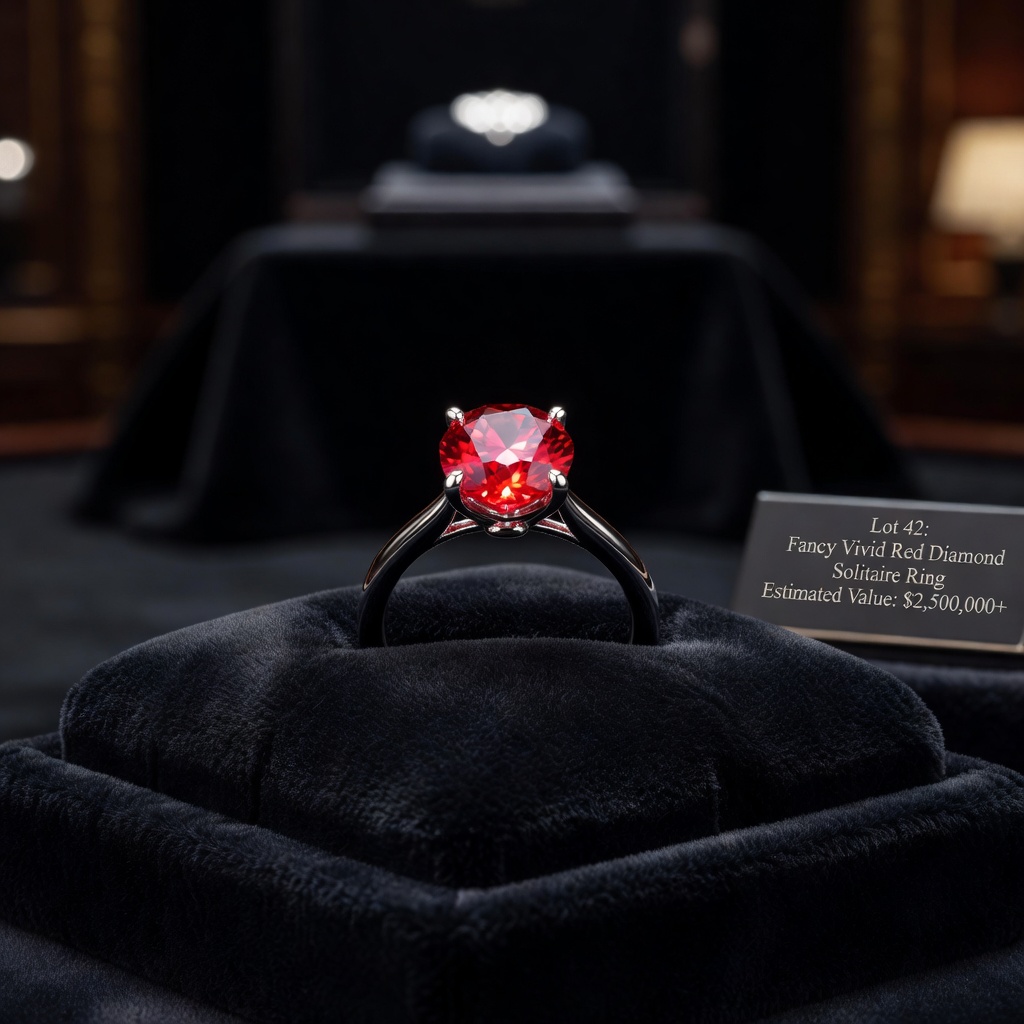
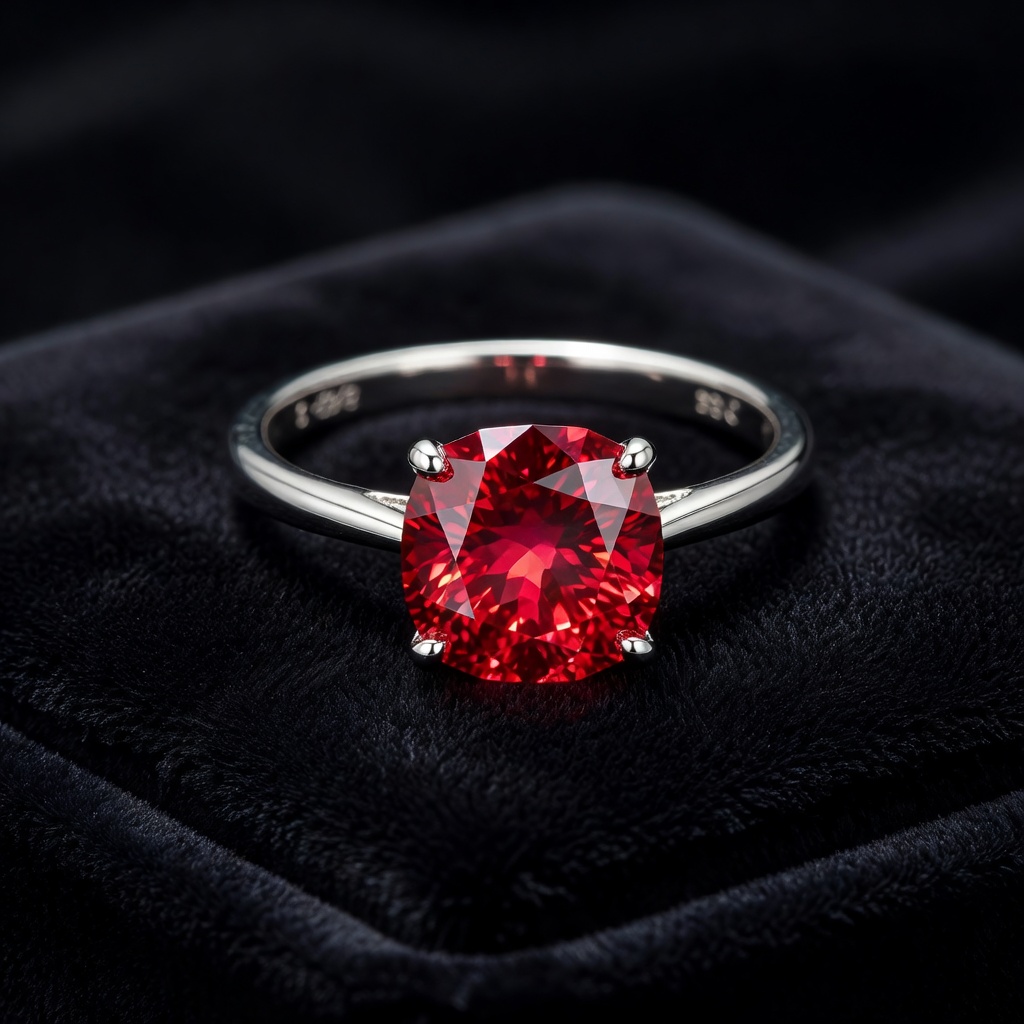
Red diamonds represent the pinnacle of rarity in the gemstone world, with fewer than thirty true red diamonds known to exist globally. Unlike their colorless counterparts or even other fancy colored diamonds, these crimson treasures require specialized Red Diamond Care and Cleaning protocols that account for their unique molecular structure and potential treatment history. Proper maintenance isn't merely about preserving aesthetic appeal; it's about protecting an investment that often commands millions of dollars per carat at auction houses like Christie's and Sotheby's.
The distinctive hue of red diamonds results from plastic deformation during their formation deep within the earth's mantle, creating graining that affects how light travels through the stone. This unique formation means that while these diamonds share the same hardness as other diamonds, their care requirements differ significantly from white diamonds or even pink diamonds. Understanding these nuances ensures that your rare gemstone maintains its coveted fire and brilliance for generations, whether you own a natural Argyle red diamond or a treated fancy red specimen.
Establishing daily habits forms the foundation of effective Red Diamond Care and Cleaning. Simple practices such as removing your ring before washing dishes, avoiding contact with cosmetics, and performing regular visual inspections can prevent the accumulation of debris that dulls the stone's appearance. These preventative measures, combined with proper cleaning techniques and storage solutions, create a comprehensive care strategy that honors the extraordinary rarity of your red diamond while ensuring it remains a wearable piece of art rather than a vault-bound asset.
Understanding Red Diamond Properties and Durability
The molecular architecture of red diamonds sets them apart from other gemstones in ways that directly impact their maintenance needs. Natural red diamonds owe their color to lattice defects caused by extreme pressure during formation, resulting in a phenomenon called slip planes that create the stone's characteristic red hue. When dealing with treated red diamonds, which comprise the majority of commercial red diamonds available today, color enhancement processes such as high-pressure high-temperature (HPHT) treatment or irradiation create additional considerations for Fancy red diamond maintenance that owners must understand to avoid inadvertent damage.
While red diamonds rank ten on the Mohs hardness scale, making them resistant to scratching from everyday materials, this hardness masks a vulnerability to chipping and cleaving. The same structural anomalies that create the red color can also create planes of weakness within the crystal lattice. This means that despite their reputation as the hardest natural material, red diamonds can suffer damage from sharp impacts against hard surfaces, particularly along the girdle or at points where inclusions meet the surface. Understanding this dichotomy between hardness and structural integrity is crucial for anyone responsible for Argyle red diamond preservation or the care of other high-value red specimens.
The distinction between natural Argyle red diamonds and treated stones significantly influences care protocols. Natural red diamonds from the now-closed Argyle mine in Western Australia represent the most valuable and rarest specimens, often requiring less cautious cleaning methods than their treated counterparts. Treated red diamonds may contain fracture fillings or surface coatings to enhance color, making them susceptible to damage from heat, harsh chemicals, or ultrasonic vibrations. Before implementing any cleaning regimen, owners must consult their diamond's certification report from the Gemological Institute of America (GIA) or similar authority to determine whether they possess a natural fancy red diamond or an enhanced stone requiring specialized Fancy red diamond maintenance approaches.
Daily Red Diamond Care and Cleaning Routines
Incorporating mindful habits into your daily routine forms the cornerstone of effective Red Diamond Care and Cleaning. When wearing red diamond rings, adopt specific hand-washing techniques that prevent soap buildup in the setting. Instead of allowing soap to cascade over the stone, cup your hands to direct water flow away from the ring, or temporarily remove the jewelry during washing. Soap residue creates a film that significantly reduces light return through the pavilion facets, causing the diamond to appear cloudy or lifeless despite its inherent brilliance. This simple adjustment preserves the stone's fire while maintaining hygiene standards.
Physical activities present significant risks to red diamond integrity that necessitate removal of your jewelry beforehand. High-impact sports, weightlifting, gardening, and even cooking can expose your diamond to thermal shock, blunt force trauma, or chemical exposure. Consider the case of a collector who wore her 1.92-carat fancy red diamond ring while gardening, only to discover later that the prongs had loosened from soil impact, nearly resulting in the loss of the irreplaceable stone. Establishing designated "safe zones" in your home for jewelry removal—such as velvet-lined dishes in the bathroom and kitchen—creates consistent habits that protect your investment during Daily diamond maintenance routines.
Conducting brief daily inspections requires only moments but can prevent catastrophic loss. Using a jeweler's loupe or even strong reading glasses, examine the prongs holding your red diamond, checking for signs of lifting, bending, or wear. Look for accumulated debris beneath the stone, particularly around the pavilion, where skin oils and environmental particles collect. Gently blow on the diamond to dislodge loose dust, and if you notice the stone wobbling in its setting or hear clicking sounds when tapping the band gently against your ear, cease wearing the piece immediately and contact a professional. These proactive inspections form an essential component of comprehensive Red Diamond Care and Cleaning that safeguards both the gemstone and its mounting.
Safe At-Home Cleaning Methods for Red Diamonds
Creating an effective cleaning solution for your red diamond requires only simple household items, yet precision matters enormously when dealing with six or seven-figure gemstones. Prepare a solution of warm—not hot—water mixed with a few drops of mild, phosphate-free dish soap such as Dawn Original. The water temperature should approximate body heat, as excessive heat can potentially affect certain color treatments or cause thermal shock if the diamond contains internal inclusions. Fill a small bowl with this solution rather than cleaning directly over a sink, eliminating the risk of losing your diamond down the drain if the setting fails during Rare diamond cleaning methods.
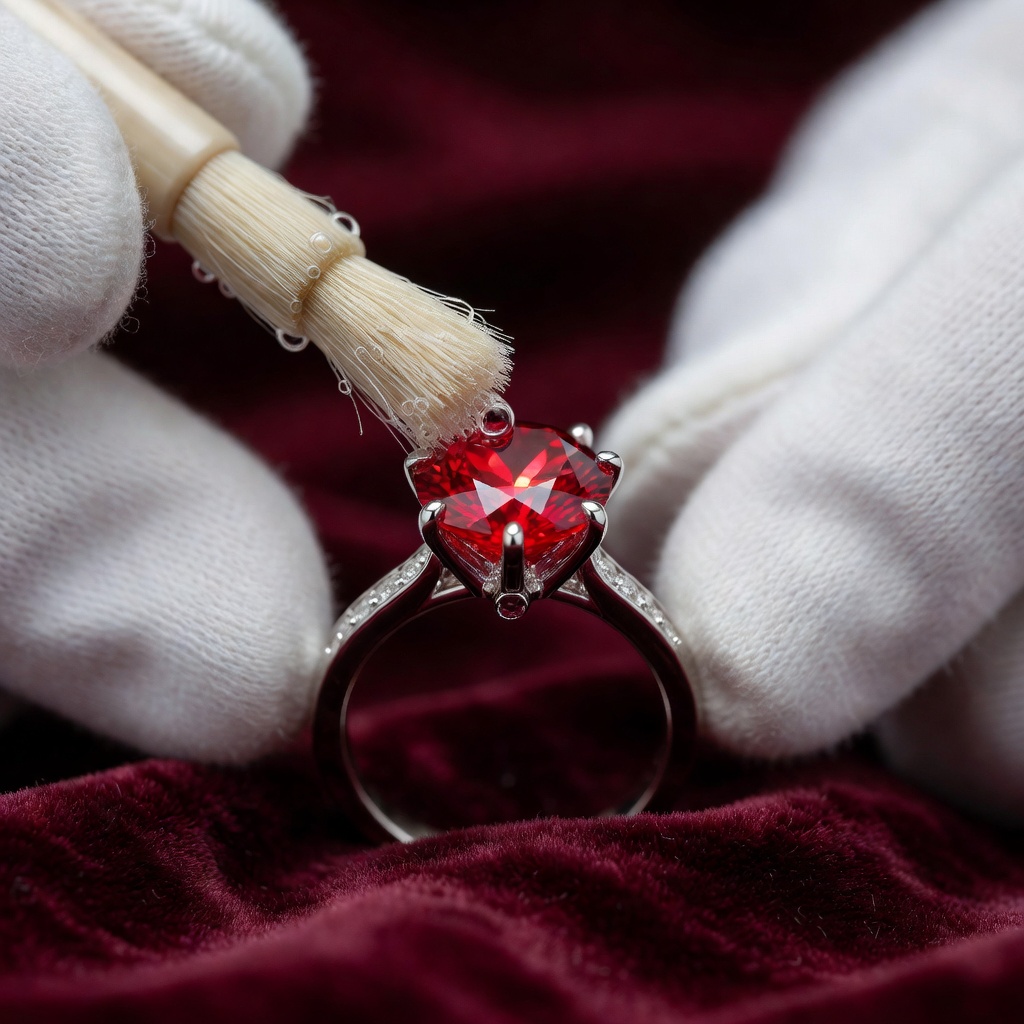
Immerse your red diamond jewelry in the solution for fifteen to twenty minutes to loosen accumulated oils and debris. Using a soft-bristled baby toothbrush or specialized jewelry brush with natural sable hair, gently scrub the diamond paying particular attention to the underside of the stone where the pavilion meets the setting. Work in circular motions around the prongs without applying downward pressure that could loosen the stone. For intricate settings featuring pavé diamonds alongside your center red diamond, use a soft makeup brush to clean between small stones without risking dislodgment. This methodical approach to Safe diamond cleaning at home removes buildup without risking mechanical damage to the mounting.
Drying your red diamond properly proves as important as the cleaning process itself to prevent water spots that dull the brilliance. Avoid paper towels or tissues, which can leave lint fibers caught in prongs or scratch softer metal settings. Instead, use a lint-free microfiber cloth specifically designed for optical lenses or fine jewelry. Pat the diamond dry rather than rubbing, and consider using a bulb syringe to blow water droplets from beneath the setting before drying. Allow the piece to air dry completely on a fresh cloth for several minutes before storage or wearing. This meticulous drying protocol ensures that your Red Diamond Care and Cleaning routine restores maximum brilliance without introducing new contaminants or moisture that could affect the metal over time.
Professional Red Diamond Care and Cleaning Services
Determining when to transition from home maintenance to Professional gemstone cleaning requires understanding both the value of your stone and the limitations of DIY methods. For red diamonds valued over $50,000, or those with complex historical provenance, professional cleaning every four to six months provides security inspections that home cleaning cannot replicate. Jewelers use high-powered microscopes to inspect prong integrity, check for girdle damage, and assess whether the diamond has loosened in its setting. This professional oversight becomes particularly crucial for antique red diamond pieces where wear patterns in the mounting may indicate imminent stone loss.
When selecting a jeweler for Red Diamond Care and Cleaning, interrogating their specific experience with fancy colored diamonds prevents costly mistakes. Ask potential service providers about their training with Argyle red diamonds specifically, as these stones require different handling than treated stones. Inquire whether they have worked with the GIA's colored diamond grading system and whether they possess experience with high-value stones similar to yours. Request that they examine the certification report before cleaning to identify any treatments that might contraindicate certain cleaning methods. A qualified professional will willingly discuss their insurance coverage, cleaning protocols, and the specific equipment they use for colored diamond maintenance.
Understanding the limitations of steam cleaning and ultrasonic technology protects your investment from well-intentioned but potentially damaging professional treatments. Steam cleaners, while effective for removing debris from natural diamonds, can loosen fracture fillings in treated red diamonds or cause thermal shock if the stone contains significant inclusions. Ultrasonic cleaners create vibrations that can shake loose stones from worn settings or damage delicate pavé work surrounding your center stone. Before consenting to either method, verify your diamond's treatment history through its GIA report. For natural Argyle stones without treatments, these methods may be safe, but for enhanced stones, request hand-cleaning only using soft brushes and mild solutions. This discernment in Professional gemstone cleaning ensures that maintenance enhances rather than compromises your red diamond's value.
Proper Storage Techniques for Red Diamond Jewelry
Implementing rigorous Diamond jewelry storage tips prevents the single most common source of damage to high-value gemstones: contact with other jewelry. Red diamonds, despite their hardness, can scratch other gemstones and be scratched by other diamonds if stored improperly. Each red diamond piece requires individual storage in a soft, padded pouch made of velvet, microfiber, or acid-free tissue. Avoid storing red diamonds in the same compartment as other diamond jewelry, as diamond-on-diamond contact creates abrasion marks that require professional repolishing to remove, potentially reducing the carat weight and value of your rare stone.
Climate control considerations extend beyond simple security measures to protect both the diamond and its mounting. Extreme temperature fluctuations cause metal settings to expand and contract, potentially loosening prongs over time. Maintain storage environments between 65-75 degrees Fahrenheit with relative humidity between 40-50 percent. High humidity promotes tarnishing in gold and platinum settings, while excessively dry conditions can make certain metal alloys brittle. Consider storing your red diamond jewelry in a safe with built-in climate control, or include silica gel packets changed quarterly to regulate moisture. For Red diamond preservation over decades, these environmental controls prevent the gradual degradation that affects improperly stored high-value jewelry.
Travel storage solutions for red diamonds require security measures that balance accessibility with protection. When transporting red diamond jewelry, use hard-sided travel cases with individual foam compartments that prevent movement during transit. Never pack red diamonds in checked luggage; always carry them in your personal item during flights. Consider using diversion safes or hidden pockets in travel clothing for additional security. For extended travel, photograph your jewelry before departure and carry copies of certification reports separately from the pieces themselves. These Diamond jewelry storage tips ensure that your red diamond remains secure whether stored in a home vault or transported across international borders for exhibition or sale.
Common Mistakes to Avoid in Red Diamond Maintenance
Chemical exposure represents the most insidious threat to Diamond durability and care, as damage often occurs gradually before sudden catastrophic failure. Chlorine and bleach, common in swimming pools and household cleaners, erode gold alloys and can pit platinum settings, compromising prong integrity. These chemicals can also affect certain color treatments in fancy red diamonds, causing fading or uneven color distribution. Never wear your red diamond while cleaning bathrooms, swimming, or using hot tubs. Even brief exposure to these chemicals creates microscopic damage that accumulates over time, potentially leading to stone loss or expensive restoration work.
Wearing red diamonds during high-impact activities contradicts basic Red Diamond Care and Cleaning principles despite diamonds' reputation for durability. While diamonds resist scratching, they remain vulnerable to cleaving along natural growth planes. Activities such as rock climbing, tennis, moving furniture, or even enthusiastic handshaking can subject your ring to shearing forces that chip the girdle or table facet. Consider the documented case of a 2.05-carat fancy purplish-red diamond chipped during a golf swing when the club struck a rock. Such damage permanently reduces the stone's value and may require recutting that sacrifices significant carat weight. Removing your red diamond before physical labor or sports preserves both the stone and your peace of mind.
Improper storage habits create preventable damage that compromises both aesthetic appeal and structural integrity. Storing red diamonds in jumbled jewelry boxes where they contact other pieces causes surface abrasions and prong bending. Leaving diamonds in sunlight-exposed areas can fade certain color treatments over time, while storage near heating vents or air conditioning units creates temperature fluctuations that stress metal settings. Additionally, storing diamonds in bathrooms exposes them to humidity that promotes tarnishing and potential loosening of settings as metal expands. Avoiding these common Red Diamond Care and Cleaning mistakes requires discipline and education, but the preservation of your investment justifies the vigilance required to maintain these extraordinary gemstones properly.
Long-Term Preservation and Insurance Documentation
Maintaining current documentation forms an essential component of Fancy red diamond maintenance for investment-grade stones. Schedule professional appraisals every eighteen to twenty-four months with a certified gemologist who specializes in colored diamonds, as market values for red diamonds fluctuate significantly based on auction results and collector demand. These appraisals should include detailed measurements, clarity plotting, color grade verification, and current replacement value calculations. Update your insurance coverage immediately following each appraisal to ensure your policy reflects current market values, preventing underinsurance that could cost you hundreds of thousands of dollars in the event of loss or theft.
Photographic documentation creates a visual record that proves invaluable for insurance claims and estate planning. Take high-resolution photographs of your red diamond monthly under consistent lighting conditions, capturing images from the table view, profile, and pavilion angles. Include a scale reference in each photograph to document size, and photograph any identifying inclusions visible under magnification. Store these images in cloud-based storage with offline backups, maintaining a chronological record that can prove condition prior to any damage event. For heirloom-quality Argyle red diamonds, this documentation supports provenance claims and assists future generations in maintaining Investment diamond care standards.
Estate planning for red diamond collections requires specialized legal and logistical preparation that acknowledges their unique liquidity and tax implications. Work with estate attorneys experienced in tangible asset transfer to establish trusts or specific bequests that address these high-value items. Create detailed care instructions that accompany the diamond to future owners, including cleaning protocols, storage requirements, and insurance contacts. Consider establishing relationships with auction houses or specialty dealers who can facilitate future sales if heirs choose to liquidate rather than retain the stone. This forward-thinking approach to Fancy red diamond maintenance ensures that your crimson treasure continues to captivate and appreciate through multiple generations, protected by both legal frameworks and practical care knowledge.
Troubleshooting: When Your Red Diamond Loses Sparkle
Distinguishing between surface contamination and genuine structural damage requires careful observation and sometimes professional assessment. If your red diamond appears cloudy or lacks fire despite recent cleaning, examine the stone under bright light while slowly rotating it. Surface dirt creates uniform dullness that disappears immediately after proper cleaning, while internal damage such as feathering or clouding remains visible regardless of cleaning efforts. Perform the "fog test" by breathing on the diamond; if the condensation disperses immediately, the stone is likely clean but potentially damaged, whereas slow dispersion suggests oily residue requiring additional Red Diamond Care and Cleaning attention.
Addressing loose prongs or setting issues demands immediate cessation of wear and professional intervention. If you detect movement in your diamond when gently pushing it with a toothpick, or if you hear rattling when shaking the piece near your ear, the setting has compromised. Continuing to wear the piece risks losing the stone entirely, particularly in open settings like Tiffany or bezel mounts where the diamond might slip through a gap. Wrap the ring in tissue and store it flat in a secure location until you can visit a jeweler specializing in high-value colored diamonds. This immediate response to security issues exemplifies proactive Diamond restoration tips that prevent total loss.
Recognizing when color treatments require professional restoration saves owners from continued degradation of their investment. If your red diamond shows uneven color distribution, patches of lighter or darker hue, or a generally "muddy" appearance that cleaning doesn't resolve, the color treatment may have degraded. HPHT-treated stones can experience color shift if exposed to excessive heat during repair work, while coated diamonds may show wear patterns on facet junctions. Only gemologists with specific fancy colored diamond experience can assess whether color restoration is possible or if the stone requires re-cutting to remove affected areas. Document any color changes with dated photographs and contact your original dealer or a specialty colored diamond laboratory immediately. This vigilance in monitoring color integrity forms a crucial aspect of ongoing Red Diamond Care and Cleaning for treated stones.
Frequently Asked Questions About Red Diamond Care and Cleaning
How often should I perform red diamond care and cleaning at home?
For daily wear red diamond rings, clean them at home every two weeks using warm water and mild soap. However, professional cleaning every six months is recommended for high-value fancy red diamonds to ensure prong security and deep cleaning without risking damage to treatments.
Can I use ultrasonic cleaners for red diamond care and cleaning?
While natural Argyle red diamonds can typically withstand ultrasonic cleaning, treated or enhanced red diamonds should avoid this method as vibrations may loosen fillers or affect color treatments. Always consult your diamond's certification report before using ultrasonic technology.
Is it safe to wear my red diamond while swimming or showering?
No, chlorine in swimming pools and hot tubs can damage both the diamond's setting and potentially affect certain color treatments. Soap residue in showers can create film buildup that dulls the red diamond's brilliance, requiring more frequent intensive cleaning.
What makes red diamond care and cleaning different from white diamonds?
Red diamonds often undergo color enhancement treatments that require gentler cleaning methods. Additionally, their extreme rarity means insurance and documentation requirements are stricter, and owners typically opt for more frequent professional inspections to protect their investment value.
How should I store my red diamond jewelry when not wearing it?
Store red diamonds individually in soft, padded jewelry pouches or lined compartments to prevent scratching. Keep them away from direct sunlight and extreme temperatures, and consider using silica gel packets in your safe to control humidity that could affect metal settings.
Can household cleaners damage my red diamond during routine care and cleaning?
Yes, ammonia-based cleaners, bleach, and abrasive scrubbing agents can damage both the diamond and its mountings. These chemicals can erode metal prongs over time and potentially affect certain color treatments in fancy red diamonds. Always stick to mild dish soap specifically.
Should I remove my red diamond ring before applying lotion or perfume?
Absolutely. Lotions, perfumes, and cosmetics create buildup on the diamond's surface and pavilion, significantly reducing brilliance and fire. These products can also accumulate under prongs, creating a breeding ground for bacteria and potentially loosening the stone over time.
What are the signs that my red diamond needs professional care and cleaning rather than home maintenance?
If your red diamond appears cloudy despite home cleaning, has visible inclusions that weren't previously noticeable, shows loose prongs, or has suffered impact damage, seek immediate professional assessment. Additionally, if the red color appears faded or uneven, professional restoration may be necessary.