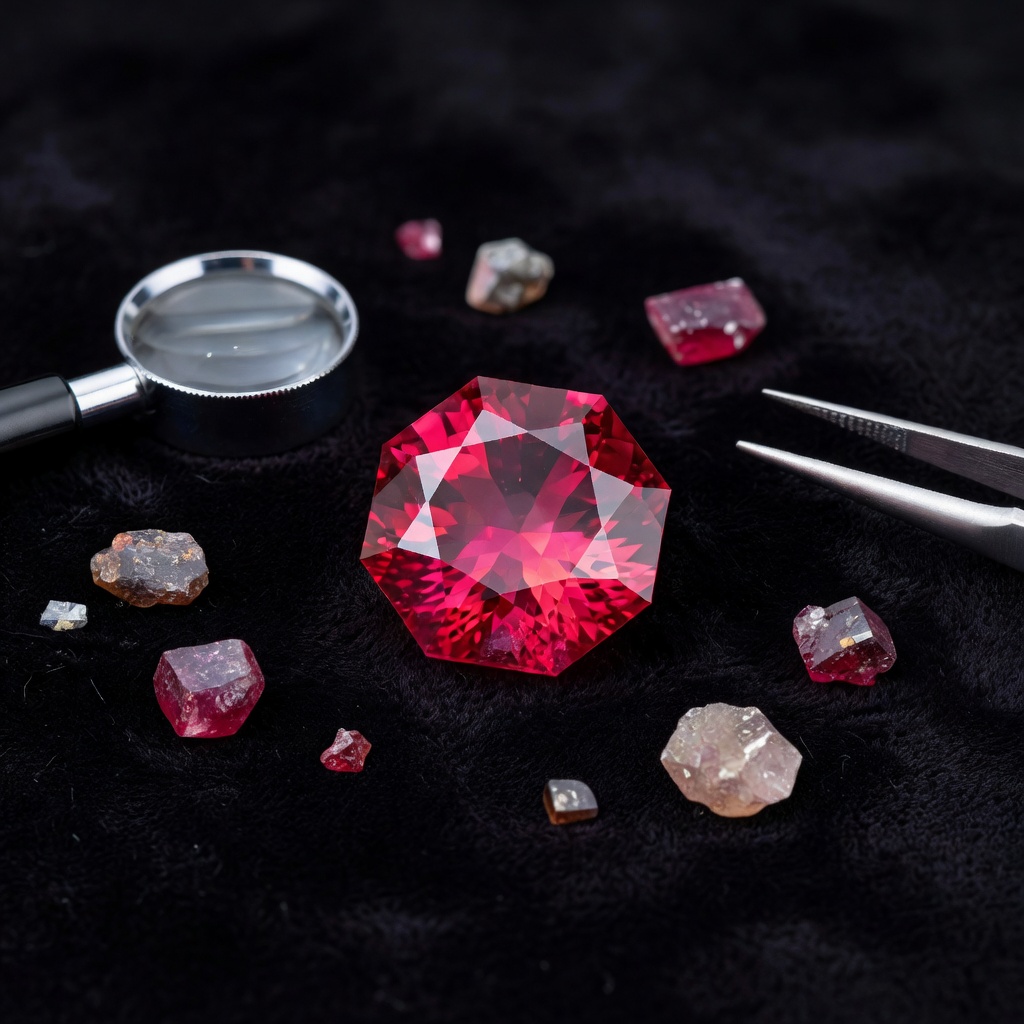
What Is Red Beryl? An Introduction to This Rare Gem
Red beryl represents one of the rarest red beryl gemstone varieties known to gemologists and collectors, possessing a distinctive raspberry to deep red hue that captivates enthusiasts worldwide. Also known scientifically as bixbite (though gemologists now prefer to avoid confusion with the mineral bixbyite), this extraordinary crystal belongs to the beryl family, sharing its chemical foundation with emerald and aquamarine while displaying uniquely different optical characteristics. When discussing Red Beryl Properties and Information, it is essential to understand that this gem formed under specific geological conditions that rarely occur in nature, contributing to its status as one of the most elusive precious stones on Earth.
The discovery of red beryl traces back to 1904 when mineralogist Maynard Bixby first identified unusual red crystals in the rhyolite formations of Utah's Wah Wah Mountains. While Bixby initially suspected he had found red spinel or garnet, subsequent analysis revealed a new variety of beryl that would later bear his name in mineralogical literature. Despite being frequently marketed as "red emerald" in contemporary jewelry circles, this terminology remains controversial among purists who emphasize that while both stones belong to the beryl family, they represent distinct mineralogical varieties with different chemical coloring agents and formation environments.
Physical Properties and Chemical Composition
Understanding the Bixbite properties requires examining its robust crystalline structure, which contributes to both its durability and optical performance in fine jewelry applications. Red beryl crystallizes in the hexagonal system with the chemical formula Be₃Al₂Si₆O₁₈, indicating it is a beryllium aluminum silicate that forms under high-temperature, low-pressure conditions specific to volcanic rhyolites. On the Mohs hardness scale, this gemstone registers between 7.5 and 8, making it harder than quartz (7) yet softer than corundum varieties like sapphire and ruby (9), which allows for versatile jewelry use when properly protected.
The specific gravity of red beryl typically ranges from 2.66 to 2.70, while its refractive index falls between 1.564 and 1.574, creating the brilliant luster that distinguishes high-quality specimens from inferior imitations. Gemologists examining Red Beryl Properties and Information note that the stone exhibits distinct pleochroism, showing different color intensities when viewed from various angles—ranging from orange-red to purplish-red depending on crystal orientation. These optical characteristics, combined with its uniaxial negative optical sign, provide crucial diagnostic tools for laboratories certifying authentic specimens and distinguishing them from synthetic alternatives or look-alike gems such as red spinel or pyrope garnet.
Crystal Formation and Structural Integrity
Natural red beryl crystals rarely exceed two centimeters in length, with most gem-quality material measuring under one centimeter, presenting significant challenges for lapidaries attempting to maximize yield from rough material. The hexagonal prismatic crystals typically terminate in flat basal planes, though etching from volcanic gases often creates complex surface patterns that must be carefully evaluated before cutting. When selecting rough material for faceting, experienced cutters examine crystals under polarized light to identify stress fractures and inclusion patterns that could compromise structural integrity during the cutting process.
The Extraordinary Rarity of Red Beryl
When evaluating rare red gemstones, red beryl stands in a category of exclusivity that surpasses even diamond and emerald in terms of scarcity and geological improbability. Statistical analysis reveals that gem-quality red beryl is approximately 1,000 times rarer than gold and 8,000 times rarer than diamond, with only one commercial mining operation currently producing facet-grade material globally. The Ruby Violet claims in Utah's Wah Wah Mountains represent the sole significant source of collector-quality crystals, making this American gemstone one of the most geographically restricted precious stones in existence.
The extreme scarcity stems from highly specific geological requirements necessary for red beryl formation, including the presence of rhyolitic lava flows, beryllium-rich gases, and manganese-bearing solutions interacting under precise temperature and pressure conditions approximately 65 million years ago. Unlike emerald, which forms in multiple localities worldwide, red beryl requires a unique combination of beryllium enrichment and manganese availability within topaz-bearing rhyolites that geologists have only identified in select locations across the western United States. As miners continue extracting material from the diminishing Wah Wah Mountains deposit, experts predict that the supply of new Red Beryl Properties and Information regarding fresh discoveries will likely cease within the next two to three decades.
Geological Uniqueness and Formation Constraints
The formation environment for red beryl demands post-volcanic hydrothermal activity where fluorine-complexed beryllium vapors permeate through lithophysae cavities within cooled rhyolite flows. These gas pockets must simultaneously contain manganese (Mn³⁺) to create the characteristic red coloration, while excluding iron impurities that would shift the hue toward undesirable orange or brown tones. Such precise chemical parameters explain why despite extensive geological surveys across six continents, viable red beryl deposits have only been confirmed in three specific mountain ranges, with Utah providing over 95% of all known gem-quality material.
Color Characteristics and Quality Grading
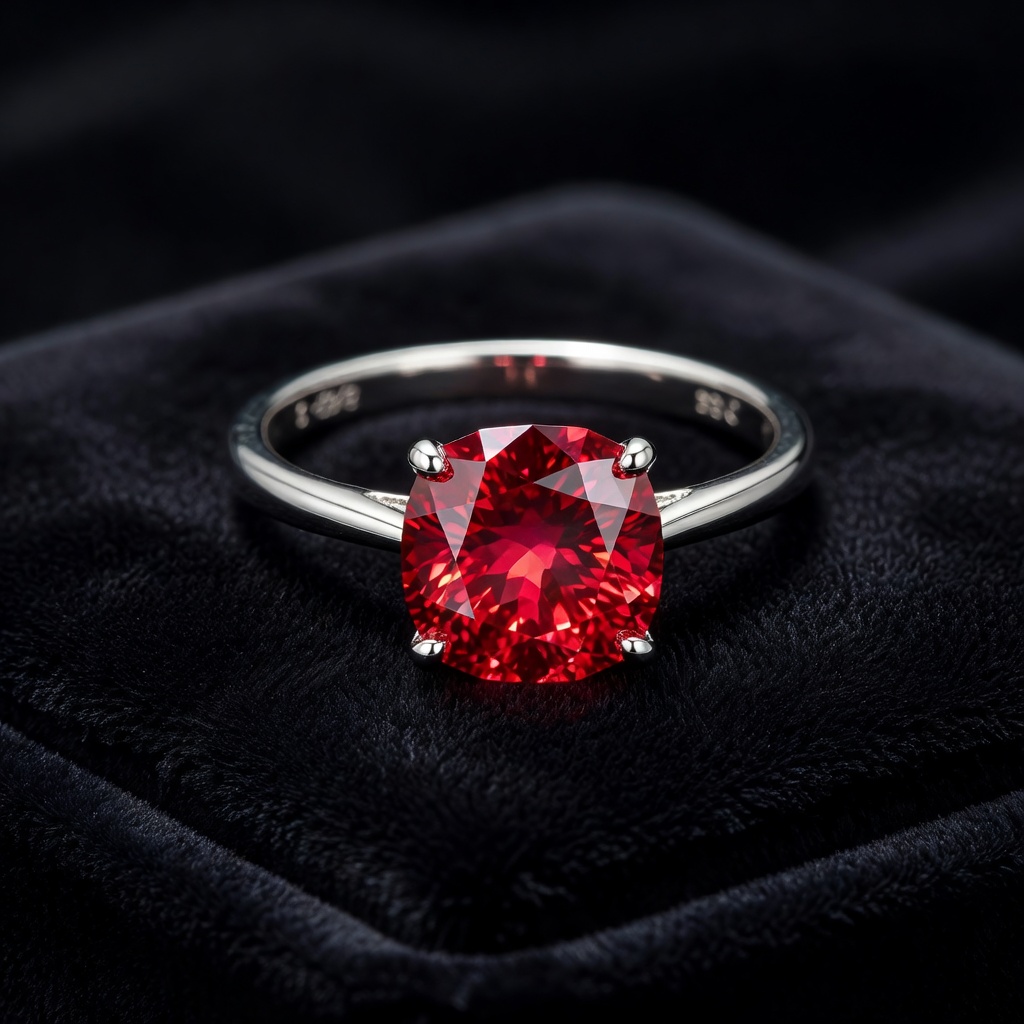
The color spectrum of genuine red beryl identification specimens ranges from delicate raspberry pink to the highly coveted deep "pigeon blood" red reminiscent of fine Burmese rubies, with intensity determined primarily by manganese ion concentration within the crystal lattice. Unlike ruby, which derives its color from chromium, red beryl owes its distinctive hue to trivalent manganese (Mn³⁺) occupying aluminum sites in the crystal structure, creating absorption bands in the blue-green spectrum that allow red transmission. The most valuable stones display a pure red to slightly purplish-red body color with strong saturation and medium to medium-dark tone, avoiding the brownish or orangy modifiers that significantly reduce commercial value.
Clarity expectations for red beryl differ substantially from those applied to diamonds or even emeralds, as virtually all natural specimens contain visible inclusions often described as "fingerprint" patterns, two-phase inclusions, or growth tubes characteristic of their volcanic formation environment. Rather than diminishing value, these inclusions frequently serve as red beryl identification markers that distinguish natural stones from synthetic hydrothermal products or simulants such as red spinel and garnet. Lapidaries must balance cutting decisions carefully, as step cuts and emerald cuts maximize color saturation while preserving weight, whereas brilliant cuts may enhance scintillation but risk losing the deep red body color through excessive light leakage in pavilion facets.
Optimal Cutting Strategies for Color Enhancement
Professional gem cutters working with red beryl rough typically orient the table perpendicular to the c-axis to minimize the dichroic effect and display the most desirable red face-up color, sometimes sacrificing significant carat weight to achieve optimal hue presentation. Given that crystals rarely yield finished stones larger than one carat, cutters often choose protective designs such as bezels or V-prongs for finished jewelry, ensuring that the delicate girdle edges remain shielded from impact during wear. The scarcity of material has inspired innovative cutting techniques specific to this gem, including shallow pavilion angles that maximize face-up appearance while accommodating the irregular crystal habits common to Wah Wah Mountains specimens.
Red Beryl Mining Locations Worldwide
The geographic distribution of Utah red beryl deposits remains extraordinarily limited, with the Ruby Violet claims in Beaver County, Utah, providing the overwhelming majority of gem-quality crystals entering the market during the past five decades. Located within the Wah Wah Mountains at elevations exceeding 5,600 feet, these claims utilize specialized extraction methods including hand tools and careful blasting to recover crystals from rhyolite host rock without damaging the delicate specimens. Secondary deposits exist in New Mexico's Black Range and the Sierra Madre Occidental of Mexico, though these localities typically produce smaller, more heavily included crystals rarely suitable for fine faceting.
The historic Thomas Range in Utah also yielded early red beryl discoveries, including the type specimens described by Maynard Bixby, though commercial mining operations eventually concentrated on the richer Ruby Violet deposit discovered in 1958 by Lamar Hodges. Geological surveys across Australia, Afghanistan, and Russia have identified beryl crystals with slight reddish tints, but none have matched the intense raspberry-red saturation characteristic of Wah Wah Mountains material. This geographic restriction intensifies the gem's allure among collectors seeking Red Beryl Properties and Information regarding provenance, as stones certified as originating from Utah command premium prices compared to material from secondary localities.
Extraction Challenges and Environmental Considerations
Mining operations at the Ruby Violet claims face significant logistical challenges, including remote desert locations accessible only by four-wheel-drive vehicles and extreme temperature variations that limit extraction seasons to spring and fall months. Miners must carefully remove overlying rhyolite using pneumatic tools and chemical treatments to expose lithophysae cavities without shattering the fragile crystals within, resulting in low recovery rates where tons of rock may yield only grams of facet-grade material. Environmental regulations and the physical exhaustion of accessible pockets have progressively reduced annual production, with recent years seeing fewer than 600 carats of cuttable rough extracted annually from the entire mining district.
Red Beryl vs Red Emerald: Understanding the Names
The terminology surrounding red emerald value remains one of the most contentious issues in modern gemology, pitting marketing strategies against strict mineralogical definitions within the trade. "Red emerald" represents a commercial designation created during the 1990s to associate this rare beryl variety with the valuable emerald family, capitalizing on consumer recognition of the green gem's prestige while technically acknowledging that both stones share the same base mineral composition. However, gemological distinctions remain clear: while both are beryllium aluminum silicates, emerald derives its color from chromium and vanadium substitution, whereas red beryl contains manganese as its primary chromophore, creating fundamentally different chemical and visual properties.
From a crystallographic perspective, both gems form in the hexagonal system and share identical refractive indices and specific gravity ranges, yet their formation environments differ dramatically—emerald typically crystallizes in pegmatites or hydrothermal veins associated with granitic intrusions, while red beryl forms in volcanic rhyolites. The Federal Trade Commission (FTC) guidelines regarding gemstone naming generally discourage misleading terminology that implies a precious stone belongs to a different category than its actual classification, though "red emerald" persists in certain marketing channels despite objections from the Gemological Institute of America (GIA) and American Gem Trade Association (AGTA). Collectors seeking accurate Red Beryl Properties and Information should recognize that while both terms may describe the same physical stone, "red beryl" remains the scientifically preferred designation among professional gemologists.
Industry Acceptance and Certification Standards
Major gemological laboratories including GIA and AGS typically identify these stones as "red beryl" or "bixbite" on their grading reports, though some may include notations regarding the "red emerald" trade name in comment sections for consumer clarity. Retail pricing often reflects this terminology confusion, with stones marketed as "red emeralds" sometimes commanding higher prices from uninformed buyers who assume equivalent rarity to Colombian emeralds. Educated collectors increasingly request specific provenance documentation and chemical analysis reports confirming manganese-derived coloration to ensure they understand exactly what mineral variety they are purchasing, particularly given the significant price differentials between fine red beryl and treated or synthetic alternatives.
Investment Value and Market Pricing
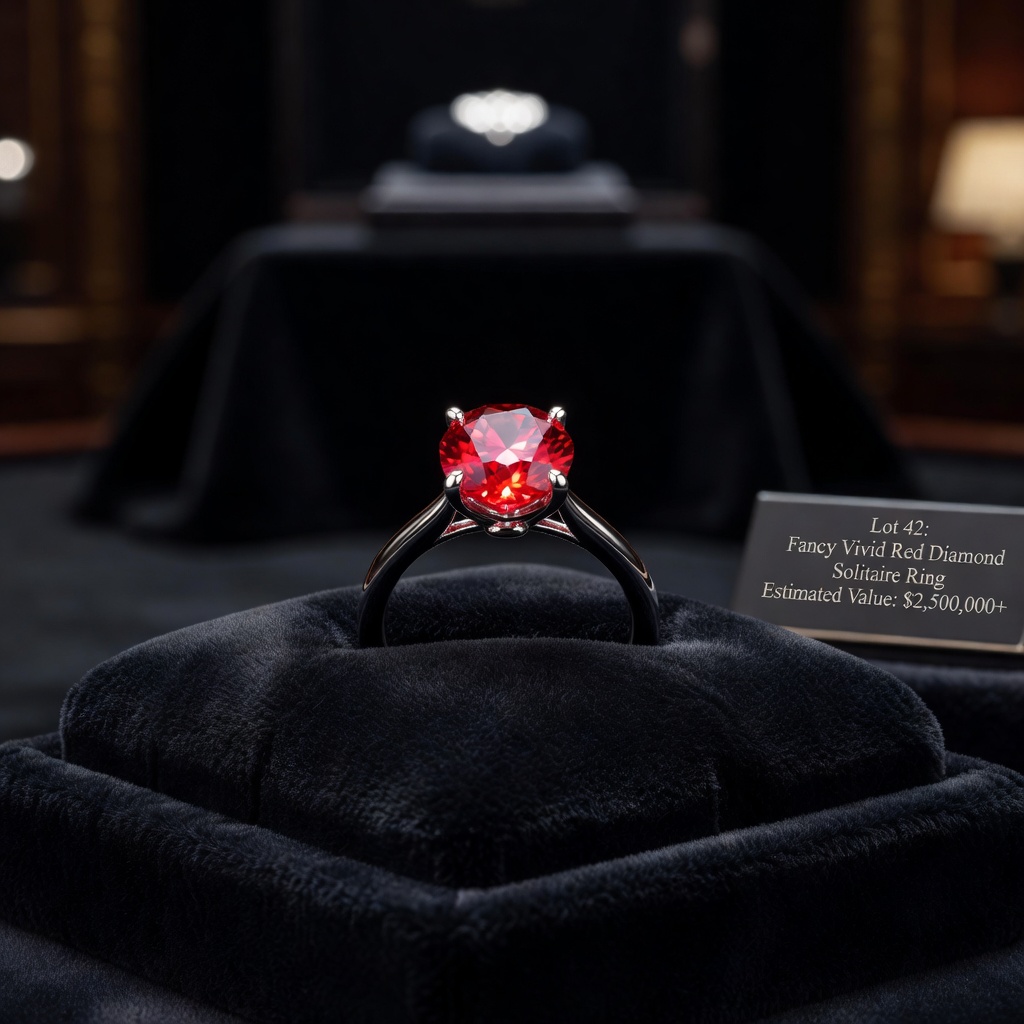
The red emerald value proposition extends beyond aesthetic appreciation into serious investment territory, with fine specimens representing tangible assets comparable to rare colored diamonds or Burmese rubies in terms of appreciation potential. Current market pricing for commercial-quality red beryl typically ranges from $2,000 to $5,000 per carat, while exceptional stones exceeding one carat with deep red saturation and eye-clean clarity can command $10,000 to $20,000 per carat at specialty auctions. Notable sales include a 2.44-carat cushion-cut stone that fetched over $45,000 per carat at a 2021 Heritage Auctions event, demonstrating the extraordinary premiums attached to larger, museum-quality specimens.
Several factors critically influence valuation beyond basic carat weight, including color saturation (with pure red specimens outperforming pinkish or brownish modifiers), clarity levels (eye-clean stones being exponentially rarer and more valuable than included material), and provenance documentation confirming Utah origin. The investment outlook remains bullish among rare gemstone specialists who note that with only one operational mine and predicted exhaustion of commercial deposits within 20-30 years, existing high-quality stones should appreciate significantly as supply constraints intensify. Unlike diamonds, which benefit from controlled release of vast stockpiles, red beryl's scarcity is absolute and geologically determined, suggesting that Red Beryl Properties and Information regarding investment potential will increasingly emphasize long-term store-of-value characteristics similar to fine art or vintage wines.
Auction Records and Notable Collections
The Smithsonian Institution houses several significant red beryl specimens including crystals exceeding 5 centimeters in length, while private collectors such as billionaire mineral enthusiasts have assembled comprehensive suites documenting the full color range from pale pink to deep crimson. Auction houses specializing in rare gems report increasing competition for stones over 1.5 carats, with Asian collectors particularly driving demand for investment-grade material suitable for pendants and brooches. Documented price appreciation over the past two decades shows consistent double-digit annual growth for fine specimens, outperforming many traditional investment vehicles while maintaining liquidity among sophisticated buyers who recognize the gem's geological uniqueness.
How to Identify Genuine Red Beryl
Accurate red beryl identification requires distinguishing this rare gem from visually similar stones including red spinel, rubellite tourmaline, pyrope-almandine garnet, and ruby, each of which possesses different optical and physical properties discernible through careful examination. Genuine red beryl exhibits a refractive index range of 1.564-1.574 and specific gravity between 2.66-2.70, whereas ruby (corundum) shows higher refractive indices (1.762-1.770) and specific gravity (3.97-4.05), immediately separating the two under gemological testing. The presence of manganese-derived absorption bands visible through spectroscopic analysis provides definitive chemical confirmation, while the distinctive "fingerprint" inclusions and growth tubes oriented parallel to the c-axis serve as diagnostic internal characteristics.
The market has seen increasing presence of synthetic red beryl created through hydrothermal growth methods, which chemically match natural stones but often display overly perfect clarity, unnatural color zoning, or seed plates visible under magnification. Heat treatment and irradiation remain uncommon for this gem due to its extreme rarity and the risk of damaging already limited material, though collectors should remain vigilant for surface-reaching fractures filled with oils or resins designed to improve apparent clarity. Given the sophisticated nature of modern synthetics and the high values involved, purchasing only GIA (Gemological Institute of America) or AGS (American Gem Society) certified stones with specific "Natural Red Beryl" designations provides essential protection against fraud or misrepresentation.
Visual Characteristics and Diagnostic Tests
Under 10x magnification, natural red beryl typically shows hemispherical surface features known as "etch figures" caused by volcanic gas exposure during formation, along with two-phase inclusions containing both liquid and gas bubbles trapped within growth channels. The stone's pleochroism appears distinctly different from ruby's dichroism, showing orange-red to purplish-red rather than the red to purplish-red seen in corundum. Practical field tests include checking for double refraction using a polariscope—red beryl shows uniaxial interference figures—while ruby, being uniaxial but with different optical characteristics, requires careful interpretation by trained gemologists to avoid confusion.
Proper Care and Maintenance for Red Beryl Jewelry
Maintaining the brilliance and structural integrity of Bixbite properties in jewelry settings requires understanding both the gem's durability and its vulnerabilities to certain cleaning methods and environmental exposures. While the Mohs hardness of 7.5-8 provides adequate resistance to scratching from daily dust (which typically contains quartz particles), red beryl possesses distinct cleavage planes and internal stress patterns that make it susceptible to chipping or fracturing upon sharp impact. Cleaning should always involve lukewarm water mixed with mild dish soap and a soft-bristled brush, avoiding ultrasonic cleaners and steam cleaning systems that can exacerbate existing inclusions or cause thermal shock in stones with internal fractures.
Storage practices must account for the gem's relative softness compared to diamonds, sapphires, and rubies, meaning red beryl jewelry should be stored separately in individual fabric-lined compartments or soft pouches to prevent contact with harder stones that could scratch the surface. When selecting mountings for rings or bracelets, protective settings such as bezels, partial bezels, or V-prongs offer superior security compared to delicate claw prongs, particularly given that most red beryl crystals yield shallow stones with thin girdles vulnerable to chipping. Professional jewelers specializing in rare gems recommend annual inspections of high-value pieces to check for loose prongs, worn mountings, or developing fractures, ensuring that these irreplaceable treasures remain secure for generational transfer.
Setting Selection and Wear Recommendations
Given the extreme value and irreplaceability of fine red beryl, jewelry designers often recommend reserving these stones for protective settings such as pendants, earrings, or brooches rather than rings subject to daily mechanical stress, though occasional-use rings in protective bezels remain acceptable. The specific gravity of 2.66-2.70 indicates moderate density, requiring sturdy mountings that account for the stone's weight relative to its size, particularly in larger specimens over one carat. When having stones reset or repaired, owners should specifically inform jewelers about the gem's identity, as some standard repair techniques involving high heat or aggressive polishing compounds can damage red beryl's surface luster or loosen its crystalline structure.
The Future of Red Beryl Collecting
The collecting landscape for rare red gemstones stands at a critical inflection point as geologists predict the exhaustion of commercially viable red beryl deposits within the next 20-30 years based on current extraction rates and remaining reserve estimates. This impending scarcity has triggered aggressive acquisition strategies among museums and private collectors, with institutions like the Natural History Museum of Los Angeles and the Harvard Mineralogical Museum actively seeking exceptional specimens for permanent display. Ethical sourcing considerations have gained prominence as awareness spreads regarding the single-source nature of this gem, with collectors increasingly demanding detailed chain-of-custody documentation verifying Utah origin and conflict-free extraction practices.
Legacy stones—those purchased during the 1980s and 1990s when mining output remained higher—are experiencing significant appreciation as heirlooms passed between generations, with families recognizing these gems as stores of concentrated value unlike reproducible assets. The emergence of laboratory-grown red beryl, while providing affordable alternatives for jewelry enthusiasts, has paradoxically increased demand for certified natural specimens among serious collectors who view geological rarity as the primary value determinant. As the final chapters of Wah Wah Mountains mining unfold, Red Beryl Properties and Information regarding provenance, treatment history, and cutting quality will become increasingly critical factors in establishing authenticity and value for future transactions in the secondary market.
Generational Transfer and Estate Planning
High-net-worth collectors are increasingly incorporating significant red beryl specimens into estate planning and trust structures, recognizing that these finite geological objects will likely appreciate substantially as new supply disappears entirely. Documentation strategies now include high-resolution photography, spectroscopic analysis reports, and geological provenance certificates that accompany stones through generational transfers, ensuring that future owners understand the full history and scientific significance of their acquisitions. As museum-quality specimens become effectively unobtainable from primary sources, the cultural and financial value of existing collections will likely accelerate, positioning red beryl alongside Kashmir sapphires and Argyle pink diamonds as ultimate trophies for mineral connoisseurs.
Frequently Asked Questions About Red Beryl
What Makes Red Beryl So Valuable Compared to Other Gemstones?
Red beryl commands premium prices due to its extreme rarity—it's 1,000 times rarer than gold—with only one commercial mine producing gem-quality material globally. Combined with its intense raspberry-red color and limited supply, high-quality specimens can exceed $10,000 per carat. The geological specificity required for its formation means that no new significant deposits are likely to be discovered, ensuring that existing stones will only become more scarce and valuable over time as the sole mining operation eventually ceases production.
Is Red Beryl the Same as Red Emerald?
While both are beryl varieties, they are distinct gems. Red beryl (bixbite) gets its color from manganese, while emerald contains chromium and vanadium. The term "red emerald" is marketing terminology used to emphasize rarity, though purists prefer "red beryl" for accuracy. Both share the same basic chemical formula and crystal structure, but their different coloring agents create distinct visual appearances and value propositions within the collector community.
Where Is Red Beryl Found?
Over 95% of gem-quality red beryl comes from the Wah Wah Mountains in Beaver County, Utah. Minor deposits exist in New Mexico's Black Range and the Sierra Madre Occidental in Mexico, but Utah remains the sole commercial source worldwide. The specific geological conditions involving rhyolitic lava flows and beryllium-rich gases have only occurred in these limited locations, making the Utah deposit unique in the global gemstone market.
How Hard Is Red Beryl Compared to Other Gemstones?
Red beryl ranks 7.5 to 8 on the Mohs hardness scale, making it harder than quartz (7) but softer than sapphire (9) or diamond (10). This hardness makes it suitable for jewelry but requires protective settings to prevent chipping. While resistant to scratching from everyday encounters, the gem's cleavage planes and typical internal inclusions necessitate careful handling and protective mounting styles to ensure longevity.
Can Red Beryl Be Synthesized or Treated?
Yes, synthetic red beryl has been created using hydrothermal growth methods, though natural specimens remain far more valuable. Treatments are uncommon due to the gem's rarity, but heat treatment may occasionally be used to enhance color in lower-quality material. Buyers should always request GIA or AGS certification to verify natural origin, as synthetic stones can closely mimic natural specimens in basic visual appearance while lacking the geological rarity that defines true value.
What Is the Average Price Per Carat for Red Beryl?
Commercial-quality red beryl typically ranges from $2,000 to $5,000 per carat, while fine specimens with deep red color and good clarity can command $10,000 to $20,000 per carat. Stones over 2 carats are considered extremely rare and can fetch significantly higher prices. Investment-grade material showing the coveted "pigeon blood" red saturation with minimal inclusions may exceed these ranges at specialty auctions where competitive bidding drives values upward.
How Can I Tell if My Red Beryl Is Real?
Genuine red beryl exhibits specific inclusion patterns, pleochroism (color shift when rotated), and refractive indices between 1.564-1.574. Due to sophisticated simulants, always purchase with GIA or AGS certification and buy only from reputable dealers specializing in rare gemstones. Natural stones typically show characteristic "fingerprint" inclusions and growth tubes visible under magnification, while synthetic versions often appear too clean or show unnatural color zoning patterns.
Is Red Beryl Suitable for Everyday Wear?
While red beryl's hardness of 7.5-8 makes it durable, its rarity and value typically reserve it for occasional wear or protective settings like pendants and earrings rather than rings subjected to daily impact. Protective bezel settings are recommended for ring wear. Given that replacement stones of comparable quality are virtually unobtainable once the mine exhausts its reserves, many collectors choose to wear these gems only on special occasions while keeping them securely stored as investment assets and family heirlooms.