Introduction to Red Beryl: Understanding This Rare Treasure
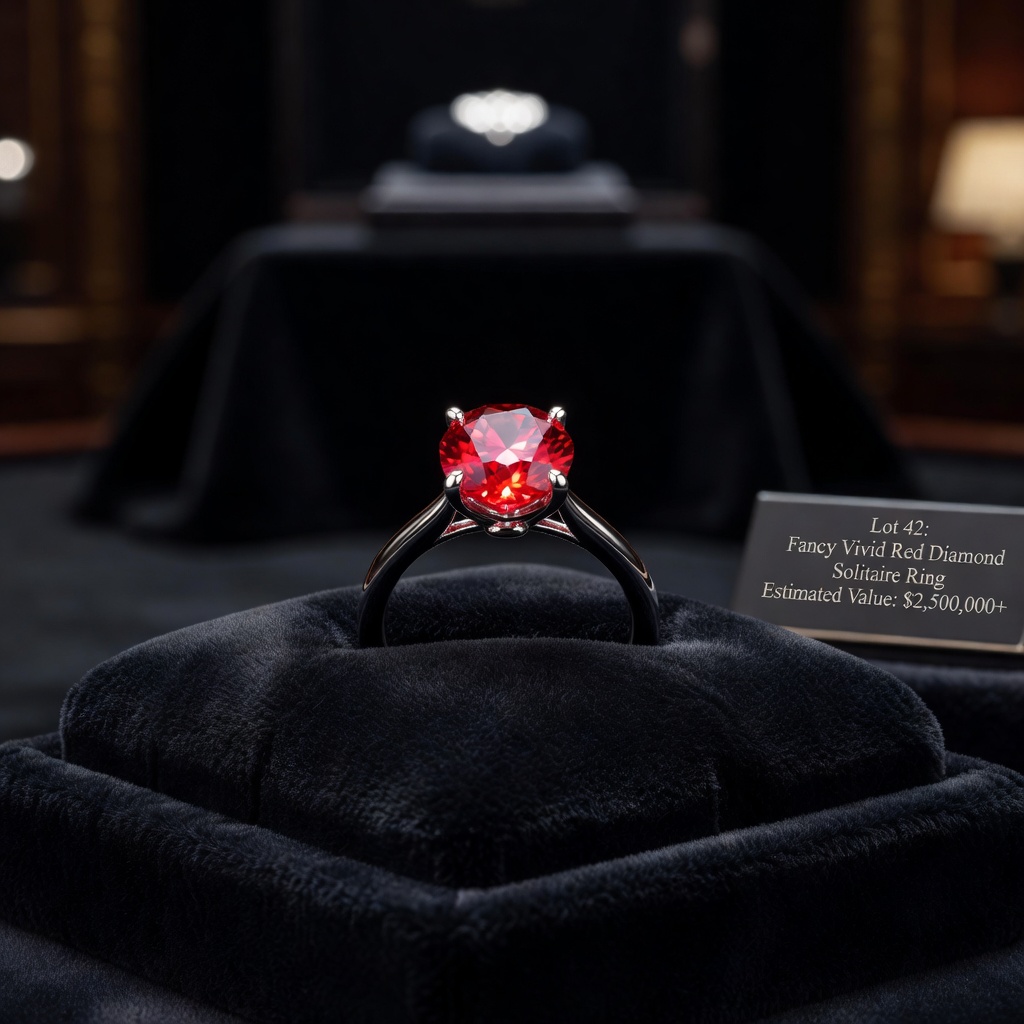
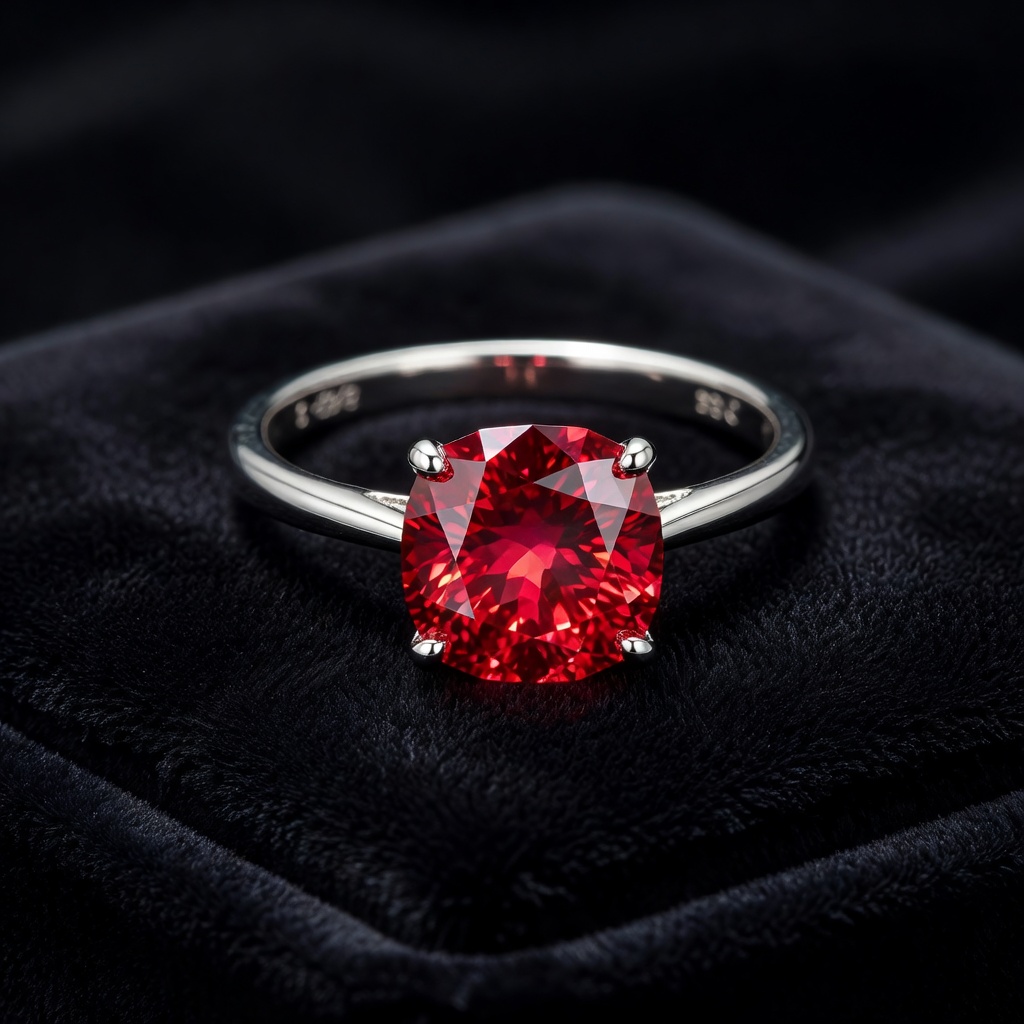
Red beryl, also known by its mineralogical name bixbite, represents one of the most extraordinary geological rarities in the gemstone world, occurring in sufficient quality for jewelry only in the Wah Wah Mountains of Utah and select locations in New Mexico and Mexico. This remarkable gem, often called the "red emerald" due to its membership in the beryl family alongside aquamarine and morganite, commands prices that frequently exceed $10,000 per carat for fine specimens, making proper red beryl gemstone maintenance not merely a matter of aesthetics but of significant financial preservation. Unlike its more common cousins, red beryl forms under unique hexavalent reducing conditions that occur so infrequently geologically that gem-quality crystals are estimated to be one thousand times rarer than diamonds, creating an imperative for collectors and owners to understand the specific vulnerabilities of this precious material.
While emerald shares the same beryl chemical structure and familial characteristics, red beryl actually possesses fewer natural inclusions than emeralds, though it requires equally meticulous care due to its distinct cleavage properties and brittleness. Aquamarine, by comparison, tends to be more durable for daily wear due to its typically larger crystal formations and different inclusion patterns, whereas red beryl crystals rarely exceed two carats in finished size and often contain stress fractures that demand gentle handling. Understanding these comparative durability factors helps owners appreciate why red beryl jewelry preservation requires specialized knowledge distinct from general gemstone care, ensuring that these crimson treasures maintain their investment value and breathtaking beauty for generations.
Physical Properties and Vulnerabilities
Red beryl registers between 7.5 and 8 on the Mohs hardness scale, which technically qualifies it as a relatively hard gemstone capable of resisting surface scratching from common dust and debris encountered in daily environments. However, hardness ratings only measure scratch resistance and do not account for toughness or resistance to breakage, which is where red beryl reveals its delicate nature despite its respectable Mohs position. The gemstone exhibits perfect basal cleavage in one direction, meaning that if struck at specific angles or subjected to perpendicular pressure, the crystal can split cleanly along its atomic planes, creating catastrophic damage that no amount of polishing can repair.
This cleavage vulnerability makes red beryl susceptible to chipping and fracturing from impacts that harder stones like sapphire or ruby would shrug off without injury, particularly when the stone features exposed corners or edges in traditional brilliant cuts. Additionally, red beryl demonstrates significant sensitivity to thermal shock, the phenomenon that occurs when gemstones experience rapid temperature fluctuations that cause differential expansion between surface and interior crystal structures. Owners should never expose red beryl to boiling water, steam cleaning, or sudden transitions from hot outdoor environments to air-conditioned interiors, as these temperature differentials can create internal fractures that permanently compromise the stone's clarity and structural integrity.
Understanding Internal Characteristics
Most red beryl specimens contain natural inclusions ranging from fingerprint patterns to two-phase inclusions containing both liquid and gas bubbles, which serve as documentation of their geological formation but also create stress points within the crystal matrix. These internal features, while often acceptable and even desirable in authentication, act as weak points where vibrations or pressure can propagate cracks throughout the stone, making awareness of these characteristics essential for appropriate handling protocols.
Daily Care and Handling Best Practices
Establishing a consistent pre-wear inspection routine forms the foundation of effective red beryl jewelry care, particularly for pieces set in rings where daily impact risks are highest. Before wearing your red beryl, examine the setting using a 10x jeweler's loupe or even bright ambient lighting to check for loose prongs, bent gallery wires, or signs of metal fatigue that might allow the stone to fall out during wear. Pay special attention to the girdle area where the stone meets the setting, as this is where most chips occur, and ensure that the stone does not exhibit any new wobbling or rotation within its mounting that could indicate loosening.
Activity restrictions for red beryl ownership require realistic assessment of when removal is necessary to prevent accidental damage, extending beyond obvious contact sports to include everyday tasks that many gemstone owners underestimate. Remove red beryl rings before engaging in gardening, where soil and grit can abrade the surface, or household chores involving abrasive cleaners or hard surfaces like granite countertops that could deliver impact blows. Cooking and food preparation also present risks, as thermal changes from ovens or sudden impacts against ceramic dishes can damage the stone, while swimming in chlorinated pools or hot tubs exposes the gem to both thermal shock and chemical erosion of the setting.
Proper Removal Techniques
When removing red beryl jewelry, always work over a soft surface such as a folded towel or padded jewelry tray positioned over a sink drain catcher to prevent loss if the piece slips from your fingers. Never pull rings off by grasping the stone itself, as this torque can stress the setting and potentially cleave the girdle; instead, hold the shank or metal portions while gently twisting the ring off your finger. For earrings and pendants, support the weight of the piece in your palm while unfastening clasps or backs to prevent sudden drops that could shatter the gem against hard bathroom surfaces.
Safe Cleaning Methods for Red Beryl
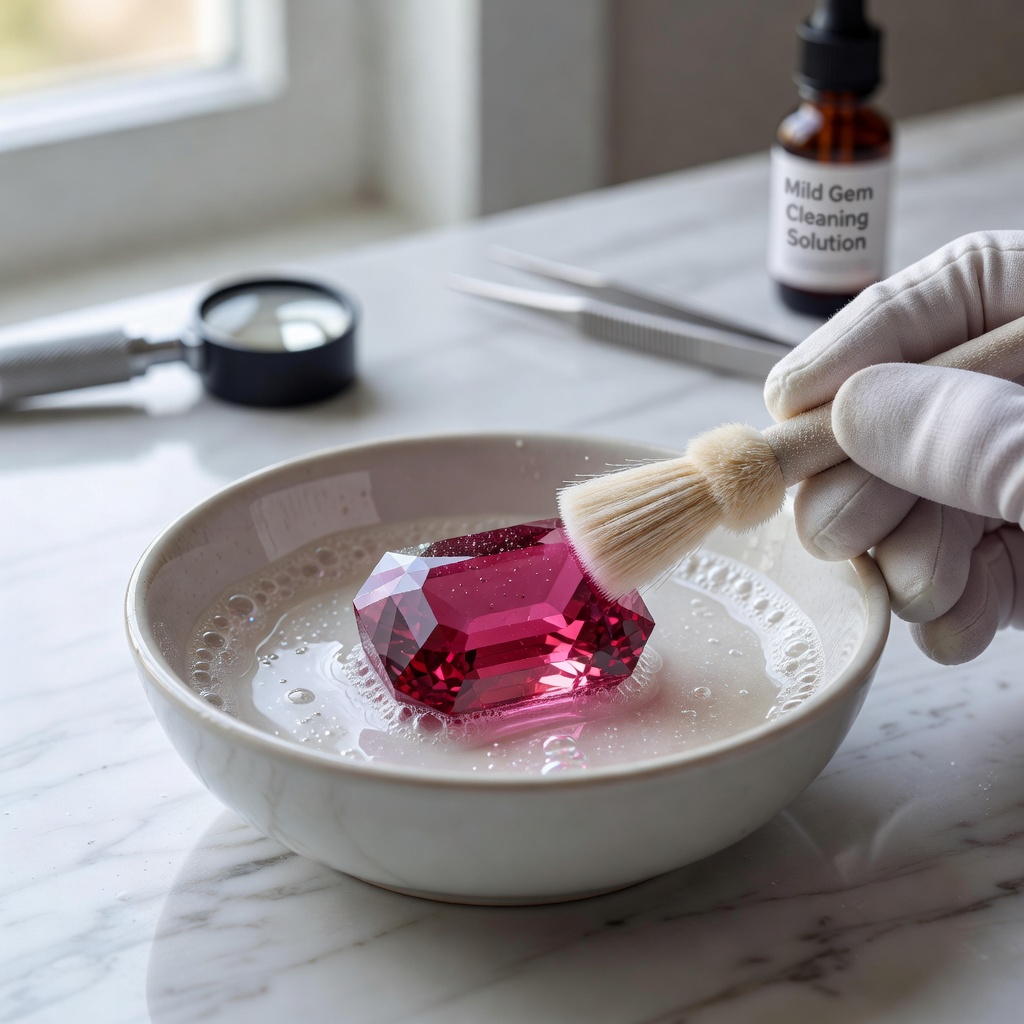
The safest approach to cleaning rare red beryl involves a gentle hand-washing method using only mild dish soap, lukewarm water, and appropriate soft tools that remove accumulated oils and debris without stressing the crystal structure. Begin by filling a small bowl with warm water approximately 85-90 degrees Fahrenheit—never hot—and adding two drops of mild, phosphate-free dishwashing liquid such as Dawn or Ivory, creating a sudsy solution that will break down body oils and cosmetic residues. Place the jewelry in the solution and allow it to soak for no more than two to three minutes, which loosens debris without saturating any filler materials that might be present in surface-reaching fractures.
Select an appropriate soft brush for mechanical cleaning, preferably a baby toothbrush with extra-soft nylon bristles or a specialized camel-hair brush designed for gemstones, avoiding adult toothbrushes whose stiffer bristles can scratch metal settings and potentially abrade the stone's surface. Gently brush the crown and pavilion of the stone, working around prongs and under the gallery where soap scum and lotion accumulate, using light circular motions rather than aggressive scrubbing that could torque the setting. For intricate filigree work or bezel settings, consider using a soft cosmetic brush or cotton swab to reach crevices without applying pressure to the stone itself.
Rinsing and Drying Protocols
After cleaning, rinse the jewelry thoroughly under a gentle stream of lukewarm running water, ensuring that the drain is closed or covered with a mesh strainer to prevent accidental loss if the piece slips from your hands. Pat the stone and setting dry using a lint-free microfiber cloth or soft chamois leather, avoiding paper towels which contain wood fibers that can scratch both metal and gemstone surfaces. Allow the piece to air-dry completely on the cloth for an additional fifteen minutes before storing, as trapped moisture under prongs can promote tarnishing in silver settings or encourage bacterial growth that might irritate skin during subsequent wear.
Cleaning Solutions and Methods to Avoid
Understanding what constitutes red beryl cleaning mistakes proves equally important as knowing proper techniques, as several commonly recommended jewelry cleaning methods can permanently damage this rare gemstone. Ultrasonic cleaners, which use high-frequency sound waves to create cavitation bubbles that scrub jewelry clean, pose particular dangers for red beryl due to the vibrations' tendency to expand existing inclusions and propagate unseen fractures throughout the stone. While some heavily included emeralds are fracture-filled and obviously unsuitable for ultrasonics, even seemingly clean red beryl can contain microscopic stress fractures that sonic vibrations will enlarge into visible cracks or cause catastrophic shattering.
Steam cleaning devices that direct high-pressure, superheated water vapor at jewelry similarly threaten red beryl through the dual mechanisms of thermal shock and pressure impact, potentially causing the stone to literally explode if internal inclusions contain liquid that flash-expands under heat. Chemical exposure presents another category of risks, with bleach, ammonia, acetone, and alcohol-based solutions capable of attacking not only the stone itself but also any fillers, dyes, or adhesives used in the setting process. Abrasive household cleaners including toothpaste, baking soda, and commercial powder cleansers should never contact red beryl, as their gritty compositions will scratch the surface, creating a dulled, frosted appearance that requires professional re-polishing to remedy.
Proper Storage Techniques and Environment
Implementing appropriate red beryl storage tips begins with understanding that this gemstone requires isolation from harder materials that could scratch its surface or deliver impact damage during storage. Always store red beryl pieces individually in soft fabric pouches made of velvet, silk, or unbleached cotton, or place them in separate compartments of a fabric-lined jewelry box with padded dividers that prevent contact with diamonds, sapphires, rubies, or other harder gemstones that could abrade the surface. For high-value specimens, consider storing the gem in its original presentation box or a specialized gem jar with foam inserts that immobilize the stone and prevent movement that could cause prongs to catch and bend.
Environmental control plays a crucial role in long-term preservation, as extreme humidity fluctuations can cause metal settings to expand and contract, potentially loosening the stone over time, while dry conditions may exacerbate existing inclusions through desiccation. Maintain storage areas at stable room temperature between 65-75 degrees Fahrenheit with moderate humidity around 45-55 percent, avoiding bathroom storage where steam and temperature swings are common, or attic spaces subject to seasonal extremes. When traveling, transport red beryl in a hard-sided jewelry case with padded interior compartments rather than soft travel pouches, ensuring the case remains in your carry-on luggage rather than checked baggage where temperature and pressure fluctuations in cargo holds could damage the stone.
Professional Maintenance and When to Seek Expert Help
A comprehensive bixbite care guide must include regular professional intervention, as even the most diligent home care cannot substitute for trained gemological assessment of setting integrity and stone condition. Schedule annual inspections with a certified jeweler or gemologist who can examine prong tightness, check for girdle chips or abrasion that might not be visible to the naked eye, and assess whether the stone requires professional re-polishing to restore brilliance dulled by microscopic surface scratches. These inspections should include ultrasonic testing of the setting—not the stone—to ensure metal fatigue hasn't compromised the mounting, and should occur more frequently for ring settings subject to daily wear stresses.
Professional re-polishing services can remove light surface scratches and restore the original vitreous luster of red beryl without significant weight loss, though deep scratches or chips reaching the interior may require more invasive recutting that reduces carat weight. Seek immediate professional evaluation if you notice cloudiness that persists after cleaning, which could indicate internal fracture propagation, or if the stone exhibits new rattling within its setting suggesting prong failure. Certified gemologists can also document any changes in the stone's condition for insurance purposes, providing updated appraisals that reflect current market values for this appreciating rare gemstone.
Caring for Red Beryl in Various Jewelry Settings
The principles of red emerald cleaning and maintenance must be adapted based on jewelry type, as rings present exponentially higher risk profiles than pendants or earrings due to their exposure to impact and abrasion during hand usage. Ring settings featuring protective bezels that encircle the stone with a metal rim offer superior protection for red beryl compared to prong settings that leave the girdle and corners exposed to direct impact, though bezels require more meticulous cleaning to prevent debris accumulation in the enclosed space. When selecting new red beryl jewelry, consider halo settings that provide additional protection through surrounding smaller stones, or consider converting high-value red beryl rings into pendant designs that minimize contact risks while maximizing display opportunities.
Earrings and pendants naturally offer safer environments for red beryl because they experience less mechanical stress and impact than rings, though they still require regular inspection of bails, hooks, and clasps that could fail and result in loss. For existing ring collections, consider wearing red beryl pieces primarily for special occasions rather than daily wear, reserving daily rotation for more durable stones like sapphires or diamonds. Setting maintenance extends to the metal components as well, with white gold mountings requiring periodic rhodium replating every 12-18 months to prevent the yellow gold substrate from showing through, while yellow gold settings benefit from professional polishing to remove scratches that could harbor bacteria or irritants.
Identifying Damage and Recovery Options
Developing expertise in red beryl damage prevention requires the ability to distinguish between benign surface characteristics and serious structural damage that compromises the stone's integrity and value. Surface scratches appear as fine lines under magnification that do not penetrate deeply into the stone and typically can be removed through professional polishing, whereas internal fractures or cleavages appear as jagged lines or feathers that extend into the body of the crystal and may show reflective properties when tilted under light. Impact damage often manifests as white, frosted areas along the girdle or facet junctions known as bruises, which represent crushed crystal structure that cannot be repaired and significantly reduce both beauty and value.
When damage occurs, immediate cessation of wear prevents further propagation of fractures that could result in complete stone loss, followed by documentation through high-resolution photography for insurance claims and professional assessment for possible repair or recutting options. Insurance documentation should include original purchase receipts, current appraisals from certified gemologists, and updated photographs whenever the piece is professionally cleaned or inspected, ensuring that coverage limits reflect the appreciating market value of red beryl. In cases of severe damage, some collectors opt to have broken red beryl recut into smaller calibré stones or accent gems rather than attempting to salvage a fractured larger stone, preserving the material's value in a different form while retiring the damaged piece from wear.
Frequently Asked Questions About Red Beryl Care and Cleaning
Can I use an ultrasonic cleaner to clean my red beryl jewelry?
No, ultrasonic cleaners are not recommended for red beryl. The vibrations can expand existing inclusions and fractures, potentially causing the stone to crack or shatter. Always stick to gentle hand-cleaning with warm soapy water and a soft brush.
How often should I clean my red beryl gemstone?
Clean your red beryl every 2-3 weeks if worn regularly, or immediately after exposure to cosmetics, perspiration, or household chemicals. For pieces worn occasionally, cleaning before and after storage is sufficient to maintain brilliance.
Is red beryl durable enough for everyday wear in a ring?
While red beryl rates 7.5-8 on the Mohs scale, it's best reserved for occasional wear in rings due to its rarity and brittleness. For daily wear, consider pendant or earring settings where the stone is better protected from impact.
Can red beryl be damaged by sunlight or heat exposure?
Red beryl is generally stable in light, but prolonged exposure to intense heat or sudden temperature changes can cause thermal shock. Avoid leaving red beryl in hot cars, near heating vents, or wearing it in saunas and hot tubs.
What is the safest way to store red beryl when not being worn?
Store red beryl in a separate soft pouch or fabric-lined compartment away from harder gemstones like diamonds and sapphires. Maintain moderate humidity and stable room temperature, avoiding direct sunlight through windows.
Should I remove my red beryl ring before washing hands or applying lotion?
Yes, always remove red beryl rings before washing hands, applying lotion, sunscreen, or perfume. These substances can create buildup in setting crevices, dulling the stone's brilliance and potentially causing skin irritation under the stone.
How can I tell if my red beryl needs professional cleaning versus home cleaning?
If home cleaning with soapy water doesn't restore brilliance, or if you notice stubborn buildup under prongs, cloudiness that won't rinse away, or scratches on the surface, it's time for professional cleaning and inspection by a certified jeweler.
Can I use commercial jewelry cleaning solutions on red beryl?
Avoid commercial dip solutions unless specifically labeled safe for beryl and ammonia-free. Many commercial cleaners contain harsh chemicals that can damage red beryl or loosen epoxy used in certain settings. Stick to mild dish soap and water for safest results.