What Is Prehnite? An Introduction to This Unique Mineral
Prehnite stands as one of the most fascinating gemstones in the mineral kingdom, distinguished by its soft apple-green hue and remarkable historical significance. This calcium aluminum silicate hydroxide mineral was first discovered in the late 18th century and officially named in 1788 after Colonel Hendrik von Prehn, a Dutch military officer who served as the governor of the Cape of Good Hope in South Africa. The naming marked a pivotal moment in mineralogical history, as prehnite became the very first mineral to be named after a specific person, establishing a tradition that would continue throughout the centuries for countless other specimens.
The geological significance of prehnite extends far beyond its nomenclature, as this mineral forms under specific conditions that make it both rare and highly sought after by collectors worldwide. Major deposits of high-quality prehnite have been identified across several continents, with particularly notable specimens emerging from the Karoo region of South Africa, the rugged outback of Australia, and the mineral-rich provinces of China. Each locality produces distinct variations in color intensity and clarity, offering collectors diverse options when building their collections. Understanding these Prehnite Properties and Information fundamentals provides essential context for appreciating both the scientific and aesthetic value of this remarkable stone.
Geological Properties and Mineral Composition
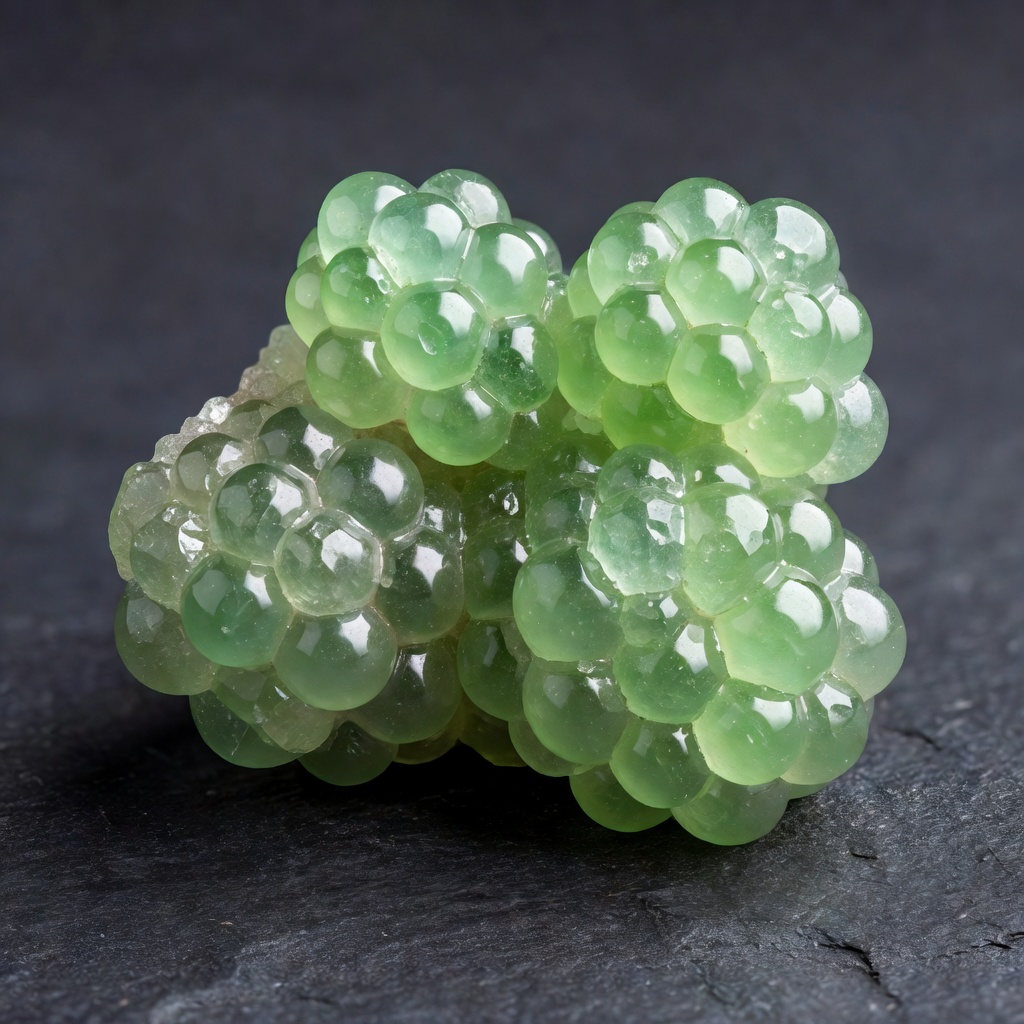
The scientific classification of prehnite reveals a complex chemical structure that contributes to its unique physical characteristics and formation patterns. Chemically represented by the formula Ca2Al(AlSi3O10)(OH)2, prehnite belongs to the orthorhombic crystal system, though it rarely forms distinct, well-terminated crystals that are visible to the naked eye. Instead, this mineral typically manifests in botryoidal formations—resembling bunches of grapes—or as stalactitic growths within the cavities of volcanic rocks, creating distinctive patterns that mineralogists and lapidaries find particularly captivating.
Understanding the Prehnite mineral composition requires examining its formation environments, which primarily occur within the cavities and vesicles of basaltic rocks and along hydrothermal veins where mineral-rich fluids circulate through geological fractures. These formation conditions frequently place prehnite in association with zeolite minerals such as apophyllite and stilbite, creating stunning mineral assemblages that showcase the dynamic processes of Earth's crust. As a member of the phyllosilicate mineral group, prehnite contains layered silicate structures with significant aluminum content, which contributes to its characteristic coloration and relatively moderate hardness compared to other gemstone materials.
Formation Environments and Associated Minerals
Prehnite develops most commonly in low-grade metamorphic environments where calcium and aluminum-rich fluids interact with host rocks over extended geological timeframes. The mineral frequently appears in the amygdaloidal cavities of ancient basalt flows, where it crystallizes from hydrothermal solutions circulating through the cooling lava. These environments often produce specimens showing intricate combinations of prehnite with epidote, calcite, and various zeolite minerals, creating complex mineralogical displays prized by museums and private collectors. The specific aluminum content within the chemical structure not only influences the green coloration but also affects how the mineral responds to light, creating the subtle translucent glow that defines high-quality specimens.
Physical Characteristics and Identification Tips
Identifying genuine Green prehnite stone specimens requires careful observation of several distinctive physical properties that separate this mineral from similar-looking materials such as jade or serpentine. The color palette ranges from delicate pale yellow-green to intense apple-green, with the most valuable specimens displaying a consistent, even saturation without muddy brownish undertones. Prehnite typically exhibits a unique combination of translucency and vitreous to pearly luster, creating a soft, glowing appearance that seems to emanate from within the stone rather than reflecting sharply from its surface.
On the Mohs hardness scale, prehnite registers between 6 and 6.5, making it relatively durable yet susceptible to scratching from harder materials such as quartz, topaz, or corundum. The specific gravity of prehnite typically falls between 2.80 and 2.95, which feels notably lighter than jadeite when held in the hand, providing a practical field test for distinguishing between these similar green stones. When examining rough specimens, look for the characteristic botryoidal or nodular formations, along with potential druzy surfaces where tiny crystals create a sparkling texture over the underlying mineral mass.
Visual Inspection Techniques
Practical identification involves examining prehnite under various lighting conditions to observe its optical properties. High-quality specimens often display a phenomenon known as "cat's eye" chatoyancy when cut en cabochon, caused by the alignment of fine needle-like inclusions within the stone. Unlike jade, which typically shows a more greasy or waxy luster, prehnite maintains a distinctly vitreous quality that approaches glass-like brilliance while retaining its characteristic softness. When viewed under magnification, genuine prehnite may reveal internal veining, small crystal inclusions, or cloud-like formations that indicate natural origin rather than synthetic manufacture.
Metaphysical Properties and Crystal Healing Benefits
The Prehnite metaphysical properties have established this stone as a powerful tool for spiritual practitioners seeking to enhance their intuitive abilities and emotional well-being. Often referred to as the "stone of prophecy," prehnite creates a profound connection to the heart chakra, facilitating the flow of unconditional love while simultaneously stimulating the third eye chakra to enhance spiritual insight and visionary experiences. This unique dual action makes it particularly valuable for meditation practices aimed at developing prophetic abilities or deepening one's connection to higher consciousness.
In the realm of Prehnite crystal healing, practitioners utilize this mineral to support memory enhancement and dream recall, placing specimens beneath pillows or holding them during bedtime rituals to encourage vivid, meaningful dreams that offer guidance for waking life. The stone's gentle energy proves especially effective for emotional healing work, helping individuals release deep-seated trauma and resentment while fostering forgiveness both for themselves and others. Many crystal therapists recommend prehnite for clients experiencing anxiety or overwhelm, as its calming vibration helps organize scattered thoughts and promotes a sense of inner peace.
Practical Applications in Energy Work
Energy healers often incorporate prehnite into grid layouts designed for emotional balance, pairing it with rose quartz to amplify heart-centered healing or with amethyst to enhance spiritual protection during vulnerable emotional work. The stone's ability to bridge the heart and solar plexus chakras makes it particularly effective for individuals working to align their emotional desires with their personal will and life purpose. Regular meditation with prehnite, held over the heart center or placed on the third eye, can gradually enhance one's ability to receive intuitive insights while maintaining emotional equilibrium, creating a stable foundation for spiritual growth.
Historical Significance and Cultural Lore
The Prehnite gemstone meaning has evolved through centuries of cultural interaction, particularly within South African communities where the stone was first brought to European attention. Indigenous healers in the Cape region traditionally utilized prehnite in decorative arts and spiritual ceremonies, recognizing its connection to the earth's nurturing energies and employing it in rituals designed to promote fertility and abundance. These early practices established prehnite's reputation as a stone of prophecy and divine communication, beliefs that would spread globally as trade routes expanded and mineral specimens traveled to distant markets.
Throughout history, various cultures have associated prehnite with divination and foresight, with medieval lapidaries sometimes recommending the stone for scrying and prophecy work. The mineral's translucent quality led many to believe it served as a window between worlds, allowing skilled practitioners to glimpse future events or communicate with spiritual guides. In modern metaphysical communities, these historical associations continue to influence how practitioners work with prehnite, maintaining its status as a premier stone for those seeking to develop their intuitive gifts while remaining grounded in heart-centered awareness.
South African Heritage and Colonial History
The story of prehnite's discovery reflects the complex intersection of colonial expansion and scientific exploration during the 18th century. Colonel Hendrik von Prehn's role in bringing specimens from South Africa to Europe represents an early example of the global mineral trade that would characterize the following centuries. The subsequent naming of the mineral after him—rather than using descriptive geological terms—set a precedent for honoring individuals in mineral nomenclature, making prehnite a touchstone for understanding how scientific classification systems develop within specific historical contexts. Today, South African prehnite remains among the most prized specimens, with material from the Karoo region displaying exceptional clarity and color that reference the stone's origins.
Prehnite Varieties and Related Mineral Inclusions
While the classic apple-green variety dominates the market, Prehnite Properties and Information enthusiasts recognize several distinct varieties that offer unique aesthetic and energetic qualities. Among the most spectacular are specimens containing epidote inclusions, which appear as dark green, needle-like crystals suspended within the lighter prehnite matrix, creating striking contrast patterns that resemble underwater forests or ancient scrollwork. These epidote-included specimens command premium prices in the collector market due to their rarity and the dramatic visual impact they provide in both raw and polished forms.
Rare color variations extend beyond the typical green spectrum, with exceptional specimens from specific localities displaying delicate orange, yellow, or even colorless transparent forms. These variations result from trace element substitutions within the crystal lattice, with iron content typically influencing the intensity of green hues while other elemental variations create the rarer warm-toned specimens. Prehnite frequently occurs alongside complementary minerals in geode formations, particularly datolite, apophyllite, and stilbite, creating mineralogical assemblages that showcase the diversity of hydrothermal deposition and provide collectors with stunning display pieces that tell complex geological stories.
Collector's Guide to Rare Specimens
Serious collectors should focus on specific characteristics when evaluating rare prehnite varieties. Specimens showing distinct epidote "sprays" or radial patterns within translucent green prehnite represent some of the most desirable combinations, particularly when sourced from classic localities such as the Jeffrey Mine in Canada or recent finds in Mali. Orange prehnite, while extremely rare, occasionally appears in specimens from the Kandivali quarries in India, displaying a salmon-to-apricot hue that contrasts dramatically with the mineral's typical coloration. When examining these specialty pieces, look for clarity in the host prehnite that allows the inclusions to be viewed clearly from multiple angles, as this transparency significantly enhances both the scientific and aesthetic value of the specimen.
Jewelry Applications and Fashion Considerations
The Green prehnite stone has gained significant popularity in contemporary jewelry design, prized for its soft, organic color that complements both warm and cool skin tones while offering a distinctive alternative to more common green gemstones like emerald or peridot. Jewelry designers frequently utilize cabochon cuts to maximize the stone's natural luster and any potential chatoyant effects, though faceted prehnite has seen increased popularity in modern settings that highlight its vitreous brilliance. Bead strands and cabochon pendants remain perennial favorites for bohemian and metaphysical jewelry styles, while more sophisticated bezel-set rings and earrings showcase prehnite's potential in fine jewelry contexts.
When designing with prehnite, artisans often pair this stone with complementary crystals to enhance both aesthetic appeal and energetic properties. Rose quartz creates a harmonious combination emphasizing heart-centered themes, while amethyst provides purple-green complementary contrast that catches the eye. Clear quartz amplifies prehnite's natural energy while adding sparkle through faceted accent stones. For daily wear considerations, prehnite works best in pendants and earrings where it receives less physical impact than rings or bracelets, though protective bezel settings can make ring designs suitable for regular use.
Durability and Setting Recommendations
Given prehnite's 6-6.5 rating on the Mohs hardness scale, jewelry designers must consider protective settings that shield the stone from potential damage during daily activities. Bezel settings offer superior protection by encircling the girdle of the stone with metal, preventing chips and scratches that could occur with exposed prong settings. For bracelet designs, placing prehnite as a central focal point rather than at the edges reduces impact exposure. Cleaners should avoid ultrasonic cleaning devices and steam cleaners, opting instead for gentle wiping with soft cloths and mild soap solutions to maintain the stone's natural polish and prevent thermal shock that could cause internal fracturing.
Authenticity Testing and Quality Grading
Distinguishing authentic prehnite from common simulants requires knowledge of Prehnite Properties and Information regarding similar green stones such as serpentine, jade, and green aventurine. Serpentine typically exhibits a more waxy luster and feels noticeably softer than prehnite, while jade—whether jadeite or nephrite—displays greater toughness and a characteristic greasy sheen absent in prehnite's vitreous glow. Green aventurine, a variety of quartz containing fuchsite mica, sparkles distinctly under light due to its reflective inclusions, whereas prehnite maintains a more consistent, subtle glow without glittering effects.
Quality grading for prehnite focuses primarily on color intensity, clarity, and the absence of treatments or enhancements. The highest-grade specimens display an even, saturated apple-green color with excellent translucency and minimal visible inclusions, though some collectors specifically seek included specimens for their unique character. Unlike many gemstones, prehnite rarely undergoes heat treatment or dyeing, making it relatively straightforward to identify natural material. However, for high-value specimens or investment-grade pieces, laboratory certification from recognized gemological institutions provides essential documentation of authenticity, origin, and any detected treatments, ensuring collectors make informed purchasing decisions.
Field Testing Methods
Practical field testing can help identify genuine prehnite without specialized equipment. The specific gravity test—comparing the stone's weight in air versus water—yields results around 2.9 for prehnite, distinct from jadeite's higher density. Visual inspection under magnification reveals prehnite's typical inclusions, which differ from the fibrous structure of serpentine or the granular quartz matrix of aventurine. Additionally, prehnite's reaction to ultraviolet light (typically inert to weak green fluorescence) can help distinguish it from treated materials or certain simulants that show different fluorescent responses.
Proper Care, Cleansing, and Maintenance
Maintaining the beauty and energetic integrity of prehnite requires specific care protocols that respect its moderate hardness and unique chemical composition. For physical cleaning, use only mild soap and lukewarm water, gently scrubbing with a soft-bristled brush to remove accumulated oils and dirt from surface crevices. Avoid harsh chemical cleaners, ultrasonic devices, and steam cleaning, as these methods can damage the stone's surface or cause thermal shock that leads to internal cracking. After washing, pat the stone dry with a soft lint-free cloth rather than allowing it to air dry, which could leave water spots on the polished surface.
Storage practices play a crucial role in preserving prehnite's appearance, as its 6-6.5 hardness makes it susceptible to scratching from harder gemstones such as diamonds, rubies, or sapphires. Store prehnite pieces individually in soft cloth pouches or compartmentalized jewelry boxes to prevent contact with other stones. For Prehnite crystal healing practitioners, energetic maintenance proves equally important, with moonlight bathing representing one of the safest and most effective cleansing methods. Placing prehnite under the full moon overnight clears accumulated energies without risking the color fading that can occur with prolonged sun exposure.
Energetic Cleansing Protocols
Beyond moonlight cleansing, practitioners employ various methods to maintain prehnite's vibrational clarity. Smudging with white sage, palo santo, or sweetgrass smoke effectively clears energetic residues while honoring the stone's connection to earth energies. Burial in dry sea salt or earth for twenty-four hours provides grounding renewal, though salt contact should be limited to prevent potential surface damage to polished specimens. For charging purposes, placing prehnite on a selenite slab or clear quartz cluster amplifies its natural energies without the risks associated with solar charging. Some practitioners also use sound cleansing techniques, exposing the stone to singing bowls or tuning fork vibrations to reset its crystalline structure.
Conclusion: Why Prehnite Deserves a Place in Your Collection
Comprehensive Prehnite Properties and Information reveals a gemstone that bridges the gap between scientific fascination and spiritual significance, offering collectors and practitioners alike a multifaceted mineral worthy of attention. From its unique status as the first mineral named after a person to its distinctive geological formation in ancient basalt flows, prehnite carries both historical weight and natural beauty. The stone's moderate hardness and distinctive green coloration make it suitable for various jewelry applications, while its metaphysical associations with prophecy, emotional healing, and heart-centered awareness provide depth for those working with crystals energetically.
For investment-minded collectors, specimens featuring rare epidote inclusions or exceptional clarity from classic localities such as South Africa or Canada show strong potential for appreciation as high-quality material becomes increasingly scarce. Whether you seek prehnite for its aesthetic appeal, geological interest, or healing properties, this remarkable mineral offers enduring value that transcends passing trends. By understanding proper care techniques, authentication methods, and the stone's unique characteristics, both novice collectors and experienced mineral enthusiasts can confidently incorporate prehnite into their collections, appreciating this green gem as a tangible connection to Earth's geological history and a tool for personal transformation.
Frequently Asked Questions About Prehnite
What are the main healing properties of prehnite?
Prehnite is known as the stone of prophecy and unconditional love. It primarily supports emotional healing by releasing deep-seated trauma, enhances memory and dream recall, and strengthens the connection between the heart and will. Many practitioners use it for meditation and spiritual growth.
How can I tell if my prehnite is real or fake?
Authentic prehnite typically displays a distinctive apple-green to pale green color with a vitreous to waxy luster. It has a Mohs hardness of 6-6.5, feels cool to the touch, and often shows natural inclusions or botryoidal formations. Fake specimens may appear too perfect, have plastic-like warmth, or show bubbles under magnification.
Which chakra is prehnite associated with?
Prehnite is primarily associated with the heart chakra (Anahata), promoting emotional balance and unconditional love. It also stimulates the third eye chakra, enhancing intuition and spiritual insight, creating a powerful bridge between the heart and higher consciousness.
Is prehnite considered a birthstone for any month?
While not a traditional birthstone, prehnite is sometimes associated with Libra and Virgo zodiac signs. It is also considered an alternative birthstone for those born in the spring months, representing renewal and growth, though it is not officially recognized in modern or traditional birthstone lists.
Can prehnite be worn every day in jewelry?
Prehnite can be worn daily but requires some care due to its 6-6.5 Mohs hardness rating. It is suitable for pendants, earrings, and occasional ring wear, but should be protected from hard impacts, harsh chemicals, and extreme temperature changes. Bezel settings offer better protection for daily wear.
Where does the highest quality prehnite come from?
The finest gem-quality prehnite historically comes from South Africa, particularly the Karoo region. Other notable sources include the Jeffrey Mine in Canada, Connecticut and New Jersey in the USA, and recent fine specimens from Mali and Australia. South African material is prized for its translucent apple-green color.
What is the difference between prehnite and jade?
While both are green gemstones, prehnite is softer (6-6.5 Mohs) compared to jadeite jade (6.5-7) and nephrite (6-6.5). Prehnite typically has a more vitreous, glassy luster versus jade's greasy luster, and often shows botryoidal (grape-like) formations. Prehnite is also more translucent and lighter in color than most jade.
How should I cleanse and charge my prehnite crystal?
Cleanse prehnite using lukewarm water and mild soap, avoiding harsh chemicals and ultrasonic cleaners. For energetic cleansing, use moonlight, burial in earth, or smudging with sage. Charge prehnite by placing it on a selenite slab or in morning sunlight for brief periods, as prolonged sun exposure may fade its color.