Understanding Prehnite: Properties and Characteristics
Prehnite is a captivating calcium aluminum silicate mineral that has gained popularity among gemstone enthusiasts for its distinctive pale green to yellow-green hues and ethereal translucency. Ranking between 6 and 6.5 on the Mohs hardness scale, prehnite possesses moderate durability that makes it suitable for various jewelry applications, though it requires mindful handling to maintain its pristine condition. The gemstone typically exhibits a unique combination of waxy and vitreous luster, giving it a soft, glowing appearance that distinguishes it from other green stones like peridot or emerald.
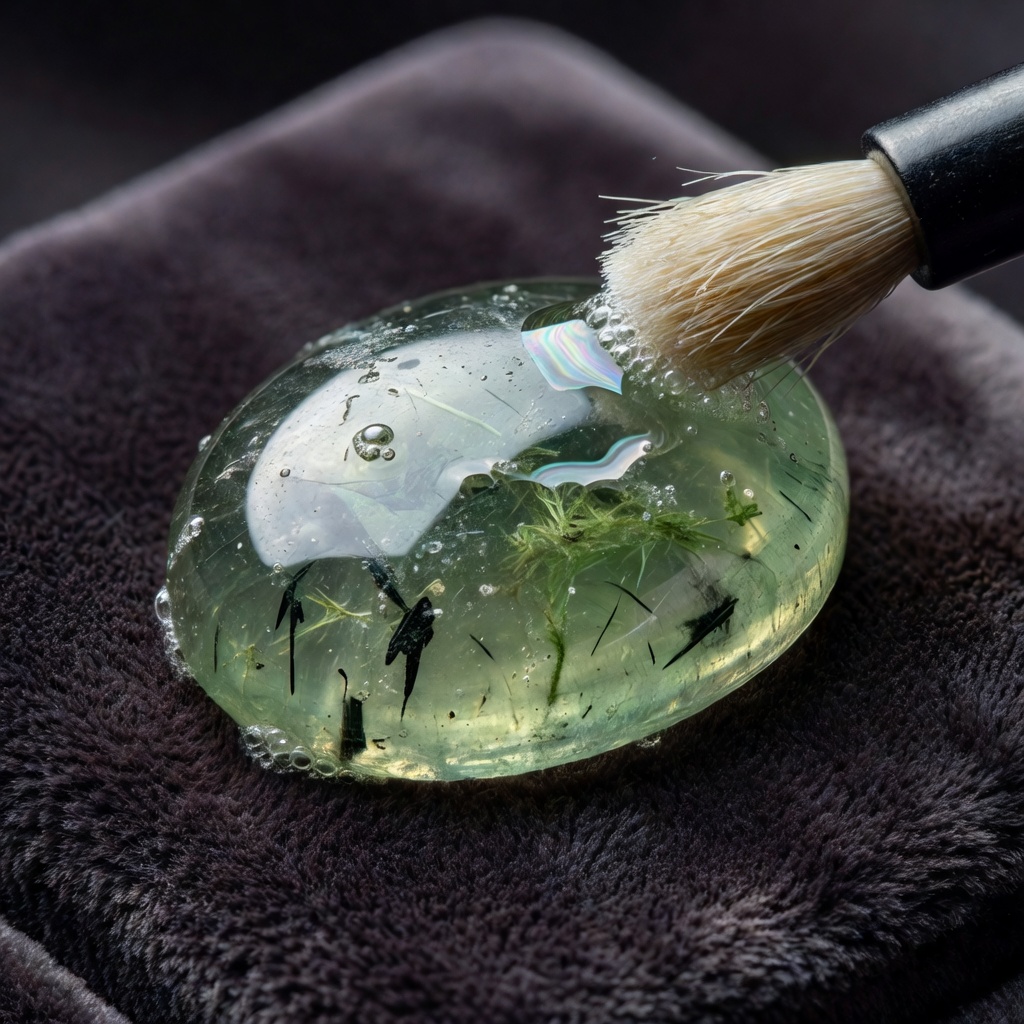
Understanding prehnite properties is essential for proper maintenance, particularly its perfect cleavage in one direction. This geological characteristic means the stone has a natural tendency to split or fracture along specific planes when subjected to impact or pressure, making it more fragile than its hardness rating might suggest. Additionally, natural prehnite frequently contains epidote inclusions—dark green to black needle-like formations—that add character but can create structural vulnerabilities within the stone. These prehnite hardness and cleavage factors directly influence how owners should approach cleaning, wearing, and storing their precious green prehnite stone care routines.
Why Proper Prehnite Care and Cleaning Matters
Regular Prehnite Care and Cleaning protocols serve as the foundation for preserving this gemstone's delicate beauty and structural integrity over decades of enjoyment. Unlike harder gemstones that can withstand neglect, prehnite's moderate hardness and cleavage sensitivity make it particularly susceptible to cumulative damage from everyday substances like skin oils, hand lotions, and environmental pollutants. When these contaminants accumulate on the stone's surface, they gradually diminish prehnite's characteristic translucency and waxy luster, transforming a vibrant, glowing gem into a dull, lifeless stone that no longer captures light effectively.
The prehnite maintenance importance extends beyond aesthetics to financial protection, as improper care can lead to irreversible damage requiring costly professional intervention or complete replacement. Household chemicals commonly found in perfumes, hairsprays, and cleaning products can etch prehnite's surface, creating microscopic pitting that permanently alters its texture and brilliance. Furthermore, accumulated grime in jewelry settings can harbor moisture and acids that slowly degrade metal prongs, increasing the risk of stone loss. Establishing consistent cleaning routines not only maintains the gem's visual appeal but also protects your investment by preventing the gradual deterioration that often goes unnoticed until significant damage has occurred.
Essential Tools for Safe Prehnite Cleaning
Gathering the proper prehnite cleaning tools before beginning maintenance ensures that you clean your gemstone effectively without introducing additional risks of scratching or chemical damage. Start with high-quality, soft lint-free microfiber cloths or genuine chamois leather specifically designated for jewelry care—these materials lift away moisture and oils without leaving behind fibers or creating micro-abrasions that could mar prehnite's surface. Avoid paper towels, tissues, or rough fabrics at all costs, as these everyday materials contain wood fibers that can scratch gemstones ranking below 7 on the Mohs scale.
For the cleaning solution itself, select mild phosphate-free dish soap or specialized gemstone cleaning supplies formulated specifically for delicate stones, diluted in lukewarm distilled water rather than tap water, which may contain minerals that leave deposits on the stone. The brushing implement requires equal care; choose a soft-bristled baby toothbrush or clean makeup brush with ultra-fine fibers that can reach into settings and crevices without abrading the stone's surface. Consider also having a small bowl dedicated to jewelry cleaning, a strainer or drain cover to prevent accidental loss, and a soft drying pad where pieces can air dry completely away from direct heat or sunlight.
Step-by-Step Prehnite Cleaning Process
Mastering how to clean prehnite requires patience and attention to detail, beginning with a preliminary rinse under lukewarm running water to remove loose debris and surface dust. Always ensure the sink drain is securely covered with a mesh strainer or plug before starting, as prehnite jewelry can easily slip from wet fingers and disappear into plumbing systems. Hold the stone so that water flows across its surface rather than directly into any setting holes or crevices where pressure might loosen the gem, using your fingers to gently dislodge any visible particles before proceeding to the soap phase.
Create a cleaning bath by adding three or four drops of mild phosphate-free soap to a bowl of lukewarm distilled water, mixing gently until suds form. Submerge the prehnite and use your soft-bristled brush to clean with gentle strokes following the stone's natural crystal structure rather than random scrubbing motions, paying special attention to the underside where oils accumulate most heavily. These prehnite cleaning steps should take no more than two to three minutes to avoid oversaturation of any backing materials or settings. After cleaning, rinse the stone thoroughly under lukewarm running water until all soap residue disappears—any remaining film will attract dust and dull the finish—then pat gently with your lint-free cloth and allow to air dry completely on a soft towel before returning to storage.
Cleaning Prehnite Jewelry: Special Considerations
When performing prehnite jewelry cleaning, the metal settings and construction methods require additional scrutiny beyond the stone itself. Before introducing any water or cleaning solution, conduct a thorough visual inspection of the piece using a jeweler's loupe or magnifying glass to check for loose prongs, worn claws, or damaged bezels that might allow the stone to fall out during submersion. This preventive examination is crucial because water acts as a lubricant, and a prehnite that feels secure when dry might easily slip from a compromised setting once wet, resulting in loss or impact damage.
For pieces featuring glued components, doublets, triplets, or porous backing materials common in vintage gemstone jewelry maintenance, avoid prolonged soaking entirely, as water can seep behind the stone and weaken adhesives or cause delamination. Instead, use a barely damp cloth to wipe the surface without submerging the piece. After cleaning any prehnite jewelry, take extra time to dry metal components thoroughly using a soft cloth or low-speed hair dryer held at a safe distance, as trapped moisture promotes tarnish on silver and can cause water spots on gold that require professional polishing to remove.
Common Mistakes to Avoid in Prehnite Care
Understanding prehnite cleaning mistakes is arguably as important as knowing proper techniques, as a single error can cause irreparable damage to this delicate gemstone. Never subject prehnite to ultrasonic or steam cleaning devices, regardless of how convenient these methods might seem for other jewelry pieces. The intense vibrations from ultrasonic cleaners cause prehnite to resonate at frequencies that exploit its perfect cleavage, potentially creating internal fractures or causing the stone to split completely along its natural planes. Similarly, steam cleaners introduce extreme heat and pressure that can induce thermal shock, resulting in surface cracking or catastrophic breakage.
Equally critical is avoiding harsh chemical agents including bleach, ammonia, acids, and abrasive toothpaste or baking soda pastes that can permanently etch or scratch prehnite's surface. Many homeowners make the mistake of using jewelry cleaning solutions designed for diamonds or sapphires on their prehnite pieces, not realizing these formulas contain chemicals too aggressive for this silicate mineral. Additionally, what not to do with prehnite includes exposing the stone to sudden temperature changes—such as moving from a hot tub to cold air or placing it near heating vents—which creates expansion and contraction stress that leads to cracking. Always allow prehnite to come to room temperature naturally before cleaning or wearing.
Long-term Storage Solutions for Prehnite
Proper prehnite storage tips focus on isolation and environmental stability to prevent the accumulation of damage during periods when the jewelry is not being worn. Store each prehnite piece individually in soft cloth pouches, fabric-lined jewelry boxes with separate compartments, or acid-free tissue paper to prevent contact with harder gemstones that could scratch its surface. Diamonds, rubies, sapphires, and even quartz (which ranks higher at 7 on the Mohs scale) can easily scratch prehnite when jewelry pieces jostle together in a drawer or travel case, creating permanent surface damage that requires professional re-polishing to remedy.
Environmental control plays a significant role in gemstone storage solutions for prehnite, as prolonged exposure to direct sunlight or intense heat can fade the stone's characteristic green coloration over time, particularly in specimens with lighter tones. Choose storage locations away from windows and heating sources, maintaining stable humidity levels to prevent both drying (which can affect any oil treatments) and excessive moisture (which promotes tarnish on metal settings). For valuable prehnite collections, consider silica gel packets in storage containers to control humidity, and store pieces flat rather than hanging to prevent stress on settings that could loosen over time.
Professional Prehnite Maintenance and When to Seek Help
While home care forms the backbone of professional prehnite care, certain situations require the expertise of qualified gemologists or master jewelers who possess specialized equipment and training. Schedule annual inspections with a reputable jeweler who can examine settings under magnification, test prong tension, and identify early signs of cleavage damage or internal fracturing that might not be visible to the naked eye. These preventive checkups often catch loose stones before they fall out, saving both the gem and the cost of replacement.
When prehnite develops surface scratches or loses its polish through normal wear, gemstone restoration through professional re-polishing can often restore its original luster, though this process requires a lapidary familiar with prehnite's cleavage sensitivity. However, deep damage occurring along cleavage planes typically cannot be repaired and may require the stone to be recut or replaced entirely. Seek immediate professional attention if you notice chips, cracks, significant clouding, or discoloration that does not respond to gentle cleaning, as these symptoms may indicate internal damage or treatment degradation requiring specialized intervention beyond home care capabilities.
Daily Wear Guidelines and Preventive Care
Incorporating smart prehnite daily care habits into your routine significantly extends the lifespan of your jewelry while maintaining its aesthetic appeal. Always remove prehnite pieces before engaging in physical activities such as sports, gym workouts, gardening, or heavy lifting, as impact against hard surfaces or pressure on the stone can activate its cleavage planes and cause chipping. Similarly, remove prehnite before household cleaning, as exposure to chlorine bleach, ammonia-based cleaners, or abrasive scrubbing powders can etch the surface within minutes of contact.
Implement a "last on, first off" policy as part of your gemstone wear tips: put prehnite jewelry on only after applying cosmetics, perfumes, hairsprays, and lotions, allowing these products to dry completely first to minimize chemical exposure. At the end of the day, wipe your prehnite with a soft microfiber cloth to remove accumulated skin oils, perspiration salts, and environmental pollutants before storing it properly. This thirty-second ritual prevents the buildup that necessitates aggressive cleaning later and helps maintain the stone's natural glow between deeper cleaning sessions.
Frequently Asked Questions About Prehnite Maintenance
Can I use soap and water to clean my prehnite gemstone?
Yes, mild soap and lukewarm water are the safest methods for Prehnite Care and Cleaning. Use a soft-bristled brush to gently remove dirt, then rinse thoroughly and pat dry with a lint-free cloth. Avoid harsh detergents or hot water that could damage the stone.
Is prehnite safe to wear every day?
While prehnite can be worn regularly, it requires careful handling due to its 6-6.5 hardness and perfect cleavage. Remove prehnite jewelry during physical activities, cleaning, or bathing to prevent chips, scratches, and exposure to harsh chemicals.
Can I put prehnite in an ultrasonic cleaner?
No, never use ultrasonic cleaners for prehnite. The vibrations can cause the stone to fracture along its cleavage planes, leading to internal cracks or complete breakage. Stick to gentle hand washing with mild soap and water only.
How often should I clean my prehnite jewelry?
Clean prehnite jewelry every 2-4 weeks if worn regularly, or immediately after exposure to sweat, lotions, or chemicals. Wipe with a soft cloth after each wear to maintain its luster, and perform deep cleaning monthly to prevent buildup.
Does prehnite fade in sunlight?
Yes, prolonged exposure to direct sunlight or intense heat can cause prehnite's green color to fade over time. Store your prehnite in a cool, dark place and avoid wearing it for extended periods in bright sunlight to preserve its vibrant coloration.
Can I shower or swim with prehnite jewelry?
It's not recommended to shower or swim with prehnite. Chlorine, salt water, and soap residue can dull the stone's surface and damage metal settings. Additionally, sudden temperature changes in water can cause thermal shock to the gemstone.
How do I remove scratches from my prehnite stone?
Minor surface scratches require professional re-polishing by a qualified gem cutter, as prehnite's brittleness makes DIY polishing risky. Deep scratches along cleavage planes often cannot be repaired. Prevention through proper storage and gentle handling is essential.
Is prehnite treated or enhanced, and does this affect cleaning?
Most prehnite is untreated, though some pieces may be oiled to improve clarity. Oiled prehnite requires extra gentle cleaning without heat or ultrasonic methods, as these can remove the oiling treatment. Always assume gentle cleaning methods unless certified as untreated.