What Is Prasiolite? Understanding the Green Quartz Gemstone
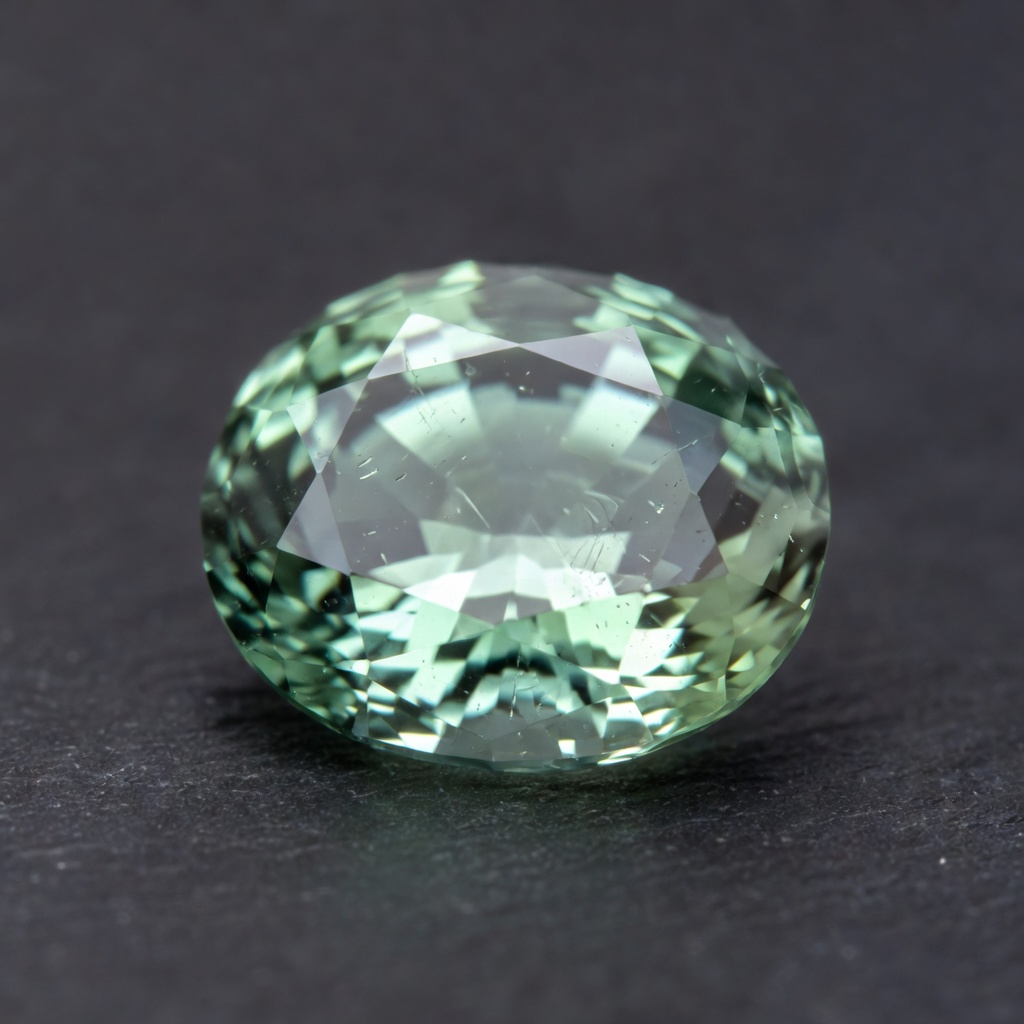
Prasiolite represents one of the most intriguing members of the quartz family, captivating collectors and jewelry enthusiasts with its delicate mint-to-sage green hues. This prasiolite gemstone is scientifically classified as a green variety of crystalline silicon dioxide (SiO2), sharing the same fundamental chemical structure as its more famous cousins amethyst and citrine. The name derives from the Greek word prason, meaning "leek," which poetically describes the vegetable-green tones that distinguish this stone from other quartz varieties.
Historically, prasiolite remained relatively obscure in the gemstone market until the late 20th century, when advanced heat treatment techniques made consistent supply possible. Today, contemporary jewelry designers prize this stone for its versatility, as the subtle green color complements both casual daytime wear and elegant evening attire. Crystal healing communities have also embraced prasiolite, attributing to it powerful connections to the heart chakra and personal transformation that differentiate it from more common quartz varieties.
Understanding what is prasiolite requires recognizing its position within the broader quartz family tree. While many consumers encounter this stone marketed as "green amethyst," gemologists prefer the term prasiolite to avoid confusion with traditional purple amethyst. Unlike peridot or emerald, which owe their colors to completely different mineral compositions, prasiolite maintains the hexagonal crystalline structure and durability that make quartz one of the most versatile minerals for jewelry applications.
Physical and Chemical Properties of Prasiolite
The fundamental prasiolite properties stem from its identity as a macrocrystalline quartz variety, featuring a trigonal crystal system with a chemical formula of SiO2. This composition includes trace amounts of iron, which undergoes specific oxidation states during formation or heat treatment to produce the characteristic green coloration. Gemologists identify prasiolite by its refractive index ranging from 1.544 to 1.553, coupled with a specific gravity between 2.65 and 2.66, measurements that help distinguish it from green glass imitations or similarly colored gemstones like peridot.
Regarding physical characteristics important for jewelry wearers, prasiolite registers a 7 on the Mohs hardness scale, making it suitable for daily wear in rings, bracelets, and necklaces. This hardness level means the stone resists scratching from common household dust (which contains silica particles), though it remains vulnerable to harder materials like diamonds, rubies, and sapphires. The stone typically exhibits a vitreous luster when polished and may display conchoidal fracture patterns if broken, characteristics consistent with all quartz varieties.
Color variations in prasiolite range from pale yellow-green and mint to deeper olive and sage tones, with the most valuable specimens displaying a consistent medium green without brownish or yellowish undertones. Optical phenomena such as asterism (star effects) or chatoyancy (cat's eye) are extremely rare in prasiolite, though some specimens may show weak pleochroism, appearing slightly different colors when viewed from different angles. When evaluating prasiolite for purchase, examine the stone under various lighting conditions, as some lower-quality pieces may appear washed out under fluorescent lighting while showing better saturation in natural daylight.
Natural vs. Heat-Treated: How Prasiolite Is Formed
The formation of natural prasiolite represents one of the rarest geological occurrences in the gemstone world, making truly natural specimens highly prized among collectors. Natural prasiolite forms when amethyst-bearing rocks experience prolonged exposure to geothermal heat from nearby volcanic activity, causing the iron impurities within the purple crystals to oxidize and shift the color spectrum toward green. This natural heating process requires specific temperature ranges between 300-400 degrees Celsius maintained over extended geological time periods, conditions that occur only in select locations worldwide.
In contrast, the vast majority of commercial prasiolite available today results from controlled heat treated prasiolite processes performed in laboratories. Manufacturers begin with pale amethyst or yellowish quartz specimens, heating them to precise temperatures that alter the oxidation state of the iron content. Brazilian mines produce most of the rough material for this treatment, though sources also exist in Poland's Lower Silesia region and specific locations in Arizona, USA. The treatment is considered permanent and stable under normal wearing conditions, though extreme heat can potentially reverse the color change.
Identifying natural prasiolite versus heat-treated material requires sophisticated gemological equipment and expertise. Natural specimens often exhibit subtle color zoning and specific inclusion patterns that differ from treated stones, while laboratory spectroscopic analysis can detect differences in the iron oxidation states. For practical purchasing decisions, assume any prasiolite under five carats and priced under $100 is heat-treated, as natural material commands significantly higher prices and usually comes with detailed provenance documentation. When investing in higher-value pieces, always request certification from recognized laboratories such as GIA (Gemological Institute of America) or IGI (International Gemological Institute) to verify authenticity claims.
Prasiolite Meaning, Symbolism, and Spiritual Significance
The prasiolite crystal meaning centers predominantly on themes of transformation, growth, and heart-centered awareness within metaphysical traditions. Unlike the spiritual protection associated with purple amethyst or the abundance attraction of citrine, prasiolite occupies a unique niche as a stone of compassionate change and emotional renewal. Practitioners often describe it as a bridge between the physical and spiritual realms, helping individuals release old patterns while embracing new opportunities with an open heart.
In crystal healing lore, prasiolite symbolism strongly connects to the heart chakra (Anahata), where it is believed to facilitate the clearing of emotional blockages and the cultivation of self-love. The green color resonates with nature's cycles of growth and renewal, making this stone particularly popular during spring rituals or when embarking on new life chapters such as career changes or relationship transitions. Historical texts suggest that medieval alchemists associated green quartz with the "philosopher's stone" concept, viewing it as a catalyst for personal transformation and spiritual enlightenment.
Modern interpretations of prasiolite emphasize its role in fostering authenticity and courage during periods of self-discovery. Meditation practitioners often place prasiolite over the heart center during visualization exercises, reporting enhanced abilities to access inner wisdom and release limiting beliefs. Some crystal therapists recommend pairing prasiolite with rose quartz for emotional healing work or with clear quartz to amplify its transformative energies. Whether used in formal meditation practices or simply carried as a pocket stone, prasiolite serves as a tangible reminder of one's capacity for growth and the beauty of new beginnings.
Healing Properties and Metaphysical Benefits
Advocates of alternative healing attribute numerous prasiolite healing properties to this gentle green stone, particularly regarding emotional and spiritual well-being. Many practitioners utilize prasiolite to alleviate symptoms of stress and anxiety, believing that its calming vibrations help stabilize emotional turbulence and promote mental clarity. During crystal therapy sessions, therapists might place prasiolite on the chest area while guiding clients through breathing exercises designed to release tension stored in the heart center.
Physical healing associations with green amethyst benefits include support for digestive health, immune system function, and detoxification processes. Some holistic practitioners recommend placing prasiolite on the solar plexus chakra to address issues related to metabolism and nutrient absorption, though these applications should complement rather than replace conventional medical treatment. The stone is also thought to help regulate sleep patterns when placed under the pillow or on a bedside table, particularly for individuals experiencing anxiety-related insomnia.
In Feng Shui applications, prasiolite attracts abundance and prosperity while simultaneously clearing negative energy from living spaces. Placing prasiolite clusters in the southeast corner of a home or office (the wealth area in traditional Feng Shui bagua mapping) is believed to stimulate financial growth and opportunity. For spiritual practitioners, prasiolite serves as an aid for enhancing intuition during meditation, with many reporting heightened states of awareness when holding the stone during mindfulness practices. To maximize these metaphysical benefits, cleanse your prasiolite monthly by placing it in moonlight or burying it in earth overnight, practices believed to reset the stone's energetic field.
Prasiolite vs Amethyst: Understanding the Differences
When examining prasiolite vs amethyst, the most obvious distinction lies in their color chemistry, though both stones share identical base compositions as silicon dioxide varieties. Purple amethyst owes its royal violet hues to iron impurities combined with natural irradiation during formation, while prasiolite results from either natural or artificial heat treatment that changes the oxidation state of those same iron elements. This fundamental difference in color genesis means that while amethyst typically forms in geodes and volcanic cavities, most prasiolite begins its life as amethyst before undergoing transformation.
The comparison between green amethyst vs purple amethyst extends beyond aesthetics into market dynamics and collecting considerations. Natural amethyst remains abundant and affordable, whereas natural prasiolite commands premium prices due to extreme rarity. From an investment perspective, fine purple amethyst from specific localities like Siberia or Uruguay may appreciate more consistently than treated prasiolite, though untreated natural green quartz represents a niche collector's market with significant upside potential. Both stones share identical care requirements—avoiding prolonged sun exposure and harsh chemicals—though prasiolite's color stability is generally more vulnerable to fading under UV light than amethyst's purple tones.
Energy workers often differentiate these stones by their metaphysical signatures, with amethyst traditionally associated with the third eye and crown chakras (spiritual insight and divine connection) while prasiolite resonates with the heart chakra (emotional healing and love). When choosing between them for jewelry or crystal work, consider your intentions: select amethyst for meditation, psychic development, or protection, while choosing prasiolite for relationship healing, emotional release, or prosperity work. Some artisans create striking bi-color pieces featuring both stones, capitalizing on the visual contrast while offering wearers the combined energetic properties of both purple and green quartz varieties.
Evaluating Prasiolite Quality and Value
Assessing prasiolite quality requires attention to color saturation, clarity, cut, and carat weight, with color representing the most significant value factor. Premium specimens display a consistent medium green reminiscent of fresh sage leaves or sea foam, free from brownish undertones or yellowish tints that indicate lower quality. The most desirable prasiolite value occurs in stones weighing between five and fifteen carats, as larger sizes allow cutters to maximize color depth while maintaining brilliance, though excessive size beyond twenty carats may actually reduce per-carat prices due to limited demand for very large green quartz specimens.
Clarity standards for prasiolite are generally stringent, with eye-clean stones (no visible inclusions to the naked eye) commanding the highest prices. However, certain inclusions like fingerprints or healing fractures are acceptable if they do not affect durability or visible beauty, particularly in natural specimens where such characteristics confirm authenticity. When evaluating prasiolite jewelry, examine the stone under magnification if possible, looking for treatments like glass filling or dyeing that unscrupulous sellers might use to enhance appearance—signs of such treatments significantly reduce value.
Cutting styles significantly impact prasiolite's visual appeal, with brilliant cuts such as round, oval, and cushion maximizing the stone's vitreous luster and light return. Step cuts like emerald cuts emphasize clarity and color purity but may sacrifice some brilliance, making them suitable for very clean specimens. Cabochon cuts (polished domes without facets) work well for prasiolite with asterism or chatoyancy, though such phenomena are rare in this material. When budgeting for prasiolite purchases, expect to pay approximately $10-30 per carat for commercial quality stones, $30-75 per carat for fine quality, and premiums exceeding $100 per carat only for exceptional natural specimens with documented provenance.
Jewelry Applications and Design Possibilities
Prasiolite jewelry has experienced a renaissance in contemporary design, with the stone's subtle green palette offering versatility across various styles from bohemian to ultra-modern. Green amethyst rings remain particularly popular as center stones for engagement rings or statement pieces, often set in solitaire styles that showcase the gem's clarity or surrounded by diamond halos that create striking color contrast. Pendant designs frequently feature larger prasiolite specimens, as the stone's affordability compared to emeralds or tsavorite garnets allows designers to create substantial pieces without prohibitive costs.
Metal pairing recommendations for prasiolite emphasize cool tones that complement the stone's verdant hues. Sterling silver provides an affordable, classic backdrop that enhances the stone's natural coolness, while 14k or 18k white gold offers durability and a luxurious aesthetic for fine jewelry applications. Rose gold settings create a contemporary, romantic contrast with green prasiolite, evoking garden imagery that appeals to nature-inspired design sensibilities. Yellow gold can work with deeper, olive-toned prasiolite but may overwhelm paler specimens, making metal selection crucial based on the specific stone's color intensity.
Cutting choices significantly affect the final jewelry aesthetic, with faceted prasiolite offering sparkle and sophistication suitable for cocktail rings and earrings, while cabochon cuts provide a smooth, organic feel perfect for pendants and bohemian-style bracelets. Current trending applications include vintage-inspired Art Deco settings featuring geometric prasiolite arrangements, minimalist bezel-set studs for everyday wear, and raw crystal pendants that preserve the stone's natural terminations. When commissioning custom prasiolite jewelry, consider protective settings such as bezels or half-bezels for rings intended for daily wear, as these designs guard the stone's edges against chipping during active use.
Essential Care and Maintenance Guidelines
Proper prasiolite care begins with understanding the stone's sensitivity to heat and light, factors that can permanently alter its coveted green coloration. While how to clean prasiolite is straightforward, requiring only mild soap and lukewarm water with a soft brush or cloth, owners must avoid ultrasonic cleaners and steam cleaning systems that can damage the stone through thermal shock or exacerbate existing fractures. After washing, pat the stone dry with a lint-free cloth rather than allowing it to air dry, as water spots can temporarily dull the surface luster.
Storage considerations play a crucial role in maintaining prasiolite's beauty over time. Always store prasiolite jewelry separately from harder gemstones like diamonds, sapphires, or rubies that could scratch the quartz surface. Soft pouches or individual compartments in jewelry boxes provide ideal protection. Perhaps most importantly, keep prasiolite away from prolonged direct sunlight and heat sources such as radiator tops or car dashboards; UV radiation and high temperatures can cause the green color to fade or shift back toward yellow or purple, permanently damaging the stone's appearance.
Professional maintenance should include annual inspections of prong settings to ensure the stone remains secure, particularly for rings subjected to daily wear. Jewelers can also professionally polish prasiolite to remove surface scratches that accumulate over time, restoring the original vitreous luster. If your prasiolite jewelry includes other gemstones or intricate metalwork, inform your jeweler about the specific care requirements for the quartz component, as some cleaning solutions safe for diamonds or sapphires might affect prasiolite differently. By following these guidelines, prasiolite jewelry can maintain its beauty for generations, though owners should treat this gemstone with more caution than harder stones like diamonds or corundum varieties.
Smart Buying Guide: Choosing Authentic Prasiolite
When preparing to buy prasiolite, understanding prasiolite price expectations helps prevent overpayment and ensures realistic quality assessments for your budget. Entry-level prasiolite jewelry featuring small stones (under two carats) in silver settings typically ranges from $50 to $200, while fine jewelry pieces with larger, high-quality stones set in gold may command $500 to $2,000 depending on design complexity and accompanying gemstones. Be wary of prices that seem too good to be true for claimed "natural" prasiolite, as genuine untreated material costs significantly more than heat-treated varieties.
Certification serves as your primary protection when investing in prasiolite, particularly for stones over three carats or pieces costing more than $300. Reputable laboratories such as GIA, IGI, or AGS (American Gem Society) provide reports detailing whether the stone is natural or heat-treated, along with assessments of color, clarity, and any detectable treatments. Red flags indicating potential synthetic or imitation material include perfectly uniform color with no variations (rare in natural quartz), bubbles visible under magnification (indicating glass), and extremely low prices for claimed "rare natural" specimens.
Ethical sourcing considerations for prasiolite focus primarily on the mining practices in Brazil, the primary source for both natural material and the amethyst rough used for heat treatment. Seek retailers who provide transparency about their supply chains or who participate in responsible mining initiatives. When purchasing online, buy only from established vendors offering return policies and detailed photographs, preferably including videos showing the stone under different lighting conditions. For custom pieces, work with bench jewelers who understand prasiolite's specific properties and can advise on appropriate settings that protect the stone while maximizing its visual impact.
Frequently Asked Questions About Prasiolite
Is prasiolite the same as green amethyst?
Yes, prasiolite and green amethyst refer to the same gemstone—both are green varieties of quartz. However, prasiolite is the preferred gemological term, while 'green amethyst' is a trade name that describes its origin as heat-treated purple amethyst.
How is prasiolite formed naturally?
Natural prasiolite forms when amethyst-bearing rocks are heated by nearby volcanic activity or natural geothermal processes, causing the iron impurities to oxidize and change the crystal color from purple to green. However, natural specimens are extremely rare, with most commercial prasiolite being heat-treated in laboratories.
What are the main healing properties of prasiolite?
Prasiolite is believed to promote emotional healing by opening the heart chakra, reducing stress and anxiety, attracting prosperity and abundance, and supporting spiritual growth. It's also used to enhance meditation practices and foster self-acceptance and compassion.
Can prasiolite jewelry be worn every day?
Yes, with a Mohs hardness of 7, prasiolite is durable enough for daily wear in rings, necklaces, and earrings. However, it should be protected from harsh impacts, extreme heat, and prolonged direct sunlight, which can cause the green color to fade over time.
How can I tell if prasiolite is natural or heat-treated?
Distinguishing natural from heat-treated prasiolite typically requires laboratory testing and spectroscopic analysis. Natural specimens often show more subtle color variations and may contain specific inclusions. When purchasing, request certification from reputable gemological laboratories like GIA or IGI.
What is the difference between prasiolite and peridot?
While both are green gemstones, prasiolite is silicon dioxide (quartz) with a pale mint to sage green color, while peridot is magnesium iron silicate (olivine) with a distinctive yellowish-green to olive hue. Peridot is also slightly harder (6.5-7 vs 7) and typically more expensive than prasiolite.
How much does prasiolite cost per carat?
Prasiolite is relatively affordable compared to other gemstones, typically ranging from $5 to $50 per carat for standard qualities. Fine specimens with deep, even color and excellent clarity can command higher prices up to $100 per carat, though it remains significantly less expensive than emerald or tsavorite garnet.
Does prasiolite fade in sunlight?
Yes, prasiolite can fade when exposed to prolonged direct sunlight or excessive heat. The green color is sensitive to UV radiation and high temperatures, which can cause the stone to return to its original yellow or purple state. Store prasiolite jewelry away from windows and avoid wearing it during extended sun exposure.