What Is Prasiolite? Understanding the Green Amethyst
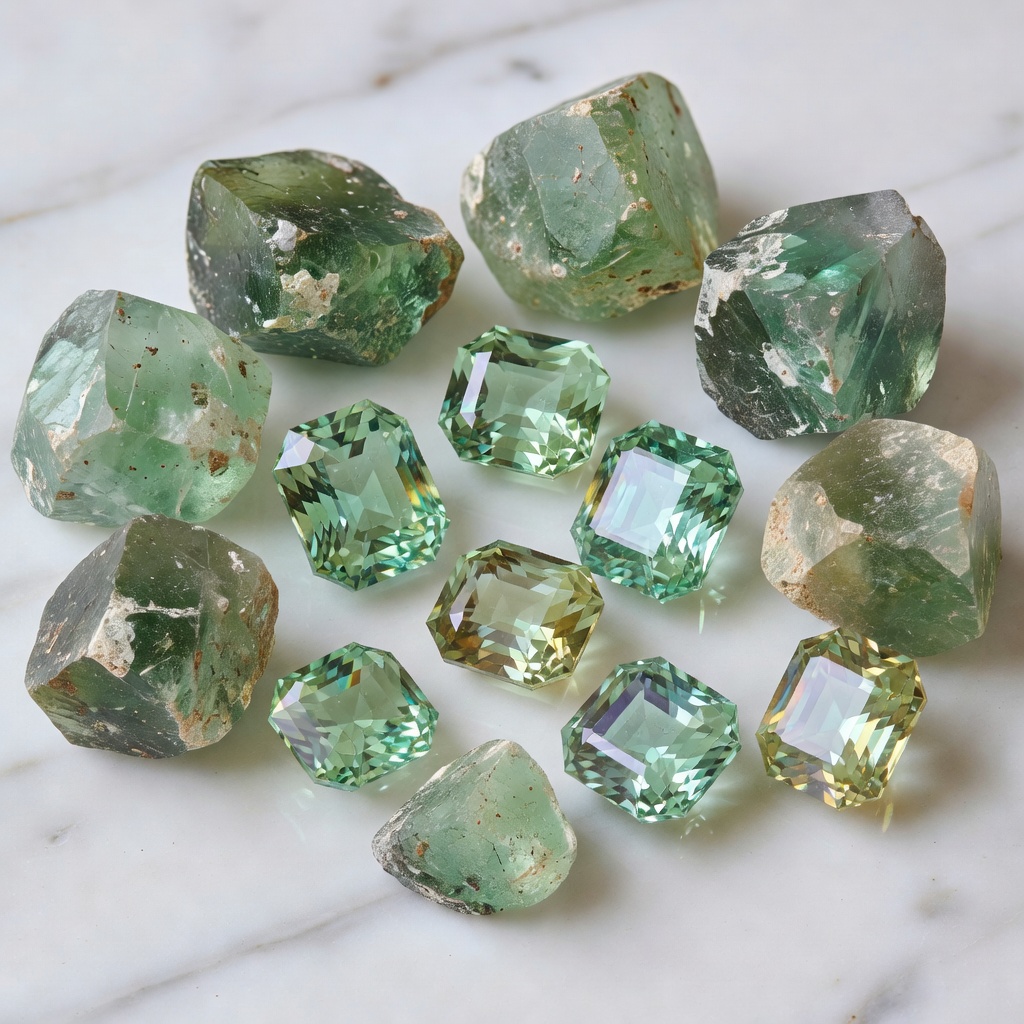
Prasiolite represents one of the most intriguing transformations in the gemstone world, serving as a green variety of quartz that emerges when purple amethyst or yellowish quartz undergoes specific thermal conditions. Often marketed under the trade name "green amethyst," this gemstone possesses the same chemical foundation as its purple counterpart while displaying a refreshing palette ranging from delicate mint to deep sage hues. The term prasiolite itself derives from the Greek words "prason" (leek) and "lithos" (stone), perfectly describing its vegetable-green appearance that distinguishes it from other quartz varieties. Understanding Prasiolite Properties and Information begins with recognizing this gemstone as a member of the macrocrystalline quartz family, sharing the same silicon dioxide composition as citrine, rose quartz, and smoky quartz.
The historical discovery of prasiolite dates back to the mid-20th century when deposits were first identified in Poland, though substantial commercial quantities did not enter the market until the 1980s and 1990s. Today, this rare gemstone has gained significant popularity among jewelry designers and crystal enthusiasts who appreciate its unique coloration and relative affordability compared to other green gemstones like emerald or tsavorite garnet. While naturally occurring specimens remain exceptionally scarce, modern gemological advances have made heat-treated green amethyst widely available to consumers seeking alternatives to traditional purple amethyst. The gemstone's rising demand reflects a broader trend toward unique, pastel-colored stones that offer versatility in both casual and formal jewelry settings.
Physical and Chemical Properties of Prasiolite
From a scientific perspective, prasiolite maintains the fundamental chemical composition of SiO₂ (silicon dioxide) with a trigonal crystal system that typically manifests in hexagonal prismatic formations. This crystallographic structure places it within the same family as amethyst and citrine, though the specific arrangement of iron impurities and their oxidation states create the distinctive green coloration that defines prasiolite properties and information studies. Gemologists classify prasiolite as having a Mohs hardness rating of 7, making it suitably durable for everyday jewelry wear while still requiring protection from harder materials like diamonds, rubies, and sapphires that could potentially scratch its surface.
The specific gravity of prasiolite typically ranges between 2.65 and 2.66, identical to other quartz varieties, which helps gemologists differentiate it from lookalike materials such as green glass or synthetic spinel. Color-wise, authentic specimens display remarkable variation from pale, almost translucent mint green to deeper, more saturated olive and sage tones, with the most valuable stones exhibiting even color distribution without noticeable zoning. Optical characteristics include a refractive index of approximately 1.544-1.553 and weak dichroism, meaning the stone may show slightly different colors when viewed from different angles under polarized light. These physical constants serve as crucial diagnostic tools when examining prasiolite formation origins and verifying authenticity in laboratory settings.
Transparency and Clarity Characteristics
High-quality prasiolite typically demonstrates excellent transparency, allowing light to pass through the crystal with minimal obstruction, which contributes to its appealing vitreous luster when properly cut and polished. Most specimens contain natural inclusions characteristic of quartz family minerals, including liquid-filled cavities, negative crystals, or rutile needles, though eye-clean stones command premium prices in the marketplace. When evaluating Prasiolite Properties and Information for purchase decisions, collectors should note that some treatments may affect clarity temporarily, though heat-treated material generally maintains the same inclusion patterns as the original amethyst rough.
How Prasiolite Forms: Natural vs. Treated Origins
The formation of prasiolite represents a fascinating intersection of geological time scales and modern technological intervention, with both natural and laboratory-assisted pathways existing in today's market. Natural prasiolite formation occurs when amethyst deposits undergo prolonged exposure to underground radiation combined with specific heat gradients over millions of years, causing the iron impurities responsible for purple coloration to oxidize into green hues. This rare geological process has only been documented in a few locations worldwide, including the Montezuma Mine in Minas Gerais, Brazil, and the Thunder Bay region of Ontario, Canada, making naturally occurring specimens highly prized by serious collectors and museums.
Commercially available prasiolite, conversely, results from controlled heat treatment of Brazilian amethyst at temperatures between 470-500°C (878-932°F), a process that simulates natural geological conditions within a condensed timeframe. Master gem treaters carefully monitor the heating process to achieve optimal color transformation without damaging the crystal structure, often experimenting with different temperature gradients to produce specific shades of green. This technological approach to creating green amethyst has democratized access to the stone, though ethical sellers must disclose treatment status to maintain consumer trust and comply with international gemstone trading standards established by organizations like the American Gem Trade Association (AGTA).
Geological Sources and Mining Ethics
Beyond Brazil, limited natural prasiolite deposits have been discovered in Poland's Lower Silesia region and Montana's Yellowstone River area, though production volumes from these locations remain minimal compared to South American sources. The prasiolite vs amethyst supply chain differs significantly, as amethyst rough suitable for treatment must meet specific criteria regarding clarity and iron content to achieve desirable green results after heating. Responsible mining practices have become increasingly important in the prasiolite trade, with many suppliers now offering traceability documentation that verifies both the original amethyst source and the treatment facility, ensuring environmentally conscious consumers can make informed purchasing decisions aligned with their values.
Metaphysical Properties and Symbolic Meanings
In the realm of crystal healing and spiritual practices, prasiolite meaning centers predominantly on themes of transformation, growth, and heart-centered awareness, making it a staple in meditation circles and energy work communities. Practitioners associate this green quartz variety with the heart chakra (Anahata), believing it facilitates emotional healing by releasing blockages related to love, compassion, and self-acceptance. The stone's journey from purple amethyst to green prasiolite serves as a powerful metaphor for personal metamorphosis, encouraging users to embrace change as a natural and beneficial aspect of spiritual development rather than resisting evolutionary impulses.
The symbolic associations extend beyond emotional realms into material abundance and personal empowerment, with many crystal enthusiasts keeping prasiolite in their workspace or financial areas to attract prosperity consciousness. Unlike the intense spiritual activation associated with purple amethyst, prasiolite healing properties are said to ground high-vibration energies into practical, everyday applications, bridging the gap between spiritual insight and physical manifestation. Meditation practitioners often report enhanced clarity and intuition when working with prasiolite, attributing these effects to the stone's purported ability to align the heart and mind, thereby facilitating decisions that honor both logical reasoning and emotional intelligence.
Spiritual Awakening Applications
Advanced crystal healing practitioners utilize prasiolite in grid layouts and body layouts specifically designed to activate the higher heart chakra, sometimes called the thymus chakra, which governs divine love and soul purpose. When combined with rose quartz or pink tourmaline, the prasiolite meaning expands to include relationship healing and forgiveness work, helping individuals release past traumas and open to new connections with authenticity. Some metaphysical schools teach that prasiolite carries the "green ray" of healing, connecting users to nature spirits and elemental energies that support physical vitality and environmental consciousness.
Healing Properties and Holistic Benefits
Holistic health practitioners incorporate prasiolite healing properties into wellness protocols aimed at reducing stress and anxiety, suggesting that the stone's gentle green energy soothes the nervous system and promotes parasympathetic relaxation responses. Crystal therapists often place prasiolite on the chest area during Reiki sessions or energy healing treatments, believing it helps regulate the endocrine system and supports thyroid and thymus gland function. While these applications should complement rather than replace conventional medical care, many users report subjective improvements in sleep quality and emotional resilience when wearing prasiolite jewelry or keeping tumbled stones in their living spaces.
Mental clarity represents another significant aspect of prasiolite meaning in therapeutic contexts, with the stone reputedly enhancing analytical thinking and decision-making capabilities by calming mental chatter and reducing analysis paralysis. Business professionals and students alike sometimes use prasiolite as a focusing tool during complex problem-solving tasks, attributing improved concentration to the gemstone's stabilizing influence on the solar plexus and heart energy centers. Physical healing associations include immune system support and detoxification assistance, with traditional crystal lore suggesting that prasiolite helps the body assimilate nutrients more effectively while eliminating energetic toxins accumulated through stress or negative environmental factors.
Integration with Alternative Wellness Practices
Modern crystal therapy protocols often combine prasiolite with essential oils such as rose, bergamot, or eucalyptus to amplify its heart-opening and clarifying effects during aromatherapy sessions. Yoga practitioners might place prasiolite stones at the corners of their mat during heart-opening asanas like camel pose or bridge pose, intending to deepen the emotional release and self-acceptance aspects of their physical practice. When exploring Prasiolite Properties and Information for wellness applications, it is important to cleanse the stone regularly using moonlight, sage smoke, or running water to maintain its energetic potency and prevent the accumulation of stagnant vibrations.
Prasiolite vs. Amethyst: Key Differences Explained
Understanding the prasiolite vs amethyst relationship requires recognizing their fundamental chemical identity as silicon dioxide while appreciating the distinct visual and energetic characteristics that justify their separate commercial classifications. The primary distinction lies in coloration: amethyst displays purple to violet hues resulting from iron impurities and aluminum traces exposed to natural irradiation, whereas prasiolite exhibits green tones achieved through heat-induced oxidation of those same iron compounds. This color transformation process does not alter the crystal's hardness, durability, or basic structure, meaning both stones require identical care protocols and offer similar wearability for jewelry applications.
Market dynamics create significant differences between these quartz siblings, with natural amethyst being considerably more abundant and affordable than its green counterpart, though high-quality green amethyst commands premium prices due to the additional processing and relative scarcity of suitable rough material. Consumer preferences have shifted notably in recent years, with younger demographics increasingly favoring prasiolite's subtle, nature-inspired palette over amethyst's more traditional purple associations, particularly for engagement rings and contemporary fashion jewelry. Durability comparisons reveal identical performance, as both stones rate 7 on the Mohs scale and resist scratching from everyday substances, though both should be protected from sudden temperature changes that could cause thermal shock and fracturing.
Rarity and Value Considerations
While natural amethyst occurs globally in abundant quantities, truly natural prasiolite remains geologically rare, with most commercial material requiring disclosure as heat-treated amethyst to satisfy ethical trading standards. This treatment distinction affects valuation, as untreated natural prasiolite specimens can command prices ten to twenty times higher than their heat-treated equivalents, particularly when exhibiting the desirable deep sage green coloration rarely achieved through artificial means. Collectors seeking Prasiolite Properties and Information for investment purposes should prioritize documented natural specimens from verified localities such as Thunder Bay or the Montezuma Mine, ensuring proper gemological certification accompanies any significant purchases.
Authenticity Assessment: Identifying Genuine Prasiolite
Verifying authentic Prasiolite Properties and Information requires familiarity with visual inspection techniques and professional gemological testing methods that distinguish genuine material from common imitations. Genuine prasiolite typically displays subtle color zoning or banding visible under magnification, reflecting its crystalline growth patterns, whereas synthetic green quartz or glass imitations often appear unnaturally uniform in color distribution. Natural inclusions such as "fingerprints" (healing fractures), two-phase inclusions (liquid and gas), or rutile needles serve as positive identification markers, while bubble inclusions usually indicate glass substitutes that lack the crystalline structure of true quartz.
Professional gemological laboratories employ advanced spectroscopic analysis to confirm prasiolite properties and information, measuring refractive indices, specific gravity, and absorption spectra that definitively separate natural or treated quartz from simulants like green cubic zirconia, synthetic moissanite, or dyed chalcedony. The dichroic nature of prasiolite—showing slightly different shades when rotated under polarized light—provides another diagnostic clue unavailable in isotropic materials like glass. Consumers should insist on certification from reputable laboratories such as GIA (Gemological Institute of America), AGS (American Gem Society), or IGI (International Gemological Institute) when purchasing high-value specimens, as these reports definitively document treatment status and geographic origin.
Common Imitations and Red Flags
Buyers should exercise caution regarding "prasiolite" offered at suspiciously low prices, as this often indicates dyed quartz, green glass, or doublets constructed with thin quartz layers glued to colored backing materials. Dyed materials may show color concentrations in fractures or surface-reaching inclusions, whereas genuine prasiolite maintains consistent coloration throughout the crystal structure, even at fracture surfaces. When examining green amethyst for authenticity, perform a simple hardness test by attempting to scratch glass—genuine prasiolite (hardness 7) will scratch window glass (hardness 5.5), while plastic imitations or soft serpentine substitutes will fail this basic assessment.
Caring for Your Prasiolite Gemstone Jewelry
Proper prasiolite gemstone care ensures your jewelry maintains its vibrant color and luster for generations, beginning with gentle cleaning protocols that avoid harsh chemicals or mechanical abrasion. Clean your prasiolite pieces using warm water, mild dish soap, and a soft-bristled toothbrush to remove accumulated oils and debris, taking care to dry thoroughly with a lint-free cloth to prevent water spots. Unlike diamonds or sapphires, prasiolite should never be subjected to ultrasonic cleaning devices or steam cleaners, as the vibrations and heat can exacerbate existing fractures or cause thermal shock in stones with internal stress patterns.
Storage practices play a crucial role in preserving Prasiolite Properties and Information regarding longevity, requiring separation from harder gemstones that might scratch the quartz surface. Store prasiolite jewelry in individual soft cloth pouches or compartmentalized jewelry boxes, ensuring pieces do not contact diamonds, rubies, or other materials ranking above 7 on the Mohs scale. While prasiolite demonstrates reasonable light stability compared to some colored gemstones, prolonged exposure to direct sunlight—particularly in display cases or windowsills—may cause gradual fading of the green coloration over years, suggesting storage in dark jewelry boxes when not being worn.
Professional Maintenance Protocols
Annual professional inspections by qualified jewelers help maintain the security of prasiolite settings, as the stone's cleavage properties (though not perfect) can make it vulnerable to chipping if struck against hard surfaces. Re-polishing services can restore brilliance to prasiolite showing surface scratches or dullness from years of wear, though this process removes minimal material and should be performed sparingly to preserve carat weight. When traveling with green amethyst jewelry, utilize padded travel cases and remove rings before activities involving impact risk, such as sports, gardening, or heavy lifting, to prevent accidental damage to the gemstone or its mounting.
Buying Guide: Quality Factors and Pricing
Evaluating Prasiolite Properties and Information for purchase decisions requires understanding the "Four Cs" as they apply specifically to this green quartz variety, beginning with color assessment as the primary value determinant. The most desirable prasiolite exhibits medium-toned, evenly saturated green without brownish or yellowish overtones, resembling fresh sage leaves or Granny Smith apples rather than pale mint or deep olive. Stones with grayish undertones or uneven color zoning typically command lower prices, though some designers specifically seek these variations for artistic jewelry pieces emphasizing organic, natural aesthetics over commercial perfection.
Clarity standards for prasiolite generally permit minor inclusions that do not detract from the stone's beauty or durability, with eye-clean specimens (no visible inclusions to the unaided eye) representing the sweet spot for value and appearance. Cut quality significantly impacts green amethyst performance, with well-executed brilliant cuts, step cuts, or mixed cuts maximizing the stone's ability to return light to the viewer's eye while minimizing windowing (see-through areas) that reduce apparent color saturation. Pricing typically ranges from $5 to $50 per carat for commercial quality material, with exceptional specimens featuring rare deep green coloration, large sizes (over 10 carats), and precision cutting potentially commanding $100 or more per carat in specialty markets.
Treatment Disclosure and Certification
Reputable dealers always disclose heat treatment status when selling Prasiolite Properties and Information, as this transparency affects both value and care considerations, even though the treatment remains permanent and stable under normal wearing conditions. Request written documentation specifying whether the stone is natural or heat-treated, accompanied by laboratory reports for significant investments, ensuring you understand exactly what you are purchasing. Be wary of vendors using misleading terms like "greened amethyst" or "lime citrine" to obscure treatment facts, insisting instead on clear labeling as "heat-treated prasiolite" or "natural prasiolite" based on verified geological evidence.
Popular Jewelry Settings and Design Ideas
The versatile color palette of prasiolite complements numerous metal choices, with sterling silver and white gold emphasizing the stone's cool green tones for contemporary, minimalist aesthetics, while rose gold settings create warm, romantic contrasts that highlight the gem's feminine energy. Yellow gold mountings offer vintage appeal, particularly when paired with antique-style cuts like old mine or cushion shapes that reference Victorian and Art Deco design periods. When selecting Prasiolite Properties and Information for custom jewelry projects, consider the stone's transparency and choose open-back settings that allow light to enter and exit the pavilion, maximizing brilliance and color display.
Popular cuts for green amethyst include emerald cuts that emphasize clarity and color consistency, oval and cushion shapes that maximize carat retention while providing excellent brilliance, and trillion or pear shapes for dramatic pendant and earring designs. Contemporary designers increasingly feature prasiolite in nature-inspired motifs such as leaf patterns, vine work, or floral clusters that complement the stone's organic green hues, while minimalist bezel settings appeal to modern sensibilities favoring clean lines and understated elegance. For special occasions, prasiolite offers an affordable alternative to emeralds for May birthstone jewelry, while its heart chakra associations make it particularly appropriate for anniversary gifts, engagement rings symbolizing growth and renewal, or graduation presents representing personal transformation.
Styling Tips and Occasion Recommendations
Prasiolite's moderate hardness and availability in large sizes make it suitable for statement cocktail rings and bold pendants, though protective settings with bezels or V-prongs help secure the stone's vulnerable corners and edges during daily wear. For professional environments, smaller prasiolite studs or delicate pendant necklaces provide subtle color without overwhelming conservative dress codes, while larger specimens shine in evening wear or resort settings where their distinctive green can complement floral prints and natural fiber fabrics. When building a jewelry wardrobe around prasiolite properties and information, consider acquiring both faceted specimens for formal occasions and cabochon-cut stones for casual, bohemian-inspired layering looks that emphasize the gem's connection to earth energy and natural beauty.
Frequently Asked Questions About Prasiolite
What Is Prasiolite and How Is It Different From Amethyst?
Prasiolite is a green variety of quartz created when amethyst or yellowish quartz undergoes natural or controlled heating. While chemically identical to amethyst (both are SiO₂), prasiolite's distinctive green color sets it apart. Most commercial prasiolite is heat-treated amethyst from Brazil, transforming the purple hue to a green shade through controlled thermal exposure at 470-500°C.
Is Prasiolite a Natural or Treated Gemstone?
Both exist, but naturally occurring prasiolite is extremely rare. Most prasiolite on the market is created by heat-treating amethyst. Natural prasiolite forms when amethyst is exposed to underground radiation and heat over millions of years. Reputable sellers always disclose treatment status, and heat-treated prasiolite is an accepted and stable enhancement in the gem industry.
What Are the Main Healing Properties of Prasiolite?
Prasiolite is believed to activate the heart chakra, promoting emotional healing, compassion, and self-acceptance. It's associated with stress relief, anxiety reduction, and mental clarity. Many crystal healers use it to support prosperity consciousness and personal transformation, while others believe it can help balance the endocrine system and boost the immune system.
How Can I Tell if My Prasiolite Is Real?
Genuine prasiolite shows natural color variations from mint to sage green, often with subtle inclusions visible under magnification. It has a hardness of 7 on the Mohs scale, so it will scratch glass. Professional gemological testing includes spectroscopy and refractive index measurement. Be wary of stones with overly uniform, vivid green color or bubble inclusions, which may indicate glass or synthetic imitations.
What Is the Best Way to Care for Prasiolite Jewelry?
Clean prasiolite with mild soap, warm water, and a soft brush. Avoid ultrasonic cleaners and harsh chemicals. Store separately from harder gemstones like diamonds and sapphires to prevent scratches. While stable, prolonged direct sunlight may cause slight fading over time, so store in a jewelry box when not worn. Have prasiolite jewelry professionally inspected annually for setting security.
Where Does Prasiolite Come From?
Most commercial prasiolite originates from Brazil, where high-quality amethyst is heat-treated to create the green color. Natural prasiolite deposits are found in the Montezuma Mine in Brazil, the Thunder Bay area of Canada, and Poland. The United States has limited deposits in Montana. Brazil remains the dominant source for both rough material and finished gemstones.
What Chakra Is Prasiolite Associated With?
Prasiolite is primarily associated with the heart chakra (Anahata), promoting love, compassion, and emotional balance. It's also connected to the third eye chakra for enhancing intuition and the crown chakra for spiritual growth. This combination makes prasiolite particularly valued for facilitating the integration of spiritual insights into daily life and relationships.
Is Prasiolite Expensive Compared to Other Gemstones?
Prasiolite is moderately priced, generally more expensive than common amethyst but far less costly than precious gemstones like emerald or tsavorite garnet. Prices typically range from $5-$50 per carat depending on quality, with fine specimens featuring even color saturation and excellent clarity commanding higher prices. Its affordability combined with attractive appearance makes it popular for jewelry.