Why Proper Prasiolite Care Matters
Prasiolite captivates jewelry enthusiasts with its delicate mint-green to olive hues, offering an affordable alternative to precious emeralds and peridots. Often marketed as green amethyst, this heat-treated quartz variety requires specialized attention to maintain its ethereal color and clarity over decades of wear. Unlike diamonds or sapphires that withstand rough handling, prasiolite possesses unique vulnerabilities that make prasiolite care and cleaning protocols essential knowledge for any owner.
Improper maintenance leads to irreversible consequences including color fading, surface pitting, and structural fractures that diminish both aesthetic appeal and monetary value. A case study from the Gemological Institute of America documented a prasiolite pendant that lost 40% of its color saturation after just six months of daily beach wear, demonstrating how quickly environmental factors can damage this sensitive stone. This comprehensive guide will equip you with professional-grade techniques to preserve your prasiolite jewelry's beauty while avoiding the common pitfalls that trap inexperienced collectors.
Understanding Prasiolite's Unique Properties
The Heat-Treated Origin of Green Quartz
Authentic prasiolite begins its journey as purple amethyst or yellowish quartz subjected to controlled heat treatment between 300-500 degrees Celsius, transforming its crystalline structure to produce the characteristic green coloration. This artificial enhancement creates internal stress points that make the stone more brittle than naturally occurring green quartz varieties. Understanding this origin story proves crucial because prasiolite stone maintenance differs significantly from caring for natural gemstones that formed under geological pressure over millions of years.
Mohs Hardness and Practical Durability
Prasiolite ranks 7 on the Mohs hardness scale, meaning it resists scratches from materials like steel nails or window glass but remains vulnerable to harder gemstones including topaz, corundum, and diamond. However, hardness does not equate to toughness—a distinction that confuses many jewelry owners. While prasiolite resists surface scratching, its crystalline structure contains planes of weakness that can cleave or fracture upon sharp impact, making protective wearing habits essential for longevity.
Color Stability and Environmental Sensitivity
The green coloration in prasiolite remains thermodynamically unstable compared to naturally pigmented stones, creating sensitivity to ultraviolet radiation and heat sources. Prolonged exposure to direct sunlight triggers photochemical reactions that gradually bleach the green centers, returning the stone toward its original yellow or clear state. This photoreactivity necessitates strict prasiolite fading prevention strategies including limited outdoor wear and strategic storage solutions that shield the gemstone from environmental degradation.
Daily Prasiolite Jewelry Care Routine
Strategic Removal Protocols
Establishing consistent removal habits forms the foundation of effective prasiolite jewelry care. Always remove prasiolite rings, bracelets, and necklaces before engaging in physical activities such as gym workouts, gardening, or sports where impact damage poses significant risks. Swimming pools present dual threats through chlorine exposure and cold water contraction that can loosen settings, while household cleaning products contain acids and abrasives that etch quartz surfaces within minutes of contact.
The Post-Wear Cleaning Ritual
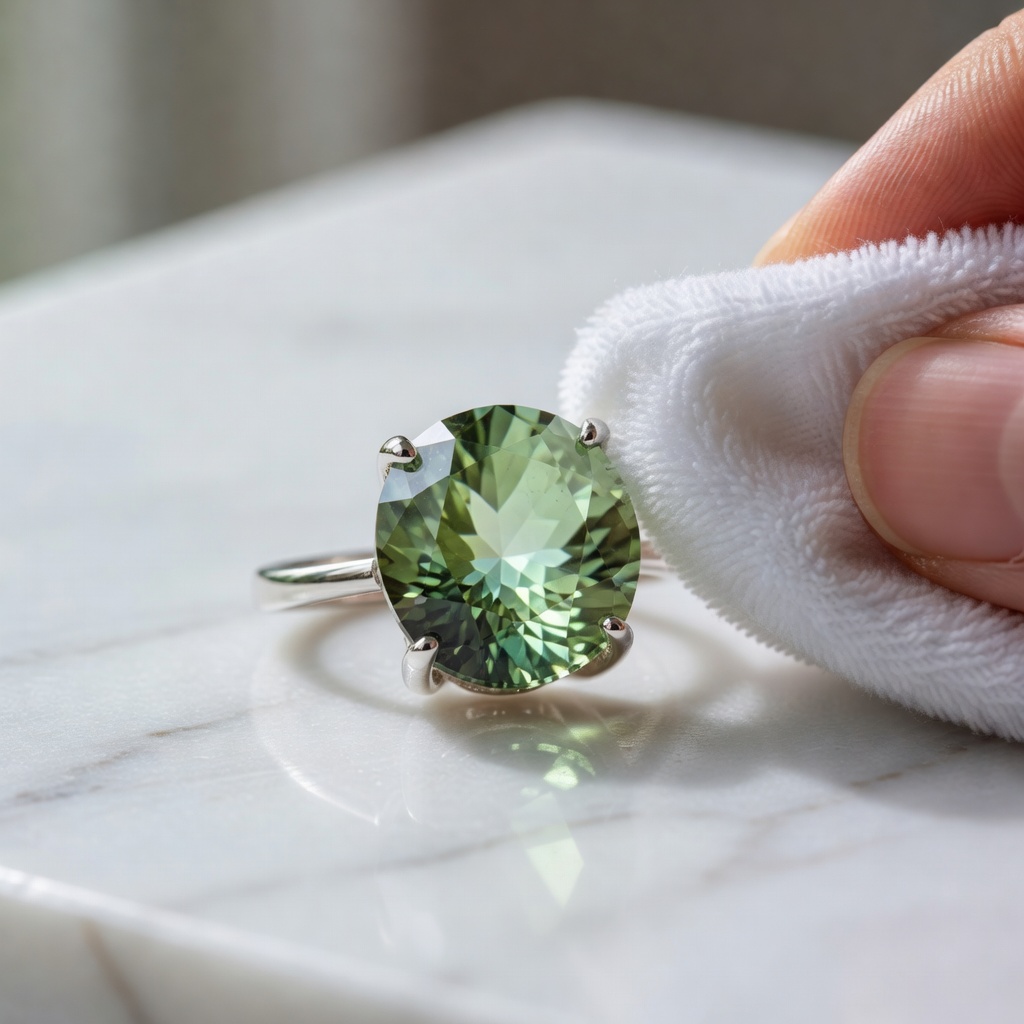
Implement a daily gentle wipe-down using a lint-free microfiber cloth to remove skin oils, cosmetic residues, and environmental pollutants that accumulate during normal wear. For example, after wearing your prasiolite earrings to a dinner party, use a soft cloth dampened with distilled water to remove any traces of hairspray or perfume that may have settled on the stones. This simple daily maintenance routine prevents buildup that requires aggressive cleaning later while maintaining the stone's vitreous luster.
Visual Inspection Techniques
Develop the habit of examining your prasiolite settings under bright LED light every evening, checking for loose prongs, bent claws, or hairline cracks in the gemstone itself. Early detection of a wiggling stone prevents catastrophic loss during subsequent wear, while identifying surface scratches allows for timely professional intervention. Keep a jeweler's loupe or magnifying glass near your jewelry storage area to facilitate these quick but crucial inspections.
Safe Cleaning Methods for Prasiolite
The Lukewarm Soapy Water Method
The safest approach for cleaning green quartz involves preparing a solution of lukewarm distilled water and mild dish soap completely free of ammonia, bleach, or moisturizing additives. Fill a clean bowl with the solution rather than using the sink, preventing accidental loss down the drain if settings fail during cleaning. Submerge your prasiolite jewelry for no more than five minutes to loosen accumulated grime without risking water damage to certain types of settings or adhesives.
Gentle Brushing for Intricate Settings
For prasiolite pieces featuring elaborate filigree work or pavé settings, utilize a soft-bristled baby toothbrush or specialized jewelry brush to dislodge dirt from hard-to-reach crevices. Work gently in circular motions around the stone's edges rather than scrubbing across the table facet, which could potentially loosen the setting. A practical example involves cleaning a vintage prasiolite cocktail ring: hold the piece by the metal band rather than the stone itself, brushing carefully beneath the gallery where lotions commonly accumulate.
Proper Drying Techniques
After rinsing thoroughly under lukewarm running water, pat the jewelry dry using a clean, lint-free cloth rather than rubbing, which can create static electricity attracting dust particles. Allow the piece to air-dry completely on a fresh paper towel for an additional thirty minutes before storage, ensuring no moisture remains trapped beneath the stone where it could encourage metal tarnishing or setting corrosion. This methodical approach to how to clean prasiolite preserves both the gemstone and its mounting hardware.
What to Avoid: Common Prasiolite Damagers
Mechanical Cleaning Dangers
Never subject prasiolite to ultrasonic or steam cleaning devices despite their popularity in jewelry maintenance. The high-frequency vibrations from ultrasonic baths create micro-fractures within the quartz structure, while steam's thermal shock can cause existing inclusions to expand and split the stone. A documented incident involved a prasiolite engagement ring that developed a visible crack after a single three-minute ultrasonic session, resulting in a $400 repair bill for stone replacement.
Chemical Hazards to Recognize
Avoid exposing prasiolite to harsh chemicals including bleach, acetone, chlorine, ammonia-based cleaners, and commercial jewelry dips formulated for harder stones. These substances attack the metal settings while potentially altering the surface chemistry of the quartz itself, creating cloudy patches or etch marks that require professional repolishing. Even everyday items like hand sanitizer containing high alcohol concentrations can degrade prasiolite's surface luster with repeated exposure.
Temperature and Light Extremes
Prasiolite fading prevention requires vigilance against prolonged sunlight exposure and extreme temperature fluctuations. Never leave prasiolite jewelry on car dashboards, bathroom windowsills, or near heating vents where thermal cycling stresses the crystalline structure. Sauna visits, hot tub soaks, and cooking over open flames while wearing prasiolite rings create temperature differentials between the stone's surface and interior that generate internal cracking.
Proper Storage Solutions for Prasiolite
Individual Compartment Strategies
Implement prasiolite storage tips that prioritize isolation from other jewelry pieces to prevent contact scratching and abrasion. Store each prasiolite item in separate soft pouches made from untreated cotton or microfiber, or utilize a jewelry box with individual velvet-lined compartments that prevent pieces from touching. For collectors with extensive jewelry storage needs, consider anti-tarnish bags that provide dual protection against both physical damage and atmospheric sulfur compounds.
Environmental Control Measures
Maintain storage environments away from direct sunlight and heat sources, selecting closet drawers or interior rooms rather than dresser tops near windows. Ideal storage temperatures range between 60-75 degrees Fahrenheit with relative humidity below 50% to prevent moisture accumulation. Add silica gel packets to your jewelry storage area, replacing them quarterly to maintain optimal humidity levels that protect both the prasiolite and its metal settings from corrosion.
Travel Storage Protocols
When traveling with prasiolite jewelry, utilize hard-sided travel cases with foam inserts rather than soft rolls that allow compression damage. Never pack prasiolite in checked luggage where temperature fluctuations in cargo holds can reach extremes, potentially causing thermal shock. Instead, carry valuable pieces in your personal item where climate control remains consistent, using individual plastic bags to prevent tangling while maintaining separation from harder items like watches or metal bracelets.
When to Seek Professional Prasiolite Maintenance
Annual Setting Inspections
Schedule professional prasiolite care appointments annually with a certified jeweler who can assess prong integrity, setting security, and stone stability using specialized magnification and testing equipment. Professional inspections identify issues invisible to the naked eye, such as micro-cracks in the girdle area or metal fatigue in antique settings. For heirloom pieces or investment-grade prasiolite, consider bi-annual inspections given the stone's relative fragility compared to diamonds or rubies.
Deep Cleaning and Restoration Services
When home cleaning proves insufficient for heavily soiled prasiolite pieces, professional jewelers utilize steam-free ultrasonic alternatives and specialized non-toxic solutions that remove stubborn residues without risking damage. Professional repolishing services restore surface clarity to prasiolite that has developed scratches or dulled through normal wear, though this process removes microscopic layers of material and should be limited to once every few years. Request that professionals use protective padding when working on prasiolite to prevent bench damage during repairs.
Setting Repairs and Stone Resetting
If your prasiolite becomes loose in its mounting or the setting sustains damage, immediate professional intervention prevents stone loss. Jewelers can retighten prongs, rebuild worn gallery work, or completely reset stones into new mountings when original settings prove irreparable. When resetting prasiolite, insist on protective measures including rubber-dampened tools and temperature-controlled soldering that shields the stone from heat exposure during metalwork.
Troubleshooting Common Prasiolite Issues
Addressing Color Fading
Unfortunately, prasiolite stone maintenance cannot reverse significant color fading once photochemical damage occurs, making prevention the only viable strategy. However, some lightly faded stones respond to professional re-treatment involving controlled heat application in specialized kilns, though results vary and the process carries fracture risks. If you notice your prasiolite developing yellowish undertones or losing saturation, immediately implement strict light-avoidance protocols and consult a gemologist regarding potential enhancement options.
Managing Surface Damage
Minor scratches and abrasions on prasiolite surfaces require professional repolishing using diamond-impregnated laps and fine polishing compounds that restore optical clarity. Never attempt DIY polishing with toothpaste or baking soda, as these household abrasives create additional scratches rather than removing them. A professional case study demonstrated that a scratched prasiolite pendant restored to 95% original clarity after expert repolishing, whereas home remedies permanently dulled the stone's surface.
Dealing with Structural Issues
Common issues like internal fractures or loose stones demand immediate cessation of wear to prevent catastrophic failure. If you detect rattling sounds when shaking the jewelry near your ear, or notice the stone rotating freely in its setting, place the item in a sealed bag and transport it directly to a jeweler. Attempting to tighten settings yourself using household tools almost invariably results in chipped girdles or completely dislodged stones requiring expensive replacement.
Long-Term Preservation Strategies
Maintenance Scheduling Systems
Develop a comprehensive long-term prasiolite care calendar that schedules monthly home cleanings, quarterly detailed inspections, and annual professional assessments. Digital reminders on your smartphone can prompt these maintenance activities, ensuring consistency that prevents the gradual degradation that occurs when care becomes sporadic. Document each cleaning and inspection in a jewelry logbook, noting any changes in color, clarity, or setting security to track deterioration patterns over time.
Documentation and Insurance Protocols
Photograph each prasiolite piece under consistent lighting conditions immediately after acquisition, creating visual documentation for insurance purposes and future restoration reference. Include scale references in photographs and maintain certificates of authenticity detailing any heat treatments or enhancements, as these affect valuation and care requirements. Update photographic documentation annually to provide insurers with current condition reports that expedite claims processing in cases of damage or loss.
Lifestyle Adaptation Strategies
Customize your wearing habits based on environmental factors including climate, occupation, and recreational activities. Office workers wearing prasiolite in climate-controlled environments face fewer risks than construction workers or outdoor enthusiasts, necessitating different protocols for daily versus occasional wear. Consider designating specific "prasiolite-safe" days for wearing these pieces when you know you'll avoid sun exposure, chemical contact, or physical impact, thereby extending the gemstone's lifespan significantly.
Key Takeaways for Prasiolite Care Success
Mastering prasiolite care and cleaning requires recognizing that this beautiful green quartz demands respect for its heat-treated origins and inherent fragility. The most critical practices include strict avoidance of ultrasonic cleaners, consistent protection from UV radiation, and gentle cleaning using only mild soap and water. By treating prasiolite as the delicate treasure it is—rather than an indestructible everyday stone—you preserve not only its monetary value but the emotional significance these pieces often carry as gifts or milestones.
Implement these care strategies immediately rather than waiting for visible damage to appear, as prevention remains infinitely more effective than restoration for this particular gemstone. Whether you own a single prasiolite pendant or an extensive collection of green amethyst jewelry, the investment of time in proper maintenance yields decades of wearing pleasure. Your prasiolite pieces deserve the attentive care outlined in this guide, ensuring their mint-green radiance captivates viewers for generations to come.
Frequently Asked Questions About Prasiolite Care
Can I wear my prasiolite jewelry every day?
While prasiolite is durable enough for occasional daily wear, it's best to remove it during activities that involve impact, chemicals, or prolonged sun exposure to prevent damage and color fading.
Does prasiolite really fade in sunlight?
Yes, prasiolite can fade significantly when exposed to direct sunlight for extended periods. The green color is light-sensitive, so store it in dark places and limit outdoor wear during peak sun hours.
Can I use an ultrasonic cleaner on my prasiolite ring?
No, ultrasonic cleaners are not recommended for prasiolite. The vibrations can cause internal fractures or loosen settings. Stick to gentle hand cleaning with mild soap and water.
How often should I clean my prasiolite jewelry?
Clean prasiolite jewelry every 2-4 weeks with regular wear, or immediately after exposure to sweat, lotions, or chemicals. Daily gentle wiping with a soft cloth helps maintain its luster between deeper cleans.
Is prasiolite the same as green amethyst?
Prasiolite is often marketed as 'green amethyst,' but this is a misnomer. True prasiolite is heat-treated amethyst or yellow quartz that turns green, while natural green amethyst is extremely rare.
What should I do if my prasiolite loses its color?
Color loss is usually permanent, but sometimes a professional jeweler can re-treat the stone through controlled heating. Prevention is key—avoid sun exposure and store properly to maintain the original color.
Can prasiolite be scratched by household items?
Prasiolite (hardness 7) can be scratched by harder materials like sapphire, diamond, or even some kitchen utensils. Store separately and avoid contact with abrasive surfaces during wear.
Is it safe to soak prasiolite in water for cleaning?
Brief soaking (5-10 minutes) in lukewarm soapy water is safe for prasiolite, but avoid prolonged soaking. Always ensure the setting is secure, as water can loosen some jewelry adhesives over time.