What Is Prasiolite? Understanding Green Amethyst
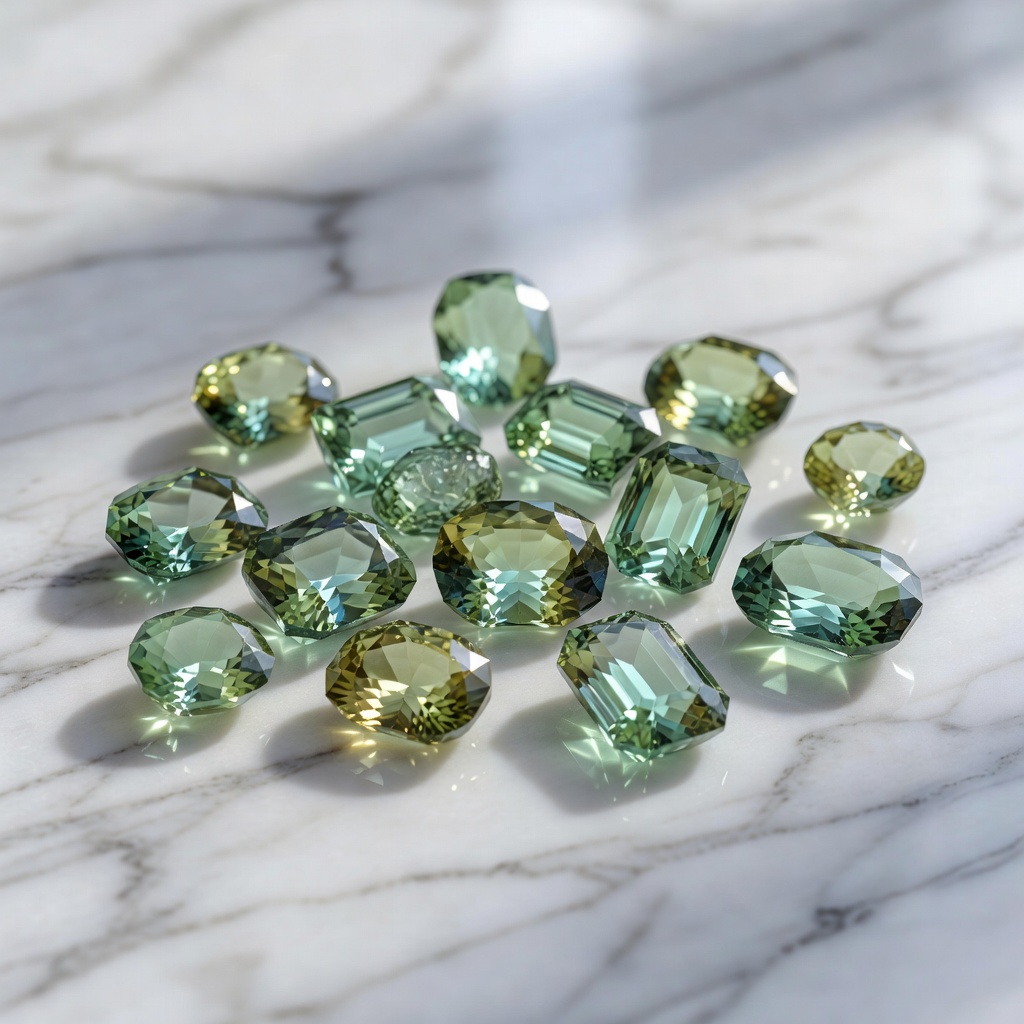
Prasiolite represents one of the most intriguing varieties of green quartz available in today's gemstone market, captivating collectors with its delicate mint to sage green hues. This prasiolite gemstone shares the same chemical composition as its purple counterpart, amethyst, consisting primarily of silicon dioxide with trace iron impurities that create its distinctive coloration. Unlike the vibrant saturation of emeralds or the yellowish tint of peridot, green amethyst offers a subtle, sophisticated palette that appeals to those seeking understated elegance in their jewelry collections.
The relationship between purple amethyst and prasiolite stems from identical mineralogical foundations, with both stones originating from quartz crystals formed in volcanic rock cavities and geodes. While purple amethyst derives its royal violet tones from natural irradiation and iron impurities within the crystal structure, prasiolite emerges through either natural geological processes or laboratory-controlled heat treatment that alters the oxidation states of these iron compounds. Natural prasiolite remains exceptionally rare, with most specimens available commercially representing heat-treated Brazilian amethyst that has been carefully heated to specific temperatures between 350 and 550 degrees Celsius to achieve the desired green coloration.
Color variation in prasiolite spans an impressive spectrum that influences both aesthetic appeal and market value. The most desirable specimens display a medium-toned sage or mint green without undesirable brown or gray undertones that can make the stone appear muddy or lifeless. Some specimens exhibit yellowish-green hues that border on citrine territory, while deeper olive-green stones offer earthier alternatives for those seeking organic, nature-inspired jewelry pieces. When evaluating a prasiolite gemstone, examine it under various lighting conditions, as some stones may shift appearance from cool mint in daylight to warmer, yellowish-green tones under incandescent bulbs.
Natural vs. Heat-Treated Prasiolite: What Buyers Should Know
Understanding the distinction between natural and treated specimens forms the cornerstone of any informed prasiolite buying guide, as this factor significantly impacts value and collectibility. The vast majority of prasiolite available in jewelry stores and online marketplaces consists of heat-treated amethyst, specifically material sourced from the Montezuma region of Brazil or Arizona's Four Peaks area. These treatment processes, while permanent and stable, transform affordable purple amethyst into the coveted green quartz that commands higher prices in the fashion jewelry sector.
Natural prasiolite occurs when amethyst-bearing rocks undergo prolonged natural irradiation and heating through geological processes over millions of years, resulting in the same color change achieved commercially in laboratory ovens. True natural specimens originate from extremely limited localities, primarily the Montezuma mine in Minas Gerais, Brazil, where geological conditions created the perfect environment for natural color transformation. These rare natural stones command premium prices often ten to twenty times higher than their heat-treated counterparts, making authentication through recognized gemological laboratories essential for high-value purchases.
Heat treatment affects prasiolite's value proposition differently than treatments impact other gemstones like sapphires or rubies. While treated sapphires suffer significant market devaluation, heat-treated prasiolite remains accepted industry standard, with disclosure being the primary ethical requirement rather than price penalty. However, buyers should understand that heat-treated amethyst may exhibit slightly different durability characteristics and color stability compared to natural material, though both varieties rank equally at 7 on the Mohs hardness scale. When shopping for prasiolite jewelry, always request documentation specifying treatment status, as undisclosed treatments constitute misrepresentation under Federal Trade Commission guidelines.
Evaluating Color Quality and Consistency
Color evaluation requires careful observation under multiple lighting environments, as prasiolite color can shift dramatically depending on the light source. The most valuable specimens display a consistent medium sage to mint green that remains stable across daylight, fluorescent, and incandescent lighting without developing undesirable brown or gray undertones. Stones that appear washed out or excessively pale typically indicate lower quality material or improper heat treatment, while those with yellowish-green biases may have been overheated during the color transformation process.
Even color distribution throughout the gemstone indicates superior gemstone quality and commands higher prices than stones exhibiting color zoning or windowing. Examine potential purchases by viewing the stone through the table (top facet) and checking for areas where color concentrates near the edges while fading in the center, a phenomenon known as "bow-tie effect" in elongated cuts. High-quality prasiolite should display uniform saturation from all viewing angles, with the green tone intensifying slightly toward the edges rather than disappearing into transparency.
Lighting conditions reveal hidden characteristics that might not appear under jewelry store spotlights designed to enhance gemstone appearance. Take the stone near a window with natural daylight, which accurately reveals the true body color without the warm cast of incandescent bulbs that can mask yellow undertones. For online purchases, request videos showing the stone under different lighting conditions rather than relying solely on studio photographs, which can be color-corrected to enhance the green appearance. Remember that prasiolite looks particularly stunning in north-facing daylight, which emphasizes its cool mint tones, making it ideal for daytime wear and professional settings.
Clarity, Cut, and Carat Weight Considerations
Clarity standards for prasiolite remain relatively forgiving compared to precious stones like diamonds or emeralds, though gemstone clarity still significantly impacts brilliance and value. Eye-clean specimens, meaning stones without visible inclusions to the naked eye from a standard viewing distance of 12-15 inches, represent the quality threshold for fine jewelry. Acceptable inclusions include minor liquid feathers or small crystal inclusions that don't break the surface, while visible black carbon spots, surface-reaching fractures, or cloudy areas significantly diminish both beauty and durability.
Cut quality dramatically affects how prasiolite interacts with light, making proper faceting essential for maximizing the stone's subtle color and brilliance. Emerald cuts and step cuts beautifully showcase the stone's clarity while providing broad flashes of green light, making them ideal for cocktail rings and statement pendants. Brilliant cuts including oval, cushion, and round shapes maximize sparkle and work particularly well for green amethyst earrings where movement enhances light return. Avoid poorly proportioned stones with excessively deep or shallow pavilions, as these create "window" areas where light passes through without reflecting back, resulting in dead zones within the gem.
Price per carat for prasiolite remains remarkably affordable compared to other colored gemstones, with commercial quality material ranging from $10 to $30 per carat and fine specimens reaching $50 to $100 per carat for exceptional color and clarity. Unlike diamonds, where price increases exponentially with size, prasiolite buying tips suggest that larger stones often provide better value per carat due to the abundance of material suitable for cutting substantial gems. Stones over 5 carats remain readily available without the dramatic price premiums associated with large emeralds or sapphires, making prasiolite an excellent choice for bold, dramatic jewelry designs that might otherwise prove prohibitively expensive with precious alternatives.
Spotting Imitations, Synthetics, and Simulants
The affordable price point of prasiolite hasn't prevented unscrupulous sellers from marketing fake prasiolite or misidentified green gemstones to unsuspecting buyers. Common imitations include green glass molded to resemble faceted gemstones, peridot sold as "natural green amethyst," and green tourmaline or moldavite misrepresented as prasiolite to command higher prices. Glass imitations feel noticeably warmer to the touch than genuine quartz, lack natural inclusions, and often contain round bubble inclusions visible under magnification, while peridot exhibits a distinctly yellowish-green tone and higher birefringence that creates double-image effects when viewed through the table.
Gemstone authentication through recognized laboratories provides the only definitive method for verifying natural versus synthetic material and confirming treatment disclosure. Certificates from the Gemological Institute of America (GIA), American Gemological Society (AGS), or International Gemological Institute (IGI) detail the stone's species (quartz), variety (prasiolite), treatment status (heat-treated or natural), and any detected synthetic origin. For high-value purchases exceeding $500 or stones over 3 carats, insist on accompanying documentation, as the certification cost (typically $50-$100) represents minimal insurance against purchasing misrepresented material worth significantly less than the asking price.
Simple at-home tests can screen obvious imitations before professional verification becomes necessary. The hardness test using a steel knife or file (which ranks 5.5 on the Mohs scale) should not scratch genuine prasiolite (hardness 7), though this test risks damaging the setting or stone if performed improperly. Examine the stone under 10x magnification looking for natural crystal inclusions, growth patterns, and facet junctions; synthetic quartz often displays curved color zoning or seed plates invisible in natural material. When shopping online, be wary of prices significantly below market rates, sellers refusing to provide detailed photographs or videos, and listings using vague terminology like "green quartz" without specifying prasiolite, as these represent common fake prasiolite red flags.
Budget Planning and Price Expectations
Establishing realistic prasiolite price expectations allows buyers to allocate appropriate budgets while recognizing value opportunities in the green gemstone market. Entry-level commercial quality stones suitable for fashion jewelry typically range from $8 to $20 per carat, featuring light mint colors with acceptable clarity for肉眼观察. Mid-range specimens offering superior color saturation and eye-clean clarity command $25 to $50 per carat, representing the sweet spot for fine jewelry applications where appearance matters but investment-grade pricing isn't justified. Collector-quality green amethyst value peaks at $75 to $150 per carat for rare natural specimens with deep, even sage coloring and exceptional transparency.
Several factors beyond basic quality grades significantly impact pricing structures within the prasiolite market. Treatment disclosure plays a crucial role, with undisclosed treated stones commanding unfair premiums while properly disclosed natural material justifies higher prices through rarity. Size parameters affect value differently than in precious gemstones; while a 10-carat emerald might cost thousands per carat, a 10-carat prasiolite remains affordably priced due to abundant rough material availability. Custom cutting and designer provenance add premiums of 20-50% above wholesale material costs, particularly for precision-cut stones optimized for light performance rather than commercial cutting prioritizing weight retention.
Comparing prasiolite price points against similar green gemstones reveals compelling value propositions for budget-conscious jewelry enthusiasts. Fine emeralds typically cost $1,000 to $10,000 per carat, tsavorite garnets range from $500 to $3,000 per carat, and even peridot commands $50 to $200 per carat for fine specimens. This pricing disparity makes prasiolite an attractive alternative for large statement pieces, cocktail rings, and pendant designs where the budget might accommodate only small precious stones but allows substantial prasiolite centerpieces. When allocating jewelry budgets, consider prasiolite for secondary accent stones alongside diamonds or sapphires, where its neutral green tone complements rather than competes with higher-value center gems.
Choosing the Right Setting and Jewelry Style
Metal selection significantly impacts how prasiolite jewelry appears against skin tones and within overall design aesthetics. Rose gold creates a romantic, vintage-inspired appearance that softens prasiolite's cool green tones, making this combination particularly flattering for warm skin undertones and antique-style settings. Sterling silver and white gold provide crisp, contemporary contrasts that emphasize the stone's mint freshness, ideal for modern minimalist designs and professional wear. Yellow gold offers bold warmth that can either complement or clash depending on whether the prasiolite exhibits yellowish-green undertones; medium to cool mint greens generally pair better with white metals, while olive-leaning stones harmonize beautifully with yellow gold.
Setting design requires careful consideration of prasiolite's durability characteristics and intended wearing frequency. For green amethyst rings intended for daily wear, protective bezel settings or half-bezel designs offer superior security compared to exposed prong settings that risk chipping the stone's edges during impact. V-prongs specifically protect the vulnerable points of pear and marquise shapes, while channel settings work beautifully for prasiolite wedding bands or eternity rings where multiple stones require uniform protection. Pendants and earrings face fewer durability concerns, allowing for delicate prong settings that maximize light exposure and sparkle without the impact risks associated with hand jewelry.
Current design trends favor prasiolite in nature-inspired settings featuring leaf motifs, vine details, and organic flowing lines that complement the stone's earthy green associations. Vintage Art Deco styles with geometric milgrain details create sophisticated statement pieces suitable for formal occasions, while solitaire stud earrings offer versatile everyday elegance. When selecting prasiolite jewelry for specific occasions, consider that the stone's subtle coloration photographs beautifully for engagement rings and wedding jewelry, providing distinctive alternatives to traditional clear stones while maintaining bridal appropriateness. Three-stone designs pairing prasiolite with diamonds or white sapphires create striking contrast and visual interest that elevates the green quartz to centerpiece status.
Proper Care, Cleaning, and Maintenance
Maintaining prasiolite's delicate beauty requires understanding specific prasiolite care protocols that differ from harder gemstones like diamonds or sapphires. Clean your prasiolite jewelry using mild dish soap diluted in lukewarm water, gently scrubbing with a soft-bristled toothbrush to remove accumulated oils and debris from behind the stone where dirt typically collects. Avoid ultrasonic cleaners and steam cleaning machines, as the vibrations and extreme heat can potentially affect the color stability of heat-treated material or loosen stones from their settings. Rinse thoroughly under lukewarm running water, ensuring the drain is closed or covered with a mesh strainer to prevent accidental loss, and pat dry with a lint-free microfiber cloth rather than paper towels that might scratch metal settings.
Storage practices significantly impact long-term gemstone maintenance and prevent damage from harder materials in your jewelry collection. Store prasiolite pieces separately in soft fabric pouches or individual compartments within jewelry boxes, keeping them away from diamonds, rubies, and sapphires that could scratch the quartz surface. The Mohs hardness of 7 means prasiolite can scratch softer materials like opals or pearls, so maintain organized storage systems that prevent contact between pieces. For travel, use padded jewelry rolls or hard cases with individual slots, ensuring prasiolite rings and pendants don't rattle against metal jewelry that might cause chipping or abrasion.
Environmental sensitivity represents the most critical consideration for prasiolite care, particularly regarding heat and light exposure. Prolonged direct sunlight can cause fading in heat-treated specimens, potentially shifting the delicate mint green toward yellowish or colorless tones over months or years of exposure. Remove prasiolite rings before washing hands with hot water, using hair dryers, or cooking over stove burners where heat exposure accumulates. Similarly, avoid wearing prasiolite to the beach, saunas, or hot yoga classes where combined heat and sunlight accelerate color degradation. Chemical exposure poses additional risks; remove prasiolite jewelry before applying perfumes, hairsprays, or household cleaners, as these substances can create films on the stone's surface that dull brilliance and potentially etch the quartz over time.
Where to Buy: Trusted Sources and Red Flags
Finding reputable venues to buy prasiolite requires balancing convenience, price, and security guarantees that protect your investment. Established online gemstone dealers like James Allen, Blue Nile, and specialized colored stone retailers offer extensive inventories with high-resolution photography, detailed specifications, and return policies typically ranging from 30 to 60 days. These platforms provide conflict-free sourcing guarantees and treatment disclosure documentation essential for informed purchasing decisions. When shopping online, prioritize vendors offering 360-degree video views rather than static photographs, as these reveal color zoning, windowing, and inclusion patterns invisible in studio lighting.
Brick-and-mortar gemstone dealers and local jewelry stores offer tactile advantages that online shopping cannot replicate, allowing buyers to examine color under natural lighting and assess cut quality through physical handling. When visiting physical stores, ask specific questions about treatment disclosure, return policies for colored gemstones, and whether the prasiolite originates from known Brazilian mines or alternative sources. Reputable dealers will gladly provide loupe examinations and explain clarity characteristics without pressuring immediate purchase decisions. Independent gemologists and estate jewelers occasionally offer vintage prasiolite pieces at competitive prices, though these require careful authentication to verify the material is genuine quartz rather than glass or simulant.
Recognizing red flags prevents costly mistakes when navigating the prasiolite market. Be extremely wary of sellers using terminology like "natural green amethyst" without clarifying whether they mean naturally colored or naturally occurring quartz that has been heat-treated, as this ambiguity often masks treatment status. Prices significantly below market rates—such as large prasiolite rings for under $50—usually indicate glass imitations or heavily included, poorly cut material. Sellers who refuse to provide written receipts specifying treatment status, resist independent appraisals, or pressure immediate purchase decisions with "limited time" offers typically engage in fraudulent practices. Additionally, avoid purchasing prasiolite from vacation destinations or cruise ship jewelry stores where high-pressure sales tactics and inflated "appraisal values" commonly mislead tourists into overpaying for low-quality material.
Prasiolite vs. Alternative Green Gemstones
Comprehensive green gemstones comparison helps buyers understand where prasiolite fits within the broader spectrum of green jewelry options. Peridot, often compared to prasiolite due to similar price points, exhibits a distinctly yellowish-green to olive color with higher birefringence that creates double images when viewed through the table. While prasiolite vs peridot debates often focus on color preference—cool mint versus warm lime—prasiolite offers superior clarity availability, as eye-clean peridot remains rarer and more expensive. Peridot also ranks slightly lower at 6.5-7 on the Mohs scale and exhibits sensitivity to acids and rapid temperature changes that don't affect quartz varieties.
Emeralds represent the luxury tier of green gemstones, offering intense saturation and rarity that justify prices hundreds of times higher than prasiolite. However, emeralds typically contain numerous inclusions (jardin) that require oiling or resin filling for stability, whereas prasiolite offers eye-clean clarity at affordable prices without treatment maintenance concerns. Green tourmaline provides another alternative with broader color range from neon green to deep forest hues, though fine tourmaline costs $200-$1,000 per carat and often contains visible inclusions. For buyers seeking durable, everyday green jewelry without the fragility of emerald or the price of fine tourmaline, prasiolite occupies an ideal middle ground offering aesthetic appeal and practical wearability.
Durability considerations significantly influence green gemstones comparison for specific jewelry applications. Prasiolite's Mohs hardness of 7 makes it suitable for rings, bracelets, and daily wear, outperforming softer alternatives like malachite (3.5-4) or hiddenite (6.5) that require protective settings and occasional wear. Unlike emeralds that fracture easily due to internal stresses and inclusions, prasiolite's crystalline structure withstands normal wear impacts without cleaving. For engagement rings or heirloom jewelry intended for decades of wear, prasiolite offers superior longevity compared to peridot or chrome diopside while providing color stability superior to treated green diamonds or irradiated topaz. This durability profile, combined with affordability, positions prasiolite as the practical choice for fashion-forward green jewelry that doesn't compromise on everyday functionality.
Frequently Asked Questions
Is prasiolite the same as green amethyst?
Yes, prasiolite is the trade name for green amethyst, though gemologists technically classify it as green quartz. It shares the same chemical composition as purple amethyst (silicon dioxide) but exhibits a pale mint to olive green color caused by heat treatment of amethyst or natural irradiation.
How can I tell if prasiolite is natural or heat-treated?
Distinguishing natural from heat-treated prasiolite requires professional gemological testing. Natural prasiolite is extremely rare and typically found only in specific locations like Montezuma, Brazil. Most commercial prasiolite is heat-treated amethyst. Always request a certificate from a recognized lab like GIA or IGI for high-value pieces.
What color should I look for when buying prasiolite?
Look for medium-toned sage or mint green without brown, gray, or yellow undertones. The most valuable prasiolite displays a consistent, saturated green color throughout the stone. Avoid stones that appear too pale (washed out) or have uneven color zoning.
Is prasiolite expensive compared to other gemstones?
No, prasiolite is relatively affordable compared to precious green gemstones like emerald or tsavorite garnet. Commercial quality stones typically range from $10-$30 per carat, while fine specimens with exceptional color may reach $50-$100 per carat. Its affordability makes it popular for statement jewelry pieces.
Can prasiolite be worn every day?
Yes, with proper care. Prasiolite ranks 7 on the Mohs hardness scale, making it suitable for daily wear in rings, earrings, and pendants. However, protect it from hard impacts and harsh chemicals. Consider protective bezel settings for rings rather than exposed prong settings if you have an active lifestyle.
Does prasiolite fade in sunlight?
Yes, prasiolite can fade when exposed to prolonged direct sunlight or excessive heat, particularly heat-treated varieties. The color may lighten or shift toward yellowish tones over time. Store prasiolite jewelry away from windows and avoid wearing it to the beach or leaving it in hot cars.
What metals look best with prasiolite?
Rose gold and sterling silver beautifully complement prasiolite's cool green tones, creating a soft, romantic appearance. White gold and platinum offer a modern, crisp contrast, while yellow gold creates a bold, vintage-inspired look. The choice depends on personal style and skin tone.
Should I buy certified prasiolite?
For investment pieces or stones over 2 carats, certification from a reputable lab (GIA, AGS, or IGI) is recommended to confirm authenticity and disclose any treatments. For smaller commercial jewelry under $500, purchasing from a reputable dealer with a solid return policy is often sufficient.