What Is Prasiolite? Understanding Green Amethyst
Prasiolite, often marketed under the trade name green amethyst, represents one of the most intriguing varieties of quartz available in the modern gemstone market. This captivating prasiolite stone displays a delicate range of green hues, from soft sage to deeper leek-green tones, offering an affordable alternative to expensive green gemstones like emeralds or tsavorites. Unlike its purple counterpart amethyst, which occurs naturally in volcanic rock formations, prasiolite derives its distinctive color through specific geological conditions or human intervention via heat treatment processes.
The primary sources for this gemstone include the mineral-rich regions of Brazil, where the majority of commercial material originates, alongside notable deposits in Canada and Poland. Brazilian mines particularly in Rio Grande do Sul produce the amethyst rough that eventually transforms into the green quartz variety prized by jewelers worldwide. Canadian deposits, specifically in Thunder Bay, Ontario, occasionally yield naturally occurring green quartz, while Polish localities provide additional specimens for collectors seeking rare geological formations. These geographic origins significantly influence both the availability and the perceived value of prasiolite in international markets.
Understanding the distinction between prasiolite vs amethyst requires recognizing that while both share silicon dioxide chemical compositions and hexagonal crystal structures, their color origins differ fundamentally. Amethyst obtains its purple coloration from iron impurities and natural irradiation within the earth, whereas prasiolite results from either natural heating of amethyst by geological processes or laboratory-controlled heat treatment. This distinction becomes crucial when evaluating authenticity and value, as natural prasiolite commands significantly higher prices than its treated counterparts despite their identical appearance to the naked eye.
Natural vs. Heat-Treated Prasiolite: What Buyers Must Know
The modern gemstone market presents a complex landscape where approximately 99% of available natural prasiolite claims actually refer to heat-treated amethyst. This overwhelming prevalence of treated material stems from the extreme rarity of genuine naturally occurring green quartz, which requires specific geothermal conditions to transform purple amethyst into green prasiolite without human intervention. Reputable gemological laboratories estimate that less than 1% of all prasiolite sold globally occurs through natural geological processes, making authentic natural specimens highly coveted by serious collectors and museums.
When examining synthetic prasiolite and treated varieties, ethical disclosure becomes paramount for maintaining trust in the gemstone trade. The Federal Trade Commission mandates that sellers must disclose any treatments that significantly affect a gemstone's value, including the heat treatment process that creates prasiolite from amethyst. Buyers should demand written documentation specifying treatment status, as undisclosed enhancements can lead to significant financial disappointment and legal recourse. High-end jewelry houses and established dealers typically provide detailed certificates from recognized laboratories like GIA or AGL that explicitly state whether the stone occurred naturally or underwent heat treatment.
The impact on value between natural and treated prasiolite cannot be overstated in this Prasiolite Buying Guide. Naturally occurring specimens may command prices 50 to 100 times higher than heat-treated equivalents, particularly when they exhibit intense, saturated green colors without brownish undertones. However, for most jewelry applications, properly disclosed heat-treated prasiolite offers exceptional beauty and durability at accessible price points. The key lies in ensuring you pay appropriate prices for the specific category you purchase, avoiding the premium costs associated with natural rarity when buying treated material.
Evaluating Quality: The 4Cs of Prasiolite Buying
Mastering prasiolite quality assessment requires understanding how the traditional 4Cs—Color, Clarity, Cut, and Carat—apply specifically to this unique gemstone. Unlike diamonds where strict grading scales dominate, prasiolite evaluation involves subjective preferences combined with objective quality markers that determine both beauty and value. Experienced buyers prioritize color consistency and cut precision over absolute clarity, recognizing that this quartz variety offers remarkable transparency even in commercial grades.
Color: The Most Critical Factor
The ideal prasiolite stone exhibits a medium sage green to yellowish-green hue that remains consistent throughout the crystal without zoning or color banding. Premium specimens display vivid saturation without the brownish or grayish undertones that indicate lower quality rough material or improper heat treatment. When evaluating green amethyst for purchase, examine the stone under various lighting conditions—natural daylight, incandescent, and fluorescent—to ensure the color remains pleasing across environments. Stones that appear too yellow or too blue-green typically indicate suboptimal treatment temperatures or inferior starting material.
Clarity and Cut Considerations
Prasiolite properties include typically excellent clarity, with most fine specimens appearing eye-clean (no visible inclusions to the unaided eye). While minor inclusions acceptable in emeralds prove detrimental to prasiolite value, completely inclusion-free stones may indicate synthetic origin, requiring careful scrutiny. The cut significantly impacts how prasiolite displays its color; precision faceting with proper angles maximizes brilliance and prevents the "window" effect where light passes through without reflecting back to the viewer. Brilliant cuts, cushion shapes, and emerald cuts particularly enhance the stone's natural pleochroism, showcasing subtle color variations that add depth and character to finished jewelry pieces.
Carat Weight Availability
Unlike rare gemstones that command exponential price increases with size, prasiolite remains readily available in larger carat weights, making it ideal for statement jewelry pieces. Clean rough crystals often yield stones exceeding 20 carats without significant clarity degradation, allowing designers to create bold cocktail rings and pendants impossible with costlier green alternatives. When selecting larger stones, prioritize depth of color over sheer size, as massive pale stones appear washed out compared to smaller, intensely colored specimens that maximize the gemstone's visual impact.
Prasiolite Pricing Guide: What to Expect Per Carat
Understanding prasiolite price per carat dynamics enables informed purchasing decisions across various market segments. Commercial quality prasiolite typically retails between $5 and $15 per carat, offering accessible entry points for budget-conscious buyers seeking genuine gemstone jewelry. Mid-range specimens featuring excellent clarity and consistent medium-green coloration generally command $15 to $30 per carat, while premium stones with vivid saturation and precision cutting may reach $50 per carat or higher in specialized boutiques.
Several factors influence these pricing tiers beyond basic quality metrics. Stones exceeding 5 carats with exceptional color retention warrant premium pricing due to the difficulty in sourcing large, clean rough that responds well to heat treatment without developing undesirable secondary hues. Custom cuts and designer-branded prasiolite jewelry typically carry 40-60% markups over loose stone pricing, reflecting artisan labor and brand prestige. When comparing prasiolite price points against similar green gemstones, prasiolite offers remarkable value—often costing 1/100th the price of fine emeralds and significantly less than chrome diopside or tsavorite garnets while providing comparable visual appeal in appropriate settings.
Market variations also affect pricing, with Brazilian material generally costing less than Canadian-sourced stones due to import logistics and mining scale. Seasonal fluctuations during major jewelry trade shows in Tucson and Hong Kong occasionally create temporary price dips, providing strategic buying opportunities for retailers and serious collectors. Always request detailed invoices specifying treatment status, as undisclosed natural claims artificially inflate prices beyond fair market value for treated material.
How to Spot Fake & Synthetic Prasiolite
The proliferation of imitation gemstones necessitates vigilant identification techniques when purchasing synthetic prasiolite or purportedly natural specimens. Common imitations include colored glass, synthetic green quartz grown in laboratories, and dyed natural quartz or even prasiolite itself to enhance pale colors. Glass imitations typically reveal themselves through perfectly uniform coloration, visible gas bubbles under 10x magnification, and lower hardness scores that result in surface scratching from everyday wear.
Visual inspection provides the first line of defense against fraudulent fake prasiolite. Examine the stone for natural inclusions such as liquid feathers, crystal growth zoning, or "tiger stripe" patterns characteristic of natural quartz formation. Synthetic stones often appear too perfect, lacking the subtle imperfections that authenticate natural origin. Conduct a hardness test using a steel knife blade (hardness 5.5)—genuine prasiolite (hardness 7) should resist scratching, while glass and plastic imitations will show damage. The refractive index of natural prasiolite ranges between 1.544-1.553; deviations from this range indicate synthetic substitutes or composite stones.
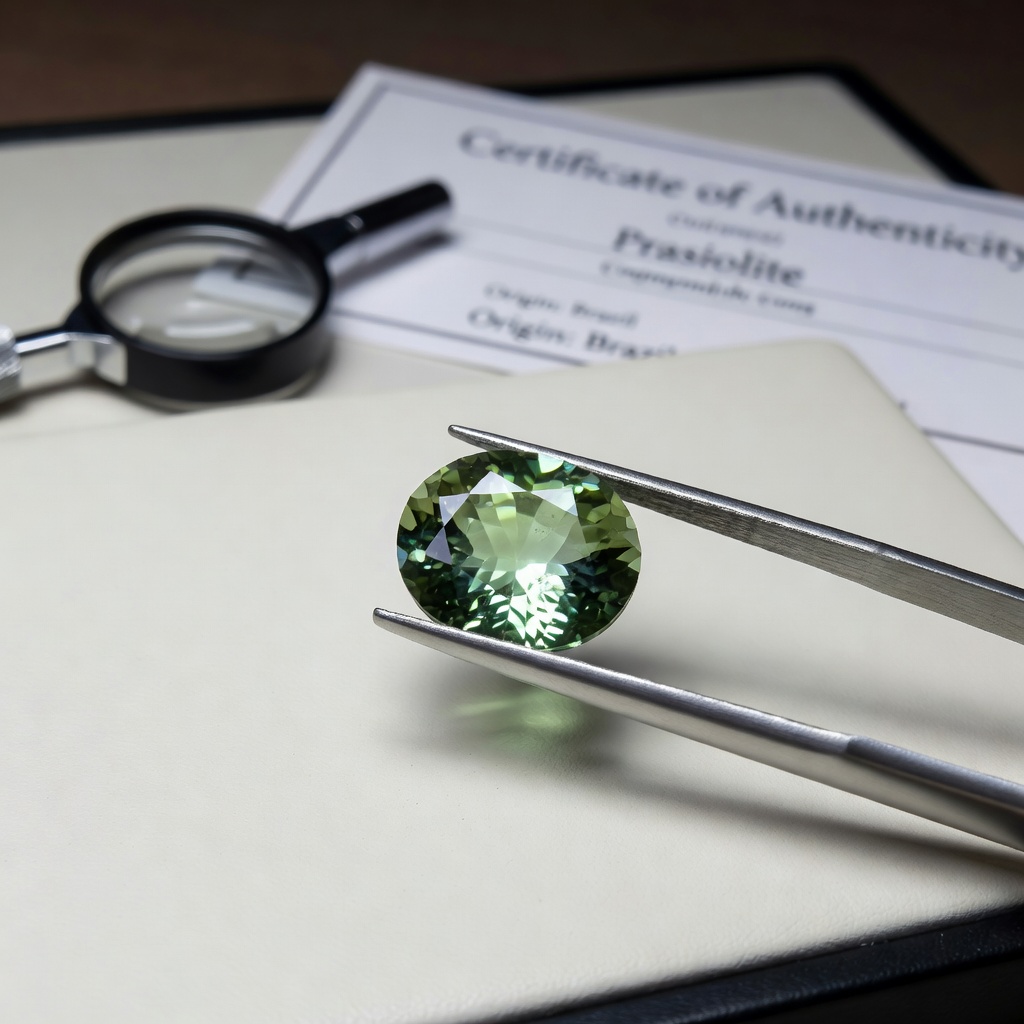
For significant investments exceeding $500, insist upon certification from recognized laboratories such as GIA, AGL, or Gubelin. These reports verify not only authenticity but also treatment status, distinguishing between natural green amethyst and heat-treated varieties. UV light testing offers additional verification, as natural prasiolite typically shows weak yellow-green fluorescence under long-wave ultraviolet light, while some synthetics display stronger reactions or none at all. Professional gemologists employ spectroscopic analysis to detect the specific iron absorption patterns that confirm natural versus synthetic origins, providing definitive authentication for high-value acquisitions.
Top Places to Buy Authentic Prasiolite
Navigating where to buy prasiolite requires balancing convenience, authenticity guarantees, and value propositions across various marketplace types. Reputable online gemstone dealers offer extensive inventories with detailed photography, 360-degree video imaging, and robust return policies essential for remote purchasing decisions. Established platforms like James Allen provide certified stones with explicit treatment disclosures, while specialized auction sites like GemRockAuctions connect buyers directly with cutters and miners, often yielding competitive pricing on unique specimens.
Physical purchasing options include specialized gem shows such as the Tucson Gem and Mineral Show, where direct interaction with rough dealers allows examination of treatment evidence and color stability. Independent jewelers with GIA-certified staff offer personalized service and custom setting options for prasiolite jewelry, though typically at higher price points than online alternatives. When evaluating Etsy sellers, prioritize shops with thousands of positive reviews, detailed material descriptions, and willingness to provide certification upon request.
Red flags signaling potential fraud include vague origin descriptions such as "African prasiolite" (prasiolite does not occur significantly in Africa), absence of treatment disclosure, or pricing significantly below market rates. Sellers refusing independent verification or offering only "certificates" from unknown laboratories should be avoided regardless of apparent bargains. Always verify that online marketplaces offer escrow services or money-back guarantees, particularly when purchasing high-carat weight specimens claiming natural origin status.
Choosing Prasiolite Jewelry: Settings, Metals & Durability
Selecting appropriate prasiolite jewelry requires understanding the gemstone's physical properties and how different settings enhance or protect its beauty. With a Mohs hardness rating of 7, prasiolite offers reasonable durability for everyday wear but requires more protection than sapphires or diamonds (hardness 9-10). This hardness level means the stone resists scratching from household dust (hardness 7) but remains vulnerable to harder materials like topaz, spinels, and other quartz varieties, necessitating thoughtful storage and setting choices.
Metal selection significantly impacts the overall aesthetic of prasiolite ring designs and other jewelry pieces. White metals including platinum, white gold, and sterling silver create stunning contrast against the green hues, making the stone appear more vivid and contemporary. Rose gold settings introduce warmth that complements the yellowish-green tones in some prasiolite varieties, creating vintage-inspired romantic aesthetics. Yellow gold tends to compete with the green coloration unless the stone exhibits particularly intense saturation, making it less ideal for pale specimens.
Setting styles should reflect lifestyle considerations alongside aesthetic preferences. Bezel settings provide maximum protection for the girdle and pavilion, ideal for active individuals or those wearing prasiolite ring designs daily. Halo settings combining prasiolite with colorless diamonds or white sapphires amplify the center stone's apparent size and color intensity while adding structural protection. For earrings and pendants, prong settings allow maximum light penetration, enhancing the stone's brilliance, though they require periodic professional tightening to prevent stone loss. Avoid tension settings for prasiolite, as the pressure points may stress the crystal structure over time, potentially causing cleavage fractures.
Essential Care & Maintenance for Longevity
Proper prasiolite care ensures your gemstone maintains its delicate green coloration and structural integrity throughout decades of enjoyment. Cleaning should involve warm water mixed with mild dish soap and a soft-bristled brush, gently removing accumulated oils and debris from the pavilion facets where dirt typically concentrates. Avoid ultrasonic cleaners and steam cleaning equipment, as these methods can exacerbate existing fractures or cause thermal shock in stones with internal stress patterns resulting from heat treatment processes.
Storage practices play crucial roles in preserving prasiolite properties over time. Always store prasiolite pieces separately from harder gemstones such as diamonds, rubies, and sapphires, preferably in individual soft cloth pouches or compartmentalized jewelry boxes. This separation prevents scratching and abrasion that dulls facet junctions and reduces brilliance. Additionally, prolonged exposure to direct sunlight or intense heat sources may cause color fading in some treated specimens, though high-quality heat-treated prasiolite generally demonstrates excellent stability under normal wearing conditions.
Professional maintenance schedules should include annual inspections of jewelry settings, particularly for rings subjected to daily wear. Jewelers can check for loose prongs, worn mounting surfaces, and accumulated damage to the stone's surface that home cleaning cannot address. For investment pieces or antique prasiolite jewelry, consider professional repolishing every 5-10 years to restore luster to abraded facet edges, though this process slightly reduces carat weight. Never expose prasiolite to harsh chemicals including chlorine, bleach, or ammonia-based cleaners, as these can damage both the stone and its mounting metals.
Investment Potential & Resale Value Considerations
Evaluating prasiolite price trends through an investment lens reveals limited appreciation potential for standard commercial material while highlighting opportunities in rare natural specimens. The 2024 gemstone market shows steady demand for affordable green alternatives to emeralds, supporting stable wholesale pricing for treated prasiolite. However, the abundance of treatable amethyst rough and relatively simple heat treatment processes prevent the scarcity-driven price appreciation seen in untreated sapphires or spinels, making prasiolite primarily a consumption purchase rather than a financial investment vehicle.
Exceptional investment value exists exclusively in verified natural prasiolite with documented provenance from specific localities like Thunder Bay, Canada, or the Montezuma Mine in Brazil. These specimens, particularly those exceeding 5 carats with intense coloration, occasionally appear at specialized mineral auctions commanding prices comparable to fine aquamarines. Collector interest focuses on crystals showing natural etching patterns, unique inclusion scenes, or historical significance from defunct mines. For these rare pieces, maintaining unbroken provenance documentation and original laboratory reports proves essential for future resale value.
Resale channels for standard prasiolite jewelry typically yield 20-40% of retail replacement values through estate jewelry dealers or consignment platforms. Unlike diamonds with established secondary markets, prasiolite lacks standardized grading reports that facilitate liquid resale, requiring sellers to rely on aesthetic appeal and craftsmanship quality. For those liquidating collections, specialized colored gemstone dealers offer better returns than general pawn shops or gold buyers, though patience remains necessary as matching specific green tones to buyer preferences requires time. Consider prasiolite purchases as wearable art rather than appreciating assets, enjoying their beauty while accepting modest depreciation similar to most fashion jewelry categories.
Final Checklist: 7 Steps Before You Buy Prasiolite
Completing this comprehensive Prasiolite Buying Guide requires systematic verification before finalizing any purchase. Following these seven essential steps protects your investment and ensures satisfaction with your prasiolite stone acquisition.
Step 1: Verify Seller Reputation. Research potential vendors through Better Business Bureau ratings, industry association memberships (American Gem Trade Association or Jewelers of America), and customer review platforms. Established dealers with physical locations and decades of operation typically offer more reliable prasiolite price transparency than fly-by-night online operations.
Step 2: Confirm Treatment Disclosure. Insist upon written documentation explicitly stating whether the prasiolite is natural or heat-treated. Verbal assurances prove insufficient for warranty claims or future resale; require laboratory reports or detailed invoices specifying "heat-treated amethyst" or "natural prasiolite" alongside origin information.
Step 3: Inspect Return Policies. Reputable sellers offer minimum 14-day return windows with full refunds, allowing independent verification by your chosen gemologist. Avoid "final sale" items or restocking fees exceeding 10%, as these indicate seller uncertainty about product quality or authenticity.
Step 4: Compare Market Pricing. Evaluate prasiolite price per carat across at least three sources for comparable quality metrics. Significant deviations from the $5-$50 range warrant investigation—prices substantially lower suggest synthetic or glass substitutes, while inflated pricing may indicate undisclosed treatments or misleading origin claims.
Step 5: Request Visual Documentation. For online purchases, demand high-resolution photographs showing the stone against white and black backgrounds, along with video footage demonstrating light performance and color consistency. These materials prove essential if delivered merchandise differs from described specifications.
Step 6: Evaluate Setting Durability. If purchasing mounted prasiolite jewelry, examine prong thickness, gallery height, and metal purity stamps. Ensure settings provide adequate protection for the stone's girdle while allowing sufficient light entry for optimal brilliance.
Step 7: Obtain Independent Appraisal. For purchases exceeding $500, budget $50-$100 for third-party appraisal by a GIA Graduate Gemologist or Certified Gemologist Appraiser. This documentation serves insurance purposes while verifying that described characteristics match actual material, completing your due diligence in the buying process.
Frequently Asked Questions
What is prasiolite and is it the same as green amethyst?
Prasiolite is a green variety of quartz, commonly called green amethyst. While both names refer to the same stone, 'green amethyst' is a misnomer since amethyst is by definition purple. Most prasiolite is created by heat-treating amethyst to produce its green color. The transformation occurs when purple amethyst undergoes controlled heating between 300-500 degrees Celsius, altering the iron impurities responsible for the purple coloration into the green hues characteristic of prasiolite. This geological relationship explains why the two varieties share identical hardness, crystal structure, and chemical composition despite their different appearances.
How much should I expect to pay for prasiolite per carat?
Prasiolite typically costs between $5-$15 per carat for commercial quality stones, while premium specimens with vivid color and excellent clarity can range from $20-$50 per carat. Large stones over 10 carats with exceptional color may command higher prices, particularly when set in designer jewelry or accompanied by certification verifying natural origin. The relatively affordable prasiolite price per carat makes it an excellent choice for those seeking substantial green gemstones without the investment required for emeralds or tsavorites, though buyers should ensure they pay appropriate prices for treated material rather than natural rarity premiums unless specifically seeking verified natural specimens.
Is natural prasiolite better than heat-treated?
Naturally occurring prasiolite is extremely rare and commands premium prices. However, heat-treated prasiolite is considered acceptable in the gemstone market as long as the treatment is disclosed. For most buyers, high-quality treated stones offer better value. The treatment is permanent and stable under normal wearing conditions, meaning treated prasiolite maintains its color indefinitely without special care requirements. Natural prasiolite appeals primarily to collectors and mineral enthusiasts who value geological rarity over practical jewelry applications, while treated material provides identical aesthetic beauty at accessible price points for everyday wear.
How can I tell if my prasiolite is real or synthetic?
Real prasiolite should have natural inclusions visible under magnification, show no gas bubbles (indicative of glass), and have a hardness of 7 on the Mohs scale. Professional gemological testing or certification is recommended for expensive purchases. Under 10x magnification, look for "fingerprint" inclusions, crystal growth patterns, or tiny mineral crystals trapped within the quartz structure. Synthetic prasiolite, grown using hydrothermal processes, often displays distinctive seed plates, chevron growth patterns, or unnaturally perfect clarity that distinguishes it from natural material. When uncertainty persists, refractive index testing and spectroscopic analysis conducted by certified laboratories provide definitive identification.
Is prasiolite durable enough for engagement rings?
With a hardness of 7, prasiolite can be used in engagement rings but requires protective settings like bezels or halos and should be removed during heavy activities. It's more suitable for occasional wear rings or pendants. While resistant to scratching from everyday dust and debris, prasiolite remains vulnerable to harder materials commonly encountered in household environments or during manual labor. For daily-wear engagement rings, consider setting the stone low against the finger with substantial metal protection, or reserve prasiolite for anniversary rings and right-hand rings worn less frequently than traditional engagement solitaires.
Does prasiolite fade in sunlight?
While reasonably stable, prolonged exposure to intense direct sunlight may cause some prasiolite to fade over time. It's recommended to store prasiolite jewelry away from windows and avoid wearing it during extended sun exposure. High-quality heat-treated material generally demonstrates excellent color stability, but some specimens, particularly those treated at lower temperatures or showing initial pale coloration, may experience gradual lightening when exposed to UV radiation over years. Store pieces in jewelry boxes or drawers rather than display cases, and remove prasiolite rings before beach vacations, gardening, or other extended outdoor activities to preserve the stone's verdant hues indefinitely.
Where are the best places to buy authentic prasiolite?
Reputable sources include established online gemstone retailers like James Allen, specialized sellers on GemRockAuctions, and certified independent jewelers. Always verify treatment disclosure, return policies, and certification options before purchasing. Brick-and-mortar jewelry stores with GIA-certified staff offer the advantage of physical examination before purchase, while specialized gem shows provide opportunities to meet cutters and dealers directly. When purchasing prasiolite jewelry from marketplace platforms like Etsy, prioritize sellers with extensive positive feedback, detailed material descriptions, and willingness to answer specific questions about treatment status and origin. Avoid tourist trap jewelry stores or vendors unable to provide clear documentation regarding their sourcing and treatment disclosure practices.
What healing properties are associated with prasiolite?
In metaphysical practices, prasiolite is believed to promote spiritual growth, emotional balance, and heart chakra healing. It's also thought to help transform negative energy into positive and support personal transformation. Crystal healers often recommend prasiolite for meditation practices, suggesting it facilitates connection between the physical and spiritual realms while encouraging compassion and self-acceptance. While these prasiolite meaning associations lack scientific verification, they contribute to the stone's popularity in holistic jewelry markets and wellness communities. Whether worn for aesthetic appreciation or spiritual purposes, prasiolite's soothing green coloration provides visual comfort that many wearers find calming during stressful situations.