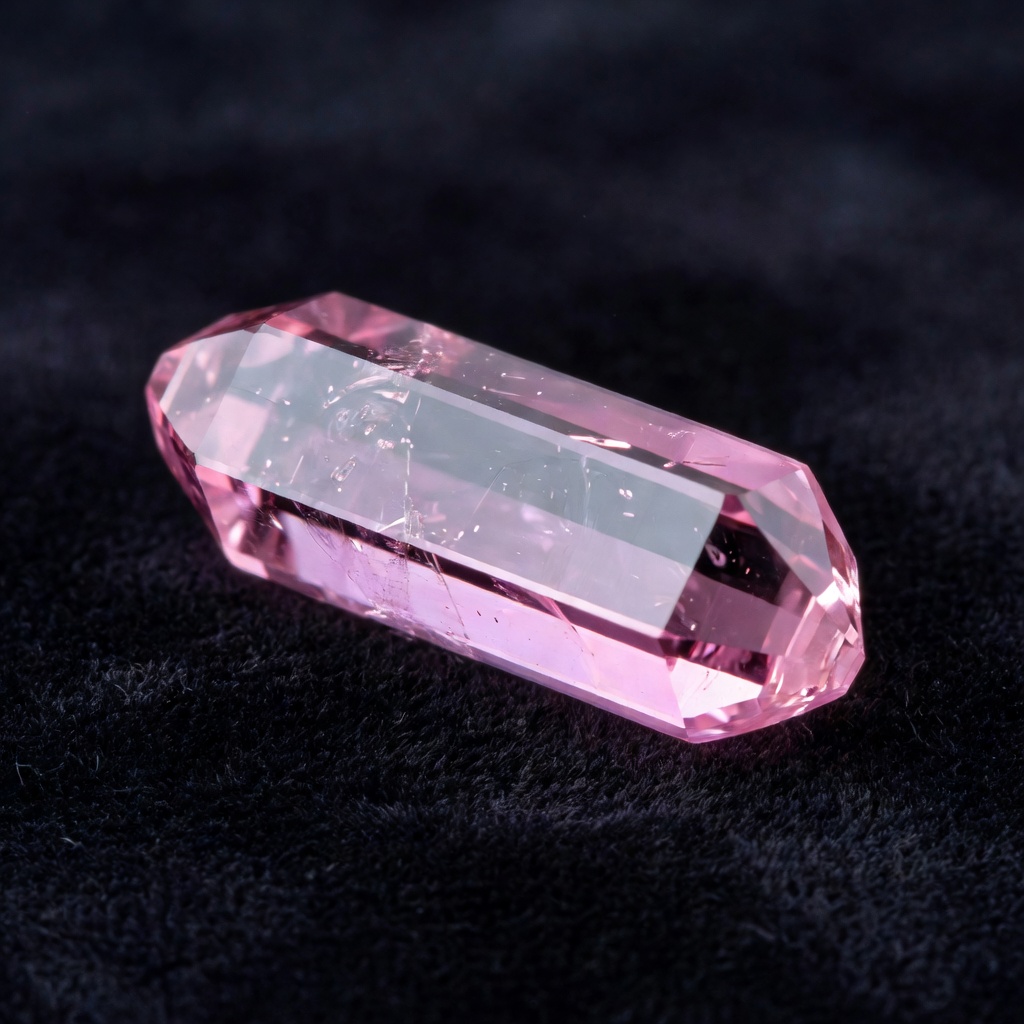
What Is Poudretteite? An Overview of the World's Rarest Gemstone
Poudretteite represents the pinnacle of rarity in the gemstone world, classified chemically as a borate silicate mineral that challenges even the most experienced gemologists with its extreme scarcity. This exquisite crystal holds the distinction of being one of the rarest gemstones on Earth, with gemological literature confirming fewer than 25 faceted specimens known to exist in collections and museums worldwide. Unlike diamonds, rubies, or sapphires that command attention through brilliance and availability, the rare poudretteite gemstone captivates collectors through its singularity and the near-mythological status it has achieved among mineral enthusiasts since its discovery.
Within the gemology and mineral collecting communities, poudretteite serves as a benchmark for ultimate rarity, often referenced alongside painite and red beryl as the "holy trinity" of unobtainable gems. Museums including the Smithsonian Institution and the Royal Ontario Museum house the majority of known specimens, making private ownership an extraordinary privilege reserved for only the most dedicated collectors. The gemstone's significance extends beyond mere scarcity; it represents a unique chemical and structural configuration that scientists continue to study to understand the complex boron-rich environments necessary for its formation. For investors and connoisseurs, possessing a verified poudretteite specimen represents the apex of gemological achievement, comparable to owning a Vermeer painting or a first-edition Shakespeare folio.
Chemical Composition and Crystal Structure
The poudretteite chemical composition reveals a fascinating molecular architecture defined by the formula KNa2B3Si12O30, placing it within the exclusive category of borate silicate minerals. This complex arrangement features a framework built from silicon and oxygen tetrahedra interwoven with boron atoms, creating a structure that differs fundamentally from common silicate gemstones like quartz or feldspar. The presence of both potassium (K) and sodium (Na) as essential cations within the crystal lattice contributes to its unique physical properties and distinguishes it from other boron-bearing minerals such as tourmaline or danburite.
Crystallographically, poudretteite belongs to the hexagonal crystal system, forming prismatic crystals that often exhibit distinct termination patterns visible only under microscopic examination. The mineral demonstrates a specific gravity ranging between 2.53 and 2.58, which is notably lighter than many visually similar gemstones, providing gemologists with an important diagnostic tool for identification. This relatively low density results from the boron content within the structure, as boron atoms possess lower atomic weights than the aluminum or iron commonly found in other gemstones. The molecular arrangement creates open channels within the crystal framework, contributing to the stone's characteristic optical properties and its tendency toward perfect cleavage along specific crystallographic planes.
Physical Properties and Durability Factors
Understanding Poudretteite Properties and Information regarding durability proves essential for anyone fortunate enough to handle these extraordinary specimens, as the gemstone presents unique challenges for jewelry application and long-term preservation. On the Mohs hardness scale, poudretteite registers approximately 5, indicating moderate fragility compared to durable gems like sapphire (9) or even moderate stones like turquoise (5-6). This hardness level means that everyday dust particles, which typically contain quartz (hardness 7), can potentially scratch poudretteite surfaces, necessitating careful handling and protective storage protocols.
The mineral exhibits perfect cleavage characteristics, meaning it can split cleanly along specific planes with relative ease, creating potential vulnerabilities during cutting, setting, or accidental impact. Gem cutters working with poudretteite must possess exceptional skill and patience, as the combination of moderate hardness and perfect cleavage requires precise orientation of the rough crystal to maximize yield while minimizing fracture risks. Specific gravity measurements consistently fall between 2.53 and 2.58, allowing experienced gemologists to distinguish poudretteite from denser lookalikes such as serendibite or certain tourmaline varieties through simple heft tests or hydrostatic weighing procedures.
Optical Characteristics and Visual Identification
Accurate poudretteite identification relies heavily on understanding its subtle optical characteristics, which distinguish it from other pink to colorless gemstones that might appear similar to the untrained eye. The refractive index of poudretteite ranges narrowly from 1.511 to 1.512, with a birefringence value of approximately 0.001, indicating minimal double refraction compared to gemstones like zircon or calcite. These optical constants require precise measurement using a refractometer, and the values remain consistent enough to serve as definitive diagnostic markers when combined with other physical properties.
One of the most distinctive visual features of poudretteite is its pleochroism, displaying pale pink to colorless tones when viewed from different crystallographic directions under polarized light. This weak to moderate dichroism helps distinguish genuine poudretteite from pink tourmaline or morganite, which typically show stronger color variations. Under magnification, specimens often reveal characteristic inclusion patterns including liquid feathers, negative crystals, or growth zoning that document their formation in the pegmatitic environment. Transparency levels vary from transparent to translucent, with the most valuable specimens exhibiting exceptional clarity that allows light to pass through with minimal obstruction, creating a soft, ethereal glow unlike the fire of diamond or the saturation of ruby.
Geological Formation and Primary Deposits
Investigating where is poudretteite found reveals a geological mystery that has perplexed mineralogists, as confirmed deposits exist in only two localities worldwide, making it one of the most geographically restricted gemstones known to science. The primary formation environment involves alkalic pegmatite deposits and xenolithic nodules within silica-undersaturated igneous complexes, specifically those enriched in boron and rare earth elements. These extreme geological settings require specific conditions including low silica activity, high alkali content, and the presence of volatiles that facilitate the growth of large crystals within the host rock.
The type locality and most significant source of poudretteite remains Mont Saint-Hilaire in Quebec, Canada, specifically within the Poudrette quarry of the Mont Saint-Hilaire intrusive complex. This alkaline igneous complex, formed during the Cretaceous period approximately 124 million years ago, produces some of the world's most diverse mineral assemblages, with poudretteite representing one of over 365 different species identified at the locality. Secondary discoveries occurred in the Mogok Stone Tract of Myanmar (Burma), where poudretteite was found within marble xenoliths, suggesting that high-pressure, high-temperature metamorphic processes involving boron-rich fluids can also produce this ultra-rare mineral. The Myanmar material often displays slightly deeper pink coloration compared to the Canadian specimens, though both localities produce crystals of exceptional rarity and scientific importance.
Discovery History and Etymology
The story of poudretteite's discovery embodies the romantic essence of mineralogical exploration, beginning in 1987 when sharp-eyed collectors at the Poudrette quarry in Mont Saint-Hilaire, Quebec, first recognized unusual pink crystals within the alkaline pegmatite. Initially, these specimens were misidentified as serendibite, another extremely rare boron-aluminum silicate that shares some visual similarities with poudretteite, leading to confusion in early mineralogical literature. The poudretteite vs serendibite distinction remained unresolved until 2000, when detailed chemical analysis and X-ray diffraction studies revealed that the Canadian material represented an entirely new mineral species previously unknown to science.
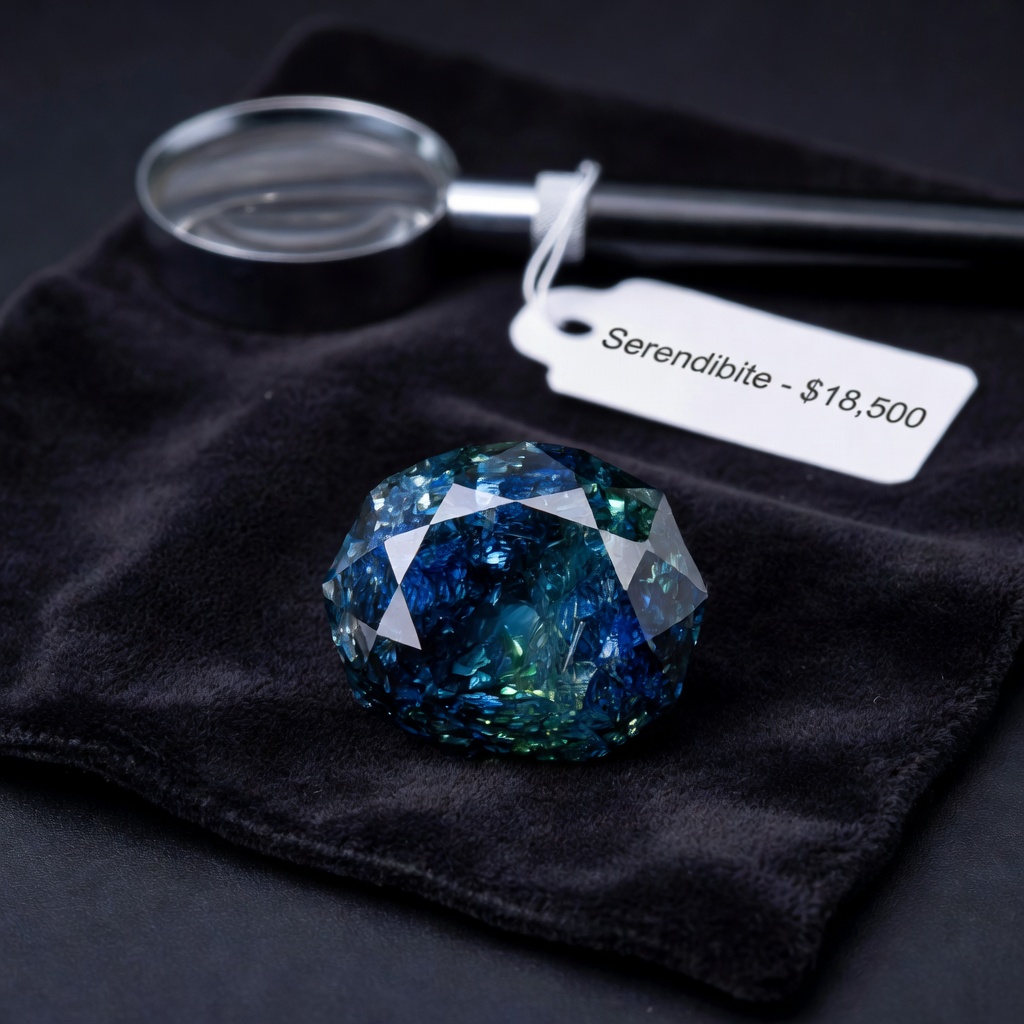
The mineral received its name in honor of the Poudrette family, who operated the eponymous quarry where the first specimens were discovered, continuing the tradition of recognizing significant contributions to mineralogy through nomenclature. The Poudrette quarry itself has achieved legendary status among mineral collectors as the source of numerous type locality species, making it one of the most scientifically important mineral localities in North America. The initial confusion with serendibite—which was first discovered in Sri Lanka (formerly Ceylon) and named after the old Arabic name for the island, Serendib—highlights the importance of advanced analytical techniques in modern gemology. While both minerals rank among the world's rarest, serendibite typically occurs in blue to green colors with higher specific gravity (3.42-3.52) and different chemical composition, allowing definitive separation through proper gemological testing.
Rarity Assessment and Investment Value
When evaluating the poudretteite value per carat, collectors must understand that this gemstone occupies the absolute pinnacle of the rarity hierarchy, surpassing even legendary stones like painite, taaffeite, and red beryl in terms of available specimens. While painite was once considered the world's rarest gemstone with fewer than 25 crystals known (similar to poudretteite), recent discoveries in Myanmar have increased painite availability somewhat, whereas poudretteite remains restricted to its two original localities with no significant new finds in decades. Red beryl (bixbite) from Utah's Wah Wah Mountains, though extraordinarily rare with ratios of one crystal per 150 tons of rock, still produces more material annually than the total known global supply of faceted poudretteite.
Current market valuations for faceted poudretteite specimens range between $2,000 and $6,000 per carat, with exceptional museum-quality stones potentially commanding significantly higher prices when they appear at auction, which occurs infrequently due to extreme scarcity. Factors affecting valuation include crystal size (with stones over 0.50 carats considered exceptional), clarity characteristics, color saturation (with deeper pink hues commanding premiums), and provenance (Canadian specimens typically valued higher than Myanmar material due to historical significance). Raw, uncut crystals command lower prices per carat but remain highly sought after by mineral collectors who value the natural crystalline form. Investment potential remains strong due to the immutable law of supply and demand; with fewer than two dozen faceted stones known and no commercial mining possible, any available specimen represents a finite resource that appreciating collectors eagerly pursue.
Advanced Identification and Testing Methods
Professional poudretteite identification requires sophisticated analytical techniques beyond standard gemological equipment, though preliminary screening can eliminate common simulants through basic physical testing. Spectroscopic analysis, particularly Raman spectroscopy, provides definitive identification by generating unique vibrational spectra that fingerprint the mineral's molecular structure, distinguishing it unequivocally from serendibite, pink tourmaline, morganite, or other potential lookalikes. X-ray diffraction (XRD) analysis remains the gold standard for mineral identification, revealing the characteristic hexagonal crystal structure and unit cell dimensions that confirm poudretteite status.
Distinguishing poudretteite from serendibite requires careful attention to specific gravity differences, with poudretteite's 2.53-2.58 range significantly lighter than serendibite's 3.42-3.52, a difference immediately apparent to experienced gemologists through heft testing. Pink tourmaline (rubellite) typically shows stronger pleochroism, higher birefringence (0.018-0.040), and often contains visible tube-like inclusions absent in poudretteite. Morganite, the pink variety of beryl, possesses higher hardness (7.5-8), different refractive indices (1.577-1.583), and typically shows different inclusion patterns. For collectors considering acquisition, laboratory certification from prestigious institutions such as the Gemological Institute of America (GIA), GemResearch Swisslab (GRS), or similar accredited laboratories remains absolutely essential, as the value differential between genuine poudretteite and common simulants justifies the cost of comprehensive analytical documentation.
Care, Storage, and Jewelry Applications
Maintaining a rare poudretteite gemstone requires meticulous attention to care protocols that acknowledge its moderate hardness and perfect cleavage characteristics. Cleaning should never involve ultrasonic or steam cleaners, as the vibrations and thermal shock can cause catastrophic cleavage fractures along the mineral's perfect cleavage planes. Instead, gentle cleaning using warm water, mild dish soap, and a soft brush (such as a baby toothbrush) provides the safest method for removing accumulated oils and dust without risking mechanical or thermal damage.
For jewelry applications, protective settings become absolutely essential, with bezel settings offering superior protection compared to prong settings that leave edges vulnerable to impact. The moderate hardness of 5 on the Mohs scale makes poudretteite unsuitable for daily wear items such as engagement rings or bracelets that receive regular impact; instead, these gems are best reserved for pendants, earrings, or brooches that experience minimal contact with hard surfaces. Storage conditions require isolation from other gemstones to prevent scratching—specifically, poudretteite should be stored in individual soft cloth pouches or lined jewelry boxes separate from harder stones like diamonds, rubies, or even quartz. Temperature stability proves important as well, as rapid thermal changes can induce stress fractures, making it advisable to avoid wearing poudretteite jewelry during activities involving extreme temperature variations such as sauna visits or winter sports.
Frequently Asked Questions
What makes poudretteite the rarest gemstone in the world?
Poudretteite is considered one of the rarest gemstones because fewer than 25 faceted specimens exist worldwide. It was only discovered in 1987 at Mont Saint-Hilaire, Canada, with a second deposit found later in Myanmar. Its extreme rarity surpasses even painite and red beryl, making museum-quality specimens virtually unattainable for most collectors.
How much does poudretteite cost per carat?
Faceted poudretteite gemstones command prices between $2,000 and $6,000 per carat, with exceptional specimens potentially exceeding this range. Raw crystals are significantly less expensive but still valuable. The price depends heavily on clarity, color saturation, cut quality, and provenance, with Canadian specimens typically commanding premium prices over Myanmar material.
Where can poudretteite be found in nature?
Poudretteite occurs in only two confirmed localities worldwide: Mont Saint-Hilaire in Quebec, Canada (the type locality), and the Mogok Stone Tract in Myanmar (Burma). It forms in alkalic pegmatites and marble xenoliths under specific geological conditions involving boron-rich environments, making new discoveries extremely unlikely.
How can I identify genuine poudretteite versus serendibite or other pink gemstones?
Genuine poudretteite exhibits a refractive index of 1.511-1.512, specific gravity of 2.53-2.58, and distinct pleochroism showing pale pink to colorless. Unlike serendibite (which has higher density and different chemistry), poudretteite appears lighter and shows different optical properties. Definitive identification requires Raman spectroscopy or X-ray diffraction analysis by certified laboratories like GIA.
What is the chemical formula of poudretteite?
Poudretteite has the chemical formula KNa2B3Si12O30, classifying it as a borate silicate mineral. This unique composition features a complex framework of silicon, oxygen, and boron atoms with potassium and sodium serving as cations. This specific chemistry distinguishes it from all other known gemstones and contributes to its rarity.
Is poudretteite suitable for engagement rings or daily wear jewelry?
Due to its Mohs hardness of only 5 and perfect cleavage, poudretteite is generally unsuitable for daily wear jewelry like engagement rings. It is softer than everyday dust particles (quartz hardness 7) and can scratch easily. If used in jewelry, it requires protective bezel settings and should be reserved for occasional wear or display pieces only.
What colors does poudretteite naturally occur in?
Natural poudretteite typically occurs in pale pink to colorless hues, with the most valuable specimens displaying saturated pink coloration. Some specimens from Myanmar show slightly deeper pink tones compared to Canadian material. The color results from trace element impurities within the crystal structure, though specific chromophores are still being studied by mineralogists.