What Is Poudretteite? Understanding the World's Rarest Gemstone
Poudretteite represents one of the rarest mineral treasures known to gemology, with a fascinating discovery history that began in 1965 at Mont Saint-Hilaire in Quebec, Canada. Named after the Poudrette family who operated the quarry where it was first identified, this extremely rare poudretteite gemstone remained virtually unknown to collectors for decades until gem-quality specimens were discovered in the Mogok Stone Tract of Myanmar during the early 2000s. The combination of its limited geographical occurrence and the scarcity of facetable material has resulted in fewer than 25 known faceted specimens existing in private collections and museums worldwide, making each piece a true collector's treasure.
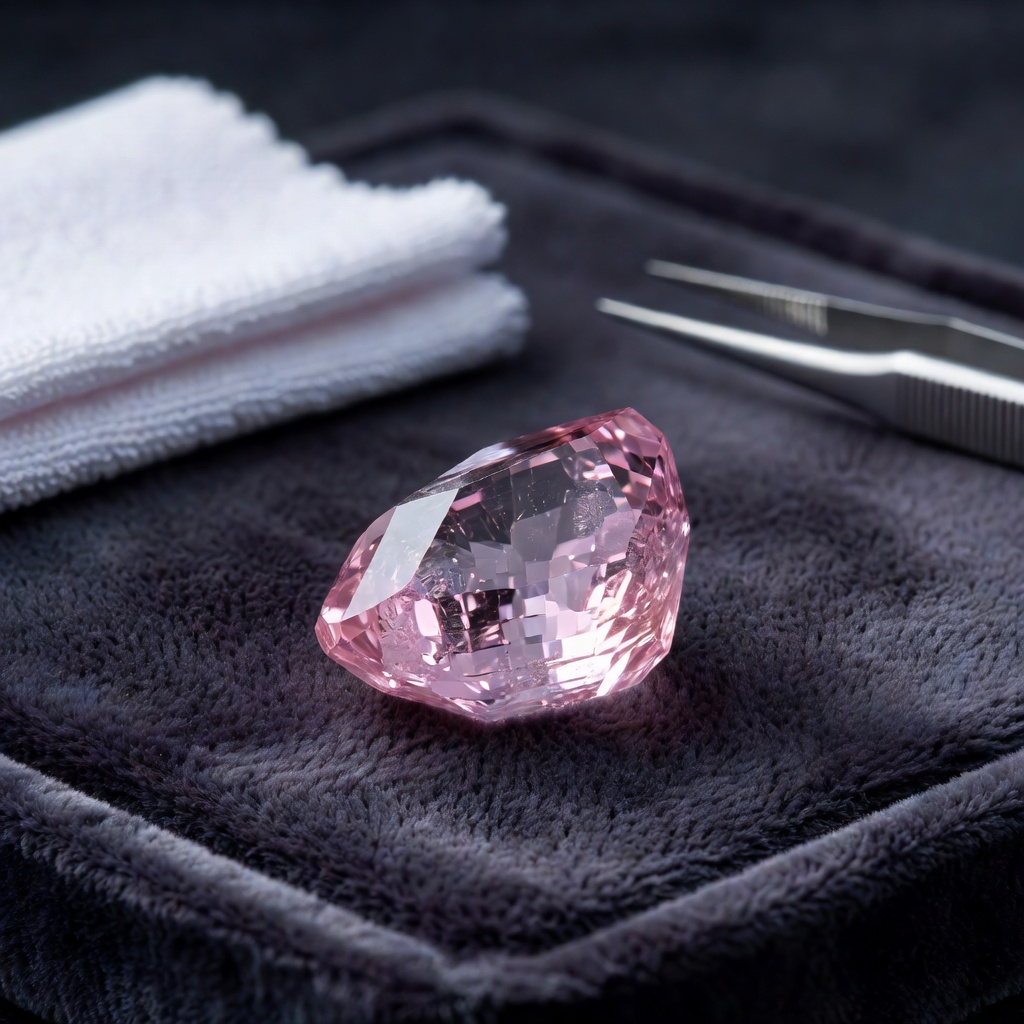
Understanding the fundamental poudretteite properties is essential before attempting any maintenance procedures on this delicate mineral. The stone typically exhibits a distinctive pale pink to colorless appearance, though some Myanmar specimens display deeper salmon-pink hues that command premium prices among connoisseurs. Its unique crystal structure belongs to the cyclosilicate family, featuring complex six-membered rings of silicate tetrahedra that contribute to both its optical beauty and its physical vulnerabilities. Unlike more common pink gemstones such as morganite or kunzite, poudretteite possesses a vitreous luster and high refractive index that create exceptional brilliance when properly cut, though these same characteristics require specialized knowledge to preserve through proper pink gemstone care protocols.
Poudretteite Hardness and Durability Concerns
When developing an appropriate maintenance strategy, understanding poudretteite hardness limitations becomes paramount for preventing irreversible damage to these irreplaceable specimens. Rating approximately 5 on the Mohs hardness scale, poudretteite sits between apatite and orthoclase feldspar in terms of scratch resistance, making it significantly softer than common household dust particles which often contain quartz rated at 7. This hardness differential means that simply wearing a poudretteite ring while walking outdoors exposes the stone to microscopic scratching from airborne particles, gradually dulling the polish and reducing optical performance over time.
The gemstone durability concerns extend beyond surface abrasions to include structural vulnerabilities that make poudretteite particularly challenging to maintain. The mineral exhibits perfect cleavage in one direction, meaning that sharp impacts or pressure applied along specific crystallographic planes can cause the stone to split cleanly with minimal force. This characteristic creates significant risks during routine cleaning, setting repairs, or accidental drops, as even relatively minor trauma can result in catastrophic fractures. Collectors must recognize that unlike tougher gems such as diamonds or sapphires, poudretteite requires protective measures that account for both its soft surface and its brittle internal structure.
Essential Daily Handling and Wear Guidelines
Implementing rigorous poudretteite jewelry maintenance protocols begins with establishing strict boundaries regarding when and how these precious stones should be worn or handled. Owners should remove poudretteite jewelry before engaging in physical activities, household chores, or even sleeping, as these situations present numerous opportunities for impact against hard surfaces or entanglement that could stress the setting. Simple actions such as opening car doors, gardening, or cleaning dishes can subject the stone to scratches from metal edges or abrasive cleaning compounds that permanently damage the surface.
Cosmetics, perfumes, and hand lotions pose additional threats to handling rare gemstones like poudretteite, as these products often contain alcohols, oils, and chemical compounds that leave residue buildup on the stone's surface. These substances can create a film that dulls brilliance and may even react with any natural inclusions or fracture fillings present in the specimen. When handling loose poudretteite specimens, collectors should wash hands thoroughly with mild soap and dry them completely to prevent oil transfer from fingerprints, which can accumulate in surface scratches and become difficult to remove without aggressive cleaning methods that risk further damage.
Safe Poudretteite Cleaning Techniques
Proper Poudretteite Care and Cleaning requires gentle methods that remove accumulated dirt without subjecting the stone to mechanical or thermal stress. The safest approach involves preparing a solution of lukewarm distilled water mixed with a mild, phosphate-free liquid soap, avoiding tap water which may contain chlorine, minerals, or other contaminants that leave residue or cause chemical reactions. Distilled water ensures that no dissolved solids remain on the stone's surface after drying, preserving the clarity and luster that make these rare specimens so valuable.
For cleaning rare gemstones like poudretteite, use only soft camel hair or sable brushes with extremely gentle pressure to dislodge debris from the surface and around the setting. Synthetic brushes or stiff bristles can create microscopic scratches that accumulate over time, while excessive pressure may stress the cleavage planes. After brushing, rinse the stone thoroughly in fresh distilled water to remove all soap traces, then place it on a lint-free microfiber cloth to air dry naturally away from direct heat sources, sunlight, or forced air that could cause thermal shock or rapid dehydration of any natural inclusions.
Cleaning Agents and Methods to Avoid
Understanding poudretteite cleaning safety requires recognizing which conventional jewelry maintenance techniques pose serious threats to this delicate mineral. Ultrasonic cleaners present particular dangers due to the intense vibrations they generate, which can cause existing internal fractures to expand or initiate new cracks along the stone's perfect cleavage planes. The cavitation process that makes ultrasonics effective for diamonds and sapphires can literally shake a poudretteite specimen apart, transforming a valuable gem into worthless fragments within seconds.
Steam cleaning represents another hazardous method that risks thermal shock and surface etching in these sensitive stones. The rapid temperature change from steam can create internal stress fractures, while the high-pressure vapor may force moisture into existing inclusions that later expand and damage the stone. Harsh chemical solvents including acetone, bleach, ammonia-based commercial dips, and alcohol solutions should never contact poudretteite, as these can etch the surface, dissolve natural oil treatments, or react with matrix materials sometimes found on rough specimens. Learning to identify these gemstone cleaning mistakes before they occur separates responsible collectors from those who learn through costly experience.
Proper Storage for Poudretteite Specimens
Long-term preservation of these treasures depends heavily on implementing appropriate poudretteite storage tips that address the stone's specific environmental vulnerabilities. Each specimen should reside in an individual compartment within acid-free boxes lined with soft foam padding or unbleached cotton, ensuring that harder gemstones cannot contact the poudretteite and cause scratching. For mounted jewelry, consider storing pieces in separate pouches within a larger container to prevent metal settings from abrading the stone's surface during movement.
Maintaining proper humidity levels between 40-60% proves crucial for rare gemstone storage, as excessive dryness may cause dehydration of certain inclusions while high humidity promotes corrosion of metal settings or mold growth on storage materials. Silica gel packets can help regulate moisture, though they should not directly contact the stone. Additionally, limiting light exposure protects against potential color fading in sensitive specimens, particularly those with pale pink hues that may bleach under prolonged ultraviolet or intense artificial lighting. Store display cases in dark drawers or cabinets, bringing the stone out only for occasional viewing or maintenance.
When to Seek Professional Gemological Care
Despite diligent home maintenance, certain situations demand professional gemstone care from specialists experienced with ultra-rare minerals. Surface scratches that accumulate over years of wear require professional repolishing services using specialized laps and extremely fine polishing compounds that restore luster without removing excessive material. Given the value and rarity of poudretteite, only gemologists familiar with soft, cleavable minerals should attempt these procedures, as standard polishing techniques designed for harder stones can cause catastrophic cleavage failures.
Annual setting inspections represent essential poudretteite maintenance for mounted stones, ensuring that prongs remain tight and protective bezels show no signs of wear that could allow the stone to fall out. Professional jewelers can also check for loose inclusions or developing fractures that may not be visible to the naked eye. Furthermore, maintaining current authentication documentation and obtaining updated valuations helps protect your investment, as the market for rare gemstones fluctuates and insurance coverage needs may change as values increase over time.
Protecting Your Investment: Insurance and Documentation
Given the extraordinary value of high-quality specimens, rare gemstone investment protection requires specialized insurance riders that specifically cover ultra-rare minerals rather than standard jewelry policies. Standard homeowners' policies often impose per-item limits or fail to cover mysterious disappearance, making dedicated gemstone insurance essential for poudretteite pieces worth potentially hundreds of thousands of dollars. Work with insurers who understand the unique nature of mineral collections and can provide coverage for loose specimens as well as mounted jewelry.
Maintaining comprehensive poudretteite value protection involves creating detailed documentation including high-resolution photography from multiple angles, weight measurements, dimensional specifications, and current gemological laboratory reports from recognized institutions such as GIA or AGL. Store digital copies of these records in cloud-based systems separate from physical locations where the stone is kept. For specimens exceeding certain value thresholds, consider climate-controlled safe storage in bank vaults or specialized facilities that offer advanced security, fire protection, and environmental stability beyond what most home safes provide.
Recognizing and Addressing Damage
Developing expertise in identifying poudretteite damage repair needs early can prevent minor issues from becoming catastrophic losses. Surface scratches typically appear as dull lines under magnification and may catch fingernails when gently rubbed across the stone, whereas internal inclusions represent natural characteristics that do not affect surface texture. Cloudiness may result from residue buildup that responds to gentle cleaning, or from internal fractures that have developed due to impact or thermal shock, requiring immediate professional assessment to prevent further deterioration.
If you discover chips, fractures, or significant cloudiness, implement emergency protocols immediately by securing the stone in protective padding and consulting a gemologist specializing in rare mineral restoration. Do not attempt DIY repairs using adhesives or home polishing kits, as these amateur interventions drastically reduce value and may cause irreversible damage. Document any damage with photographs before moving the specimen, and contact your insurance provider if the damage resulted from theft, loss, or accidental damage covered under your policy. Prompt professional intervention offers the best chance for successful gemstone restoration while preserving the specimen's provenance and value.
Frequently Asked Questions
Can I Wear Poudretteite Jewelry Every Day?
Due to its Mohs hardness of 5, poudretteite is not recommended for daily wear. It scratches easily from everyday dust (which contains quartz particles rated 7 on the Mohs scale) and can be damaged by minor impacts. Reserve poudretteite for special occasions and store it properly between wears.
Is It Safe to Clean Poudretteite With Soap and Water?
Yes, mild soap and lukewarm distilled water is the safest cleaning method for poudretteite. Use a pH-neutral, phosphate-free liquid soap diluted in water, gently brush with a soft sable brush, and rinse thoroughly. Avoid tap water which may contain minerals that leave residue.
Why Is Poudretteite So Difficult to Care for Compared to Other Gemstones?
Poudretteite requires special care due to its combination of low hardness (5), perfect cleavage, and extreme rarity. Unlike harder stones such as sapphires (9) or rubies (9), poudretteite can be scratched by common materials and can split along cleavage planes if struck, making handling protocols more stringent.
Can Ultrasonic Cleaners Damage Poudretteite?
Absolutely. Ultrasonic cleaners are dangerous for poudretteite due to the stone's perfect cleavage and internal fractures. The intense vibrations can cause existing inclusions to expand, create new internal cracks, or even cause the stone to split along cleavage planes. Never use ultrasonic cleaning on poudretteite.
How Should I Store My Poudretteite Gemstone?
Store poudretteite in individual, acid-free compartments lined with soft fabric or foam. Keep it separate from harder gemstones to prevent scratching, maintain moderate humidity (40-60%), and protect from direct sunlight. For loose specimens, consider display cases with museum-grade archival materials.
What Is the Hardness of Poudretteite on the Mohs Scale?
Poudretteite rates approximately 5 on the Mohs hardness scale, similar to apatite and orthoclase feldspar. This means it can be scratched by steel knives, quartz dust, and many other common materials, requiring careful handling and protective storage to maintain its polish and clarity.
Can I Use Commercial Jewelry Cleaner on Poudretteite?
No, commercial jewelry cleaners often contain harsh chemicals, ammonia, or alcohol that can damage poudretteite. These solutions may etch the surface, affect any oil treatments, or react with matrix materials. Stick to mild soap and water or consult a professional gemologist for cleaning recommendations.
How Often Should I Clean My Poudretteite Specimen?
Clean poudretteite only when visibly soiled or after wearing, typically every 3-6 months for displayed specimens or immediately after wearing jewelry pieces. Over-cleaning increases risk of accidental damage, so minimal intervention is best. Always inspect the setting and stone condition before cleaning.