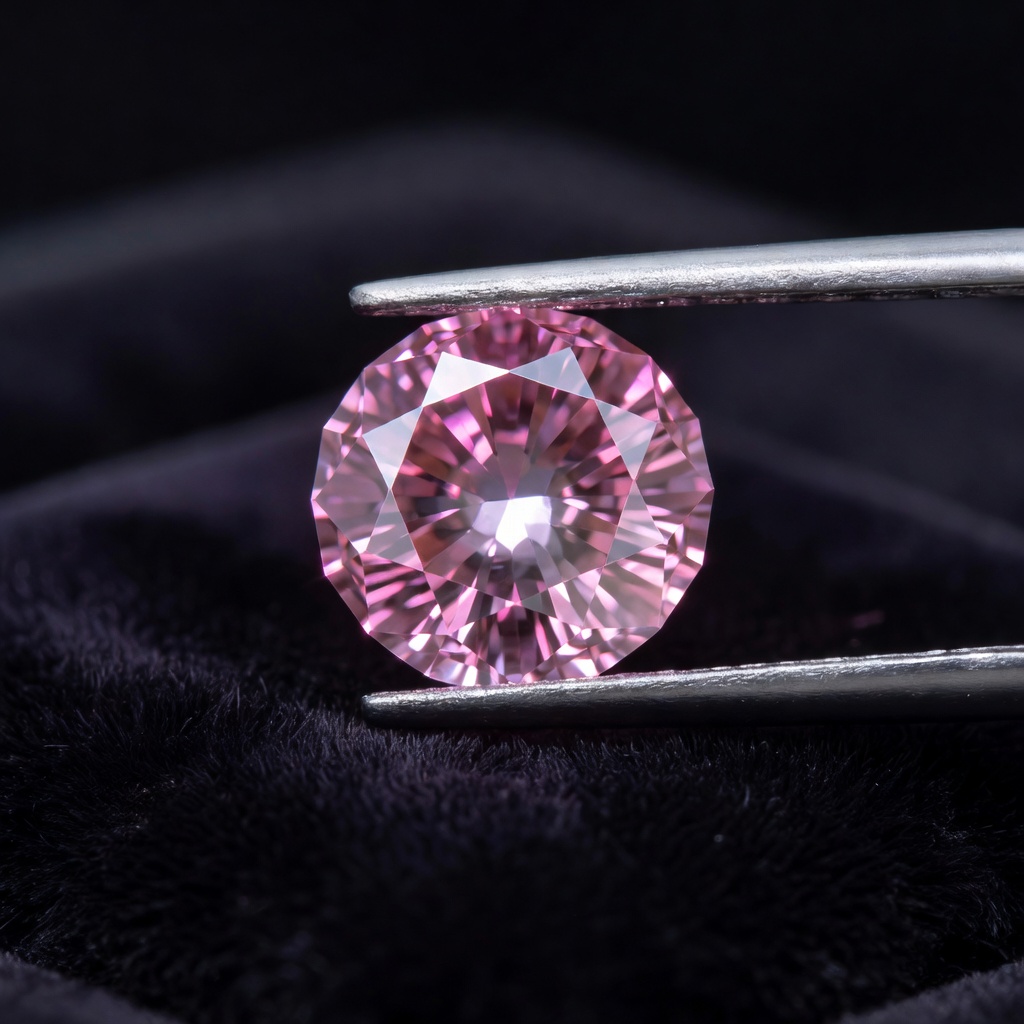
Introduction to Pink Diamond Properties and Information
Pink diamonds represent the pinnacle of rarity and prestige within the fancy colored diamonds category, captivating collectors and investors with their delicate yet intense hues. These extraordinary gemstones have commanded record-breaking prices at auction houses worldwide, with some specimens selling for millions of dollars per carat. Unlike their colorless counterparts, pink diamonds derive their value from a unique combination of geological scarcity, intense color saturation, and increasing demand from luxury markets across Asia, Europe, and North America. Understanding pink diamond properties and information requires examining not only their physical characteristics but also the complex factors that influence their formation, grading, and long-term value appreciation.
The allure of pink diamonds extends beyond mere aesthetics, as these stones serve as both wearable art and tangible investment assets. Historically, royalty and celebrities have coveted these gems, with notable pieces like the Williamson Pink Star and the Graff Pink achieving legendary status in the jewelry world. As global supply chains shift and primary mining sources deplete, comprehensive knowledge about these rare treasures becomes essential for anyone considering acquisition, whether for personal adornment or portfolio diversification. This guide explores every facet of pink diamond identification, from subterranean formation processes to sophisticated grading methodologies, providing actionable insights for discerning buyers and enthusiasts.
The Science Behind Natural Pink Diamond Formation
Understanding natural pink diamond formation requires delving into geological processes that differ fundamentally from those creating other colored diamonds. While blue diamonds owe their color to boron and yellow diamonds contain nitrogen impurities, pink diamonds develop their distinctive hue through a phenomenon called plastic deformation. This process occurs when diamonds undergo extreme pressure and heat during their ascent through the earth's mantle, causing structural changes in the crystal lattice without breaking the carbon bonds. The resulting internal graining creates a distortion that absorbs light differently, selectively reflecting wavelengths in the pink spectrum back to the viewer's eye.
The specific pink diamond geology involves intense shear stress that displaces carbon atoms along parallel planes within the crystal structure, creating what gemologists call "slip planes" or color graining. These microscopic imperfections are not traditional inclusions but rather systematic distortions that occur when rough diamonds experience tectonic forces at depths exceeding 150 kilometers below the earth's surface. Unlike nitrogen-based colors that remain stable under various conditions, the pink coloration depends entirely on these structural anomalies, making each stone's hue unique based on the specific geological trauma it endured millions of years ago.
Primary mining locations for these rare gems span several continents, with each source producing distinct characteristics. The Argyle mine in Western Australia historically produced the majority of the world's pink diamonds until its closure in 2020, yielding stones with exceptionally vibrant saturation. Brazilian alluvial deposits in the Minas Gerais region have yielded notable pink diamonds with slightly different undertones, while Russian mines in the Sakha Republic and Canadian kimberlite pipes in the Northwest Territories contribute smaller quantities to the global market. Each location's specific geological history creates subtle variations in color intensity and secondary hues, providing gemologists with clues about a stone's provenance.
Practical Tip: Identifying Origin Through Color Characteristics
When evaluating rough specimens or loose stones, experienced buyers examine the distribution of color graining under magnification to assess potential origin. Argyle pinks typically exhibit uniform color saturation throughout the crystal, while Brazilian stones often show zoning patterns that require specific cutting orientations to maximize face-up color. Understanding these geological fingerprints helps collectors make informed decisions about provenance and potential value retention.
Understanding Pink Diamond Color Grading Systems
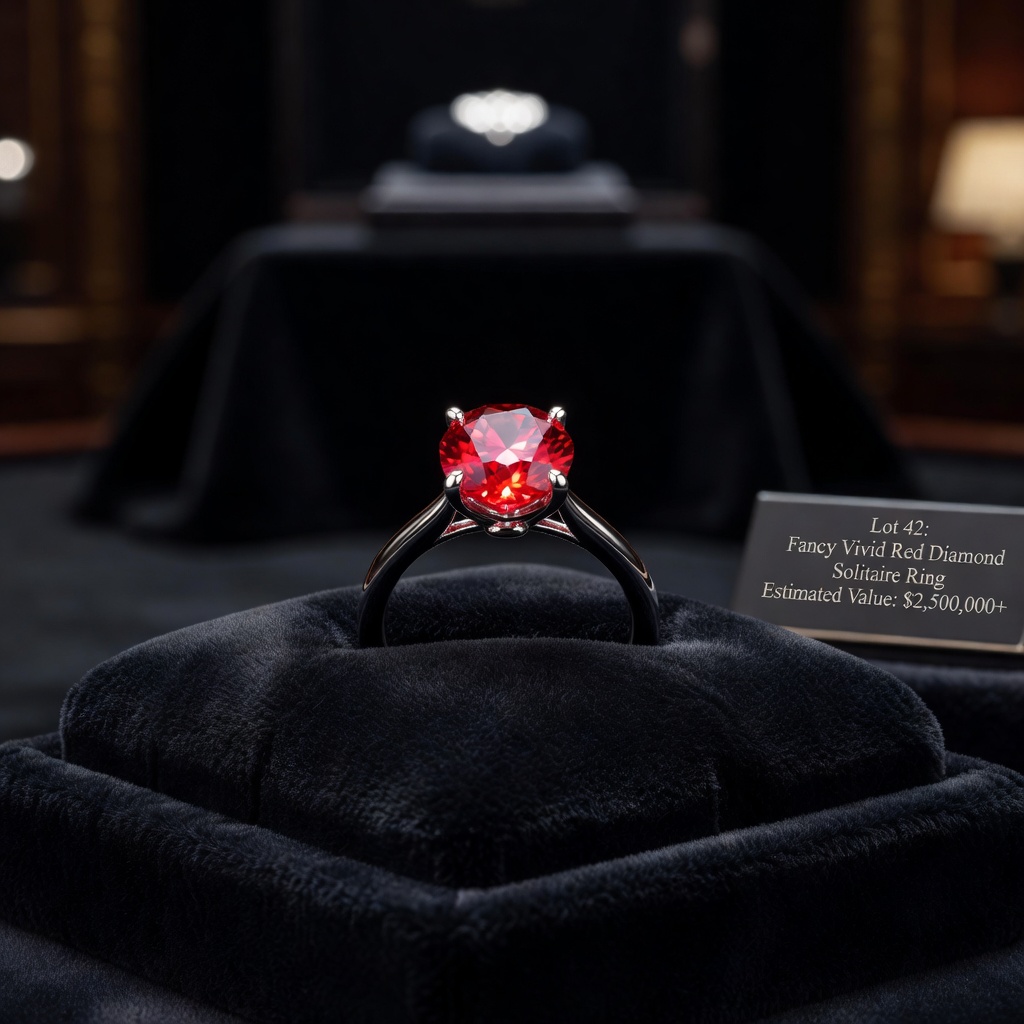
Pink diamond color grading follows sophisticated protocols established by the Gemological Institute of America (GIA) and specialized systems developed for Argyle productions. The standard GIA scale for fancy colored diamonds categorizes pink stones from Faint through Fancy Light, Fancy, Fancy Intense, Fancy Vivid, and Fancy Deep, with each grade representing progressively stronger color saturation. Unlike the D-to-Z scale used for colorless diamonds where absence of color determines value, pink diamonds achieve higher valuations as color intensity increases, making Fancy Vivid pinks the most coveted and expensive specimens in the marketplace.
Secondary undertones significantly impact fancy pink diamond value, with modifiers including purple, orange, and brown creating complex hue combinations. A "Fancy Vivid Purplish Pink" commands different pricing than a pure "Fancy Vivid Pink," with purple modifiers often considered desirable while brown undertones may diminish value. Gemological reports specify these nuances using precise terminology such as "Fancy Intense Orangy Pink" or "Fancy Light Brownish Pink," allowing buyers to understand exactly what visual characteristics to expect. The most valuable stones exhibit pure pink hues without secondary colors, though personal preference ultimately guides individual purchasing decisions.
The Argyle mine developed a proprietary grading system specifically for their production, using classifications of PP (Purplish Pink), P (Pink), and PC (Pink Champagne) with numerical suffixes indicating intensity levels from 1 (highest) to 9 (lowest). This system differs from GIA standards in that it specifically accounts for the unique color chemistry of Argyle stones, which often displayed more concentrated saturation than diamonds from other sources. Understanding both grading methodologies proves essential when comparing stones from different origins, as an Argyle 1P might correspond roughly to a GIA Fancy Intense Pink, though direct comparisons require expert gemological assessment.
Case Study: The Impact of Saturation on Auction Results
The 2017 sale of the Pink Star diamond (now renamed the CTF Pink Star) illustrates how saturation levels affect market value. This 59.60-carat Fancy Vivid Pink Internally Flawless diamond sold for $71.2 million, setting a world record because it combined exceptional size with the highest possible color grade. Comparatively, a Fancy Light Pink of similar size might command only 10-15% of that price, demonstrating why understanding color grading nuances matters significantly for investment decisions.
Physical Properties and Optical Characteristics
Pink diamonds share the fundamental diamond physical properties that make these gems the hardest known natural material, rating 10 on the Mohs hardness scale. This exceptional durability allows pink diamonds to withstand daily wear while maintaining their polish and structural integrity for generations. However, the same plastic deformation that creates their color can sometimes affect cleavage planes, requiring cutters to exercise extreme caution during the fashioning process to prevent fracturing along weakened axes. Despite these structural considerations, properly cut pink diamonds offer excellent longevity suitable for heirloom jewelry pieces.
The optical performance of pink diamonds involves complex interactions between light and the internal graining structures responsible for their color. These stones typically exhibit refractive indices between 2.417 and 2.419, similar to colorless diamonds, but the color graining can scatter light differently depending on cutting orientation. Master cutters often employ specific techniques such as cutting parallel to the graining planes to maximize face-up color saturation, sometimes sacrificing optimal brilliance to enhance the intensity of the pink hue. This trade-off between color and light performance requires sophisticated expertise, as improperly oriented stones may appear washed out or unevenly colored.
Clarity characteristics in pink diamonds require careful differentiation between color graining and traditional inclusions such as crystals, feathers, or clouds. While inclusions affect clarity grades similarly to colorless diamonds, color graining represents the very feature creating the pink color and should not be considered detrimental to the stone's appearance. Under magnification, natural pink diamonds may display distinctive strain patterns or "banding" related to their formation trauma. Additionally, some pink diamonds exhibit fluorescence under ultraviolet light, typically appearing blue or orange, which can subtly affect the perceived color in natural daylight or specific lighting environments.
Expert Insight: Cutting for Color Optimization
When selecting a pink diamond, examine how the cutter positioned the table facet relative to the color graining. Ideal cuts orient the table perpendicular to the dominant graining direction, allowing light to travel through multiple parallel planes and intensify the pink saturation. Stones cut with tables parallel to graining may appear lighter in tone, requiring careful setting design to enhance color perception through metal reflection and background contrast.
The Argyle Pink Diamond Legacy and Rarity
Argyle pink diamonds represent perhaps the most significant chapter in the history of colored gemstones, with the Western Australian mine producing approximately 90% of the world's pink diamond supply during its 37-year operational history. Located in the remote East Kimberley region, the Argyle mine revolutionized the pink diamond market by transforming these gems from occasional curiosities into legitimate asset classes with standardized grading and marketing. The mine's unique lamproite volcanic pipe geology produced diamonds with unprecedented color intensity, creating a distinct category of "Argyle pinks" that consistently outperformed diamonds from Brazilian, African, or Russian sources in terms of saturation and vibrancy.
The November 2020 closure of the Argyle mine fundamentally altered global supply dynamics, creating permanent scarcity for these specific rare pink diamond characteristics. Unlike other commodities where new deposits might be discovered, the geological conditions creating Argyle-quality pinks appear unique to that specific location, with no comparable sources currently identified or under development. This supply shock has driven prices for certified Argyle stones upward by 30-50% since closure, with industry analysts predicting continued appreciation as existing inventories deplete. The annual Argyle Pink Diamonds Tender, which showcased the mine's finest production to invited buyers, became the industry's most exclusive auction event, regularly setting price records for individual stones.
Distinguishing Argyle pinks from other sources involves examining specific optical and chemical properties. Argyle diamonds typically displayed a "bubblegum" or "strawberry" pink hue with exceptional vibrancy, often accompanied by purple or blue secondary tones that enhanced rather than detracted from value. The mine's production included the famous "Argyle Phoenix" and "Argyle Everglow" diamonds, which achieved prices exceeding $2 million per carat. Post-closure, Argyle-certified stones now command significant premiums over non-Argyle pinks of similar GIA grades, with collectors specifically seeking original Argyle certificates and laser inscriptions as provenance verification.
Investment Case Study: The Argyle Tender Performance
Historical data from Argyle Tender results between 2000 and 2020 shows consistent annual price appreciation averaging 15-20% for top-tier stones. A 1-carat Fancy Vivid Pink Argyle diamond purchased at the 2005 Tender for approximately $150,000 might command $800,000 or more in today's secondary market, demonstrating the exceptional performance of these specific assets compared to broader diamond market indices.
Evaluating Quality: The 4Cs Plus Color for Pink Diamonds
When assessing pink diamond investment potential, traditional diamond evaluation criteria require significant modification to account for color's dominant influence on value. While the standard 4Cs (Cut, Color, Clarity, and Carat weight) provide a framework for assessment, color saturation and hue purity outweigh all other factors in pink diamond valuation. A 2-carat Fancy Vivid Pink with SI2 clarity commands substantially higher prices than a 2-carat Fancy Light Pink with IF clarity, reversing the priorities typically applied to colorless diamonds. This hierarchy shift necessitates that buyers prioritize color grading above all else when building collections or making investment purchases.
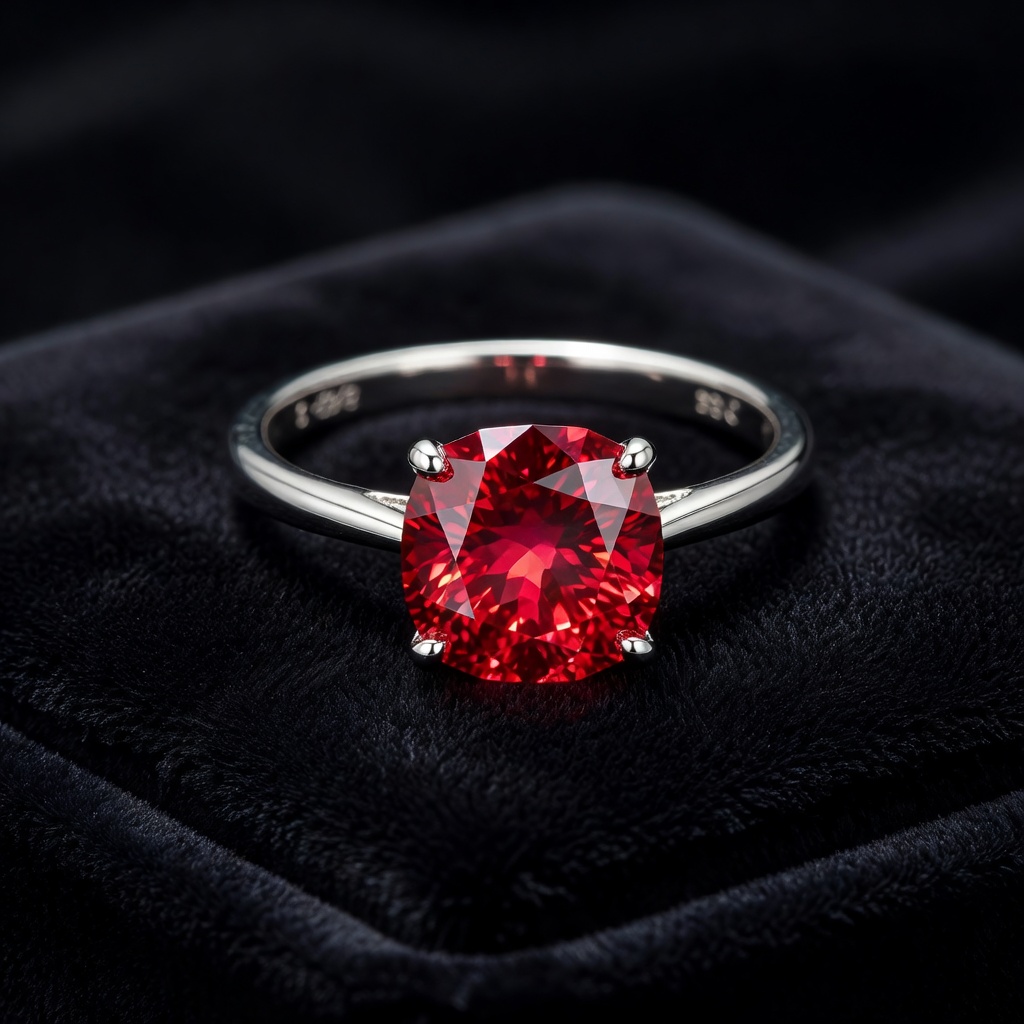
Optimal cutting styles for maximizing fancy pink diamond value differ from ideal colorless diamond proportions. While round brilliants maximize light return in white diamonds, fancy shapes such as radiant, cushion, and emerald cuts often better suit pink diamonds because they retain more rough weight while concentrating color through deeper pavilions and thicker girdles. These modified brilliant cuts create longer light paths through the colored material, intensifying the face-up appearance. Asscher and emerald cuts, with their step facets, can beautifully display the unique color graining patterns while providing broad flashes of pink color, though they may require higher color grades to appear saturated due to their open faceting.
Carat weight premiums in pink diamonds follow exponential rather than linear progression, with prices increasing dramatically at whole-carat thresholds and particularly above 1.00, 2.00, and 5.00 carats. This pricing structure reflects the extreme rarity of larger crystals with sufficient color intensity; finding rough material capable of yielding a 3-carat Fancy Vivid Pink occurs far less frequently than finding 1-carat material of similar quality. Consequently, per-carat prices might double or triple when crossing these weight boundaries, making precise carat weight optimization crucial for value-conscious buyers. Clarity considerations, while important, should focus primarily on ensuring inclusions do not disrupt color distribution or pose durability risks, rather than pursuing flawless grades that may not significantly impact visual beauty or investment liquidity.
Buying Strategy: Balancing Size and Intensity
For investors with budgets between $100,000 and $500,000, consider acquiring a 0.80-0.95 carat Fancy Vivid Pink rather than a 1.00-carat Fancy Light Pink. The smaller stone will likely exhibit more impressive visual impact due to superior saturation while avoiding the substantial price jump associated with the 1.00-carat threshold, potentially offering better long-term appreciation as the market continues prioritizing color intensity over size in the post-Argyle era.
Investment Value and Market Trends
The pink diamond investment landscape has demonstrated remarkable resilience and growth, with historical data indicating consistent annual appreciation rates of 10-15% over the past two decades for high-quality specimens. This performance significantly outpaces traditional investment vehicles including gold, which averaged 8-9% annually during the same period, and exceeds most stock market indices when accounting for volatility-adjusted returns. The tangible nature of pink diamonds, combined with their portability and universal recognition of value, positions them uniquely within alternative asset classes, offering wealth preservation characteristics particularly attractive during periods of currency fluctuation or economic uncertainty.
Post-2020 market dynamics have accelerated rare pink diamond characteristics as drivers of value, with the Argyle mine closure creating an irrevocable supply constraint. Industry analysts project that existing stocks of investment-grade pink diamonds will deplete within 10-15 years at current consumption rates, potentially driving prices for remaining stones substantially higher. Unlike art or vintage cars, pink diamonds require no maintenance, incur minimal storage costs, and face no depreciation from use or display, making them efficient stores of value. The emergence of Asian markets, particularly China and Hong Kong, as major consumption centers has further tightened supply, with cultural preferences for pink hues driving demand that Western markets alone never fully captured.
Portfolio diversification benefits extend beyond simple price appreciation, as pink diamonds demonstrate low correlation with traditional financial markets. During the 2008 financial crisis and the 2020 pandemic downturn, high-quality pink diamonds maintained or increased in value while equities declined sharply. However, successful investment requires adherence to strict quality criteria: stones must possess natural, untreated color verified by GIA or Argyle certification, exhibit Fancy Intense or better color grades, and remain free of significant durability concerns. Liquidity considerations favor stones between 1-5 carats with Fancy Vivid grades, as this segment maintains the broadest dealer and auction house interest.
Market Analysis: The New Collector Demographic
Recent auction data reveals a shift toward younger collectors (ages 35-50) entering the pink diamond market, often viewing these gems as "wearable investments" rather than purely stored assets. This trend suggests sustained demand for ring-sized stones (1-3 carats) suitable for regular wear, potentially outpacing demand for larger, museum-quality specimens that rarely trade in secondary markets. Investors should consider this liquidity preference when selecting stones for acquisition.
Certification, Authentication, and Treatments
Verifying authenticity represents the critical first step in any pink diamond properties and information evaluation, requiring examination by reputable laboratories such as the GIA or the now-defunct Argyle certification system. These institutions employ advanced spectroscopic analysis to distinguish natural pink diamond formation from laboratory-grown or treated alternatives. GIA reports for fancy colored diamonds specifically indicate "Natural Color" or "Treated Color" on the front page, providing immediate clarity about origin. For Argyle stones, original mine certificates and laser inscriptions reading "Argyle" with specific lot numbers serve as essential provenance documentation, significantly affecting resale value and collector interest.
The distinction between natural and lab-grown pink diamonds has become increasingly important as technological advances improve synthetic production. Laboratory-grown pinks, created through High Pressure High Temperature (HPHT) or Chemical Vapor Deposition (CVD) methods, share identical chemical compositions with natural stones but lack the geological history and rarity that drive investment value. These synthetics typically sell for 60-80% less than comparable natural stones and show different fluorescence patterns and growth structures under advanced gemological testing. While suitable for fashion jewelry, lab-grown pinks do not offer the same wealth preservation characteristics or appreciation potential as their natural counterparts.
Color enhancement treatments present additional concerns for buyers, as irradiation and annealing processes can create pink colors in originally colorless or brown diamonds. These treatments permanently alter the stone's color through atomic-level structural changes, but must be disclosed and significantly reduce value compared to natural pink diamonds. GIA certification detects these treatments through spectroscopic analysis, though some advanced treatments require sophisticated equipment to identify. Buyers should insist on recent certifications (within 2-3 years) for high-value purchases, as detection capabilities constantly evolve, and verify that laser inscriptions match certificate numbers to prevent document substitution.
Due Diligence Checklist for High-Value Purchases
Before finalizing any pink diamond acquisition over $50,000, request the original GIA certificate (not a copy) and verify the report number through GIA's online database. For Argyle stones, contact Rio Tinto's legacy certification department to confirm the certificate's authenticity, as counterfeit Argyle documentation has appeared in secondary markets. Consider obtaining a second opinion from an independent gemologist specializing in colored diamonds, particularly for stones with unusual color combinations or clarity characteristics that might indicate treatment.
Care and Maintenance Best Practices
Maintaining the fancy pink diamond value of high-end jewelry requires specific protocols that differ from standard gemstone care. Professional cleaning should utilize ultrasonic cleaners only if the stone has no significant fractures or feather inclusions that could expand under vibration; otherwise, warm water with mild phosphate-free soap and soft natural bristle brushes provide safer alternatives. Steam cleaning, while effective for diamonds generally, should be approached cautiously with pink diamonds containing significant color graining near the surface, as extreme thermal shock could theoretically affect structural integrity, though such occurrences remain rare. Annual professional inspections by qualified jewelers ensure that prongs remain secure and that settings have not developed wear patterns that might risk stone loss.
Storage protocols for pink diamond jewelry emphasize individual soft pouches or dedicated compartmentalized boxes to prevent contact with harder gemstones like other diamonds that might cause scratching. While pink diamonds resist scratching from nearly all other materials, they can scratch each other or softer colored gems stored together. Environmental considerations include avoiding prolonged exposure to harsh chemicals such as chlorine bleach or hydrofluoric acid, which can etch metal settings and potentially affect certain fracture-filled treatments if present, though natural untreated pink diamonds remain chemically inert. Temperature extremes should be avoided not for the diamond itself, but for the metal settings that secure the stone, as expansion and contraction can loosen prongs over time.
Insurance and appraisal requirements for pink diamonds necessitate specialized approaches due to their rapid value appreciation. Standard homeowner's policies rarely provide adequate coverage for high-value colored diamonds, requiring specific jewelry riders or standalone policies through specialized insurers. Appraisals should be updated every 2-3 years rather than the standard 5-year intervals recommended for less volatile assets, ensuring coverage limits reflect current replacement costs. Photographic documentation, including microscopic images of inclusions and laser inscriptions, aids in recovery efforts if theft occurs and assists insurers in verifying identity during claims processes.
Setting Selection for Protection and Display
For regular wear, consider bezel or half-bezel settings that protect the girdle edges of pink diamonds, as these areas represent the most vulnerable zones during impact. However, ensure these protective settings incorporate sufficient openwork or gallery windows beneath the stone to allow light entry, as excessive metal coverage can diminish the pink color's vibrancy by blocking light return. Platinum settings generally offer superior durability for securing valuable pink diamonds compared to gold, though high-carat rose gold can complement pink stones beautifully by enhancing their color through reflection.
Frequently Asked Questions
What causes the pink color in diamonds?
Unlike other colored diamonds that get their hue from trace elements, pink diamonds develop their color through a process called plastic deformation during their journey to the earth's surface. Extreme pressure and heat cause structural changes in the diamond's crystal lattice, creating graining that absorbs light differently and reflects pink wavelengths. This unique formation process makes natural pink diamonds incredibly rare.
Are pink diamonds more expensive than white diamonds?
Yes, pink diamonds are significantly more expensive than white diamonds of comparable size and quality. High-quality pink diamonds can cost 10 to 30 times more than colorless diamonds, with Fancy Vivid pinks commanding the highest premiums. The closure of the Argyle mine in 2020 has further increased prices due to limited supply, making them one of the most valuable diamond categories per carat.
How are pink diamonds graded differently than colorless diamonds?
While colorless diamonds are graded D-Z based on absence of color, pink diamonds are graded on the presence and intensity of color using categories from Faint to Fancy Deep or Fancy Vivid. The Gemological Institute of America (GIA) uses master comparison stones to evaluate hue, tone, and saturation. Secondary color modifiers like purple or orange are also noted, significantly affecting value.
What is the difference between Argyle pink diamonds and other pink diamonds?
Argyle pink diamonds, mined in Western Australia until 2020, are considered the finest and most intensely colored pink diamonds in the world. They possess a distinctive vibrancy and saturation rarely found in diamonds from Brazil, Russia, or Africa. Argyle diamonds use a separate grading system (PP, P, PC) and typically command 20-50% higher prices than non-Argyle pinks due to their superior color and now-extinct source.
Are pink diamonds a good investment?
Pink diamonds have historically shown strong investment potential with average annual appreciation of 10-15% over the past two decades. Since the Argyle mine closure, prices for high-quality pinks have surged significantly. As a tangible asset with limited supply and increasing rarity, they offer portfolio diversification. However, investment success depends on buying certified, high-quality stones and holding them long-term.
Can pink diamonds be lab-created, and how do they differ from natural ones?
Yes, laboratory-grown pink diamonds exist and are chemically identical to natural ones, but they are created through HPHT or CVD processes rather than geological formation. Lab-grown pinks are significantly more affordable (60-80% less) but lack the rarity and investment potential of natural stones. GIA certification clearly distinguishes between natural and lab-grown origins, which is crucial for valuation.
What clarity grade is best for pink diamonds?
For pink diamonds, color intensity typically outweighs clarity in importance. While eye-clean diamonds (VS2 and above) are preferred, buyers can consider SI1 or SI2 clarity grades if the inclusions don't detract from the stone's face-up appearance or color saturation. Because pink diamonds are rare, strict clarity requirements may limit options unnecessarily unless budget is unlimited.
How should I care for pink diamond jewelry?
Clean pink diamond jewelry using warm water, mild dish soap, and a soft brush, avoiding harsh chemicals that could affect the setting. Store pieces separately to prevent scratching other jewelry. Due to their high value, ensure regular professional inspections of prongs and settings, and maintain updated appraisals for insurance purposes every 2-3 years as values appreciate.