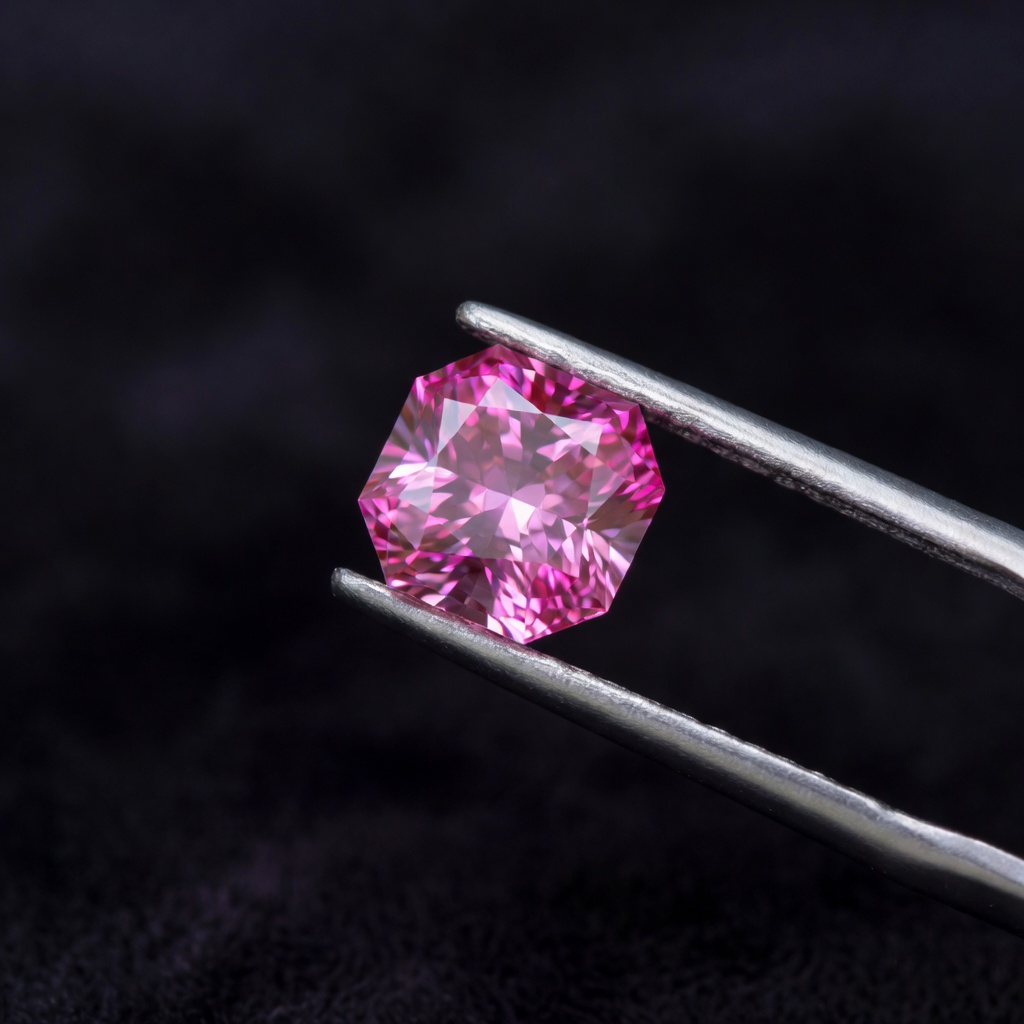
Understanding Pink Diamond Valuation Basics
The global market for pink diamonds operates under fundamentally different principles than traditional white diamond trading, establishing a unique valuation ecosystem that rewards rarity above all other factors. Unlike colorless diamonds where pricing follows relatively predictable metrics based on the 4Cs, pink diamonds command extraordinary premiums due to their extreme scarcity, representing less than 0.01% of all diamonds mined worldwide. This Pink Diamond Price Guide reveals how current market dynamics have created unprecedented supply constraints, particularly following the 2020 closure of Australia's Argyle mine, which previously supplied approximately 90% of the world's pink diamonds.
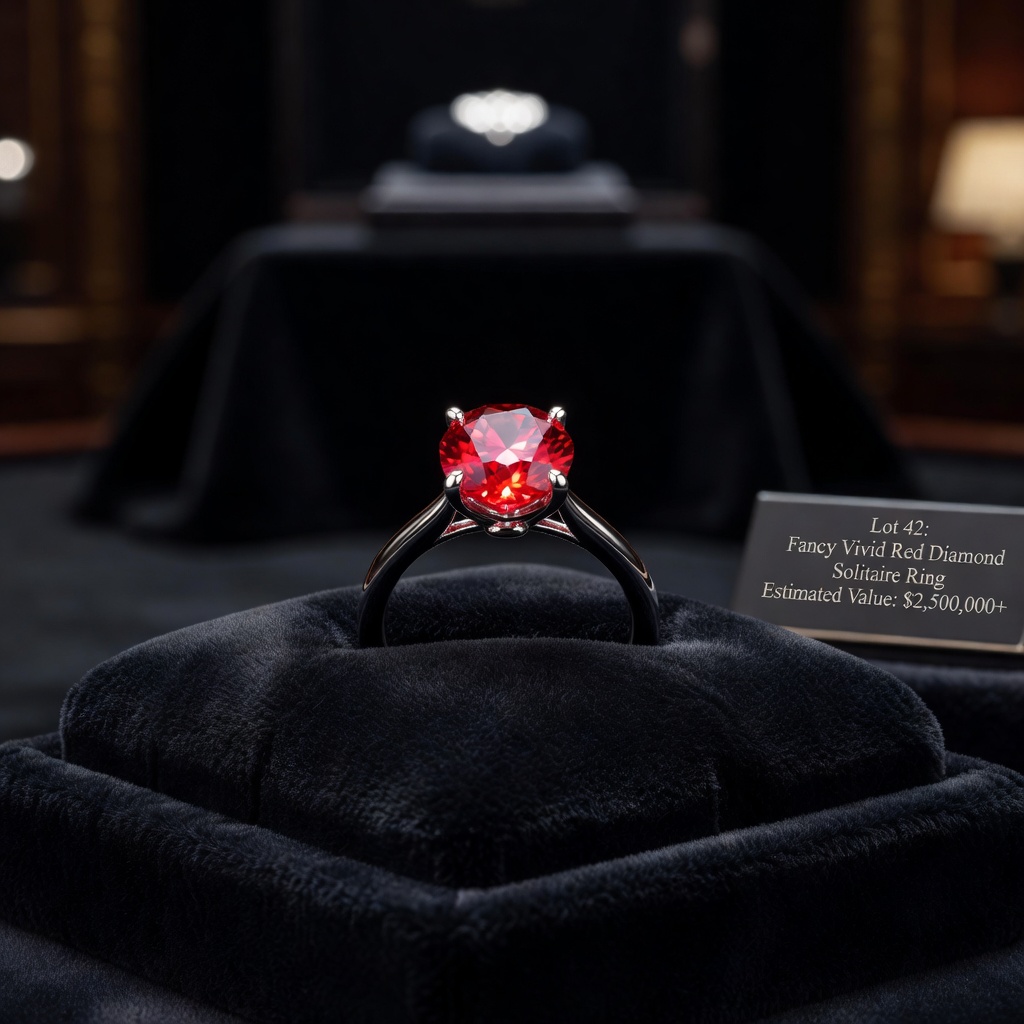
Contemporary demand patterns demonstrate robust growth across Asian markets, with collectors from Hong Kong, Singapore, and mainland China driving auction prices to record highs. Entry-level pink diamonds in the Fancy Light category typically range from $50,000 to $100,000 per carat, making them accessible to sophisticated jewelry enthusiasts seeking distinctive pieces. Mid-tier stones graded Fancy Intense command between $200,000 and $500,000 per carat, while investment-grade Fancy Vivid pinks regularly exceed $1 million per carat at major auction houses, with exceptional specimens reaching several million dollars per carat.
Understanding these price tiers requires recognizing that pink diamond valuation operates on a logarithmic rather than linear scale, where incremental improvements in color intensity create exponential value increases. For example, a 1-carat Fancy Light pink might retail for $80,000, while an equivalent Fancy Vivid stone could command $1.2 million—a fifteen-fold multiplier despite identical carat weights and clarities. This pricing structure reflects the geological reality that vivid saturation occurs in perhaps one out of every million carats of rough diamond material recovered globally.
The Color Grading Scale and Its Impact on Cost
The Gemological Institute of America (GIA) establishes the industry standard for pink diamond grading, utilizing a specialized color scale that progresses from Fancy Light through Fancy, Fancy Intense, and ultimately Fancy Vivid, with each tier representing dramatically different value propositions for collectors. Fancy pink diamond prices escalate non-linearly across these categories, with the jump from Fancy Intense to Fancy Vivid often representing the most significant financial hurdle, frequently doubling or tripling the stone's value instantaneously. This occurs because Fancy Vivid stones exhibit saturated color without darkening or lightness, representing the optimal balance of hue and tone that nature rarely produces.
Secondary hues significantly complicate valuation models, creating both opportunities and pitfalls for investors. Purple modifiers, resulting in "purplish pink" designations, generally enhance desirability and command premiums of 10-20% over pure pinks, as the purple component intensifies the face-up color appearance. Conversely, brownish or grayish secondary tones typically reduce values by 30-50%, though subtle brown modifiers in otherwise vivid stones sometimes create distinctive "rose gold" appearances that niche collectors actively seek. Orange modifiers represent a special category—extremely rare and highly prized—creating "orangey pink" stones that can exceed pure pink prices when the orange component remains subtle and warm rather than dominant.
Practical pricing examples illustrate these multipliers clearly: a 1.50-carat Fancy Light pink with good clarity might trade at $120,000 per carat, while the same weight in Fancy grade commands approximately $250,000 per carat. Upgrading to Fancy Intense pushes pricing to $400,000-$600,000 per carat, and achieving Fancy Vivid status elevates the stone to $1.5-$3 million per carat territory. These multipliers become even more pronounced in stones exceeding 2 carats, where color intensity rarity compounds with size scarcity to create truly extraordinary valuations.
Carat Weight vs. Price Per Carat Analysis
The relationship between size and value in pink diamonds follows an exponential curve that defies conventional gemstone pricing models, making pink diamond price per carat calculations essential for investment decision-making. Unlike white diamonds where price-per-carat increases gradually, pink diamonds experience dramatic valuation spikes at critical weight thresholds, particularly at the 1.00-carat, 2.00-carat, and 5.00-carat marks. These psychological barriers reflect the extreme rarity of larger rough crystals capable of yielding finished pink diamonds in these sizes, given that most Argyle rough yielded gems under 0.20 carats.
Investment analysis reveals strategic sweet spots within the 0.50 to 2.00-carat range that balance liquidity with appreciation potential. Stones between 0.50 and 0.99 carats offer the most accessible entry point for serious collectors, typically ranging from $50,000 to $300,000 depending on color intensity, while maintaining strong resale markets among jewelry enthusiasts. The 1.00 to 2.00-carat category represents the primary investment zone for high-net-worth individuals, as these stones appear regularly at major auctions, establishing clear price benchmarks while remaining liquid enough for portfolio rebalancing.
Size premiums create disproportionate value increases that reward patient capital. A 0.90-carat Fancy Intense pink might command $450,000 total ($500,000 per carat), whereas a visually identical 1.10-carat stone could reach $880,000 ($800,000 per carat)—nearly double the total price for a 22% weight increase. This phenomenon intensifies exponentially above 3 carats, where investment-grade pinks become auction-only propositions. For example, the 14.93-carat "Pink Promise" sold for $32.48 million in 2017, representing approximately $2.17 million per carat, while smaller stones of identical color grade might trade at $1 million per carat, demonstrating how size rarity creates super-premium valuations.
The Argyle Legacy: Why Origin Commands Premium Prices
The permanent closure of Rio Tinto's Argyle mine in November 2020 fundamentally restructured the global market for Argyle pink diamonds, transforming these stones from rare commodities into finite historical artifacts with documented provenance. Prior to closure, Argyle produced the overwhelming majority of the world's pink diamonds, yet even at peak production, the mine yielded only enough pink rough to fill a champagne glass annually. This supply constraint, combined with the mine's reputation for producing the most intensely colored pink diamonds ever discovered, has created a two-tier market where investment grade pink diamonds from Argyle command 20-50% premiums over equivalent stones from Brazilian, African, or Russian sources.
Provenance documentation has become as valuable as the stones themselves, with Argyle-specific certificates and laser inscriptions serving as authentication mechanisms that justify premium pricing. The annual Argyle Pink Diamonds Tender, which distributed the mine's 50-60 finest stones to invited bidders, established pricing benchmarks that continue influencing the secondary market. Stones bearing Argyle Tender provenance—particularly those from the final 2021 "Journey Beyond" collection—regularly achieve prices exceeding comparable non-Argyle stones by 40% at auction, as collectors recognize these as the definitive last production from the world's premier source.
Geological distinctions support these price differentials, as Argyle stones typically exhibit a distinctive "bubblegum" or "rosé" pink hue resulting from unique tectonic formation processes involving continental collision and rapid ascent through the earth's mantle. This color signature, combined with Argyle's reputation for superior clarity in fancy colors, means that origin-verified stones from closed production represent not merely jewelry but mineralogical history. Collectors increasingly view Argyle pink diamonds as "blue-chip" tangible assets comparable to vintage Bordeaux wines or pre-war sports cars—items where irreplaceable provenance drives investment performance independent of broader commodity cycles.
Cut Quality and Shape Considerations
In pink diamond evaluation, cut quality serves a fundamentally different purpose than in colorless stones, prioritizing color retention and face-up saturation over brilliance or fire optimization. Pink diamond grading for cut focuses on how effectively the proportions concentrate the body color when viewed from above, as poorly cut pinks can appear washed out or unevenly colored despite strong material. Master cutters working with pink rough must navigate impossible choices, often sacrificing potential carat weight to maximize color intensity—a decision that typically proves financially sound given the exponential premiums for vivid face-up appearance.
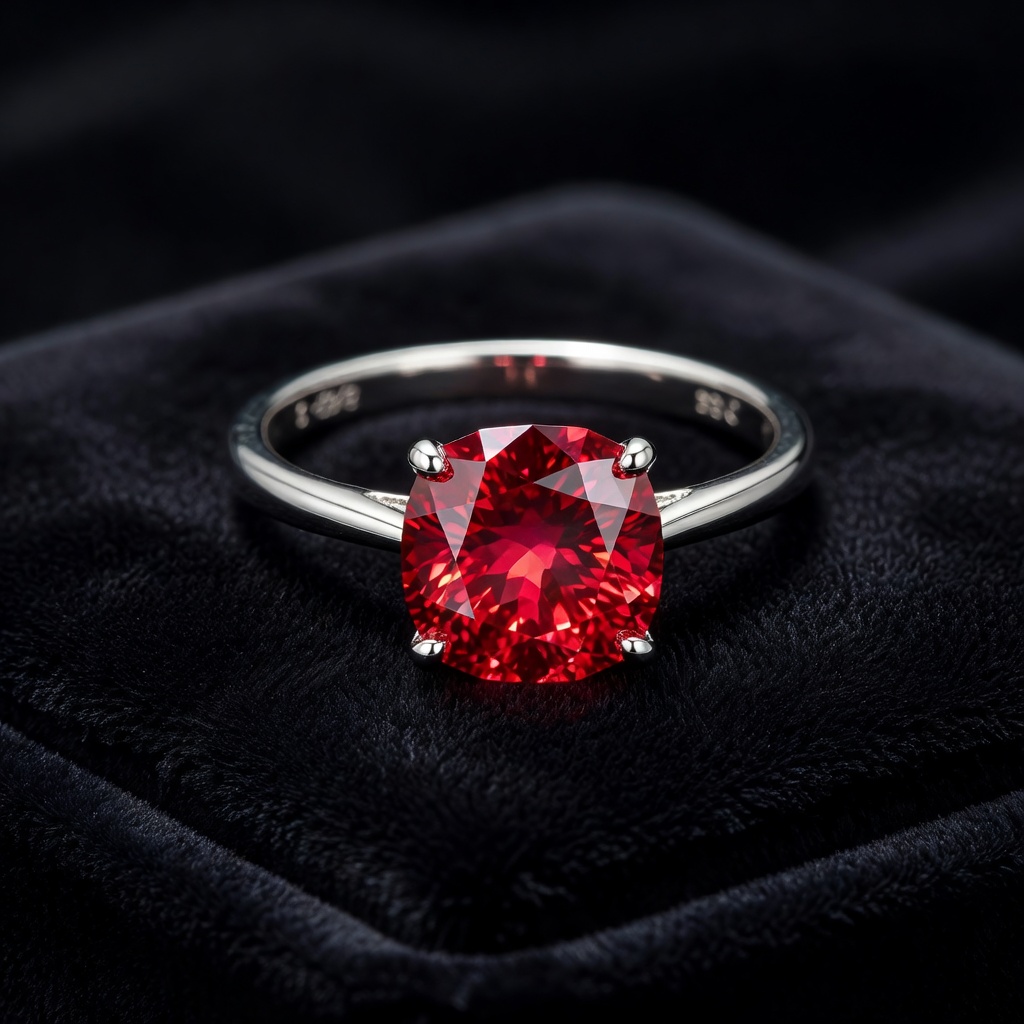
Radiant and cushion cuts dominate the investment market, commanding premiums of 10-15% over other shapes due to their superior ability to display uniform color saturation. These mixed cuts combine step-cut pavilion facets with brilliant-cut crowns, creating optical paths that amplify pink hue while maintaining acceptable brilliance. The cushion cut particularly excels with Argyle material, as its softened corners and large facets compensate for the slight brown modifiers common in Argyle rough, creating visually purer pink appearances. Pear and oval shapes follow closely in value, though buyers must inspect these carefully for "bow-tie" dark areas that disrupt color uniformity.
Round brilliant cuts, despite commanding premiums in white diamonds, actually trade at discounts in fancy pinks because their cutting style diffuses color concentration. A 1-carat round Fancy Intense pink might trade at $350,000 per carat, while a radiant cut of identical color and clarity commands $400,000 per carat, illustrating how shape preferences align with color optimization rather than traditional sparkle metrics. Emerald and Asscher cuts represent specialized markets where extreme clarity becomes essential, as these step cuts reveal inclusions easily while their broad tables create "windowing" that can dilute color intensity unless cut with exceptional skill.
Clarity Standards for Fancy Colored Diamonds
Clarity evaluation for pink diamonds follows paradoxical standards that contradict white diamond purchasing wisdom, establishing different tolerance thresholds that astute investors must understand to optimize value. While flawless pink diamonds command absolute premiums at auction, the category accepts eye-clean stones down to SI1 or even SI2 clarities without significant depreciation, provided inclusions don't disrupt color transmission or create durability risks. This reality stems from the fact that color saturation masks inclusions more effectively than colorless stones, meaning a heavily included pink diamond with vivid color often outperforms a flawless stone with pale color in both visual impact and investment appreciation.
The concept of "eye-clean" requires modification when examining natural pink diamond value propositions. Inclusions positioned under the table or along the girdle merit stricter scrutiny than those buried in pavilion facets, as these locations affect light return through the crown. Feather inclusions reaching the surface present structural concerns in any diamond, but pink buyers can safely consider stones with internal graining, crystals, or clouds that would downgrade colorless diamonds significantly. Price differentials between VS2 and VVS2 categories typically range only 5-10% for vivid pinks, compared to 20-30% in colorless stones, reflecting market prioritization of color over clarity.
Practical acquisition strategies suggest targeting VS1 to SI1 clarities for investment purposes, capturing 90% of the visual performance at 70% of the premium price commanded by IF/VVS stones. For example, a 2-carat Fancy Vivid pink graded VS2 might trade at $1.8 million per carat, while an identical VVS1 stone reaches $2.1 million per carat—a $600,000 total difference for clarity characteristics invisible without magnification. However, stones below SI2 warrant caution regardless of color, as heavy inclusions may indicate structural weakness or require specialized setting techniques that limit liquidity when reselling.
Natural vs. Lab-Grown Pink Diamond Price Comparison
The emergence of laboratory-grown pink diamonds has created a bifurcated market with radically different value propositions, necessitating careful distinction between natural vs lab grown pink diamonds for investment purposes. Current market pricing places high-quality lab-grown pink diamonds at approximately $2,000 to $10,000 per carat—representing 70-90% discounts compared to equivalent natural stones. While chemical, physical, and optical properties remain identical, the absence of geological rarity eliminates investment potential for synthetic stones, which depreciate similarly to technology products rather than appreciating like scarce natural resources.
Resale liquidity presents the starkest contrast between categories, as natural pink diamonds maintain active secondary markets through auction houses, dealer networks, and private sales with documented price appreciation. Lab-grown pinks effectively have no resale market; most dealers refuse to buy back synthetic stones, and those that do offer pennies on the dollar compared to purchase prices. This liquidity crisis reflects production scalability—laboratories can theoretically produce unlimited quantities of pink diamonds, whereas natural supply remains permanently constrained by geological factors and the Argyle mine's closure.
Detection and disclosure requirements have become increasingly sophisticated, with leading gemological laboratories employing advanced spectroscopy to distinguish natural from synthetic origins. The GIA's Colored Diamond Grading Report explicitly identifies "Laboratory-Grown" status, while natural stones receive "Natural Origin" designations. Buyers must verify laser inscriptions matching certificate numbers and request origin testing for any stone lacking established provenance. Red flags include prices significantly below market rates, vague descriptions like "created" or "cultured" without explicit synthetic disclosure, and sellers unable to provide GIA documentation. For investment portfolios, natural origin remains non-negotiable, as synthetic stones cannot replicate the store-of-value function that drives pink diamond investment demand.
Investment Potential and Market Trends
Investment grade pink diamonds have established track records as alternative assets, delivering compound annual growth rates of 10-15% over the past decade while exhibiting low correlation with traditional equity and bond markets. This performance stems from irreplaceable supply constraints—the Argyle mine's closure removed 90% of annual pink diamond production permanently—while demand accelerates among Asian ultra-high-net-worth individuals seeking portable wealth storage. Unlike gold or silver, which respond to mining discoveries and industrial demand, pink diamonds represent genuinely finite assets where destruction of existing stones through resetting or loss permanently reduces global supply.
Portfolio diversification benefits extend beyond appreciation rates to include wealth portability, privacy, and inflation hedging. A $5 million portfolio of Fancy Vivid pink diamonds fits literally in a pocket, crosses borders without reporting requirements in many jurisdictions, and maintains intrinsic value independent of currency fluctuations. Major auction houses reported record-breaking 2023 results, with Christie's and Sotheby's moving $400+ million in colored diamonds collectively, despite broader economic headwinds affecting other luxury categories. The 2024 outlook remains robust, with pre-Auction estimates suggesting continued demand for 1-3 carat Fancy Intense and Vivid stones as entry-level investment vehicles.
Historical auction data provides concrete performance benchmarks: the Williamson Pink Star, a 11.15-carat Fancy Vivid Pink, sold for $49.9 million in 2022 ($4.5 million per carat), while the larger but less saturated Graff Pink (24.78 carats) sold for $46 million in 2010 ($1.86 million per carat). This price evolution demonstrates how market education has increased appreciation for color intensity over mere size. For 2024 and beyond, industry analysts predict continued strength for stones with Argyle provenance, Fancy Vivid grades, and weights above 1.5 carats, while cautioning that treated or enhanced stones face declining liquidity as detection technology improves and natural-origin preferences strengthen among institutional collectors.
Certification and Authentication Essentials
Comprehensive documentation serves as the foundation of any legitimate Pink Diamond Price Guide, with GIA Colored Diamond Grading Reports functioning as the industry gold standard for authentication and valuation. These specialized reports differ significantly from standard diamond certificates, providing detailed color origin assessments that distinguish natural color from treated or laboratory-grown stones, along with hue descriptions that precisely define secondary colors and intensity grades. Investors should never consider pink diamonds lacking GIA certification, as alternative laboratories may lack the spectroscopic equipment or grading consistency to detect sophisticated treatments like High Pressure High Temperature (HPHT) annealing or irradiation that artificially enhance pink coloration.
Laser inscription verification provides crucial security, with reputable dealers ensuring that microscopic certificate numbers etched on the girdle match accompanying documentation exactly. For Argyle stones, additional provenance papers including Tender certificates or mine-of-origin documentation significantly enhance resale values and should be stored separately from the stones themselves. Advanced buyers increasingly request photoluminescence spectroscopy maps that create unique "fingerprints" of individual stones, serving as anti-theft measures and authentication tools that survive recutting or resetting attempts.
Red flags requiring immediate professional consultation include stones described merely as "pink diamonds" without natural origin guarantees, prices substantially below established market rates (suggesting undisclosed treatment or synthetics), and sellers reluctant to provide independent laboratory verification. Treated stones, while sometimes beautiful, trade at 80-90% discounts to natural equivalents and face virtually no resale market among serious collectors. When evaluating certification, verify that the report specifically states "Natural Color" rather than simply listing color grades, and examine the plotted inclusion diagram to ensure it matches the stone's actual characteristics under magnification. Establishing these authentication protocols before purchase protects against the sophisticated fraud attempts that inevitably target high-value pink diamond markets.
Frequently Asked Questions
How Much Does a 1 Carat Pink Diamond Cost?
A 1 carat pink diamond typically ranges from $100,000 to over $1 million depending on color intensity. Fancy Light pinks start around $100,000-$200,000 per carat, while Fancy Vivid pinks can exceed $1-2 million per carat at auction.
Why Are Pink Diamonds So Expensive Compared to White Diamonds?
Pink diamonds command premium prices due to extreme rarity—they represent less than 0.01% of global diamond production. The closure of Australia's Argyle mine in 2020 further constrained supply, while growing Asian demand continues driving prices upward.
Are Pink Diamonds a Good Investment in 2024?
Pink diamonds have historically appreciated 10-15% annually, outperforming traditional investments. With the Argyle mine closed and no new major discoveries, investment-grade stones (Fancy Intense and Vivid) remain strong alternative assets for portfolio diversification.
What Is the Most Expensive Pink Diamond Ever Sold?
The CTF Pink Star (now Williamson Pink Star) holds the record at $71.2 million for a 59.60-carat Fancy Vivid Pink diamond, approximately $1.19 million per carat. This 2017 sale demonstrated the extraordinary value of large, vivid pink stones.
Do Lab-Grown Pink Diamonds Hold Their Value?
Lab-grown pink diamonds typically cost 70-80% less than natural stones but lack investment value and resale liquidity. While chemically identical, they lack the geological rarity that drives natural pink diamond appreciation and collector demand.
How Do I Verify a Pink Diamond Is Natural and Untreated?
Always request a GIA Colored Diamond Grading Report, which identifies natural versus lab-grown origin and detects treatments like HPHT annealing or irradiation. Look for laser inscriptions matching the certificate and purchase from established dealers with return policies.
What Color Grade Offers the Best Value for Collectors?
Fancy Intense pink diamonds often provide the best value proposition, offering strong visual impact at 30-50% lower prices than Fancy Vivid grades. Fancy Light pinks offer entry-level investment potential, particularly in larger carat weights above 2 carats.
Where Is the Best Place to Buy Investment-Grade Pink Diamonds?
Purchase from established auction houses (Sotheby's, Christie's) for rare specimens, or reputable colored diamond specialists with GIA gemologists on staff. Avoid retail jewelry chains; instead seek dealers specializing in fancy colored diamonds with transparent pricing and buy-back guarantees.