Pink Diamond Care and Cleaning: A Comprehensive Guide
Pink diamonds represent the pinnacle of rare gemstone luxury, with their delicate rose hues commanding premium prices in the global market. Unlike their colorless counterparts, these fancy colored diamonds require specialized attention to maintain both their breathtaking beauty and significant investment value. Whether you own a cherished Argyle pink diamond ring or a stunning blush-colored pendant, understanding proper maintenance protocols ensures your precious stone retains its brilliance for generations. This comprehensive guide explores everything from daily wear precautions to professional conservation techniques, providing you with actionable strategies to protect one of nature's most extraordinary creations.
Understanding Pink Diamond Rarity and Value Preservation
Pink diamonds demand a level of care that exceeds standard diamond maintenance protocols due to their extreme rarity and unique geological formation. Unlike white diamonds that form through typical carbon crystallization processes, pink diamonds acquire their color through a specific distortion in the crystal lattice structure known as plastic deformation, making them millions of times rarer than conventional diamonds. This extraordinary rarity means that even minor damage or improper cleaning can significantly impact both the aesthetic appeal and market value of your stone. Investors and collectors particularly favor fancy pink diamond maintenance strategies that prioritize long-term preservation over convenience.
The Argyle mine in Western Australia, which produced approximately 90% of the world's pink diamonds before its closure in 2020, established unprecedented standards for these gemstones' value trajectory. Stones from this legendary mine have appreciated dramatically, with some increasing over 500% in value over the past two decades. Proper care directly correlates with resale potential, as GIA-certified stones with documented maintenance histories command premium prices at auction houses. Any negligence in cleaning routines or storage protocols can lead to microscopic abrasions or setting damage that professional gemologists must disclose during appraisal, potentially reducing your investment's liquidity.
Color stability represents another critical consideration for pink diamond owners, particularly those possessing treated or enhanced stones. While natural pink diamonds maintain their color indefinitely under normal conditions, certain heat-treated or irradiated varieties may exhibit sensitivity to extreme temperature fluctuations. The unique internal graining characteristic of pink diamonds also means that harsh cleaning methods can potentially stress these structural features. Understanding these nuanced requirements allows collectors to implement preventive measures that safeguard both the physical integrity and chromatic stability of these extraordinary gemstones.
Pink Diamond Durability and Structural Properties
Although pink diamonds rank 10 on the Mohs hardness scale, sharing the top position with all diamond varieties, this measurement only indicates resistance to scratching rather than overall toughness. The same structural anomalies that create the pink coloration—specifically the distortion of the crystal lattice—can occasionally create planes of weakness within the stone. These internal characteristics make fancy pink diamond maintenance particularly important when considering daily wear scenarios. While your pink diamond won't scratch easily, a sharp blow at the right angle could potentially cleave the stone along these natural stress points.
Natural inclusions, visible under magnification as tiny crystals, feathers, or clouds, occur frequently in pink diamonds and require gentle handling during both wear and cleaning. Unlike colorless diamonds where inclusions might be purely cosmetic concerns, in pink stones these characteristics can affect how light travels through the crystal structure, influencing the intensity of the pink hue. Fracture-filled diamonds, sometimes marketed as "clarity enhanced," present additional vulnerabilities as the filling material can degrade or discolor when exposed to heat or aggressive cleaning solutions. Before implementing any pink diamond care and cleaning routine, owners should verify whether their stone has undergone treatment processes that might limit cleaning options.
Heat sensitivity varies significantly between natural and treated pink diamonds, with some color-enhanced stones risking permanent color alteration when exposed to temperatures above 300 degrees Celsius. Professional jewelers must exercise extreme caution when performing repairs or resizing on pink diamond jewelry, as standard soldering techniques can potentially damage these sensitive stones. When purchasing pink diamonds, always request documentation regarding any treatments applied, as this information directly impacts the appropriate maintenance protocols. Understanding these structural nuances empowers owners to make informed decisions about when to wear their jewelry and which cleaning methods remain safest for their specific stone.
Daily Wear Guidelines to Prevent Damage
Protecting your investment begins with conscious decisions about when and how you wear your pink diamond jewelry throughout daily activities. Gardening, household cleaning, and gym workouts present significant risks, as sudden impacts against hard surfaces can chip even the hardest gemstones. Kitchen activities require particular caution, as thermal shock from moving between hot ovens and cold countertops can stress metal settings, potentially loosening prongs that secure your rare pink diamond protection strategy. Additionally, abrasive materials like sand or concrete can scratch precious metal mountings, creating rough surfaces that may eventually abrade the diamond's facet junctions.
Personal care products pose subtle but cumulative threats to pink diamond brilliance over time. Lotions, sunscreens, and makeup create a film over the diamond's surface that diminishes light return, making the stone appear dull and lifeless. These substances can also accumulate beneath the stone in the setting, creating a breeding ground for bacteria while potentially corroding certain metals. Skin oils naturally transfer to jewelry during wear, combining with environmental dust to create a stubborn residue that requires more than simple rinsing to remove. Establishing a routine of putting on your pink diamond jewelry last—after applying cosmetics, perfumes, and hair products—significantly reduces chemical exposure.
Proper handling techniques when donning or removing delicate settings prevent accidental drops and reduce stress on prongs. Always grasp rings by the band rather than the stone or setting, as finger pressure on the diamond can loosen tension settings over time. When removing necklaces or bracelets, secure the clasp mechanism fully before letting go to prevent the jewelry from falling onto hard surfaces. For pieces with intricate pavé settings or multiple small pink diamonds, consider using a soft towel over your bathroom sink to cushion any accidental drops. These mindful practices form the foundation of effective rare pink diamond protection, preserving both the stone and its setting through years of enjoyment.
Safe At-Home Cleaning Techniques
Maintaining the fire and brilliance of your pink diamond requires regular cleaning using methods that effectively remove buildup without risking damage to the stone or setting. A proper pink gemstone cleaning solution begins with warm water—not hot, as excessive heat can expand metal settings and potentially loosen the stone—mixed with a few drops of mild dish soap free from moisturizers or harsh detergents. Create this solution in a clean bowl rather than directly over a sink, eliminating the risk of losing your jewelry down the drain. Allow the piece to soak for twenty to thirty minutes, permitting the soapy water to penetrate beneath the stone where oils and debris commonly accumulate.
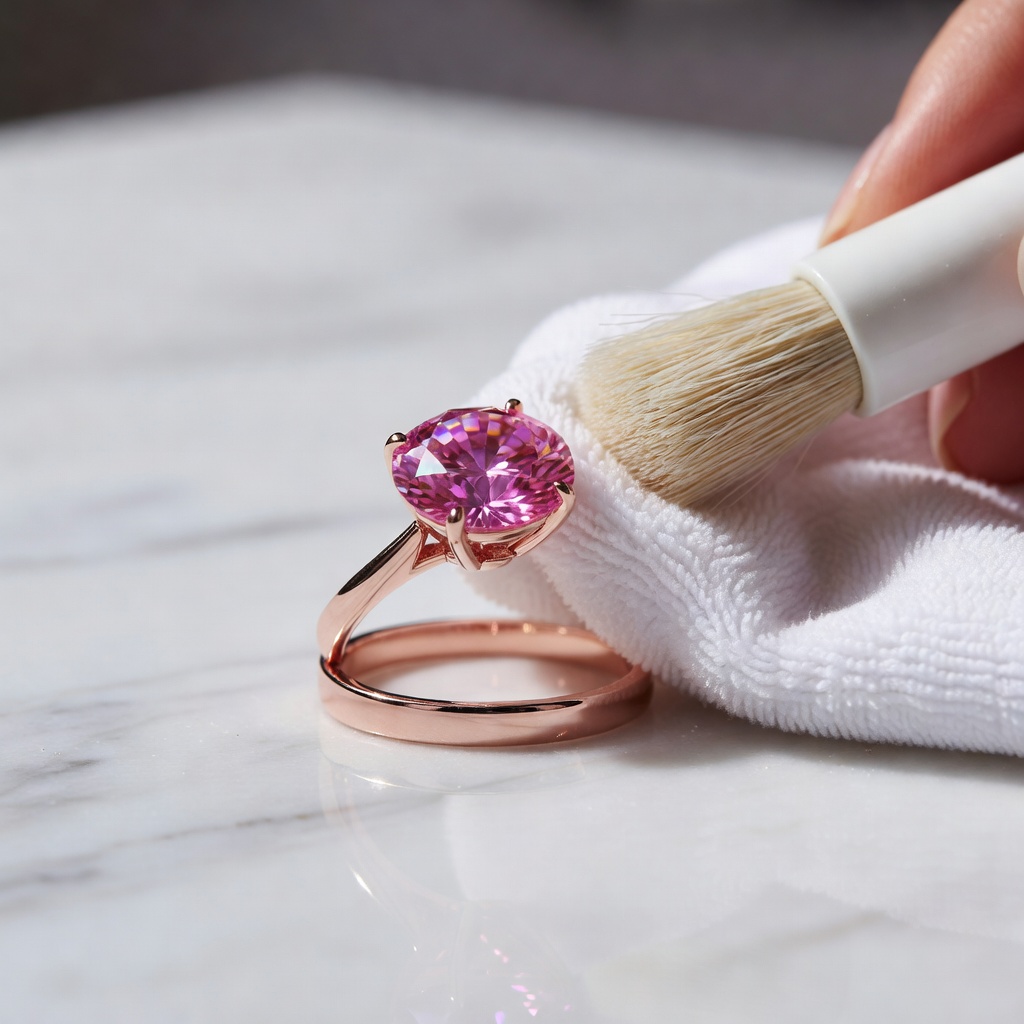
Agitation should occur through gentle brushing using a soft-bristled toothbrush reserved exclusively for jewelry cleaning, never using brushes with stiff or worn bristles that might scratch metal settings. Focus particularly on the pavilion and the area beneath the stone, where skin oils and soap scum create the most significant dulling effects. Move the brush in gentle circular motions rather than aggressive scrubbing, paying special attention to prong areas where debris often collects. For intricate vintage settings or pieces with multiple small pink diamonds, consider using a cosmetic brush with ultra-soft bristles to navigate tight spaces without risking dislodging smaller accent stones.
Rinsing requires thoroughness to prevent soap residue from creating a film that attracts future dirt and diminishes brilliance. Use warm running water, cupping your hands to catch the jewelry should it slip, ensuring all soap traces wash away from both the diamond surface and the setting's underside. Drying represents a critical final step in cleaning pink diamond jewelry, as water spots can temporarily dull the appearance and trapped moisture can encourage tarnishing in certain metals. Pat the piece gently with a lint-free microfiber cloth or a clean, unbleached cotton towel, avoiding paper towels that can scratch metal surfaces. Allow the jewelry to air dry completely on the cloth for several minutes before storing or wearing.
Cleaning frequency should align with wear patterns to prevent excessive buildup without subjecting the piece to unnecessary handling. Daily-worn pink diamond rings benefit from bi-weekly cleaning using the soap solution method, while pieces worn occasionally require only monthly maintenance. However, immediate cleaning becomes necessary after exposure to chlorine, saltwater, or significant cosmetic products. Between deep cleanings, maintain brilliance by wiping the stone with a microfiber cloth after each wear to remove skin oils and environmental pollutants.
Professional Maintenance and Inspection Schedules
While home maintenance forms the backbone of jewelry care, professional diamond cleaning and inspection services provide essential structural assessments that prevent catastrophic stone loss. Schedule visits with a qualified jeweler every six to twelve months for prong checking, tightening, and comprehensive cleaning using specialized equipment. During these appointments, professionals examine the setting under magnification to identify worn prongs, thinning channels, or loose stones that routine wear gradually compromises. For pink diamonds set in delicate designs such as halo settings or eternity bands, quarterly inspections may prove prudent given the complexity of securing multiple stones.
Ultrasonic and steam cleaning, while standard for many diamond varieties, require careful consideration when applied to pink diamonds. These methods utilize high-frequency sound waves or pressurized steam to dislodge debris from hard-to-reach areas, but they present risks for stones with significant inclusions, fracture fillings, or heat treatments. The vibrations from ultrasonic cleaners can potentially expand existing feathers or internal fractures, while steam heat may affect certain color treatments. Always disclose your stone's treatment history and request manual cleaning methods if any doubt exists regarding the diamond's structural integrity or enhancement status.
Selecting the right professional proves crucial for fancy colored diamond care, as these specialists understand the unique vulnerabilities of pink stones versus their colorless counterparts. Seek certified gemologists affiliated with the American Gem Society (AGS) or Gemological Institute of America (GIA) who possess specific experience with Argyle and other fancy pink diamonds. These experts recognize that aggressive polishing compounds can potentially alter the surface characteristics of pink diamonds, opting instead for gentle ultrasonic baths or steam cleaning only when appropriate. They also provide documentation of the stone's condition during each visit, creating a maintenance history that supports future valuations or insurance claims.
Professional deep cleaning procedures often include rhodium plating for white gold settings, polishing to remove surface scratches from the metal, and checking the integrity of gallery work beneath the stone. Some high-end jewelers offer ionic cleaning systems that safely remove buildup without mechanical agitation, ideal for vintage pink diamond pieces with fragile settings. When scheduling professional maintenance, request that the jeweler perform these services before you witness the cleaning process, ensuring transparency regarding methods used. This professional oversight complements your home care routine, addressing structural issues while restoring the maximum brilliance that professional-grade equipment achieves.
Optimal Storage Solutions for Long-term Protection
Proper storage when your pink diamond jewelry rests protects against scratches, environmental damage, and accidental loss more effectively than any cleaning regimen. Each piece requires individual compartmentalization in soft fabric pouches, lined jewelry boxes with separate dividers, or acid-free tissue paper wrapping to prevent contact with harder gemstones or metal edges. Pink diamonds, while hard, can scratch other jewelry pieces, and their settings—particularly those with exposed prongs—can catch on delicate fabrics or become entangled with chain necklaces. Implementing rigorous pink diamond storage tips ensures that your investment remains pristine during periods of non-use.
Environmental control significantly impacts the longevity of both the diamond and its mounting. Store jewelry in a cool, dry location away from direct sunlight, which can fade certain colored gemstones and potentially affect heat-treated pink diamonds over extended periods. Humidity control prevents tarnishing in silver settings and reduces the risk of corrosion in prongs that secure the stone. Consider including silica gel packets or activated charcoal in your jewelry box to absorb ambient moisture, replacing these desiccants every few months to maintain effectiveness. For platinum or white gold settings, anti-tarnish strips provide additional protection against the oxidation that dulls metal brilliance.
Travel presents unique challenges requiring specialized portable storage solutions. Hard-sided travel cases with individually padded slots prevent crushing damage during transit, while soft pouches suffice for carrying single pieces in a purse or carry-on luggage. Never pack pink diamond jewelry in checked luggage where temperature fluctuations and rough handling pose significant risks. Hotel room safes provide security but often lack humidity control, making it advisable to store pieces in sealed plastic bags with anti-tarnish strips when using these facilities for extended periods. For frequent travelers, consider a small, portable jewelry roll with transparent plastic pockets that allow visual identification without handling.
Long-term storage for investment-grade pink diamonds or heirloom pieces warrants additional precautions. Bank safe deposit boxes offer superior security and climate stability, though they require insurance riders since bank policies rarely cover contents. When storing for years rather than weeks, clean the piece thoroughly to remove skin oils that might etch metal settings over time, and include detailed documentation with the stored item. Photograph the jewelry from multiple angles before storage to document condition, updating these images annually if the piece remains in long-term safekeeping. These meticulous storage protocols preserve both the physical condition and provenance documentation essential for rare colored diamonds.
Chemicals and Environmental Hazards to Avoid
Chemical exposure represents one of the most significant threats to pink diamond jewelry, potentially damaging both the stone's brilliance and the structural integrity of its setting. Common household cleaners containing bleach, ammonia, or chlorine can erode gold alloys and pit platinum surfaces, compromising the prongs that hold your diamond securely. Even "gentle" cleaning products like vinegar or baking soda solutions can create microscopic pitting on metal surfaces over time, creating weak points where prongs might eventually fail. When engaging in household chores, remove your pink diamond jewelry completely rather than simply pushing rings up your arm, as chemicals can seep into gloves or contact the piece during incidental touching.
Swimming pools and hot tubs present particular dangers due to concentrated chlorine levels that aggressively attack precious metals. While chlorine won't directly damage the diamond crystal, it dissolves the molecular structure of gold alloys, particularly the nickel and zinc components in white gold, causing prongs to become brittle and snap. Saltwater poses similar risks through corrosion mechanisms, while sandy beaches introduce abrasive particles that can scratch metal settings. Ocean swimming also carries the risk of thermal shock when moving between hot sun and cool water, potentially stressing metal settings. Always remove pink diamond rings before swimming, showering, or bathing to prevent soap scum buildup and chemical exposure.
Personal care products contain solvents and alcohols that can dull diamond brilliance and degrade certain treatments. Hairsprays create sticky coatings that attract atmospheric pollutants, while perfumes and colognes often contain alcohol that can dissolve oils used in fracture-filled diamonds. Lotions and sunscreens contain minerals that leave stubborn residues requiring professional cleaning to remove completely. Apply these products before putting on your jewelry, allowing them to dry completely to minimize contact. When selecting a pink gemstone cleaning solution, verify that it contains no alcohol, acetone, or chlorine bleach, as these substances can damage both natural and treated stones.
Thermal shock presents a less obvious but equally serious risk to pink diamond settings. Moving rapidly between extreme temperatures—such as from a freezing winter environment into a heated building, or from hot-tub heat into a cold pool—causes metals to expand and contract rapidly. This thermal stress can loosen prongs or create micro-fractures in the setting that eventually lead to stone loss. Similarly, placing pink diamond jewelry near heating vents, radiators, or in cars during summer heat can expose stones to temperatures that might affect color treatments. Allow jewelry to acclimate gradually to temperature changes, and never leave pieces in direct sunlight on windowsills or in vehicles where greenhouse effects can create extreme heat.
Restoring Brilliance to Dull or Dirty Pink Diamonds
Even with diligent home maintenance, pink diamonds occasionally develop a cloudy or dull appearance that resists standard cleaning methods, signaling the need for professional intervention. This cloudiness often results from accumulated buildup beneath the stone where home cleaning tools cannot reach, or from microscopic scratches on the diamond's surface that scatter light rather than allowing it to reflect efficiently. When your pink diamond care and cleaning routine fails to restore the stone's characteristic fire and scintillation, professional evaluation becomes necessary to distinguish between surface issues and potential structural damage. A reputable jeweler can examine the stone under magnification to determine whether the dullness stems from dirt, damage, or degradation of any fracture-filling materials.
Professional restoration options include ultrasonic cleaning with specialized solutions, steam cleaning at controlled pressures, and mechanical polishing of the metal setting to restore reflectivity. For white gold mountings, re-rhodium plating restores the bright white finish that enhances the pink diamond's color contrast, making the stone appear more vibrant. Some jewelers offer high-pressure steam cleaning that removes buildup from the pavilion and girdle areas without submerging the stone in potentially harmful chemicals. These procedures should only be performed by technicians experienced with fancy colored diamonds, as they understand the specific vulnerabilities of pink stones compared to colorless varieties.
Addressing cloudiness requires diagnostic precision to determine whether the issue lies with the diamond itself or the setting. True damage to the diamond, such as chipped facets or internal feathering that has expanded, requires different solutions than simple cleaning. In some cases, a professional "diamond dip" in specialized cleaning solution followed by careful steaming restores brilliance to stones dulled by particularly stubborn cosmetics or environmental pollutants. For vintage pieces with worn settings, restoration might include rebuilding prongs or tightening bezels to ensure the stone sits properly, allowing light to enter and exit at optimal angles for maximum brilliance.
Emergency cleaning solutions for special occasions should prioritize safety over convenience. While commercial jewelry cleaning dips offer quick results, many contain harsh chemicals unsuitable for pink diamonds, particularly treated stones. Instead, request that your jeweler perform an express cleaning service the day before important events, ensuring maximum brilliance without risking damage from last-minute home remedies. If immediate cleaning becomes absolutely necessary, stick to the mild soap method described previously, extending the soaking time to forty-five minutes and using a wooden toothpick (never metal) to gently dislodge visible debris from setting crevices. This cautious approach maintains the integrity of your pink diamond while providing acceptable temporary brilliance for important occasions.
Insurance and Documentation Best Practices
Protecting the financial investment in pink diamonds extends beyond physical care to comprehensive insurance and documentation protocols that safeguard against loss, theft, or damage. Given the extraordinary value of fancy pink diamonds, particularly Argyle specimens, standard homeowner's insurance policies typically provide inadequate coverage, necessitating specialized jewelry riders or separate fine arts policies. These specialized coverages should account for the volatile market value of pink diamonds, which can appreciate significantly year over year, requiring updated appraisals every two to three years for investment-grade stones. Proper fancy pink diamond maintenance documentation supports these valuations, providing insurers with evidence that the stone has been properly cared for and retained its condition.
Photographic documentation serves as crucial evidence for insurance claims and police reports in cases of theft or loss. Maintain high-resolution images showing the stone from multiple angles, including close-ups of unique inclusions that serve as identifying characteristics. Videos demonstrating the stone's brilliance and fire under different lighting conditions provide additional identification markers that discourage fraud and aid recovery efforts. Store these digital files in cloud-based systems separate from your home, ensuring access even if physical documentation becomes compromised during a burglary or natural disaster.
GIA certification and grading reports form the backbone of your pink diamond's identity and value proposition. The GIA Colored Diamond Grading Report specifically documents the stone's hue, tone, and saturation, along with any treatment history that affects value and care requirements. Store original certificates in fireproof safes or safe deposit boxes, carrying only photocopies when traveling with the jewelry. Some owners opt for laser inscription of the GIA report number on the diamond's girdle, providing permanent identification that links the stone to its documentation regardless of setting changes or ownership transfers.
Insurance coverage specifics require careful review to ensure comprehensive protection for rare pink diamonds. Verify that your policy covers "mysterious disappearance," a clause that protects against unexplained loss rather than requiring proof of theft. Replacement value policies should specify that replacements match the quality and rarity of the original Argyle or fancy pink diamond rather than providing generic substitutions. For stones exceeding $100,000 in value, consider carriers specializing in high-net-worth insurance products that offer agreed-value settlements rather than replacement options. Maintain receipts from professional diamond cleaning services and inspection reports as evidence of proper maintenance, as some insurers require proof of care to process claims related to stone loss from worn settings.
Frequently Asked Questions
How often should I clean my pink diamond jewelry at home?
Clean pink diamond jewelry every two weeks with mild soap and warm water if worn regularly. For occasional wear, monthly cleaning suffices. Professional cleaning is recommended every 6-12 months to check settings and restore maximum brilliance.
Can I use ultrasonic cleaners on pink diamonds?
While natural pink diamonds can typically withstand ultrasonic cleaning, treated or fracture-filled stones may be damaged. Always consult your GIA certificate or jeweler first. When in doubt, stick to gentle manual cleaning with soft brushes.
What is the best homemade solution for cleaning pink diamonds?
Mix warm (not hot) water with a few drops of mild dish soap. Soak for 20-30 minutes, gently brush with a soft toothbrush, rinse thoroughly, and pat dry with a lint-free cloth. Avoid harsh chemicals like bleach or ammonia.
Do pink diamonds lose their color over time with regular wear?
Natural pink diamonds are color-stable and won't fade with normal wear or cleaning. However, exposure to extreme heat or certain radiation treatments (in enhanced stones) could potentially affect color. Store away from direct sunlight for extended periods.
Should I insure my pink diamond separately from other jewelry?
Yes, due to their high value and rarity, pink diamonds should have individual riders on your insurance policy. Ensure coverage includes mysterious disappearance and replacement value based on current market prices, especially for Argyle pink diamonds.
Can chlorine damage my pink diamond ring?
Chlorine won't damage the diamond itself but can erode gold and platinum settings over time, potentially causing stone loss. Always remove pink diamond jewelry before swimming in pools or using hot tubs.
How should I store pink diamond rings when not wearing them?
Store each piece separately in soft fabric pouches or lined jewelry box compartments to prevent scratching. Keep in a cool, dry place away from direct sunlight. Use anti-tarnish strips for silver settings and avoid plastic bags that trap moisture.
Is professional cleaning necessary if I clean my pink diamond at home regularly?
Yes, professional cleaning is essential because jewelers inspect prongs, settings, and structural integrity that home cleaning cannot address. They also have specialized equipment to remove buildup from hard-to-reach areas without risking damage to the stone.