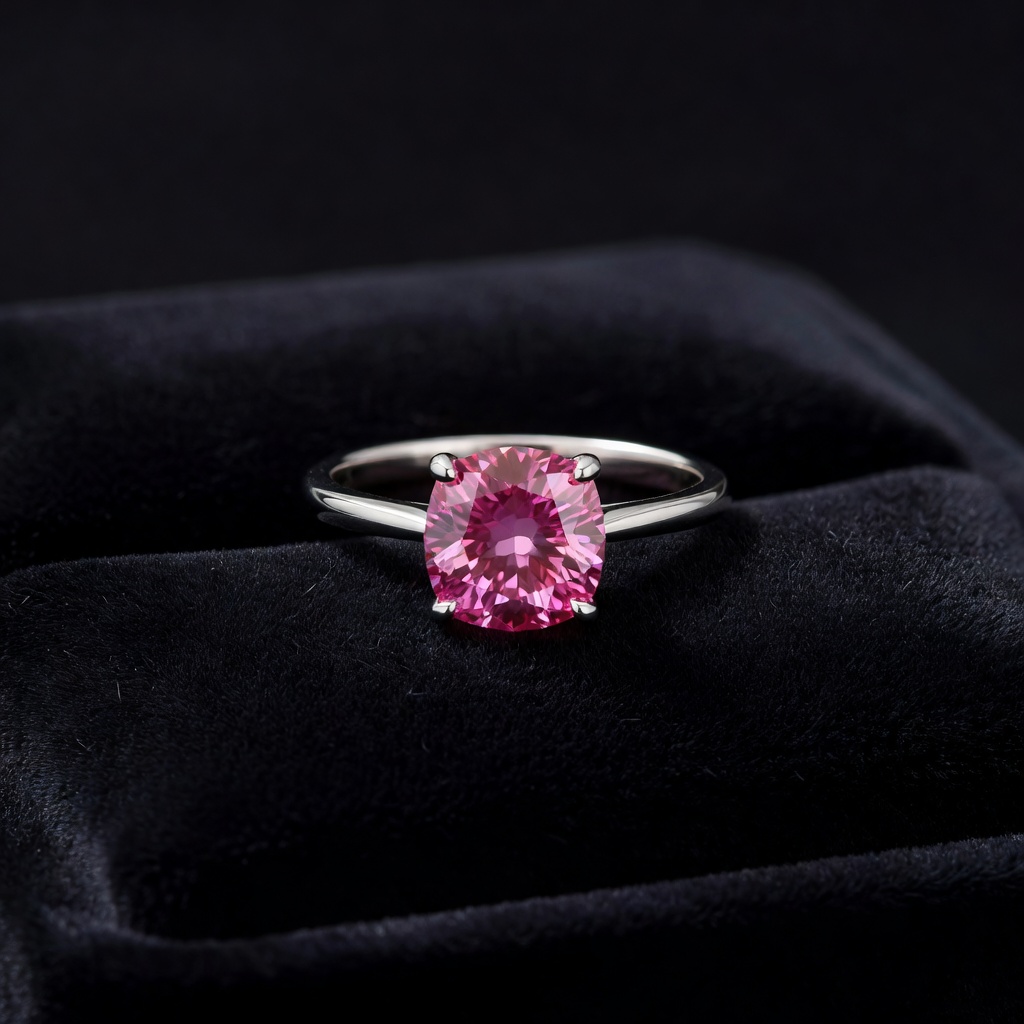
The Rarity and Formation of Natural Pink Diamonds
Natural pink diamonds represent one of nature's most extraordinary geological phenomena, formed through a unique process called plastic deformation that occurs deep within the Earth's mantle. Unlike other colored diamonds that owe their hues to trace elements such as nitrogen or boron, pink diamonds derive their delicate to intense color from structural defects in the crystal lattice. During their journey to the surface, immense heat and pressure cause distortions in the diamond's atomic structure that alter how light passes through the stone, creating the pink coloration that ranges from soft blush to vivid magenta. This geological rarity makes natural pink diamonds among the most sought-after gemstones in the world, with less than 0.0001% of all diamonds mined exhibiting this coveted natural color.
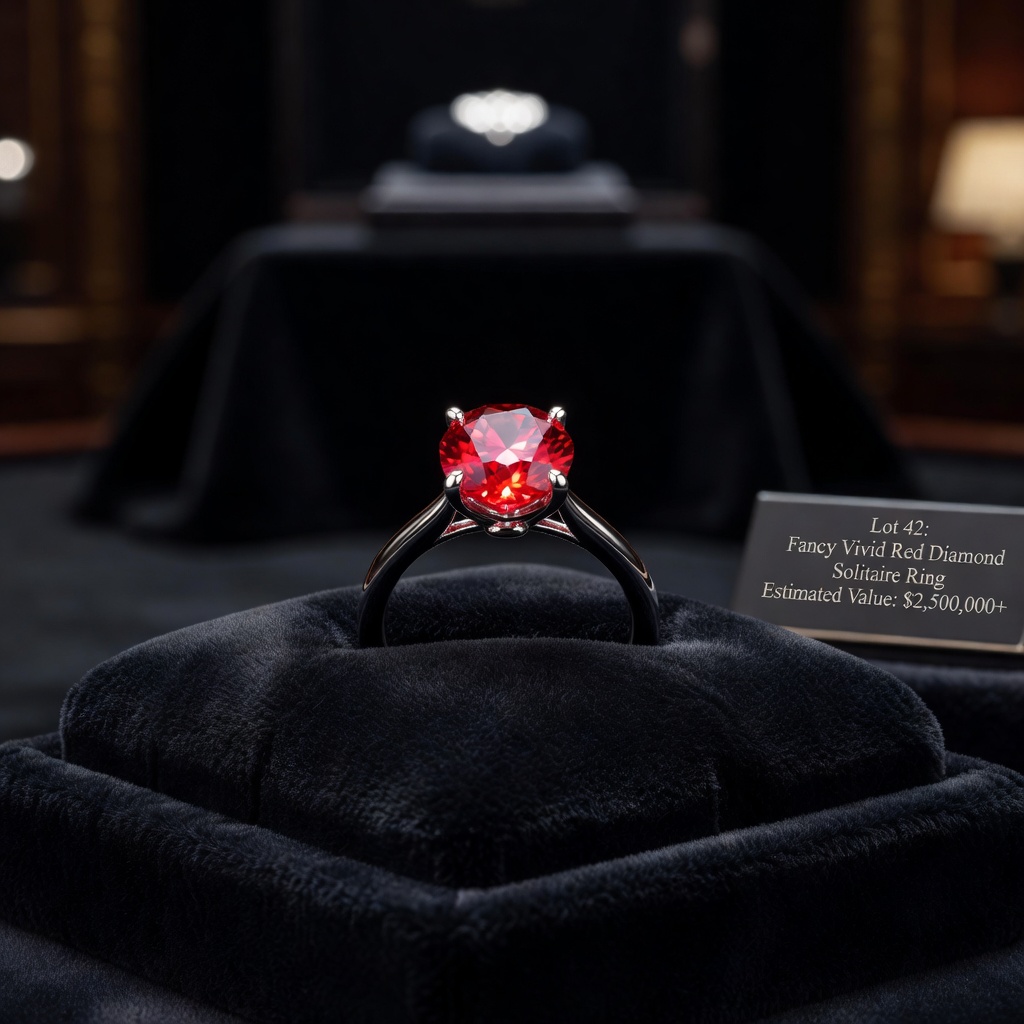
The statistical improbability of encountering these rare pink diamonds has elevated them to legendary status within the jewelry industry and auction houses alike. To put this rarity into perspective, for every one million carats of rough diamonds extracted from mines globally, only a single carat of rough pink diamond material is discovered, and only a fraction of that yields gem-quality stones suitable for cutting. This extreme scarcity has driven historical prices to unprecedented levels, with famous stones like the 24.78-carat Graff Pink selling for $46 million in 2010, and the magnificent 59.60-carat Pink Star (now known as the CTF Pink Star) commanding $71.2 million at auction in 2017. These record-breaking sales underscore not only the aesthetic appeal of these gems but also their recognition as portable stores of wealth and cultural significance.
Beyond their geological formation and investment potential, pink diamonds carry profound emotional resonance that transcends their material value. Symbolizing love, romance, and feminine energy, these gems have become increasingly popular for engagement rings celebrating milestone anniversaries, particularly the rare 25th and 30th anniversary milestones. The color pink itself evokes compassion and nurturing qualities, making these diamonds meaningful heirlooms passed through generations. When selecting a natural pink diamond for jewelry purposes, buyers should consider that the emotional significance combined with geological rarity creates a unique value proposition that distinguishes these stones from other luxury assets, offering both sentimental and financial appreciation potential over time.
Decoding Pink Diamond Color Grading
Understanding the nuances of fancy pink diamond grading requires familiarity with the Gemological Institute of America's specialized color scale, which differs significantly from the D-to-Z grading system used for white diamonds. The GIA pink diamond grading scale progresses from Fancy Light Pink through Fancy Pink, Fancy Intense Pink, and culminates in Fancy Vivid Pink and Fancy Deep Pink, with each ascending grade representing exponentially greater rarity and value. Fancy Vivid pinks represent the pinnacle of color saturation, displaying the most concentrated and pure pink hue without appearing dark or muddy, while Fancy Deep pinks offer a rich, velvety appearance that appeals to collectors seeking dramatic presence. When evaluating stones for purchase, remember that even slight variations within these grades can result in price differences of 100% or more per carat, making professional grading reports essential for verifying claims.
Secondary hues significantly influence both the visual appeal and market value of pink diamonds, requiring careful consideration during the selection process. Pure pink diamonds command the highest premiums, but most specimens exhibit modifying colors described as purplish-pink, orangy-pink, or brownish-pink on GIA certificates. Purplish secondary hues generally enhance desirability and value, creating the highly prized "bubblegum" or "rosy" appearance that collectors covet, whereas brownish modifiers typically diminish value despite sometimes creating attractive "chocolate pink" aesthetics. Orangy-pink diamonds, sometimes marketed as "salmon" or "coral" pinks, occupy a middle ground in pricing but offer unique warm tones that complement rose gold settings beautifully. When examining a potential purchase, always view the stone in various lighting conditions—natural daylight, incandescent, and LED—to assess how these secondary hues manifest in real-world wear rather than relying solely on laboratory descriptions.
Color distribution represents another critical factor in fancy pink diamond grading that affects both beauty and investment potential, yet remains poorly understood by many buyers. Even color distribution across the entire face of the diamond indicates superior cutting and rough material utilization, while uneven distribution—where patches of intense color alternate with lighter areas—can significantly reduce value despite attractive face-up appearance. Savvy buyers should examine stones from the side and bottom to evaluate body color versus face-up color, as some diamonds undergo cutting techniques that concentrate color on the crown (top) while the pavilion (bottom) appears nearly colorless. This practice, while legitimate, means the stone may face up more intensely than its body color would suggest, potentially affecting long-term value retention if future recutting becomes necessary. Always request to view the stone loose (unmounted) against a white background to accurately assess color zoning and distribution patterns.
The Argyle Mine Legacy: Why Origin Matters
The 2020 closure of Rio Tinto's Argyle mine in Western Australia marked a watershed moment for the fancy colored diamond market, fundamentally altering the supply dynamics for Argyle pink diamonds that had dominated the industry for nearly four decades. This single subterranean operation was responsible for producing approximately 90% of the world's pink diamonds, yet even at peak production, the mine yielded only enough pink material annually to fill a champagne flute. The permanent cessation of operations has created a finite supply scenario where existing Argyle stones now trade at significant premiums compared to equivalent-quality pinks from Brazil, Russia, or Africa. For investors and collectors, understanding provenance has become paramount, as Argyle origin certification adds substantial premiums—often 20% to 50% above comparable non-Argyle stones—due to the mine's legendary reputation for producing stones with superior color saturation and distinctive "bubblegum" pink hues.
The Argyle Tender, an annual invitation-only auction that ran from 1984 until the mine's closure, established the benchmark for pink diamond pricing and created an elite tier of investment-grade stones known as Argyle Signature Stones. These exceptional gems, typically weighing over one carat and exhibiting Fancy Intense to Fancy Vivid color saturation, were presented in sealed boxes to select diamantaires and collectors, with winning bids often reaching millions of dollars per carat. The Tender process created an exclusive pedigree system where stones accompanied by Argyle Tender documentation command immediate recognition and liquidity in secondary markets. When considering Argyle diamond investment opportunities, buyers should seek stones with dual certification—both GIA reports confirming natural origin and color grade, plus Argyle-specific documentation verifying mine origin and Tender participation when applicable.
Characteristic color profiles distinguish Argyle pink diamonds from other sources, offering visual cues that experienced dealers can often identify even without documentation. Argyle stones typically display a distinctive purplish-pink or "rose" hue with exceptional saturation in smaller carat weights, whereas African or Brazilian pinks often lean toward brownish or orangey modifiers. The mine's unique geological formation produced diamonds with a specific "fingerprint" including particular inclusion patterns and fluorescence reactions that laboratories can identify through advanced spectroscopy. For portfolio diversification, certified Argyle stones represent the blue-chip tier of pink diamond investment, having demonstrated remarkable price resilience during economic downturns while appreciating approximately 15-20% annually in the decade preceding the mine's closure. As existing inventory depletes and no new supply enters the market, these stones are increasingly treated as collectible assets similar to rare postage stamps or vintage wines.
Natural vs. Treated: Essential Differences Buyers Must Know
The marketplace for pink diamonds includes a significant population of treated pink diamonds that undergo various enhancement processes to induce or intensify color, creating a bifurcated market where natural vs treated pink diamonds can differ in price by factors of ten to twenty times. High Pressure High Temperature (HPHT) treatment can transform poorly colored or off-color diamonds into attractive pink stones by altering their crystal structure, while irradiation followed by annealing can create stable pink colors in originally colorless or lightly colored rough. More recently, Multi-Pressure Multi-Temperature (MPMT) treatments have emerged, offering sophisticated color modifications that challenge traditional detection methods. These treatments are permanent and stable in most cases, but they fundamentally change the stone's value proposition and investment potential, necessitating rigorous disclosure and documentation.
Identification techniques for distinguishing natural from treated stones have evolved significantly, though the process requires sophisticated laboratory equipment unavailable to consumers. GIA and other major laboratories use advanced spectroscopy, including Fourier Transform Infrared (FTIR) and photoluminescence spectroscopy, to detect telltale signs of treatment such as characteristic absorption patterns or unusual fluorescence reactions. Natural pink diamonds typically exhibit graining patterns and color concentrations aligned with geological stress patterns, whereas treated stones may show color concentrations around inclusions or unnatural color zoning. When evaluating a potential purchase, insist on a grading report that explicitly states "Natural Color" in the origin field—any ambiguity in this designation should trigger immediate caution. Reputable sellers of natural stones welcome independent verification and typically offer return periods sufficient for third-party assessment.
Long-term stability concerns and market acceptance issues make the distinction between natural and treated stones crucial for buyers viewing diamonds as stores of value. While HPHT and irradiation treatments are considered permanent under normal wear conditions, the resale market for treated colored diamonds remains limited, with liquidity significantly lower than their natural counterparts. Insurance companies may value treated stones differently, and auction houses generally refuse treated material, effectively excluding these stones from the investment-grade market. Furthermore, as treatment detection technology improves, stones previously sold as natural may be reclassified upon recertification, potentially devastating their value. For these reasons, the Pink Diamond Buying Guide strongly recommends prioritizing natural origin verification over size or apparent color intensity, as treated stones, while affordable and attractive for jewelry purposes, rarely appreciate in value and can be difficult to resell at any price.
Beyond Color: Cut, Clarity, and Carat Considerations
While color reigns supreme in fancy colored diamond buying, the interplay between cut, clarity, and carat weight requires sophisticated understanding to maximize both beauty and investment potential. Cut styles for pink diamonds differ significantly from ideal proportions designed for white diamonds, as the primary goal shifts from maximizing brilliance (return of white light) to optimizing color retention and face-up saturation. Brilliant cuts with numerous facets, such as rounds and princess cuts, tend to dilute body color by dispersing light efficiently, often necessitating deeper pavilions or thicker girdles to trap light and enhance color perception. Conversely, step cuts like emerald or Asscher styles may appear windowed or washed out in lighter pinks, though they can beautifully showcase intense Fancy Vivid stones. The radiant cut and cushion cut have emerged as the preferred shapes for pink diamond 4cs optimization, offering a compromise between brilliance and color concentration that maximizes the visual impact of these rare gems.
Clarity grading for pink diamonds offers more flexibility than for colorless stones, as the body color naturally masks many inclusions that would be obvious in white diamonds. While Flawless and Internally Flawless pink commands extreme premiums, stones graded SI1 or SI2 (Slightly Included) can appear eye-clean and represent excellent value for jewelry purposes, provided the inclusions are not dark crystals concentrated in the center of the stone. However, investors should note that VVS and VS clarity grades offer better liquidity in resale markets, as collectors often view high clarity as insurance against future market shifts. When evaluating clarity, examine the stone under magnification to ensure inclusions do not compromise structural integrity—surface-reaching feathers or large cleavages in cornered shapes like princess or emerald cuts increase chipping risk. For fancy colored diamond buying, prioritize stones where inclusions are hidden by the setting or colored by the pink hue itself, rendering them invisible to the naked eye.
Carat weight considerations for pink diamonds follow exponential rather than linear pricing curves, with dramatic price escalations occurring at one-carat increments and particularly above two carats. While a 0.90-carat Fancy Intense Pink might cost $100,000 per carat, a 1.00-carat stone of identical quality could command $150,000 per carat or more due to rarity factors in larger rough material. This "magic size" phenomenon means that buyers seeking maximum visual impact on a budget might consider slightly under-weight stones (0.95-0.99 carats) that appear identical to one-carat stones but cost significantly less. For investment purposes, however, whole-carat weights offer superior liquidity and recognition. Shape selection also impacts apparent size and color perception; elongated shapes like oval, pear, and marquise maximize face-up spread and can make color appear more distributed, while square shapes concentrate color but may face up smaller for their weight. When balancing these factors, remember that in pink diamonds, color intensity trumps both clarity and precise carat weight—an intensely colored 0.80-carat stone often outperforms a lightly colored 1.20-carat stone in both beauty and investment potential.
Certification Standards and Documentation
Proper GIA pink diamond certification serves as the foundation of any legitimate transaction, providing independent verification of the stone's characteristics and protecting buyers from misrepresentation or fraud. The GIA Colored Diamond Grading Report specifically addresses the unique requirements of fancy colored stones, including a detailed color description that specifies both the dominant hue and any secondary colors, the color grade (Fancy Light through Fancy Vivid), and crucially, the color origin determination. This origin field distinguishes between "Natural," "Treated," "Undetermined," or "Artificially Irradiated," providing essential information for valuation. Unlike standard diamond reports, colored diamond certificates include a color origin diagram showing the stone's face-up appearance and may include spectroscopic data confirming the geological mechanisms responsible for the color. When reviewing certification, verify that the report number laser-inscribed on the diamond's girdle matches the documentation, and cross-reference the number with GIA's online database to confirm the report's authenticity and current status.
Beyond standard grading, advanced documentation for high-value pink diamonds may include geographic origin reports and treatment detection supplements that provide additional investment security. While GIA does not routinely specify mine origin for most diamonds, specialized laboratories can sometimes identify Argyle provenance through spectral analysis, adding significant value to stones from this defunct mine. For stones weighing over one carat or valued above $50,000, consider obtaining additional testing through laboratories specializing in colored diamonds, such as Gübelin or SSEF, which may provide origin opinions and detailed inclusion photography. Insurance appraisals should be updated every two to three years to reflect market appreciation, and should be conducted by independent appraisers who specialize in fancy colored diamonds rather than general jewelry appraisers. These appraisals must reference the GIA report number and include high-resolution photography of the stone's inclusion pattern to facilitate replacement in case of loss.
Documentation diligence extends to verifying the chain of custody and provenance for historically significant or investment-grade stones. For Argyle Tender stones, original Tender documentation and packaging materials enhance value and should be preserved along with the GIA certificate. When purchasing vintage or estate pink diamonds, request any historical paperwork, previous appraisals, or auction catalog references that establish the stone's ownership history. Be wary of stones accompanied only by "in-house" grading reports from retailers, as these may inflate color and clarity grades by one or two categories compared to GIA standards. For international purchases, ensure compliance with Kimberley Process certification to verify conflict-free status, and consider having the stone re-graded by GIA upon arrival to confirm that the stone matches the documentation and has not been damaged or switched during transit. This verification step, while costing several hundred dollars, provides essential peace of mind for transactions involving significant capital deployment.
Investment Potential and Market Value Trends
The pink diamond investment landscape has demonstrated exceptional performance over the past two decades, with Fancy Vivid pinks appreciating approximately 500% since 2000, significantly outpacing traditional equity markets, gold, and white diamonds. This remarkable growth trajectory reflects fundamental supply constraints combined with increasing demand from Asian markets, particularly China and Hong Kong, where pink diamonds symbolize prosperity and exclusivity. Unlike white diamonds, which correlate with industrial demand and economic cycles, rare pink diamonds behave more like fine art or vintage wines, exhibiting low correlation with traditional asset classes and providing portfolio diversification benefits. Historical auction data reveals consistent price records broken almost annually, with the Pink Star's $71.2 million sale in 2017 representing the highest price per carat ever paid for any gemstone or jewel at $1.19 million per carat. For investors seeking alternative assets with strong appreciation potential and portability, high-quality natural pinks offer compelling advantages over real estate or collectibles that require maintenance and storage.
The post-Argyle closure scarcity effect has accelerated price appreciation since 2020, creating a seller's market where quality inventory commands immediate premiums. With no new Argyle material entering the market and discoveries of new pink diamond deposits remaining extremely rare, existing stones have become depleting assets similar to vintage Bordeaux or Old Master paintings. Secondary market liquidity for investment-grade stones (Fancy Intense and Fancy Vivid, over one carat, with excellent clarity) remains strong, with specialized dealers and auction houses actively seeking inventory to satisfy collector demand. However, market bifurcation has intensified, with top-tier stones appreciating rapidly while commercial-quality pinks (Fancy Light with brownish modifiers or treated stones) stagnate or decline in value. This divergence emphasizes the importance of quality over quantity in pink diamond portfolio construction—one exceptional Fancy Vivid stone outperforms five mediocre stones of equivalent total weight.
Portfolio diversification strategies incorporating pink diamonds should consider allocation limits, insurance costs, and liquidation timeframes. Financial advisors typically recommend limiting alternative luxury assets to 5-10% of net worth, with pink diamonds suitable for the high-quality portion of this allocation due to their liquidity relative to colored gemstones like rubies or emeralds. While auction records provide headline-grabbing price points, retail investors should understand that realizing these values requires patience; liquidity events may take 6-12 months to execute properly through specialized dealers rather than immediate cash transactions. Storage and insurance costs typically run 1-2% of value annually, affecting net returns but providing essential protection. For optimal pink diamond market value realization, maintain all original documentation, consider stones with provenance from famous mines or collections, and avoid trends or fashion-driven purchases in favor of timeless, intensely colored classics that transcend changing tastes.
Budget Planning and Price Expectations
Entry-level pink diamond price points begin around $10,000 to $30,000 per carat for Fancy Light pinks with brownish or grayish modifiers and SI clarity grades, making these accessible to serious jewelry enthusiasts seeking genuine natural color. Moving into the investment grade, Fancy Intense pinks command $100,000 to $500,000 per carat depending on size and clarity, while Fancy Vivid stones routinely exceed $1 million per carat for qualities over one carat. These figures represent significant premiums over white diamonds but reflect the extreme rarity and concentrated value of top-tier material. When establishing a pink diamond budget, consider that increasing the color grade from Fancy Light to Fancy Intense may double or triple the price, while jumping to Fancy Vivid could increase costs tenfold. Savvy buyers often maximize value by selecting Fancy Intense stones with excellent cutting that appear as vivid as true Fancy Vivid grades, or by choosing slightly smaller carat weights that fall just below psychological price barriers.
Secondary hues significantly impact pink diamond cost, creating opportunities for budget-conscious buyers to acquire attractive stones without paying pure pink premiums. Brownish-pink diamonds, sometimes marketed as "chocolate" or "cognac" pinks, trade at 30-50% discounts to pure pinks but offer warm, sophisticated aesthetics particularly suited to vintage or antique-style settings. Purplish-pink modifiers, conversely, often command premiums approaching those of pure pinks due to their desirable "rose" appearance, while orangy-pinks occupy a middle tier. Size categories also trigger price jumps; stones between 0.50 and 0.99 carats offer the best value per carat for collectors, while avoiding the extreme premiums of one-carat-plus stones. When allocating limited funds, prioritize color intensity and natural origin over flawless clarity, as a slightly included Fancy Vivid stone outperforms an internally flawless Fancy Light stone in both visual impact and investment appreciation.
Strategic allocation of funds should emphasize color distribution and cut quality over precise carat weights or VVS clarity grades. A well-cut 0.85-carat Fancy Intense Purplish-Pink with SI clarity may cost $75,000, while a 1.00-carat Fancy Light Pink with VVS clarity might command $60,000—but the former offers superior investment potential and visual appeal. Consider also the setting budget; high-quality pink diamonds deserve custom settings that protect the stone while maximizing light return, typically costing $3,000 to $10,000 depending on metal choice and design complexity. For buyers seeking immediate gratification without six-figure investments, treated pink diamonds offer attractive alternatives at $2,000 to $5,000 per carat, though these should be viewed as jewelry purchases rather than investments. Regardless of budget tier, always reserve funds for independent verification and insurance costs, typically adding 5-10% to the total acquisition cost but providing essential protection for this significant purchase.
Vetting Dealers and Safe Purchasing Strategies
Selecting appropriate pink diamond dealers requires distinguishing between general jewelry retailers and specialty colored diamond merchants who possess the expertise and inventory to guide serious acquisitions. Established colored diamond dealers maintain extensive networks for sourcing rare material, employ Graduate Gemologists with specific fancy color expertise, and offer detailed photography including face-up, profile, and pavilion views under various lighting conditions. Unlike generalist stores that may handle one or two pink diamonds annually, specialty dealers trade these stones daily, providing accurate market pricing and access to off-market inventory through private networks. When evaluating where to buy pink diamonds, prioritize dealers with physical showrooms in major trading centers like New York, Antwerp, or Hong Kong, who allow in-person inspection before purchase, and who maintain memberships in professional organizations such as the Natural Color Diamond Association (NCDIA) or the International Colored Gemstone Association (ICA).
Essential due diligence questions separate reputable dealers from those cutting corners on disclosure or documentation. Always ask: "Does this stone come with a current GIA report confirming natural origin?" "What is your return policy if an independent appraiser disagrees with the grade?" and "Can you provide references from previous colored diamond clients?" Legitimate sellers offer minimum 30-day return periods for full refund, provide written guarantees of natural origin separate from lab reports, and willingly facilitate third-party verification. Red flags include pressure to purchase immediately, reluctance to provide loose stone photography, claims that "certification isn't necessary for this price point," or offers significantly below market value that suggest undisclosed treatments. For online purchases, demand high-resolution video showing the stone rotating under natural light, verify the GIA report number independently through GIA's Report Check service, and never wire funds to personal accounts—use escrow services for transactions exceeding $25,000.
Secure transaction protocols protect buyers from fraud and ensure recourse if stones fail to match descriptions. For high-value acquisitions, engage independent gemologists to examine the stone before final payment, verifying that the physical stone matches the GIA report through inclusion mapping and laser inscription confirmation. Escrow services specializing in luxury goods, such as Escrow.com's Premier Service or specialized diamond escrow providers, hold funds until both parties confirm satisfaction, protecting against nondelivery or misrepresentation. When purchasing at auction, understand buyer's premiums (typically 20-25%) that significantly increase total cost, and request condition reports that disclose any treatments or damage. For international purchases, factor in import duties, VAT, and shipping insurance costs, and ensure the seller provides accurate harmonized tariff codes to avoid customs delays. Building relationships with two or three established dealers rather than shopping purely on price ensures access to best-in-class inventory and market intelligence when ready to upgrade or liquidate.
Settings, Care, and Long-term Maintenance
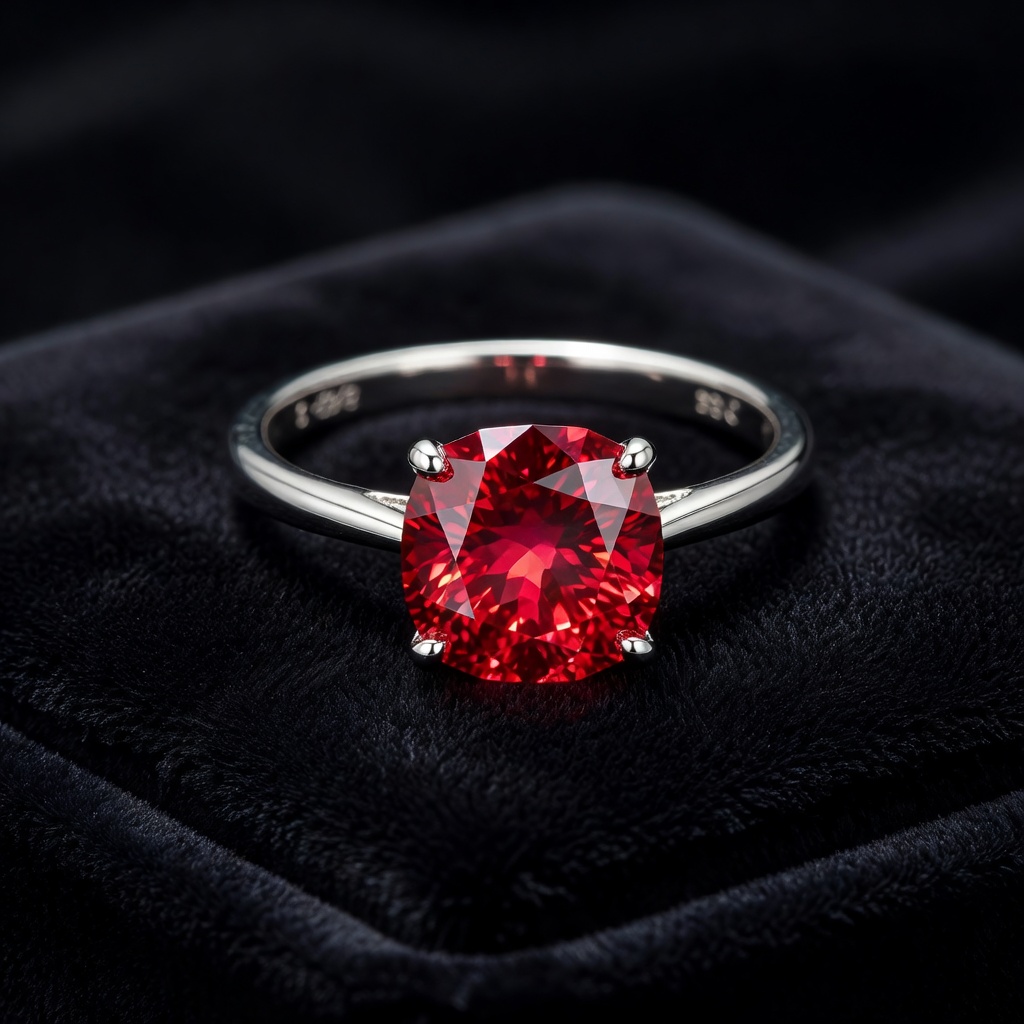
Selecting optimal settings for fancy pink diamond jewelry requires balancing aesthetic enhancement with physical protection, as these valuable stones demand secure mounting that maximizes color while preventing damage. Rose gold settings have gained popularity for pink diamond care because the warm copper alloy enhances the stone's color, making Fancy Light stones appear more intense and complementing purplish-pink hues beautifully. However, platinum or white gold offers neutral backgrounds that allow Fancy Vivid stones to display their pure color without enhancement, creating sophisticated contrast that appeals to traditional collectors. For investment-grade stones, consider custom-designed settings that allow the stone to be removed easily without damage, facilitating future grading updates or sale. Bezel settings provide maximum protection for daily wear but may reduce light return, while prong settings maximize brilliance but require regular inspection to ensure security.
Protective setting styles specifically address the vulnerability of certain pink diamond shapes to chipping and abrasion. Since many pink diamonds are cut as radiants, cushions, or emerald cuts with sharp corners, V-prongs or corner guards are essential to prevent damage from impact. Halo settings surrounding the center stone with pink or colorless melee can enhance the perceived size and color intensity of the main diamond while providing a protective bumper against direct blows. For larger stones over two carats, consider low-profile designs that sit closer to the finger, reducing the likelihood of catching on clothing or furniture. When designing the setting, specify platinum prongs even with rose gold shanks, as platinum's superior strength provides better security for the valuable center stone. Always work with jewelers experienced in setting fancy colored diamonds, as these stones often have different proportions than standard white diamonds and require custom-calibrated seats to sit properly.
Long-term maintenance protocols preserve both the beauty and value of pink diamond jewelry through proper cleaning and periodic professional care. Clean stones at home using warm water, mild dish soap, and a soft brush, avoiding ultrasonic cleaners that can loosen settings or potentially affect treated stones. Chemical exposure presents particular risks; remove rings before swimming in chlorinated pools or using household bleach, as these can etch gold alloys and potentially affect certain treatments. Schedule professional inspections every six months to check prong tightness, inspect for chips or abrasions, and ensure the stone remains secure. For insurance and valuation purposes, have the stone re-certified by GIA every five to seven years to document that the stone remains undamaged and untreated, updating appraisals to reflect current market values. Store pink diamond jewelry separately from other pieces to prevent scratching, using individual fabric-lined compartments or soft pouches. With proper care, these extraordinary gems will maintain their brilliance and value for generations, serving as both wearable art and portable wealth.
Frequently Asked Questions About Pink Diamonds
What makes pink diamonds so expensive compared to white diamonds?
Pink diamonds command premium prices due to extreme rarity—less than 0.0001% of diamonds mined are naturally pink. Unlike white diamonds where color is undesirable, intense natural pink color is rare and highly sought after. Additionally, the 2020 closure of the Argyle mine, which produced 90% of the world's pink diamonds, has significantly constrained supply while demand continues growing among collectors and investors.
How can I tell if a pink diamond is natural or treated?
Always insist on a GIA Colored Diamond Grading Report that specifically states 'Natural Color' in the origin field. Treated stones are typically labeled as 'Treated,' 'Irradiated,' or 'HPHT Processed.' Natural pink diamonds often show distinctive graining patterns under magnification and command 10-20 times higher prices than treated equivalents. When in doubt, have the stone independently verified by a certified gemologist before purchase.
What is the best color grade for a pink diamond investment?
Fancy Vivid and Fancy Intense pinks offer the strongest investment potential, particularly those with purplish secondary hues rather than brownish tones. However, Fancy Deep pinks from the Argyle mine also command significant premiums due to provenance. For investment purposes, prioritize stones with even color distribution and GIA certification confirming natural origin, as these retain liquidity and appreciate most consistently in the secondary market.
Are Argyle pink diamonds worth the premium price?
Argyle pink diamonds typically command 20-50% premiums over similar-quality pinks from other sources due to their superior color intensity and the mine's permanent closure in 2020. As a finite resource with no new supply, Argyle stones have shown exceptional price resilience and growth. For collectors and serious investors, the provenance premium is generally justified by historical auction performance and increasing scarcity value.
What metal setting shows off pink diamonds best?
Rose gold enhances the warmth of pink diamonds and can make lighter stones appear more intense, making it ideal for Fancy Light to Fancy grades. Platinum or white gold provides neutral contrast that allows Fancy Vivid stones to stand out without color enhancement. For investment pieces, consider removable settings that allow the loose stone to be evaluated or sold separately if needed.
Do pink diamonds hold their value over time?
High-quality natural pink diamonds have demonstrated exceptional value retention, with Fancy Vivid pinks appreciating approximately 500% over the past 20 years according to industry data. Unlike white diamonds, which fluctuate with commodity markets, rare pink diamonds behave more like collectible art. However, treated stones, heavily included stones, or those with brownish modifiers typically underperform in resale markets.
What certification should I look for when buying a pink diamond?
Insist on a GIA (Gemological Institute of America) Colored Diamond Grading Report, which is the gold standard for fancy colored diamonds. The report should specify color grade, color origin (natural vs. treated), and distribution. For Argyle stones, additional Argyle-specific certification adds provenance value. Avoid stones with only manufacturer grading reports or no documentation, regardless of price incentives.
Can I buy a pink diamond online safely?
Yes, but only through established specialty dealers with physical showrooms, detailed photography/videography, and strong return policies (minimum 30 days). Never buy high-value pink diamonds from general auction sites or sellers without colored diamond expertise. Request high-resolution images showing the stone face-up and side-down, verify the GIA report number directly with GIA's database, and use escrow services for transactions over $25,000.