Introduction to Pietersite and Its Market Value
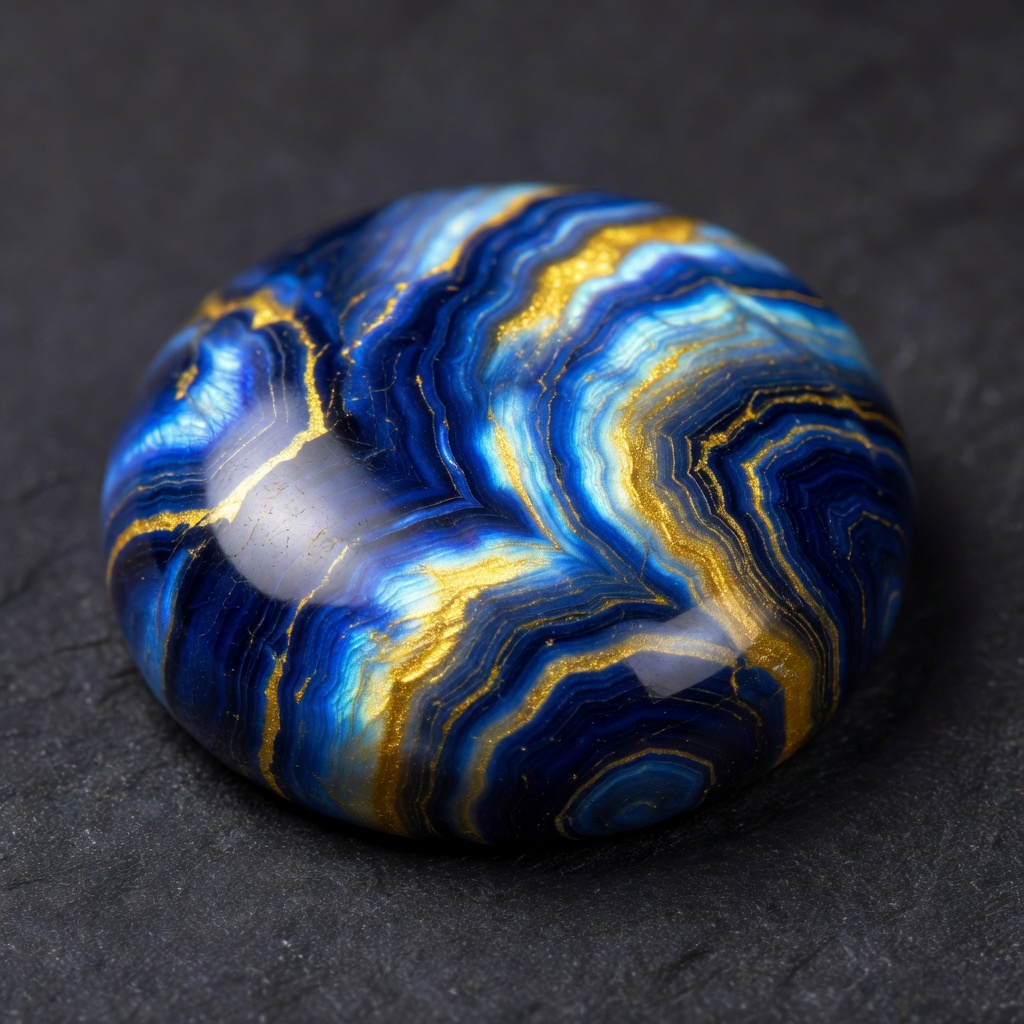
Pietersite represents one of the most visually striking varieties of chalcedony, characterized by its unique embedding of amphibole fibers that create dramatic optical effects. Discovered in 1962 by Sid Pieters in Namibia, this gemstone has captured the attention of collectors and jewelry enthusiasts worldwide due to its storm-like appearance and limited geographic availability. Unlike common quartz varieties, Pietersite forms in brecciated zones where mineral fragments cement together under intense geological pressure, resulting in the chaotic, swirling patterns that define high-value specimens.
Navigating the Pietersite Price Guide requires understanding that this gemstone occupies a complex position between accessible ornamental stones and rare collector minerals. While commercial-grade material remains affordable for casual buyers, exceptional specimens with vivid blue chatoyancy can command prices rivaling fine sapphires. The market value fluctuates significantly based on origin, with Namibian mines producing increasingly scarce material while Chinese deposits supply the majority of current market inventory. Savvy collectors recognize that understanding these pricing dynamics ensures appropriate budget allocation whether seeking entry-level cabochons or investment-grade museum pieces.
Understanding Pietersite Quality Grading Systems
Evaluating Pietersite stone value demands familiarity with specialized grading criteria that differ from traditional gemstone assessment protocols. Unlike diamonds that rely on standardized cut, color, clarity, and carat weight metrics, Pietersite grading centers on chatoyancy quality, pattern complexity, and color saturation. Professional gemologists assess the sharpness of the cat's eye effect by rotating stones under focused light sources, noting how rapidly and completely the luminous band moves across the surface. Premium specimens display a bright, silvery or golden streak that remains distinct regardless of viewing angle, while inferior material shows diffused, weak reflections.
Color intensity evaluation requires examination under both natural daylight and incandescent lighting to detect any fading or zoning issues. The most valuable Pietersite exhibits saturated, consistent coloring throughout the entire cabochon without pale patches or muddy brown areas that indicate iron oxidation. Pattern clarity assessment focuses specifically on the "storm cell" formations and brecciated structures that create the stone's characteristic turbulent appearance. Collectors should seek specimens where golden, blue, and red fibers intermingle in complex, three-dimensional arrangements rather than simple parallel bands, as these intricate patterns significantly enhance chatoyancy Pietersite desirability and corresponding market prices.
Current Market Prices by Carat Weight and Size
Understanding Pietersite cost per carat requires segmenting the market into distinct size categories, as price scalability follows non-linear patterns common to rare gemstones. Small stones under five carats typically serve the commercial jewelry market, ranging from $5 to $30 per carat for standard quality material with moderate chatoyancy. These entry-level specimens often display predominantly brown or gold coloring with limited blue flash, making them accessible for silver jewelry settings and beginning collectors. When purchasing in this category, buyers should expect some surface inclusions and slightly muted optical effects, though properly cut cabochons can still showcase the stone's essential character.
Medium specimens between five and twenty carats represent the sweet spot for serious collectors, commanding $30 to $100 per carat for fine quality material with strong chatoyancy and multicolor patterns. At this size range, the stone's brecciated structure becomes visually impressive, displaying the storm-cloud formations that make Pietersite distinctive. Large collector pieces exceeding twenty carats enter the investment-grade category, with Pietersite cost per carat escalating to $100-$300 or more for museum-quality examples. These rare specimens require perfect cutting orientation to maximize chatoyancy across the expanded surface area, and typically feature the coveted midnight blue coloring with red and gold flashes that define the highest tier of the market.
Color Variations and Their Impact on Pricing
The chromatic spectrum of Pietersite directly correlates with market valuation, creating distinct pricing tiers that collectors must navigate carefully. Blue Pietersite price premiums reflect genuine rarity, as intense cobalt and midnight blue specimens constitute less than fifteen percent of total production. These blue varieties result from specific mineral inclusions and crocidolite fiber replacement during formation, creating the most sought-after chatoyancy effects that shimmer like lightning against a dark sky. High-grade blue material from Namibian sources can achieve per-carat prices five times higher than comparable-sized golden specimens, particularly when the blue saturation remains vivid under indoor lighting conditions.
Red and gold varieties, predominantly sourced from Chinese mines, occupy a mid-range pricing structure that offers excellent value for jewelry applications. Red Pietersite value remains strong among collectors who appreciate the warm, fiery appearance resembling autumn storms, though these tones generally command twenty to thirty percent less than equivalent blue specimens. Multicolor specimens displaying complete spectral transitions from blue through gold to red represent a specialized collecting niche, with pricing determined by color distribution balance rather than single-hue intensity. When evaluating multicolor pieces, look for sharp boundaries between color zones rather than muddy gradations, as distinct patterning indicates superior geological formation and justifies premium pricing.
Origin Sources: Namibian vs Chinese Pietersite
Geographic provenance stands as perhaps the most significant determinant of Namibian Pietersite pricing versus Chinese material, reflecting fundamental differences in geological formation and availability. Namibian Pietersite, discovered in the Kunene region, formed under unique brecciation processes that created sharper, more defined chatoyancy with intense blue coloration. As original Namibian mines approach depletion with limited new material entering the market, existing specimens command substantial scarcity premiums. Collectors seeking investment-grade pieces should prioritize documented Namibian origin, as these specimens demonstrate superior durability and color stability compared to newer deposits.
Chinese Pietersite, primarily sourced from Henan Province, dominates current market availability and provides accessible entry points for new collectors. While Chinese material typically exhibits more abundant red and gold tones with slightly softer chatoyancy effects, fine specimens still demonstrate remarkable beauty at moderate price points. The higher production volume from Chinese mines affects market saturation, keeping Namibian Pietersite pricing elevated while stabilizing costs for Chinese varieties. When comparing origins visually, Namibian material often displays more chaotic, three-dimensional brecciated patterns resembling actual storm systems, whereas Chinese specimens may show more fibrous, parallel structures similar to Tiger's Eye but with the characteristic Pietersite turbulence.
Cut, Clarity, and Treatment Considerations
Successful buying Pietersite gemstone specimens requires understanding how cutting decisions maximize or diminish optical performance. Cabochon cutting remains essential for displaying chatoyancy, with domed tops typically measuring 6-8 millimeters in height to allow proper light interaction with the embedded amphibole fibers. Master cutters orient rough material carefully, positioning the base parallel to the fibrous inclusions to create the strongest possible cat's eye effect. Poorly oriented cuts result in washed-out appearance or "dead" zones where chatoyancy disappears, rendering even high-quality rough material virtually worthless regardless of color intensity.
Clarity standards for Pietersite differ significantly from transparent gemstones, as complete freedom from inclusions often indicates synthetic manufacture rather than natural origin. Acceptable inclusion levels include minor surface-reaching fractures and soft color zoning, provided these features do not interrupt the chatoyancy band. Premium specimens command higher prices when exhibiting "flawless" chatoyancy across the entire table surface without breaks or dull spots. Regarding treatments, most Pietersite undergoes stabilization processes using colorless resins to prevent crumbling of the brecciated structure, which industry standards accept as permanent and stable. However, dyed specimens or those subjected to heat treatment to enhance blue coloring should trade at significant discounts, making disclosure essential when buying Pietersite gemstone inventory for investment purposes.
Retail vs Wholesale: Where to Buy Pietersite
Purchasing channels dramatically affect Pietersite cost per carat, with price variations of fifty percent or more between acquisition methods for identical quality grades. Online marketplaces offer convenience and buyer protections through return policies, though premiums typically range twenty to forty percent above wholesale levels to cover platform fees and photography costs. When buying online, request videos showing chatoyancy movement under single light sources rather than relying solely on static images, as photographs cannot capture the dynamic optical effects that define value. Established gemology websites with certification services provide the safest entry point for purchases exceeding $500, ensuring authenticity guarantees and accurate quality representation.
Gem and mineral shows present wholesale opportunities for serious collectors willing to buy in person, often reducing Pietersite cost per carat by thirty to fifty percent compared to retail environments. Major shows in Tucson, Denver, and Munich feature direct miners and rough dealers who offer volume discounts and custom cutting services. However, wholesale transactions typically require minimum purchases of $500-$1000 or bulk quantities unsuitable for casual buyers. Retail jewelry stores command the highest markups, often doubling wholesale costs to cover overhead and setting services, though they provide immediate gratification and professional mounting options. For custom jewelry projects, purchasing loose stones through specialty dealers and arranging separate setting work usually proves more economical than buying finished pieces.
Investment Potential and Collectibility Factors
Evaluating Pietersite stone value through an investment lens requires analyzing rarity trends and collector demand patterns that have emerged over the past two decades. As Namibian mines deplete and environmental regulations restrict new mining operations, high-grade material shows steady appreciation rates averaging five to ten percent annually for museum-quality specimens. Investment-grade Pietersite must display exceptional chatoyancy with vivid blue coloring, minimal treatment, and documentation of Namibian origin to qualify for serious collector portfolios. Unlike common gemstones subject to market flooding, Pietersite's limited geographic sources create natural supply constraints that support long-term value retention.
Collector demand increasingly focuses on high-chatoyancy specimens exceeding fifteen carats, as these sizes demonstrate the stone's characteristic storm patterns most effectively. When comparing investment potential to similar materials, Pietersite outperforms Tiger's Eye and Hawk's Eye due to its superior rarity and more complex formation requirements. While Tiger's Eye forms in massive deposits across multiple continents, Pietersite's specific brecciated genesis limits occurrence to narrow geological zones. Savvy investors should prioritize acquiring specimens now while Chinese production remains robust, as future scarcity will likely drive Pietersite stone value significantly higher for fine examples, particularly those combining large size with blue coloration and sharp chatoyancy.
Avoiding Common Pricing Scams and Misidentification
Protecting yourself when buying Pietersite gemstone specimens requires vigilance against common misrepresentations that plague the ornamental stone market. Dyed Tiger's Eye represents the most prevalent imitation, created by treating common gold Tiger's Eye with cobalt salts to simulate blue Pietersite coloring. Authentic Pietersite displays chaotic, brecciated patterns with fibers oriented in multiple directions, whereas dyed Tiger's Eye shows parallel fibrous structures that remain uniform under magnification. Genuine Pietersite also exhibits greater hardness (6.5-7 on the Mohs scale) and specific gravity differences compared to imitations, making basic gemological testing essential for significant purchases.
Synthetic and composite stones present additional concerns, with some dealers offering pressed fiber glass or resin composites that mimic chatoyancy through artificial means. These fakes typically display too-perfect color uniformity and chatoyancy that appears painted rather than dimensional. For purchases exceeding $200, always request certification from recognized laboratories such as GIA, AGL, or IGI that specifically identify the stone as natural Pietersite with notation of any treatments. Be particularly wary of "bargain" prices for large blue specimens, as genuine high-grade blue Pietersite commands premium prices that rarely discount below market rates. Establishing relationships with reputable dealers who offer return privileges provides the ultimate protection when building a collection of these beautiful but frequently misidentified gemstones.
Final Buying Checklist and Care Recommendations
This comprehensive Pietersite Price Guide culminates in practical actionable steps for acquiring and maintaining your gemstone investment. Before purchasing, evaluate the four critical price factors: origin documentation (prioritize Namibian for investment), chatoyancy sharpness under direct light, color saturation consistency, and absence of structural treatments beyond standard stabilization. Budget allocation recommendations suggest reserving sixty percent of your funds for the stone itself rather than settings, as the gem represents the appreciating asset while metal mountings depreciate. For different quality tiers, allocate $50-$150 for entry-level specimens under 5 carats, $300-$800 for fine collector pieces between 5-15 carats, and $1000+ for exceptional museum-grade examples exceeding 20 carats with documented provenance.
Proper care ensures your Pietersite maintains both beauty and value over decades of ownership. Store specimens separately in soft cloth pouches to prevent scratching by harder materials like diamonds or sapphires, as Pietersite's chalcedony composition remains susceptible to surface damage. Clean using mild soap and lukewarm water with soft brushes, avoiding ultrasonic cleaners that may exacerbate natural fractures within the brecciated structure. Limit exposure to prolonged direct sunlight which can fade color saturation over time, particularly in blue varieties. When wearing Pietersite jewelry, remove pieces before engaging in physical activities that might cause impact, as the stone's relatively moderate hardness requires protective settings for rings and bracelets. Following these guidelines ensures your Pietersite acquisition remains a treasured asset that potentially appreciates while providing continuous visual enjoyment.
Frequently Asked Questions
How much does Pietersite cost per carat?
Commercial grade Pietersite typically ranges from $5-$30 per carat, while fine quality specimens with strong chatoyancy command $30-$100 per carat. Exceptional museum-grade pieces with vivid blue coloring can exceed $300 per carat, especially in larger sizes over 20 carats.
Is Blue Pietersite more expensive than other colors?
Yes, Blue Pietersite consistently commands premium prices due to its rarity and high demand among collectors. While red and gold varieties from Chinese mines are more common and affordable, the intense midnight blue chatoyancy found in high-grade Namibian material can cost 3-5 times more per carat than other color variations.
What makes Pietersite more expensive than Tiger's Eye?
Pietersite costs significantly more than Tiger's Eye due to its extreme rarity, limited geographic sources (primarily Namibia and China), and superior chatoyancy. Unlike Tiger's Eye which forms in large deposits globally, Pietersite forms under specific geological conditions in brecciated zones, making fine specimens scarce and driving higher market values.
Can I buy Pietersite wholesale for better prices?
Yes, purchasing at gem and mineral shows or through wholesale dealers can reduce prices by 30-50% compared to retail. However, wholesale typically requires minimum purchases of $500-$1000 or bulk quantities. For individual collectors, buying rough material and having it custom cut often provides better value than purchasing pre-cut retail stones.
Does Pietersite increase in value over time?
High-quality Pietersite has shown steady appreciation, particularly Namibian material as mines deplete. Investment-grade specimens with exceptional chatoyancy and blue coloration have appreciated 5-10% annually over the past decade. However, commercial grade material remains relatively stable without significant investment potential.
How can I tell if Pietersite is real before buying?
Authentic Pietersite displays distinctive chatoyancy (cat's eye effect) that moves when rotated under light, with brecciated patterns resembling storm clouds. It has a hardness of 6.5-7 on the Mohs scale. Be wary of dyed Tiger's Eye imitations, which show parallel fibrous structures rather than Pietersite's chaotic brecciated formations. Always request certification for purchases over $200.
Why is Namibian Pietersite priced higher than Chinese varieties?
Namibian Pietersite commands higher prices due to superior color intensity (particularly vivid blues), sharper chatoyancy, and mining depletion that limits supply. Chinese material, while still beautiful, typically shows more red and gold tones with slightly softer chatoyancy. Additionally, Namibian mines produce fewer large specimens, creating scarcity premiums for significant carat weights.
What size Pietersite offers the best value for money?
Stones between 5-15 carats typically offer the best balance of visual impact and affordability. Under 5 carats, prices are lower but the chatoyancy effect may be less dramatic. Over 20 carats, prices escalate exponentially due to rarity. For jewelry, 3-8 carat cabochons provide excellent display of the stone's characteristic patterns while remaining reasonably priced.