What Is Pietersite? Understanding the Tempest Stone
Discovered in 1962 by Sid Pieters in Namibia, this remarkable gemstone derives its name from its founder and quickly captured the attention of collectors worldwide. Unlike traditional tiger's eye or hawk's eye, pietersite represents a unique geological phenomenon known as a brecciated aggregate, where shattered fragments of these fibrous minerals were naturally re-cemented by quartz over millions of years. This violent geological history creates the stone's signature appearance, earning it the poetic nickname "tempest stone" or "storm stone" among gem enthusiasts and metaphysical practitioners alike.
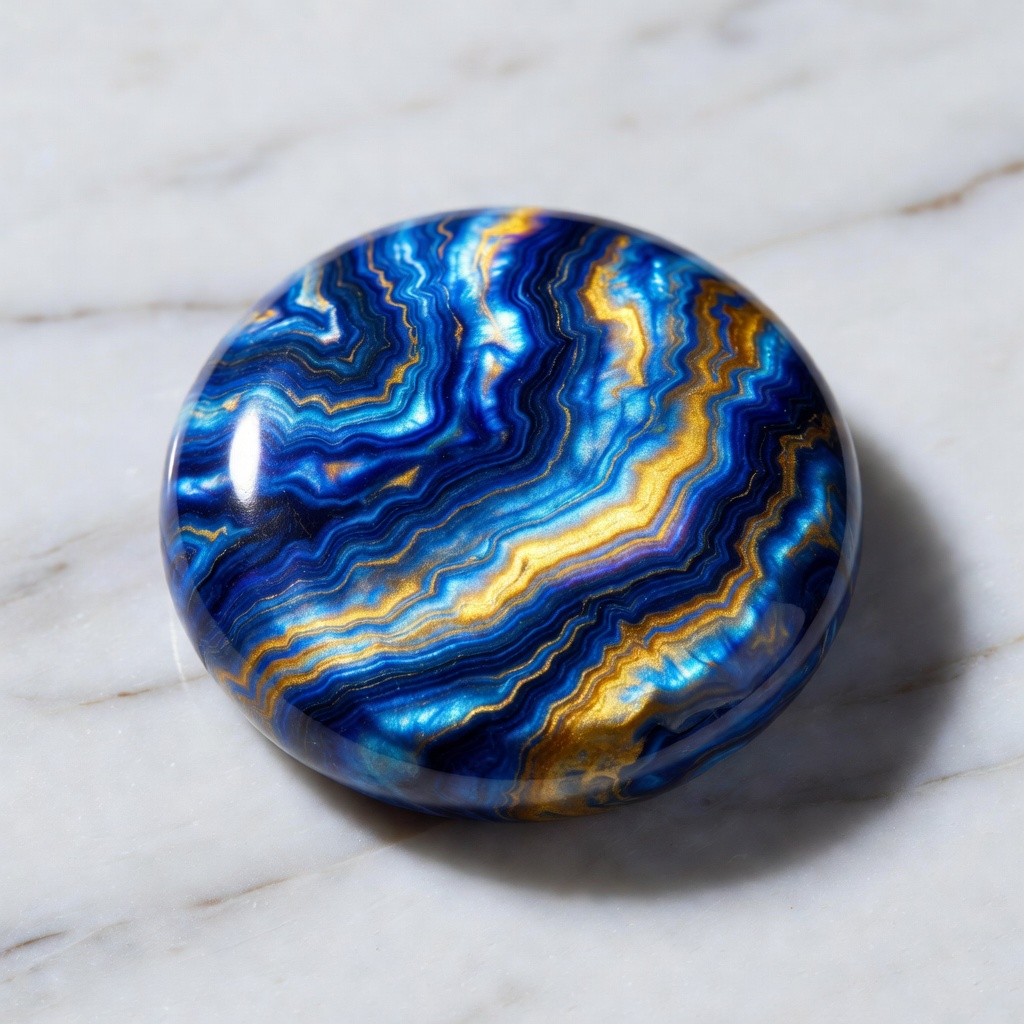
The defining characteristic of any quality pietersite stone lies in its extraordinary chatoyancy—that mesmerizing cat's eye effect that seems to move across the surface as the stone is rotated. However, unlike the orderly parallel bands found in tiger's eye, pietersite displays chaotic, multidirectional patterns that genuinely resemble storm clouds swirling across a dark sky. Each piece tells a unique geological story through its patterns, with some specimens showing dramatic lightning-like streaks while others display softer, billowing formations that shift from gold to blue to red depending on the viewing angle.
African vs. Chinese Pietersite: Key Differences
When beginning your pietersite buying guide journey, understanding the origin distinction becomes crucial for making informed purchasing decisions. Namibian pietersite, the original and most coveted variety, faces extreme scarcity due to depleted mines and strict government export restrictions that limit the material reaching international markets. This African pietersite typically exhibits deeper, more saturated colors with pronounced blue tones that collectors prize above all other varieties, though the supply constraints mean finding large, clean specimens requires patience and significant investment.
Chinese pietersite entered the market later and offers a more accessible alternative for collectors working within moderate budgets, though discerning buyers notice distinct differences in appearance. While Chinese material often displays beautiful red and gold combinations, it generally lacks the intense midnight blues characteristic of fine Namibian rough, and the patterns tend toward broader, less intricate swirls. However, exceptional Chinese specimens with strong chatoyancy and vivid color contrasts can still command respectable prices, making the African vs Chinese pietersite debate largely dependent on specific specimen quality rather than origin alone.
From an investment perspective, Namibian material consistently outperforms Chinese stones in value retention and appreciation, particularly for documented specimens from the original Windhoek region claims. Serious collectors often focus exclusively on African material for their high-end acquisitions while incorporating select Chinese pieces to build comprehensive collections that showcase the full color spectrum available in this rare gemstone category.
Quality Indicators: What to Look for When Buying
Evaluating pietersite quality factors requires understanding how light interacts with the stone's internal fibrous structure to create its legendary visual effects. The intensity and movement of chatoyancy in pietersite serve as primary value determinants, with premium specimens displaying sharp, silky reflections that sweep dramatically across the entire surface when tilted under light. Avoid stones showing dull, lifeless patches or "dead zones" where the chatoyant effect disappears, as these indicate poor fiber alignment or insufficient quartz cementation during formation.
Color saturation dramatically impacts desirability, with vivid midnight blue representing the rarest and most valuable hue, followed closely by rich brick red and brilliant golden yellow. The most coveted pieces display multiple colors simultaneously, creating complex three-dimensional depth that mimics the turbulent energy of an approaching thunderstorm. When examining potential purchases, rotate the stone under various lighting conditions—natural daylight, incandescent, and LED—to ensure the colors remain vibrant and the chatoyancy remains active across different environments.
Pattern complexity separates museum-quality specimens from commercial-grade material, with collectors seeking the distinctive "tempest" effect where contrasting colors collide and swirl in unpredictable configurations. Stones showing organized, parallel banding similar to tiger's eye should be avoided, as this indicates either misidentification or inferior brecciation during formation. Instead, prioritize pieces where gold lightning bolts pierce through blue storm clouds, or where red embers seem to glow within golden matrices, as these dramatic juxtapositions define the finest pietersite available in today's market.
Pietersite Pricing Guide: Understanding Market Values
Understanding pietersite price per carat requires recognizing the dramatic value spreads between commercial-grade material and fine collector specimens. Entry-level Chinese pietersite typically ranges from $10-20 per carat for cabochons with moderate chatoyancy and standard gold-brown coloration, making it accessible for jewelry enthusiasts seeking unique pieces without substantial investment. Mid-grade material featuring better pattern complexity and stronger color saturation generally commands $30-50 per carat, while exceptional Namibian specimens with vivid blue colors and intense storm patterns can easily reach $50-100+ per carat for top-quality stones.
Several factors beyond origin influence pricing structures in today's market. Size significantly impacts value, as large clean pieces exceeding 20 carats become exponentially rarer and command premium multiples compared to smaller stones. Clarity considerations differ from transparent gemstones—while surface-reaching fractures or pits diminish value, internal brecciation lines actually enhance desirability when they contribute to the storm pattern aesthetic. Additionally, untreated natural color carries substantial premiums over enhanced material, particularly for blue specimens where natural color proves exceptionally rare.
For investors considering long-term acquisition strategies, documenting provenance and obtaining laboratory certification adds measurable value to high-grade specimens. The pietersite investment market shows particular strength for documented Namibian material with specific mine locality information, as these pieces appreciate consistently as the supply diminishes. When budgeting for significant acquisitions, expect to pay 30-50% premiums for stones accompanied by GIA or AGL reports verifying natural, untreated status and African origin.
How to Identify Fake Pietersite and Treatments
The growing popularity of this tempest stone has unfortunately spawned numerous imitations requiring vigilant fake pietersite identification skills from prospective buyers. The most common deception involves dyed tiger's eye or hawk's eye, where unscrupulous sellers apply blue or red dyes to standard brown material to mimic rare pietersite colors. These fraudulent pieces typically show unnaturally uniform color saturation and lack the multidirectional chatoyancy pattern that defines genuine pietersite, instead displaying the parallel fiber structure characteristic of standard tiger's eye varieties.
Another frequent imitation uses silkstone or inferior chalcedony treated with surface dyes to create superficial color patterns that fade or wash away over time. Detecting these requires careful examination under magnification, looking for color concentrations in fractures or along surface cracks where dyes naturally accumulate during treatment processes. Genuine pietersite maintains consistent coloration throughout the material, while dyed stones often show color bleeding or fading around edges and drill holes where the treatment penetrated deepest.
Advanced detection methods include checking for optical continuity under polarized light and examining fiber structure orientation, though these require gemological training or laboratory equipment. For significant purchases, always demand certification from recognized institutions like GIA, AGL, or GRS, which can identify treatments including dyeing, heating, or polymer impregnation that might affect durability and value. When buying raw rough, be particularly wary of pieces showing perfect color distribution or colors that seem too vivid to occur naturally, as these often indicate artificial enhancement of lower-grade material.
Choosing the Right Cut and Shape for Your Collection
The vast majority of quality pietersite receives cabochon cuts rather than faceted treatments, as the domed surface maximizes the display of chatoyancy and allows light to interact optimally with the internal fibrous structures. When selecting a pietersite cabochon, prioritize high-domed cuts over flat versions, as the increased curvature creates broader flash areas and more dramatic light movement across the stone's surface. The ideal cabochon maintains symmetrical doming without flat spots or uneven areas that could disrupt the flowing patterns that make this gemstone so desirable.
Popular shapes include traditional ovals and rounds for classic jewelry settings, though freeform cuts that follow the natural pattern flow often command premiums among serious collectors. Oval shapes between 15x10mm and 20x15mm offer excellent value for pendants, providing substantial visual impact while remaining comfortable for daily wear. Round cabochons work beautifully for rings and earrings, though they require thicker rough material and therefore cost more per carat than elongated shapes. Freeform cuts that preserve unusual pattern configurations—such as isolated blue "eyes" within golden matrices—allow lapidaries to showcase unique features that standardized shapes might sacrifice.
Size considerations balance visual impact against budget constraints and wearability factors. While smaller stones under 5 carats offer affordable entry points for new collectors, they often fail to display the complex pattern interactions that make pietersite captivating. Conversely, massive specimens exceeding 50 carats become increasingly difficult to set securely and may show areas of weaker pattern intensity. The sweet spot for most collectors falls between 10-25 carats, providing sufficient surface area for dramatic pattern display while remaining practical for jewelry applications or display cases.
Best Settings and Jewelry Types for Pietersite
Designing pietersite jewelry requires acknowledging the stone's physical limitations while maximizing its visual strengths, particularly its 6.5-7 Mohs hardness and distinct cleavage tendencies that make it vulnerable to sharp impacts. Protective bezel settings represent the gold standard for securing these gemstones, wrapping the vulnerable edges in metal to prevent chipping while providing structural support against daily wear stresses. Partial bezels or heavy prong settings can work for larger statement pieces, though they leave edges exposed to potential damage during active wear.
Pendants and earrings constitute the safest jewelry categories for pietersite, protecting the stones from the impact risks inherent in ring wear while positioning them to catch light optimally. Pendant designs allowing rotation—such as those on omega slides or long bails—enable wearers to manually adjust the stone to display the most attractive chatoyant patterns throughout the day. For earrings, consider lever-back or secure post settings that prevent loss while keeping the stones visible from multiple angles, as the shifting patterns reward constant viewing from different perspectives.
Metal selection significantly impacts the perceived color of the gemstone, with cool white metals like platinum and silver enhancing blue tones while yellow and rose gold amplify warm golden and red hues. For stones displaying multiple colors, consider two-tone settings that bridge both color families or neutral white gold that doesn't compete with the stone's natural drama. When commissioning custom pieces, work with jewelers experienced in handling chatoyant gemstones who understand the importance of orienting the stone to maximize the pattern display relative to the wearer's movement and typical viewing angles.
Caring for Your Pietersite: Essential Maintenance
Proper pietersite care begins with understanding the stone's sensitivity to harsh cleaning methods and environmental factors that could compromise its appearance over time. Clean your specimens using only mild soap and lukewarm water, gently scrubbing with a soft-bristled toothbrush to remove accumulated oils and debris from the surface and any setting crevices. Avoid ultrasonic cleaners and steamers entirely, as the vibrations and heat can weaken the internal brecciated structure or loosen stones from their settings, potentially causing irreparable damage to both the gem and the jewelry mounting.
Storage practices prove equally important for preserving the stone's distinctive chatoyancy and color saturation over decades of ownership. Store pietersite pieces separately from harder gemstones like diamonds, sapphires, or rubies that could scratch the surface during contact, ideally in individual soft cloth pouches or compartmentalized jewelry boxes. The stone's relative softness means even casual contact with harder materials during drawer storage can create microscopic scratches that eventually dull the surface luster and diminish the chatoyant effect that defines the gem's beauty.
Environmental protection extends to avoiding prolonged sun exposure, which can fade the vibrant blues and reds that make premium specimens so valuable. Never leave pietersite jewelry on windowsills, in cars, or under direct display lighting for extended periods, as UV radiation gradually bleaches the iron oxide inclusions responsible for the stone's coloration. Additionally, avoid exposure to harsh chemicals including chlorine, bleach, and household cleaners that could etch the surface or attack any fillers present in lower-grade material, instead removing rings before swimming, cleaning, or applying cosmetics and lotions.
Where to Buy Pietersite: Trusted Sources and Red Flags
Knowing where to buy pietersite safely requires researching dealers who specialize in rare and unusual gemstones rather than general jewelry retailers who may lack specific expertise in this niche material. Reputable mineral dealers who regularly attend major shows like Tucson, Denver, or Munich typically offer the best selection of high-grade Namibian material with documented provenance, allowing buyers to examine multiple specimens side-by-side under consistent lighting conditions. Established online dealers specializing in chatoyant gemstones or African minerals often provide detailed photography showing the stone's pattern movement, though insist on videos demonstrating the chatoyancy under single-point lighting before committing to significant purchases.
Online marketplaces present both opportunities and hazards for pietersite acquisition, requiring careful vetting of seller credentials and return policies. Red flags include stock photos rather than images of the specific item for sale, prices significantly below market rates for the claimed quality grade, and sellers unwilling to provide additional photographs or certification details. Be particularly wary of listings describing "blue tiger's eye" or "storm tiger's eye" at suspiciously low prices, as these often indicate dyed material or misrepresented common stones rather than genuine pietersite.
Before finalizing any purchase, verify the seller's return policy and authenticity guarantees, ensuring you can obtain independent verification from a gemological laboratory if the stone's natural origin remains questionable. For investment-grade acquisitions exceeding $1,000, require pre-purchase certification from GIA, AGL, or equivalent institutions confirming the stone as natural pietersite without dye treatment. Building relationships with trusted dealers who understand your collecting focus—whether Namibian blues or Chinese reds—provides access to new acquisitions before they reach the open market and ensures consistent quality standards across your growing collection.
Investment Potential and Collecting Strategies
The pietersite investment landscape offers compelling opportunities for collectors who understand the supply constraints driving long-term value appreciation, particularly for documented Namibian specimens. With the original Namibian mines largely depleted and government export restrictions tightening, each high-grade piece entering the market represents an increasingly rare commodity that serious collectors compete aggressively to acquire. This supply-side pressure, combined with growing awareness among jewelry designers seeking alternatives to over-mined gemstones, suggests continued price appreciation for top-tier material with verifiable African origin.
Building a strategically diverse collection requires balancing rarity against display aesthetics, incorporating various color combinations and pattern types that showcase the stone's range. While blue Namibian specimens anchor investment value, acquiring exceptional Chinese pieces with unusual red-gold patterns or rare large sizes provides portfolio diversification and hedges against market fluctuations. Focus on untreated stones with clear provenance documentation, as these maintain value better than treated material during market downturns and appeal to the most discriminating collectors during resale opportunities.
Documentation and provenance maintenance significantly impact resale values, with stones accompanied by original mine documentation, previous ownership history, or featured placement in mineral collections commanding substantial premiums. Photograph acquisitions under consistent lighting conditions to track any color changes over time, and maintain laboratory certifications in climate-controlled storage alongside the physical specimens. For serious investors, specializing in specific niches—such as large Namibian cabochons exceeding 30 carats or unusual pattern variations like "lightning strike" configurations—allows development of expertise that identifies undervalued pieces before broader market recognition drives prices upward.
Frequently Asked Questions
What Makes Pietersite Different from Tiger's Eye?
While both contain crocidolite fibers, pietersite is a brecciated aggregate formed from shattered hawk's eye and tiger's eye that was later re-cemented by quartz, creating chaotic, multidirectional chatoyant patterns rather than the parallel bands seen in tiger's eye.
Is African Pietersite Better than Chinese Pietersite?
Namibian (African) pietersite is generally considered more valuable due to its limited supply, richer blue colors, and mining restrictions, though high-quality Chinese material with strong red and gold patterns can also be desirable for collectors.
How Much Should I Expect to Pay for Quality Pietersite?
Commercial-grade pietersite typically costs $10-30 per carat, while fine specimens with vivid blue colors and strong chatoyancy can range from $50-100+ per carat, with exceptional Namibian pieces commanding premium prices.
Can Pietersite Be Worn Daily in Rings?
Due to its 6.5-7 Mohs hardness and cleavage tendencies, pietersite is best suited for occasional wear in rings with protective bezel settings; pendants and earrings are safer choices for daily wear to prevent scratching or chipping.
What Colors Are Most Valuable in Pietersite?
Vivid midnight blue is the most valuable and sought-after color, followed by rich brick red and brilliant gold; stones displaying all three colors with strong contrast typically command the highest prices in the market.
How Can I Tell if My Pietersite Is Real or Dyed?
Examine the stone for unnatural color concentrations in cracks or fractures, check for color fading around edges, and look for consistent pattern uniformity that seems too perfect; when in doubt, request a gemological laboratory certificate.
Is Pietersite a Good Investment Stone?
High-grade Namibian pietersite shows strong investment potential due to mine depletion and export limitations, while Chinese material is more readily available; focus on untreated stones with documentation for the best long-term value retention.
What Is the Best Way to Clean Pietersite Jewelry?
Clean pietersite using only mild soap and lukewarm water with a soft cloth or brush, avoiding ultrasonic cleaners, steamers, and harsh chemicals that could damage the stone or any fillers; dry immediately with a soft towel.