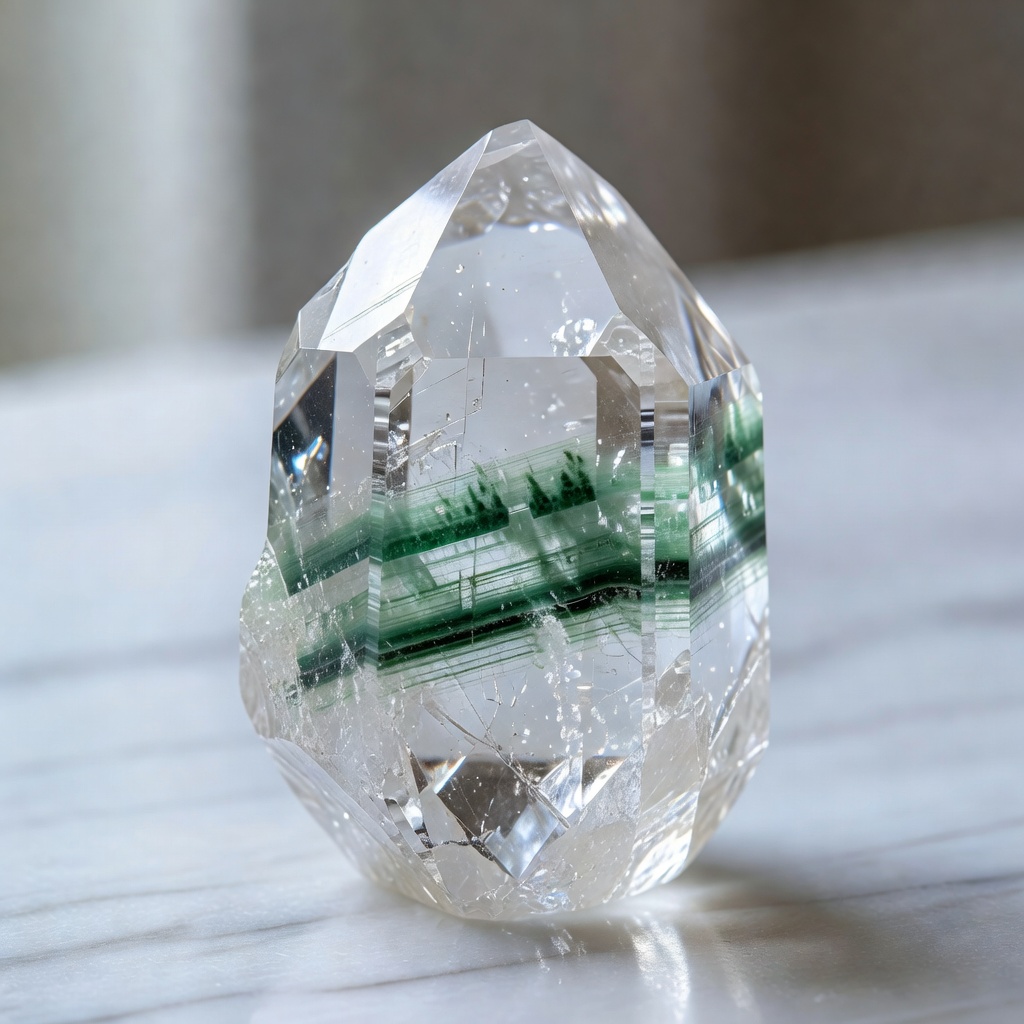
Introduction to Phantom Quartz Pricing
Phantom quartz stands as one of the most captivating varieties in the mineral kingdom, with its ghostly internal layers creating windows into ancient geological time. This comprehensive phantom quartz price guide will navigate you through the complex marketplace where specimens range from affordable tumbled stones to museum-quality treasures worth thousands of dollars. Understanding the dramatic price variations between different phantom quartz specimens requires knowledge of formation processes, inclusion types, and quality markers that distinguish common pieces from investment-grade crystals.
The value of phantom quartz extends beyond mere aesthetics, as each internal "phantom" layer represents a distinct period of crystal growth interrupted by environmental changes millions of years ago. Collectors and healers alike seek these stones for their unique visual depth, but navigating the market requires discernment between fairly priced natural specimens and overpriced or treated stones. Whether you are seeking your first chlorite phantom quartz or adding to an established collection, this guide provides the essential framework for understanding fair market values and making informed purchasing decisions.
Understanding Phantom Quartz Formation
True phantom quartz forms through a remarkable geological process where crystal growth pauses due to changes in temperature, pressure, or mineral saturation, allowing foreign materials to settle on the crystal faces before growth resumes. When the crystal begins growing again, it encases these mineral deposits within clear quartz layers, creating the distinctive ghost-like outlines that define phantom formations. These interruptions can occur multiple times over millions of years, resulting in specimens with several visible growth layers that document the crystal's entire formation history.
The minerals creating these phantom layers vary significantly, with chlorite producing vivid green specters, iron oxides creating golden or rust-colored phantoms, and hematite generating striking red internal landscapes. Amphibole inclusions create delicate, needle-like phantoms, while manganese and other trace minerals contribute to rare blue, purple, or multi-colored internal structures. Understanding what is phantom quartz requires recognizing that these formations differ from general included quartz, as true phantoms display geometric shapes that mirror the original crystal's termination and faces, creating three-dimensional shadows within the stone.
Many dealers mistakenly label heavily included quartz as phantom quartz, but discerning collectors understand that random mineral inclusions differ fundamentally from structured growth interruptions. True phantom quartz exhibits sharp, definable layers that follow the crystal's natural geometry, whereas garden quartz or lodolite contains chaotic mineral scenes without the organized layering indicative of interrupted growth. This distinction significantly impacts phantom quartz value, as authentic phantom formations command higher prices than simply included specimens due to their geological rarity and the precision required for their formation.
Key Factors That Determine Phantom Quartz Value
Evaluating phantom quartz value requires systematic assessment of several interdependent quality markers that separate display-worthy specimens from mediocre stones. The clarity of the host quartz serves as the foundation of value, as transparent to translucent crystals allow full appreciation of the internal phantom layers, while cloudy or heavily fractured material obscures these formations regardless of their complexity. The distinctness of the phantom layers themselves proves equally crucial, with sharply defined, three-dimensional formations commanding premium prices compared to faint, blurry, or partial phantoms that lack visual impact.
Color intensity and rarity significantly influence pricing, with vivid green chlorite phantoms typically commanding the highest prices due to their striking contrast against clear quartz and relative scarcity in fine specimens. Red hematite phantoms and golden iron oxide layers follow closely in value, while rare blue or purple phantoms containing minerals like fluorite or tourmaline can fetch exceptional premiums due to their scarcity. Crystal size and structural integrity also play vital roles, as large, undamaged specimens with perfect terminations and natural faces retain value better than chipped, cleaved, or artificially repaired pieces that compromise both aesthetics and energetic properties.
Geographic origin substantially affects phantom quartz prices, with specimens from classic localities like Minas Gerais, Brazil, or specific Himalayan deposits commanding higher values due to their established reputation for exceptional clarity and well-defined phantoms. Mining rarity creates additional value tiers, as many historic phantom quartz localities have become depleted or inaccessible, making older specimens with documented provenance increasingly valuable. The combination of these factors creates a complex valuation matrix where a small but perfect chlorite phantom from a famous mine might exceed the price of a larger but less distinct specimen from a common source.
Current Phantom Quartz Price Ranges by Quality
The phantom quartz price spectrum spans from accessible entry-level pieces to luxury collector investments, with quality tiers clearly delineated by size, clarity, and phantom definition. Small tumbled phantom quartz pieces and beaded jewelry components typically range from $5 to $30, offering affordable access to these fascinating stones for crystal healing practitioners and casual collectors. These commercial-grade specimens usually contain faint or partial phantoms visible upon close inspection, often originating from high-volume mining operations where material quality takes second priority to quantity.
Medium display specimens measuring between two to four inches represent the sweet spot for serious collectors, with phantom quartz prices ranging from $50 to $200 for quality pieces showing distinct layers and good transparency. At this level, collectors can expect well-defined phantoms visible from multiple angles, intact terminations, and minimal damage to the crystal structure, making them suitable for home display or healing practice use. High-end collector crystals exhibiting exceptional clarity, multiple phantom layers, and rare inclusion colors routinely command $500 to $5,000 or more, particularly when sourced from depleted mines or exhibiting unusual formation characteristics like reverse phantoms or self-healed growth patterns.
The form factor significantly influences included quartz prices, with rough, natural specimens typically commanding higher values than polished pieces due to collector preference for unaltered geological formations. However, precision-polished phantom quartz spheres, wands, or freeforms can fetch premium prices when the cutting enhances rather than obscures the internal phantoms, sometimes exceeding the value of rough material. Jewelry-set phantom quartz pieces vary widely based on metal quality and setting craftsmanship, with sterling silver pendants containing small phantom crystals ranging from $40 to $150, while 18k gold settings featuring high-grade phantoms can exceed $1,000 depending on the stone's exceptional characteristics.
Popular Varieties and Their Specific Costs
Chlorite Phantom Quartz: Premium Green Layers
Chlorite phantom quartz represents the pinnacle of the phantom family, with chlorite phantom quartz price points reflecting the desirability of vivid green specters suspended within crystal-clear quartz. These specimens typically command 30-50% premiums over other phantom varieties due to the striking visual contrast between emerald to forest-green chlorite layers and the transparent host crystal. High-quality chlorite phantoms showing multiple growth stages with sharp, three-dimensional definition regularly sell for $200 to $800 for palm-sized specimens, while exceptional pieces with rare formations like phantom pyramids or cathedral structures can exceed $2,000 in the current market.
Garden Quartz and Lodolite: Landscape Inclusion Values
Garden quartz pricing operates somewhat differently from true phantom quartz, as lodolite (also called scenic quartz or inclusion quartz) contains chlorite, feldspar, and other minerals creating landscape-like scenes rather than defined growth layers. While technically distinct from true phantoms, high-quality lodolite quartz cost structures overlap with phantom pricing when specimens exhibit exceptional clarity and picturesque internal vistas resembling gardens, underwater scenes, or cosmic landscapes. Standard garden quartz specimens range from $30 to $150 depending on scene complexity and quartz transparency, while rare pieces depicting distinct recognizable imagery or showing combinations of phantom layers with garden scenes can command $300 to $1,000.
Amphibole and Hematite Phantoms: Red and Gold Varieties
Amphibole phantom quartz, containing delicate needle-like inclusions of riebeckite or arfvedsonite, creates wispy, angelic phantom formations prized by collectors seeking subtler visual effects than bold chlorite layers. These specimens typically range from $80 to $400 for quality pieces showing distinct fibrous patterns within clear quartz. Hematite phantom quartz, displaying rich red to rust-colored phantoms, offers dramatic visual impact with pricing similar to chlorite varieties, particularly when the red layers create sharp geometric patterns against clear or smoky quartz backgrounds.
Rare Color Combinations and Exceptional Clarity Premiums
Specimens exhibiting multiple phantom colors—such as combinations of green chlorite with golden iron oxide or red hematite layers—command significant premiums due to their geological rarity and enhanced visual complexity. These multi-phantom crystals often sell for double or triple the price of single-color varieties, with exceptional examples from localities like Madagascar or Brazil reaching $1,000 to $3,000 for medium-sized display pieces. Phantom quartz exhibiting exceptional clarity with "water clear" transparency allowing 360-degree viewing of internal layers represents the investment-grade tier, where perfection in both the host crystal and phantom definition creates the highest phantom crystal worth in the marketplace.
Where to Buy: Retail vs Wholesale Pricing
Understanding where to buy phantom quartz significantly impacts the prices you pay and the authenticity guarantees you receive. Online marketplaces like Etsy and eBay offer vast selections ranging from $10 tumbled pieces to $5,000 collector specimens, but require careful vetting of seller ratings and return policies. Specialized crystal dealers with established reputations typically charge 20-30% more than general marketplace sellers, but provide detailed locality information, authenticity guarantees, and professional photography that accurately represents phantom quality without the lighting tricks common in amateur listings.
Gem and mineral shows, particularly major events like the Tucson Gem and Mineral Show or the Denver Gem and Mineral Showcase, offer unique advantages for serious collectors seeking to buy phantom quartz at competitive prices. These venues allow direct comparison of multiple specimens, elimination of shipping risks for fragile crystals, and opportunities to negotiate cash discounts of 10-20% below retail pricing. Wholesale bulk purchasing becomes viable for resellers or healing practitioners buying ten or more pieces, with volume discounts typically ranging from 30-50% off single-piece retail prices, though wholesale accounts usually require tax identification numbers and minimum purchase commitments.
Red flags indicating overpriced or misrepresented specimens include sellers unable to specify mining localities, photographs showing unnaturally saturated colors, or prices significantly below market value suggesting synthetic or dyed material. Avoid tourist trap gift shops near mining areas, which often sell low-grade material at inflated "rare mineral" prices to uninformed travelers. When evaluating phantom quartz prices, remember that legitimate dealers will welcome questions about treatment disclosure, provide multiple lighting condition photos, and offer reasonable return periods for high-value specimens.
How to Evaluate Quality Before Purchasing
Assessing phantom quartz quality requires methodical examination of both the internal formations and external crystal structure to ensure fair value. When examining phantom layer definition, rotate the specimen under strong light to verify that phantoms appear three-dimensional rather than flat surface stains, with sharp edges indicating genuine growth interruptions rather than surface inclusions. High-quality phantoms should remain visible from multiple angles, creating distinct geometric shadows that mirror the crystal's external faces, while inferior specimens show blurry, partial, or surface-level discolorations that lack depth.
Identifying dye treatments and artificial color enhancements protects buyers from paying natural-specimen prices for altered stones. Natural chlorite phantoms show color variation within the layers and maintain their green hue under different lighting conditions, whereas dyed quartz often displays unnaturally uniform color that concentrates in cracks or fractures. Examine potential purchases under natural daylight and LED lighting, as dyed stones may show color bleeding or pooling that natural mineral inclusions never exhibit. Request certification from reputable laboratories like GIA or independent mineralogical laboratories for purchases exceeding $500 to ensure no heat treatments or chemical enhancements have altered the stone's appearance.
Distinguishing natural fractures from damage requires understanding that some internal fracturing (often called "healed fractures" or "rainbows") occurs naturally during formation and does not necessarily detract from value unless they compromise structural integrity. However, chips on terminations, impact marks on faces, or cracks that extend through the crystal significantly reduce phantom quartz value and should be disclosed by sellers. Photography lighting tricks represent another common pitfall, as backlit photos can make faint inclusions appear vivid and obscure clarity issues; always request photos showing the specimen against dark backgrounds and in diffused lighting to assess true transparency and phantom visibility.
Investment Potential and Collectible Value
The phantom crystal worth in investment portfolios has shown steady appreciation over the past decade, with high-quality specimens from depleted mines increasing in value by 5-10% annually according to mineral market tracking data. Unlike mass-produced crystals, fine phantom quartz represents finite geological resources, particularly specimens from specific localities like the old chlorite mines in Minas Gerais, Brazil, or select Himalayan deposits where mining restrictions have limited new material entering the market. Investment-grade specimens should possess exceptional clarity, rare inclusion colors, and documented provenance connecting them to specific mines or famous collections.
The most collectible types for long-term investment include large cathedral quartz clusters with multiple visible phantoms, rare color combinations showing multiple growth phases, and specimens from historically significant localities with verified mining dates. Documentation and provenance significantly impact resale value, as specimens accompanied by original mining documentation, previous ownership history, or inclusion in published mineralogical literature command premiums of 25-40% over undocumented pieces of similar quality. Maintaining detailed records of purchase dates, prices paid, and any professional appraisals creates essential paper trails for future sales or insurance purposes.
Storage and display considerations directly affect value retention, as improper storage causing fading, thermal shock damage, or structural deterioration can rapidly diminish phantom crystal worth. Investment specimens require stable environments away from direct sunlight that might fade certain chlorite varieties, controlled humidity to prevent internal stress fractures, and secure display cases protecting against accidental damage. For collections valued over $10,000, specialized mineral insurance policies provide protection against theft, damage, or loss, with annual premiums typically ranging from 1-3% of appraised value depending on security measures and storage locations.
Maintaining Value: Care and Preservation
Proper care and preservation ensure that included quartz prices remain stable or appreciate over time rather than degrading due to preventable damage. Safe cleaning methods for phantom quartz involve using lukewarm water with mild, phosphate-free soap and soft natural bristle brushes to remove dust without scratching surfaces or dislodging fragile surface crystals. Avoid harsh chemical cleaners, acids, or abrasive materials that could etch the quartz surface or damage the delicate inclusion layers that give these stones their value; never use ultrasonic cleaners which can exploit natural fractures and cause internal cracking.
Storage protocols require individual wrapping in acid-free tissue paper or soft cloth to prevent contact scratching between specimens, with phantom quartz stored away from heat sources and direct sunlight that might degrade certain inclusion minerals over decades. High-value specimens benefit from archival-quality mineral boxes with foam supports that cradle the crystal without applying pressure to terminations or delicate points. Maintaining stable environmental conditions between 65-75 degrees Fahrenheit with moderate humidity prevents thermal expansion stress that could worsen natural fractures or create new damage paths through the crystal structure.
Insurance and professional appraisals become essential for collections containing specimens valued over $500 individually, with appraisals updated every three to five years to reflect current market values. Qualified appraisers specializing in mineral specimens can provide documentation necessary for insurance riders on homeowner policies or specialized collectibles insurance, ensuring full replacement value rather than generic "decorative stone" valuations. When displaying valuable phantom quartz, use museum-grade display cases with UV-filtering glass, secure mounting systems preventing accidental falls, and climate control features that maintain the stable conditions necessary for long-term preservation of these geological treasures.
Making Informed Phantom Quartz Purchases
Navigating the phantom quartz buying guide successfully requires synthesizing knowledge about formation processes, quality markers, and market pricing to recognize fair value opportunities. Summary price expectations by category include entry-level tumbled pieces at $5-30, quality display specimens between $50-200, and investment-grade crystals starting at $500 and extending into thousands depending on rarity factors. When evaluating specific pieces, apply the final checklist: verify natural coloration without dyes, confirm three-dimensional phantom layers visible from multiple angles, inspect for damage versus natural fractures, demand locality documentation, and compare prices against recent sales of similar specimens.
Recommended resources for continued education include the Mineralogical Society of America for geological formation knowledge, price tracking databases like The Mineralogical Record for market trend analysis, and specialized Facebook groups or forums where experienced collectors share authentication advice and pricing insights. Building relationships with reputable dealers who specialize in included quartz rather than general crystal sellers provides ongoing access to quality inventory and expert guidance as your collection grows. Whether purchasing for metaphysical purposes, aesthetic display, or investment diversification, approaching phantom quartz acquisition with educated discernment ensures that every purchase represents fair market value and genuine geological significance.
The world of phantom quartz offers endless fascination for those willing to learn its nuances, from the ancient geological stories captured within each growth layer to the complex market forces determining value. By applying the principles outlined in this guide—careful quality assessment, knowledgeable sourcing, and proper preservation—you can build a collection that brings both visual pleasure and potential financial appreciation. We invite you to share your phantom quartz finds, ask questions about specific specimens, and continue exploring the remarkable intersection of geology, artistry, and commerce that makes these crystals so compelling.
Frequently Asked Questions About Phantom Quartz Pricing
How much does phantom quartz cost per carat?
Phantom quartz typically ranges from $2 to $50 per carat for standard specimens, while exceptional museum-quality pieces with vivid chlorite inclusions can command $100-$300 per carat. Unlike diamonds, phantom quartz is usually priced by specimen quality rather than strict carat weight.
Why is chlorite phantom quartz more expensive than other types?
Chlorite phantom quartz commands premium prices due to the vivid green coloration and sharp, definable layers created by chlorite inclusions. The contrast between clear quartz and green phantoms is visually striking, and high-quality specimens with multiple growth layers are relatively rare compared to iron-stained or less distinct phantom types.
What is the difference between phantom quartz and lodolite (garden quartz)?
While both contain inclusions, true phantom quartz shows distinct geometric layers indicating interrupted growth patterns, whereas lodolite (garden quartz) contains random mineral inclusions that create landscape-like scenes without the defined layered structure. Phantom quartz typically commands higher prices due to the precision required in its formation.
Are dyed or heat-treated phantom quartz specimens worth less?
Yes, treated phantom quartz is generally worth 50-70% less than natural specimens. Natural coloration—particularly in chlorite phantoms—shows depth and three-dimensionality, while dyed stones often have unnaturally uniform color that pools in cracks. Always request certification for high-value pieces and examine them under natural light.
How can I tell if phantom quartz is natural or synthetic?
Natural phantom quartz shows irregular phantom layers with organic variations, microscopic inclusions, and natural imperfections. Synthetic versions often display too-perfect geometric patterns, unnaturally uniform color distribution, and may show seed plates or curved growth lines under magnification. Purchase from reputable dealers who provide locality information.
Do phantom quartz crystals appreciate in value over time?
High-quality phantom quartz has shown steady appreciation of 5-10% annually, particularly for specimens from depleted mines like those in Minas Gerais, Brazil. However, common commercial-grade pieces typically hold stable values without significant appreciation. Investment-grade specimens should have exceptional clarity, rare inclusion colors, and documented provenance.
What size phantom quartz offers the best value for collectors?
Medium specimens between 3-6 inches typically offer the best value-to-quality ratio, usually priced between $150-$800. Smaller pieces under 2 inches are affordable entry points but lack visual impact, while large cabinet specimens over 8 inches command exponential premiums due to rarity, often exceeding $2,000 for quality pieces.
Where is the best place to buy authentic phantom quartz?
The best sources include specialized mineral dealers at gem shows (Tucson, Denver), established online crystal shops with return policies, and direct connections with Brazilian or Madagascar miners. Avoid tourist trap gift shops and generic eBay listings without detailed photos. Always verify seller ratings and ask for specific locality information before purchasing.