Introduction to Phantom Quartz
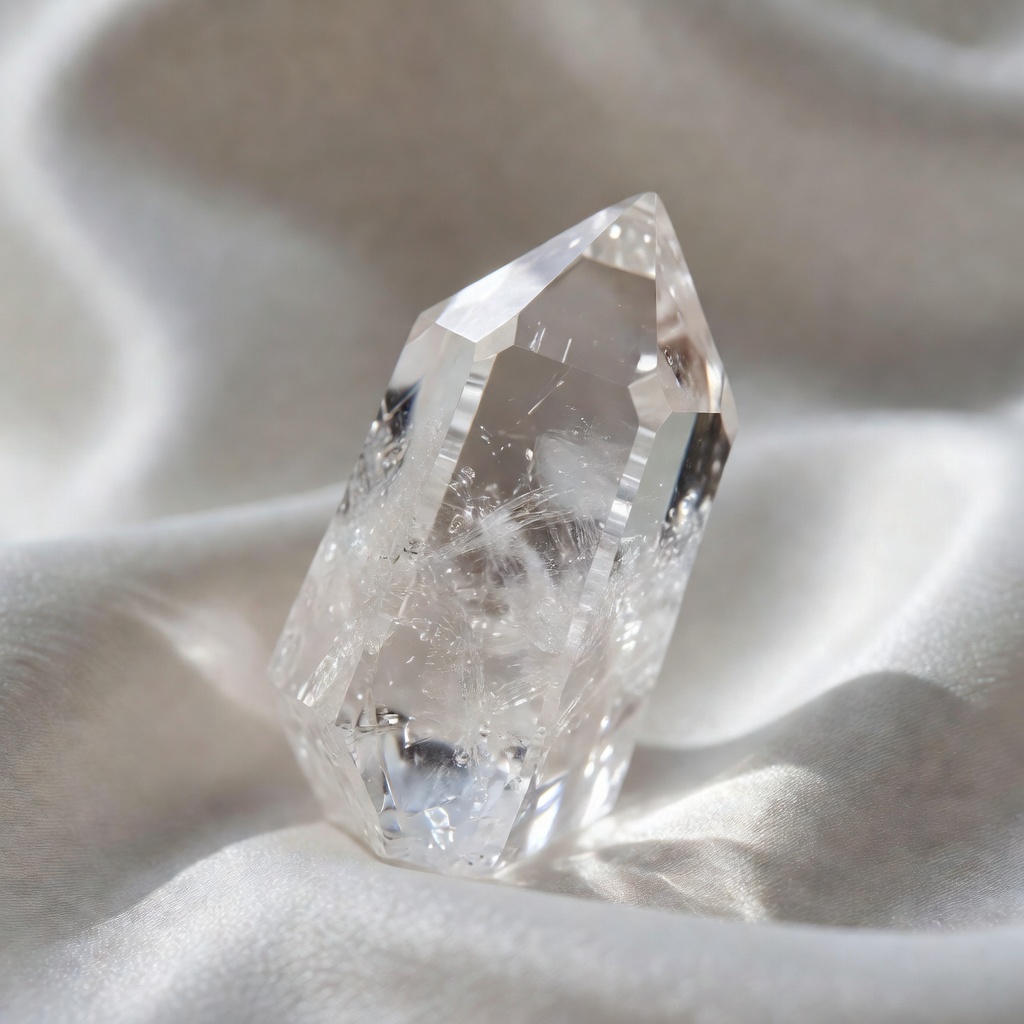
Phantom quartz represents one of nature's most fascinating geological masterpieces, characterized by its distinctive ghost-like mineral inclusions that appear suspended within transparent or translucent crystal chambers. These ethereal formations, often appearing as shadowy outlines or layered landscapes trapped within the crystal matrix, occur when mineral growth pauses and resumes, creating visible records of the crystal's developmental history. Unlike standard clear quartz, phantom varieties contain internal landscapes formed by chlorite, hematite, goethite, or other mineral deposits that create three-dimensional images resembling mystical specters or underwater gardens within the stone.
The unique phantom quartz properties that make these crystals so collectible also demand specialized attention during maintenance routines. Geological formation occurs over thousands of years as silica-rich solutions deposit layer upon layer of crystal growth, occasionally trapping mineral-rich substances between growth phases that create the characteristic phantom effect. These internal inclusions and layered structures create natural stress points and microscopic fractures that standard cleaning methods might compromise, making it essential for collectors to understand the delicate balance between preserving the crystal's energetic integrity and maintaining its physical beauty through appropriate care protocols.
Understanding Phantom Quartz Structure and Vulnerabilities
Before implementing any cleaning routine, understanding the specific mineral composition of your phantom quartz specimen ensures you select methods appropriate for its particular vulnerabilities. Chlorite phantoms display greenish inclusions formed from iron and magnesium-rich minerals, while hematite phantoms exhibit reddish-brown metallic layers, and goethite varieties show yellowish-brown to black needle-like formations. Each inclusion type possesses different hardness levels and chemical sensitivities that influence how aggressively you can clean the crystal without risking damage to these delicate internal structures.
Effective ghost quartz maintenance requires recognizing that the very features making these crystals valuable also create structural weaknesses. Internal fractures often radiate from inclusion points where different mineral densities meet, creating pathways where water or cleaning solutions might become trapped and cause clouding or mineral buildup over time. Layered formations, particularly in specimens showing multiple phantom growth phases, can harbor microscopic gaps where debris accumulates, requiring specialized brushing techniques that clean effectively without applying pressure that could expand existing fractures or loosen inclusion boundaries.
When examining your phantom quartz under magnification, look for feather-like inclusions or veil-like fractures that indicate areas requiring extra gentle handling during maintenance. Specimens with exposed surface inclusions, common in lodolite and garden quartz varieties, need particular attention because protruding mineral deposits can chip or dissolve when exposed to inappropriate cleaning agents. Understanding these structural nuances allows collectors to customize their approach based on whether they possess a robust quartz point with internal phantoms or a delicate cluster with exposed chlorite landscapes.
Essential Tools for Safe Phantom Quartz Care and Cleaning
Establishing a dedicated cleaning kit specifically for your crystal collection prevents cross-contamination and ensures you always have appropriate materials available for routine phantom quartz care and cleaning. The foundation of any safe cleaning arsenal includes ultra-soft bristled brushes, with baby toothbrushes offering the ideal balance between cleaning power and gentleness for reaching into crevices around phantom layers. Microfiber cloths specifically designed for optical lenses or delicate electronics provide lint-free drying capabilities that prevent scratching while absorbing moisture from complex crystal formations without leaving fibrous residue.
Selecting appropriate cleaning solutions requires careful attention to chemical composition, as even mild household cleaners can damage sensitive inclusions or etch crystal surfaces over time. Phosphate-free, unscented liquid soaps diluted in distilled water create the safest cleaning medium, avoiding the mineral deposits that tap water leaves behind in microscopic fractures. Distilled water proves essential for the final rinse, ensuring that no calcium, chlorine, or fluoride residues cloud the crystal's clarity or accumulate around phantom boundaries where they might become permanently embedded.
Certain tools pose significant risks to phantom quartz and must remain absent from your cleaning station regardless of convenience or manufacturer claims about gemstone safety. Ultrasonic cleaners generate vibrations that can expand internal fractures and loosen the mineral inclusions defining phantom characteristics, potentially turning a valuable specimen into separated fragments. Steam cleaners create thermal shock risks while forcing moisture into inclusion cavities under pressure, and harsh chemicals including ammonia, bleach, or acids can dissolve metallic inclusions or etch crystal surfaces. Even commercial jewelry dips designed for diamonds and sapphires contain chemicals too aggressive for the complex mineral composites found within phantom quartz varieties.
Step-by-Step Physical Cleaning Process
Executing proper crystal cleansing methods for phantom quartz requires methodical preparation and patience, rushing through the process often leads to overlooked moisture traps or excessive pressure on vulnerable areas. Begin by creating a stable workspace lined with a soft towel to prevent rolling or impact damage, positioning your cleaning station away from sinks where specimens might accidentally drop into drains. Prepare lukewarm distilled water—never hot or cold—in a clean glass or ceramic bowl, mixing in one drop of phosphate-free soap per cup of water until just barely sudsy, avoiding excessive bubbles that might obscure visibility during cleaning.
Submerge the phantom quartz fully and allow it to acclimate to the water temperature for several minutes, particularly important for specimens stored in significantly different environmental conditions. Using your soft-bristled brush, work systematically from the base upward, employing gentle circular motions around phantom inclusion areas rather than scrubbing back and forth across layered formations. Pay special attention to natural termination faces and crevices where phantom layers meet the outer crystal walls, as these junction points collect the most dust and skin oils while remaining structurally vulnerable to aggressive cleaning.
Rinsing requires multiple changes of fresh distilled water to ensure complete soap removal, as residue left in phantom cavities creates persistent clouding that proves difficult to remove later. Hold the crystal under a gentle stream of distilled water or perform successive dunkings in fresh rinse water, tilting the specimen at various angles to allow water to flow through natural channels and inclusion cavities. Air-dry phantom quartz on a clean microfiber cloth in a dust-free environment, positioning the crystal so that water drains naturally from crevices rather than pooling in phantom layers, and avoid using heat or direct sunlight to speed drying as both can cause thermal stress or fading.
Energetic Cleansing vs. Physical Cleaning
Distinguishing between removing accumulated dirt and clearing stagnant energetic vibrations ensures your phantom quartz maintains both optical clarity and metaphysical potency. Physical cleaning addresses fingerprints, dust, and environmental pollutants that obscure the crystal's natural luster and interfere with light transmission through phantom layers. Crystal charging techniques focus on resetting the stone's vibrational frequency, clearing imprints from previous handlers, environmental stresses, or intensive healing work that might leave the crystal feeling energetically heavy or dull.
Safe energetic methods for phantom quartz include moonlight exposure during full moon phases, which provides gentle energetic reset without the fading risks associated with direct sunlight. Smudging with white sage, palo santo, or sweetgrass allows smoke to carry away stagnant energies while the crystal remains physically untouched, particularly beneficial for specimens with water-sensitive inclusions or extensive surface fractures. Sound bowl cleansing using quartz singing bowls or tuning forks set to 528 Hz creates vibrational frequencies that clear energetic blockages without physical contact, while placing phantom quartz on selenite charging plates overnight offers continuous gentle clearing ideal for routine maintenance.
Water-sensitive phantoms, particularly those containing soluble mineral inclusions like calcite or pyrite within the ghost layers, require alternative cleansing approaches that avoid moisture exposure entirely. Burying the crystal in dry brown rice for twenty-four hours draws out negative energies while protecting delicate surfaces, though you must discard the rice afterward rather than consuming it. Visualization techniques, where you hold the crystal and imagine white light flowing through the phantom layers to purify and recharge the stone, provide effective energetic maintenance for specimens too fragile for traditional water-based cleansing methods.
Common Mistakes to Avoid
Even experienced collectors occasionally compromise their specimens through well-intentioned but damaging lodolite quartz care practices that ignore the specific vulnerabilities of included crystals. Prolonged direct sunlight exposure ranks among the most common errors, as ultraviolet radiation fades chlorite phantoms to pale ghosts of their former green vibrancy and can turn amethyst phantoms gray or clear over time. While brief morning sunlight (fifteen to thirty minutes) proves acceptable for energetic charging, displaying phantom quartz in windowsills or dashboard displays creates cumulative damage that permanently diminishes both aesthetic and monetary value.
Temperature shock presents another significant risk, as moving phantom quartz suddenly from hot environments to cold water—or vice versa—causes differential expansion between the quartz matrix and included minerals. This thermal stress exploits microscopic fractures, potentially causing visible cracking or internal cleaving that destroys the phantom effect. Similarly, storing phantom quartz in attics, unheated storage units, or near heating vents creates cyclical expansion and contraction that gradually loosens inclusion bonds and compromises structural integrity over seasons.
Abrasive cleaning materials including paper towels, cotton balls with stiff fibers, or commercial scrubbing pads scratch crystal surfaces and can catch on protruding inclusions to chip or dislodge them entirely. Household cleaners containing ammonia, alcohol, or acids etch quartz surfaces and dissolve metallic inclusions, while toothpaste and baking soda pastes recommended online for gemstone cleaning create micro-scratches that accumulate cloudiness over time. Even soaking phantom quartz in saltwater risks salt crystallization within fractures as the water evaporates, creating internal pressure that propagates existing cracks.
Proper Storage and Display Solutions
Long-term preservation of phantom quartz requires phantom quartz storage strategies that protect against environmental factors while allowing appropriate energetic breathing room. Individual wrapping prevents harder stones from scratching softer included specimens and stops delicate points from chipping during storage transport. Acid-free tissue paper, unbleached cotton muslin pouches, or silk bags provide ideal protective layers that don't off-gas chemicals or trap excessive moisture against crystal surfaces, unlike plastic bags that create static electricity and condensation microclimates.
Humidity control proves essential for phantom quartz containing hygroscopic inclusions like certain clay minerals or iron oxides that can degrade when exposed to moisture fluctuations. Store specimens in enclosed display cases with silica gel packets changed quarterly, maintaining relative humidity between forty-five and fifty-five percent to prevent both drying cracks and condensation buildup. Avoid storing phantom quartz in basements, bathrooms, or kitchens where humidity spikes regularly, as moisture seeping into inclusion layers causes internal clouding that requires professional restoration to remedy.
Display solutions should minimize dust accumulation while protecting against accidental damage and light exposure. Glass-domed display cases with UV-filtering properties allow appreciation of phantom layers while blocking harmful radiation, and positioning cases away from high-traffic areas prevents vibrations that might loosen fragile clusters. When displaying multiple specimens together, ensure adequate spacing prevents contact during cabinet opening or cleaning, and rotate displayed pieces quarterly with stored specimens to ensure even energetic and environmental exposure across your collection.
Troubleshooting Stubborn Cleaning Challenges
Occasionally, standard phantom quartz care and cleaning protocols fail to address specific contamination issues requiring targeted intervention techniques. Adhesive residue from price stickers, old mounting wax, or display putty presents particular challenges because these substances resist water and cling tenaciously to crystal terminations. Soak the affected area in warm soapy water for fifteen to twenty minutes to soften the adhesive, then gently work a wooden orange stick or bamboo skewer under the residue to lift it without metal tools that scratch surfaces. For persistent sticky patches, apply a small amount of pure isopropyl alcohol to a microfiber cloth and dab gently rather than rubbing, immediately rinsing with distilled water to prevent alcohol residue from drying on the surface.
Cloudiness and white mineral buildup in deep crevices or around phantom layers often results from previous tap water exposure or incomplete drying after cleaning. Create a distilled water bath with a single drop of mild acid such as white vinegar or citric acid, soaking the crystal for no more than five minutes to dissolve calcium deposits without affecting the quartz matrix. Follow immediately with thorough rinsing in fresh distilled water and extended air-drying positioned to allow gravity drainage from the affected areas, repeating the process monthly until clarity returns without attempting aggressive mechanical removal that might damage phantom boundaries.
Recognizing when home care proves insufficient protects valuable specimens from well-intentioned damage during DIY restoration attempts. Professional gem cleaners equipped with steamless ultrasonic alternatives and specialized chemical baths should handle phantom quartz showing significant fracture expansion, loose inclusions, or structural instability. Consult professionals immediately if you notice rattling sounds indicating loose internal pieces, visible cracks propagating through phantom layers, or inclusions that have shifted position, as these conditions require stabilization techniques beyond home maintenance capabilities.
Creating a Maintenance Schedule
Consistent ghost quartz maintenance prevents the accumulation of stubborn grime and energetic stagnation that requires intensive restoration later. Implement a weekly dusting routine using a clean makeup brush or camel-hair artist brush to remove surface particles before they settle into crevices around phantom layers. This five-minute weekly practice prevents the embedding of skin oils and environmental pollutants that gradually cloud crystal clarity, particularly important for specimens displayed open to air rather than under glass.
Monthly inspections under good lighting allow early detection of structural changes, new fractures, or inclusion instability before they become catastrophic failures. During these examinations, assess whether the crystal requires deep cleaning based on visible clouding or fingerprints, and evaluate whether energetic cleansing feels necessary based on the stone's vibrational quality during handling. Document any changes through photographs to track slow deterioration or shifting inclusions, creating a maintenance log that helps identify environmental factors affecting your specific collection.
Quarterly deep cleaning and energetic resetting protocols ensure phantom quartz maintains both physical beauty and metaphysical potency throughout years of ownership. Schedule intensive physical cleaning every three months using the full distilled water method described previously, followed by your preferred charging technique such as overnight selenite placement or full moon exposure. This quarterly rhythm aligns with seasonal changes, allowing you to adjust storage humidity and display positioning as environmental conditions shift, ensuring your phantom quartz collection remains pristine and energetically vibrant regardless of external climate variations.
Frequently Asked Questions
Can I use regular tap water to clean my phantom quartz?
While tap water won't immediately damage phantom quartz, distilled or filtered water is preferred. Tap water contains minerals that can leave residue in the crystal's crevices and around inclusion layers, potentially clouding the phantom formations over time.
How often should I perform phantom quartz care and cleaning?
Light dusting should be done weekly with a soft brush. Deep cleaning is recommended monthly or when visibly dirty. Energetic cleansing can be performed during full moons or whenever the crystal feels energetically heavy, typically every 2-4 weeks depending on usage.
Is it safe to use salt for cleansing phantom quartz?
Dry salt can scratch the surface of phantom quartz and get lodged in fractures. If using saltwater, limit exposure to a few minutes and rinse thoroughly immediately. Safer alternatives include smoke cleansing with sage, moonlight exposure, or placing on selenite charging plates.
Can phantom quartz be damaged by sunlight?
Yes, prolonged direct sunlight can fade certain phantom quartz varieties, especially those with chlorite or amethyst phantoms. Brief sun exposure (15-30 minutes) is generally safe for energetic charging, but display and store phantom quartz in indirect light to preserve color intensity.
What is the difference between phantom quartz and lodolite?
Phantom quartz displays ghost-like layers of previous crystal growth visible within the crystal, while lodolite (garden quartz) contains visible mineral inclusions that look like underwater landscapes. Both require identical gentle care, but lodolite often has more exposed surface inclusions requiring extra careful brushing.
Can I use an ultrasonic cleaner for phantom quartz care and cleaning?
Never use ultrasonic cleaners on phantom quartz. The vibrations can damage internal fractures, loosen inclusions, and cause existing cracks to expand. Always stick to manual gentle cleaning with soft brushes and mild soapy water.
How do I remove sticky residue from my phantom quartz without scratching it?
Soak the crystal in warm soapy water for 10-15 minutes to soften the residue, then gently rub with a soft microfiber cloth or baby toothbrush. For stubborn adhesive, use a small amount of isopropyl alcohol on a cotton swab, avoiding prolonged exposure to the crystal's surface.
Should I cleanse phantom quartz energetically after purchasing?
Yes, always cleanse phantom quartz energetically after purchase to clear any previous energies from miners, handlers, or previous owners. Use your preferred method—smudging, sound, moonlight, or running water—before programming the crystal with your intentions.