Phantom Quartz Buying Guide: Essential Knowledge for Collectors and Enthusiasts
Phantom quartz represents one of the most visually captivating phenomena in the mineral kingdom, offering collectors a tangible glimpse into the geological history of crystal formation. Whether you are a seasoned mineralogist seeking rare museum-grade specimens or a spiritual practitioner drawn to the metaphysical properties of these ghost crystals, understanding the nuances of quality, authenticity, and valuation is essential before making any purchase. This comprehensive Phantom Quartz Buying Guide will equip you with the knowledge needed to navigate the market confidently, identify genuine specimens, and build a collection that brings both aesthetic pleasure and potential long-term value.
What Is Phantom Quartz? Understanding the Ghost Crystal
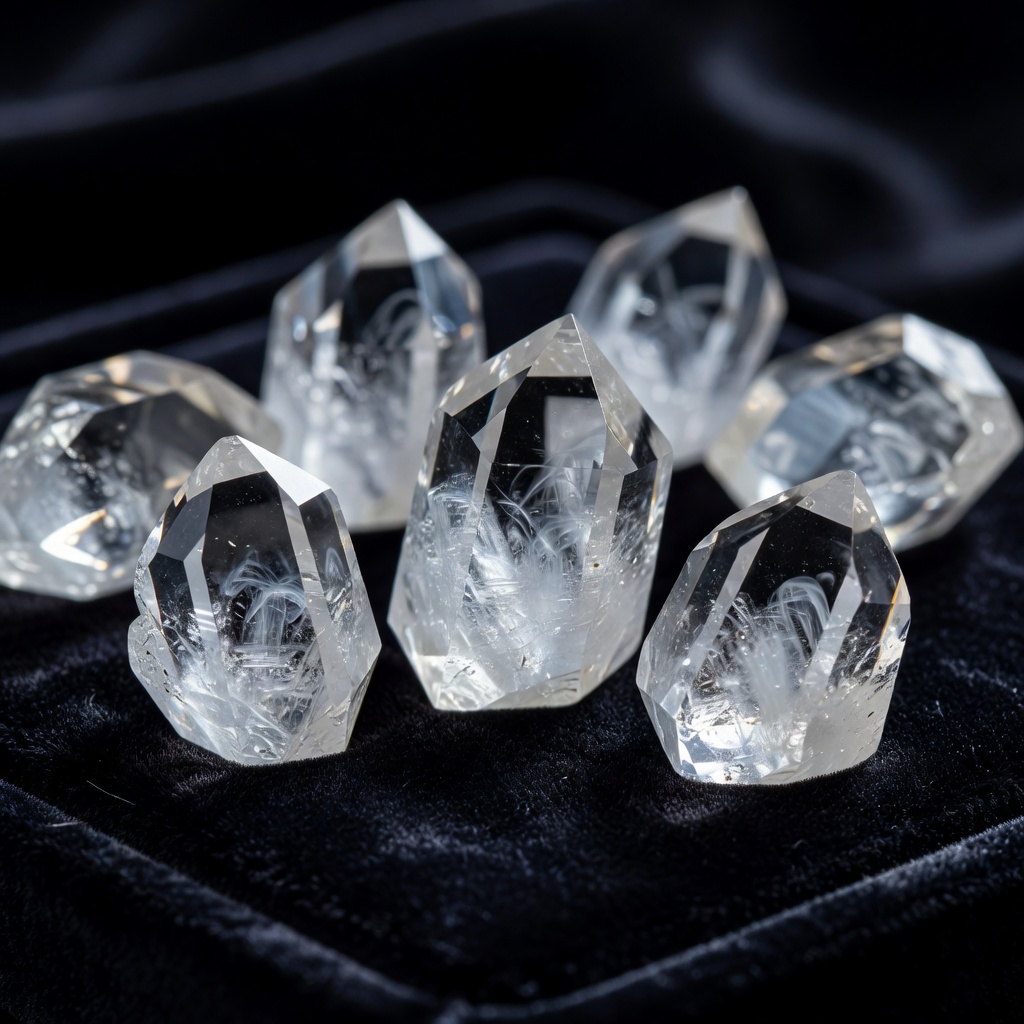
Phantom quartz, often called ghost quartz or shadow quartz, forms when a crystal's growth process undergoes a temporary interruption, allowing foreign minerals to deposit on the existing crystal faces before growth resumes. This fascinating geological phenomenon creates distinct, ghost-like outlines of earlier growth stages trapped within the larger crystal structure, serving as a three-dimensional timeline of the stone's development. The phantom quartz meaning extends beyond mere aesthetics for many collectors, as these visible growth interruptions represent resilience, transformation, and the layering of experiences over time.
The formation process typically occurs deep within hydrothermal veins where silica-rich solutions deposit quartz crystals over thousands or millions of years. When environmental conditions shift—perhaps due to changes in temperature, pressure, or chemical composition—the crystal stops growing and remains dormant while minerals such as chlorite, hematite, goethite, or manganese oxide settle on its surfaces. When conditions become favorable again, a new layer of clear quartz encapsulates these mineral deposits, creating the phantom effect that appears as ghostly outlines suspended within the crystal.
Understanding the distinction between true phantom quartz, lodolite, and garden quartz is crucial for accurate identification and valuation. True phantom quartz displays well-defined, continuous outlines that mirror the original crystal faces, creating distinct geometric ghost layers inside the host crystal. Lodolite quartz, also known as garden quartz or scenic quartz, contains random mineral inclusions that create landscape-like patterns but lacks the defined phantom outlines indicating interrupted growth stages. While both varieties are beautiful and valuable, true phantoms with sharp, continuous ghost lines typically command higher prices due to their geological significance and rarity.
Types and Varieties of Phantom Quartz
The world of phantom quartz encompasses a stunning array of color variations and formation types, each offering unique aesthetic qualities and energetic properties for collectors. Chlorite phantom quartz remains among the most sought-after varieties, featuring distinctive green phantoms created by chlorite mineral inclusions that form during growth interruptions. These green ghost layers often appear as mossy, cloud-like formations or sharp geometric outlines within clear or smoky quartz hosts, with the most prized specimens displaying vivid emerald tones against crystal-clear backgrounds.
Beyond chlorite varieties, collectors frequently encounter phantom formations within amethyst, smoky quartz, and citrine crystals, creating complex color interactions that enhance both visual appeal and metaphysical significance. Amethyst phantoms may display purple ghost layers within clear quartz or vice versa, while smoky quartz phantoms offer dramatic gray and black shadow effects that emphasize the crystal's geometric precision. Red hematite phantoms create striking crimson or rust-colored layers, often appearing as sharp, angular outlines, whereas yellow limonite phantoms provide golden or honey-toned ghost effects that catch light beautifully within transparent hosts.
Rare multi-layered phantoms featuring several distinct growth interruptions create extraordinary specimens that document multiple geological events within a single crystal. These complex formations might display alternating layers of chlorite, hematite, and clear quartz, resembling geological tree rings that tell the story of changing environmental conditions over millennia. Additionally, the market distinguishes between single phantom points, which offer focused energy and display qualities, and phantom clusters where multiple crystals share phantom layers, creating stunning matrix specimens that serve as centerpieces for serious collections.
Quality Factors: What to Look for When Buying
When evaluating phantom quartz for purchase, the visibility and definition of phantom layers serve as primary indicators of quality and value. Superior specimens display sharp, continuous ghost lines that are immediately visible to the naked eye without requiring magnification or specific lighting angles. The phantom layers should appear as distinct, three-dimensional outlines that you can trace around the crystal, with clear demarcation between the ghost formation and the surrounding host quartz.
The clarity of the host crystal presents an interesting balancing act for collectors, as exceptional transparency allows for optimal phantom visibility while interesting inclusions might add character and uniqueness to the specimen. Ideally, the quartz surrounding the phantom should be water-clear or lightly included, providing an unobstructed view of the ghost layers from multiple angles. However, some collectors specifically seek specimens where rutile, tourmaline, or other minerals coexist with phantom formations, creating complex internal landscapes that offer both phantom definition and additional mineralogical interest.
Color intensity and distribution within the phantom formations significantly impact both aesthetic appeal and market value, with vivid, saturated colors commanding premium prices. Chlorite phantoms should display rich forest greens rather than muddy or brownish tones, while hematite phantoms benefit from deep, consistent reds without orange fading or patchy distribution. The crystal termination quality also demands careful inspection; pristine, undamaged points with natural facets indicate careful extraction and handling, whereas chipped or rehealed terminations may indicate rough mining practices or geological stress that could affect the specimen's structural integrity and long-term durability.
Authenticity Check: Spotting Fake vs Real Phantom Quartz
The growing popularity of phantom quartz has unfortunately led to an influx of synthetic, treated, and outright fraudulent specimens flooding the market, making authentic phantom quartz identification an essential skill for buyers. Natural phantom quartz exhibits organic irregularities within the ghost layers, including slight variations in mineral density, natural fractures that stop at phantom boundaries, and uneven color distribution that reflects the random nature of geological mineral deposition. Genuine specimens rarely display perfectly uniform phantom layers; instead, the ghost lines typically show subtle variations in thickness, color intensity, and continuity that reveal their natural origins.
Common enhancement techniques include heat treatment to intensify or alter colors—particularly converting amethyst phantoms to citrine tones—and dyeing processes that artificially boost the green coloration in chlorite phantom quartz specimens. Some unscrupulous dealers create fake phantoms by injecting colored epoxy or resin into fractures, creating superficial "ghost" lines that lack the three-dimensional depth and geometric precision of true phantom formations. These fraudulent specimens often feel unusually light for their size, display air bubbles when examined under magnification, or show color concentrations only along surface-level cracks rather than throughout the crystal's interior.
Effective testing methods for verifying authenticity include careful examination under 10x magnification to check for natural mineral inclusions versus manufactured patterns, UV fluorescence testing to identify artificial resins or dyes, and specific gravity measurements that can distinguish quartz from glass imitations. When shopping online, be wary of listings featuring stock photos rather than images of the actual specimen, descriptions using vague terminology like "phantom-style" or "phantom-effect" rather than claiming genuine phantom formations, and prices that seem suspiciously low for the claimed quality and size.
Phantom Quartz Price Guide and Market Value
Understanding phantom quartz price structures requires recognizing the wide spectrum of quality, size, and rarity factors that influence market valuations across different specimen categories. Entry-level pieces suitable for beginning collectors or energy workers typically range from $20 to $50 for small tumbled stones or modest crystal points measuring under two inches, often featuring visible but not exceptional phantom layers. Mid-range specimens between $80 and $200 generally offer sharper phantom definition, better clarity, and more substantial sizes, making them suitable for serious collectors seeking display-worthy pieces without premium price tags.
High-end phantom quartz value becomes evident in specimens priced from $300 to $1,000 or more, which typically feature exceptional clarity, vivid color saturation in the phantom layers, and significant size or rare formation types. Museum-quality pieces exceeding $1,000 might include large clusters with multiple phantom layers, rare color combinations such as blue covellite phantoms, or specimens from depleted localities like certain Arkansas or Brazilian mines that are no longer producing. The origin significantly impacts pricing, with specimens from Madagascar, Brazil, and the Himalayan regions often commanding premiums due to their reputation for exceptional clarity and distinct phantom characteristics.
When considering phantom quartz as an investment, focus on documentation, provenance, and rarity rather than treating common varieties as financial assets. Wholesale purchasing offers opportunities for resellers or serious collectors looking to acquire multiple specimens, typically providing 40-60% discounts from retail prices when buying in quantity, though this requires establishing relationships with reputable dealers and understanding market demands. Investment potential remains strongest for specimens with unusual characteristics, documented origins from closed mines, or exceptional aesthetic qualities that appeal to both mineral collectors and metaphysical practitioners.
Best Places to Buy Phantom Quartz
Locating reputable sources for authentic specimens requires knowing where to buy phantom quartz while avoiding the pitfalls of fraudulent sellers and misrepresented goods. Established online crystal shops and mineral dealerships with physical gallery locations offer the best combination of selection, expertise, and buyer protection, particularly those specializing in high-quality specimens rather than mass-market tumbled stones. Look for vendors providing detailed photography including multiple angles, video footage showing the specimen in natural light, and comprehensive descriptions of dimensions, weight, and origin.
Mineral shows and gem fairs provide unparalleled opportunities for hands-on evaluation, allowing you to examine phantom layers under proper lighting, assess structural integrity in person, and negotiate prices directly with phantom quartz dealers or artisan miners. Major shows like the Tucson Gem and Mineral Show, Denver Gem and Mineral Show, and regional events host hundreds of vendors where you can compare quality across price points and develop relationships with trusted sellers who understand the nuances of phantom formations. Purchasing directly from artisan miners or small-scale mining operations, often found at these shows or through specialized networks, can provide access to specimens fresh from the earth with documented provenance.
Red flags that should prompt immediate caution include sellers unable or unwilling to specify exact geographic origins, listings using only stock photos or heavily filtered images, and vendors lacking clear return policies or satisfaction guarantees. Avoid auction sites where phantom quartz appears at prices significantly below market rates, as these often represent dyed quartz, glass imitations, or specimens with undisclosed damage. Reputable sellers willingly provide origin documentation, explain any treatments or enhancements, and offer detailed views of any damage or repairs rather than hiding flaws through creative photography angles.
Evaluating Specimens: A Buyer's Checklist
Implementing a systematic approach to phantom quartz buying guide protocols ensures you acquire specimens that meet your quality standards and represent fair value for your investment. Physical inspection should begin with examining the crystal under natural daylight or full-spectrum lighting, as incandescent or LED lights can mask color variations and inclusions that become apparent under sunlight. Check carefully for damage to terminations, chips along edges, or repaired fractures that might have been filled with epoxy or other substances to enhance stability or appearance.
For online purchasing phantom quartz, request natural light videos showing the specimen rotated 360 degrees to verify phantom visibility from multiple angles, ensuring the ghost layers are truly internal rather than surface inclusions or external staining. Ask sellers to place a ruler or coin next to the specimen for scale reference, preventing disappointment from size misperception based on macro photography. Documentation requirements should include specific locality information down to the mine level when possible, ethical sourcing statements regarding mining practices, and any treatment disclosures required by trade regulations.
Before finalizing any purchase, verify return policies allowing adequate time for inspection upon receipt, ideally seven to fourteen days, and confirm whether the seller offers certificates of authenticity for high-value specimens. For specimens exceeding $500, consider requesting third-party grading or appraisal from recognized mineralogical institutions, particularly when purchasing rare varieties like red hematite phantoms or complex multi-layered formations. Building a relationship with sellers who prioritize transparency and education over quick sales will serve your collecting interests far better than chasing the lowest prices in an unregulated market.
Caring for Your Phantom Quartz Collection
Proper maintenance ensures your phantom quartz specimens retain their visual brilliance and structural integrity for generations, preserving both their aesthetic appeal and market value. Cleaning protocols require gentle handling using lukewarm water and mild, phosphate-free soap applied with a soft brush to remove dust and oils without scratching the crystal surface. Never use ultrasonic cleaners, steam cleaners, or harsh chemical solvents on phantom quartz, as these methods can exacerbate internal fractures, loosen inclusions, or cause thermal shock that fractures the crystal along planes of weakness associated with phantom layers.
Storage solutions should emphasize individual wrapping in acid-free tissue paper or soft cloth pouches to prevent scratching between specimens, with phantom quartz stored separately from harder minerals like corundum or diamonds that could mar the surface. Maintain stable environmental conditions avoiding extreme temperature fluctuations and low humidity that might cause internal stress fractures, particularly in specimens with prominent phantom layers that represent natural planes of structural variation. For display purposes, choose locations away from direct sunlight, as prolonged UV exposure can fade certain mineral inclusions—particularly chlorite varieties—diminishing the vivid green tones that make chlorite phantom quartz so desirable.
Those who work with crystals for metaphysical purposes often incorporate energy maintenance practices including moonlight charging during full moons, smudging with sage or palo santo to clear accumulated energies, and periodic intention-setting ceremonies that honor the phantom quartz meaning of growth through adversity. Display considerations should include protective cases or stands that secure the crystal while allowing 360-degree viewing to appreciate the three-dimensional phantom formations from all angles. Maintaining detailed records of each specimen's acquisition date, price, origin, and any treatments ensures proper care protocols and supports future valuation or resale efforts.
Common Mistakes to Avoid When Purchasing
Even experienced collectors occasionally fall prey to phantom quartz buying mistakes that result in overpayment, disappointment, or acquisition of misrepresented specimens. One prevalent error involves paying premium prices for heat-treated or dyed specimens sold as completely natural, particularly when amethyst phantoms have been baked to create citrine coloring or when pale chlorite formations have been artificially intensified with green dyes. Always inquire specifically about treatments when evaluating colored phantom varieties, as natural specimens typically command prices 30-50% higher than their enhanced counterparts, and ethical sellers should disclose any modifications voluntarily.
Confusing included quartz with true phantom formations represents another costly error, as many dealers market garden quartz or lodolite containing random mineral inclusions as phantom quartz despite lacking the defined ghost outlines that characterize genuine specimens. Before purchasing, verify that the specimen displays continuous, geometric outlines that mirror crystal faces rather than merely containing scattered mineral deposits or scenic patterns. Additionally, avoid buying based solely on heavily filtered social media photos that enhance color saturation and clarity beyond physical reality; insist on natural lighting documentation that shows the specimen as it actually appears.
Neglecting to research seller reputation and reviews can lead to transactions with vendors who misrepresent origins, conceal damage, or sell synthetic specimens as natural. Before committing to significant purchases, search for seller reviews on independent mineral forums, verify business credentials through mineralogical societies, and examine their history of customer service regarding disputes or returns. Remember that in the phantom quartz market, if a deal seems too good to be true—such as a large, perfect chlorite phantom cluster offered at a fraction of typical market rates—it almost certainly indicates fraud, severe damage, or undisclosed treatments that would make the specimen unsuitable for serious collecting.
Frequently Asked Questions
What is phantom quartz and how does it form naturally?
Phantom quartz forms when crystal growth pauses, allowing minerals to deposit on the crystal faces, then resumes growth encapsulating these 'ghost' layers inside. These visible phantoms represent different growth stages, often containing chlorite, hematite, or other minerals that create distinct color layers within the clear quartz. The formation process can take thousands or millions of years as hydrothermal solutions deposit silica in distinct episodes, creating the three-dimensional records of environmental changes that make these specimens scientifically fascinating and visually striking.
How much should I expect to pay for quality phantom quartz?
Small tumbled pieces or points typically range from $20-$80, while high-quality display specimens with sharp phantom layers can cost $150-$500. Rare formations like multi-layered chlorite phantoms or large clusters may exceed $1,000. Price depends on clarity, phantom visibility, size, and origin, with specimens from depleted mines or showing unusual color combinations commanding significant premiums in the collector market.
How can I tell if phantom quartz is real or synthetic?
Authentic phantom quartz shows natural irregularities in phantom layers, internal fractures, and varying mineral density. Fakes often display too-perfect geometric layers, uniform color distribution, or air bubbles (indicating glass). Examine under magnification—natural phantoms have organic, uneven edges while synthetic ones appear machine-perfect. Real specimens also feel appropriately heavy for their size compared to glass imitations and exhibit natural temperature conductivity properties distinct from polymers or resins.
What is the difference between phantom quartz and lodolite?
While often confused, true phantom quartz displays distinct ghost-like outlines of earlier crystal growth stages visible within the crystal. Lodolite (garden quartz) contains random mineral inclusions that look like landscapes or gardens but lack the defined phantom outlines that indicate interrupted growth patterns. True phantoms show geometric precision mirroring crystal faces, whereas lodolite presents more chaotic, scenic inclusion patterns without the structured layering that defines phantom formations.
Is phantom quartz a good investment for collectors?
High-quality phantom quartz from closed mines or rare localities can appreciate in value, particularly specimens with unusual color combinations or exceptional clarity. However, buy for enjoyment first—investment value depends on rarity, documentation, and condition. Avoid common varieties as purely financial investments, as the market fluctuates based on mining discoveries and metaphysical trends, making these specimens better suited for aesthetic and spiritual appreciation than speculative profit.
Can phantom quartz be heat treated or color enhanced?
Yes, some phantom quartz undergoes heat treatment to intensify colors (particularly amethyst phantoms turning citrine) or dyeing to enhance chlorite greens. Always ask sellers about treatments. Natural phantoms typically show softer, more diffuse color boundaries compared to the sharp, saturated lines of dyed specimens. Heat-treated stones may also display color zoning inconsistent with natural formation patterns, and some treatments can be detected through spectrometry or by examining the crystal under specific lighting conditions that reveal artificial color concentrations.
Where is the best place to buy authentic phantom quartz?
Purchase from established mineral dealers with physical galleries, reputable crystal shops with certification, or directly at mineral shows where you can examine specimens. Online, choose vendors offering detailed photos, videos, and return policies. Avoid auction sites with stock photos or sellers unable to specify exact origins. Building relationships with specific dealers who specialize in inclusion quartz provides access to pre-screened, high-quality inventory and expert guidance that prevents costly purchasing errors.
What should I look for in high-quality phantom quartz specimens?
Seek sharp, well-defined phantom layers visible to the naked eye, minimal damage to terminations or edges, good transparency in the host crystal, and natural color distribution. The phantom layers should be three-dimensional and visible from multiple angles, not just surface-level inclusions. Additionally, examine the specimen for structural integrity, ensuring no significant cracks compromise the crystal's stability, and verify that any color variations within the phantom layers appear natural and consistent with the mineral species known to occur in the stated locality.