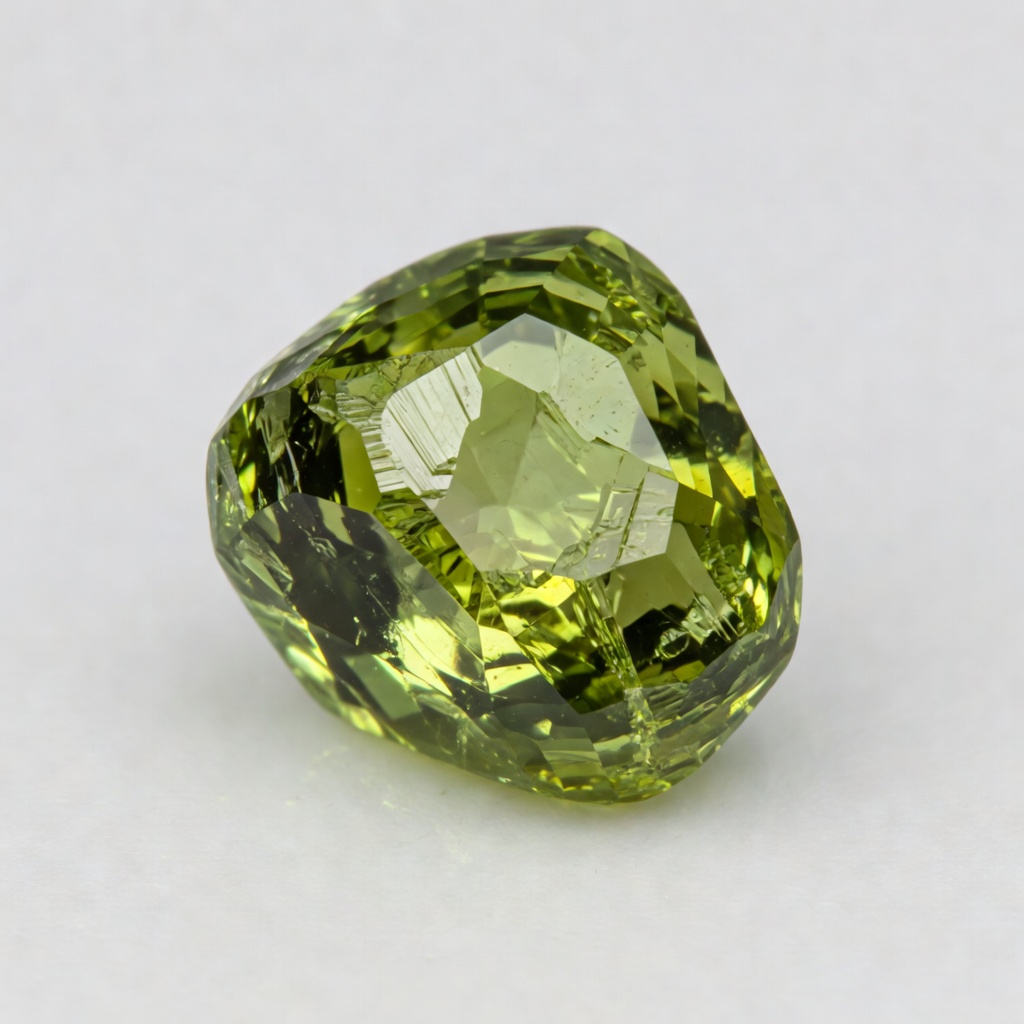
What Is Peridot? A Complete Overview
Peridot stands as one of the most distinctive gemstones in the world, celebrated for its vibrant lime to olive-green hues that remain unmatched by any other precious stone. Unlike many gems that derive their color from trace impurities, this remarkable peridot gemstone owes its signature shade entirely to iron content within its crystal structure, creating a transparency and glow that has captivated civilizations for over 3,500 years. Ancient Egyptians referred to peridot as the "gem of the sun," mining it from the volcanic island of Zabargad in the Red Sea, where they believed it protected wearers from the terrors of the night and brought warmth and well-being to the soul.
The peridot meaning has evolved across cultures, from serving as a talisman for medieval knights to becoming a symbol of prosperity in Hawaiian folklore, where it represents the tears of Pele, the volcano goddess. Today, the primary sources of quality peridot include the San Carlos Reservation in Arizona, which produces approximately 80-90% of the world's commercial supply, alongside the rugged mountains of Pakistan's Kashmir region and the alluvial deposits of China. While many confuse peridot with the broader olivine mineral group, gemologists distinguish peridot specifically as the transparent, jewelry-quality variety of olivine, whereas most olivine remains opaque and suited only for industrial applications.
Geological Origins and Scientific Classification
From a scientific perspective, peridot belongs to the forsterite-fayalite solid solution series with the chemical formula (Mg,Fe)₂SiO₄, representing one of the few gemstones that form deep within Earth's mantle rather than in the crust. These crystals typically develop in magnesium-rich volcanic basalt rocks, where they crystallize from magma as it cools, though the most exceptional specimens occasionally arrive at the surface as xenoliths—foreign rock fragments carried up by erupting volcanoes from depths exceeding 20 miles. The iron-to-magnesium ratio determines both the intensity and exact shade of green, with higher iron concentrations producing the prized deep olive tones while lower concentrations yield the more common yellowish-green varieties found in commercial markets.
Modern mining operations focus on specific geological formations where erosion has concentrated these gems in secondary deposits or where ancient volcanic activity has brought mantle material within reach. In Arizona's Peridot Mesa, miners use hand tools and hydraulic methods to extract nodules from ancient lava flows, while Pakistani miners brave altitudes exceeding 13,000 feet in the Himalayan foothills to reach primary deposits embedded in ultramafic rocks. Understanding these olivine mineral origins helps collectors appreciate why large, clean peridot remains relatively rare despite the gem's overall abundance, as the specific conditions required for gem-quality crystal growth occur infrequently in nature.
Physical and Gemological Properties
When evaluating a peridot gemstone for purchase or appraisal, professionals examine several key physical characteristics that distinguish it from imitations and determine its durability for jewelry applications. The stone registers 6.5 to 7 on the Mohs hardness scale, making it suitable for most jewelry types though requiring protective settings for rings that will see daily wear, particularly compared to harder stones like sapphire or diamond. Its refractive index ranges from 1.65 to 1.69, producing excellent brilliance when properly cut, while its strong double refraction—visible as a doubling of facet edges when viewed through magnification—serves as a diagnostic feature that separates natural peridot from single-refractive simulants like green glass.
The specific gravity of peridot falls between 3.27 and 3.48, noticeably heavier than many look-alike materials and helpful for gemological identification using hydrostatic weighing methods. Color evaluation considers the spectrum from pale yellowish-green through pure deep olive to brownish-green, with the most valuable stones displaying intense, saturated green without yellow or brown modifiers that detract from the gem's fresh, spring-like appearance. Experienced cutters must navigate potential color zoning—uneven color distribution within the crystal—by orienting the table perpendicular to the crystal's main axis to display the most desirable green face-up, a technique that maximizes both beauty and commercial value.
Metaphysical Properties and Healing Benefits
Beyond its physical beauty, peridot carries profound significance in crystal healing traditions and metaphysical practices, particularly through its association with the heart chakra and its reputation as a stone of compassion and emotional balance. Practitioners utilize peridot healing properties to release old baggage, negative patterns, and jealousy, replacing these burdens with confidence, assertiveness, and growth-oriented thinking that aligns with the gem's connection to solar energy and renewal. Many healers recommend placing peridot over the heart during meditation to facilitate forgiveness and relationship healing, while others carry tumbled stones in pockets to ward off negative energies and protect against emotional vampires who drain positivity.
Historical texts from Pliny the Elder to modern crystal encyclopedias document peridot's traditional use as a protective talisman against nightmares, evil spirits, and enchantments, often set in gold to amplify its solar associations. In astrological contexts, the stone resonates particularly with Leo and Virgo signs, supporting Leos in moderating their pride with humility and helping Virgos release perfectionism in favor of self-acceptance. Contemporary wellness practitioners also attribute physical healing benefits to peridot, suggesting it supports the heart, lungs, thymus, and digestive system, though these applications should complement rather than replace conventional medical treatment.
Peridot as the August Birthstone
Officially designated by the American Gem Society and jewelry associations worldwide as the primary August birthstone, peridot shares this month with spinel and sardonyx but remains the most recognized and commercially significant option for those celebrating birthdays during late summer. The tradition extends to wedding anniversaries as well, where peridot represents the 16th year of marriage, symbolizing the growth and renewal that characterizes long-term partnerships much like the fresh green of spring foliage. This association with prosperity and positive relationships has made peridot jewelry a meaningful gift for August-born individuals, offering a personal connection that transcends mere aesthetic appreciation.
Culturally, peridot's connection to the sun has inspired countless legends about its ability to ward off darkness and bring good fortune, making it particularly appropriate for those born during the height of summer when sunlight dominates the natural world. Modern celebrities including actresses and fashion influencers have embraced peridot on red carpets, pairing it with both contemporary couture and vintage-inspired ensembles, thereby cementing its status as a versatile gemstone suitable for both casual elegance and formal occasions. Whether chosen for its metaphysical significance or its cheerful color that complements warm-weather wardrobes, peridot continues to serve as a thoughtful, personalized birthstone option that carries thousands of years of historical resonance.
Quality Factors and Grading Criteria
Understanding how gemologists evaluate peridot empowers buyers to make informed decisions when assessing value and authenticity in a market where prices range dramatically based on quality parameters. Color represents the paramount consideration, with the most desirable specimens displaying pure, intense green without the yellowish or brownish tints that characterize commercial-grade material; Pakistani and Burmese origins typically command premium prices for their deeper, more saturated hues compared to the lighter, more yellowish material from Arizona. Clarity standards demand eye-clean stones for pieces over one carat, meaning no inclusions visible to the naked unaided eye, though collectors occasionally tolerate characteristic "lilypad" inclusions—disk-shaped fractures caused by tension within the crystal—as proof of natural origin.
Cut quality significantly impacts peridot's performance, with skilled lapidaries choosing brilliant cuts, step cuts, or mixed designs depending on the rough material's color distribution and clarity characteristics to maximize light return while minimizing windowing or extinction. Carat weight influences pricing exponentially rather than linearly, as stones exceeding five carats with fine color become exponentially rarer; while commercial peridot under two carats remains affordable and abundant, museum-quality specimens over ten carats can command prices rivaling finer sapphires or rubies. When shopping, request detailed information about origin, as stones from specific localities like the Suppatt region of Pakistan often carry provenance premiums due to their exceptional color saturation and historical significance in high jewelry.
How to Buy Peridot: A Smart Shopping Guide
Navigating the marketplace to buy peridot requires discernment between natural, treated, and synthetic materials, as well as an understanding of pricing structures that reflect the gem's variable quality spectrum. Natural peridot dominates the market, though some specimens undergo heat treatment to improve color—a practice that should always be disclosed by reputable sellers—while synthetic peridot remains rare but does exist in laboratory-created forms. Before committing to significant purchases, insist on gemological certification from respected laboratories such as GIA (Gemological Institute of America), AGS (American Gem Society), or IGI (International Gemological Institute), which verify authenticity, origin, and any treatments applied to the stone.
Price expectations should align with quality tiers: commercial-grade peridot under one carat typically ranges from $25 to $50 per carat, while fine quality stones between one to three carats may cost $100 to $300 per carat, and exceptional specimens over five carats with deep green color can exceed $400 to $500 per carat. When evaluating retailers, seek established jewelers with strong return policies and educational resources, while avoiding red flags such as prices that seem too good to be true (indicating possible glass imitations), vendors who resist independent verification, or listings that use vague terms like "green olivine" without specifying gem quality. For online purchases, request high-resolution photos and videos showing the stone under different lighting conditions, as peridot's color can shift slightly between natural and artificial illumination, ensuring you receive exactly the hue and quality you expect.
Peridot Jewelry Settings and Styles
Selecting appropriate settings for peridot jewelry involves balancing aesthetic preferences with practical considerations regarding the stone's relative softness and sensitivity to thermal shock and pressure. Yellow gold beautifully complements peridot's warm undertones, enhancing its golden-green flashes, while white gold and platinum provide contemporary contrast that emphasizes the gem's clarity and brightness; sterling silver offers an affordable option for fashion pieces though requires more frequent maintenance to prevent tarnish transfer to the stone. Protective settings such as bezels or halos prove ideal for peridot rings intended for regular wear, safeguarding the gem's edges from chipping while showcasing its color, whereas prong settings work well for earrings and pendants where impact risk remains minimal.
Design trends span from intricate Art Deco reproductions featuring geometric filigree and milgrain details to sleek, minimalist solitaires that highlight the stone's natural beauty without distraction. Vintage-inspired pieces often incorporate floral motifs or sunburst patterns referencing peridot's solar associations, while modern designers experiment with asymmetrical arrangements and mixed metal compositions that appeal to younger demographics seeking unique, personalized adornment. When commissioning custom pieces, consider the wearer's lifestyle: active individuals should opt for low-profile settings with protective galleries, while those seeking statement pieces for special occasions might choose elaborate cocktail rings or drop earrings that maximize the gem's impressive size-to-value ratio compared to other precious stones.
Care, Cleaning, and Maintenance Tips
Maintaining the brilliance of your peridot gemstone requires specific care protocols that acknowledge its moderate hardness and sensitivity to rapid temperature changes and harsh chemicals. For routine cleaning, prepare a solution of mild dish soap and warm (not hot) water, soaking the jewelry for several minutes before gently brushing with a soft-bristled toothbrush to remove accumulated oils and debris from behind the stone and within setting details. Avoid ultrasonic cleaners and steam cleaning devices, as the vibrations and heat can exacerbate existing fractures or inclusions common in natural peridot, potentially causing the stone to crack or shatter during the cleaning process.
Storage practices should isolate peridot pieces from harder gemstones like diamonds, sapphires, or rubies that could scratch its surface, using individual soft pouches or compartmentalized jewelry boxes with fabric lining. Remove peridot jewelry before engaging in household cleaning, swimming in chlorinated pools, or applying cosmetics and perfumes, as exposure to acids, caustic solutions, and thermal shock from hot water can damage the stone or its setting. Schedule annual inspections with a professional jeweler to check prong tightness, especially for rings, ensuring the stone remains secure and the setting hasn't developed structural weaknesses that could lead to loss or damage during wear.
Interesting Facts and Famous Peridot Specimens
The world of peridot contains remarkable specimens that demonstrate why this gem has fascinated collectors and monarchs throughout history, beginning with the Smithsonian Institution's National Museum of Natural History, which houses the world's largest cut peridot weighing an impressive 311.8 carats. This extraordinary gem originated from the Zabargad Island mines in Egypt, the same source that supplied Cleopatra's famous emerald collection—much of which historians now believe may have actually been peridot given the island's primary output and the ancient confusion between the two green gems. European royal collections, including those of the Habsburgs and Romanovs, feature spectacular peridot parures and tiaras that showcase the stone's imperial elegance, particularly pieces from the early 19th century when Napoleon-era fashion favored the gem's fresh green against white gowns.
Perhaps most fascinating is peridot's extraterrestrial connection: genuine peridot crystals have been discovered in pallasite meteorites, stony-iron space rocks that represent the boundary between a meteorite's iron-nickel core and silicate mantle, offering scientists and gem enthusiasts alike samples of material from the early solar system. These "space peridots" remain extremely rare in jewelry, though some avant-garde designers have incorporated them into pieces that literally carry cosmic significance. Despite common misconceptions that peridot is a "common" or inexpensive stone, fine quality material over five carats with pure green color actually ranks among the rarer gem finds, as the specific geological conditions required to produce such crystals occur infrequently, making exceptional specimens highly prized by knowledgeable collectors who understand the peridot meaning extends far beyond its accessible price point into genuine rarity.
Frequently Asked Questions
What are the main properties of peridot gemstone?
Peridot is a magnesium iron silicate with a Mohs hardness of 6.5-7, specific gravity of 3.27-3.48, and a distinctive yellowish-green to olive-green color caused by iron content. It's doubly refractive with a refractive index of 1.65-1.69 and forms in volcanic basalt and mantle rocks. Peridot is the August birthstone and is valued for both jewelry use and metaphysical healing properties.
How much does natural peridot cost per carat?
Natural peridot typically ranges from $25 to $500 per carat depending on quality. Commercial-grade stones under 1 carat may cost $25-$50 per carat, while fine quality gems over 5 carats with pure green color can exceed $400 per carat. Pricing factors include color saturation (pure green commands premium prices), clarity, cut quality, and origin, with Pakistani and Burmese peridot generally valued higher than Chinese or Arizona material.
What is the difference between peridot and olivine?
Olivine is the mineral group name, while peridot is the gem-quality variety of olivine. Chemically identical as (Mg,Fe)₂SiO₄, only transparent, durable crystals with attractive green color are cut and sold as peridot gemstones. Most olivine is opaque, industrial-grade material found in volcanic rocks and doesn't qualify as gemstone material. Think of it as the relationship between ruby/corundum or emerald/beryl.
How can I tell if my peridot is real or fake?
Authentic peridot exhibits double refraction (doubling of facet edges when viewed under magnification), has a specific gravity of 3.27-3.48, and shows unique inclusions like lilypad disc fractures. Real peridot typically costs at least $25 per carat. Synthetic peridot is rare, but imitations like green glass or cubic zirconia lack double refraction and have different optical properties. For certainty, obtain a certificate from a reputable gemological laboratory like GIA or AGS.
What are peridot's healing properties and chakra associations?
Peridot is strongly associated with the heart chakra, promoting emotional balance, compassion, and stress relief. It's traditionally believed to protect against negative emotions, enhance confidence, and support personal growth. Many crystal healers use peridot for releasing old patterns, overcoming jealousy or resentment, and attracting abundance. The stone is also thought to support physical healing of the heart, lungs, and digestive system.
Is peridot durable enough for engagement rings?
Peridot's Mohs hardness of 6.5-7 makes it moderately suitable for engagement rings with proper care. While softer than sapphire or diamond, it can work in protective settings like bezels or halos with occasional wear. However, it's more vulnerable to scratching and chipping than harder gems, so daily wear in active lifestyles isn't recommended. Consider peridot for special occasion rings or earrings/pendants where it's less exposed to impact.
Which countries produce the finest quality peridot?
Pakistan's Kashmir region produces the most coveted peridot with deep, pure green color and exceptional clarity. Myanmar (Burma) historically yielded fine specimens, while Arizona's San Carlos Reservation is the world's largest commercial source. China produces significant quantities, and recent discoveries in Vietnam and Tanzania offer promising material. Each source shows characteristic color nuances: Pakistani stones show pure green, Arizona material tends toward yellowish-green, and Burmese peridot often displays deeper olive tones.
What makes peridot color unique among green gemstones?
Peridot's color comes from iron within its crystal structure (not from trace impurities like most gems), creating its signature yellowish-green to olive-green hue that's unique in the gem world. Unlike emerald's blue-green or tsavorite's pure green, peridot's color is immediately recognizable and cannot be duplicated by other gems. The iron content must be precise – too much iron makes it too dark, too little yields weak color – making fine peridot genuinely rare and distinctive.