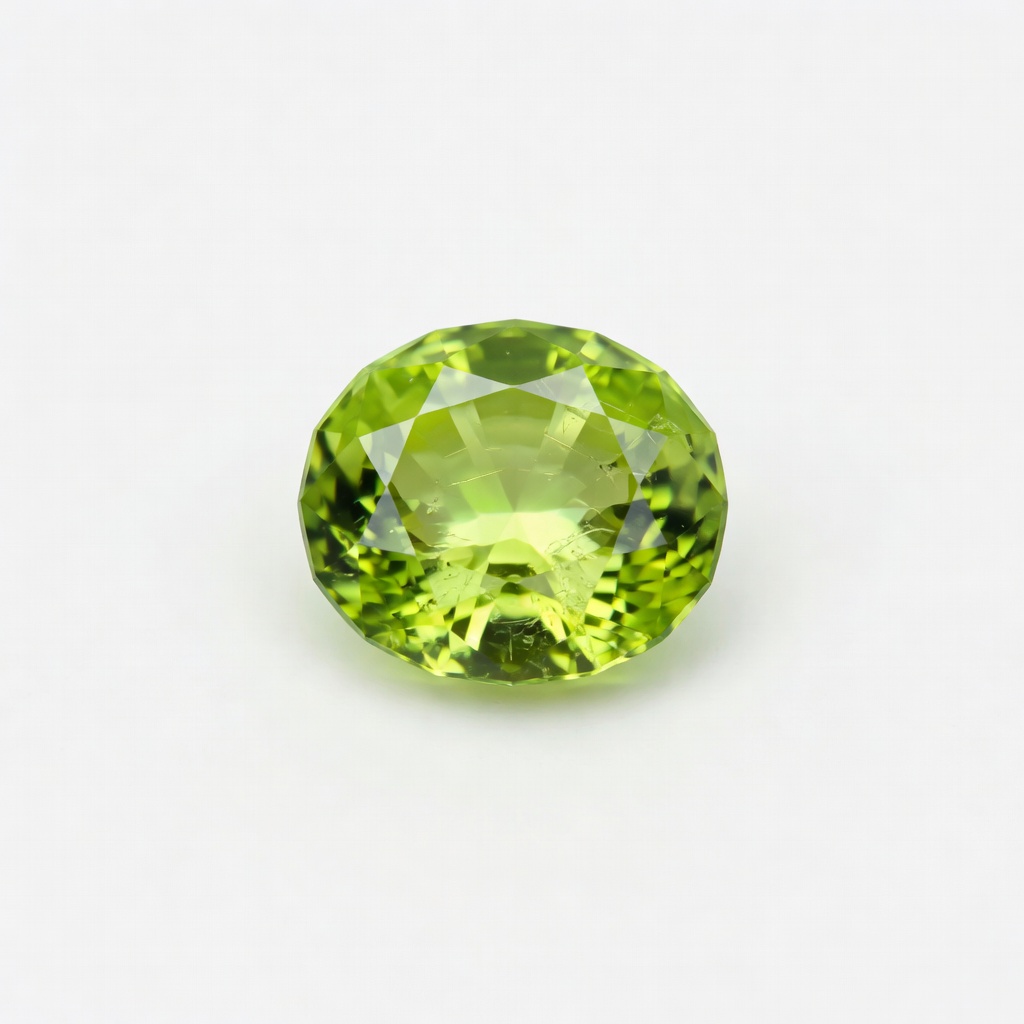
What Is Peridot? Essential Facts Before You Buy
Before diving into your peridot buying guide journey, understanding what makes this gemstone unique will help you make an informed decision. Peridot is the official August birthstone and represents gem-quality olivine, a silicate mineral formed deep within the earth's mantle and brought to the surface by volcanic activity. Unlike most gemstones that form in the earth's crust, peridot crystals develop 20 to 55 miles deep, making their journey to jewelry stores a geological miracle spanning millions of years. This extraordinary origin story contributes to the stone's distinctive yellow-green to olive color palette that has captivated collectors and jewelry enthusiasts for over 3,500 years.
Perhaps the most fascinating aspect of peridot is its extraterrestrial connection, as it remains the only gemstone found in both meteorites and terrestrial deposits. Rare pallasite meteorites containing peridot crystals have been discovered in scattered locations worldwide, offering collectors a literal piece of the cosmos to wear. However, most commercial peridot comes from earthly sources including Arizona, Pakistan, and Myanmar, with each location producing distinctly different color variations. When shopping for August birthstone jewelry, remember that peridot possesses a Mohs hardness of 6.5 to 7, which means it requires protective settings for daily wear rings but works beautifully for earrings and pendants that face less physical impact.
From a value perspective, peridot stands out as the most affordable green gemstone option available to modern consumers, offering exceptional visual impact compared to emerald or tsavorite at a fraction of the cost. While Colombian emeralds might command thousands per carat, fine peridot provides that coveted fresh green aesthetic typically ranging between $80 to $200 per carat for premium specimens. This accessibility makes peridot jewelry shopping particularly attractive for first-time gemstone buyers or those seeking larger statement pieces without breaking the bank. Whether you are drawn to its extraterrestrial origins or its vibrant lime-green hue, peridot delivers remarkable beauty combined with scientific significance.
Understanding Peridot Quality: The 4Cs Framework
Evaluating peridot gemstone quality requires adapting the traditional diamond 4Cs framework to account for this unique mineral's specific characteristics. Color reigns supreme as the most critical value factor, with collectors seeking pure grass-green specimens that display minimal brown or yellow modifiers. Unlike diamonds where clarity imperfections dramatically reduce value, peridot naturally contains characteristic inclusions that experienced gemologists expect and accept within reason. When assessing potential purchases, prioritize vivid color saturation over absolute perfection, as a slightly included stone with exceptional green intensity will outperform a flawless but pale specimen every time.
Clarity standards for peridot differ significantly from those applied to diamonds or sapphires, creating opportunity for budget-conscious buyers to acquire beautiful stones without paying premiums for microscopic perfection. Eye-clean stones, meaning no visible inclusions to the unaided eye at a distance of six inches, represent the premium tier of peridot clarity, but minor inclusions visible only under magnification are standard and acceptable. The cut quality dramatically affects brilliance due to peridot's pronounced double refraction properties, where light splits into two rays as it passes through the crystal structure. Master cutters must orient the table perpendicular to the optic axis to minimize this effect and maximize the stone's face-up beauty, making precision cutting essential for unlocking peridot's full potential.
Carat weight impacts peridot price per carat exponentially rather than linearly, with significant price jumps occurring at the one, two, and three-carat milestones. However, clever buyers should note that face-up size varies dramatically by cut style, meaning a well-cut 0.9-carat stone might appear larger than a poorly cut 1.1-carat gem while costing 20-30% less. When shopping, request measurements in millimeters rather than relying solely on carat weight to gauge actual size. Practical buyers often target stones just under these psychological weight barriers to maximize their budget while maintaining impressive visual presence in their jewelry settings.
Peridot Color Grading: Finding the Perfect Green
Mastering peridot color grading separates novice buyers from seasoned collectors when navigating the gemstone market. The ideal color range contains approximately 10-15% yellow with 85-90% green, creating that fresh lime or young grass appearance that defines the finest specimens. Stones displaying this precise balance appear bright and lively under various lighting conditions, whereas those with excessive yellow appear washed out and overly olive tones suggest inferior quality. When examining potential purchases, always view the stone under multiple light sources including natural daylight, LED, and incandescent lighting to ensure the color remains appealing across different environments.
Smart buyers learn to identify problematic color modifiers that significantly reduce both beauty and peridot value in the marketplace. Avoid stones showing gray or brown undertones, as these muddy the crisp green that makes peridot desirable and indicate lower iron content or geological impurities during formation. Saturation levels should fall within the medium to strong range; stones that are too light appear washed out and lack presence, while overly dark specimens lose the brightness and "glow" that characterizes fine peridot. The most exceptional material comes from Pakistan's Supat Mine, which produces stones with exceptional neon green fluorescence under daylight that seems to glow from within, commanding premium prices for this rare visual effect.
When comparing multiple stones side by side, place them against a white background under consistent lighting to accurately assess color differences. Remember that metal settings influence apparent color; yellow gold enhances warm undertones while white gold or platinum emphasize cooler green notes. For investment-quality pieces, insist on pure green dominance with minimal secondary hues, though slight yellowish-green tones can offer excellent value for fashion jewelry. Documentation from reputable labs should specify color grade and any observed fluorescence properties, particularly for high-end Pakistani material where origin significantly impacts valuation.
Clarity and Inclusions: What to Look For
Understanding peridot clarity characteristics helps buyers distinguish between acceptable natural features and deal-breaking flaws that compromise durability and beauty. The most common natural inclusion is the distinctive "lily pad" inclusion, which appears as reflective disk-like fractures often surrounded by tension cracks resembling flower petals. These fascinating inclusions actually confirm natural peridot vs fake material, as they rarely affect durability when contained within the stone rather than reaching the surface. Experienced gemologists appreciate these signature markers as proof of authenticity, though heavily included stones should be avoided for daily wear jewelry.
Acceptable clarity ranges for commercial jewelry span from slightly included to eye-clean, with loupe-clean specimens representing less than 5% of production and demanding significant premiums. When examining stones, prioritize transparency and avoid gems with heavy clouds that diminish light transmission or create "sleepy" appearances lacking brilliance. Surface-reaching fractures pose the greatest risk, as these create entry points for dirt, oils, and potential cleavage during setting or wearing. Always inspect potential purchases using a 10x jeweler's loupe, specifically checking for resin or oil fillings in cracks that temporarily improve appearance but significantly reduce long-term value and stability.
Practical purchasing strategies involve balancing clarity with budget constraints while ensuring structural integrity. For rings subjected to daily wear, insist on eye-clean stones with no surface-reaching inclusions to prevent future durability issues. Earrings and pendants tolerate slightly lower clarity grades since they face less physical stress and are viewed from greater distances. When shopping online, request high-resolution videos showing the stone rotating under light rather than relying solely on static photographs, which often hide inclusions through strategic lighting angles. Reputable dealers will gladly provide these videos and disclose any clarity treatments before finalizing your purchase.
Cut Quality and Carat Weight Impact on Value
The intersection of peridot cut quality and carat weight creates complex valuation dynamics that informed buyers can leverage to maximize their investment. Oval and cushion cuts generally maximize color saturation by retaining more depth while minimizing windowing, making them ideal choices for lighter-colored rough material. Emerald cuts showcase peridot clarity beautifully but may appear darker due to the step-cut faceting style, requiring higher quality rough to achieve optimal results. Round brilliant cuts maximize light return and sparkle but typically cost more per carat due to greater rough wastage during cutting.
Excellent polish quality proves crucial for peridot because its relatively soft 6.5-7 hardness makes it susceptible to surface scratches that dull appearance over time. Examine stones under magnification for visible scratches, pitting, or faceting imperfections that indicate rushed or poor cutting practices. Peridot price per carat escalates dramatically at specific weight milestones, particularly at 1.00, 2.00, and 3.00 carats, where psychological pricing creates artificial premiums for stones barely exceeding these thresholds. Astute buyers target stones weighing 0.90-0.95 carats or 1.80-1.90 carats to capture nearly identical visual sizes while saving 20-30% compared to their full-carat counterparts.
Understanding cut proportions prevents common pitfalls where poor cutting wastes potential beauty and value. Shallow cuts face-up larger but suffer from "windowing" where light escapes through the bottom rather than reflecting back to the eye, creating dead spots lacking brilliance. Conversely, overly deep cuts waste carat weight in the pavilion where it contributes nothing to face-up appearance, forcing you to pay for weight you cannot see. Ideal depth percentages range between 60-70% for most fancy shapes, while table sizes between 55-65% optimize light performance. When setting a budget, allocate approximately 60% toward the stone and 40% toward the setting, ensuring you select quality rough mounted securely rather than compromising on gemstone quality for elaborate metalwork.
Origin and Authenticity: Natural vs. Synthetic Peridot
Geographic origin significantly influences both aesthetic qualities and pricing when navigating natural peridot vs fake concerns in today's market. Pakistan's Supat Mine produces the world's finest material featuring vibrant neon green colors with exceptional clarity, commanding prices two to three times higher than other sources. Myanmar (Burma) yields deep olive-green stones with rich saturation historically prized in Asian markets, while Arizona's San Carlos Reservation provides abundant yellowish-green material at more accessible price points. Chinese and Vietnamese deposits offer mid-range quality filling the gap between premium Pakistani stones and commercial Arizona goods.
Distinguishing natural peridot from synthetics requires understanding characteristic inclusion patterns and color zoning that manufacturing processes struggle to replicate perfectly. Natural stones typically show slight color zoning, small crystals, or the aforementioned lily pad inclusions, while synthetics often appear suspiciously perfect with uniform color distribution. Lab-grown peridot exists but remains rare in the commercial market; most fraudulent material actually consists of green glass, cubic zirconia, or dyed quartz lacking peridot's specific gravity of 3.34 and refractive index of 1.65-1.69. Authentic peridot displays strong double refraction visible as doubling of facet edges when viewed through the table with a loupe, a feature absent in simulants.
Protecting your investment requires documentation, particularly for significant purchases. Always request gemological certificates for stones over 2 carats from reputable laboratories such as GIA (Gemological Institute of America), AGS (American Gem Society), or GRS (GemResearch Swisslab). These reports verify natural origin, disclose any treatments, and document quality parameters including color grade, clarity, and cut proportions. For estate jewelry or uncertified stones, consult an independent gemologist for verification before purchasing. When august birthstone buying for heirloom pieces, insist on unheated, untreated natural material to ensure lasting value and authenticity for future generations.
Treatments and Enhancements: Buyer Beware
One of peridot's greatest selling points is that most material enters the market completely untreated, a rarity among colored gemstones that enhances its appeal for purist collectors. Unlike sapphires or rubies that routinely undergo heat treatment, or emeralds commonly treated with oils, peridot treatments remain uncommon and generally unnecessary due to the stone's naturally vibrant coloration. This untreated status means peridot gemstone quality you observe represents the stone's genuine natural state, requiring no special disclosure or care instructions regarding stability. However, buyers should remain vigilant about less common enhancement techniques that occasionally appear in lower-quality material.
Oil or resin coatings represent the most frequently encountered enhanced peridot treatments, temporarily improving apparent clarity by filling surface-reaching fractures to mask their visibility. These treatments degrade over time, particularly with exposure to heat, sunlight, or cleaning chemicals, eventually revealing the true clarity grade beneath. Heat treatment remains exceptionally rare and difficult to detect in peridot, though when applied it improves color by reducing yellow undertones. While stable, any heat treatment should be explicitly disclosed by the seller and will be noted on gemological certificates from major laboratories.
Prioritizing untreated stones offers long-term advantages beyond ethical considerations. Untreated peridot maintains stable value appreciation and requires no special care compared to treated stones that might need periodic "re-oiling" or avoidance of ultrasonic cleaners. When negotiating purchases, specifically ask about treatment history and request written confirmation of "no treatment" or "natural" status. This documentation proves crucial for insurance purposes and future resale value. For collectors building serious gemstone portfolios, untreated peridot from prestigious localities like Pakistan represents the only material worth considering, as treated stones rarely appreciate comparably in the secondary market.
Peridot Price Guide and Budgeting Strategies
Developing realistic expectations about peridot price per carat prevents disappointment and helps allocate resources effectively when building your collection. Commercial grade material suitable for fashion jewelry typically ranges from $15 to $30 per carat, displaying light to medium color saturation with visible inclusions. Good quality stones appropriate for fine jewelry command $30 to $80 per carat, offering eye-clean clarity with pleasing green coloration and professional cutting. Fine quality specimens exceeding $80 to $200 per carat represent the top 5% of production, featuring vivid grass-green color, exceptional clarity, and precision cutting from desirable localities like Pakistan.
Origin creates dramatic price stratification within these tiers, with Pakistani neon green peridot value commanding two to three times the price of comparable Arizona material due to superior color saturation and fluorescence. Exceptional Pakistani stones exceeding 3 carats with top color can surpass $250 per carat, approaching the lower ranges of fine tsavorite or tourmaline pricing. When budgeting for complete jewelry pieces, follow the industry standard allocation of approximately 60% for the center stone and 40% for the setting and accent stones. This balance ensures the peridot remains the focal point while providing sufficient metal quality and craftsmanship for secure mounting.
Strategic buying tactics maximize visual impact while minimizing expenditure. Purchasing stones slightly under benchmark carat weights—such as 0.90 carats instead of 1.00 carats—exploits psychological pricing gaps to save 20-30% without noticeable size differences. Consider fancy shapes like ovals and cushions over rounds, which typically cost less per carat due to better rough utilization. For earrings or pendants where matching pairs matter less than rings, buying "commercial plus" grade stones offers exceptional value, as these face-up beautifully while costing half the price of premium goods. Always factor certification costs into budgets for stones over 2 carats, as this documentation protects your investment and facilitates future resale or upgrade transactions.
Where to Buy Peridot: Retailers, Online, and Red Flags
Navigating peridot jewelry shopping requires choosing between online dealers, local brick-and-mortar jewelers, and estate sales, each offering distinct advantages and risks. Reputable online specialists typically provide the widest selection and competitive pricing, offering 30-day return policies, detailed 360-degree videos, and independent certification from laboratories like GIA or AGS. These digital retailers eliminate the overhead costs of physical showrooms, passing savings to consumers while providing educational resources about peridot color grading and quality factors. However, the inability to physically examine stones before purchase makes detailed videos, high-resolution photography, and generous return policies absolutely essential.
Local jewelers offer the advantage of in-person inspection under various lighting conditions, allowing you to evaluate peridot clarity and color with your own eyes before committing. Established neighborhood stores often provide personalized service, immediate resizing, and ongoing maintenance relationships that online vendors cannot match. The trade-off comes through limited inventory—most local shops carry only commercial-grade peridot—and higher markups reflecting storefront overhead costs. For significant investments over $1,000, consider viewing stones locally even if purchasing online to establish baseline expectations for color and quality.
Recognizing red flags protects buyers from fraudulent transactions and disappointing purchases. Extreme skepticism should greet "too good to be true" pricing, such as 2-carat "Pakistani" peridot for $50 total, which almost certainly indicates glass, cubic zirconia, or grossly misrepresented material. Other warning signs include no return policy, vague or unspecified origin claims, pressure sales tactics, or reluctance to provide independent lab certification. When engaging with sellers, request specific documentation regarding origin, treatment history, and return policies in writing. Reputable dealers welcome these questions and provide detailed answers without evasion, recognizing that informed buyers become long-term clients when transparency builds trust.
Care and Maintenance for Lasting Beauty
Proper maintenance ensures your peridot jewelry remains vibrant for decades despite the stone's moderate hardness requiring mindful care. Clean pieces regularly using mild dish soap, warm water, and a soft-bristled brush to remove accumulated oils and dirt that dull the surface. Avoid ultrasonic cleaners and steam cleaning equipment, as thermal shock and vibration can exacerbate existing inclusions or cause fractures in stones with internal lily pad features. After cleaning, pat dry with a soft lint-free cloth rather than rubbing, which might cause microscopic scratches over time.
Storage practices significantly impact longevity for this August birthstone. Always store peridot jewelry separately from harder gemstones like diamonds, sapphires, or rubies that could scratch the softer peridot surface. Individual soft cloth pouches or compartmentalized jewelry boxes prevent contact damage when pieces are not being worn. Remove peridot rings before engaging in household chores involving chemicals, sports activities, or heavy lifting that might subject the stone to sharp impacts or thermal shock from sudden temperature changes.
Professional maintenance complements home care for valuable pieces. Consider insurance for individual items valued over $500 through specialized jewelry insurance providers or riders on homeowner's policies, ensuring full replacement value rather than depreciated cash settlements. Schedule annual inspections with a trusted jeweler to check for loose settings, worn prongs, or developing chips, particularly for frequently worn rings. With conscientious care and appropriate protective settings, peridot jewelry becomes a lasting heirloom despite requiring slightly more attention than harder gemstones, rewarding owners with decades of fresh green brilliance that never fades or requires re-treatment.
Frequently Asked Questions About Peridot Buying
What is the best color peridot to buy?
The most valuable peridot displays a pure, vibrant grass-green color with slight yellow modifiers and no brown or gray undertones. Pakistani peridot from the Supat Mine is particularly prized for its neon green fluorescence. Look for medium to strong saturation – not too light or dark. The ideal stone appears bright and lively under both natural and artificial light.
How much should I expect to pay for quality peridot?
Quality peridot typically ranges from $30-80 per carat for good commercial stones to $80-200+ per carat for fine quality gems. Exceptional Pakistani neon green peridot can exceed $250 per carat. Prices depend heavily on color saturation, clarity, cut quality, and origin. Stones under 1 carat are more affordable, while those over 3 carats with top color command significant premiums.
How can I tell if my peridot is real or fake?
Real peridot has a distinct yellowish-green to olive color with natural inclusions like 'lily pads' (disk-like fractures). It shows double refraction when viewed through a loupe and has a specific gravity of 3.34. Fakes like green glass lack these characteristics and appear too perfect. For definitive verification, have the stone tested by a certified gemologist or reputable lab like GIA.
Is peridot typically treated or enhanced?
Most peridot on the market is completely untreated, which is a major selling point. Unlike many gemstones, peridot doesn't require heat treatment or irradiation to improve color. Some stones may have surface fractures filled with oil or resin to enhance clarity, but this is uncommon. Always ask for written treatment disclosure when purchasing, and prefer untreated stones for better long-term value.
What is the most important factor when buying peridot?
Color is by far the most critical factor in peridot quality and value. Focus on finding a stone with pure, vibrant green hue without brown or gray modifiers. The best peridot shows lively saturation that appears bright in all lighting conditions. After color, prioritize clarity (eye-clean is ideal), then cut quality for maximum brilliance. Carat weight should be considered last, as smaller stones with premium color often outshine larger, duller stones.
Where does the best peridot come from?
Pakistan's Supat Mine produces the world's finest peridot with exceptional neon green color and high clarity. Myanmar (Burma) also yields high-quality deep olive-green stones. Arizona's San Carlos Reservation is a major source of more affordable, yellowish-green peridot. Chinese and Vietnamese peridot offer mid-range quality. Origin affects price significantly – Pakistani stones command 2-3x premiums over Arizona material due to superior color.
Is peridot durable enough for everyday wear?
Peridot has a Mohs hardness of 6.5-7, making it moderately durable but softer than sapphires or diamonds. It's suitable for everyday wear in protective settings like bezels or halos, but avoid wearing peridot rings during activities that risk impact. Earrings and pendants face less stress and are ideal for daily wear. With proper care and mindful wearing, peridot jewelry can last generations, but it requires more attention than harder gemstones.
Should I get a certificate when buying peridot?
Yes, always request a certificate from a reputable gemological lab like GIA or AGS for peridot over 2 carats or valued above $500. Certificates verify natural origin, disclose any treatments, and document quality parameters. For smaller stones, a detailed receipt with origin and treatment information from a reputable dealer is acceptable. Avoid expensive purchases without documentation, as this protects your investment and ensures authenticity.