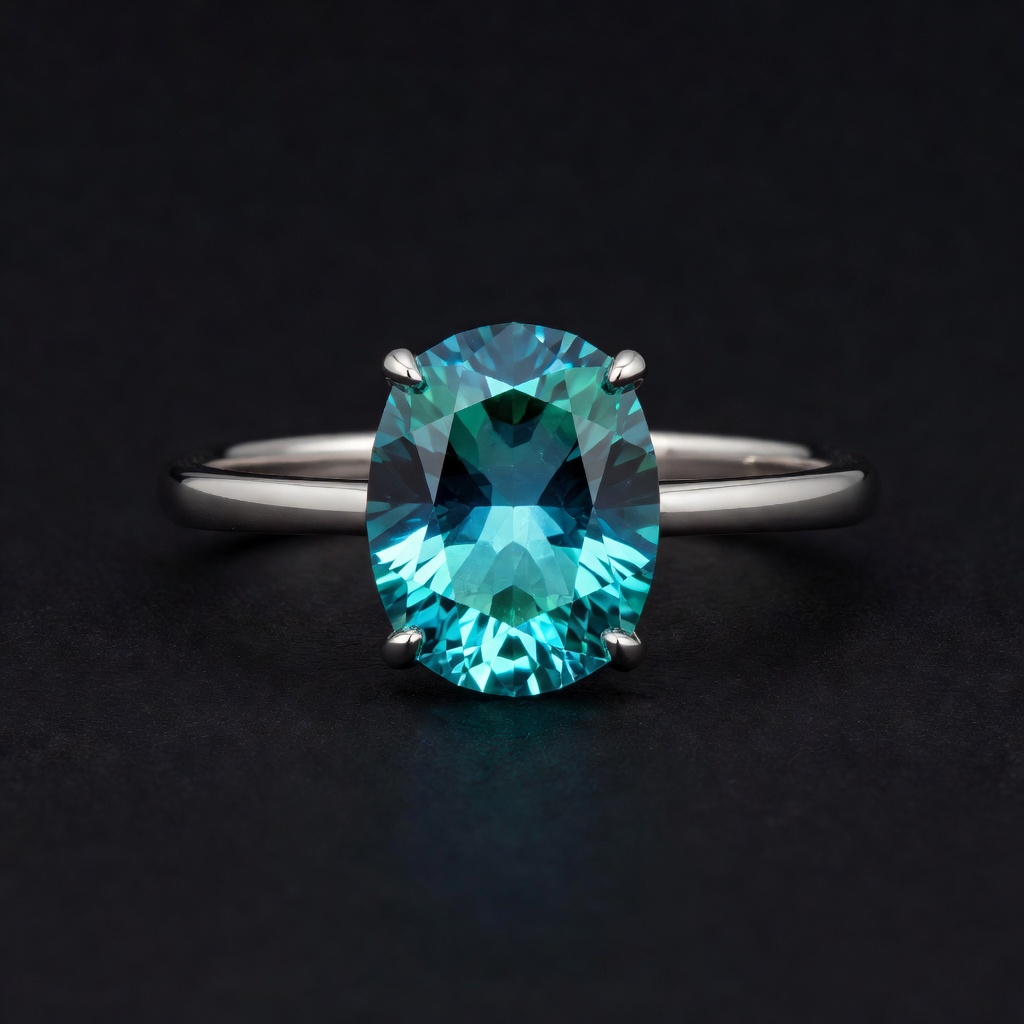
Introduction: The Discovery of Paraiba Tourmaline
The story of Paraiba Tourmaline Properties and Information begins in the rugged hills of northeastern Brazil, where determined miner Heitor Dimas Barbosa spent years excavating the São José da Batalha mine in Paraíba state. In 1989, after five years of persistent digging through stubborn pegmatite rock, Barbosa uncovered crystals that would forever change the colored gemstone market. These initial specimens displayed an otherworldly electric blue glow that gemologists had never encountered in tourmaline before, creating immediate controversy and fascination within the industry.
Initial market reception ranged from skepticism to outright dismissal, with many dealers suspecting artificial treatment or misidentification. However, laboratory analysis quickly revealed the revolutionary truth: these stones contained significant copper content, a trace element previously unknown in tourmaline chemistry. Within months of verification, the gem trade recognized these copper bearing tourmaline specimens as legitimate natural wonders, triggering a global rush that saw prices escalate from hundreds to thousands of dollars per carat virtually overnight.
The distinction between genuine Paraiba-type tourmaline and traditional tourmaline varieties remains crucial for collectors and investors today. While standard tourmalines derive their colors from iron, manganese, or chromium, authentic Paraiba specimens require copper content to produce their signature neon fluorescence. This fundamental chemical difference separates true Paraiba tourmalines from other blue-green tourmaline varieties found in Afghanistan or Madagascar, establishing a distinct category that commands premium recognition in high-end jewelry markets worldwide.
Chemical Composition and Physical Properties
Understanding copper bearing tourmaline requires examining its unique chemical architecture that sets it apart from all other tourmaline varieties. These extraordinary gemstones belong to the elbaite tourmaline species, characterized by complex borosilicate structures infused with copper and manganese ions that create their legendary optical effects. Laboratory spectroscopy consistently reveals copper concentrations between 1.5% and 2.5%, levels sufficient to generate the intense blue coloration while maintaining crystal stability.
Crystallographically, Paraiba tourmaline forms in the trigonal system, typically developing as elongated prismatic crystals with distinctive triangular cross-sections. The mineral registers 7 to 7.5 on the Mohs hardness scale, providing adequate durability for jewelry applications while requiring protective settings for daily wear. Specific gravity measurements typically range between 3.06 and 3.08, slightly higher than quartz but lower than corundum, with refractive indices varying from 1.610 to 1.650 depending on the stone's chemical composition.
Pleochroism presents both a challenge and opportunity for lapidaries working with this material. These crystals display different colors when viewed from various angles—typically showing intense blue along one axis and lighter turquoise or greenish tones perpendicular to it. Master cutters must orient stones carefully to maximize the neon blue tourmaline appearance while minimizing the "sleeping" or darker zones that can appear when light passes through less favorable crystal directions.
The Signature Color: Understanding Neon Blue and Green Hues
The mesmerizing tourmaline color characteristics of Paraiba specimens stem primarily from copper's unique interaction with light absorption spectra. When copper ions substitute for aluminum in the crystal lattice, they create absorption bands in the red and yellow portions of the visible spectrum while transmitting blue and green wavelengths with exceptional intensity. This selective transmission produces the "electric" or "neon" appearance that seems to glow from within the stone, even under subdued lighting conditions.
Manganese content contributes secondary hues that significantly impact value and appearance. High manganese concentrations paired with copper create the coveted turquoise to mint green shades, while lower manganese levels yield the rare and valuable pure blue tones. Some exceptional specimens display color zoning where copper-rich zones create intense blue cores surrounded by greener margins, requiring skilled cutting to either isolate the premium color or create attractive bi-color effects that appeal to artistic jewelry designers.
Comparing neon blue tourmaline to standard indicolite tourmaline reveals dramatic differences in visual impact. Traditional blue tourmalines appear dark, inky, or grayish under natural light, often requiring specific orientations to display their best color. In contrast, Paraiba tourmalines maintain vivid saturation regardless of lighting environment, displaying what gemologists term "open color" that remains bright and lively even in incandescent lighting. This characteristic makes them particularly valuable for jewelry photography and display, where standard blue gems often appear black or muddy.
Global Origins: Brazil, Mozambique, and Nigeria
The original Brazilian Paraiba gemstone deposits in the São José da Batalha mine established the standard by which all subsequent discoveries are measured. These Paraíba state mines, including the famous Alto dos Quintos and Capoeira workings, produced crystals with the most intense copper saturation and finest crystal quality ever recorded. However, Brazilian production peaked in the early 2000s and has since declined dramatically, with current yields measured in grams rather than kilograms annually, making true Brazilian material extraordinarily rare in today's market.
The 2001 discovery of copper-bearing tourmalines in Nigeria's Oyo State and subsequent 2005 finds in Mozambique's Alto Ligonha region fundamentally altered market dynamics. African mines initially produced material with lighter, less saturated colors compared to Brazilian rough, but continued mining has yielded stones rivaling the original discoveries in quality and intensity. Geological differences between the deposits result in distinct crystal habits—Brazilian material often forms in quartz veins with associated lepidolite, while African stones typically occur in complex granite pegmatites with different inclusion patterns.
Trade acceptance of non-Brazilian copper bearing tourmaline evolved significantly following the 2006 Laboratory Manual Harmonisation Committee (LMHC) decision. This ruling permitted the use of "Paraiba" as a varietal name for all copper-bearing tourmalines regardless of geographic origin, provided laboratory analysis confirms copper content. While purists and collectors may prefer Brazilian provenance, gemologically identical African stones offer identical chemical and optical properties at somewhat more accessible price points, democratizing access to these extraordinary gems while Brazilian material remains the ultimate trophy for connoisseurs.
Quality Grading and the Four Cs
Evaluating Paraiba tourmaline value requires understanding how the traditional Four Cs apply specifically to this unique material. Color saturation dominates all other considerations, with the most valuable stones displaying vivid, medium-toned blues often described as "swimming pool blue" or "electric turquoise." Unlike diamonds where colorless stones command premiums, Paraiba tourmalines achieve maximum value at saturation levels that might be considered "too strong" in other gem varieties, provided the tone remains light enough to allow the neon glow to permeate the crystal.
Clarity standards for Paraiba tourmaline differ significantly from those applied to sapphires or emeralds. Because the copper content that creates the desirable color also promotes specific inclusion types, collectors accept certain "fingerprints" as proof of natural origin. The "sleeping beauty" effect—where inclusions create a soft, velvety glow reminiscent of the famous turquoise mine's output—can actually enhance value in certain markets. However, surface-reaching fractures or dense clouds that obstruct light transmission significantly diminish desirability, particularly in stones over two carats where clarity becomes increasingly difficult to achieve.
Cut optimization presents unique challenges due to the material's value and pleochroic nature. Lapidaries often sacrifice weight retention to maximize face-up color, resulting in unconventional proportions that might be considered poorly cut in less valuable materials. Emerald cuts and cushions remain popular for larger specimens, while ovals and pears help distribute color evenly in smaller stones. Carat weight rarity follows exponential pricing curves, with stones over three carats of fine quality appearing at auction perhaps once or twice annually worldwide, commanding premiums of ten to twenty times per-carat prices of one-carat stones.
Investment Value and Market Pricing
Current Paraiba tourmaline value ranges reflect the gemstone's status as one of the few colored stones consistently appreciating beyond inflation rates. Entry-level specimens with visible inclusions and lighter saturation trade between $2,000 and $5,000 per carat, while fine-quality stones with intense color and good clarity command $15,000 to $25,000 per carat. Exceptional Brazilian examples exceeding five carats with top color saturation regularly achieve $50,000 to $100,000 per carat at major auction houses, placing them in the same investment tier as fine Burmese rubies or Kashmir sapphires.
Auction records demonstrate the investment potential of these rare gems. In 2018, a 5.52-carat Brazilian Paraiba tourmaline ring by Moussaieff sold at Christie's Hong Kong for $1.2 million, approximately $217,000 per carat. More recently, a 3.69-carat unheated Brazilian specimen fetched over $300,000 per carat at Sotheby's Geneva, establishing new benchmarks for the category. These sales reflect not merely collector demand but institutional recognition of Paraiba tourmaline as a legitimate alternative investment vehicle with documented price appreciation exceeding 400% over the past two decades.
Several factors drive continued appreciation beyond mere scarcity. Unlike emeralds, which suffer from brittleness and require oil treatment, or tanzanite, which remains available in quantity from a single source, Paraiba tourmaline combines genuine rarity with excellent durability and permanent color stability. The growing Asian luxury market, particularly in China and Hong Kong, has developed particular affinity for the stone's blue-green colors associated with prosperity and tranquility, creating demand pressures that outstrip the minimal new supply entering the market annually.
Metaphysical Properties and Healing Benefits
Practitioners of crystal healing associate Paraiba tourmaline healing properties primarily with the throat chakra, believing the stone's intense blue energy facilitates clear communication and authentic self-expression. Therapists recommend wearing these gems during public speaking engagements or difficult conversations, suggesting that the copper content enhances electromagnetic conductivity between the physical body and energetic field. Many users report experiencing a cooling sensation when holding the stone to the throat, attributing this to the gem's purported ability to reduce inflammation and tension in the vocal cords and thyroid area.
Emotional healing applications focus on the stone's purported ability to transmute stress and anxiety into calm awareness. Crystal healers suggest placing Paraiba tourmaline on the heart chakra during meditation to release old emotional patterns and traumas stored in the cellular memory. The combination of blue and green frequencies is said to bridge the gap between emotional feeling (water/blue) and physical action (earth/green), making it particularly beneficial for individuals struggling to manifest their intentions or overcome procrastination rooted in fear.
Spiritual practitioners value these stones for high-vibration meditation work and dimensional access. The intense fluorescence is believed to stimulate the third eye and crown chakras simultaneously, facilitating spiritual downloads and enhanced intuition. Color therapists utilize Paraiba tourmaline in chromotherapy sessions, placing the stones near light sources to bathe treatment rooms in blue-green wavelengths associated with cellular regeneration and immune system support. While these metaphysical properties remain scientifically unverified, the placebo effect and psychological impact of wearing such rare and beautiful natural art cannot be discounted in holistic wellness contexts.
Care, Maintenance, and Durability Considerations
Maintaining Paraiba Tourmaline Properties and Information regarding proper care ensures these investment-grade gems retain their beauty across generations. Routine cleaning requires only mild dish soap diluted in warm water and a soft-bristled toothbrush to remove accumulated oils and debris from setting prongs. Ultrasonic cleaners and steam cleaning systems pose significant risks due to the stone's potential heat sensitivity and the prevalence of liquid inclusions in many specimens, which can expand and cause internal fracturing under thermal stress.
Chemical avoidance remains crucial for preserving these copper bearing tourmaline specimens. Chlorine bleach, ammonia-based cleaners, and even prolonged exposure to hairspray or perfume can attack the surface polish and potentially alter color in treated stones. When applying cosmetics or cleaning solutions, remove Paraiba jewelry or ensure the stones are the last items put on and first removed. Professional jewelers recommend removing rings before gardening, sports, or household chores, as the 7-7.5 hardness rating, while adequate for jewelry, remains vulnerable to scratching from quartz dust commonly found in household environments.
Storage protocols should prevent contact with harder gemstones like diamonds, rubies, or sapphires that could scratch the tourmaline surface. Individual soft pouches or compartmentalized jewelry boxes lined with fabric provide optimal protection. For mounted stones, bi-annual professional inspections ensure prongs remain tight and secure, preventing loss of these valuable gems. Given their significant value, maintaining detailed documentation including laboratory certificates, purchase receipts, and updated appraisal values protects both the physical stone and the financial investment it represents.
Authentication and Buying Guide
Verifying copper bearing tourmaline authenticity requires mandatory laboratory certification from reputable institutions such as the Gemological Institute of America (GIA), American Gemological Laboratories (AGL), or Gübelin Gem Lab. These reports must specifically confirm copper content through advanced spectroscopic analysis rather than merely identifying the stone as "tourmaline." Insist on certificates that disclose geographic origin when possible and clearly state any treatments applied, as heated stones command different valuations than unheated specimens.
Heat treatment identification remains essential for informed purchasing decisions. Most Paraiba tourmalines undergo controlled heating between 400°C and 600°C to reduce unwanted purple or brown secondary tones and enhance the blue-green color. This treatment is permanent, stable, and widely accepted in the trade, but requires disclosure. Laboratory reports typically indicate heating through inclusion analysis and spectroscopic features. Be particularly wary of stones showing unnaturally uniform color with no zoning whatsoever, which may indicate diffusion treatment or synthetic origin rather than natural copper enrichment.
Red flags when purchasing include prices significantly below market rates, sellers unable to provide specific laboratory documentation, or stones described as "Paraiba-like" or "Paraiba color" without copper content verification. Synthetic copper-bearing tourmalines produced via hydrothermal growth exist in limited quantities but display distinctive curved growth patterns and specific infrared absorption features detectable by major laboratories. Online purchases require enhanced due diligence, including high-resolution photography under different lighting conditions and escrow services for high-value transactions exceeding $10,000.
Conclusion: The Enduring Appeal of Paraiba Tourmaline
Understanding Paraiba Tourmaline Properties and Information reveals why these gems have secured permanent status in the pantheon of precious stones alongside diamonds, rubies, and emeralds. The unique combination of copper-induced fluorescence, extreme geological rarity, and durable hardness creates a material that satisfies both aesthetic desires and practical jewelry requirements. No other gemstone replicates the specific optical phenomenon of Paraiba tourmaline, ensuring its continued desirability regardless of market trends or fashion cycles.
For collectors and investors, these stones represent tangible assets with proven appreciation trajectories supported by finite supply and expanding global demand. Jewelry designers continue pushing creative boundaries with Paraiba center stones, creating legacy pieces that define careers and establish design houses. As original Brazilian mines approach exhaustion and African sources face increasing environmental regulations, the scarcity premium driving Paraiba tourmaline value appears poised for continued growth. Whether acquired for metaphysical properties, investment potential, or sheer beauty, copper-bearing Paraiba tourmaline remains one of nature's most extraordinary creations, offering a literal piece of geological history that can be worn, admired, and treasured across lifetimes.
Frequently Asked Questions
What makes Paraiba tourmaline different from other tourmalines?
Paraiba tourmaline contains copper and manganese, which create its signature neon blue to green colors that appear to glow from within. Standard tourmalines derive their colors from iron or chrome and lack this distinctive electric fluorescence. This fundamental chemical difference not only creates the unique visual appearance but also distinguishes Paraiba varieties in laboratory testing, where copper content serves as the definitive identification marker separating these gems from other blue-green tourmaline varieties found worldwide.
Why is Paraiba tourmaline so expensive compared to other gemstones?
Paraiba tourmaline commands premium prices due to extreme rarity—original Brazilian mines produced less than one kilogram of rough monthly—and the unique copper content requiring specific geological conditions. High demand from collectors and limited supply drive prices to $5,000-$50,000+ per carat. Additionally, the combination of beauty, durability, and proven investment performance has attracted institutional buyers and luxury collectors, creating competition that sustains price premiums even during broader economic downturns affecting other luxury goods.
Are African Paraiba tourmalines considered authentic?
Yes, copper-bearing tourmalines from Mozambique and Nigeria are legally and gemologically recognized as Paraiba-type tourmalines. Since 2006, the LMHC (Laboratory Manual Harmonisation Committee) permits the use of 'Paraiba' for all copper-bearing tourmalines regardless of geographic origin, provided they contain the essential copper content. While some collectors specifically seek Brazilian provenance for its historical significance and often superior color saturation, African material offers identical chemical composition and optical properties, often at more accessible price points while still maintaining strong investment potential.
How can I verify if my Paraiba tourmaline is genuine?
Always request certification from reputable laboratories (GIA, AGL, or Gübelin) confirming copper content. Genuine Paraiba tourmalines display strong pleochroism and often contain characteristic inclusions. Be wary of prices significantly below market value, which may indicate treated stones or simulants. Additionally, examine the stone under various lighting conditions—authentic Paraiba tourmalines maintain their vivid color under incandescent, fluorescent, and natural daylight, whereas simulants or treated stones may show color shifts or dullness under specific light sources.
What is the most desirable color for Paraiba tourmaline?
The most valued color is intense 'electric blue' or 'neon blue,' often described as 'swimming pool blue' or 'Windex blue.' Stones with high copper content showing vivid saturation without darkening command the highest premiums, though personal preference may favor the turquoise-green variations. Market preferences have shifted slightly over time, with current collectors particularly favoring the "mint" green variants from Mozambique, while traditionalists still seek the pure electric blue originally associated with Brazilian material. Ultimately, the ideal color balances high saturation with medium tone, avoiding the "inking" or darkening that can occur in overly deep stones.
Is Paraiba tourmaline suitable for everyday wear?
With a hardness of 7-7.5, Paraiba tourmaline is durable enough for jewelry but requires protective settings for rings worn daily. Avoid exposure to harsh chemicals, ultrasonic cleaners, and extreme heat. Pendants and earrings are ideal for daily wear, while ring settings should include protective bezels or halos. For active individuals or those working with their hands, consider selecting cabochon cuts rather than faceted stones, as the domed surface distributes impact forces more effectively than sharp facet junctions, reducing the risk of chipping or abrading the surface.
Do Paraiba tourmalines undergo any treatments?
Most Paraiba tourmalines undergo heat treatment (400-600°C) to enhance color and reduce purple or brown secondary tones. This treatment is stable and permanent, widely accepted in the trade. Oil treatments are less common but should be disclosed. Always request treatment disclosure on certification. Unheated stones with naturally perfect color command significant premiums—sometimes double the price of heated equivalents—making treatment disclosure crucial for accurate valuation. Advanced laboratory testing can distinguish between heated and unheated material through inclusion study and spectroscopic analysis of structural water content.
What are the metaphysical benefits of wearing Paraiba tourmaline?
Crystal healers associate Paraiba tourmaline with throat chakra activation, enhancing communication and self-expression. The stone is believed to promote emotional healing, reduce stress and anxiety, and facilitate spiritual awakening. Its blue-green color connects earth and water energies, supporting both grounding and flow. Practitioners often recommend placing the stone on the throat during meditation to clear blockages in verbal expression, or carrying it during important negotiations to maintain clarity and calm authority. The copper content is specifically associated with conducting energy and amplifying intentions, making these stones particularly prized in manifestation work and energy healing practices.