What Makes Paraiba Tourmaline So Valuable?
The discovery of Paraiba tourmaline in the 1980s by Heitor Dimas Barbosa in the Brazilian state of Paraiba revolutionized the gemstone world and established new benchmarks for rarity and desirability. Unlike standard tourmaline varieties found abundantly across the globe, these extraordinary gems emerged from pegmatite deposits containing unique trace elements that created colors previously unseen in the mineral kingdom. The original mines, particularly the Batalha and São José da Batalha claims, produced only limited quantities before becoming nearly depleted, creating a supply crisis that continues to drive the Paraiba Tourmaline Price Guide upward decades later. Today, acquiring a genuine Brazilian specimen requires navigating an extremely competitive collector's market where availability is measured in individual stones rather than bulk production.
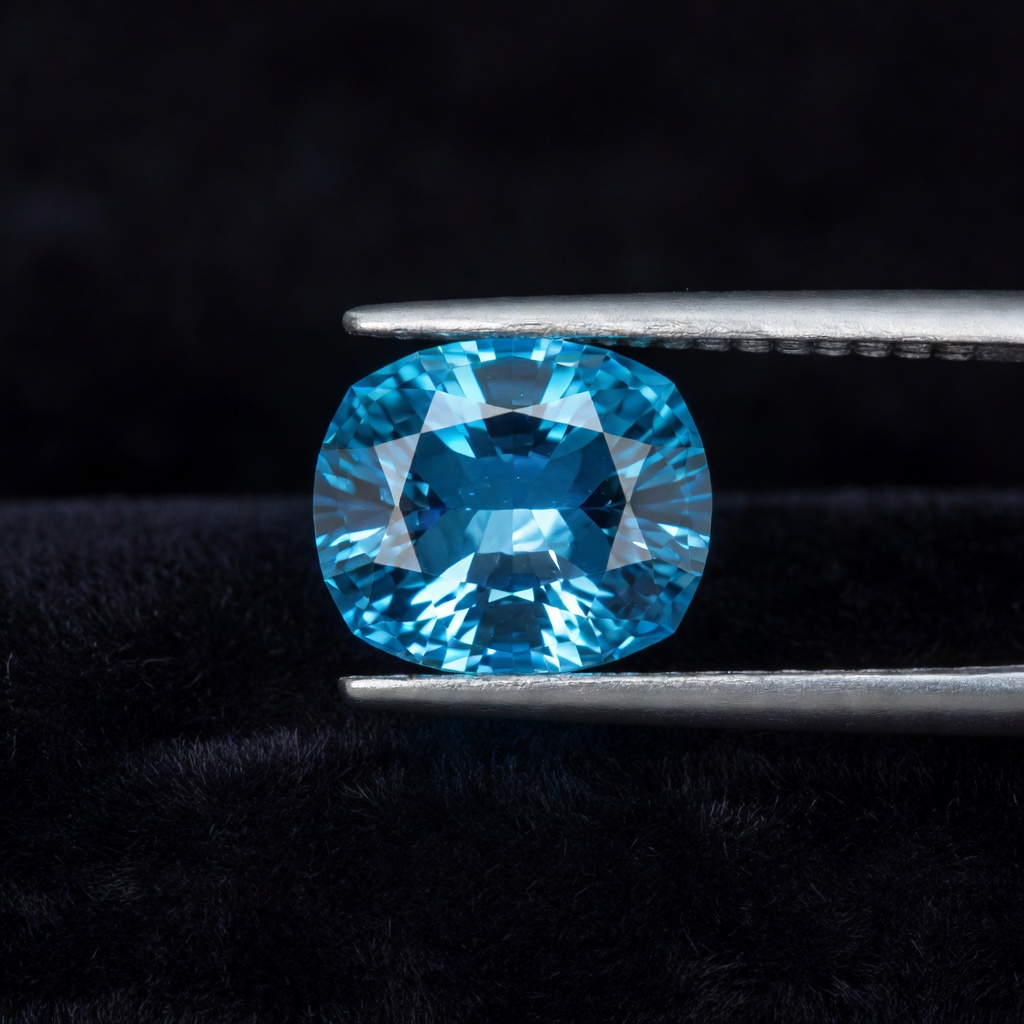
The signature electric glow that defines neon blue tourmaline results from the presence of copper and manganese within the crystal structure, a combination found in less than one percent of all tourmalines worldwide. When copper replaces aluminum in the tourmaline lattice, it creates the intense blue and green hues that seem to generate their own internal light, particularly under daylight conditions. This optical phenomenon, combined with the gem's rarity, justifies price premiums ranging from ten to fifty times higher than standard pink or green tourmalines. Gemologists and collectors recognize that the geological conditions necessary for copper-bearing tourmaline formation occurred in only a handful of locations globally, making each faceted stone a finite geological treasure.
Key Factors Determining Paraiba Value
Understanding copper bearing tourmaline valuation requires analyzing multiple interconnected characteristics that extend beyond simple carat weight calculations. Geographic origin stands as the primary value driver, with stones from Brazil's original mines commanding significant premiums over African material due to historical significance and superior fluorescence properties. Color intensity serves as the secondary determinant, where electric blue specimens with high saturation achieve top-tier pricing while stones with gray or brown modifiers see substantial discounts. Laboratory verification of copper content through spectral analysis has become non-negotiable for high-value transactions, as this element definitively separates true Paraiba tourmalines from standard blue tourmalines.
Market dynamics play a crucial role in establishing Paraiba tourmaline value per carat, with collector demand fluctuating based on auction results and celebrity acquisitions. Unlike diamonds with established Rapaport pricing structures, Paraiba values remain relatively opaque, requiring buyers to research recent sales data from reputable auction houses like Christie's and Sotheby's. Scarcity intensifies during economic downturns as owners of fine specimens withdraw from the market rather than accept discounted prices, creating a paradox where availability decreases precisely when investment interest typically rises. Smart collectors monitor these market cycles while focusing on acquiring stones with documented provenance and exceptional optical properties that transcend temporary economic fluctuations.
Brazilian vs. African Paraiba: Price Differences
The distinction between Brazilian and African origins creates the most significant pricing disparity within the Paraiba market, often confusing first-time buyers examining Brazilian Paraiba vs Mozambique options. Brazilian stones consistently command three to five times higher prices than their African counterparts, with exceptional specimens reaching premiums of ten times or greater at auction. This valuation gap reflects not merely snobbery but quantifiable differences in color saturation and fluorescence, as Brazilian material typically displays a more intense neon glow under various lighting conditions. Additionally, the finite nature of Brazilian production—estimated at only several thousand carats of facet-grade material ever recovered—creates a supply ceiling that supports continuous price appreciation.
Current market data reveals distinct pricing tiers: African material (primarily from Mozambique and Nigeria) typically ranges from $2,000 to $15,000 per carat depending on quality, while Brazilian stones start around $10,000 per carat and regularly exceed $50,000 per carat for exceptional pieces. Visual distinctions help identify origin, with Brazilian stones often showing stronger fluorescence and a slightly different hue bias toward pure electric blue compared to African stones that may lean toward turquoise or greenish-blue. Origin-specific certification from laboratories like GIA or AGL provides essential documentation for accurate valuation, as unscrupulous sellers occasionally misrepresent African material as Brazilian to capture higher prices. When investing significant capital, buyers should insist on reports that specifically address geographic origin through chemical fingerprinting and inclusion analysis.
Visual and Chemical Distinctions
Beyond pricing, understanding the subtle differences between origins helps collectors make informed decisions aligned with their budgets and aesthetic preferences. Brazilian Paraibas typically contain characteristic inclusions known as "fingerprints" or healing feathers that, while reducing clarity grades, often confirm authentic origin. African stones sometimes display higher clarity levels but may lack the intense "glow" that defines top-tier specimens, though recent Mozambican discoveries have produced material rivaling Brazilian quality in color intensity. Chemical analysis reveals slightly different copper-to-manganese ratios between regions, with Brazilian stones generally showing higher copper content responsible for the pure blue hues. These scientific distinctions matter significantly for long-term Paraiba tourmaline value per carat appreciation, as the market continues to favor Brazilian provenance despite improvements in African mining outputs.
How Color Affects Paraiba Tourmaline Prices
Color evaluation for neon blue tourmaline follows strict hierarchies that dramatically impact pricing within the Paraiba Tourmaline Price Guide. The most valuable specimens display what dealers call "electric" or "Windex" blue—a vivid, saturated hue without gray, brown, or green secondary tones that dilute the primary color. Stones achieving this color grade represent less than five percent of all Paraiba production and command immediate attention at auction, often selling within hours of listing. The phenomenon of "fluorescence" or "glow" separates premium Paraibas from standard blue tourmalines, with top-tier stones appearing to emit light from within even under subdued lighting conditions.
Greenish-blue and violet-blue variations occupy secondary pricing tiers, offering more accessible entry points for collectors while still maintaining the copper-bearing characteristics that define the variety. Saturation uniformity across the stone's face proves crucial; windowing or color zoning can reduce values by thirty to fifty percent even in otherwise fine material. Daylight versus artificial lighting performance creates another evaluation criterion, as true investment-grade Paraibas maintain their electric color under incandescent lighting where inferior stones may darken or shift toward gray. When examining rare tourmaline pricing, remember that subtle hue differences of just five to ten percent can translate to price variations of twenty to thirty percent per carat.
The Impact of Fluorescence and Lighting
Professional dealers evaluate Paraiba color under multiple lighting sources to assess true quality and detect potential treatments that might affect long-term value. Natural daylight reveals the stone's base color and any windowing issues, while incandescent lighting tests color retention—premium stones should not "close up" or turn dark under warm lighting. Fluorescence under daylight conditions indicates high copper content and typically correlates with Brazilian origin, though some exceptional African stones display similar properties. Buyers should request to view stones under various lighting conditions before purchase, as some sellers use specialized LED lighting to enhance apparent color intensity beyond what the stone displays in natural environments.
Clarity Grades and Cut Quality Impact
Clarity standards for investment-grade Paraiba tourmaline differ significantly from diamond grading, with collectors accepting certain inclusions as proof of natural origin while rejecting others that affect durability or beauty. Eye-clean stones—those without visible inclusions to the unaided eye—command substantial premiums and represent the safest choice for Paraiba gemstone investment portfolios. However, moderately included stones with exceptional color may still hold significant value, particularly if the inclusions are characteristic "fingerprints" confirming Brazilian origin rather than fractures affecting structural integrity. Stones with surface-reaching inclusions or heavy cloudiness should be avoided regardless of color, as these flaws compromise both aesthetics and long-term durability.
Cut quality dramatically affects value realization, with custom precision cuts by renowned lapidaries adding twenty to forty percent premiums over standard oval or round brilliant cuts. Paraiba rough is so valuable that cutters prioritize weight retention over optical perfection, sometimes resulting in overly deep pavilions or thick girdles that maximize carat weight at the expense of brilliance. Savvy buyers examine stones face-up to detect windowing (areas where light passes through without reflecting) and extinction (dark patches where light leaks out the bottom), both of which reduce apparent size and beauty. The exponential price jumps at one-carat, three-carat, and five-carat thresholds create incentives for cutters to retain weight, meaning stones just under these magic numbers often represent better value per carat while maintaining visual impact.
Weight Thresholds and Market Dynamics
The Paraiba gemstone investment market follows distinct carat-weight premiums that defy linear pricing models. Stones exceeding one carat face immediate scarcity premiums, while three-carat and five-carat specimens enter true collector territory where auction houses rather than retail dealers set pricing benchmarks. A three-carat Brazilian Paraiba with exceptional color might command $150,000 per carat, whereas the same material in a one-carat size sells for $50,000 per carat—demonstrating the non-linear relationship between size and value. This pricing structure reflects the extreme rarity of large, clean rough crystals; most Brazilian Paraiba rough yields stones under one carat after cutting, making large specimens genuine museum pieces. Investors should balance the prestige of large stones against the liquidity advantages of smaller, more affordable pieces that appeal to broader collector bases.
Current Paraiba Tourmaline Price Guide (2024)
The Paraiba Tourmaline Price Guide for 2024 reflects continued appreciation across all quality tiers, driven by sustained collector demand and diminishing new discoveries. Small stones under one carat provide entry-level access, with African material ranging from $2,000 to $8,000 per carat for commercial quality and $8,000 to $15,000 per carat for fine specimens. Brazilian stones in this size category command $10,000 to $25,000 per carat for good quality, with exceptional neon blue examples reaching $50,000 per carat at specialized dealers. These prices represent approximately fifteen to twenty percent increases from 2022 levels, demonstrating the asset class's resilience against economic volatility.
Medium stones between one and three carats occupy the investment sweet spot, offering sufficient rarity for appreciation while maintaining market liquidity. High-quality African material in this range sells for $8,000 to $20,000 per carat, while comparable Brazilian stones command $25,000 to $50,000 per carat depending on specific color characteristics. Large specimens exceeding three carats enter the realm of rare tourmaline pricing, with Brazilian material regularly achieving $50,000 to $100,000+ per carat at auction. Record auction results continue to reset market ceilings, with a 3.56-carat Brazilian Paraiba selling for $165,000 per carat at Christie's Geneva in 2023, while celebrity ownership by figures like Salma Hayek and Emily Blunt has amplified mainstream awareness and demand.
Auction Trends and Market Liquidity
Public auction results provide the most transparent window into Paraiba tourmaline value per carat at the highest levels, though these sales represent only the tip of the market iceberg. Private dealer transactions for exceptional material often exceed auction estimates, as serious collectors prefer discreet acquisitions that don't attract competitive bidding. The 2024 market shows particular strength for untreated Brazilian stones over two carats, with waiting lists developing at major houses for specific color grades. Meanwhile, the African market has bifurcated, with top-color Mozambican stones approaching Brazilian pricing while Nigerian material with weaker saturation languishes at lower price points. Investors should monitor quarterly auction results from major houses to identify trend shifts before they filter down to retail pricing tiers.
Essential Certifications for Paraiba Purchases
Authentication of copper bearing tourmaline requires laboratory analysis beyond the capabilities of standard gemological equipment, making certification from prestigious institutions mandatory for significant purchases. The Gemological Institute of America (GIA), American Gemological Laboratories (AGL), and Gübelin Gem Lab provide the industry-standard reports that distinguish true Paraiba tourmalines from standard blue tourmalines or treated stones. These reports specifically test for copper content using advanced spectroscopic analysis, as visual identification alone cannot definitively separate copper-bearing stones from manganese-colored blue tourmalines. For Brazilian Paraiba vs Mozambique determination, laboratories employ chemical fingerprinting techniques analyzing trace element profiles and inclusion patterns to establish geographic origin with varying degrees of certainty.
Heat treatment disclosure represents another critical certification component, as most Paraiba material undergoes controlled heating to improve color by reducing brown or purple modifiers. While heating is accepted within the trade and affects value only marginally (typically ten to fifteen percent reductions), undisclosed treatment constitutes fraud and destroys resale value. Reputable labs clearly state treatment status on reports, with comments like "No indications of heating" or "Heated" providing essential transparency. Origin determination methodologies continue evolving, with laboratories now using laser ablation inductively coupled plasma mass spectrometry (LA-ICP-MS) to detect minute chemical differences between Brazilian and African deposits. Buyers should recognize that origin determination carries confidence levels rather than absolute certainty, with Brazilian attribution commanding premiums only when supported by multiple testing methodologies.
Understanding Laboratory Limitations
Even premium laboratory reports have limitations that sophisticated collectors must understand when evaluating copper bearing tourmaline acquisitions. Geographic origin calls rely on comparative databases that may not capture the full range of chemical variation within individual mines, occasionally resulting in "undetermined" origin reports for stones with ambiguous profiles. Some Nigerian material chemically resembles Brazilian stones more closely than Mozambican, creating classification challenges that affect valuation. Additionally, treatments like copper diffusion—where copper is artificially introduced into the stone's surface—require specialized testing that standard reports may not detect if the treatment is subtle. For stones exceeding $50,000 in value, consider obtaining secondary opinions from multiple laboratories or requesting advanced testing specifically designed to detect treatment and confirm origin.
Is Paraiba Tourmaline a Good Investment?
The investment case for Paraiba gemstone investment rests on decades of documented price appreciation, with high-quality Brazilian material showing compound annual growth rates of fifteen to twenty percent over the past two decades. Unlike speculative cryptocurrency or volatile tech stocks, Paraiba values derive from genuine geological scarcity—the Brazilian mines produced finite quantities, and no significant new deposits have emerged despite extensive global exploration. This supply inelasticity supports pricing even during economic downturns, as owners of fine specimens typically withdraw from the market rather than accept discounted sales. However, potential investors must recognize that rare tourmaline pricing lacks the standardized liquidity of diamond or gold markets, meaning conversion to cash may require weeks or months rather than immediate transactions.
Collectibility premiums attach specifically to documented Brazilian origin stones with exceptional color and provenance, creating a tiered investment market where only the finest material appreciates consistently. Insurance and security considerations add ongoing costs to physical ownership, with high-value specimens requiring specialized coverage riders and safe storage solutions. Market liquidity concentrates at the high end, where auction houses regularly achieve strong prices for certified Brazilian stones over two carats, while commercial-grade African material may prove harder to sell at full retail value. Diversification strategies suggest allocating Paraiba purchases across size categories, maintaining some liquid smaller stones while accumulating larger specimens for long-term appreciation. The emergence of African mining has actually strengthened the investment case for Brazilian material by highlighting the finite nature of original deposits.
Risk Management and Portfolio Allocation
Prudent Paraiba gemstone investment requires treating these assets as alternative investments comprising no more than five to ten percent of a diversified portfolio. Unlike dividend-paying stocks, Paraibas generate no income and carry holding costs including insurance premiums, professional cleaning, and secure storage. Counterparty risk emerges when purchasing from dealers without established reputations or return policies, as the market contains treated stones, synthetics, and misrepresented origins that destroy value. Establishing relationships with multiple dealers and auction specialists provides market intelligence and exit strategies when liquidation becomes necessary. Document every purchase with high-resolution photography, laboratory reports, and provenance documentation to maximize resale value and insurance claims protection.
Where to Buy and Red Flags to Avoid
Navigating the Paraiba Tourmaline Price Guide requires identifying reputable sources while recognizing marketplace hazards that threaten both value and authenticity. High-end dealers specializing in colored gemstones, such as those based in Geneva, Hong Kong, and New York's 47th Street, provide the expertise and return policies necessary for five and six-figure purchases. These specialists typically offer viewing periods, buy-back guarantees, and access to stones with established provenance histories. Conversely, general online marketplaces present significant risks for Brazilian Paraiba vs Mozambique purchases, where photography tricks and origin misrepresentation run rampant; stones labeled "Paraiba-type" or "Paraiba-color" almost certainly lack the copper content and value of genuine material.
Synthetic copper-bearing tourmalines have entered the market through hydrothermal growth processes, displaying chemical compositions identical to natural stones but lacking the rarity that drives value. These synthetics require advanced laboratory detection, as they may fool standard gemological testing. Diffusion treatments that artificially introduce copper into the surface of pale tourmalines represent another hazard, creating temporary color that may fade or be removed during re-cutting. When negotiating purchases, request explicit written guarantees of natural origin, untreated status (or full disclosure of treatments), and geographic origin with refund rights if laboratory testing contradicts seller representations. Legitimate dealers welcome such verification requests and often provide inspection periods allowing buyers to submit stones to independent laboratories.
Negotiation Strategies and Due Diligence
Effective negotiation in the Paraiba Tourmaline Price Guide market requires knowledge of current auction results and wholesale pricing tiers. Cash payments often secure ten to fifteen percent discounts from listed retail prices, while trade-ins of other colored stones may provide additional leverage. Always examine stones under daylight-equivalent lighting before finalizing purchases, and request to view the stone loose (unmounted) to assess windowing and color zoning that settings might conceal. For international purchases, consider using escrow services that release funds only upon satisfactory laboratory verification. Establish a due diligence checklist including: GIA or equivalent certification dated within the past two years, seller's written guarantee of authenticity, appraisal for insurance purposes, and clear return policy terms. The Brazilian Paraiba vs Mozambique distinction justifies price differentials only when supported by documentation; never accept verbal assurances of Brazilian origin without laboratory confirmation.
Making Informed Paraiba Purchases
Successful acquisition within the Paraiba Tourmaline Price Guide framework requires internalizing the value hierarchy that prioritizes origin above all other factors, followed by color intensity, clarity, cut quality, and carat weight. Brazilian provenance commands the highest premiums and offers the strongest appreciation potential, while African material provides accessibility for collectors prioritizing size over investment return. Balancing personal aesthetic preference with investment potential means selecting stones that bring joy while possessing characteristics the broader market recognizes as valuable: electric neon blue color, eye-clean clarity, and precision cutting that maximizes brilliance. Avoid stones with gray or brown modifiers, heavy inclusions, or windowing issues that will limit future liquidity regardless of attractive pricing.
The future market outlook remains bullish despite emerging mine discoveries in Africa, as these new sources actually reinforce the finite nature of Brazilian material. Potential discoveries in new regions could temporarily depress African pricing but will likely increase the premium for documented Brazilian stones. Before committing to high-value acquisitions, complete a final buyer checklist: verify laboratory certification includes copper content confirmation, ensure treatment disclosure matches seller representations, confirm origin determination confidence levels, and secure appropriate insurance coverage. The Paraiba Tourmaline Price Guide serves as a roadmap rather than a rigid formula, requiring buyers to exercise judgment regarding specific stones while respecting the fundamental scarcity that makes these gems among the most coveted in the world.
Frequently Asked Questions
Why is Paraiba tourmaline so expensive compared to other tourmalines?
Paraiba tourmaline commands premium prices due to its rarity, unique copper content creating neon colors, and limited supply from depleted Brazilian mines. The electric blue color is caused by copper and manganese, found in less than 1% of all tourmalines, making it one of the rarest gemstones on the market. Unlike abundant pink or green tourmalines found worldwide, Paraiba material emerges from only a few specific geological formations, with the original Brazilian deposits yielding merely thousands of carats total production over decades of mining. This extreme scarcity, combined with the gem's photoluminescence and vivid color saturation that no other gemstone replicates, justifies the significant price premiums that separate Paraiba tourmalines from their common cousins.
How much does a 1 carat Paraiba tourmaline cost in 2024?
A 1-carat Paraiba tourmaline typically ranges from $2,000 to $15,000 per carat for African material (Mozambique/Nigeria) and $10,000 to $50,000 per carat for Brazilian origin. Prices depend heavily on color intensity, clarity, and whether the stone displays the coveted electric neon blue hue. Entry-level African stones with greenish-blue tones and visible inclusions start near the bottom of this range, while eye-clean Brazilian specimens with vivid "Windex" blue coloration command top premiums. Additional factors affecting one-carat pricing include cut quality, with precision-cut stones adding twenty to thirty percent over commercial cuts, and treatment status, with unheated stones carrying premiums of ten to fifteen percent over heated material of similar appearance.
What's the difference between Brazilian and African Paraiba prices?
Brazilian Paraiba tourmalines command 3-5 times higher prices than African stones due to their historical significance, superior fluorescence, and extreme scarcity. While both contain copper, Brazilian material is considered the 'classic' origin and carries significant collector premiums, whereas African stones offer more accessible entry points for buyers. The pricing gap reflects quantifiable differences in color intensity, with Brazilian stones typically displaying stronger neon fluorescence and purer blue hues without green modifiers. Additionally, the finite nature of Brazilian production—essentially exhausted since the early 2000s—creates a supply ceiling that supports continuous appreciation, while African mines continue producing variable quality material that satisfies commercial demand without achieving the same investment-grade status.
Does heat treatment affect Paraiba tourmaline value?
Heat treatment is common and generally accepted in the Paraiba market, typically affecting only 10-15% of value reduction if properly disclosed. Most high-quality Paraibas are unheated, but heated stones can still command strong prices if the treatment improves color without damaging clarity. The heating process, conducted at relatively low temperatures compared to other gem treatments, reduces brown or purple secondary hues to reveal the pure blue or green color caused by copper content. Full disclosure through certification is essential, as undisclosed treatment constitutes misrepresentation and destroys resale value, while properly disclosed heating is considered a standard enhancement that improves appearance without compromising durability or long-term stability.
Are Paraiba tourmalines a good investment for collectors?
Paraiba tourmalines have shown strong investment potential with 15-20% annual appreciation over the past two decades, particularly Brazilian material. However, they lack the liquidity of diamonds or rubies. Investment-grade stones should be over 2 carats, eye-clean, possess intense neon color, and include reputable origin certification. The market demonstrates particular strength for documented Brazilian specimens with exceptional color, while African material provides more modest appreciation potential but greater accessibility. Unlike paper assets, physical gemstones require insurance, secure storage, and specialized knowledge to liquidate profitably, making them suitable only for diversified portfolios where they represent alternative assets rather than primary holdings. Successful investment requires patience, as the market for five and six-figure gemstones moves slowly compared to traditional securities.
How can I tell if my Paraiba tourmaline is real and not synthetic?
Authentic Paraiba tourmaline requires laboratory certification from GIA, AGL, or Gübelin confirming copper content. Synthetic versions exist but lack natural inclusions and specific fluorescence patterns. Always purchase from reputable dealers and insist on a report verifying natural origin, copper presence, and any treatments applied. Visual inspection alone cannot distinguish natural from synthetic copper-bearing tourmaline, as modern hydrothermal growth processes replicate chemical compositions and crystal structures with remarkable accuracy. Advanced spectroscopic analysis detects the subtle differences in growth patterns and trace element distributions that separate natural earth-formed stones from laboratory creations. For stones of significant value, consider obtaining secondary laboratory opinions or requesting specific testing for synthetic origin markers before finalizing purchases.
What color Paraiba tourmaline is most valuable?
The most valuable Paraiba color is vivid 'electric' or 'neon' blue with strong saturation, often described as 'Swimming Pool Blue' or 'Windex Blue.' Stones with greenish or violet secondary hues are less valuable, while pure intense blue without gray or brown modifiers commands the highest premiums per carat. This specific color grade, caused by high copper content and low iron interference, appears to generate its own internal light under daylight conditions, creating the "glow" effect that defines top-tier material. Color grading requires examination under multiple lighting sources, as some stones appear brilliant under daylight but darken or shift hue under incandescent lighting, reducing their effective value. The premium for pure electric blue over greenish-blue can reach two to three times per carat at auction, making precise color evaluation critical for valuation accuracy.
Do Paraiba tourmalines hold their value over time?
Yes, high-quality Paraiba tourmalines have historically retained and appreciated in value, especially Brazilian specimens with documented provenance. Unlike fashion gems, their value is supported by genuine geological scarcity. However, market fluctuations occur, and stones with poor cuts, heavy inclusions, or weak color may not appreciate as well as investment-grade specimens. The finite nature of Brazilian deposits provides fundamental support for long-term value retention, as no new significant discoveries have occurred despite extensive global exploration. Liquidity varies significantly by quality tier, with top-color Brazilian stones over two carats maintaining active dealer and auction markets, while commercial-grade African material may require longer marketing periods to achieve full value. Proper documentation, including laboratory reports and provenance records, significantly enhances resale potential and value retention across market cycles.