Understanding Paraiba Tourmaline: Why Special Care Matters
Paraiba tourmaline represents one of the most extraordinary discoveries in modern gemology, captivating collectors with its electrifying neon blue and green hues that seem to glow from within. Unlike standard tourmaline varieties, these copper-bearing crystals from Brazil and Mozambique owe their spectacular color to trace amounts of copper and manganese, creating that signature "Windex blue" or tropical ocean glow that commands prices exceeding $50,000 per carat for fine specimens. This unique chemical composition not only creates the stone's mesmerizing appearance but also dictates specific care requirements that differ significantly from other colored gemstones. Understanding these distinct Paraiba tourmaline characteristics ensures that your investment maintains its brilliance and structural integrity for generations.
The rarity of copper-bearing tourmaline cannot be overstated, with original Brazilian deposits nearly exhausted and African sources producing limited quantities annually. Most Paraiba tourmalines contain natural inclusions—tiny crystals, feathers, or liquid-filled cavities that formed during the gem's creation deep within the earth's crust. While these inclusions often prove the stone's authenticity and natural origin, they create internal stress points that require gentle handling absent in flawless diamonds or sapphires. When caring for these treasures, owners must recognize that the same copper content creating the neon brilliance also makes the stone susceptible to specific environmental hazards that could compromise both beauty and value.
Paraiba Tourmaline Durability and Vulnerabilities
Understanding Paraiba tourmaline hardness provides essential context for appropriate daily handling and long-term preservation strategies. Ranking between 7 and 7.5 on the Mohs hardness scale, Paraiba tourmaline possesses adequate resistance to surface scratching from dust and everyday contact, yet remains significantly softer than diamonds (10), rubies (9), or sapphires (9). This hardness level means that while your gemstone won't scratch easily from normal wear, it remains vulnerable to abrasion from harder materials and can sustain damage from sharp impacts that harder gems might resist. The presence of tourmaline cleavage planes—internal structural weaknesses where the crystal naturally separates—creates additional vulnerability, as a sharp blow along these planes can cause the stone to split or chip even without visible external force.
Thermal shock represents a particularly insidious threat to copper-bearing tourmaline care, as rapid temperature fluctuations can cause internal fractures to expand or create new stress lines within the crystal structure. Moving from a hot tub into cold air, or placing heated stones under cold water, can generate microscopic cracks that compromise the gem's stability and diminish its optical performance. Furthermore, the typical inclusions found in Paraiba tourmaline act as weak points where thermal expansion and contraction concentrate stress, potentially turning minor internal characteristics into visible cracks that reach the surface. These vulnerabilities necessitate consistent environmental control and immediate removal of jewelry before activities involving temperature extremes or physical impact.
Daily Wear Precautions and Best Practices
Implementing consistent Paraiba tourmaline maintenance routines begins with understanding when removal proves more valuable than wearing, despite the temptation to display these magnificent gems continuously. Before engaging in physical activities such as gym workouts, gardening, rock climbing, or household cleaning, always remove Paraiba jewelry to prevent accidental impacts against hard surfaces like granite countertops, metal door handles, or ceramic tile. One significant case study involved a collector who chipped her $40,000 Paraiba ring while closing a car door—the stone contacted the metal frame at the precise angle that exploited a cleavage plane, resulting in a visible fracture requiring expensive recutting that reduced the carat weight by fifteen percent. Establishing designated "safe zones" in your home, such as velvet-lined dishes on bathroom and kitchen counters, creates consistent habits for temporary storage during high-risk activities.
Cosmetic applications require strategic timing when wearing neon blue tourmaline care pieces, as beauty products often contain chemicals and abrasive compounds that gradually erode brilliance. Always apply perfumes, hairsprays, lotions, and makeup before putting on your Paraiba jewelry, allowing these products to dry completely—typically ten to fifteen minutes—before adorning yourself with precious stones. The alcohol content in many fragrances can dull the surface luster over time, while moisturizing creams create residue buildup under settings that obscures light return. Additionally, develop a weekly ritual of inspecting prongs and settings using a jeweler's loupe or magnifying glass, checking for signs of metal fatigue, bent claws, or gaps where the stone meets the setting. Early detection of loosening prongs prevents catastrophic loss, as the high specific gravity of tourmaline means loose stones can fall out unnoticed during daily activities.
Safe At-Home Cleaning Methods
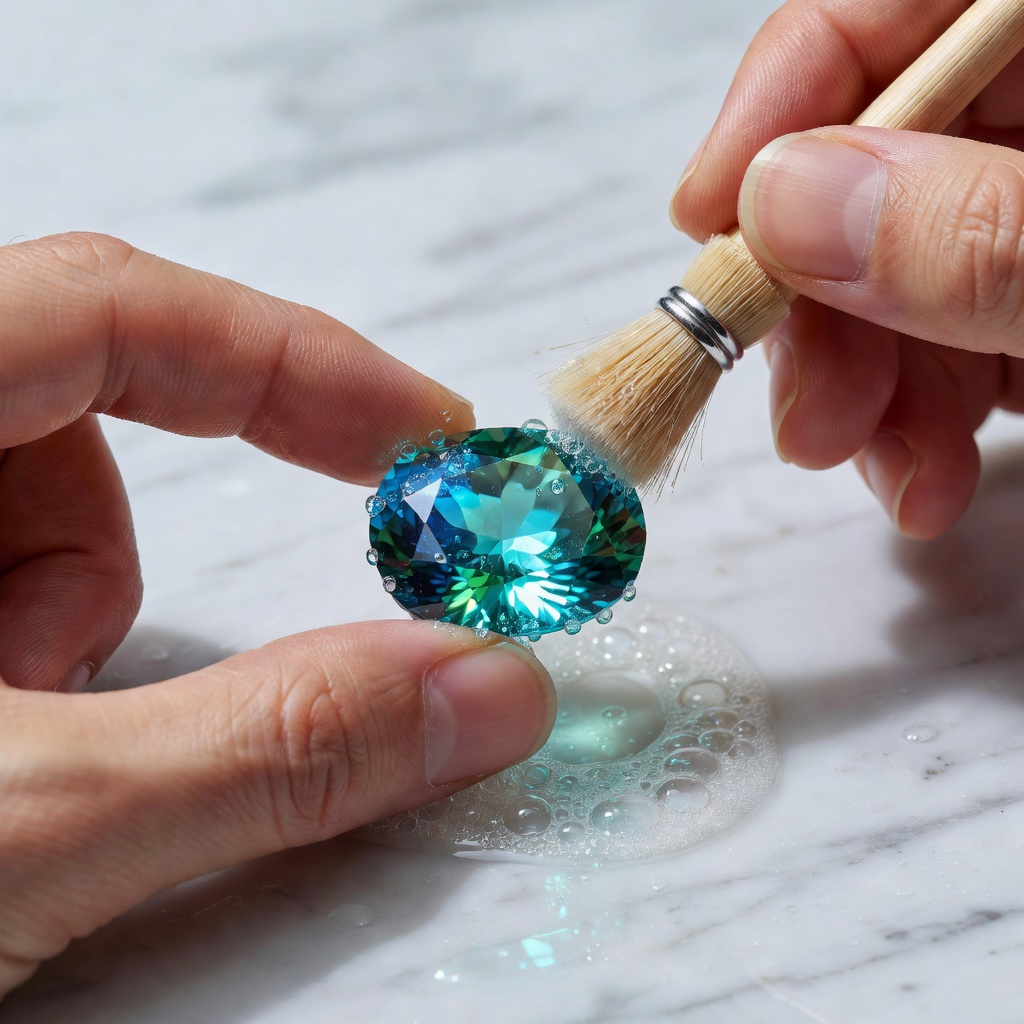
Mastering how to clean Paraiba tourmaline at home requires minimal equipment but demands careful attention to temperature, materials, and technique to preserve the stone's delicate beauty. Begin by preparing a solution of lukewarm water—approximately 85 to 90 degrees Fahrenheit—mixed with a few drops of mild, phosphate-free dish soap such as Dawn or Seventh Generation, avoiding antibacterial formulations that may contain harsh additives. Place your jewelry in this bath for ten to fifteen minutes, allowing the solution to loosen accumulated oils, cosmetics, and environmental debris without subjecting the stone to thermal shock. This gentle immersion method proves particularly effective for pieces with intricate gallery work or pavé settings where dirt accumulates in hard-to-reach crevices.
After soaking, use a soft-bristled baby toothbrush—specifically designed for infant gums with ultra-soft nylon bristles—to gently scrub the stone and setting, paying particular attention to the underside (pavilion) where skin oils and soap scum typically collect. Avoid aggressive scrubbing motions; instead, use light, circular movements that dislodge debris without applying pressure to the stone itself. Rinse thoroughly under lukewarm running water, ensuring all soap residue disappears since dried detergent can create a film that dulls the gem's signature glow. Pat the piece completely dry using a lint-free microfiber cloth, taking care to absorb moisture from behind the stone and between prongs immediately rather than allowing air-drying, which can leave unsightly water spots or mineral deposits from hard water.
Cleaning Methods to Avoid
Recognizing unsafe gemstone cleaning methods proves equally important as knowing proper techniques, as certain popular maintenance approaches can destroy Paraiba tourmaline instantly or cause cumulative damage that manifests months later. Ultrasonic cleaners, despite their popularity for diamonds and sapphires, pose catastrophic risks for copper-bearing stones, as the high-frequency vibrations can expand existing inclusions into visible fractures or cause internal feathers to reach the surface, potentially shattering the gem. The heat generated by these machines compounds the danger, creating thermal shock that stresses the crystal lattice. Similarly, steam cleaning devices that shoot superheated vapor at jewelry can cause rapid temperature spikes that crack Paraiba tourmaline, particularly pieces with existing clarity characteristics or those recently removed from cold environments.
Household chemicals present another category of Paraiba tourmaline cleaning mistakes that owners must vigilantly avoid. Never expose these gems to bleach, ammonia, acetone, or abrasive cleaners like baking soda and toothpaste, which can scratch the surface or erode metal settings holding the stone. One notable incident involved a jewelry owner who soaked her Paraiba pendant in a commercial jewelry dip containing ammonia, resulting in permanent etching of the stone's surface that required professional repolishing and significant weight loss. Even seemingly gentle materials like paper towels or tissues can act as abrasives against the 7.5 hardness surface, creating microscopic scratches that accumulate over time and diminish the gem's vitreous luster. When uncertainty exists regarding a cleaning method, always default to the safest approach—warm water and mild soap—or consult a certified gemologist before proceeding.
Professional Cleaning and Maintenance Schedule
While diligent home care maintains daily brilliance, professional gemstone cleaning services provide essential deep maintenance that preserves both the stone and its setting over decades of wear. Schedule comprehensive inspections and cleanings every six to twelve months with a certified gemologist or reputable jeweler who understands the specific needs of high-value colored stones, rather than general mall kiosks that may use aggressive ultrasonic methods indiscriminately. During these visits, professionals employ specialized steam and polishing equipment calibrated for tourmaline, removing hardened buildup from behind settings and between intricate metalwork that home cleaning cannot address safely. These appointments also include inspection of worn prongs, thinning shanks, and loose stones that could result in loss if left unaddressed.
Beyond cleaning, Paraiba tourmaline jeweler services should include periodic repolishing to remove surface scratches and abraded facet junctions that naturally develop through years of contact with harder materials. Professional jewelers can also rhodium-plate white gold settings, tighten accent stones, and rebuild worn gallery work that protects the primary gem. Maintain detailed documentation during these visits, updating appraisals to reflect current market values—particularly important given the appreciation rates of fine Paraiba specimens—and photographing the stone to track any changes in clarity or color over time. Establishing a relationship with a gemologist who maintains records of your stone's specific inclusion patterns and characteristics proves invaluable for insurance purposes and future identification should the piece require restoration work.
Proper Storage Techniques for Longevity
Implementing appropriate Paraiba tourmaline storage methods when jewelry isn't being worn prevents scratches, chemical exposure, and environmental damage that compromise long-term value. Always store each piece individually in soft fabric pouches—preferably untreated cotton or microfiber—or within separate compartments of a lined jewelry box with individual padded sections. This separation prevents contact with harder gemstones like diamonds, rubies, or sapphires that could scratch the tourmaline's surface, and avoids tangling with chains that might pull prongs or settings. For extensive collections, consider investing in a safe with dedicated jewelry drawers featuring velvet-lined slots that maintain organization while providing security against theft.
Environmental control within your storage area significantly impacts neon blue tourmaline care over time. Avoid locations subject to direct sunlight, such as dresser tops near windows or bathroom counters with natural light exposure, as prolonged UV exposure combined with heat can potentially affect color stability in some treated stones or cause metal settings to expand and contract. Similarly, never store jewelry in attics, basements, or areas with extreme temperature fluctuations or high humidity, which can accelerate tarnishing of silver settings and potentially affect the stone's appearance. Include silica gel packets or anti-tarnish strips in your storage containers to absorb moisture and atmospheric pollutants, replacing these desiccants every three to six months to maintain effectiveness. For travel or daily protection, keep a small, portable jewelry pouch in your purse or car for temporary removal situations.
Chemicals and Environmental Hazards to Avoid
Protecting Paraiba gemstone care requires vigilant avoidance of common chemicals encountered in everyday environments that can erode both the stone and its mounting. Chlorine poses a particularly severe threat, whether encountered in swimming pools, hot tubs, or even household bleach used for cleaning; this reactive element attacks gold alloys and can cause pitting in platinum settings, potentially loosening the stone while simultaneously dulling the gem's surface through chemical reaction. Salt water presents dual dangers for beach enthusiasts, as the corrosive nature of ocean water damages metal settings while abrasive sand particles can scratch the tourmaline during active swimming or beach sports. Always remove rings before washing hands with harsh antibacterial soaps or using hand sanitizers, as the high alcohol content in sanitizers can dry out and crack certain gem treatments or create residue films.
Household substances often overlooked as hazards include acidic cleaners, vinegar solutions, lemon juice, and even carbonated beverages that might splash onto jewelry during daily activities. These acidic compounds can etch the surface of copper-bearing tourmaline over time, creating microscopic pitting that accumulates dirt and diminishes brilliance. Hairsprays, deodorants, and spray sunscreens contain propellants and chemicals that coat stones with invisible layers requiring professional removal if allowed to build up. When engaging in cooking activities, remove Paraiba pieces before handling raw meat, citrus fruits, or tomatoes, as proteins can adhere to settings while acids create immediate exposure risks. Establishing "chemical-free zones" in your daily routine—removing jewelry before cleaning, swimming, or applying beauty products—creates a protective barrier against these environmental hazards.
Travel Care and Protection Strategies
Traveling with precious gemstones demands specialized protocols that balance security, protection, and accessibility during transit. Invest in a hard-shell travel case with individually padded compartments or foam inserts that prevent movement and contact between pieces, avoiding soft fabric rolls that offer insufficient impact protection against luggage handling. For air travel, always carry Paraiba jewelry in your carry-on luggage rather than checked baggage, maintaining physical control of these high-value items while avoiding the temperature extremes and rough handling typical of cargo holds. Consider using a discreet, portable safe or lockbox within your hotel room rather than relying on room safes, which may have master override codes or limited insurance coverage for high-value items.
Documentation proves essential when traveling with Paraiba tourmaline protection in mind, particularly for international journeys where customs declarations and potential loss require proof of ownership and value. Carry current appraisals, certificates of authenticity, and photographs of your jewelry separate from the pieces themselves—perhaps stored digitally in secure cloud storage accessible from anywhere. During airport security screening, place jewelry in a separate bin from other metal items to prevent tangling or scratching, and remove pieces before screening if required, handling them personally rather than allowing them to pass through conveyors where they might fall or become damaged. For extended travel, consider purchasing specialized jewelry insurance riders that cover international transit and foreign locations, as standard homeowners policies often limit coverage for high-value items outside the home country. When engaging in tourist activities at your destination, use hotel safes for pieces you aren't wearing, and consider wearing less valuable "travel jewelry" for high-risk excursions.
Recognizing Damage and When to Seek Help
Developing expertise in Paraiba tourmaline inspection enables owners to identify potential problems before they escalate into catastrophic failures or permanent damage. Examine your stone weekly under good lighting and magnification, looking specifically for new chips along facet edges, cracks extending from existing inclusions, or abraded facet junctions where the sharp edges have become rounded through wear. Cloudiness or a sudden loss of brilliance often indicates either severe residue buildup requiring professional cleaning or internal damage such as feathers that have expanded to reach the surface, compromising both clarity and structural integrity. If you notice any rattling or movement of the stone within its setting, cease wearing the piece immediately, as this indicates dangerously loose prongs that could release the gem during normal activity.
Color changes in your copper-bearing stone—whether fading, darkening, or the appearance of brownish or grayish tints—require immediate consultation with a gemologist, as these may indicate heat damage, radiation exposure, or chemical reactions affecting the copper content responsible for the Paraiba's signature hue. Similarly, visible surface scratches that catch your fingernail, chips that extend below the table facet, or any signs of treatment degradation necessitate professional gemstone damage assessment. Establish a baseline understanding of your stone's specific inclusion patterns using photographs or diagrams from its original certification, allowing you to detect new developments that might indicate impact damage or stress fractures. When in doubt, consult a certified gemologist rather than attempting DIY repairs or continuing to wear potentially compromised pieces, as prompt professional intervention often prevents minor issues from becoming major restoration projects.
Frequently Asked Questions
Can I use an ultrasonic cleaner on my Paraiba tourmaline?
No, ultrasonic cleaners are not recommended for Paraiba tourmaline. The vibrations can expand existing inclusions and fractures within the stone, potentially causing it to crack or shatter. Additionally, the heat generated by ultrasonic machines can create thermal shock. Stick to gentle hand cleaning with warm, soapy water and a soft brush.
How often should I clean my Paraiba tourmaline jewelry?
For routine maintenance, clean your Paraiba tourmaline every 2-3 weeks if worn regularly, using mild soap and lukewarm water. Professional cleaning and inspection should be scheduled every 6-12 months to check settings and perform deep cleaning that removes buildup from hard-to-reach areas without damaging the stone.
Will sunlight damage or fade my Paraiba tourmaline?
Paraiba tourmaline is generally color-stable, but prolonged exposure to intense direct sunlight or high heat can potentially affect its appearance over time. While normal wear won't cause fading, avoid leaving your jewelry in hot cars, windowsills, or under tanning lamps. Store pieces in cool, dark places when not wearing them.
Is it safe to wear Paraiba tourmaline while swimming or showering?
No, you should remove Paraiba tourmaline jewelry before swimming or showering. Chlorine in pools and hot tubs can damage both the gemstone and its metal setting over time. Salt water can corrode settings, and soap residue can create a film that dulls the stone's brilliance. Always remove rings before water activities.
What is the safest way to clean Paraiba tourmaline at home?
The safest method is using lukewarm water (not hot) with a few drops of mild, phosphate-free dish soap. Soak the jewelry for 10-15 minutes, gently scrub with a soft-bristled baby toothbrush, rinse thoroughly under lukewarm running water, and pat dry immediately with a lint-free microfiber cloth. Avoid temperature changes during the process.
How should I store Paraiba tourmaline when not wearing it?
Store Paraiba tourmaline in individual soft fabric pouches or separate compartments in a lined jewelry box to prevent scratching from harder gemstones like diamonds. Keep pieces away from direct sunlight, extreme temperatures, and humidity. Consider using anti-tarnish strips in your storage container and never toss jewelry loosely into a drawer.
Can I use commercial jewelry cleaning solutions on Paraiba tourmaline?
Avoid commercial dipping solutions unless specifically labeled safe for tourmaline. Many commercial cleaners contain ammonia, alcohol, or harsh chemicals that can damage Paraiba tourmaline or erode its setting over time. When in doubt, stick to mild dish soap and water, or consult your jeweler for recommended cleaning products.
Why does my Paraiba tourmaline look cloudy, and how do I fix it?
Cloudiness usually results from accumulated lotion, soap residue, skin oils, or dirt trapped under the setting. Soak the piece in warm, soapy water for 20-30 minutes, then gently scrub with a soft brush, paying attention to the underside of the stone where buildup typically occurs. If cloudiness persists after cleaning, consult a gemologist as it may indicate internal damage.