
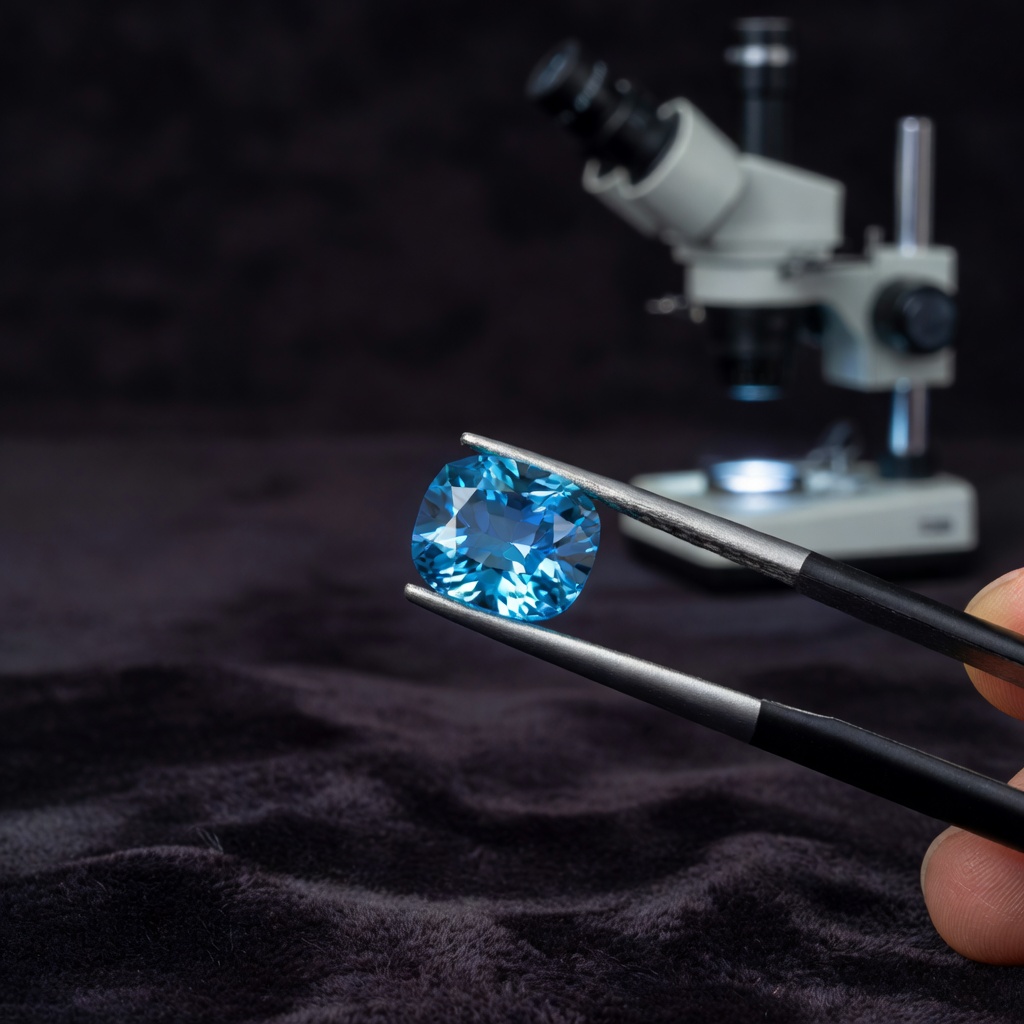
What Makes Paraiba Tourmaline Special?
The discovery of Paraiba tourmaline in the 1980s by visionary miner Heitor Dimas Barbosa in the Brazilian state of Paraíba marked one of the most significant events in modern gemology. After years of dedicated searching through the rugged hills of São José da Batalha, Barbosa uncovered crystals containing copper and manganese that produced an unprecedented electric glow unlike any tourmaline previously known. This copper bearing tourmaline created an immediate sensation in the jewelry world due to its vivid neon blue and green hues that seemed to generate their own internal light source. Today, genuine Paraiba tourmaline remains one of the most coveted and valuable colored gemstones, with prices often exceeding those of fine diamonds on a per-carat basis.
The rarity of this exceptional gemstone cannot be overstated, as the original Brazilian mines produce very limited quantities of rough material, with most crystals weighing less than one carat in their finished form. Mining operations face significant challenges including difficult terrain, depleted primary deposits, and the inherent fragility of the tourmaline crystals during extraction. When navigating this Paraiba Tourmaline Buying Guide, it is essential to understand the distinction between stones labeled simply as "Paraiba" versus those designated as "Paraiba-type" or "copper bearing tourmaline" from African sources. While both contain the critical copper content responsible for the neon coloration, Brazilian stones command significant premiums due to their historical provenance and extreme scarcity.
Decoding the Signature Neon Color Spectrum
The mesmerizing color range of neon blue tourmaline extends from intense electric blue and turquoise to mint green and violet hues, with the most valuable specimens displaying a saturated "Windex" blue or vibrant neon turquoise. Unlike other tourmaline varieties that derive their color from iron or vanadium, Paraiba stones owe their distinctive appearance to copper ions that create an almost supernatural glow under various lighting conditions. This phenomenon, often described as "neon" or "electric," results from the specific interaction between copper and manganese within the crystal lattice, producing colors that appear to glow from within even under subdued lighting.
When evaluating Paraiba tourmaline color, saturation and tone prove more critical than the specific hue, though vivid blues typically command the highest premiums in the marketplace. Stones with medium to medium-light tones often display the most striking neon effect, as very dark stones can appear muddy while overly light specimens lack the desired intensity. Collectors should examine potential purchases under multiple lighting sources, including natural daylight, incandescent, and LED lighting, to ensure the stone maintains its characteristic brilliance across different environments. The most exceptional specimens demonstrate strong fluorescence and a luminous quality that distinguishes them from other blue gemstones such as sapphire or aquamarine.
Brazilian vs. African Origins: Key Differences
The geological story of Brazilian Paraiba tourmaline begins in the copper-rich pegmatites of Paraíba state, where the original São José da Batalha mine and surrounding deposits yielded the first specimens to captivate the gem world. These historic mines, including the famous Alto dos Quintos and Mulungu workings, have become largely depleted, with production dwindling to mere kilograms of rough material annually, making fine Brazilian stones increasingly scarce. In contrast, significant discoveries of copper bearing tourmaline in Nigeria during the early 2000s and later in Mozambique's Alto Ligonha district have provided the market with additional sources of these coveted gems. While chemically similar due to their copper content, Mozambique Paraiba tourmaline and Nigerian material often display subtle visual distinctions from their Brazilian counterparts.
Brazilian stones typically exhibit more intense, saturated neon blue colors with a distinctive glow that many collectors consider the benchmark for the variety, while African material may show slightly different hue ranges including more greenish-blue or violet tones. Mozambique stones frequently occur in larger crystal sizes than their Brazilian equivalents, offering opportunities to acquire substantial specimens above three carats, which remain extraordinarily rare from Brazilian sources. The price differential between origins remains substantial, with fine Brazilian Paraiba tourmaline commanding premiums of 50% to 100% or more compared to equivalent-quality African stones. However, exceptional Mozambique specimens with top-tier color have achieved remarkable prices at auction, narrowing the gap as the market recognizes the finite nature of all copper bearing tourmaline deposits.
Understanding the 4Cs for Paraiba Stones
When evaluating Paraiba tourmaline using traditional gemstone quality criteria, color unequivocally takes precedence over all other factors, including clarity, which represents a significant departure from diamond grading standards. The unique phenomenon of Paraiba tourmaline clarity involves common inclusions such as hollow growth tubes, liquid feathers, and two-phase inclusions containing both liquid and gas bubbles, which gemologists often accept as evidence of natural origin. Unlike diamonds where inclusions significantly detract from value, Paraiba stones with exceptional color may command premium prices despite visible inclusions, provided these characteristics do not severely impact durability or face-up appearance. Prospective buyers should prioritize vivid, saturated color over flawless clarity, as eye-clean stones with top color prove exponentially rarer than included specimens.
Skilled lapidaries utilize specific cutting styles to maximize the neon color intensity and face-up appearance of these valuable gems, often favoring brilliant cuts with deeper pavilions to enhance light return and color saturation. The orientation of the crystal during cutting critically affects the final appearance, as tourmaline exhibits pleochroism, showing different colors when viewed from different angles, requiring cutters to align the table perpendicular to the crystal's length for optimal blue color display. Carat weight rarity significantly impacts pricing structures, with exponential increases occurring at weights exceeding one carat for fine Brazilian material and two to three carats for African stones. Stones surpassing five carats with exceptional color represent true museum-quality specimens, often achieving six-figure price per carat valuations at international auction houses due to their extreme scarcity.
Investment Value and Price Factors
The current market for Paraiba tourmaline price per carat spans an extraordinary range from approximately $5,000 for commercial-quality African material to well over $50,000 for exceptional Brazilian specimens exceeding two carats with vivid neon blue color. Several critical factors drive these valuations, including geographic origin, color intensity and saturation, clarity characteristics, and carat weight, with Brazilian provenance and electric blue hues commanding the strongest premiums. Recent auction records demonstrate the investment potential of fine specimens, with a 3.59-carat Brazilian Paraiba ring selling for over $200,000 and exceptional large stones achieving prices rivaling fine colored diamonds. The market has shown remarkable resilience and growth, particularly for documented Brazilian material, as collectors recognize the finite supply of these geological treasures.
Liquidity considerations remain important for investors, as the ultra-high-end colored gemstone market requires access to specialized dealers, auction houses, and knowledgeable collectors to realize full value upon resale. Unlike gold or blue-chip stocks, Paraiba tourmaline represents a concentrated store of value that requires proper documentation, including laboratory certification verifying copper content and origin, to maintain marketability. Long-term investment potential appears strong due to increasing scarcity, growing Asian market demand, and the gemstone's unique position as the only tourmaline variety consistently achieving prices comparable to precious gems like ruby, sapphire, and emerald. However, investors should approach purchases with realistic expectations regarding holding periods and the necessity of acquiring truly exceptional specimens to ensure appreciation potential.
Laboratory Certification and Authentication
Comprehensive Paraiba tourmaline certification from respected gemological laboratories serves as the foundation of any significant purchase, with the Gemological Institute of America (GIA), American Gemological Laboratories (AGL), Gübelin Gem Lab, and SSEF (Swiss Gemmological Institute) representing the gold standard for documentation. These institutions employ advanced spectroscopic analysis to verify copper content, the definitive characteristic distinguishing genuine copper bearing tourmaline from other blue tourmaline varieties like indicolite. Origin determination reports provide crucial provenance information, though laboratories face ongoing challenges in definitively distinguishing between Brazilian and African material due to overlapping chemical signatures, often resulting in "undetermined" origin reports for borderline cases.
The authentication process involves detecting potential simulants including synthetic copper-bearing tourmaline, which has entered the market in recent years, as well as treated stones or mislabeled indicolite tourmaline lacking copper content. Reputable labs utilize advanced techniques including UV-Vis-NIR spectroscopy, chemical microanalysis, and microscopic examination to identify characteristic inclusions and growth patterns unique to natural Paraiba material. Buyers should insist on reports specifically stating "Paraiba tourmaline" or "copper-bearing tourmaline" rather than generic "tourmaline" descriptions, and verify that certificates include treatment disclosure regarding heat enhancement. When purchasing high-value specimens, obtaining duplicate certifications from multiple laboratories or seeking "Premium" reports from institutions like SSEF or Gübelin provides additional security and market confidence.
Heat Treatment and Enhancement Disclosure
Low-temperature heat treatment represents the most common enhancement for Paraiba tourmaline, with industry estimates suggesting that 80-90% of commercially available stones have undergone this permanent, stable treatment to improve color saturation and reduce brownish or greenish secondary tones. This process, typically conducted at temperatures between 400-600 degrees Celsius, mimics natural geological heat exposure and is widely accepted within the trade as a standard practice for copper bearing tourmaline. Detection of heated Paraiba tourmaline requires sophisticated laboratory equipment, as the treatment leaves no visible residue and produces permanent color changes distinct from temporary enhancements like oiling or fracture filling. Reputable dealers should disclose heat treatment transparently, though untreated stones command significant premiums, often 20-50% above treated equivalents, particularly for Brazilian material.
Beyond heat treatment, buyers must remain vigilant against less acceptable enhancements including polymer or glass filling of surface-reaching fractures, which significantly compromise durability and value. These temporary treatments, sometimes applied to improve apparent Paraiba tourmaline clarity, can be detected through careful microscopic examination revealing flash effects or unnatural luster in filled fractures. When reviewing laboratory reports, look for specific statements regarding "no indications of heating" for untreated stones, or clear disclosure of heat treatment for enhanced material. The impact of treatment disclosure on pricing varies by market segment, with collectors of investment-grade stones particularly valuing untreated provenance, while jewelry buyers often prioritize aesthetic appearance over treatment history provided the enhancement is permanent and properly disclosed.
Where to Buy: Dealers and Red Flags
Acquiring genuine Paraiba tourmaline requires careful vetting of colored stone dealers, with established auction houses such as Christie's, Sotheby's, and Bonhams offering the highest level of provenance assurance for significant investments, though typically at premium prices. Specialized colored stone dealers with established reputations in hubs like New York, Geneva, Bangkok, and Hong Kong provide access to both Brazilian and African material, often offering stones before they reach public auction. When evaluating potential sellers, inquire specifically about the stone's mining origin, treatment history, and previous ownership documentation, requesting detailed answers regarding copper content verification and laboratory certification. Reputable dealers welcome questions about return policies and independent verification periods, typically offering 5-10 business days for buyers to have stones examined by their own gemologists.
Several warning signs should trigger immediate caution when you buy Paraiba tourmaline, including prices significantly below market rates for the stated quality, vague or missing documentation regarding laboratory certification, and sellers unwilling to provide detailed provenance information. Be particularly wary of stones described as "Paraiba color" or "Paraiba-type" without clear disclosure of African origin, or specimens offered without copper content verification claiming Brazilian provenance. Online marketplaces require extra diligence; verify that sellers offer secure escrow services for high-value transactions and provide high-resolution videos showing the stone under various lighting conditions. Never purchase significant Paraiba tourmaline without a comprehensive laboratory report from a recognized institution, and consider requiring updated certifications for stones acquired from secondary markets to ensure no treatments were applied subsequent to original documentation.
Care, Setting, and Maintenance Tips
With a Mohs hardness of 7 to 7.5, Paraiba tourmaline possesses adequate durability for jewelry wear, though its brittle tenacity and perfect cleavage in one direction require protective settings and mindful handling to prevent chipping or fracture. When designing settings for these valuable gems, jewelers recommend bezel settings or protective halo designs that shield the girdle and corners from impact, avoiding exposed prong settings that leave edges vulnerable to damage during daily wear. The gemstone's sensitivity to thermal shock and sudden temperature changes necessitates removal before activities involving extreme heat or cold, including cooking, sauna use, or winter sports where rapid temperature fluctuations might stress internal inclusions.
Paraiba tourmaline care requires avoiding ultrasonic and steam cleaners, which can exacerbate existing fractures or cause thermal shock to included stones, opting instead for gentle cleaning using warm soapy water and a soft brush. Store these precious gems separately from harder stones like diamonds, sapphires, or rubies to prevent scratching, utilizing individual soft pouches or compartmentalized jewelry boxes lined with fabric. Given the substantial investment value, maintain current insurance appraisals from qualified gemologists familiar with the Paraiba market, updating valuations every 2-3 years to reflect market appreciation. Keep all laboratory certifications, purchase receipts, and photographic documentation in secure storage to facilitate claims processing or future resale, ensuring your documentation package includes specific notes on copper content, origin, and any treatments applied to the stone.
Frequently Asked Questions
Why is Paraiba tourmaline so expensive compared to other tourmalines?
Paraiba tourmaline commands premium prices due to its extreme rarity, limited geographic sources, and unique copper content that creates an unmatched neon glow. Brazilian stones are particularly valuable because the original mines are nearly depleted, while high-quality African stones also fetch significant prices due to strong demand and limited supply of fine specimens.
How can I tell if a Paraiba tourmaline is real or a simulant?
Authentic Paraiba tourmaline contains copper and manganese, detectable through spectroscopic analysis by reputable labs like GIA or AGL. Visual clues include the characteristic neon glow under various lighting conditions. Always request a certificate verifying copper content and be wary of stones sold at suspiciously low prices or without documentation.
What is the difference between Brazilian and African Paraiba tourmaline?
While chemically similar due to copper content, Brazilian Paraiba tourmalines typically display more intense neon blue colors and command higher prices due to their historical significance and scarcity. African stones (Nigerian and Mozambican) often show slightly different hue ranges and may be larger, offering better value though generally priced lower than Brazilian specimens.
Is heat-treated Paraiba tourmaline acceptable to buy?
Yes, low-temperature heat treatment is widely accepted in the Paraiba market and mimics natural geological processes. Most fine Paraiba stones on the market have been heated to improve color. However, disclosure is essential, and untreated stones command higher premiums. Avoid stones with fracture filling or other temporary enhancements not disclosed by the seller.
What color is most valuable in Paraiba tourmaline?
The most valuable color is vivid, saturated electric blue with strong fluorescence, often described as 'neon' or 'electric' blue. However, 'Windex' blue, turquoise, and mint green varieties with high saturation are also highly prized. The key is the intensity and glow rather than the specific hue, though pure blues typically command the highest prices.
What is a fair price per carat for quality Paraiba tourmaline?
Prices vary dramatically based on quality and origin. Commercial-quality African stones may start around $2,000-$5,000 per carat, while fine Brazilian specimens can exceed $20,000-$50,000 per carat. Exceptional large stones (over 3 carats) with top color can command six figures per carat at auction. Always compare similar quality stones when evaluating pricing.
Can Paraiba tourmaline be worn daily in an engagement ring?
While Paraiba tourmaline has a hardness of 7-7.5 on the Mohs scale, making it suitable for jewelry, it requires protective settings for daily wear due to its brittleness and cleavage. Bezel or halo settings are recommended over exposed prong settings. The stone should be removed during rough activities, cleaning, or exposure to harsh chemicals.
Does Paraiba tourmaline hold its value as an investment?
High-quality Paraiba tourmaline has shown strong value retention and appreciation, particularly Brazilian stones and exceptional African specimens. However, like all colored gemstones, investment potential depends on purchasing at fair market prices, obtaining proper documentation, and selecting stones with exceptional color and clarity. The market remains strong due to increasing scarcity and sustained collector demand.


